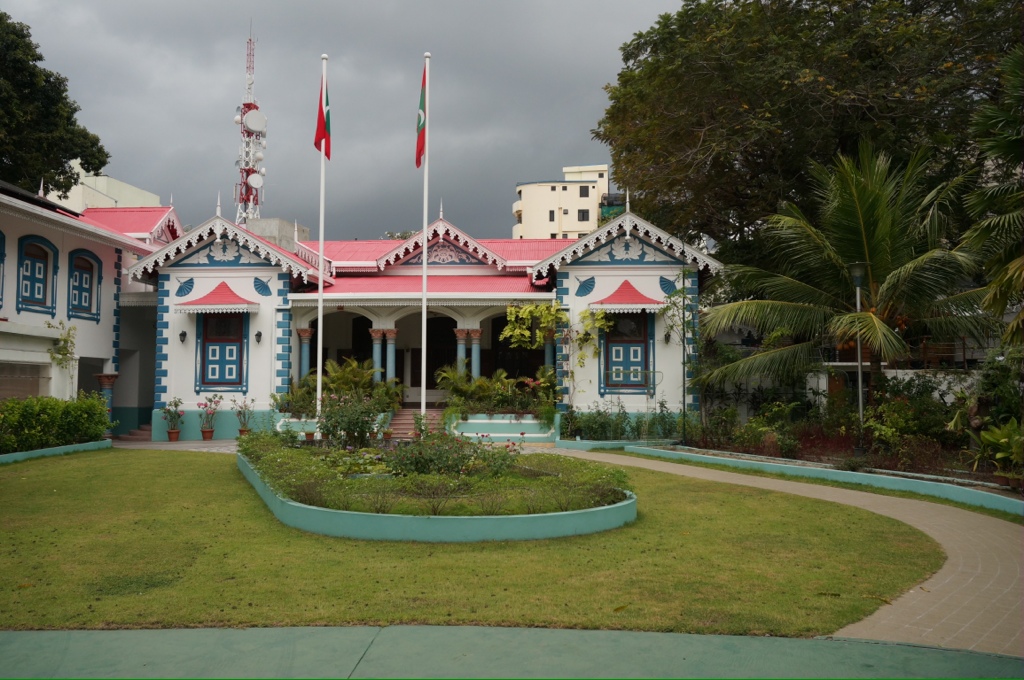
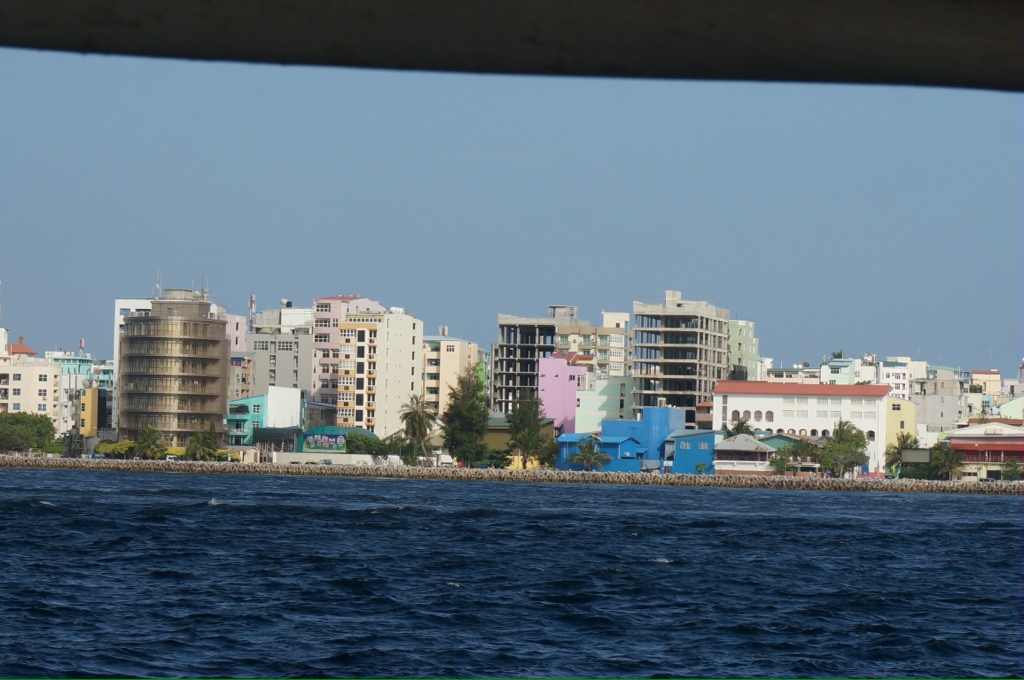
The Maldives is a country consisting of 1190 small islands (atolls), 192 of the islands are inhabited and another 109 islands are resorts (we understand very exclusive and expensive). Only one resort is allowed on any island. The population of the country is 315,000. Male is the capital and is an island measuring 2 km by 1 km. Half the population, 150,000 live in Male. It is shore to shore buildings and the island has been more than doubled in size with reclamation projects. The highest altitude is only about one meter, a good tsunami would wipe out the whole country.
Th Maldives are considered to be a “bell weather” for global warming. As the oceans rise it will be the first to experience problems and may disappear.
The last big tsunami destroyed about 65% of the buildings and 20 people were killed (amazing there wasn’t more damage and casualties.)
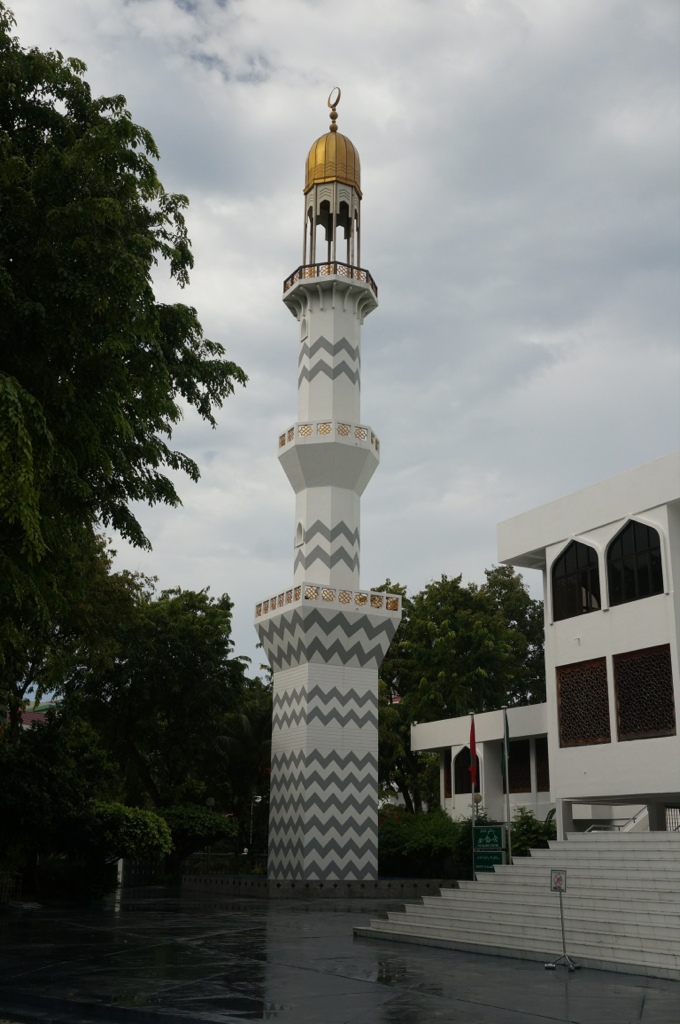
This is a Muslim country, no swimming is allowed on Male and there are 20 mosques on the island. While the men are in western style dress, women are in the various Muslim dress.
There is a lot of building going on and we see buildings where half is occupied while the other half is being constructed. All drinking water has to be imported and there is a desalination plant under construction now.
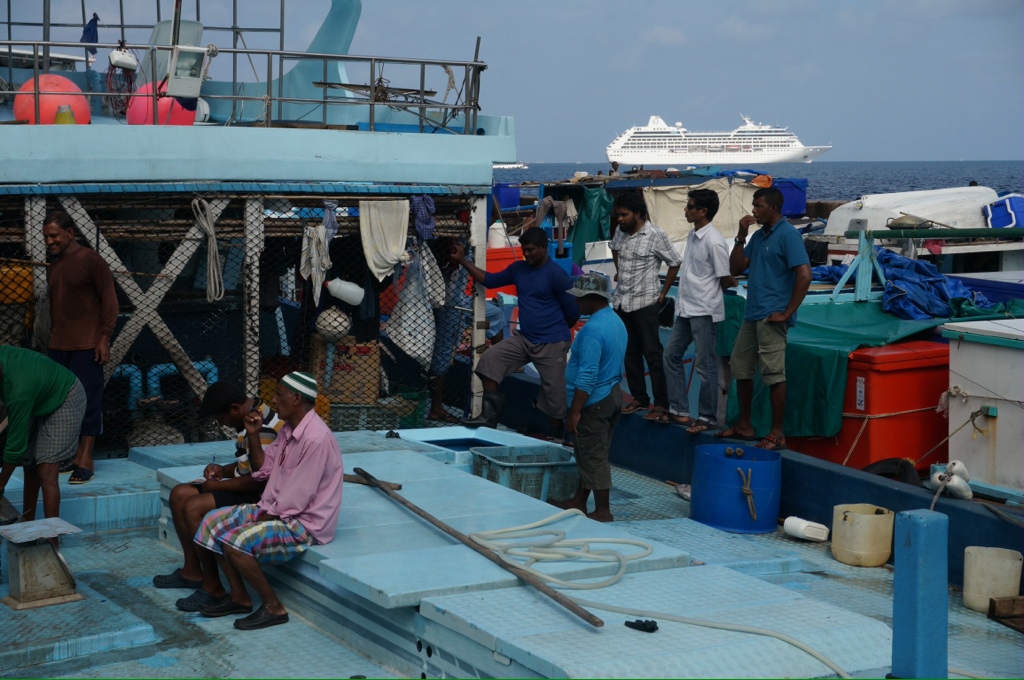
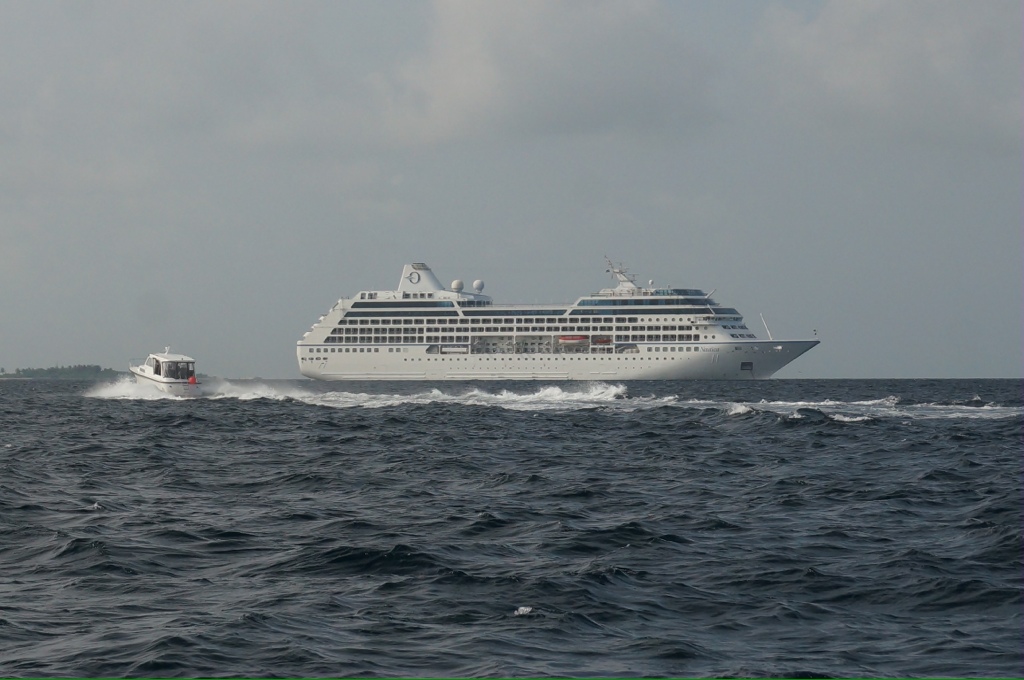
There is a small harbour and we have to anchor out and tender in to shore. We see a lot of ships anchored around us – yachts of all sizes, including dozens of huge mega yachts; freighters, which appear to be empty; many local fishing boats, water taxis of all sizes. The resorts all run shuttle services to Male and some other islands. The airport is on an island of its own. High season for the resorts is November to April.
The Tamil Tigers tried to attack 25 years ago. India came to other rescue and the attack was repelled.
The Portuguese were here. I am not clear on the dates but they left in the 16th century. The country was ruled by a king until democracy was introduced in the early 20th century. The royal family now lives in India.
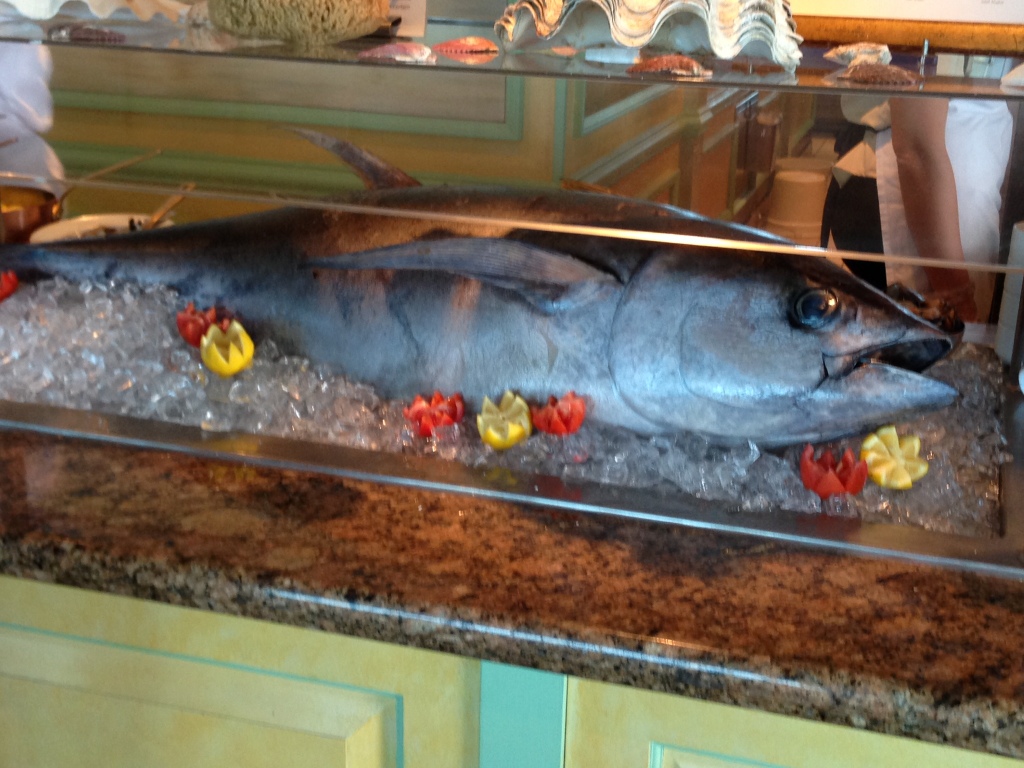
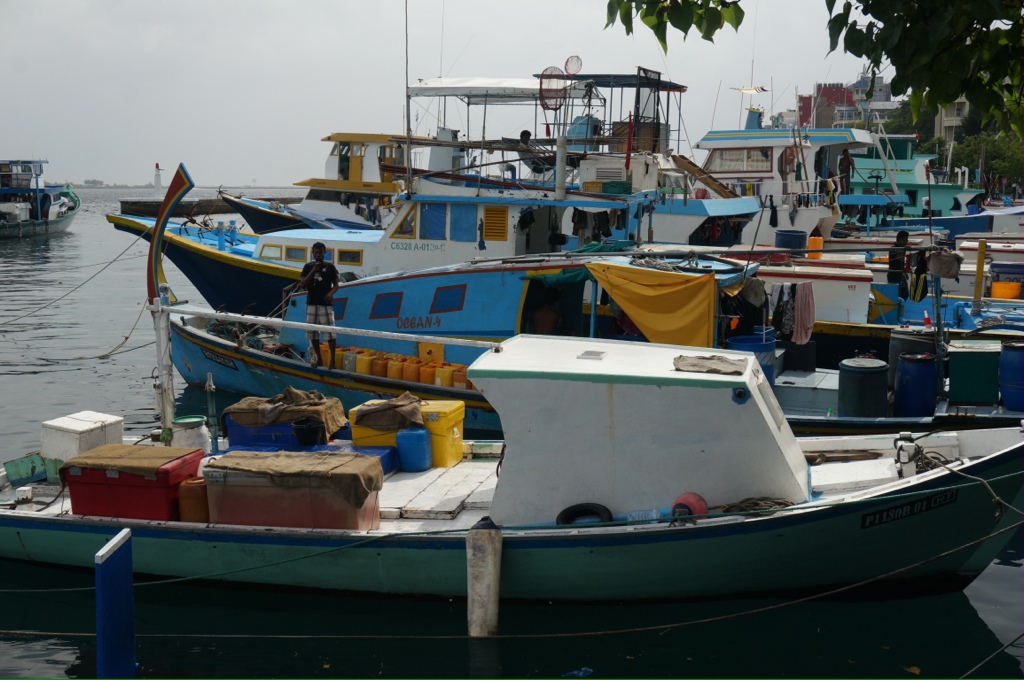
Today the main industry is tourism, next is fishing. They export fish, mainly yellow fin tuna. The harbour is filled with small fishing boats.
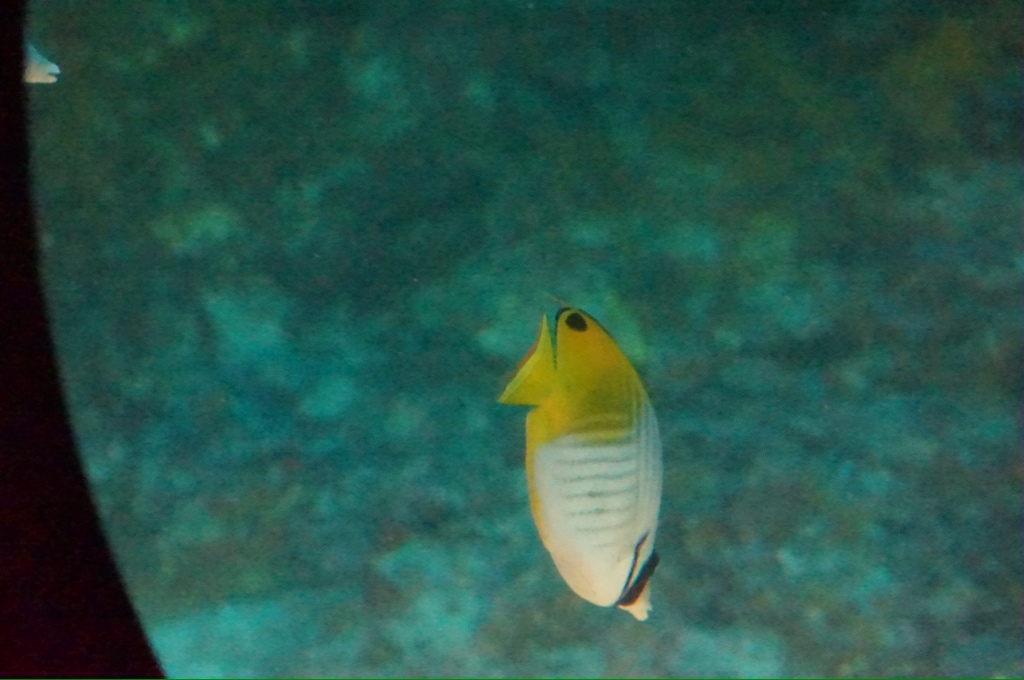
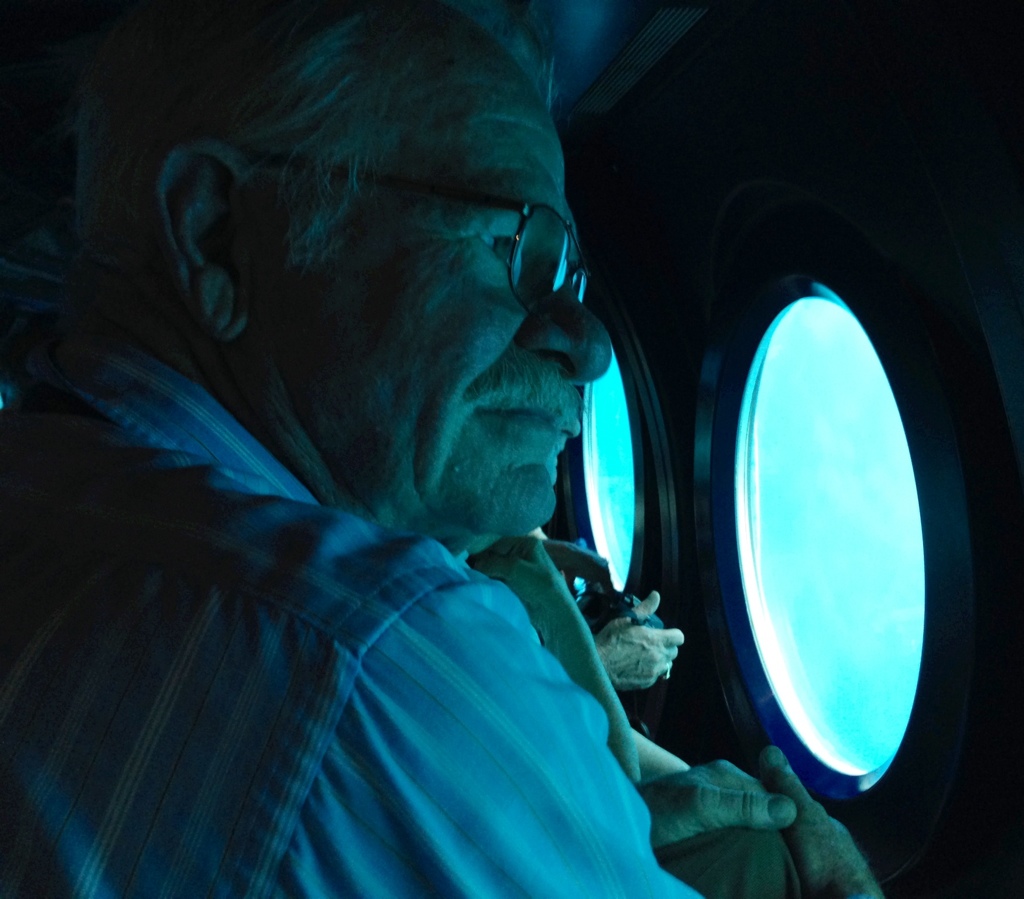
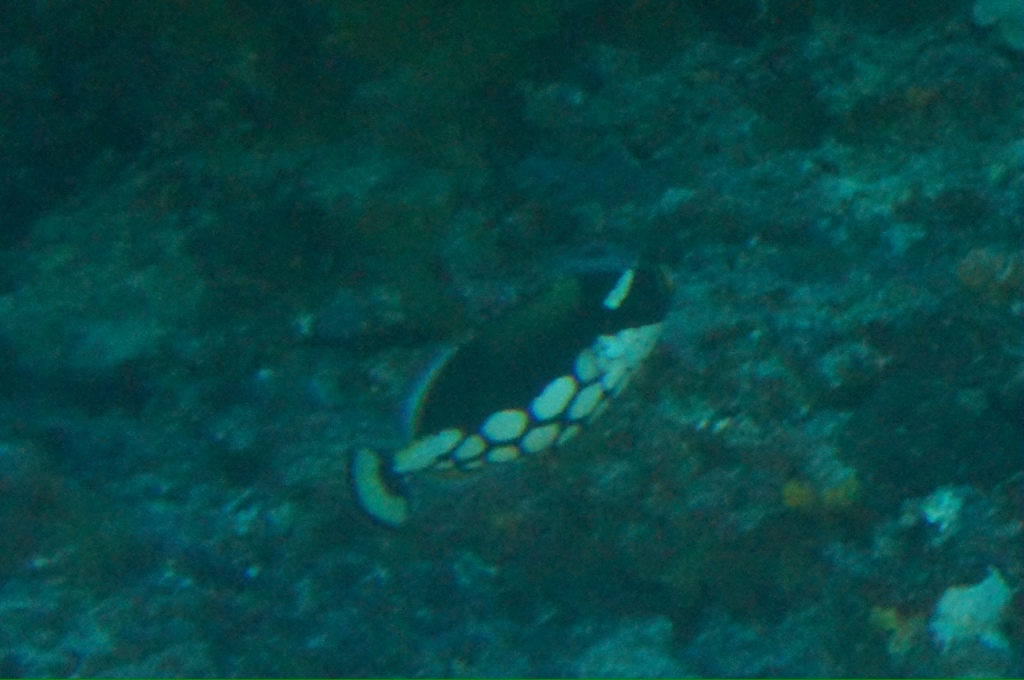
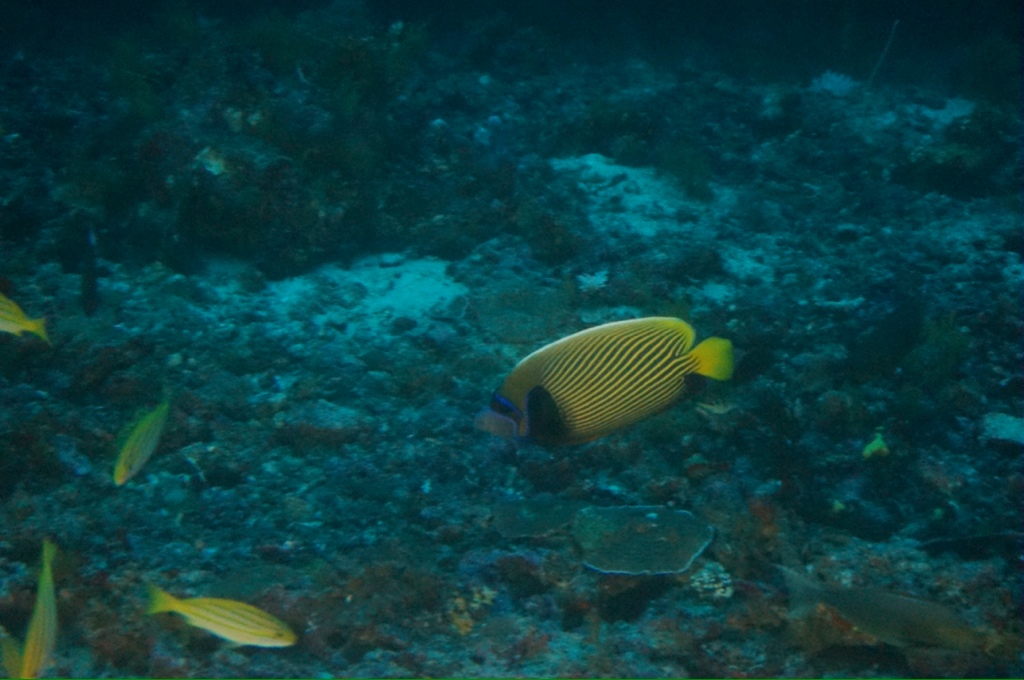
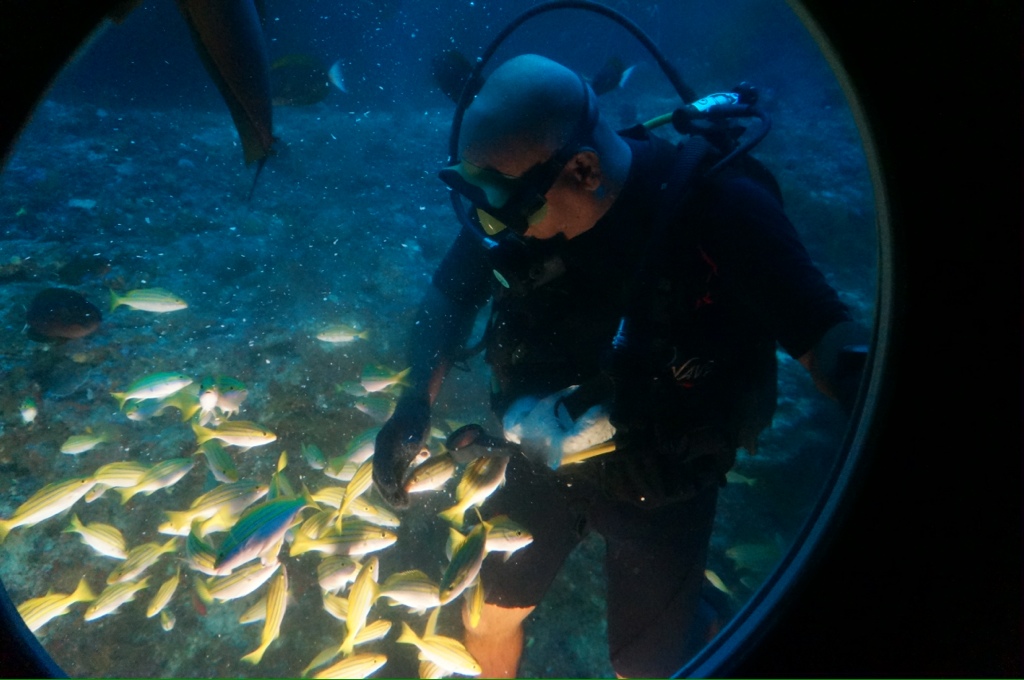
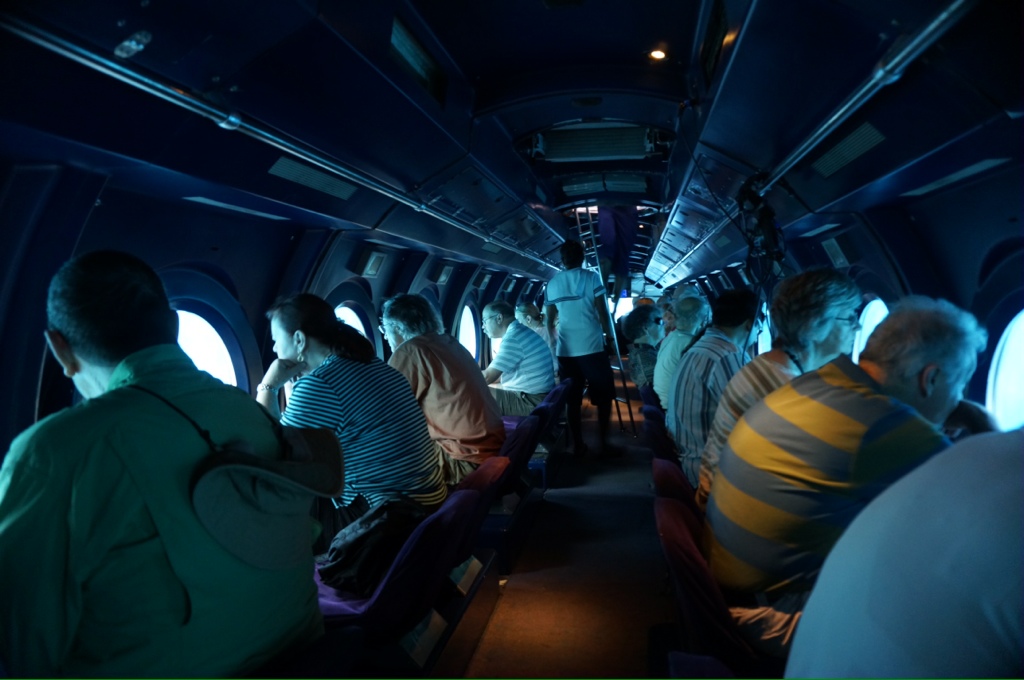
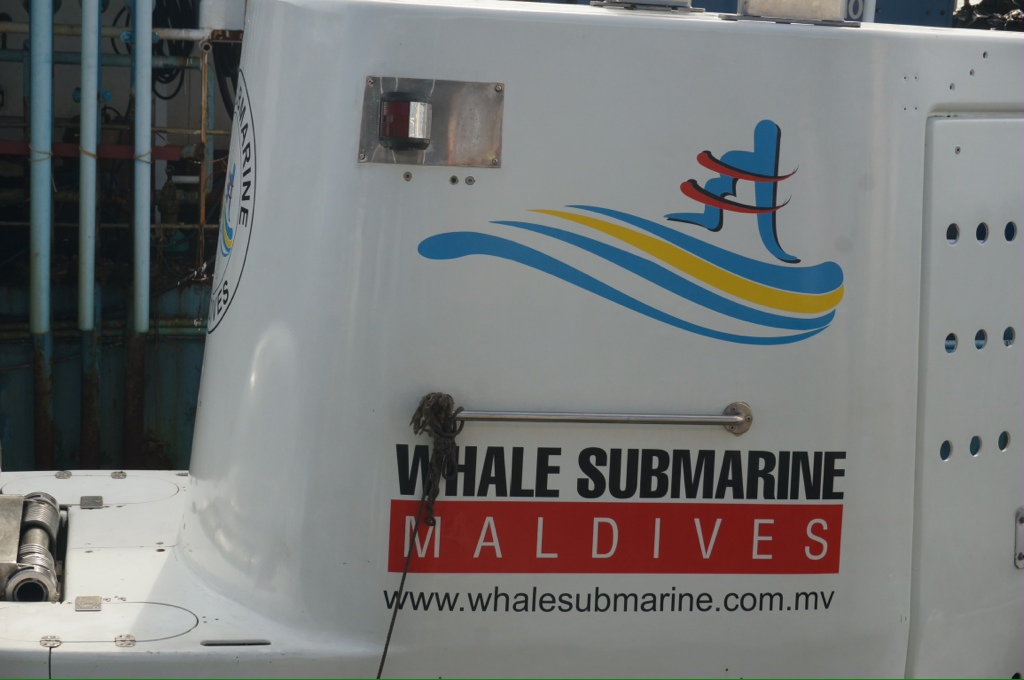
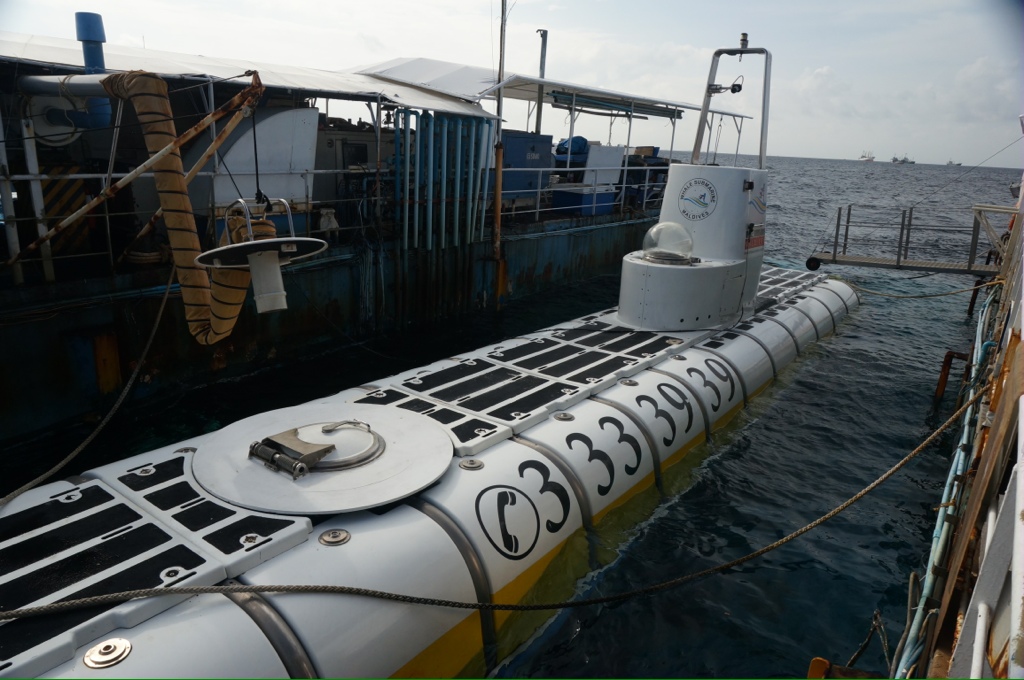
We arrived here at 2:00 pm on the 19th. Gary and I went on a submarine trip to see the underwater life. It was a fairly big submarine, held about 60 people and everyone had a window seat. We did see a small variety of fish. There were 2 divers who fed the fish as well. After having been on a submarine on the Great Barrier Reef we were surprised at how murky the water was and the small variety of fish, coral and other sea life. We did see a moray eel.
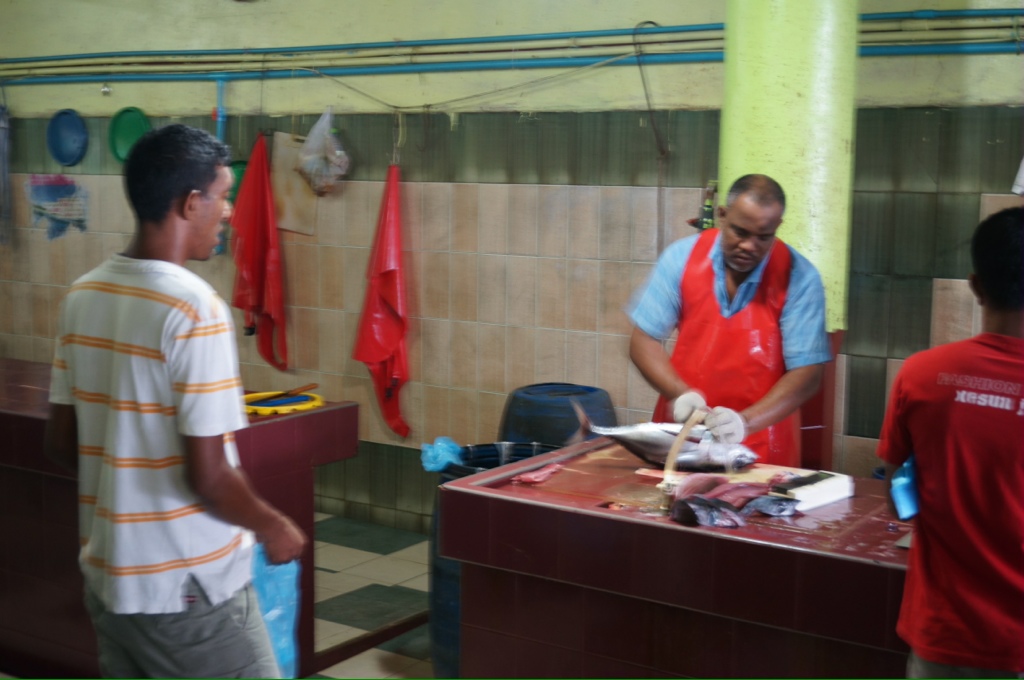
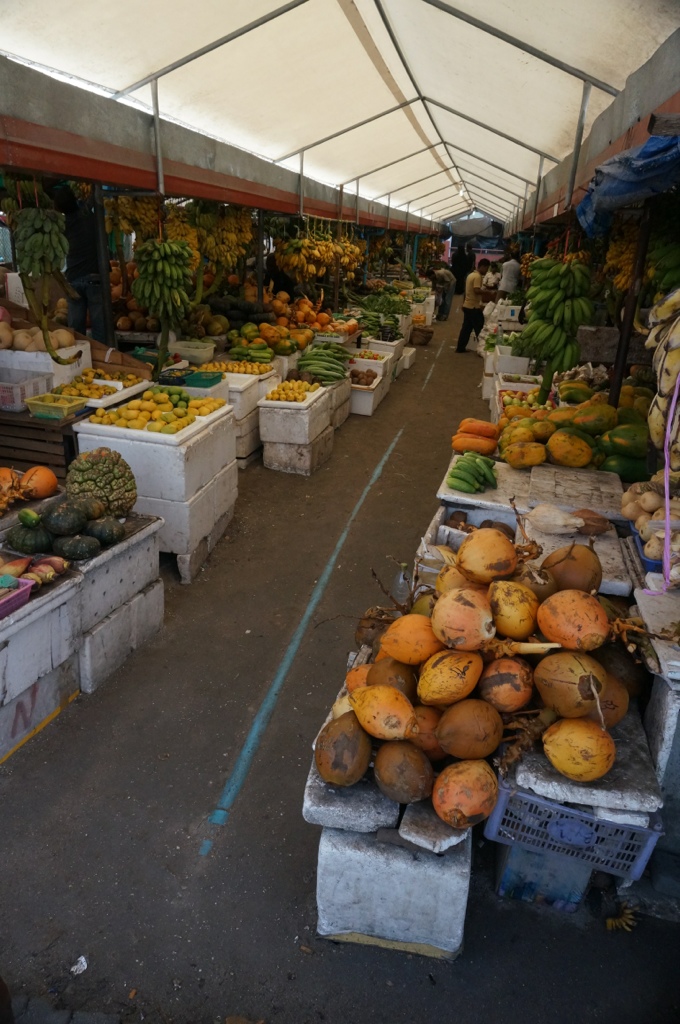
The second day we did a walking tour of Male – didn’t take long! Everyone was very friendly. All the signs are in English, often the local language is not used at all. Our guide said English is now the main language. We visited a fruit/vegetable market as well as the fish market. As it was Friday, some things were closed and traffic was light. Most of their food is imported except for fish. There was a lot of bananas and coconuts in the markets.
The fish market seemed to be only partially open, lots of bigger fish. After buying your fish you take to another section for cleaning. We had a lovely seafood lunch on board!
We are at 5 degrees latitude so it is getting hot and humid, a little rain today for about 1/2 hour, while we were in the museum.
The next 2 days are at sea as we travel toward the Seychelles.