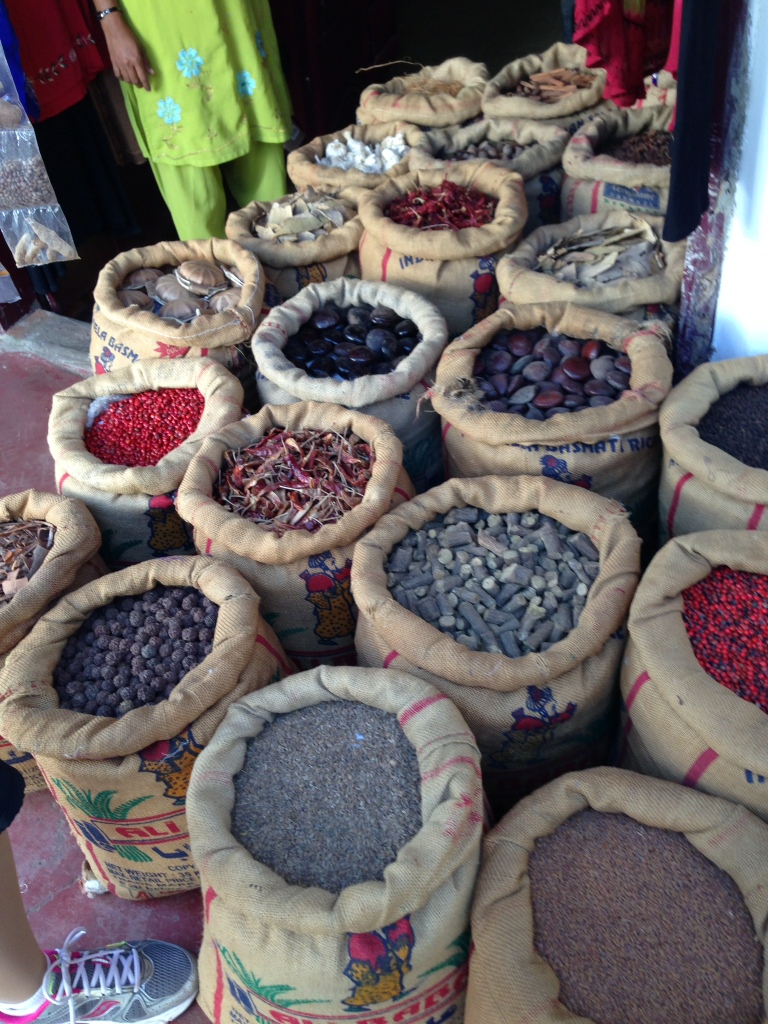
Cochin is a city of about 1.5 million people built on a series of islands, some of them made man. It has long been a trading centre and there is evidence of trading with the Chinese very early. There has also been a Jewish community here for 2000 years when the they fled from Palestine. The Portuguese arrived here 500 years ago in search of spices, sandalwood and ivory. The export of spices is still an important industry and we saw market stalls with bags of the local spices for sale.
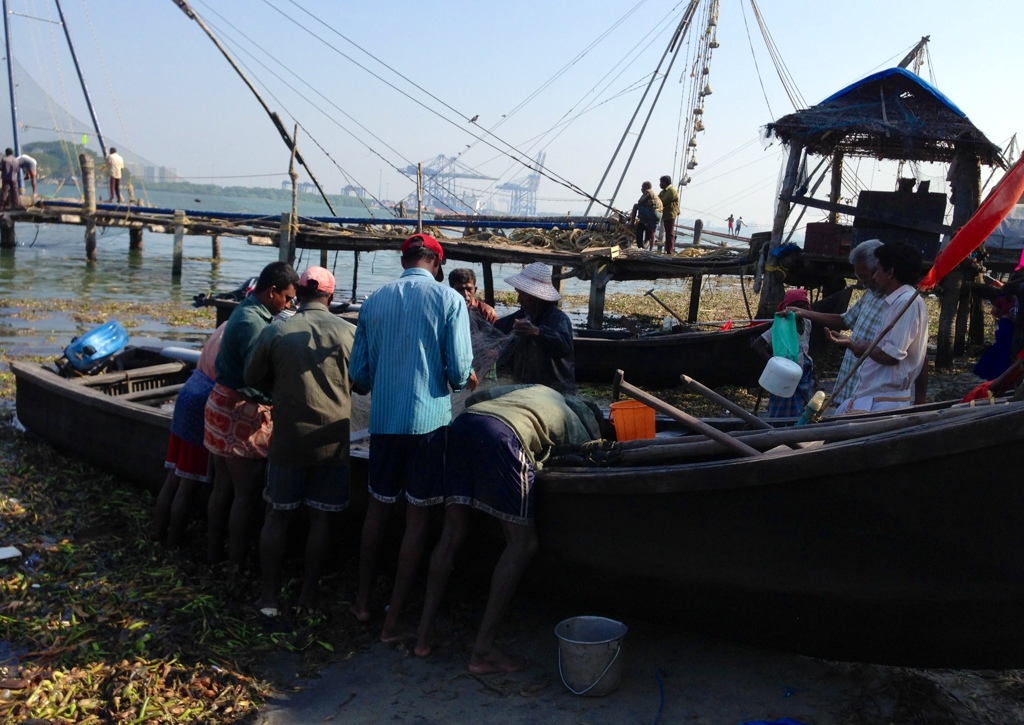
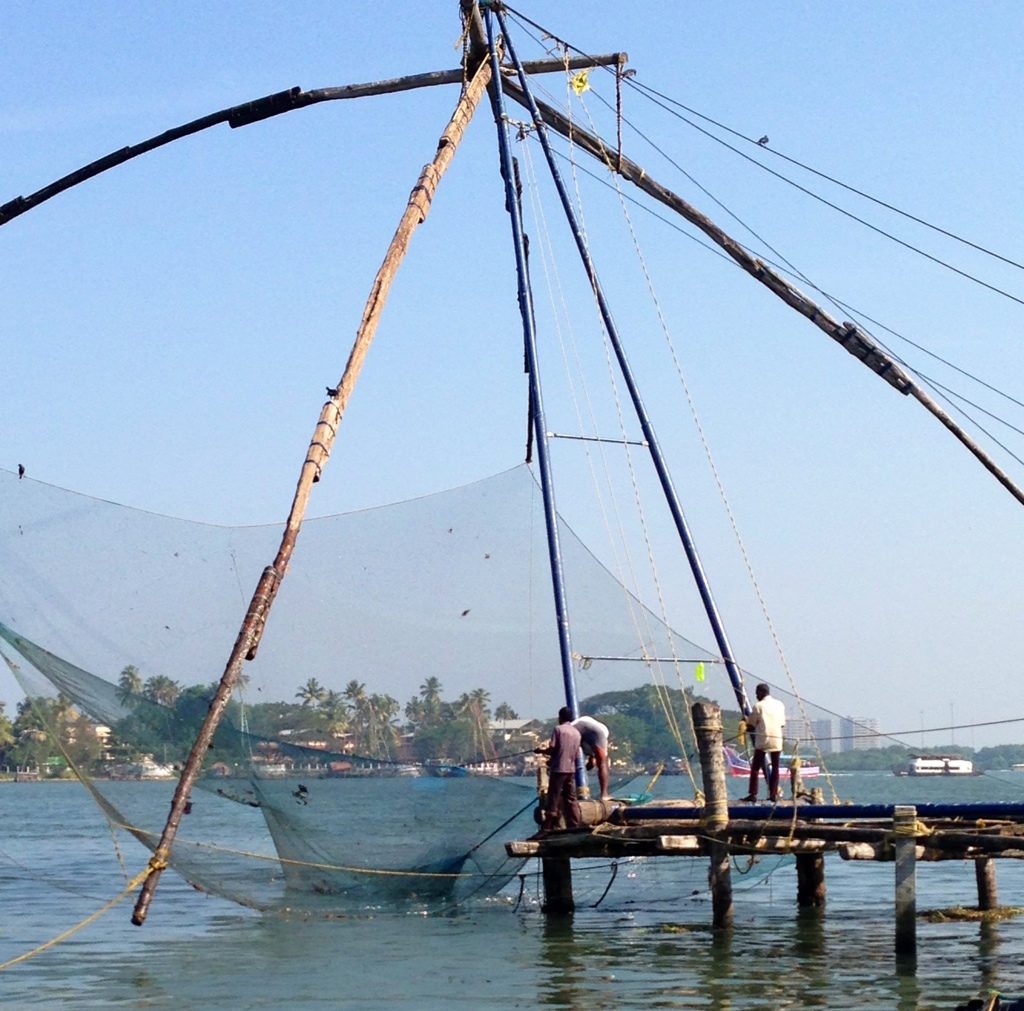
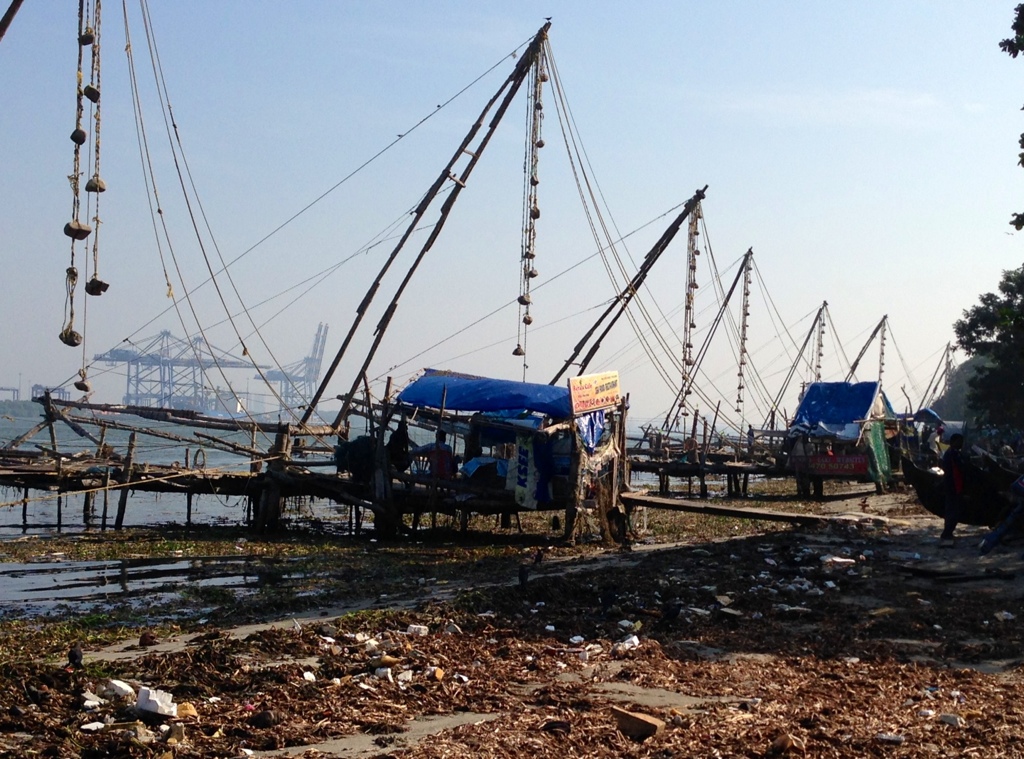
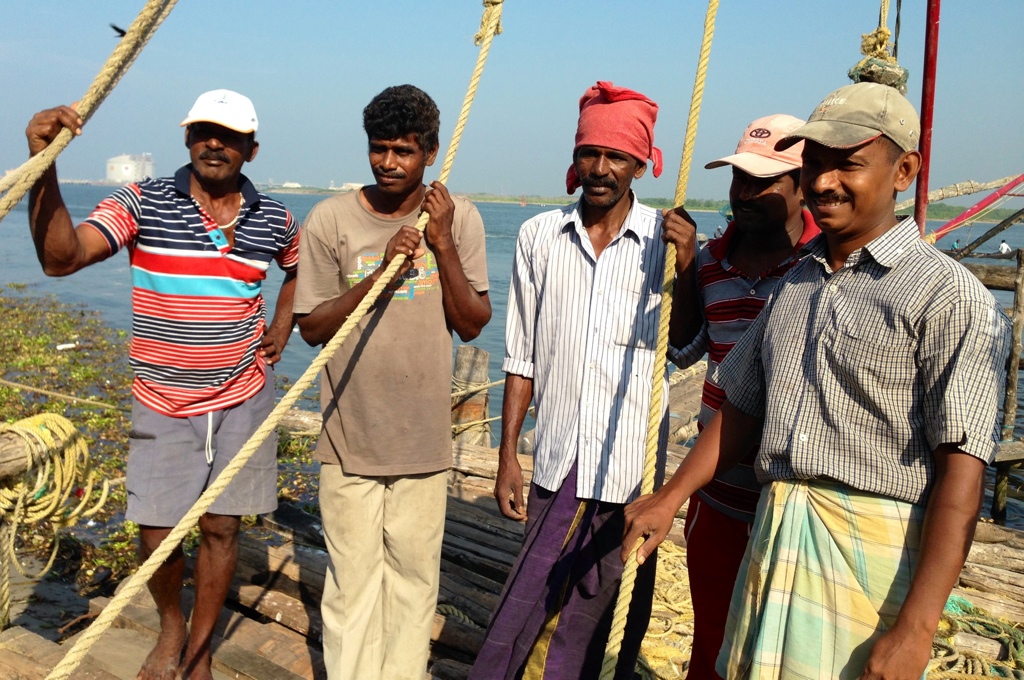
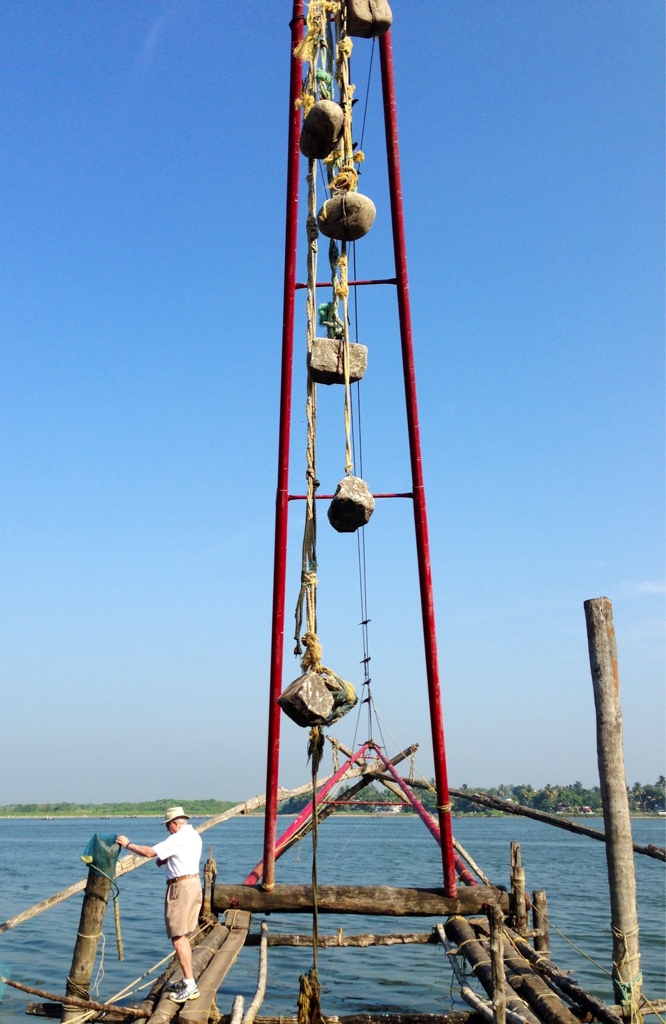
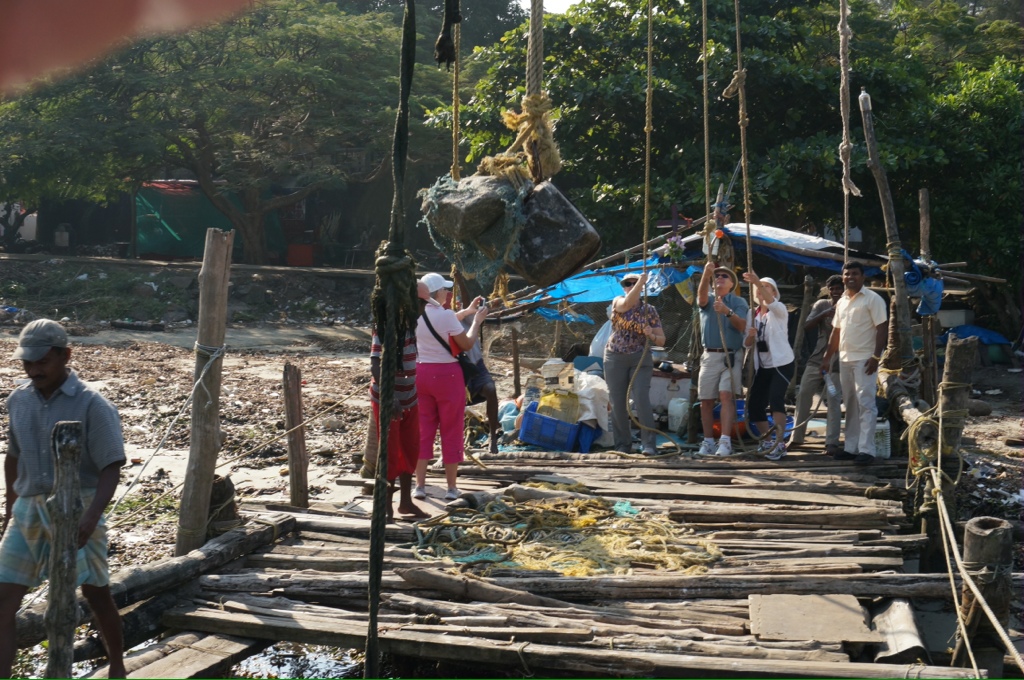
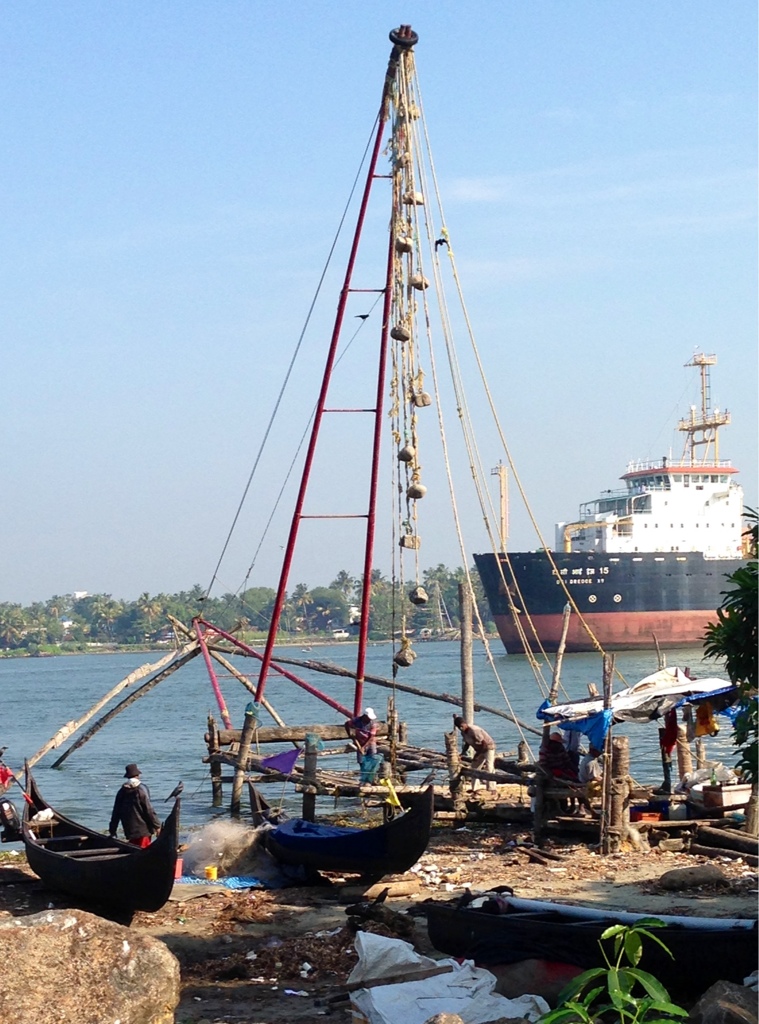
Our tour started with a walk along a lovely boardwalk along the edge of the water. This brought us to the Chinese fishing nets. You need to look at the pictures but the nets are huge nets, each looked after by a team of 5 or 6 men. The net is lower into the water and raised up to collect the fish, shrimp and crabs caught using a basic counter weight system. The net is attached to 2 or 3 long poles plus 4 or 5 ropes, each with a large rock tied on. The poles are cantilevered out over the water so the net is hanging over the water. We were assigned positions on the ropes to raise the net at one of the stations. It was surprisingly easy to pull the net up. When the net was being lowered a couple of the fishermen had to walk out on the poles to provide extra weight.
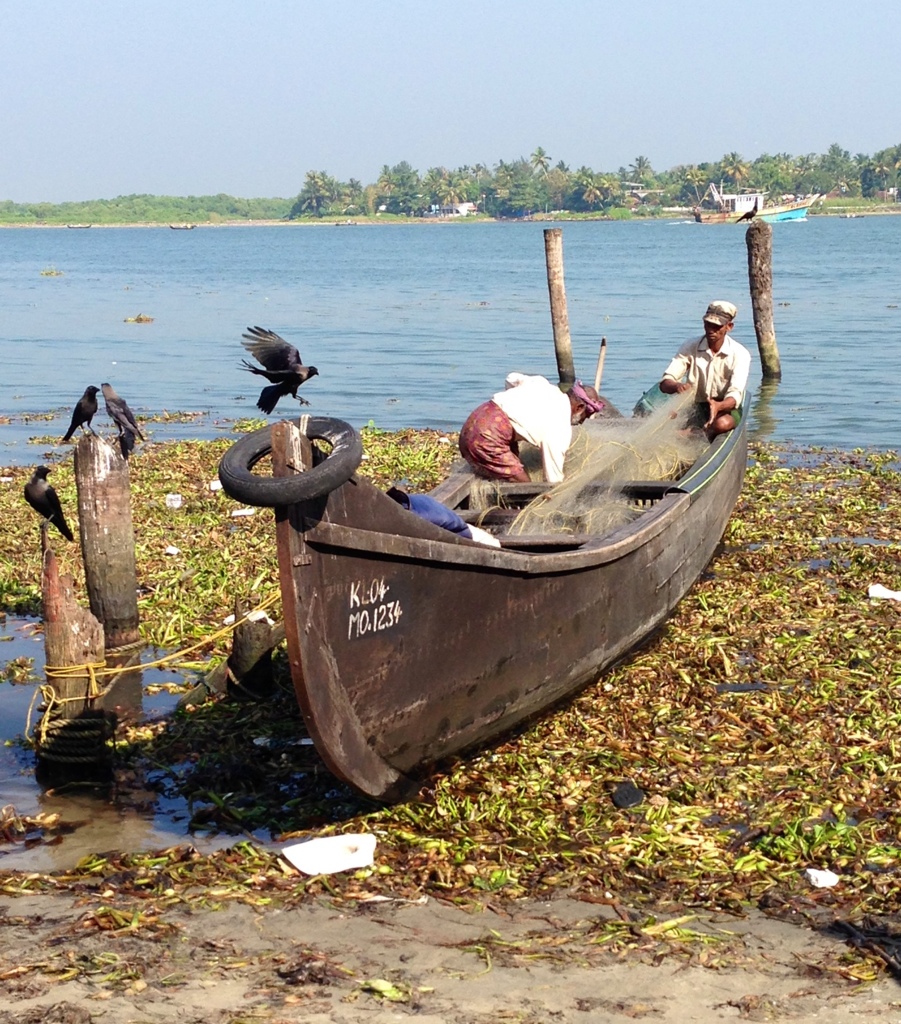
We did not see a lot of fish being caught. In addition to the big nets there were fishing boats on shore with men working to sort out nets, fish and tidy the boats.
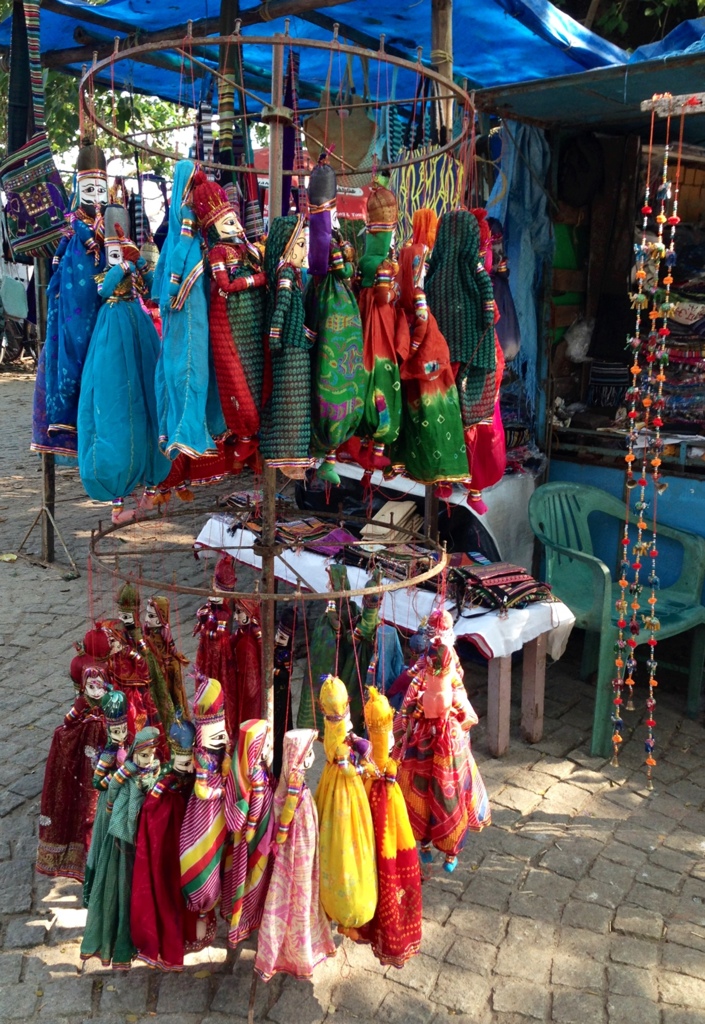
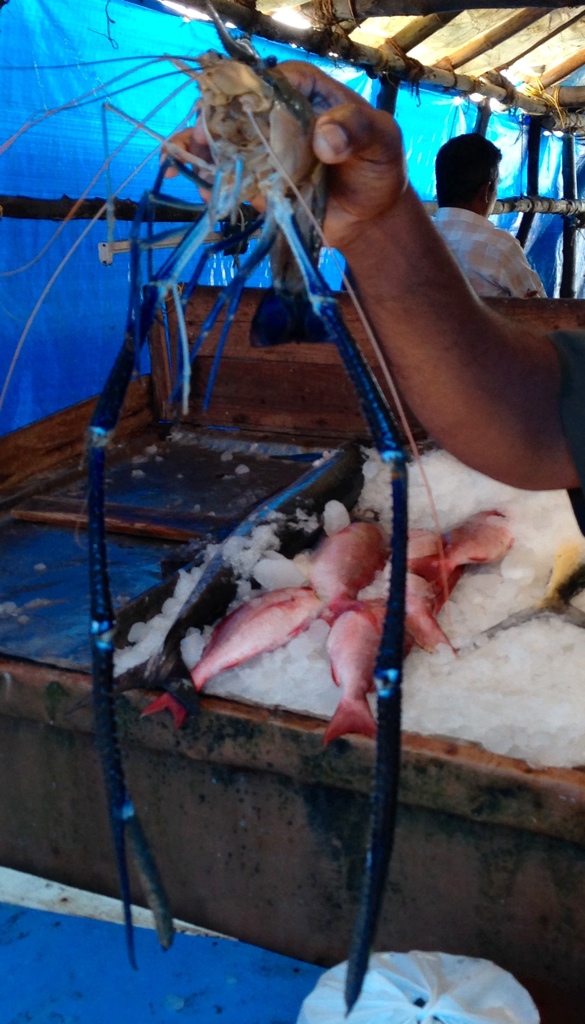
Along the boardwalk there were all kinds of vendors selling art work, trinkets and other stuff. Then a fish market with an auction area and retain fish stalls. A wide variety of fish including large prawns with long blue claws, small sharks, grouper, shrimp, salmon etc.
Next we visited an old Portugese church where Vasco Da Cama was originally buried.
We also visited the Jewish synagogue and a museum. The museum had a series of elaborate wall murals depicting stories of some of the gods. The museum is in a palace that had originally been built by the Portugese as a present to the Maharaja.
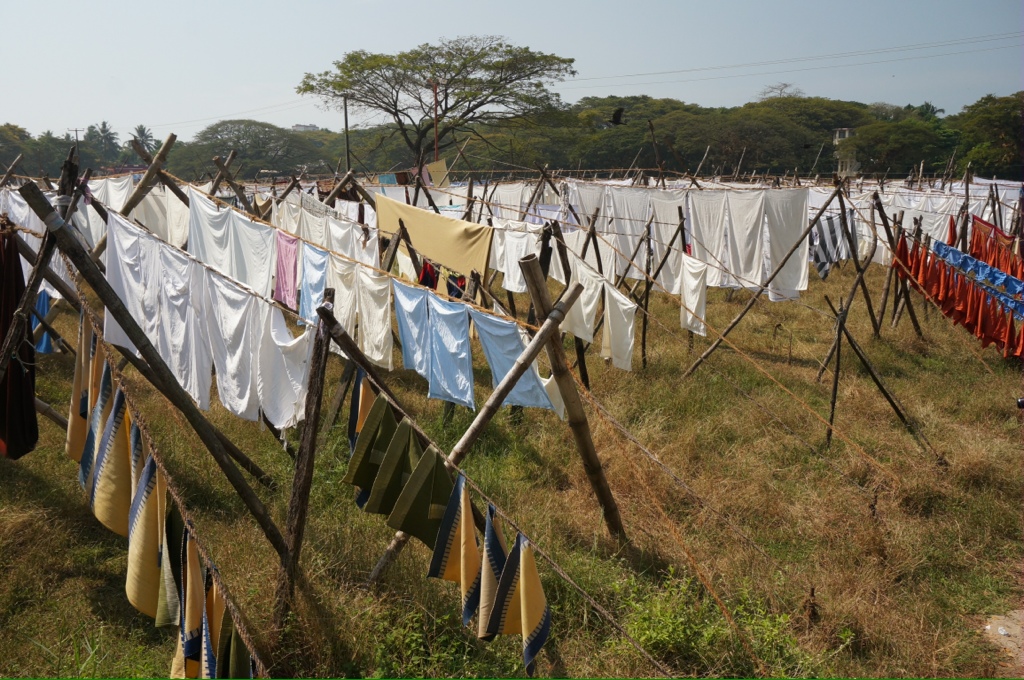
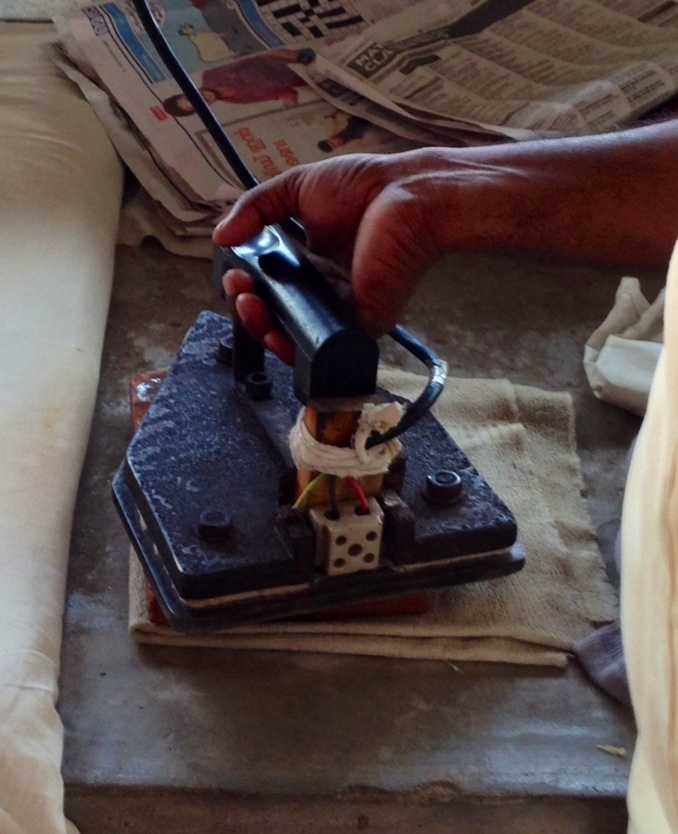
We also visited a laundry. The laundry was built by the English. It is still operating in the same fashion today. We saw men washing the clothes by hand. Beating the clothes against a stone and standing in water as they scrubbed the clothes with a large brush. There was an area to hang the clothes to dry under a roof (for the monsoon season) plus a large field with clothes lines in rows for drying the clothes. Each of the washers has a “locker” to hold supplies and one row of the drying lines to keep his work separated. There was an ironing station with a heavy iron (14 pounds) used to iron the clothes.
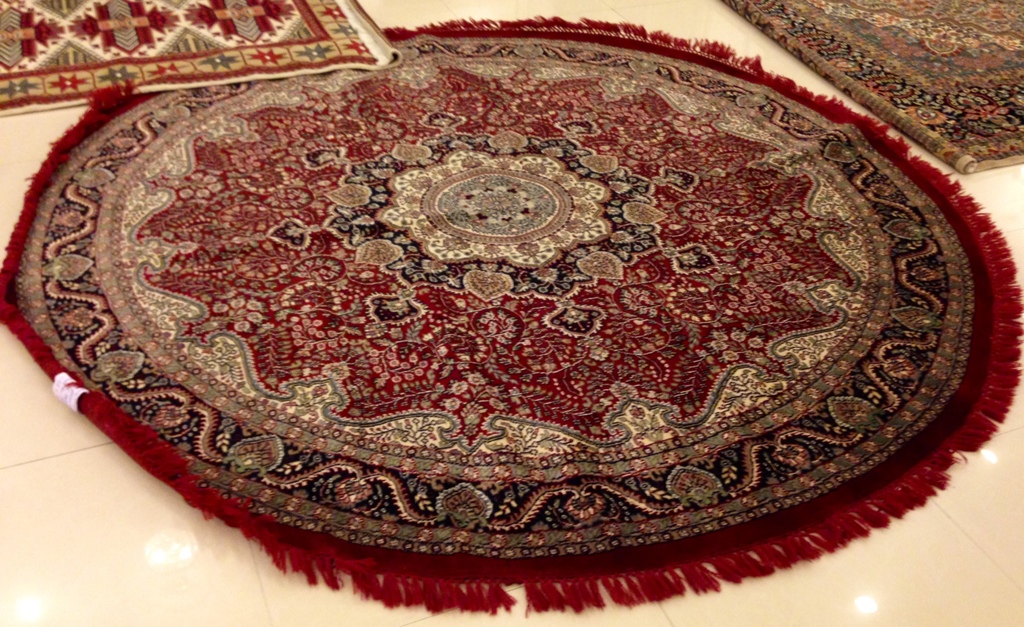
The only decent bathroom our guide knew to stop at just happened to be in a store. They had beautiful carpets and we ended up getting one for the living room! I am sure the guide gets something out of that!!!