
It was an interesting landing this morning. The pilot arrived by helicopter instead of boat. We entered the harbour through a very narrow channel, it was low tide and it took a lot of maneuvering and the assistance of a couple of tugs to dock. As we were pulling into the dock we see people close by on the beach up to just their knees in water, the bow thrusters threw up lots of sand from the bottom, obviously very shallow here!
South Africa has 9 provinces, we are in KwaZulu-Natal. The province’s population is around 11 million and 80% are Zulu. Richard’s Bay is a small industrial town. What a contrast from what we have been seeing! Good roads, clean, neat highways, large industrial complexes – 2 aluminum smelters. There is also petroleum, coal exporting, chemical manufacturing and exporting, iron ore and heavy minerals. Richard’s Bay was laid out as a planned town in 1954, in 1976 it was decided to make a deep harbour and the bay area was dredged. It is now a major port for exporting coal, iron ore, aluminum and chemicals amongst other things.
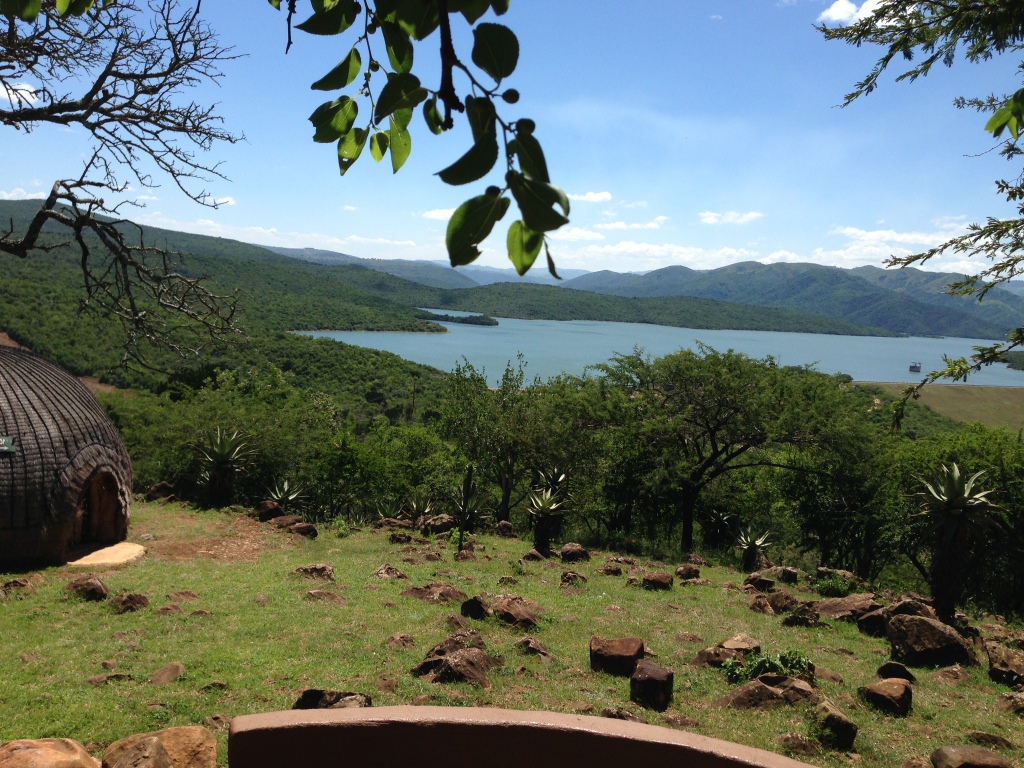
Our tour today is of Shakaland, a recreated Zulu village. We learned a lot about the Zulu culture and traditions. One of the first things we are told is about the weddings. A Zulu man can have as many wives as he wants (and can afford). The bride price is 11 cows for most wives, the daughter of a chief is 16 cows and the daughter of the king is 30 cows. This is still practiced today. We asked the guide if he was married, he said no, he had 2 girlfriends but no cows, so can’t get married. Anyone can attend a Zulu wedding, no invitation required. The festivities go on for a few days and the food is meat (beef, chickens, goats) and Zulu beer, which is made from maize and hops.
The current President of SA is a Zulu and he has 4 wives. There still is a Zulu king, his job is to keep the culture alive, also he is responsible for managing the Zulu lands, he also has 4 wives. Each year all the virgins go to meet the king and if he wishes he can choose one for a wife. There is no divorce in the Zulu culture. Girls are expected to be virgins until marriage.
Along the way we pass lush land, fields of sugar cane, orange groves, eucalyptus groves and fields of maize. We are told that the early settlers introduced sugar cane and had to import people from India to harvest the sugar. The Zulus would not do the harvesting as they had no need for money. It is hard and dangerous work as the sugar is harvested by hand and there are often snakes in the fields. The pay is 8 Rand per hour (about 80 cents/hour). As a result this is the largest population of Indians outside of India. Apparently Gandi was a laborer here at one time.
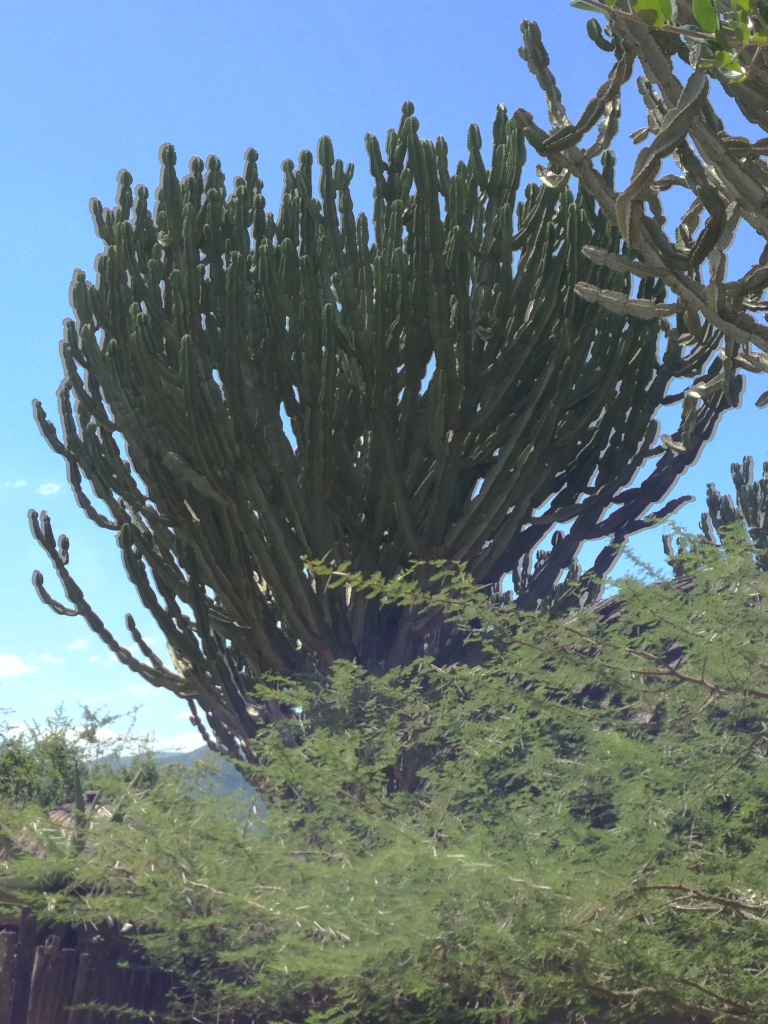
A lot of people still live in the countryside and live off the land, they can easily grow their own food and live in simple housing, some provided by the government. Education is free and there are steps in place to bring up the level of education especially in the country schools where there may not be any electricity, water or transportation. We pass large cacti called candelabra cactus, the sap is poisonous and was used by some tribes on the tips of their spears for hunting.
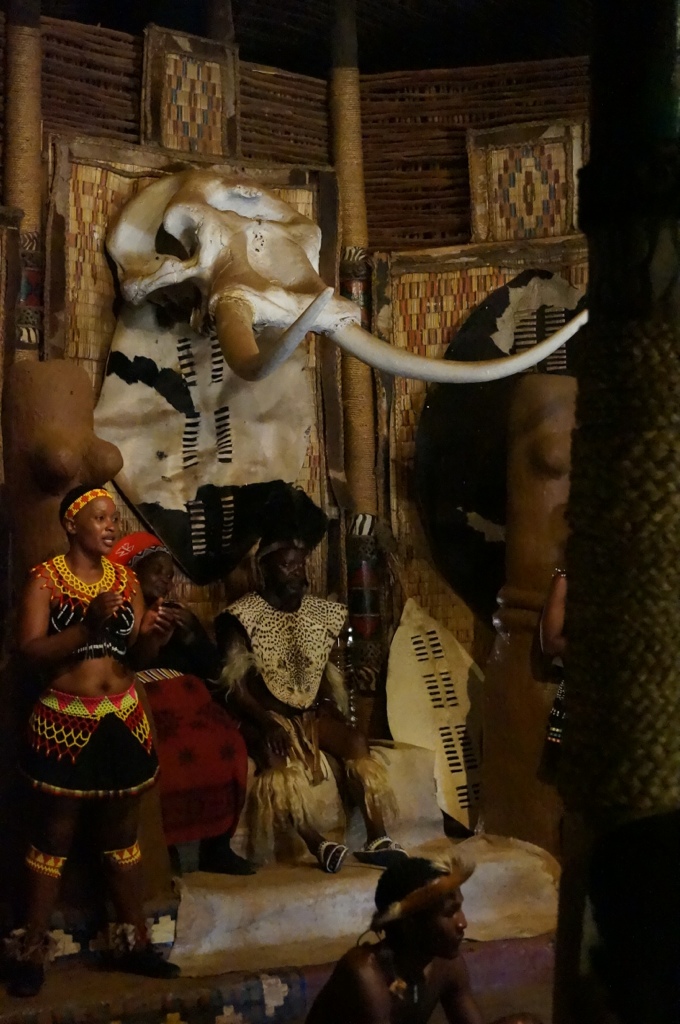
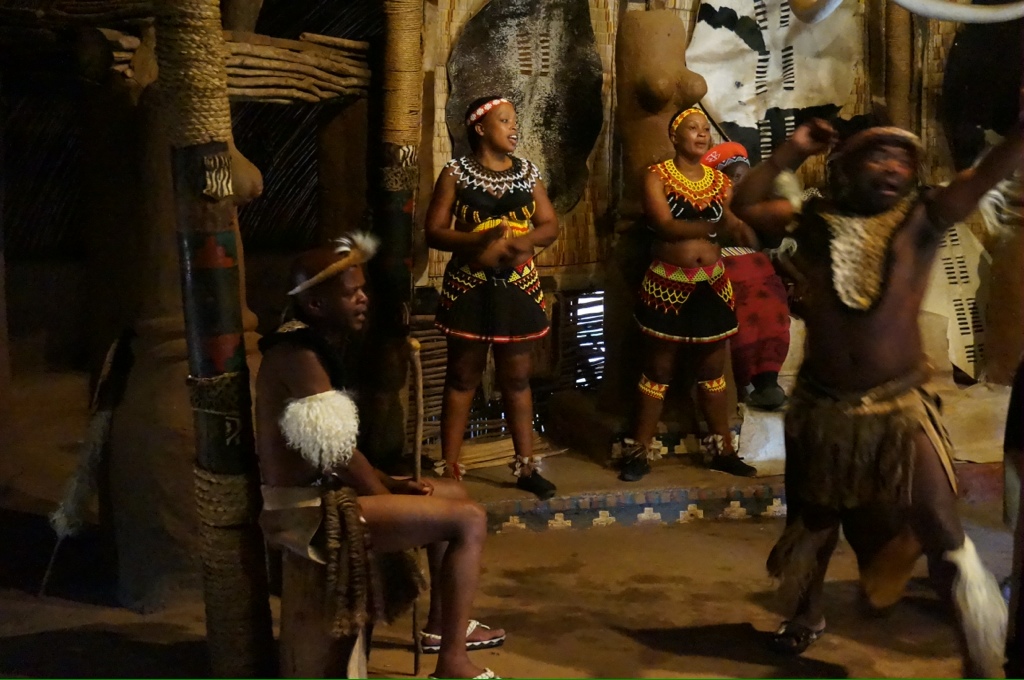
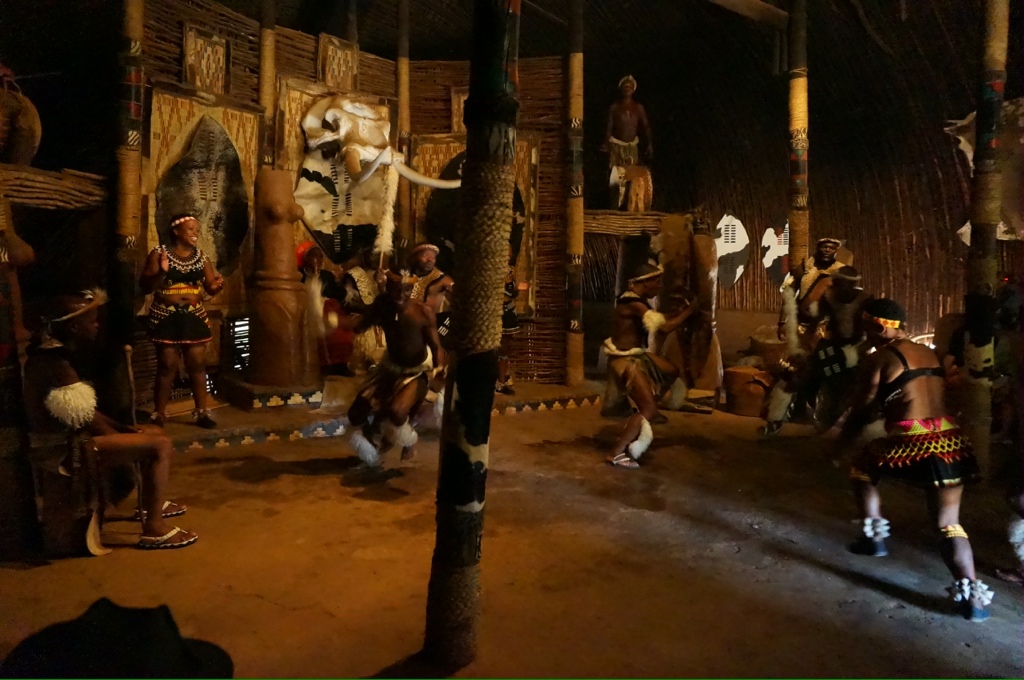
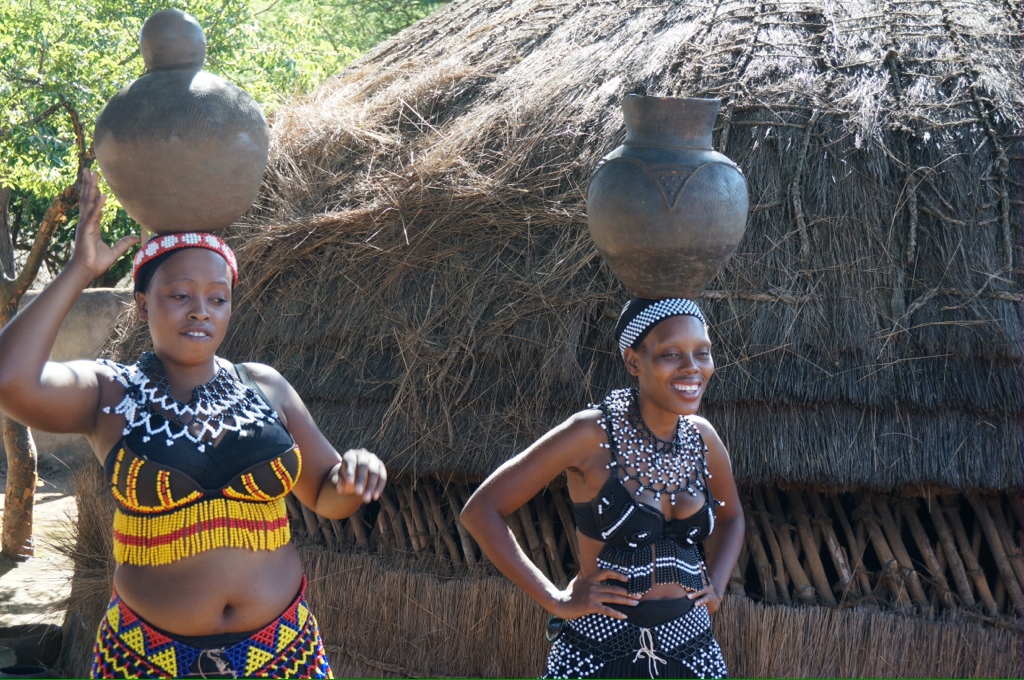
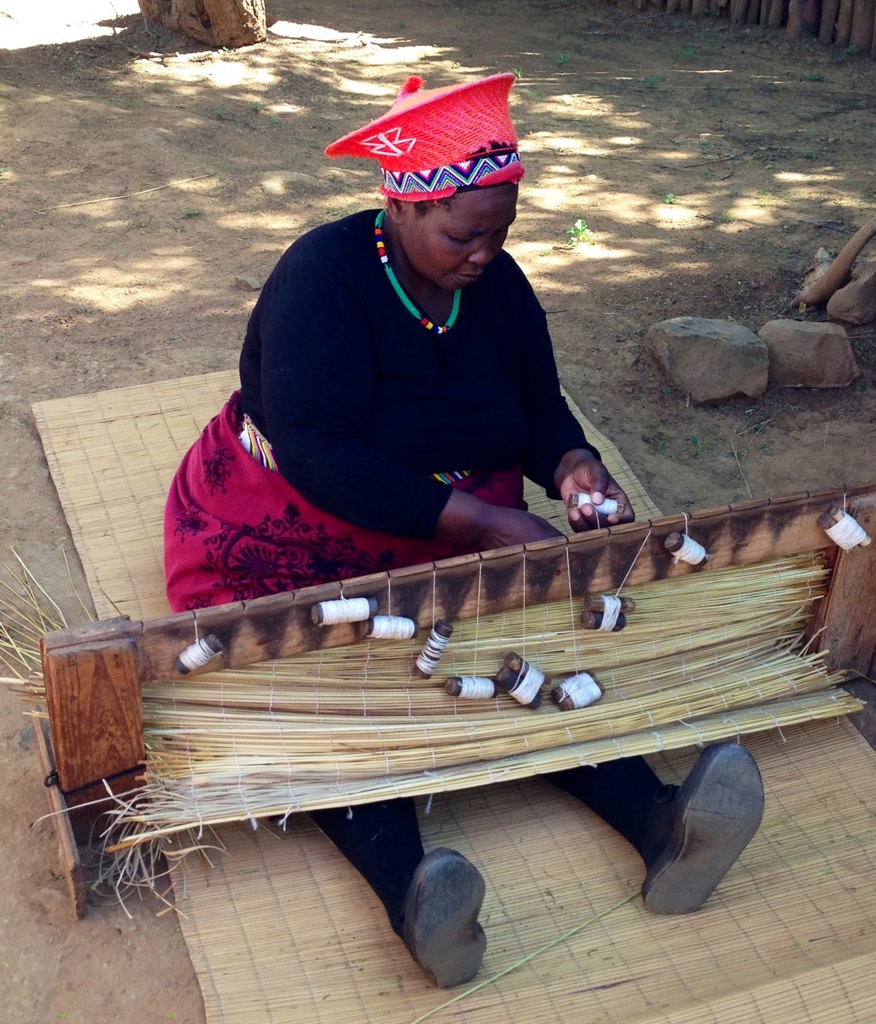
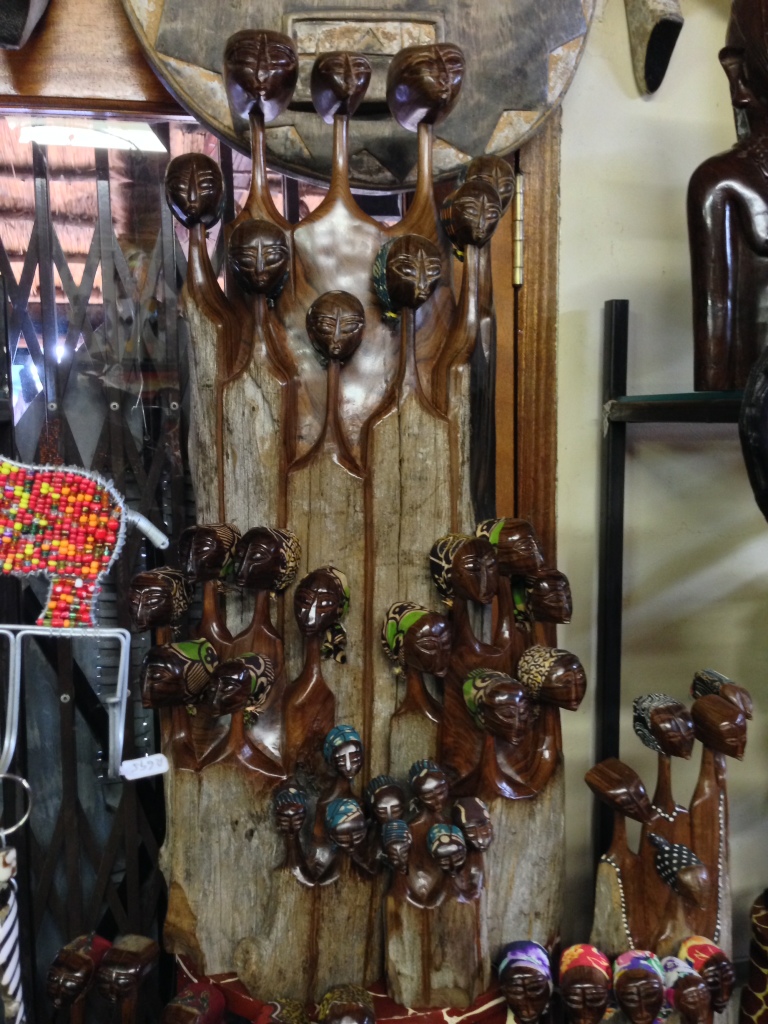
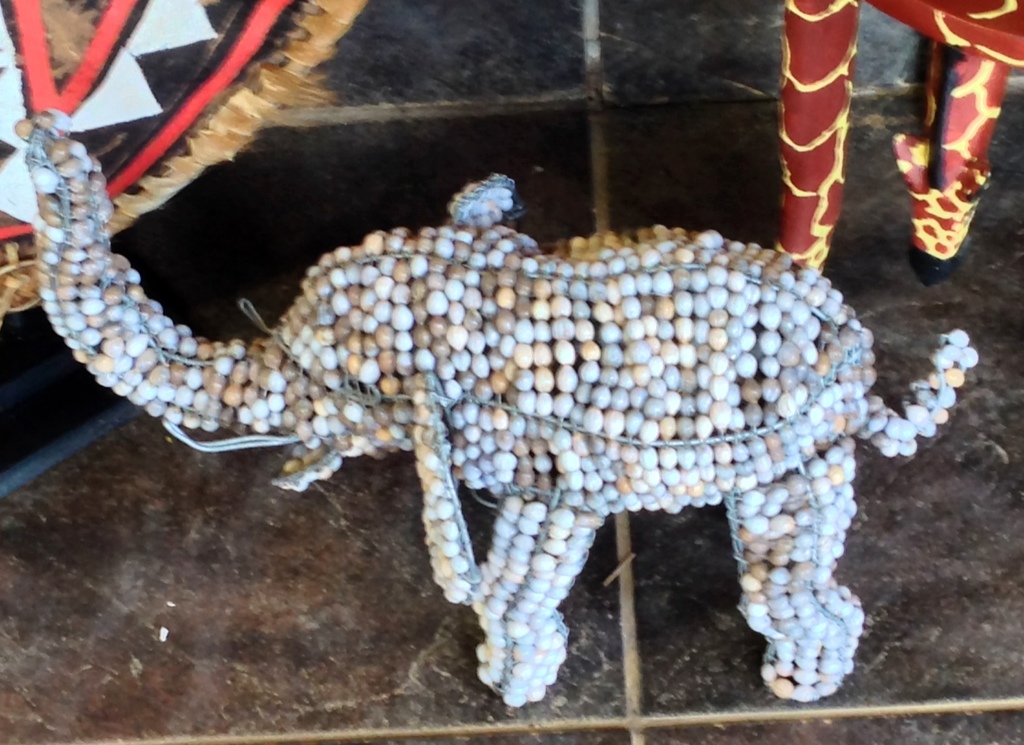
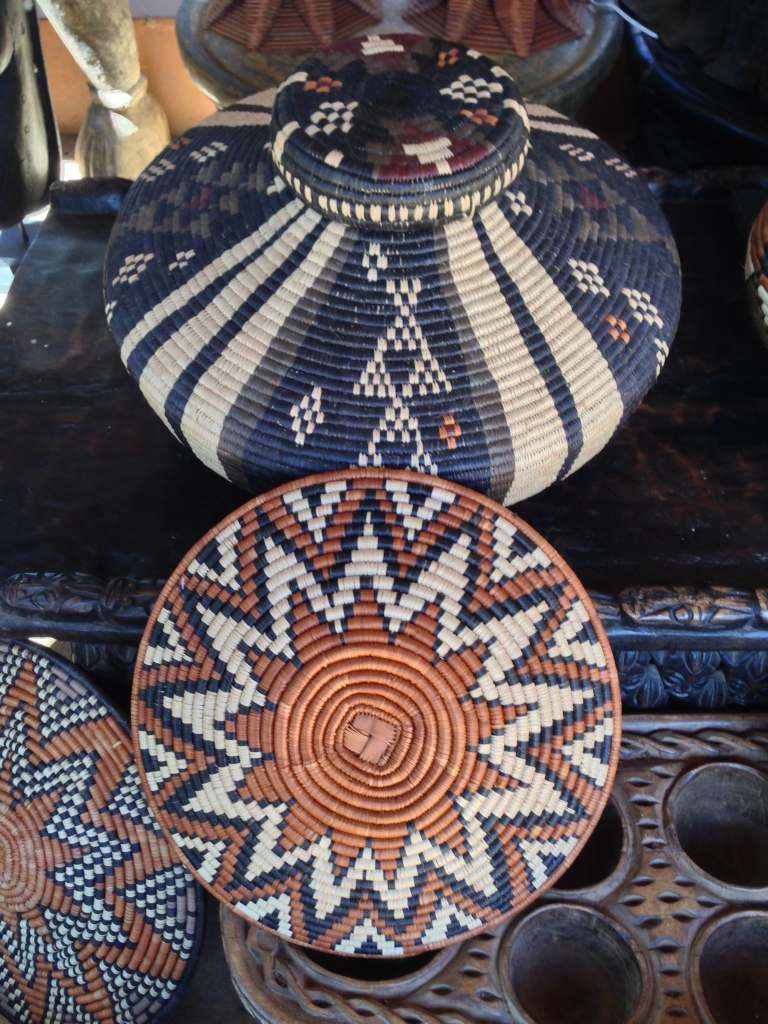
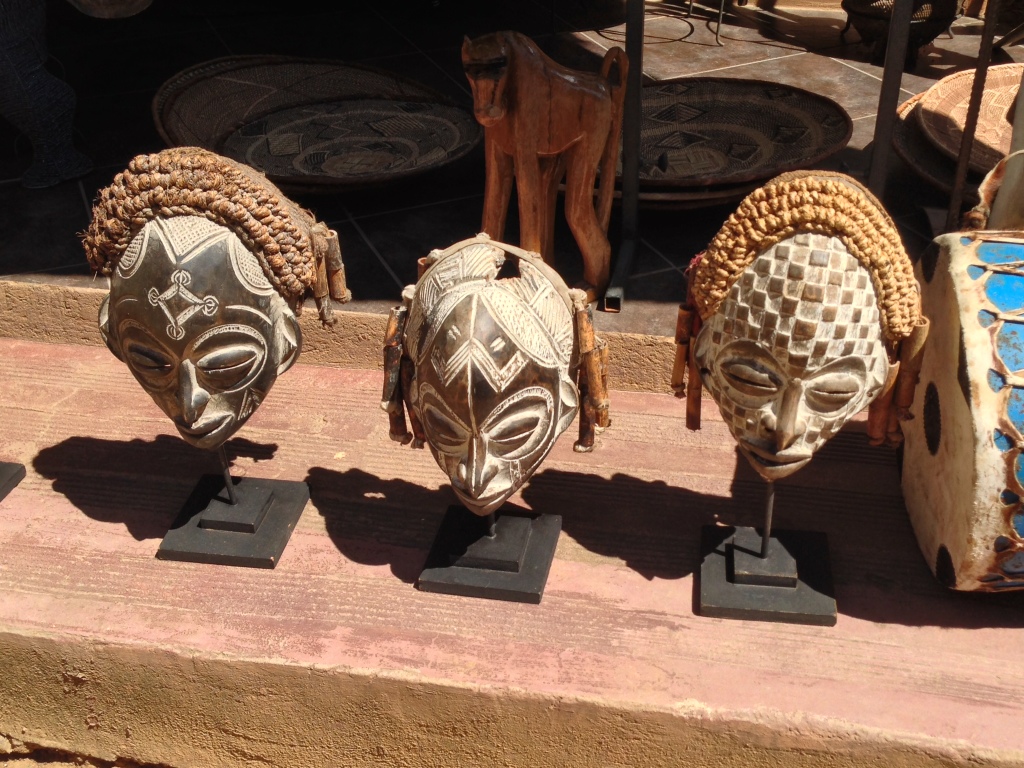
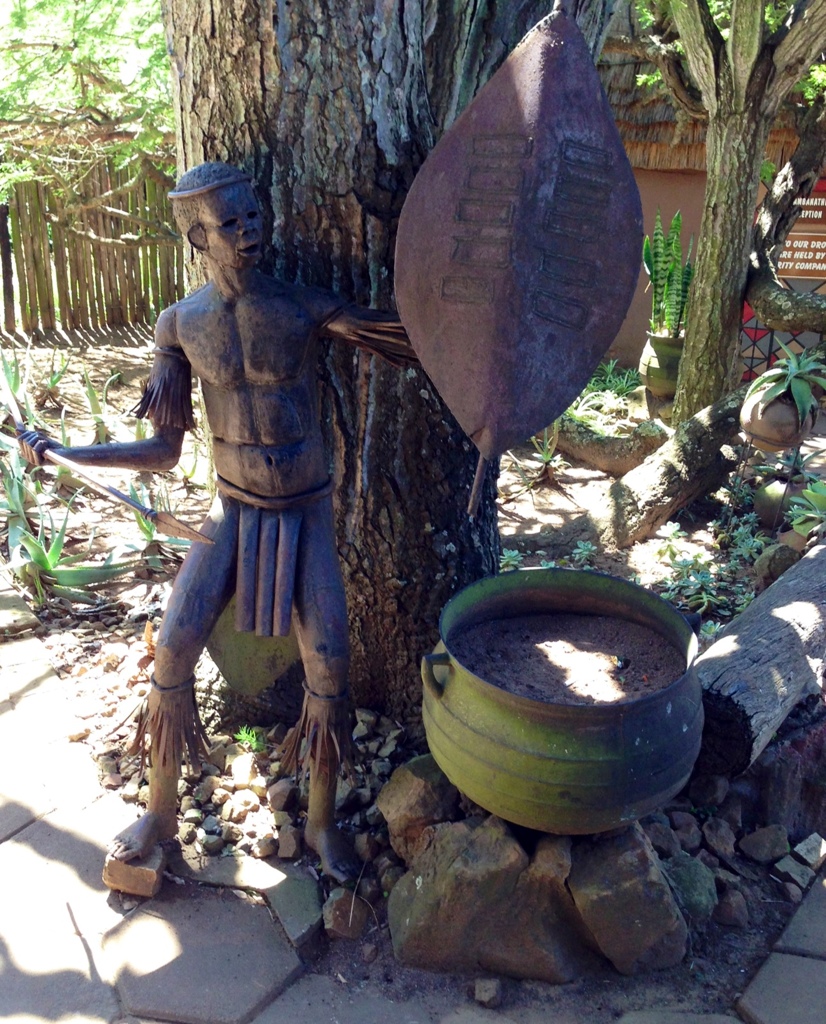
We tour the village, watch some weaving, spear making, beer filtering, see some dances (we have some videos of that) and have a talk about the culture and the homesteads. There are some beautiful carvings, beading, weaving and masks. We saw an interesting movie on Shaka’s life and watched the warriors and maidens dance. Very athletic! It would have kept the warriors in shape doing that regularly!
We also learn about Shaka. He is the one credited with merging all the tribes into the Zulu nation. He was a warrior who developed a new weapon to use in place of the throwing spear and developed battle strategies that were highly successful. He is said to be the only leader of an indigenous army that defeated the British in battle. He is called the Black Napoleon.
Zulu means “people of heaven” and they are very proud of their heritage and their heroes.
Once back on ship it was such a beautiful night that we had dinner out on the terrace, finally some relief from the oppressive heat we have been experiencing for the past few weeks. We watched the helicopter come to pick up the pilot. The helicopter, stopped over the bridge area, lowered a harness, the Pilot got into the harness and was off the ship very quickly. We have never seen this before and the crew advise this is done quite a bit now as it is a far safer way for the pilot to board and leave the ships, especially at night.


I am totally blown away by your blogs and photographs – have saved them all to file for future reading. We wish you and Gary (and Ruth and Trevor) a very Happy New Year – you will have so many stories to tell once you are back in Canada. Safe Journey!
Hi Pat et al..so enjoying your trip! Thanks for all the detail…must have been tough going from poor village to poor village. What would these communities be if there were no cruise ships?
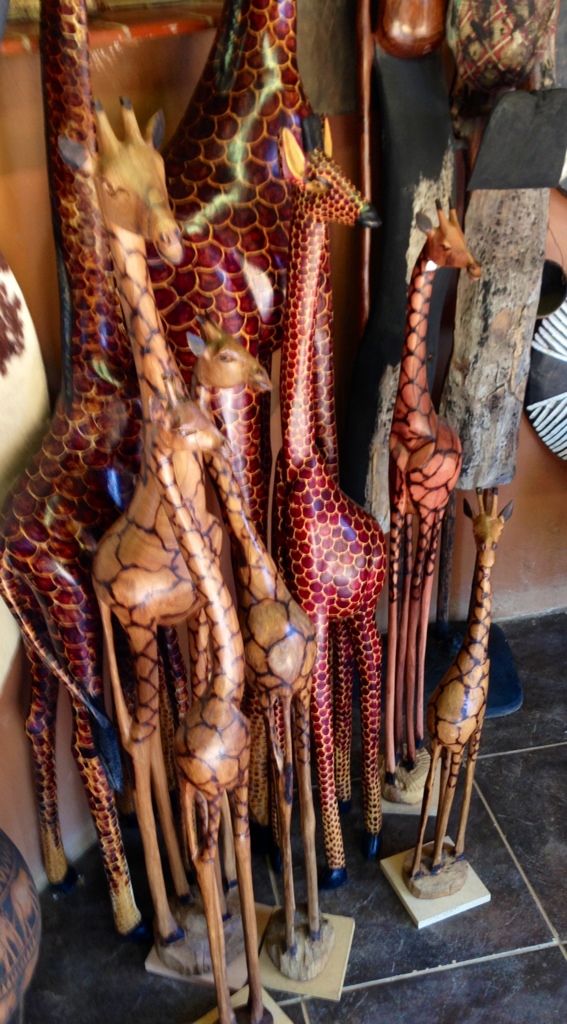
Interesting Zulu tour…did one of those beautiful carved giraffes make it in your backpack..they were stunning as were other art pieces. Hi to Trevor and Ruth
Jane (friend of Ruth )