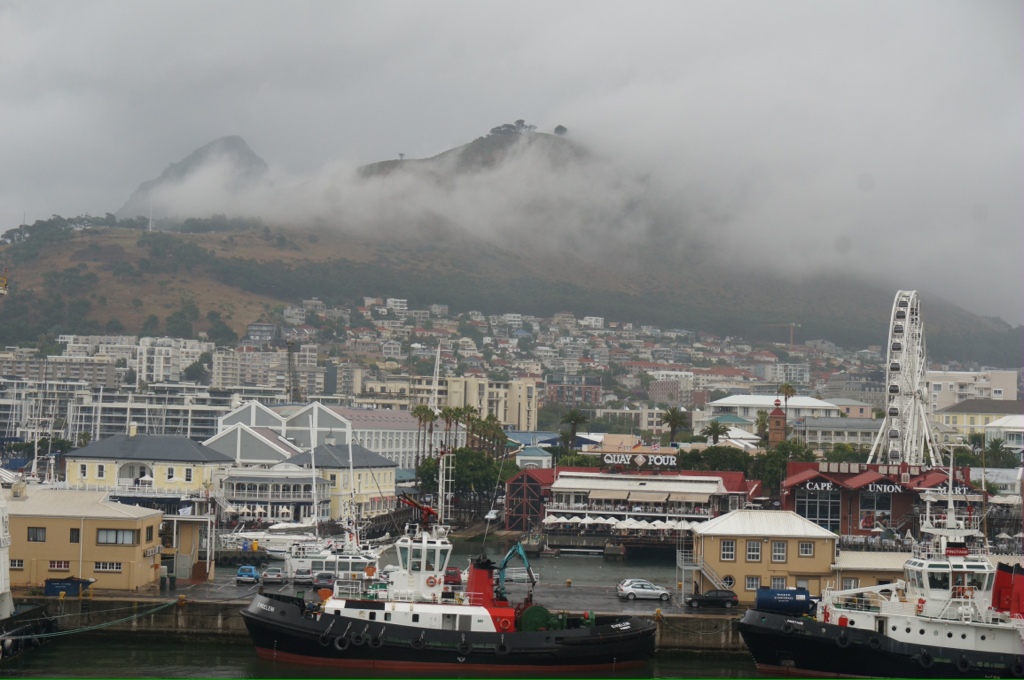
It was a rough trip around the horn, something about Southwest winds and east current and bad weather. Coming into Capetown we passed the horn, Robben Island and sailed into a smallish harbor with lots of activity. We dock at the “Victoria and Alfred” harbor. Yes, Alfred is correct, Alfred was one of Victoria’s sons and represented her here at the opening of the harbor.
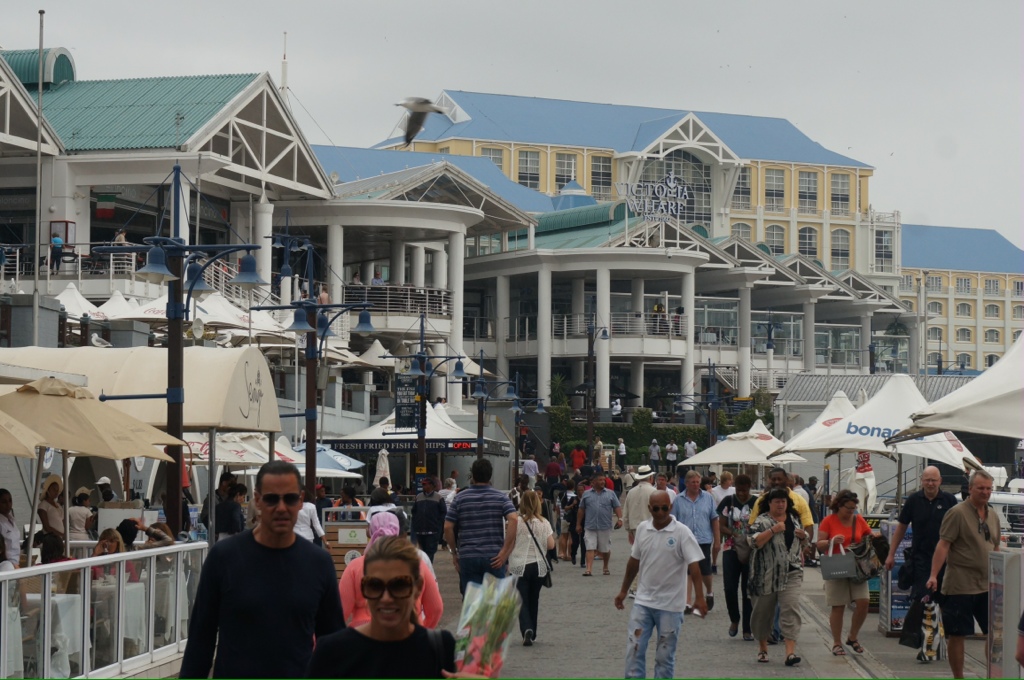
The V&A Harbor is one of the major attractions in Capetown. Complete with ferris wheel, a gigantic mall (Melissa, you would love it!), lots of restaurants, bars, music, an aquarium, craft stores, art stores, various exhibits. The harbor was originally used by the Dutch to repair and restock the ships traveling from Europe to Asia, India and the Spice Islands.
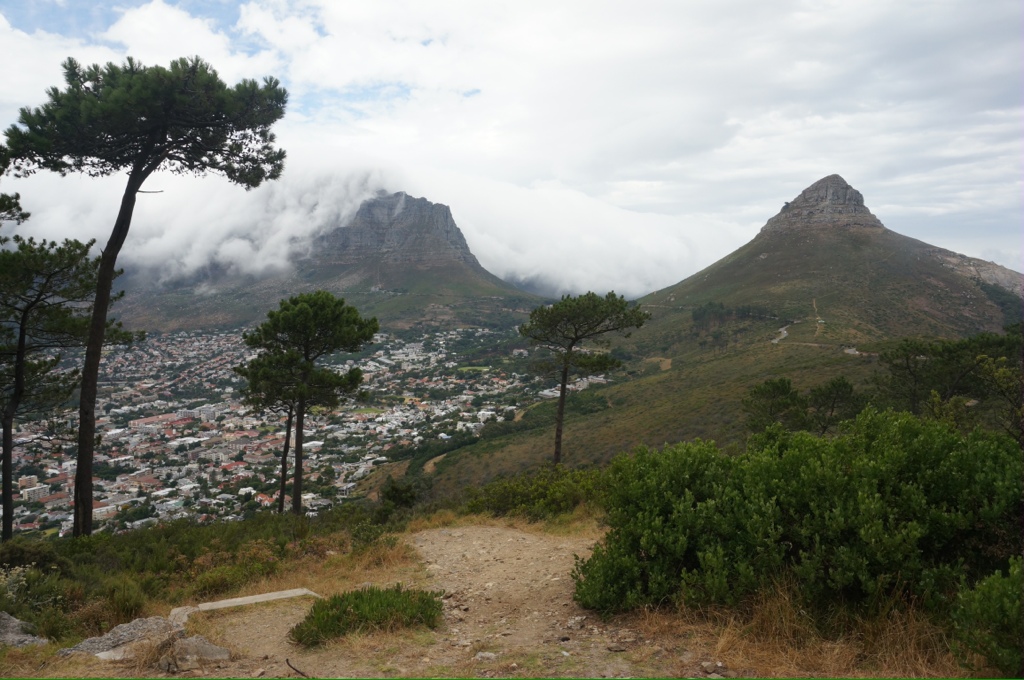
Our first day we are set for a trip to Robben Island, however that is cancelled due to rough seas. So we wandered around the harbor until it started to our rain – our first rain of the trip. We have now been in Capetown for 3 days and have yet to see the top of Table Mountain. Even when the sun comes out there is one cloud that drapes over the mountain obscuring the top – the cloud is common and is called the Table Cloth.
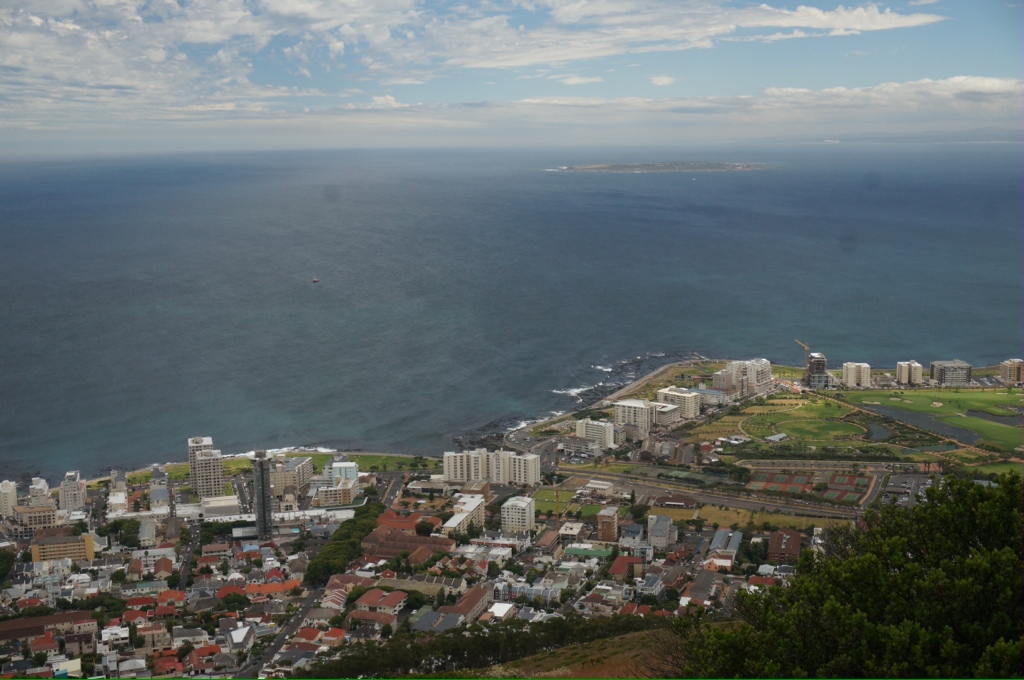
This is the summer school break and the city is not as busy as normal, plus many people are on vacation so taking in the fun at the harbor. Also few people live in the city, most live in the suburbs and commute, mainly by car as public transportation into and out of the city is not good. We are told this is unusual weather for this time of year. Their summer is usually hot and dry with temperatures between 32C – 40C. The city runs along the coast with a backdrop of mountains, three in particular dominate the sky behind the city – Signal Hill, Table Top Mountain (the highest at 1300 meters) and Lion’s Head.
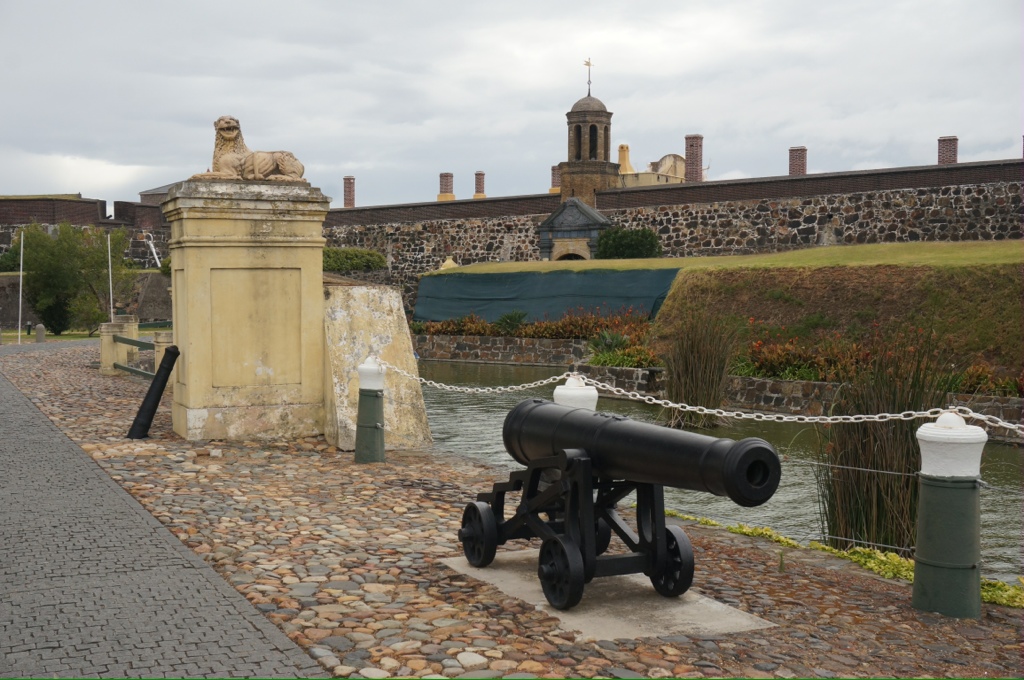
History – the area was not inhabited before the Dutch arrived in 1652. They built a castle in the 1660s. The castle was built on the water and with development and in filling it is now 2.5 kilometers inland. The castle was built using stones from Robben Island, which about 6 nautical miles off shore. The Dutch ships that arrived had few Dutch on board, most of the sailors were Portugese. The Dutch were highly educated and when their tour of duty was up most elected to stay and acquired land inland. In 1795 the English invaded, the Boers just left and moved inland.
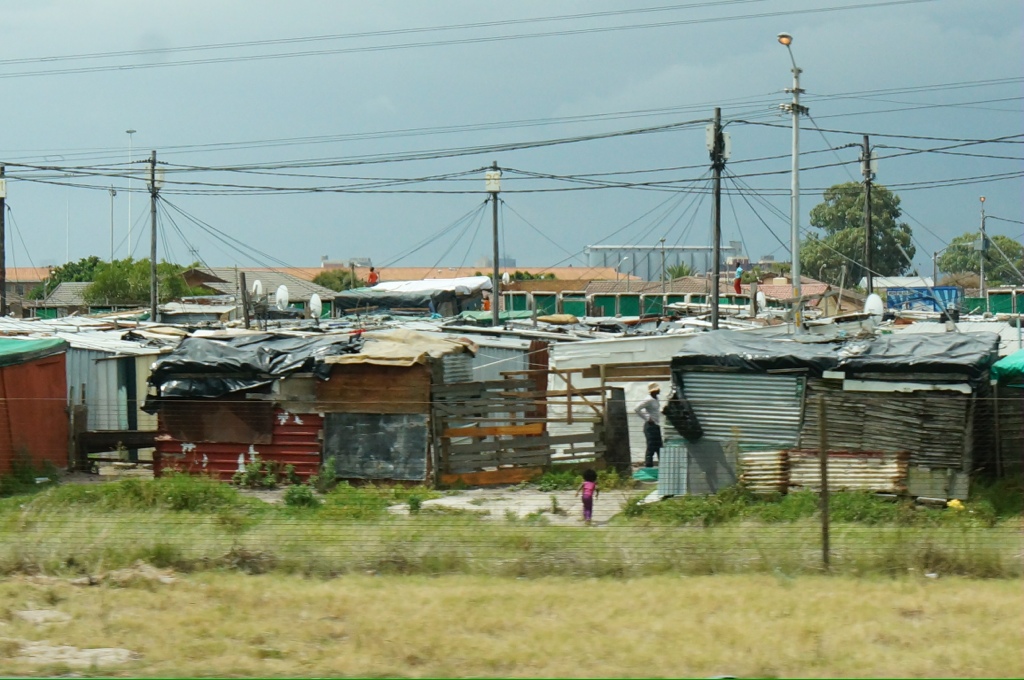
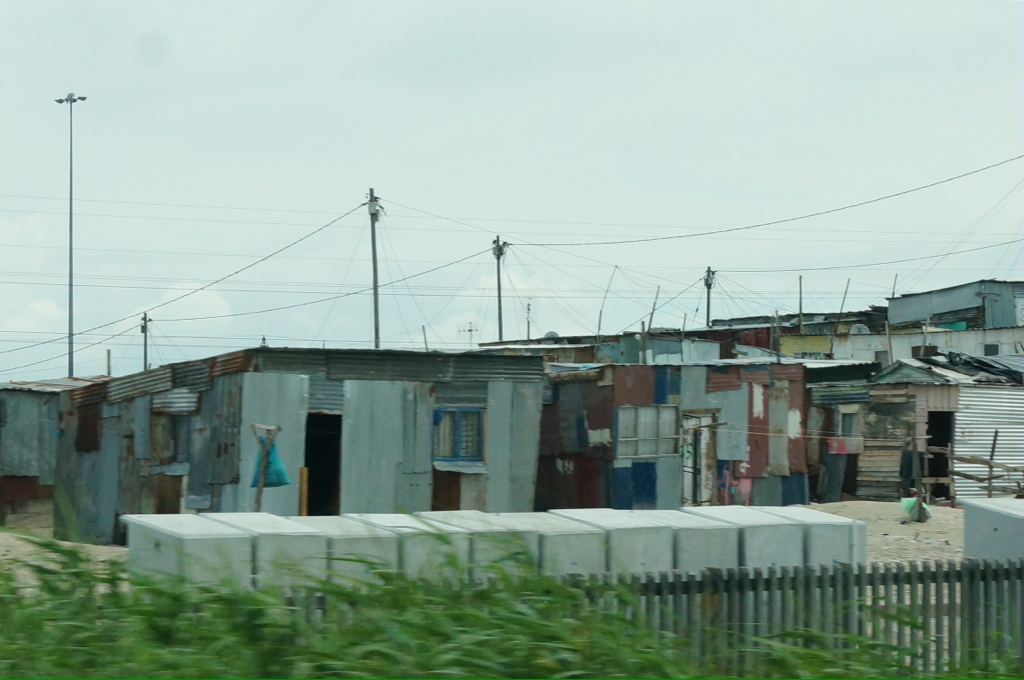
In the early 1960s all blacks in the cities in SA were forcibly removed from their homes and resettled in the “Townships” this was the start of Apartheid. The government built townships outside each of the cities and supplied very basic housing. One example we drove past was originally built to hold 500,000 people. It is estimated that 2.5 million people now live in that area. The government has not provided additional housing so the immigrants have built a shanty town much like what we have seen in other areas. Many of the homes have no water, electricity or toilets ( our guide said they rely on the bucket system).
As we learn about the culture here it becomes clear there are 3 groups – whites, colored and blacks. These are the terms our guide (white) uses. Colored refers to a group that are a mixture of Asian, Indian and people from some of the Pacific Islands, most are Muslims and originally arrived here as slaves, many had skills and have been able to use those to improve their lot. Despite the end of Apartheid there are distinct areas where each group lives with a few exceptions. Our guide makes many comments about the education system. Clearly he believes it is not good especially in the townships where people have no options. Apparently the standards are lowered regularly so the government can point to the number of graduates. He says it has reached the point where to graduate a student needs marks of only 30%. So grads are not qualified and even though they get financial assistance to attend higher education most (80%) drop out in the first year because they can’t handle the work.
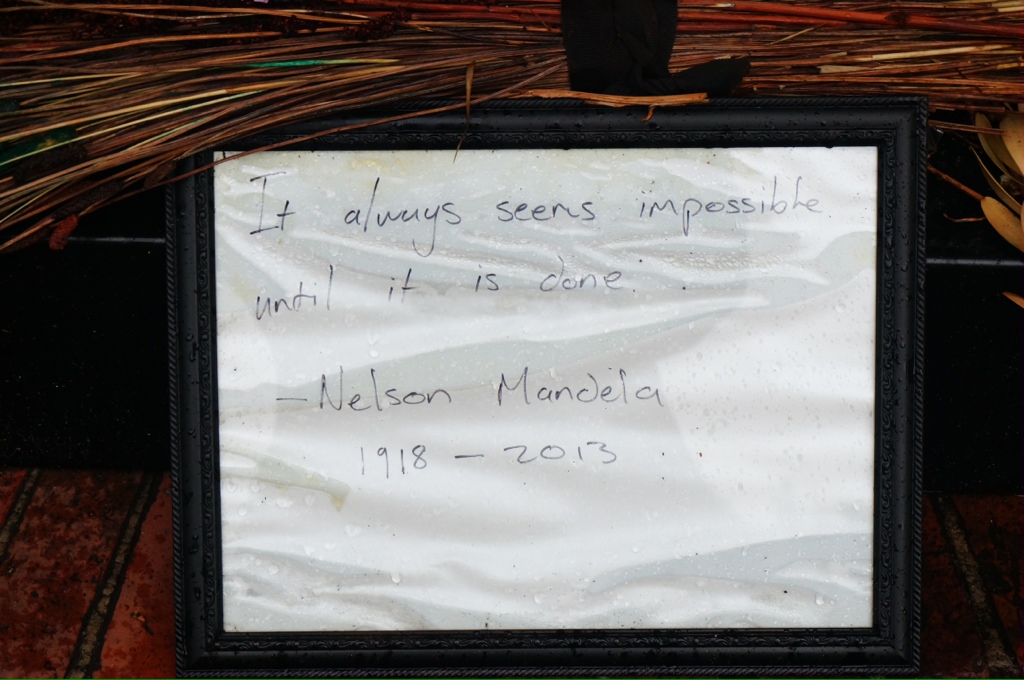
There are 11!!! official languages. He agrees it creates a legal and logistic nightmare for legislators and lawyers. However, there are 3 languages that are used most of the time – English, Afrikaans and Malase (not sure I am spelling that correctly). We hear about how the corruption in government, police and government workers stops progress toward equity, a feeling that everything Nelson Mandela worked for is being lost. This is a different perspective than the one we heard from our speaker on the ship.
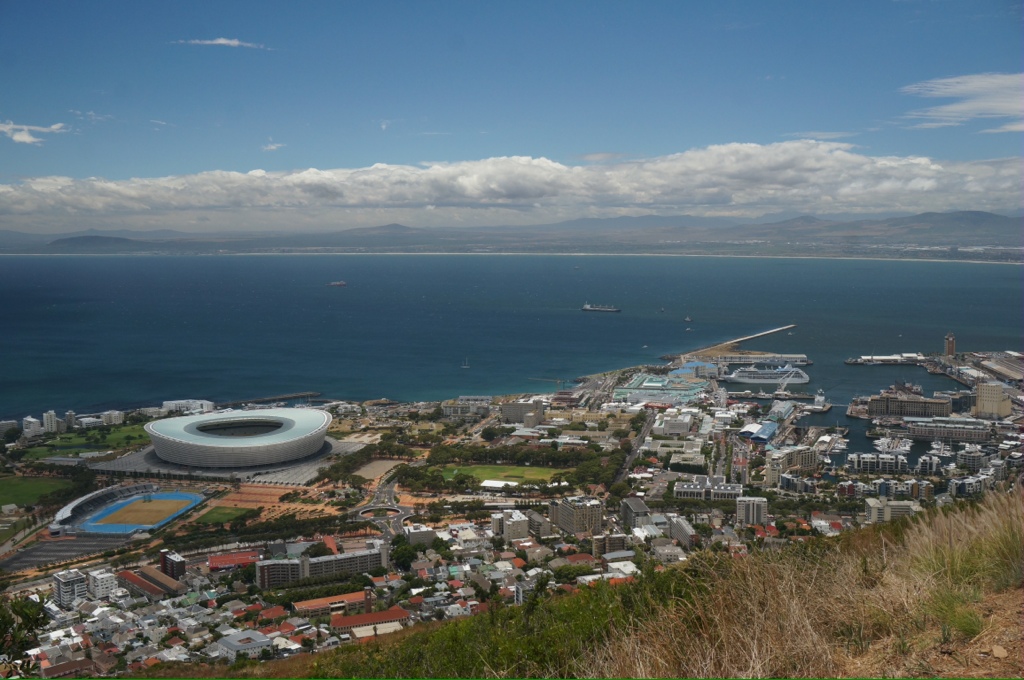
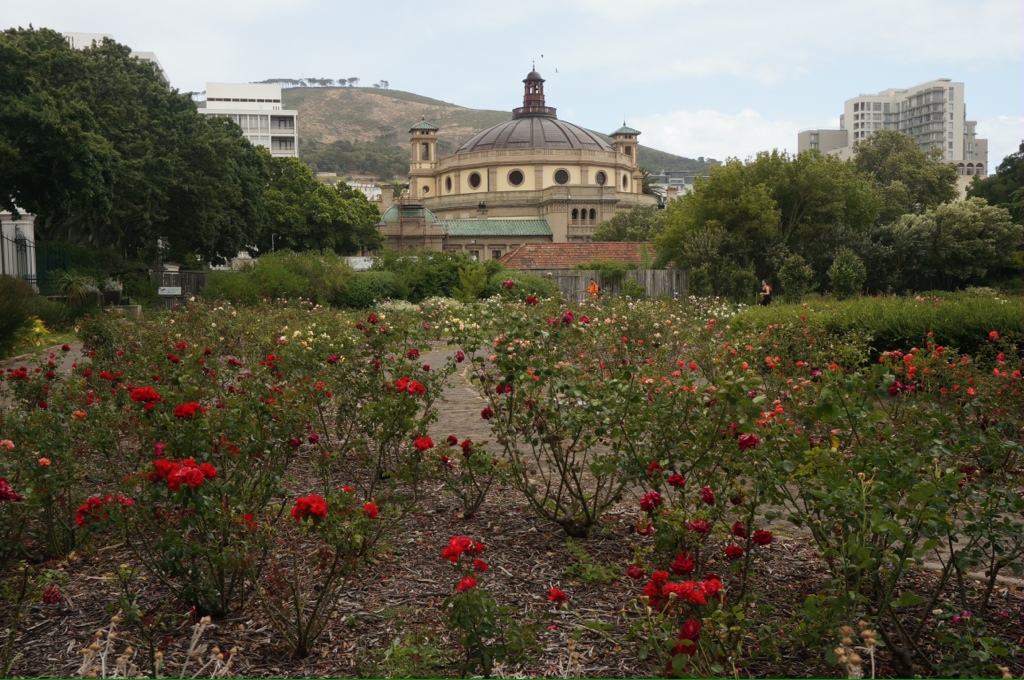
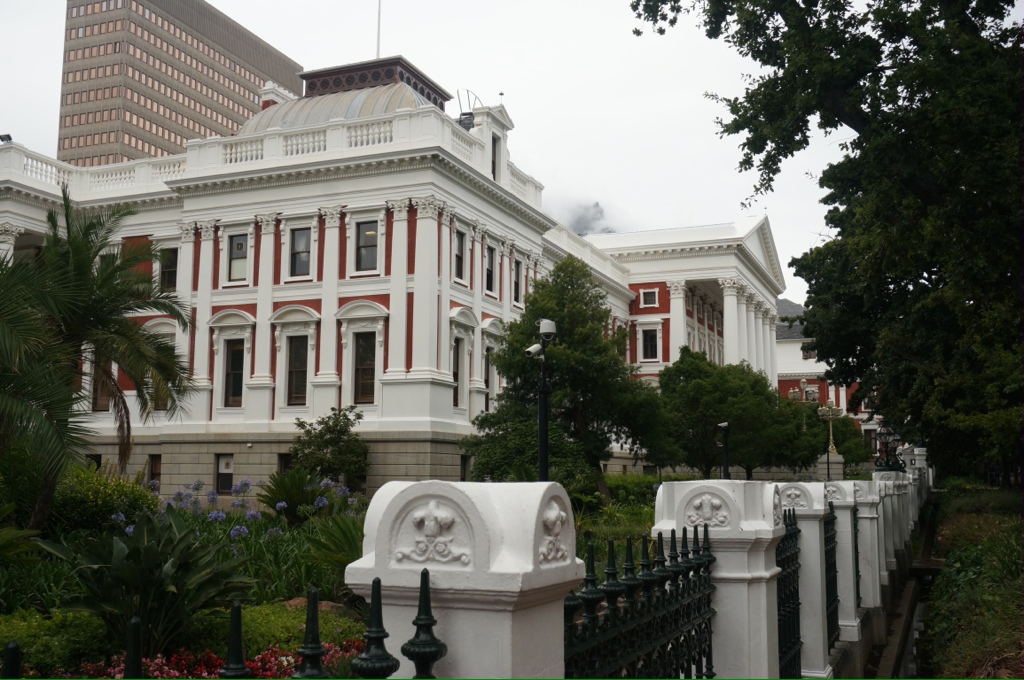
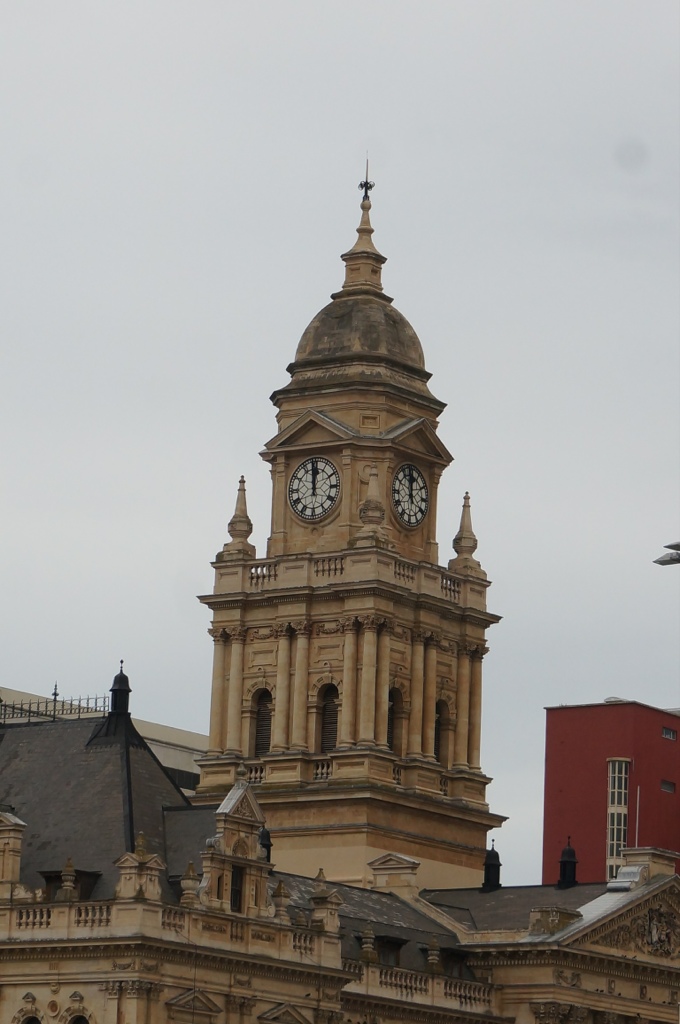
Our tour of Capetown takes us through some nice neighborhoods where the rich live and past large empty spaces where the blacks were forced from in the 60s. Most downtown buildings are from the early 1900s and have been well maintained. The city is clean, neat, well maintained. We see police and “personal safety police” everywhere. We are told not to roam around at night and are regularly cautioned about safety. We visit the gardens, the old slave holding building, signal hill. There is a new soccer stadium built in 2010 for the world cup games (there were 6 built throughout SA). It seems they are “white elephants” now – rarely used and people begrudge the money that could have been used for housing and education.
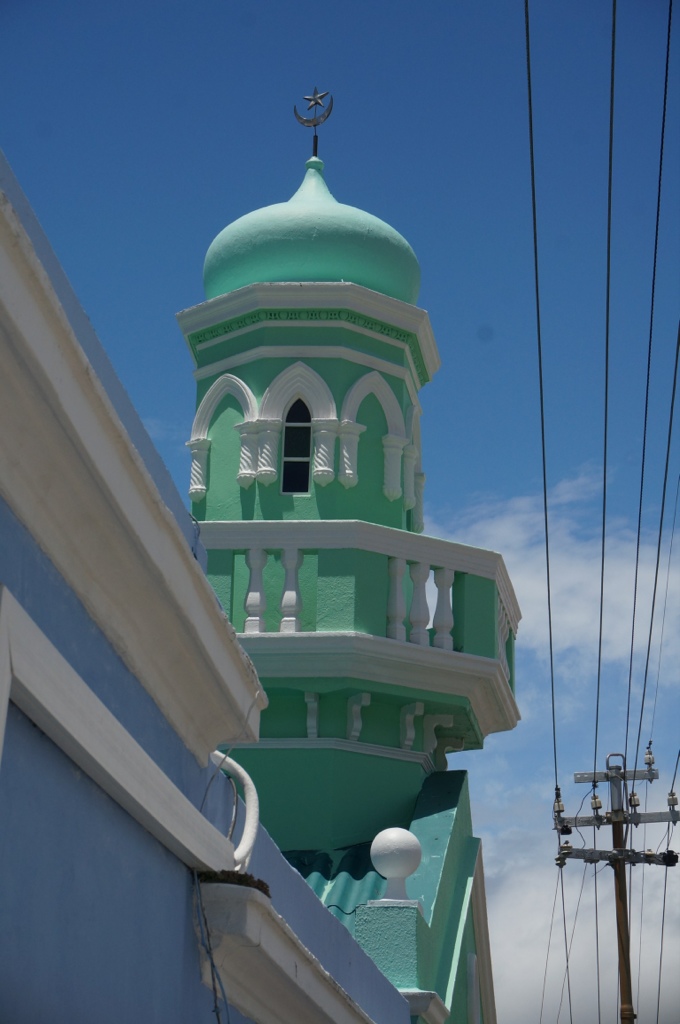
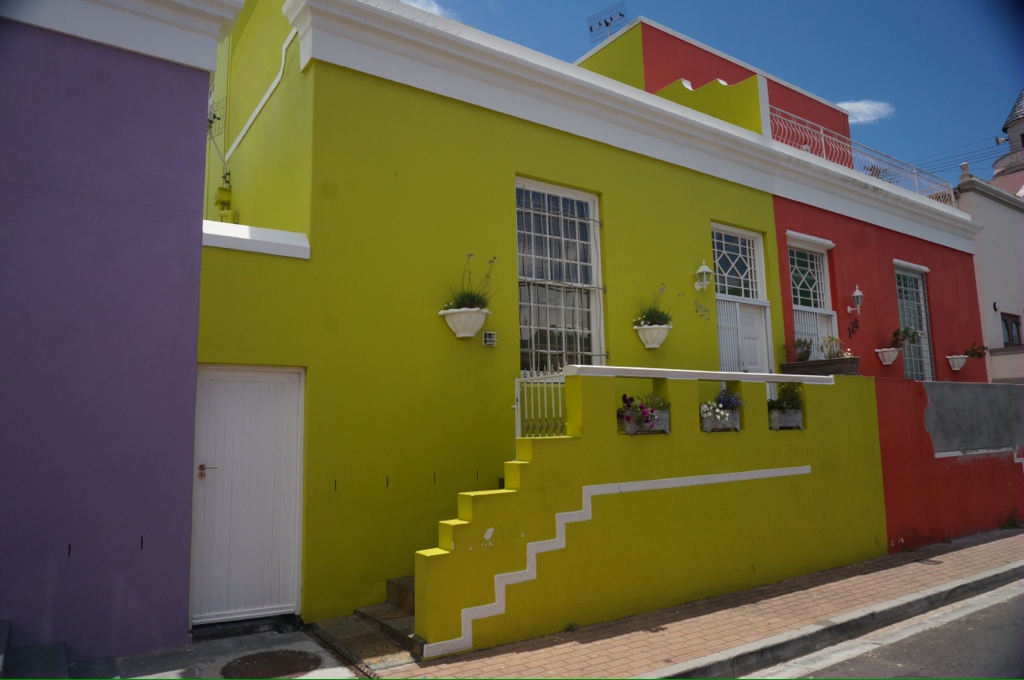
We visit signal hill and the Malase area where there are brightly colored houses and cobble stone streets.
An average salary here for entry level teachers and factory workers is around 10,000 – 11,000 Rand per month. That is about 1,000 – 1100 US$. We find prices are low, so maybe it is not as bad as it sounds. I bought a couple of things that I would expect to pay about $10 for and it cost $3. We had a meal at the harbor and it was about 60% of what we would pay at home.
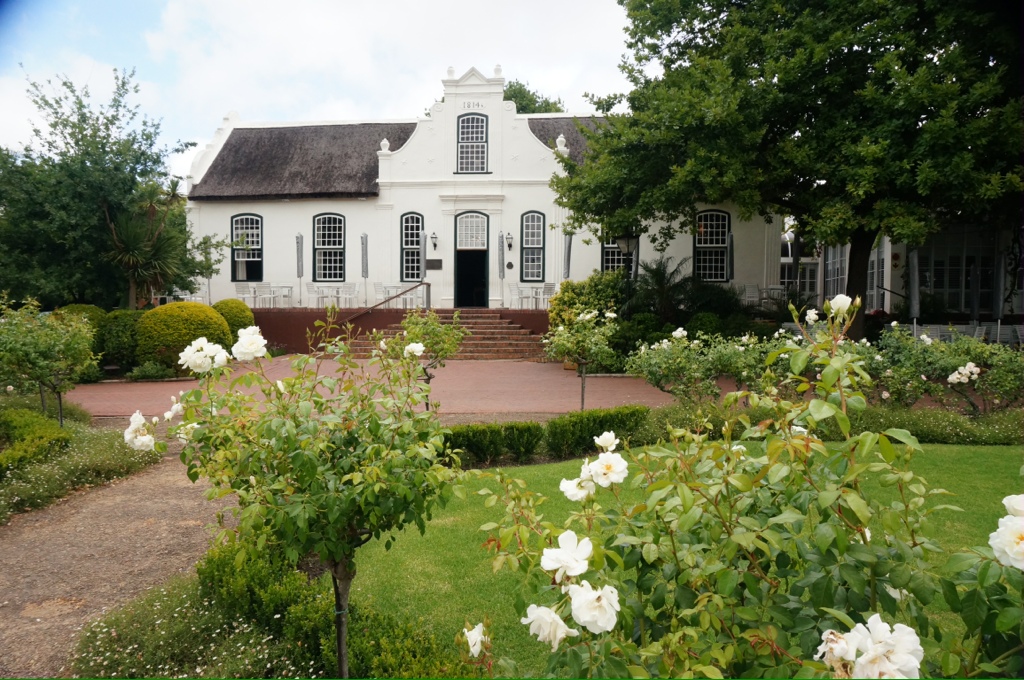
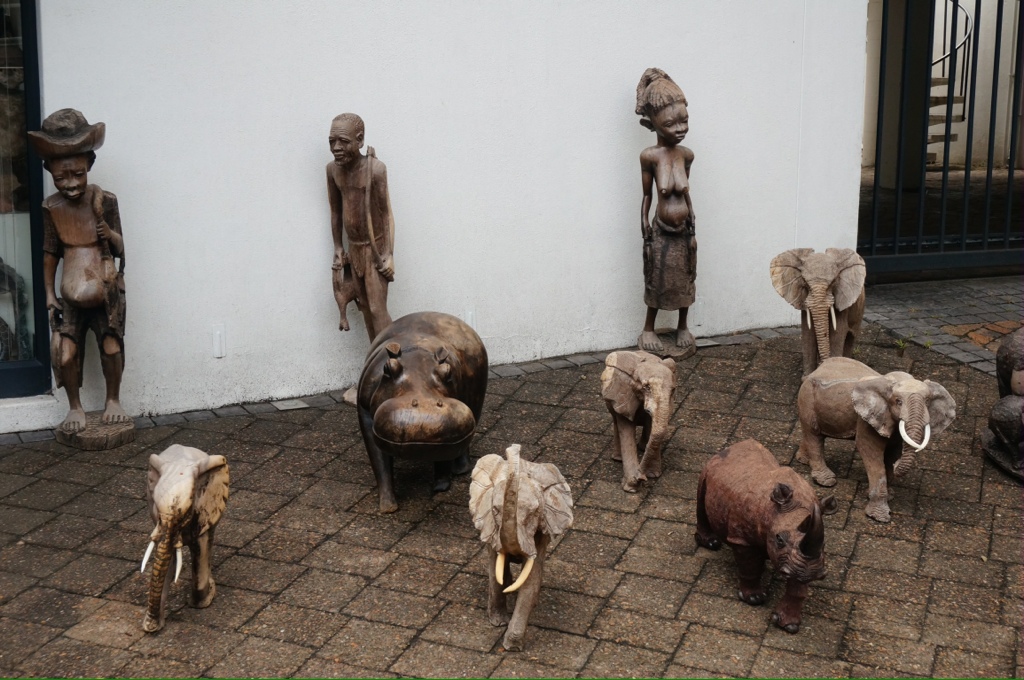
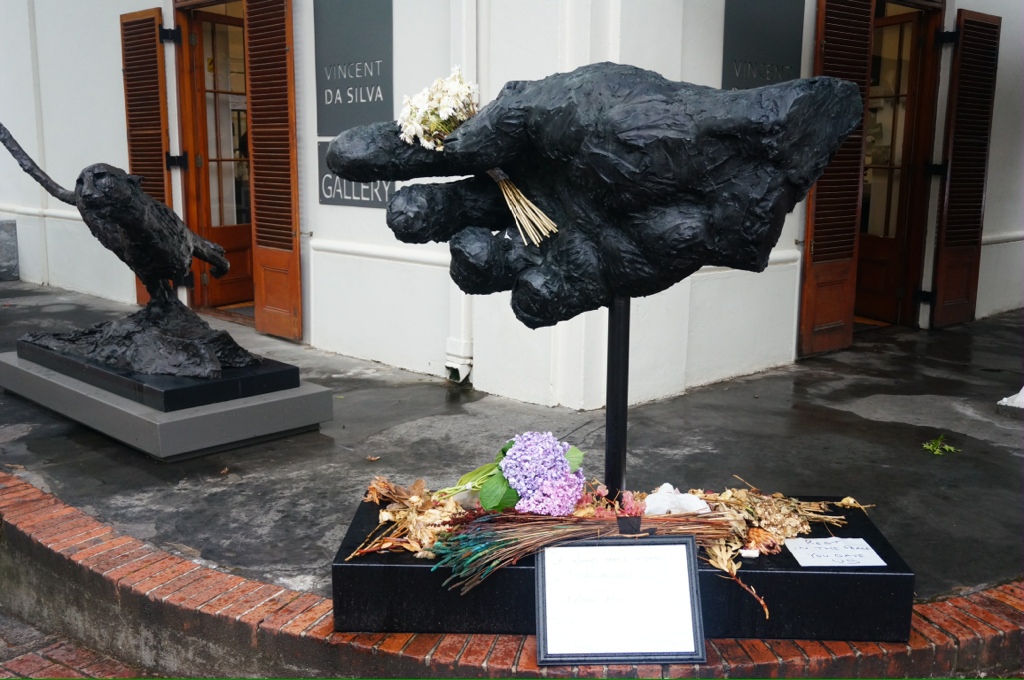
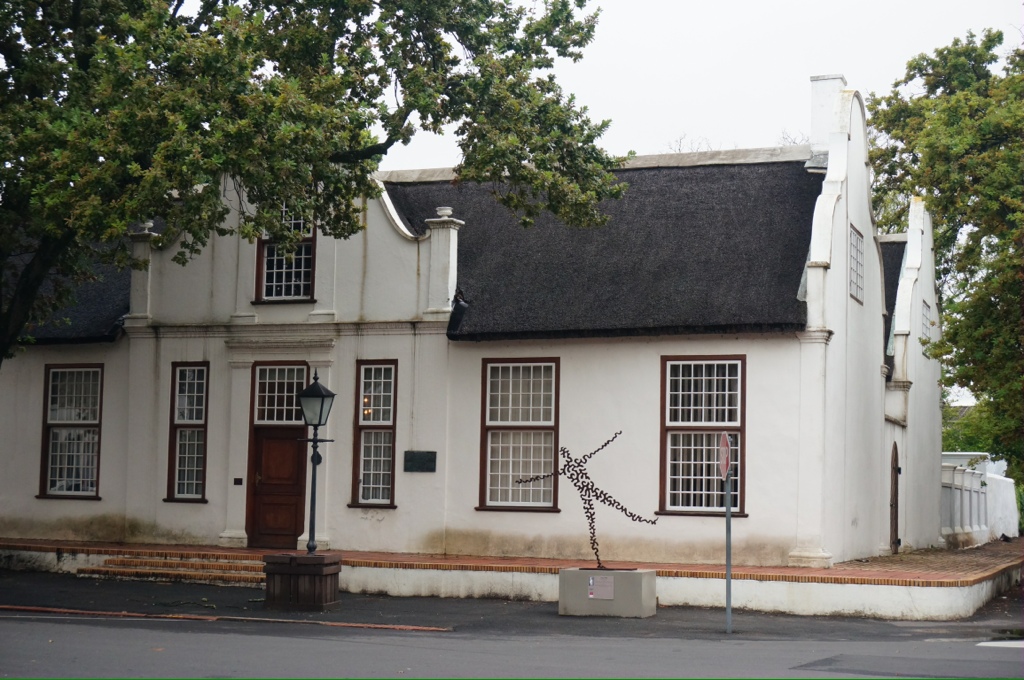
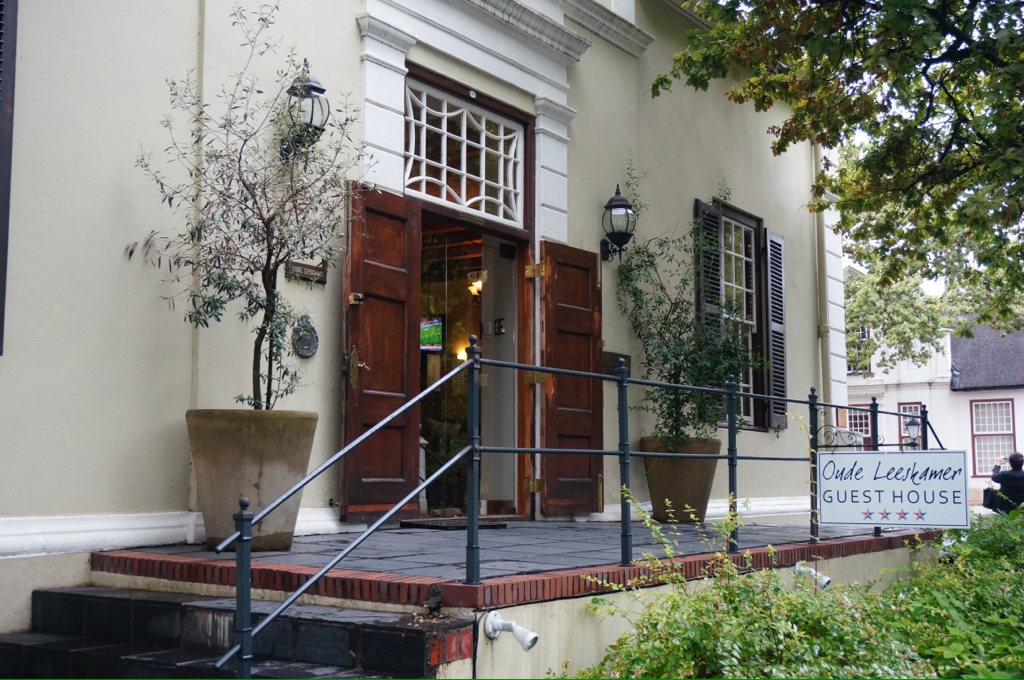
Today we visited Stellenbosch, a small Dutch town in the wine area. There are some of the original houses, a number of small hotels and B&Bs, lots of sculptures around the town and many art shops. As Trevor put it – Niagara-on-the-Lake on steroids.
We then visited a winery for some wine tasting and lunch. There are 150 wineries in the area. The first attempt to make wine was in 1655. In addition to the usual vines we also see some “bush vines” these are basically bushes of grapes not supported in any way and just growing as a bush. They produce the best wines apparently, but are not as profitable. The Dutch imported some oaks for barrel making; however, the oaks grew too fast in the hot temperatures and the wood is porous and can’t be used for barrels so they import oak from France, Spain and Hungry. We also see many other fruits growing including olives, peaches, plums, nectarines etc.
The Cape Dutch houses are similar to those in Holland except the front has been altered so when the thatch roofs catch fire the thatch will not block the entrance and people can escape. Because of the hot, dry summers this often happened. There are 3 basic styles – the “H” shaped house owned by the richest, the “L” shape owned by the next group and the “I” shape owned by the poorest.
Our guide says that while lots of people drink the wine, the most popular drink is beer and the second most popular is brandy and coke.
I think I will stick with wine!