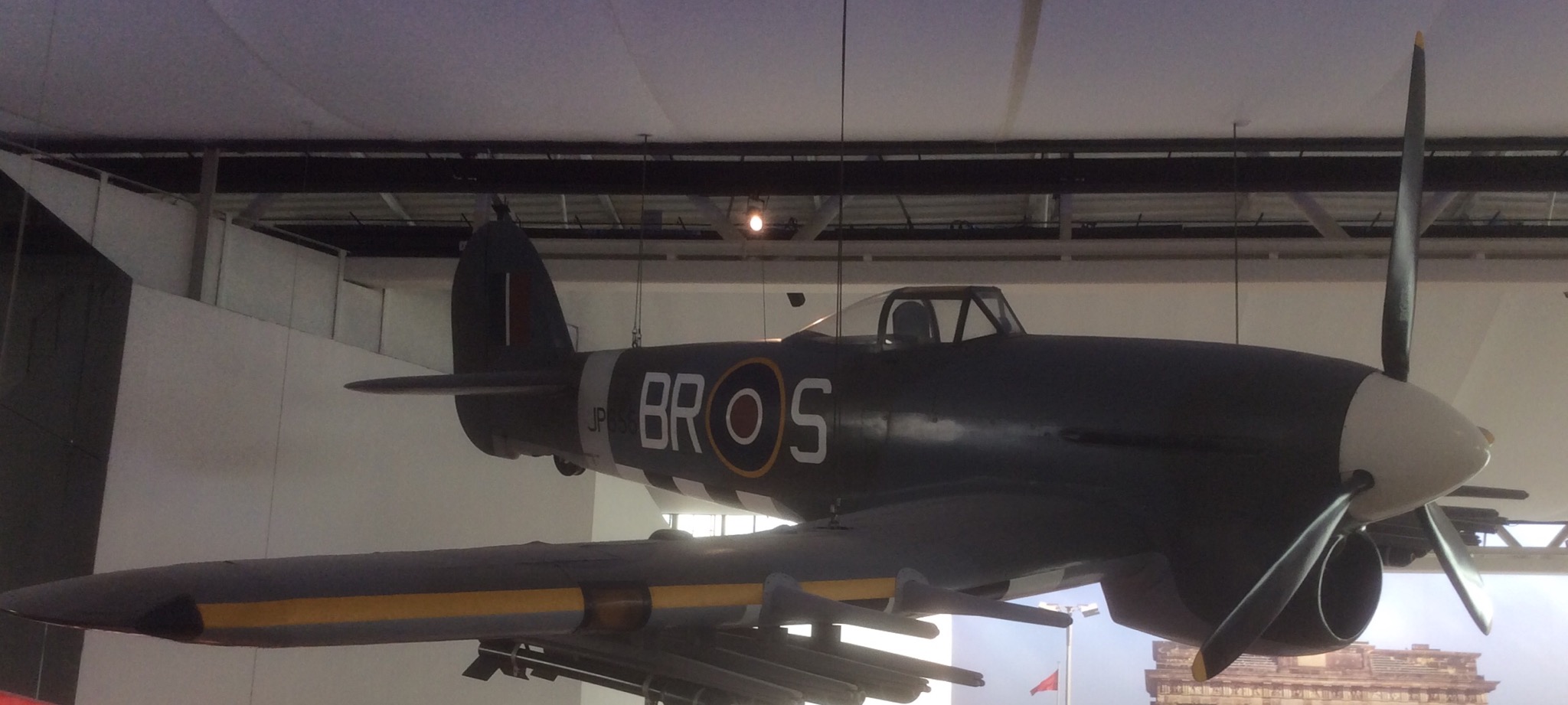
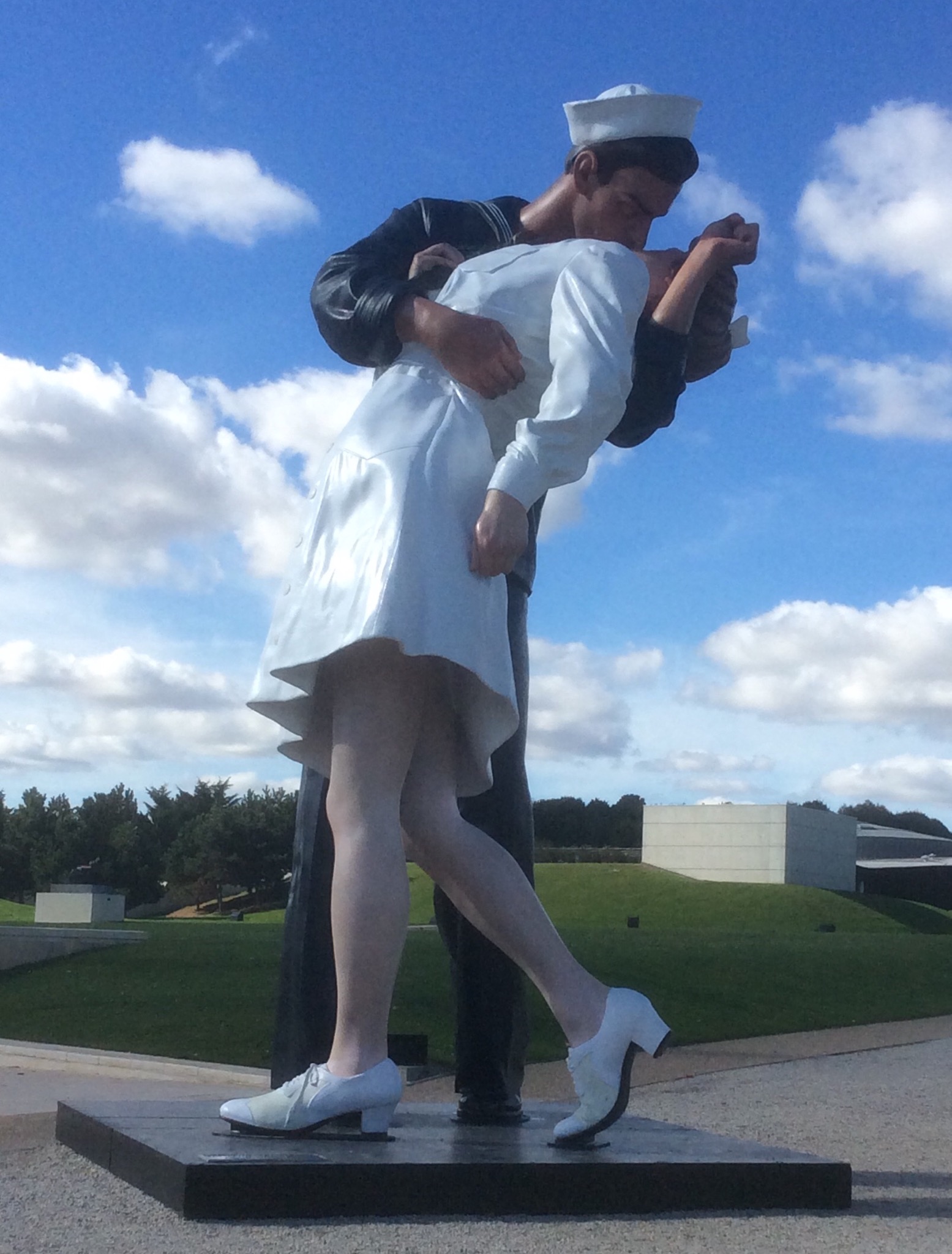
The beginning of the plans for Project Overlord took place at a meeting in Quebec. A meeting between Churchill, Eisenhower and others. Project Overload was the code name for the invasion. Project Neptune was the name for the D-Day portion.
The various commanders met over the weekend of June 3&4 to discuss the weather. Captain John Stag spoke for the weather committee. They wanted to have a full moon, calm waters, low tide at one hour after sunrise with calm winds. The decision is made at 4:00 am at which pint Monty said there was nothing more to be done by anyone other than the fighting men and he went back to bed.
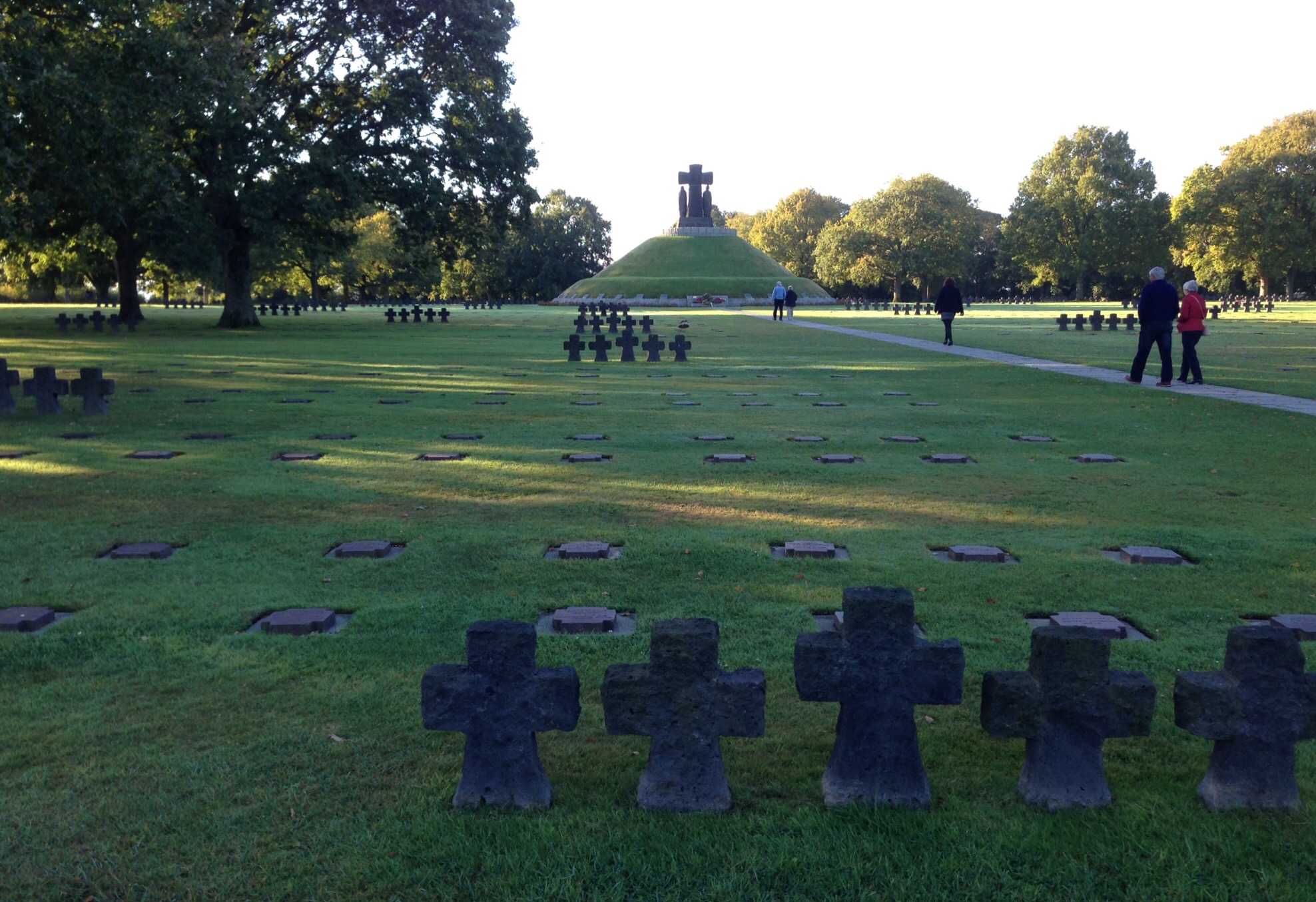
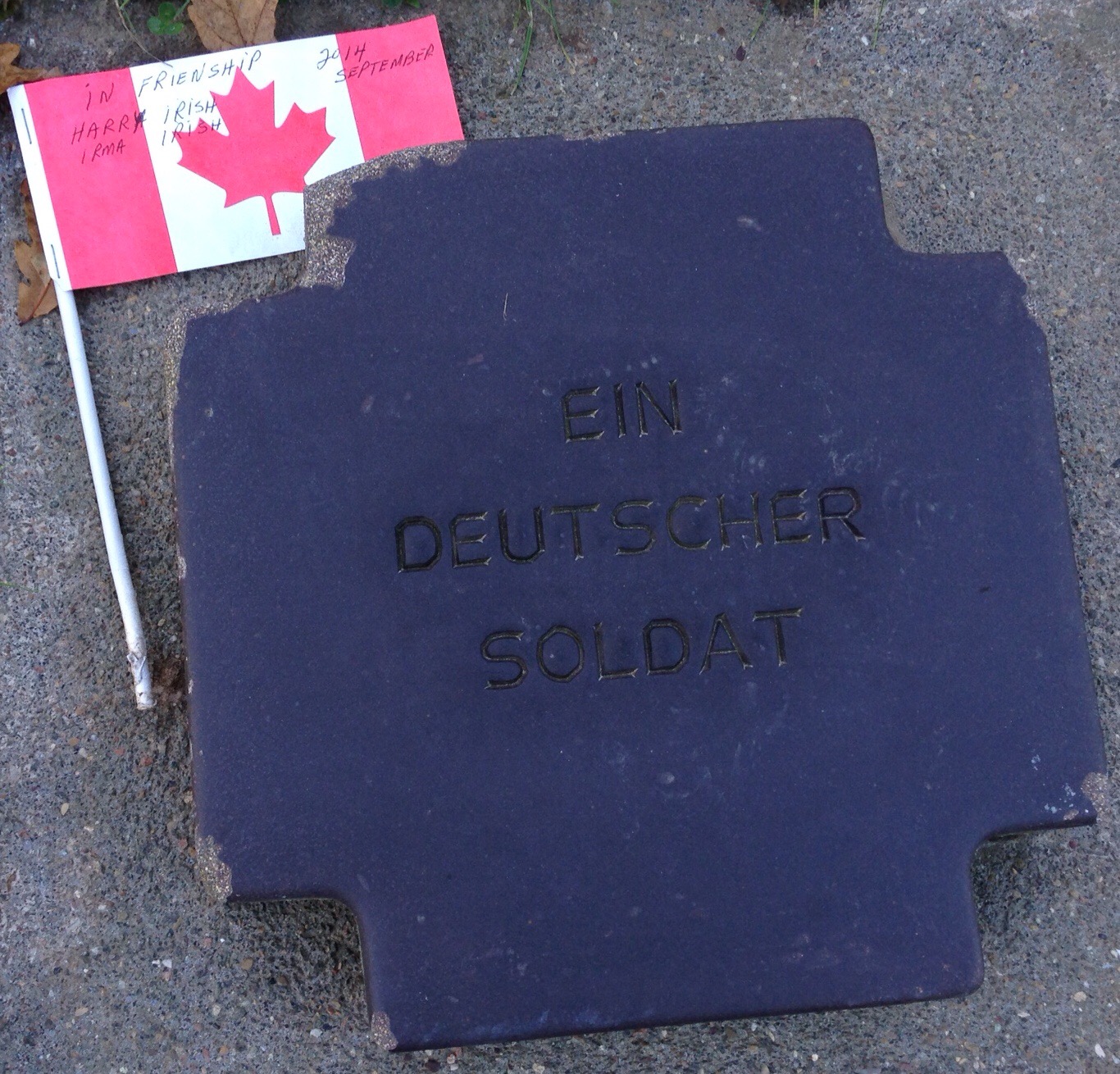
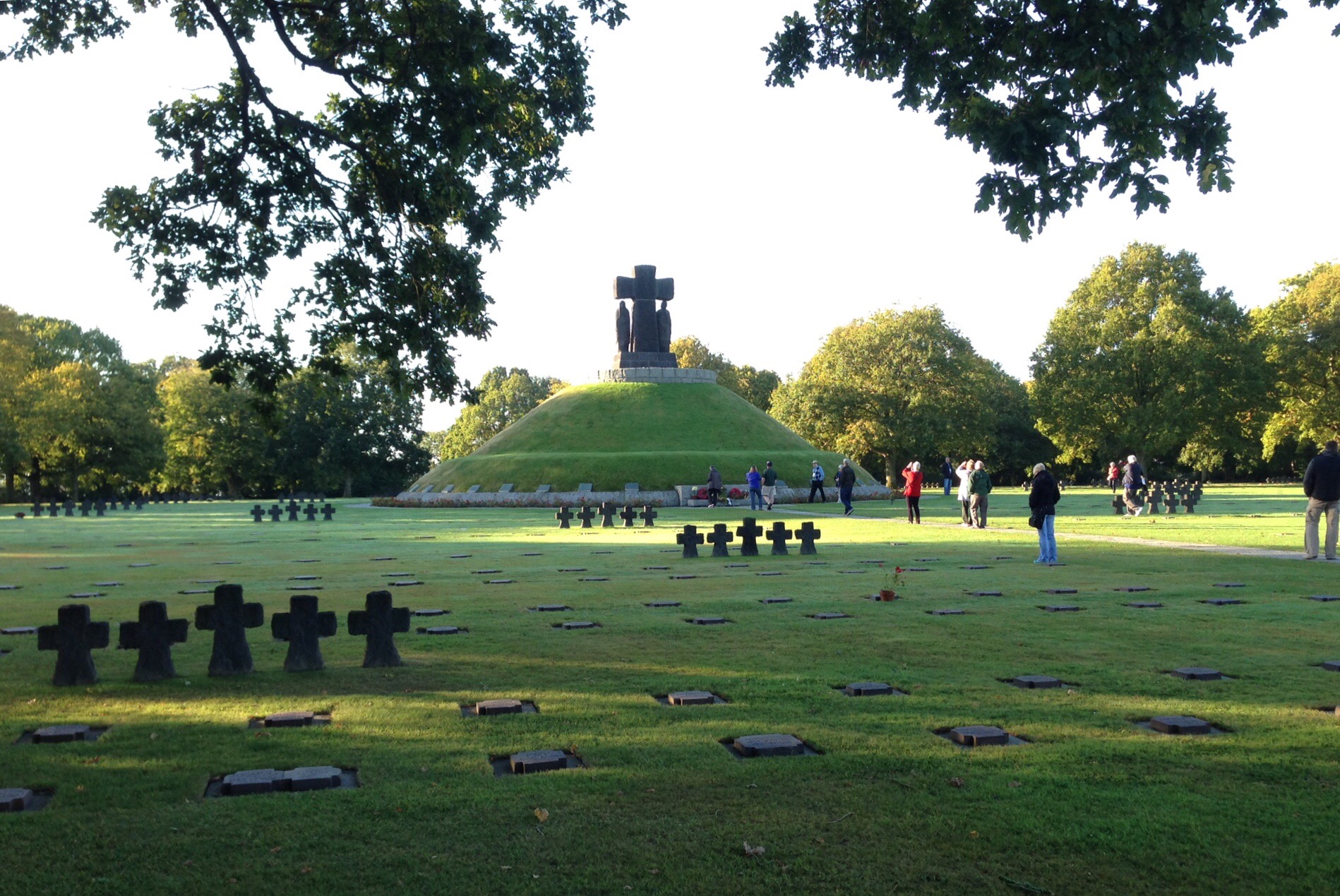
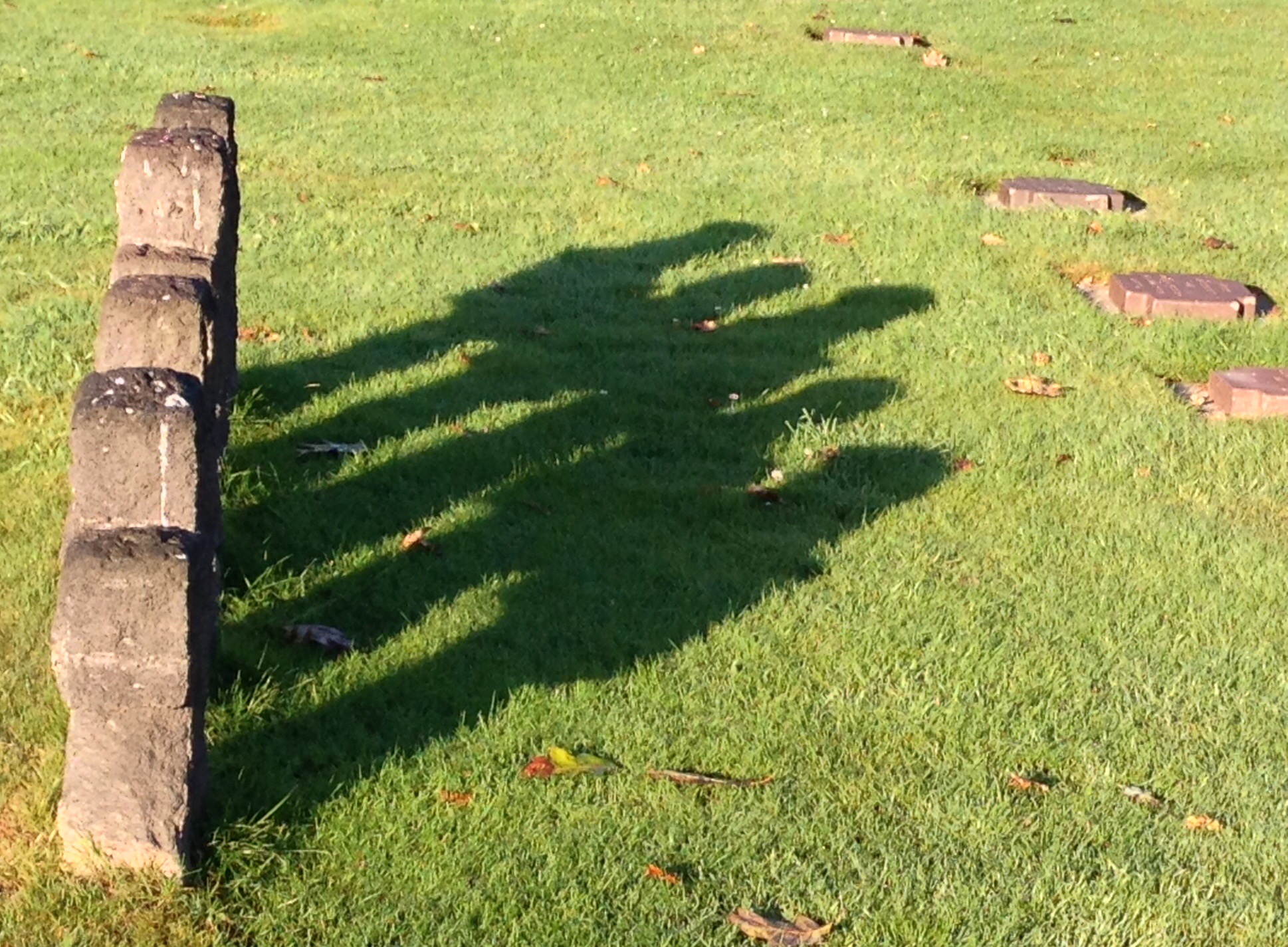
Our first stop this morning is the German cemetery. It has black crosses interspersed amongst the graves, some with names, many without. On one grave was a Canadian flag on which someone has written ” in friendship September 2014″.
There is no mass American grave. While the Commonwealth has no
tradition of returning the war dead to their homeland, the Americans consult with the family about what they want and most choose to have the remains shipped home.
While the Germans anticipated the invasion they did not know where it would occur and so their main defence was set up opposite Dover where the channel is the narrowest. They did erect a “wall” along the Normandy coast including a series of bunkers. Further Rommel flooded the flat land which was inland from the coast to thwart any airborne attack.
On D-Day the Allies used 850 gliders to bring in troops, vehicles and other equipment. They deployed 855 parachute carriers each with 18 paratroopers. These forces each had specific objectives to disable some of the German defence. At the same time the Resistance had instructions to destroy bridges, train tracks and roads to slow movement of German troops to the front.
The gliders and paratroopers all had specific drop zones. But with the fog, wind and anti aircraft fire they often missed their DZ. Only one man in five was in the correct place. This of course created some problems in the groups meeting up. However, it confused the Germans who couldn’t see the purpose of the way the drop was done. The gliders faced an unexpected hazard as the fields of Normandy are often surrounded by hedgerows which they would crash into as landing.
They all carried a child’s toy that made a sound like a cricket which they used to find each other in the dark. The parachutes were not white as depicted in the movies but were olive green and very difficult to see from the ground. There was a 150 mile long line of planes in groups of 9. By this point the Allies had superiority in the air and the sea.
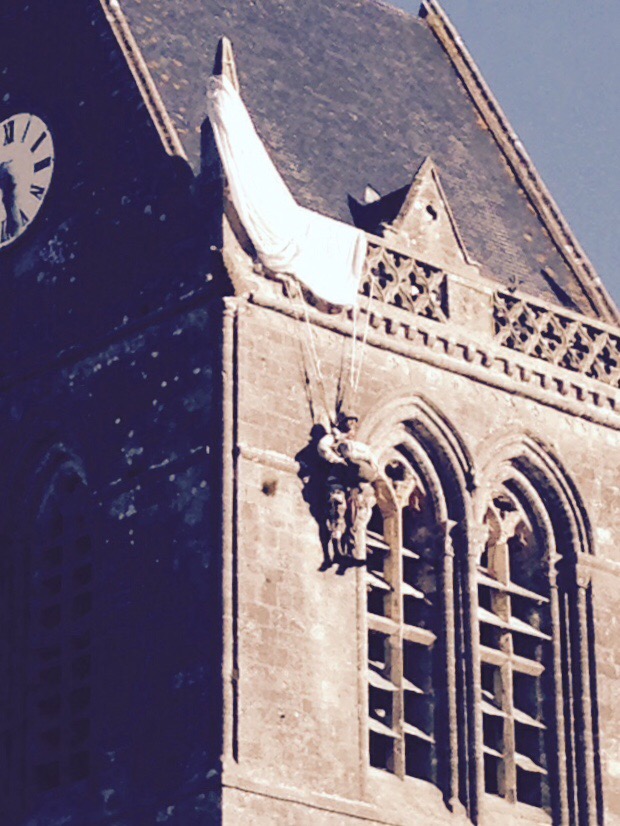
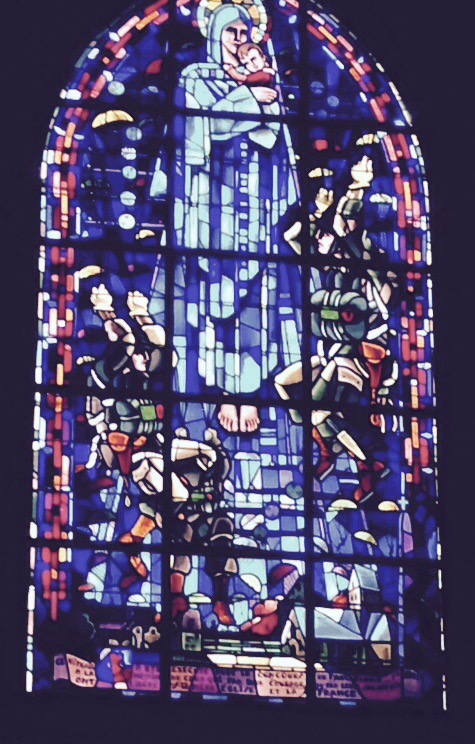
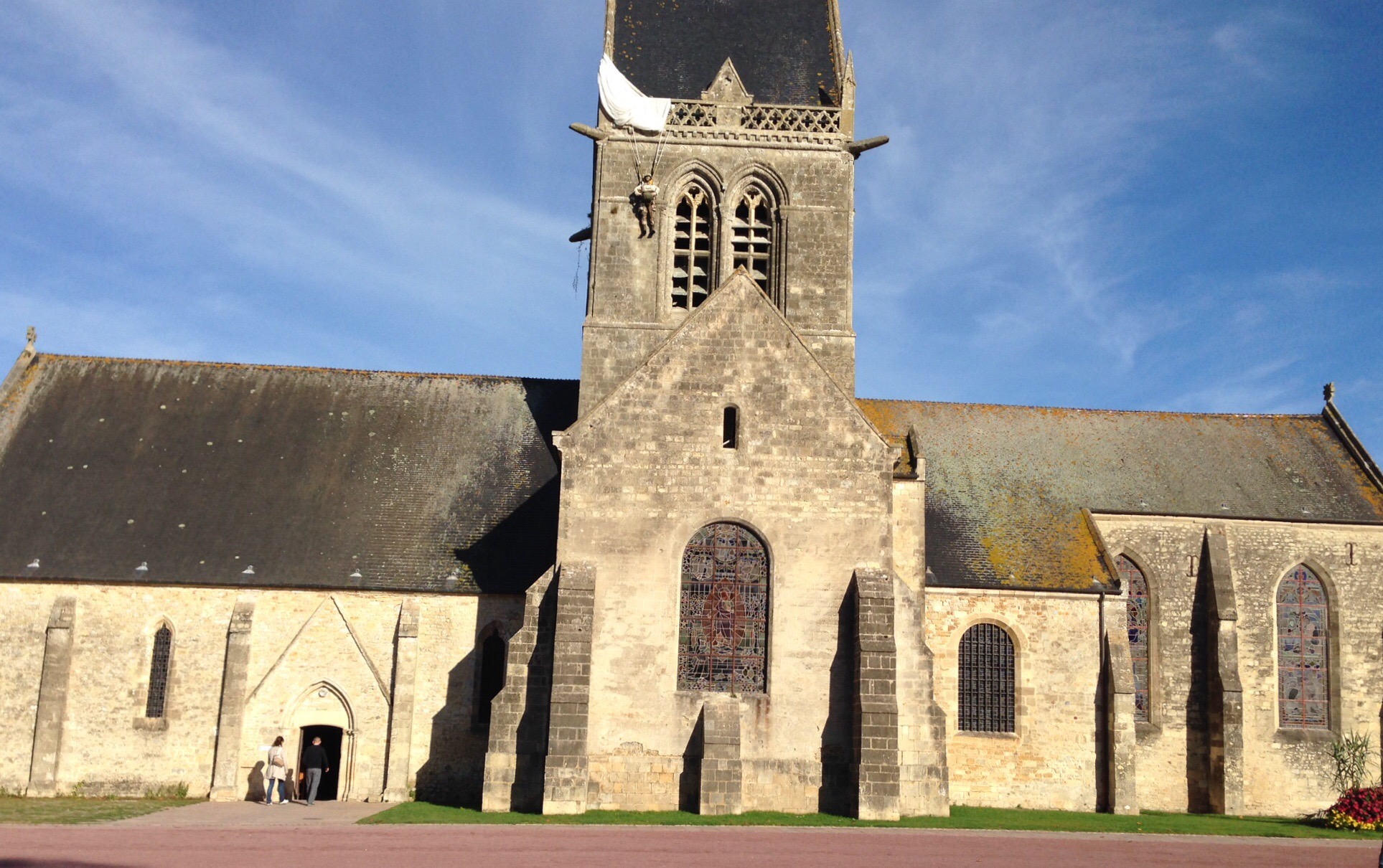
We visited Ste Marie Englise which was the first town liberated. There was a fire in a house on the town square that night and the mayor had permission from the German’s to ring the bell,and call people to help fight the fire. As the paratroopers dropped from the sky some landed in the square. One paratrooper’s chute was caught on the church spire and he was hanging there until the Germans stationed in the tower rescued him. He was released by the Germans at the end of the fighting.
In the town is the first marker on the Liberation Highway which stretches 505 Kim’s from Normandy to Belgium.
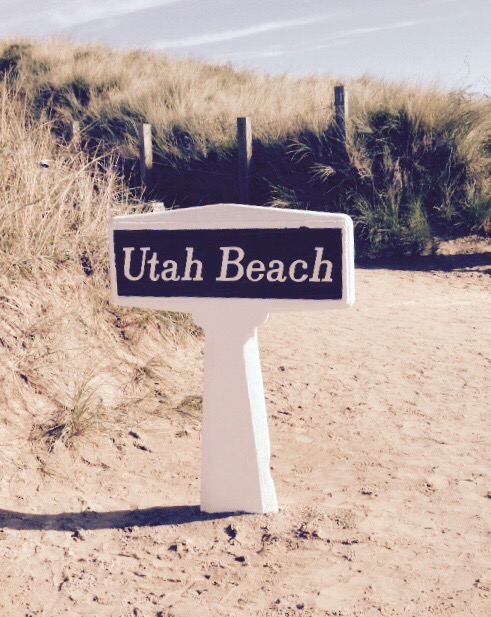
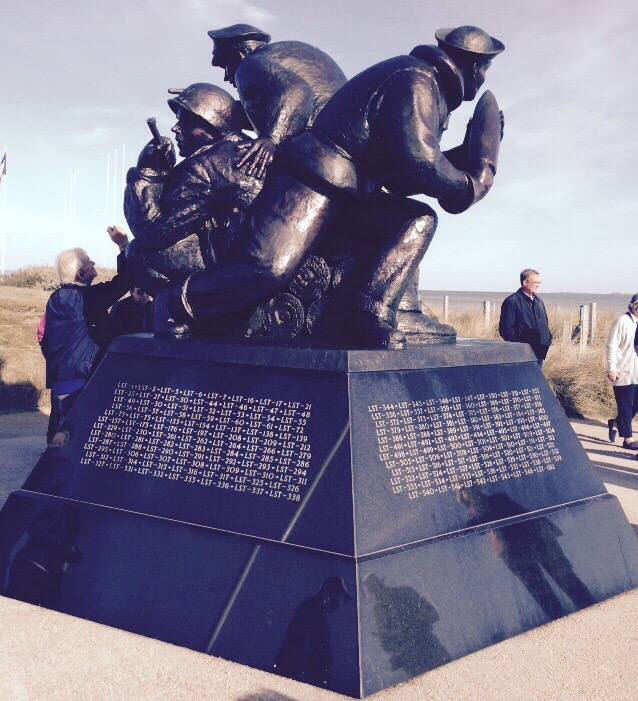
We visit Utah Beach which is where Theodore Roosevelt came ashore with hie command on D-Day. It had the least casualties. The B52 bombers were successful in doing a low altitude run, effectively clearing the beach. The troops landed about 2 miles south of their intended spot but this was beneficial as the German defence was lighter there. While the troops were being transported from their main ships the battle ships sat 11 – 25 miles off shore and bombarded the coast, stopping when the troop carriers were half hour from landing.
This beach was one of the areas where a temporary port was established. It was used to land hundreds of thousands of men, tons of equipment and vehicles that are used in the subsequent battles. It is a long shallow beach with very low tides. We can still see the 2 concrete ships that were sunk to form part of the breakwater. The other ships used were Steel and had since been removed.
Our guide has a series of letters from Roosevelt and others and reads us portions of the letters to give a flavour of their thoughts.