June 10 – Como, Italy

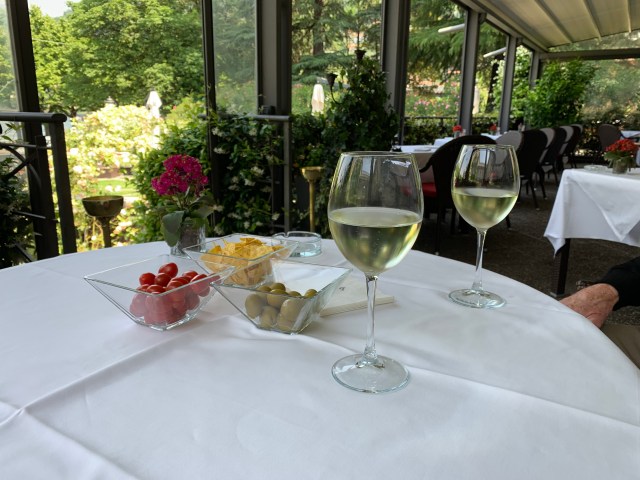
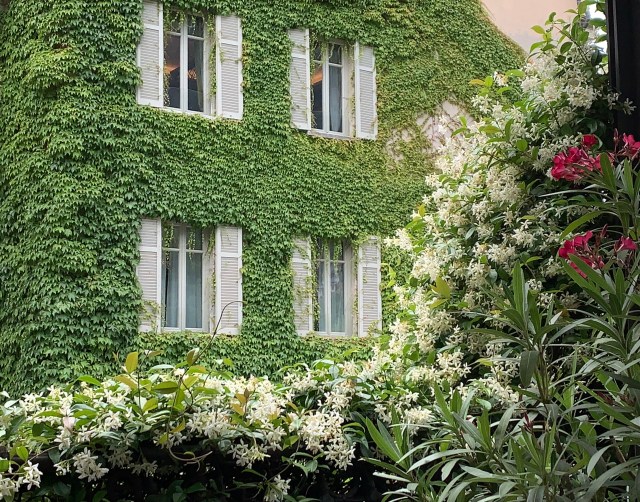
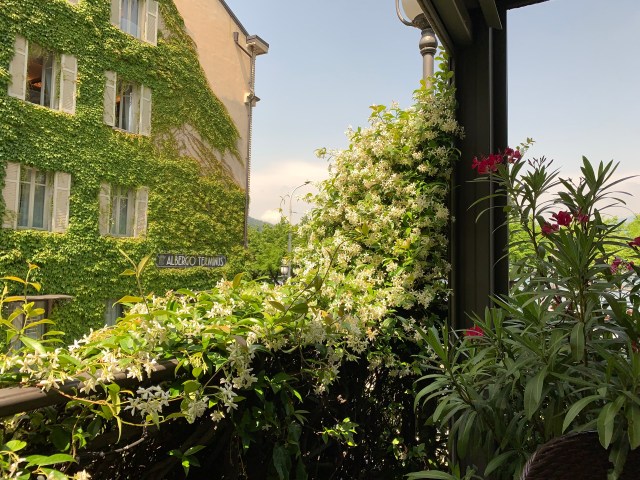
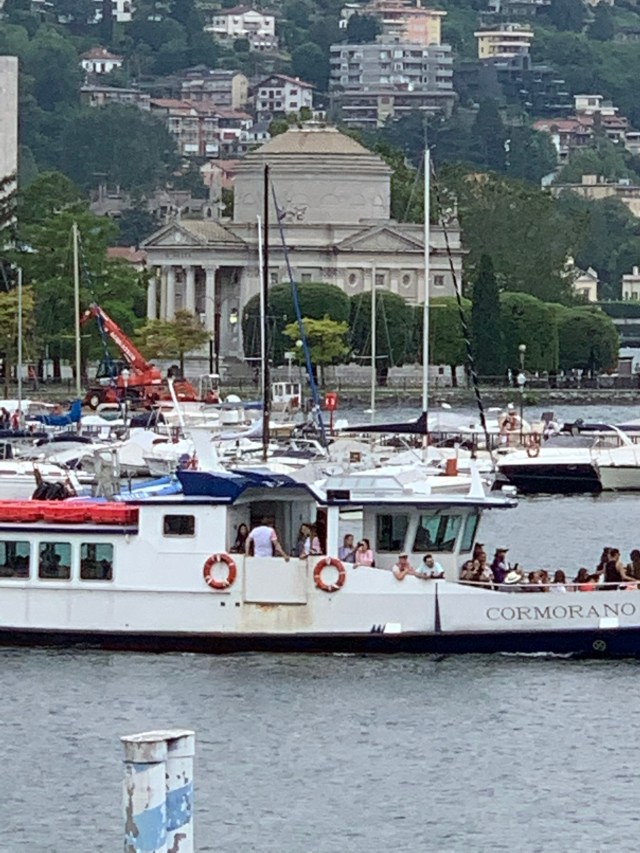
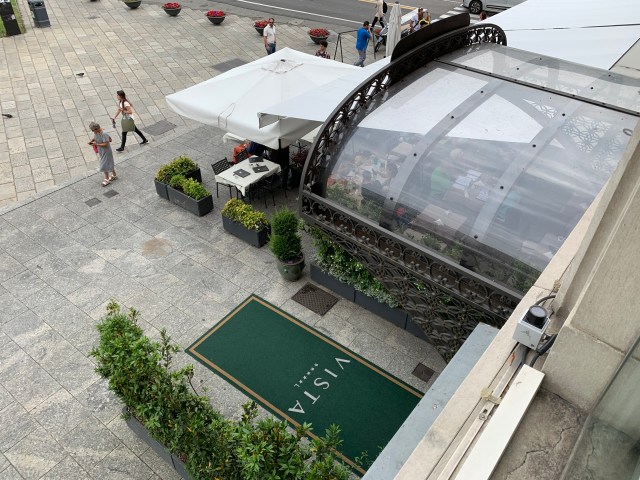
A good trip, arrived in Como around 11 am. We had a short wait for our room to be ready so went to the bar for my first Prosecco. A beautiful setting overlooking the lake

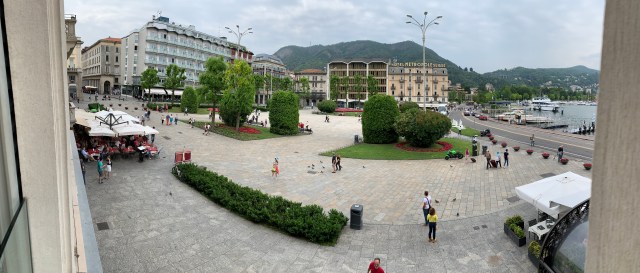
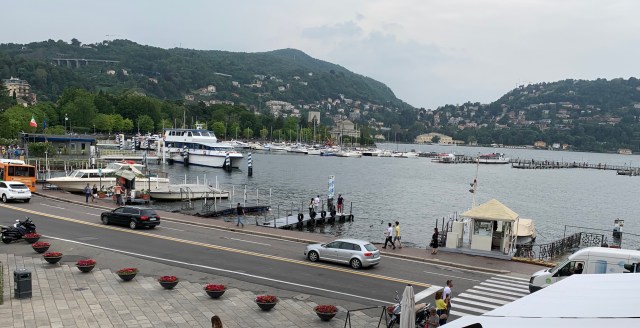
Our room overlooks the lake and one of the squares

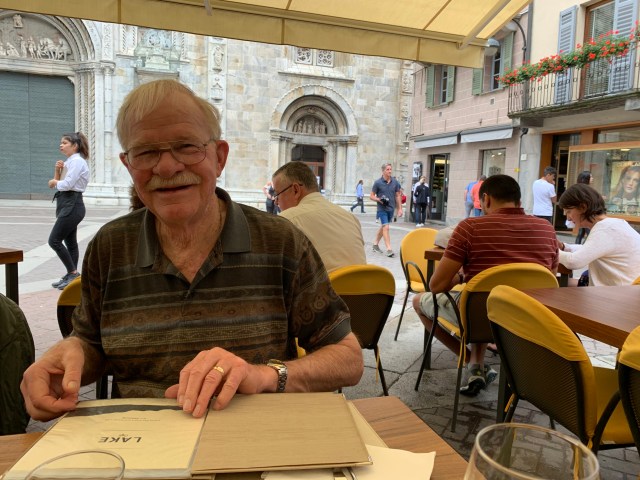
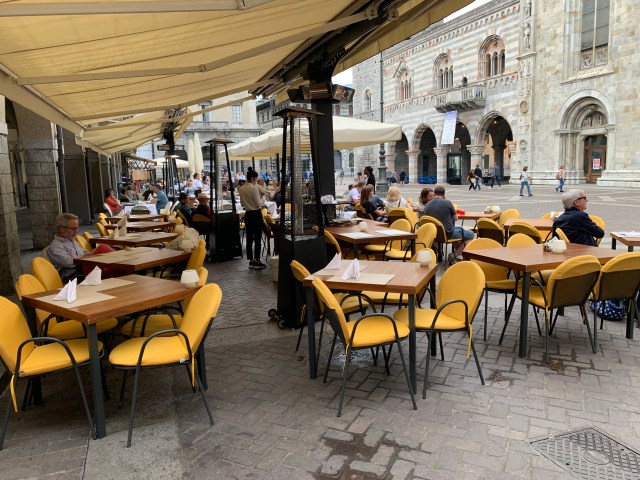
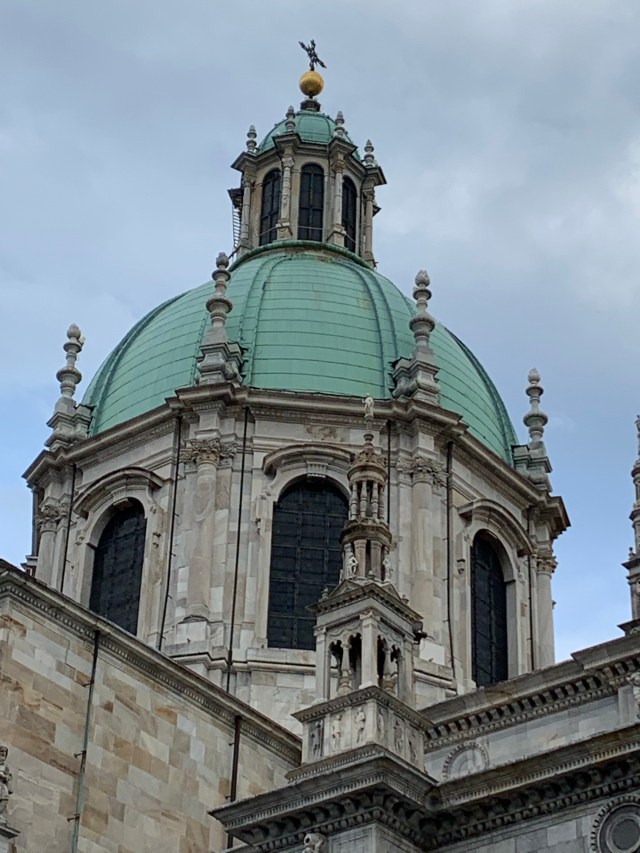
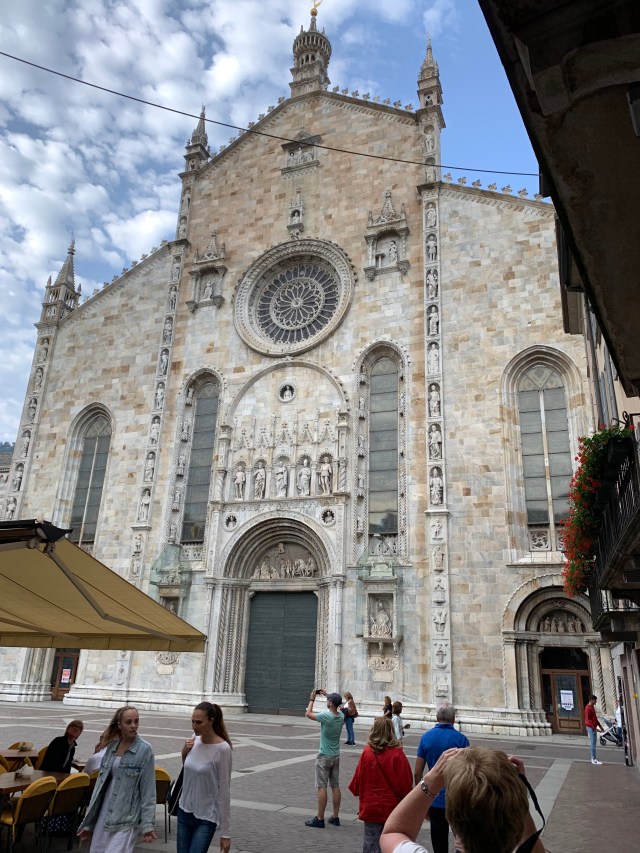
After a 3 hour nap we had dinner in the cathedral square, watching the people and looking at the last Gothic cathedral built in Italy, started in the mid 1300s. We will explore the cathedral more tomorrow.

Our dining spot

A couple of views of the cathedral

Tomorrow we plan to explore more of Como.

Posted in Uncategorized | 2 Comments

Europe 2019

Our next trip is planned, reserved and paid for, we are eager to get underway

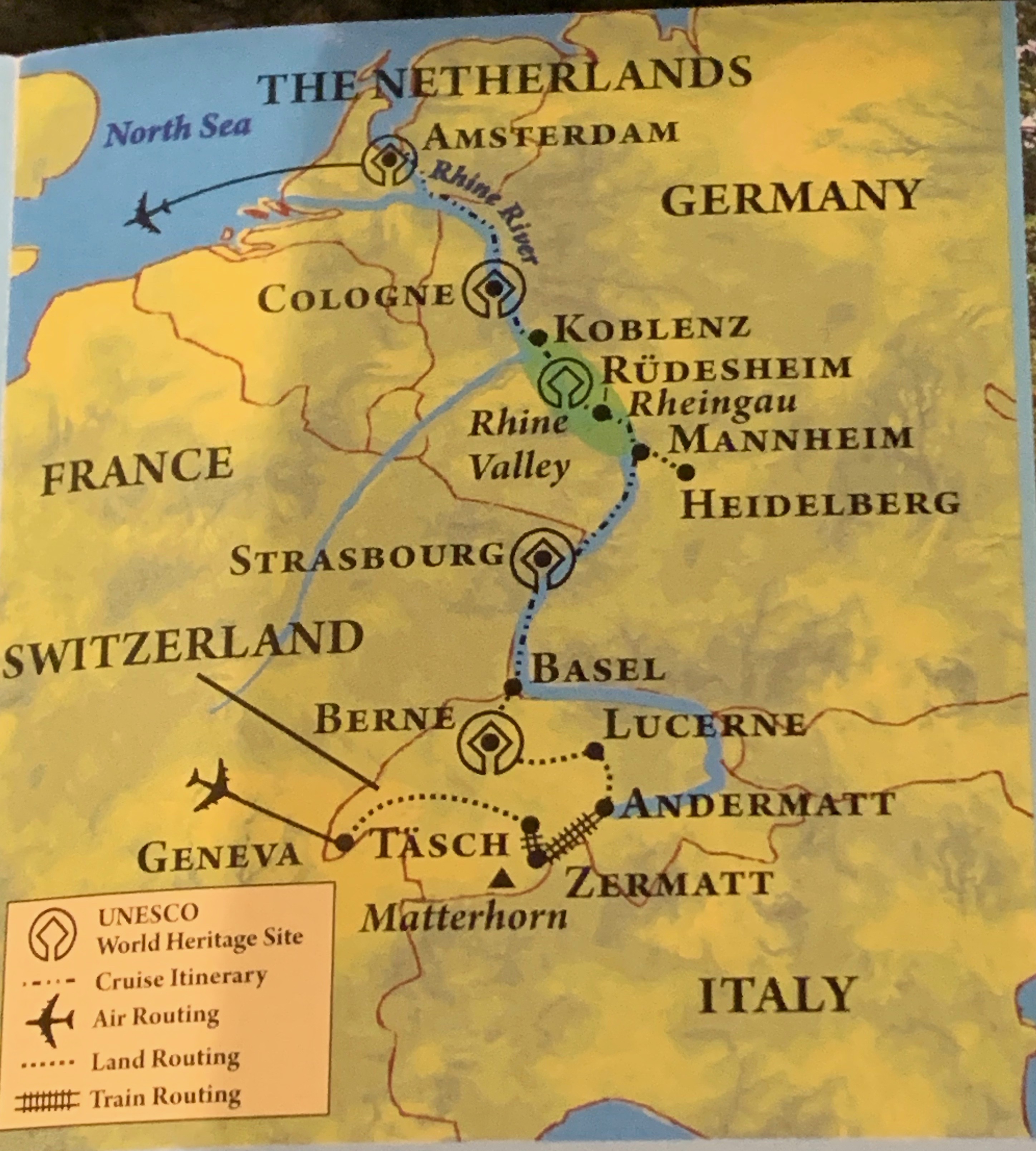
We leave June 9 heading to Milan Italy. Once there our agenda is as follows:

  • June 10 to June 16 – Como, Italy
  • June 16 to 18 – Milan, Italy
  • June 18 travel by train to Zermatt, Switzerland and meet up with a University Alumni trip
  • June 19 – Zermatt
  • June 20 – Andermatt & Lucerne, Switzerland
  • June 21 – Lucerne
  • June 22 – Berne & Basel, Switzerland and board the Amedeus Silver II for a river cruise to Amsterdam
  • June 23 – Strasbourg, France
  • June 24 – Mannheim & Heidelberg, Germany
  • June 25 – Rudesheim & Koblenz, Germany
  • June 26 – Cologne, Germany
  • June 27 – Amsterdam and fly home

I plan to blog and post pictures as e travel around and if I do meet George in Como there will be lots of pictures of him!!!

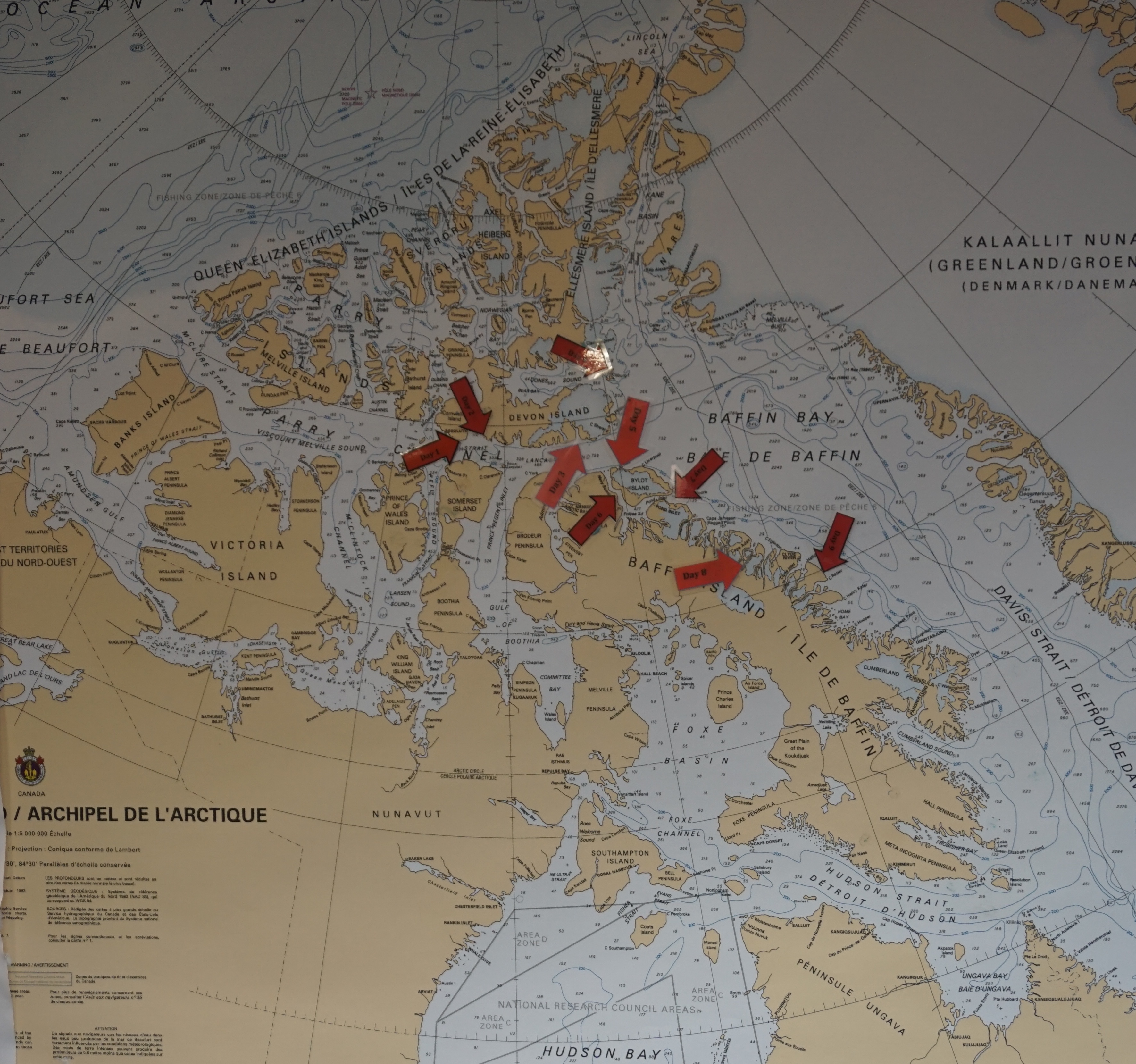
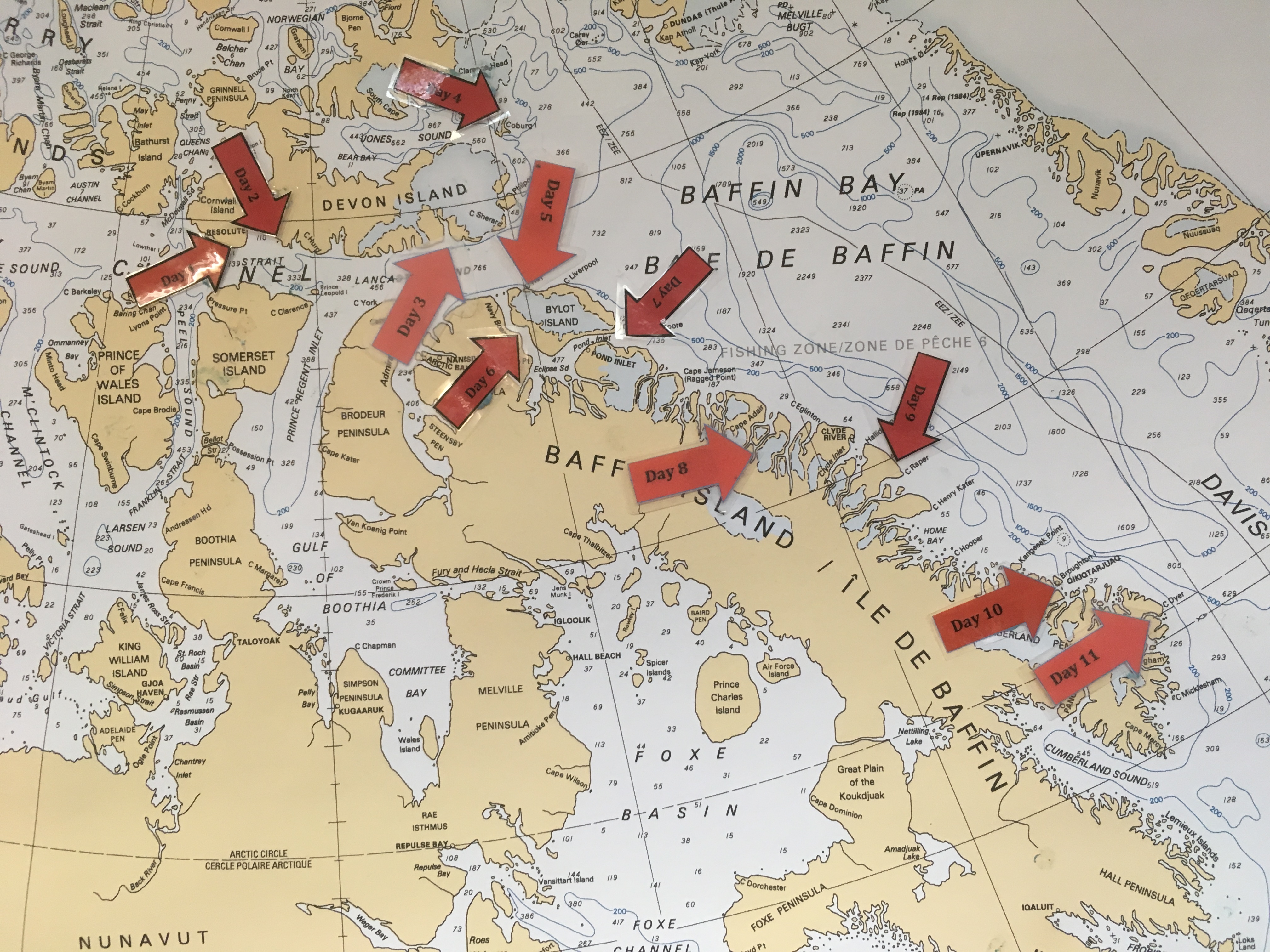
Here is a map of the tour through Switzerland and the river cruise

Posted in Uncategorized | 1 Comment

Arctic September 3 – Monumental Island

IMG_5023

IMG_5029

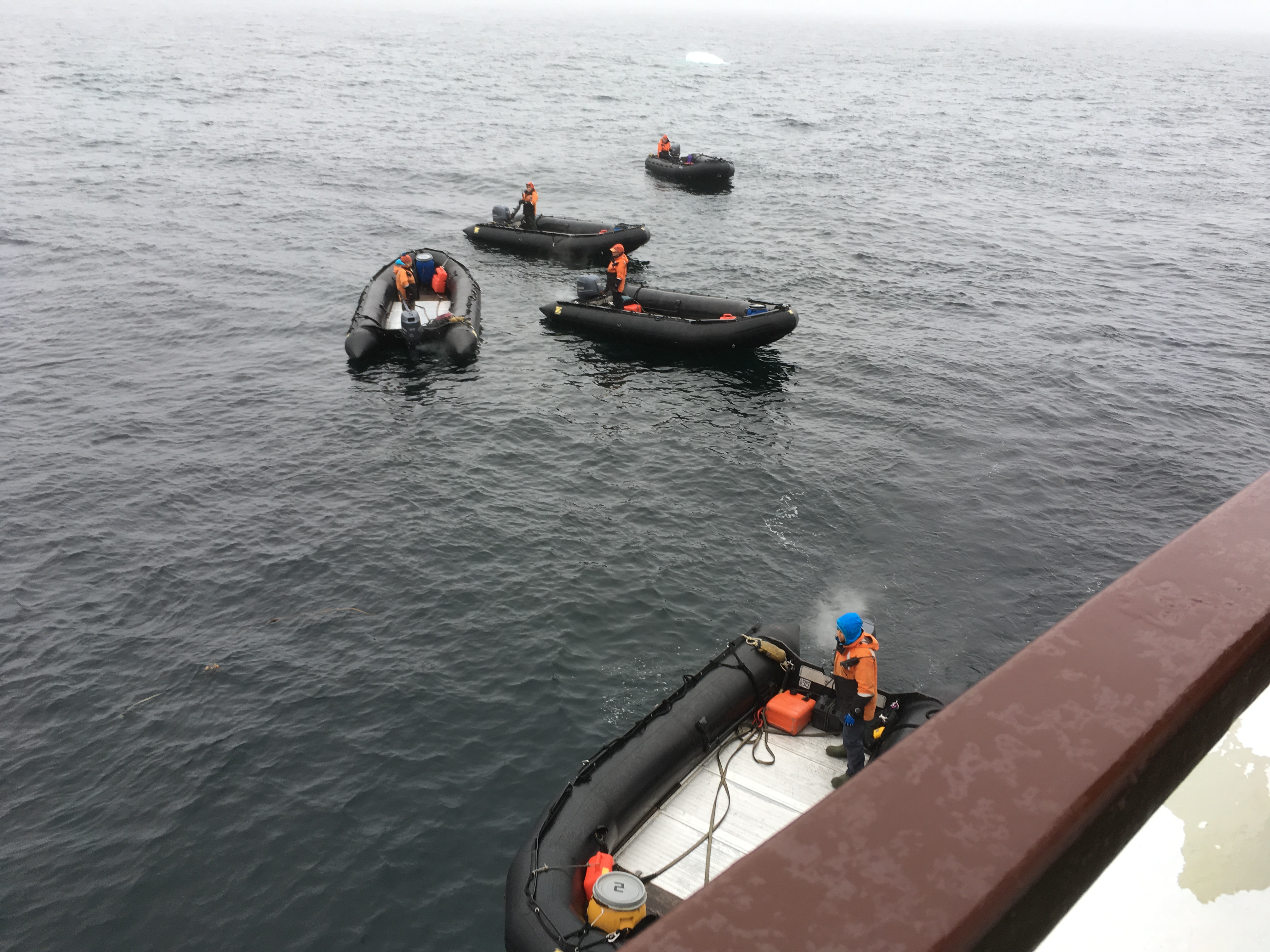
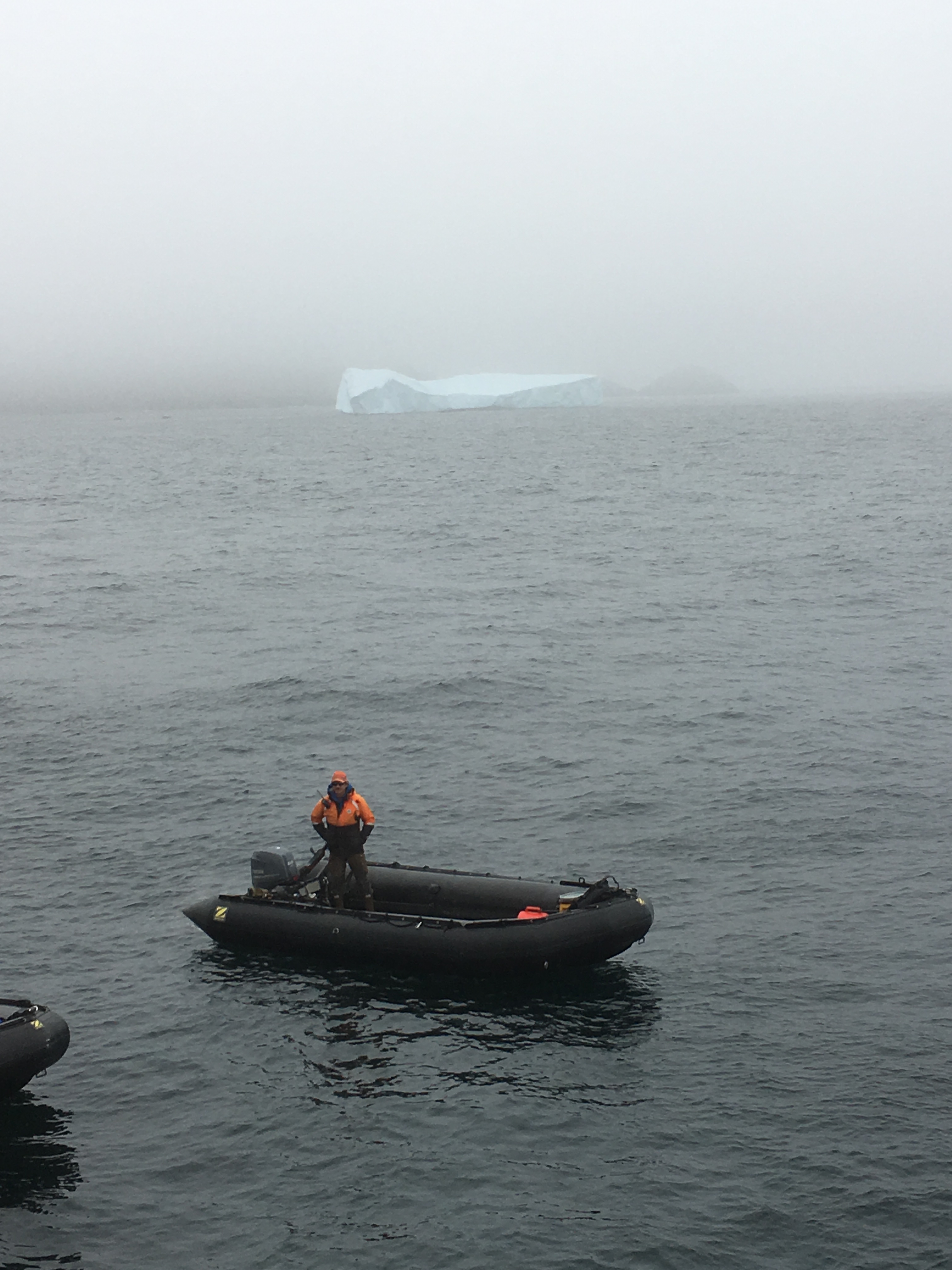
Boris supervising loading the zodiacs

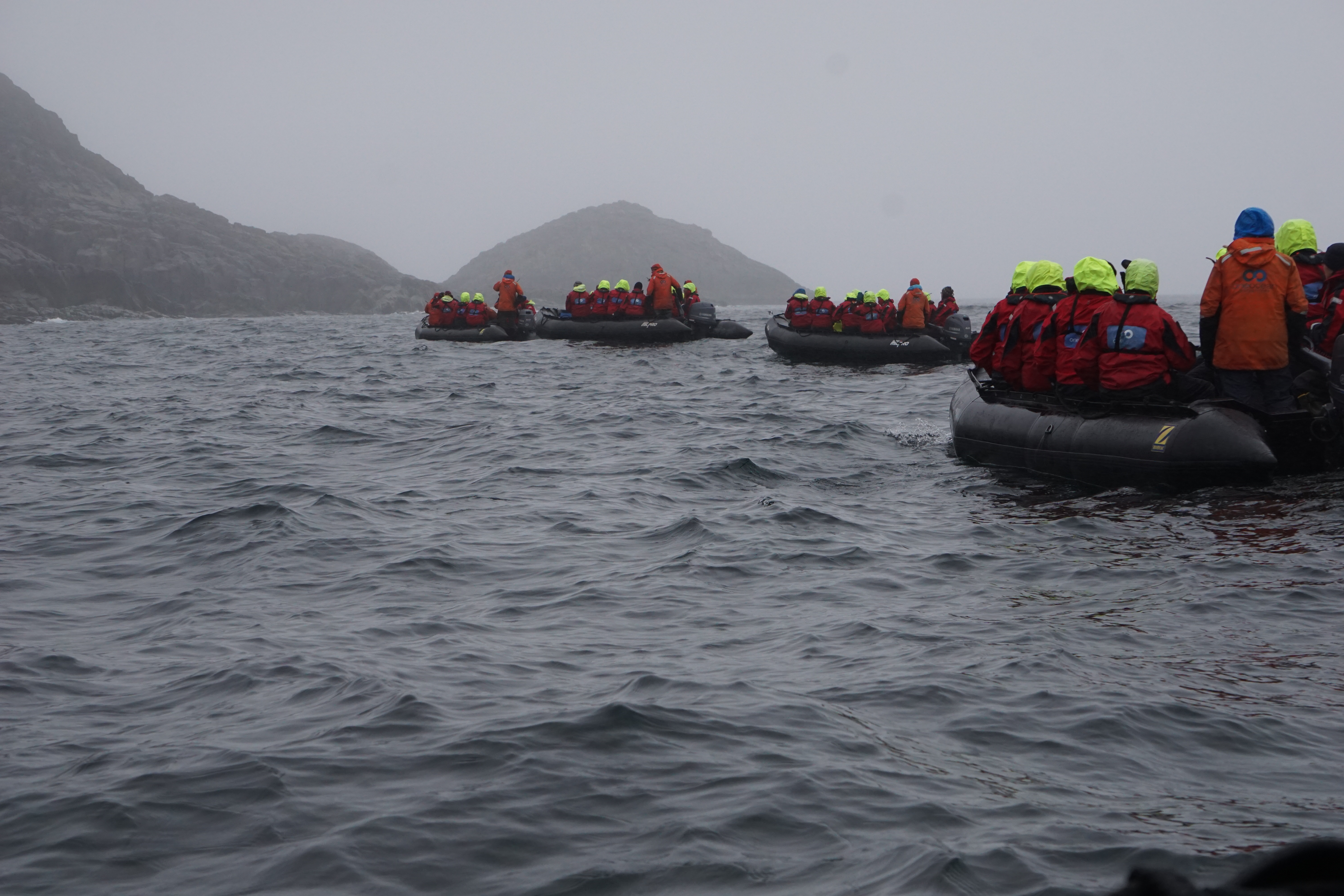
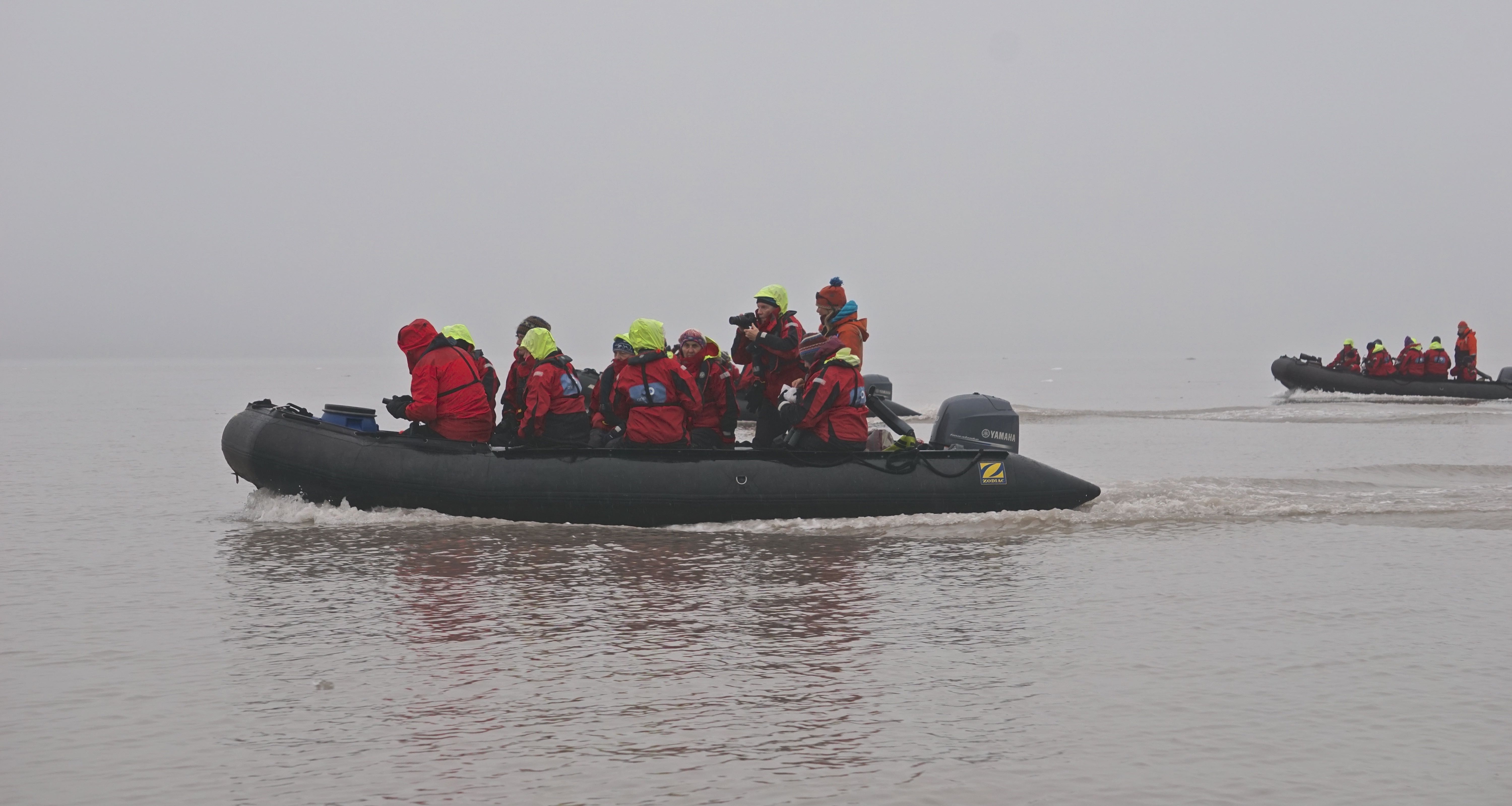
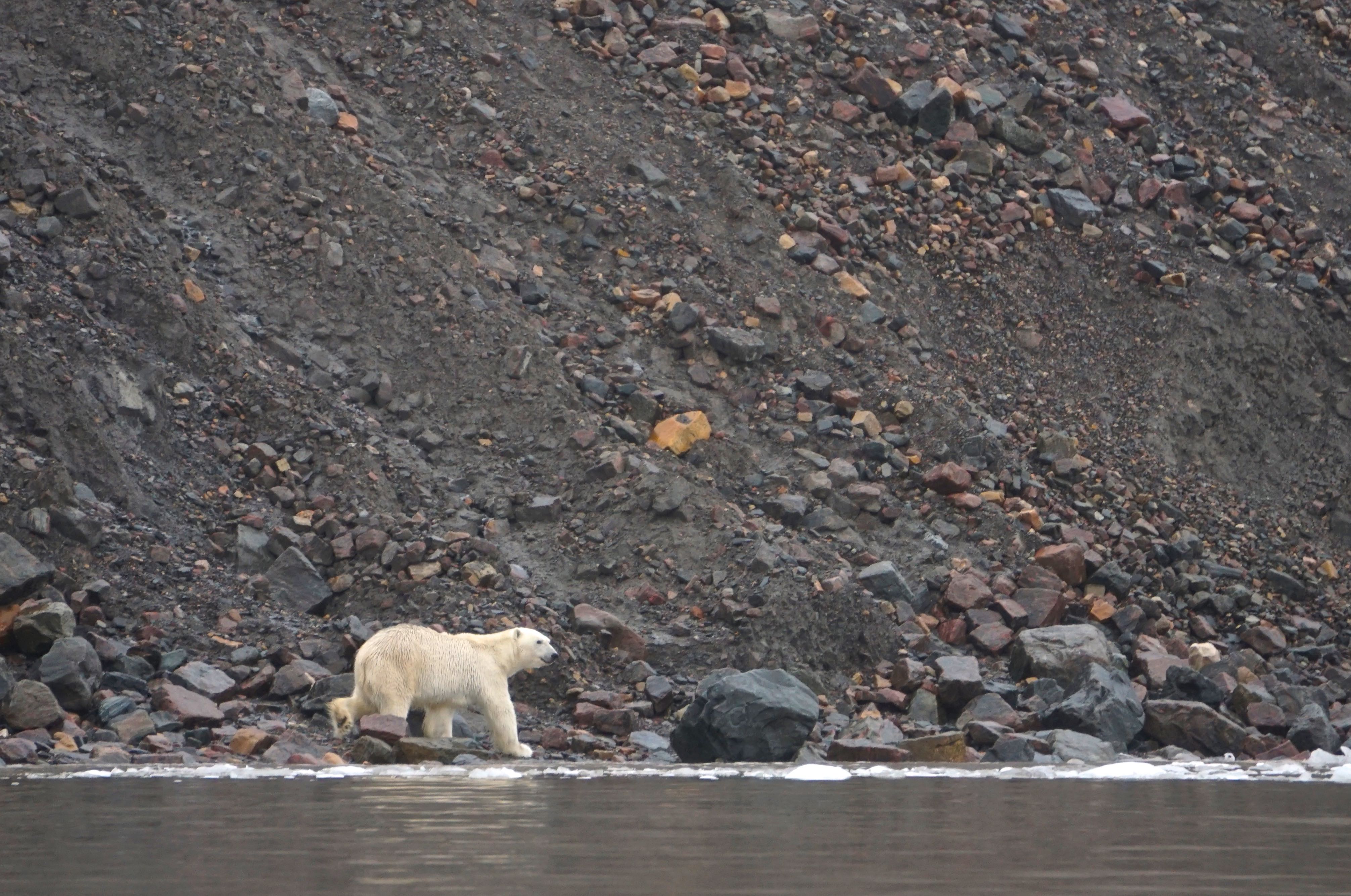
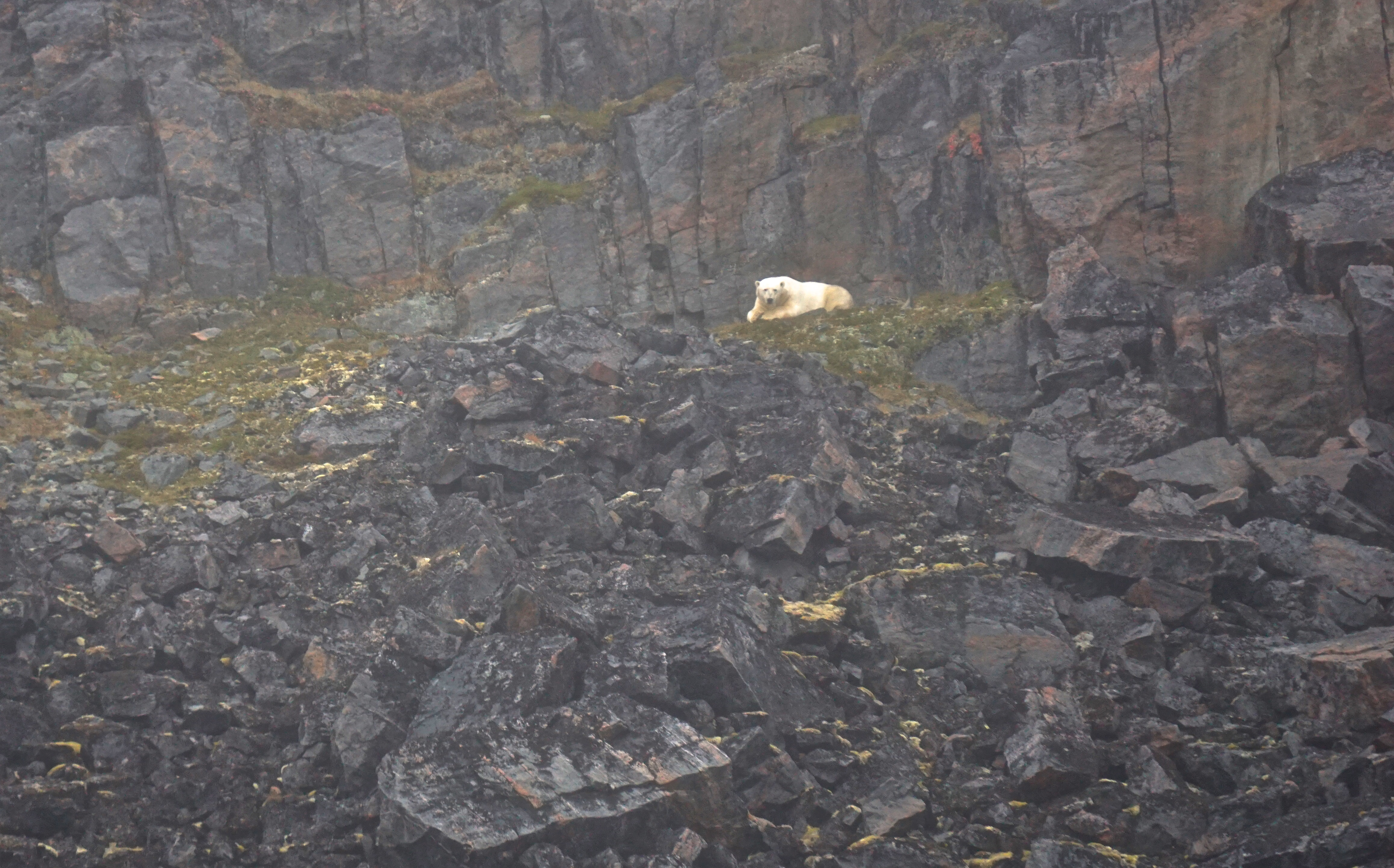
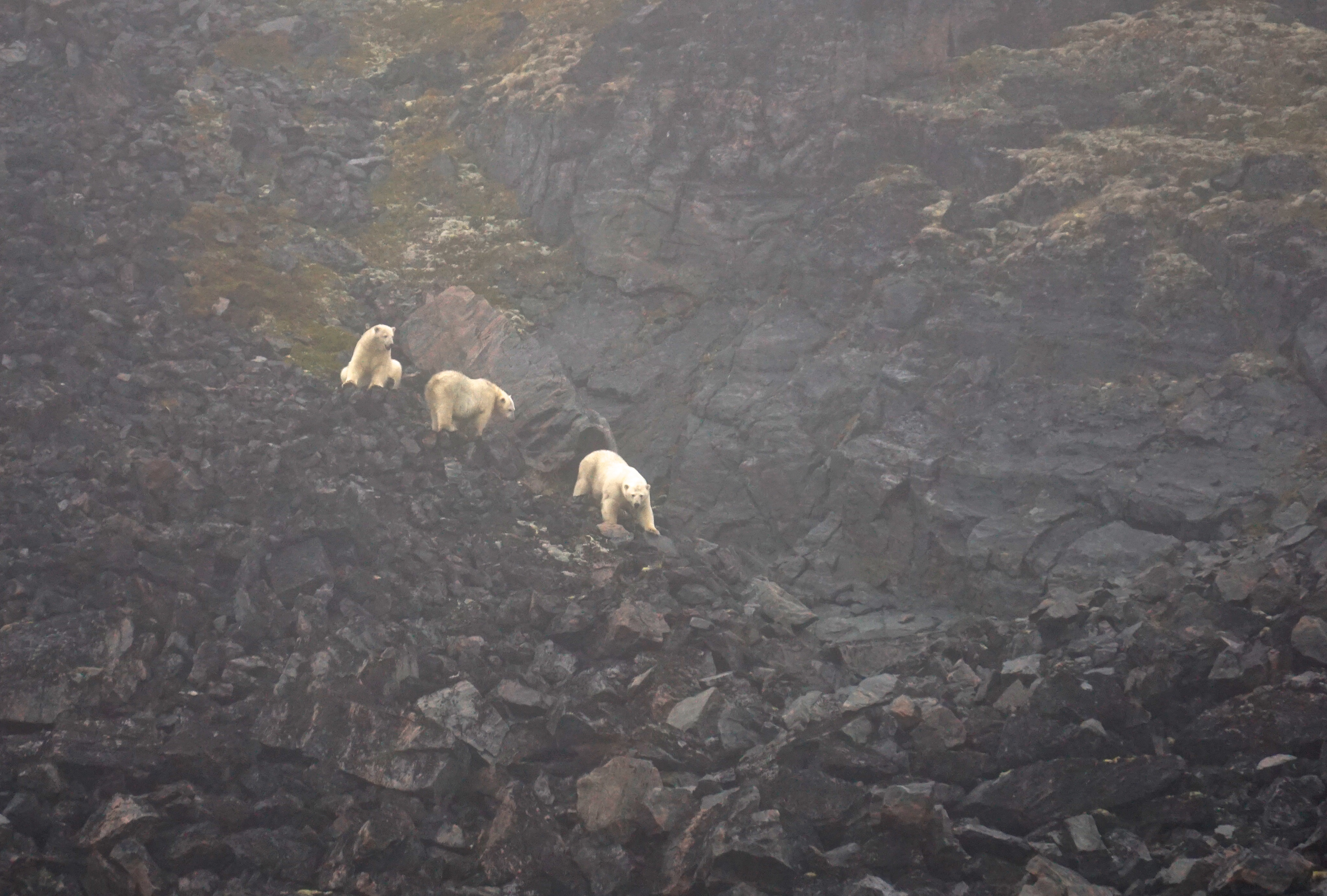
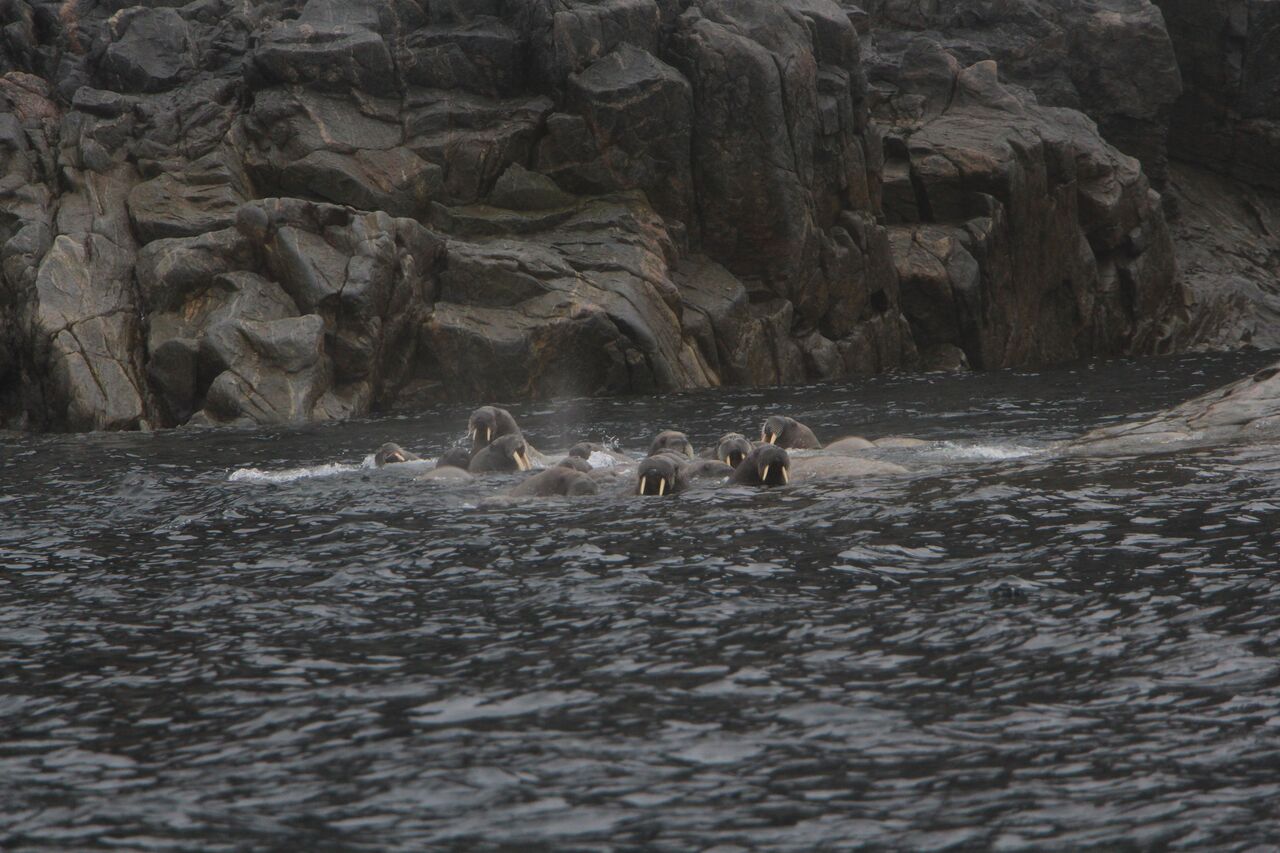
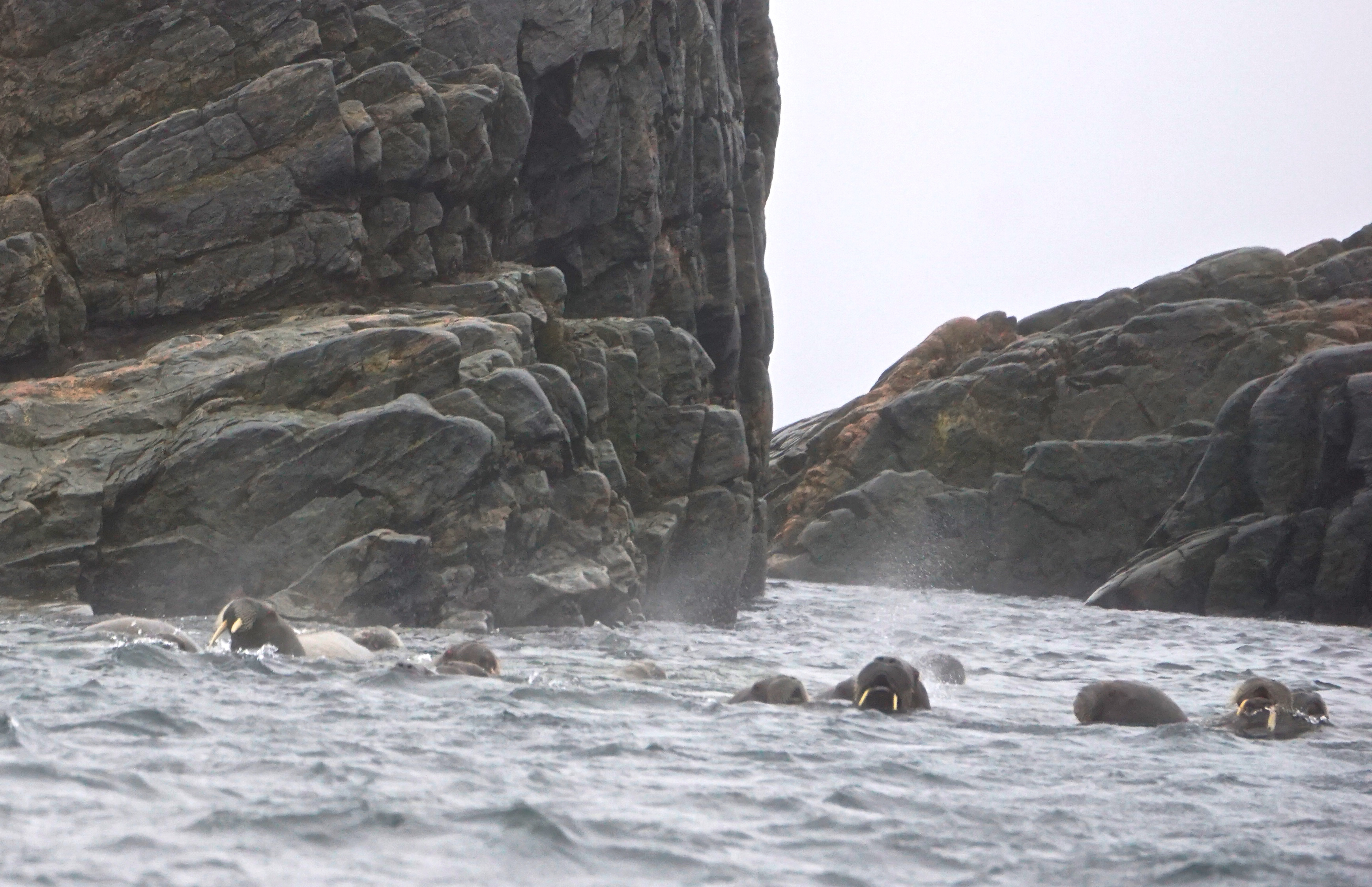
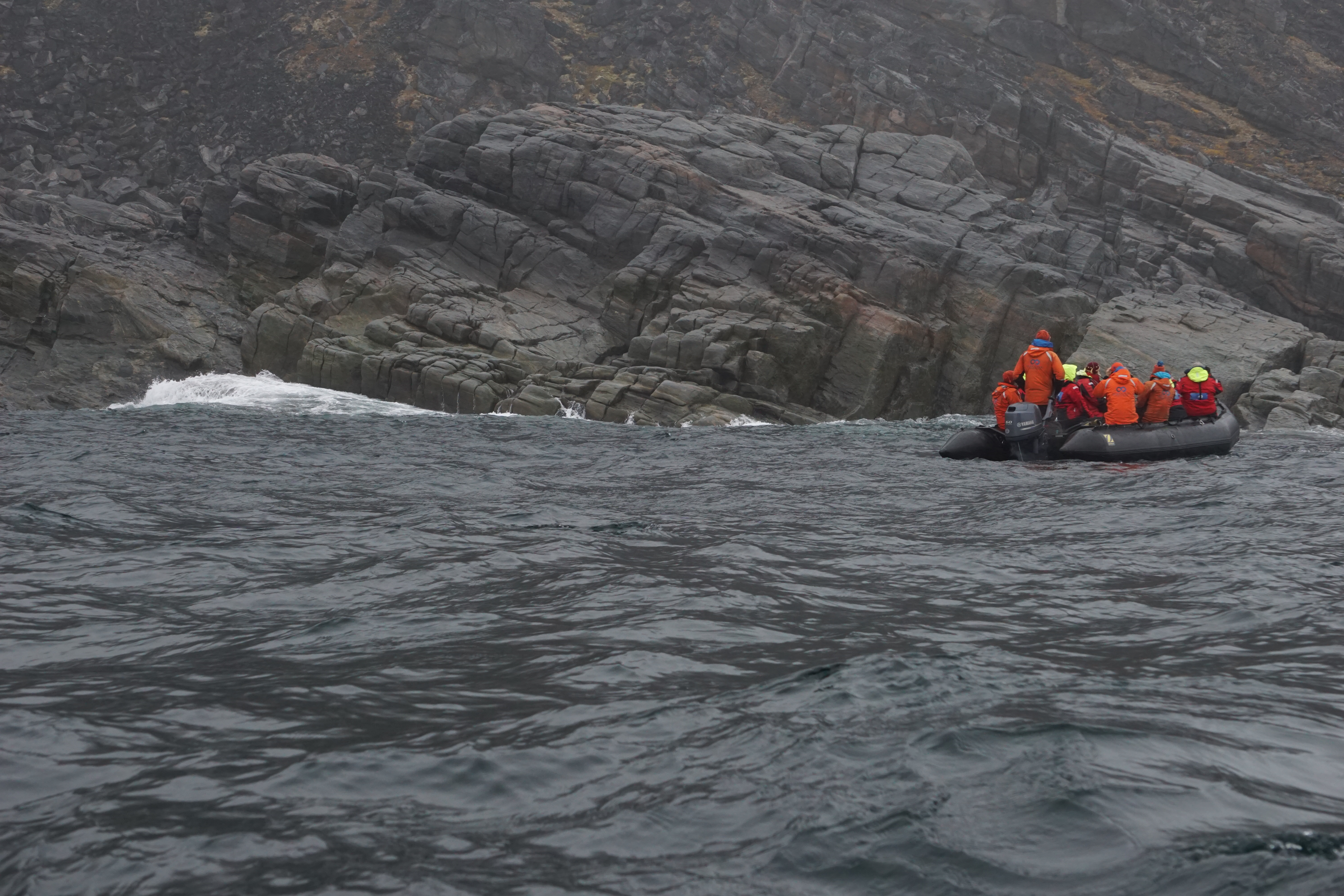
A foggy day with some mist welcomed us to Monumental Island. The Island was named by one of the explorers as a monument to Franklin. A nearby Island is named Lady Franklin in honour of Franklin’s wife. We had a zodiac tour, we were to circumnavigate the island but spent time watching some polar bears on the island and 2 herds of walrus in the water.
DSC00762 - Version 2DSC00755 - Version 2

In total we have seen 7 polar bears today there was a mother and 2 cubs plus a couple of big males. The guides said they all looked healthy and well fed. The walrus were in large groups beside rock outcroppings, swimming, diving, rearing out of the water as they were feeding. All walrus have huge tusks that there use to pull themselves along through snow and ice.
IMG_1985DSC00777 - Version 2

The mist turned to rain before we returned to the ship – I had to remind Gary how lucky he is!!
DSC00737

DSC00735

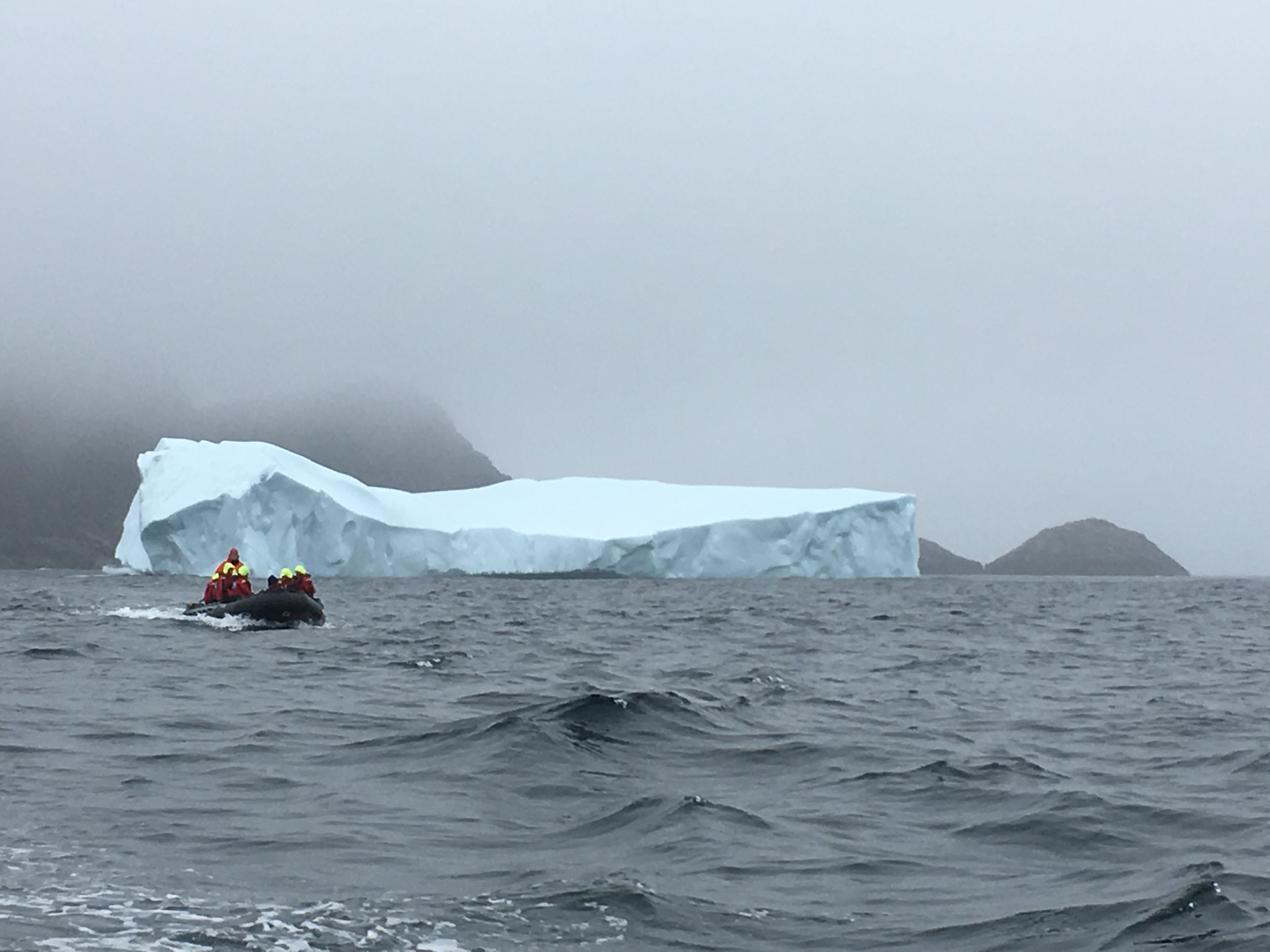
Doesn’t this look warm and inviting!
IMG_5045IMG_5030

IMG_5047

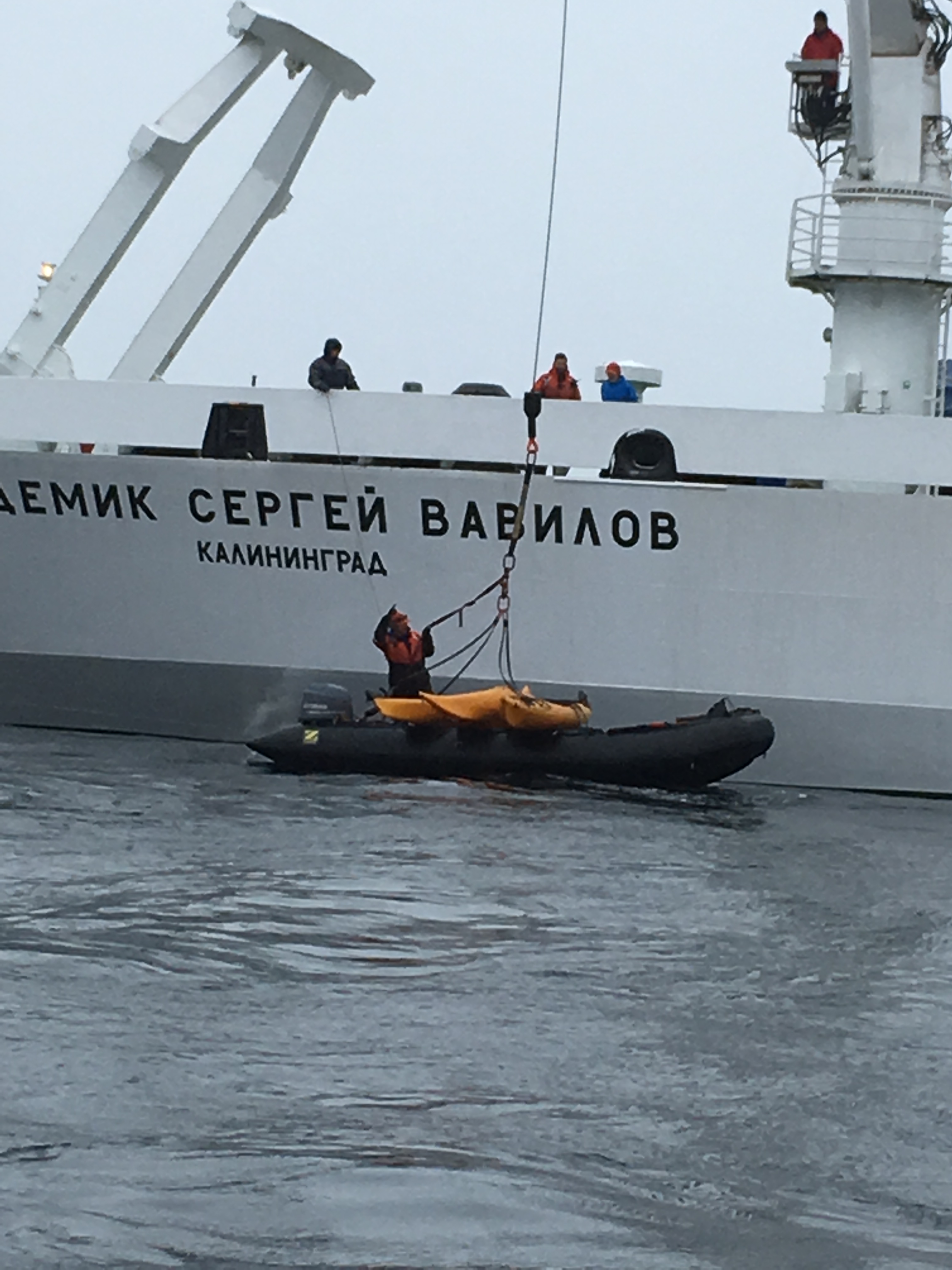
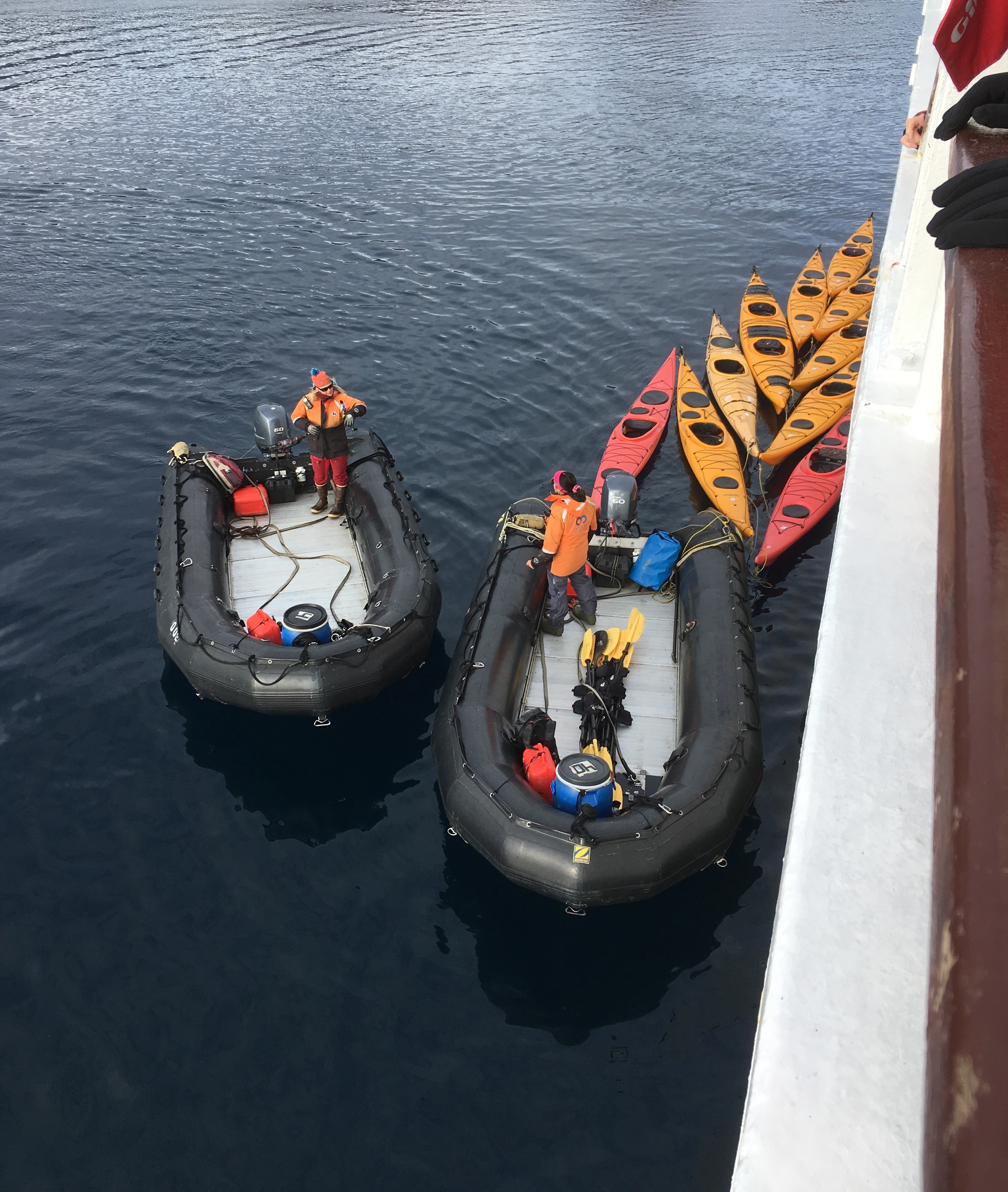
Getting a zodiac with some kayaks back on board

In the afternoon a panel of the lecturers discussed their view of the future of the Arctic. They are concerned about development, shipping through the passage or even over the top, loss of habitats that support the animal and invasion of new species eg the Orcas.

The Polar Bear expert said their will be no polar bears in the Hudson Bay Area but they will flourish further north as the climate changes and there is more open areas and sea ice further north. While the caribou herds are way down they believe this may be a cyclical issue and they are likely moving further north as their normal food source on the tundra is not as readily available locally. They believe the tree line will move further north and this will change animal behaviour.

The permafrost holds a lot of carbon and as it melts the carbon is being released into the atmosphere, adding even more carbon to the already existing issue which further speeds up the climate change. Despite this we were told this year was the highest amount of ice ever recorded in the Arctic, this was confirmed by our guide, Monica, at our last stop who talked about the ice they had this year.

In the evening we saw a slide show put together by the ship’s photographer which we all got a copy of.

In the evening we heard the winning tweets IMG_4361The winner was – “Running perilously low on scotch, gin and tonic. Ice supply ok.”
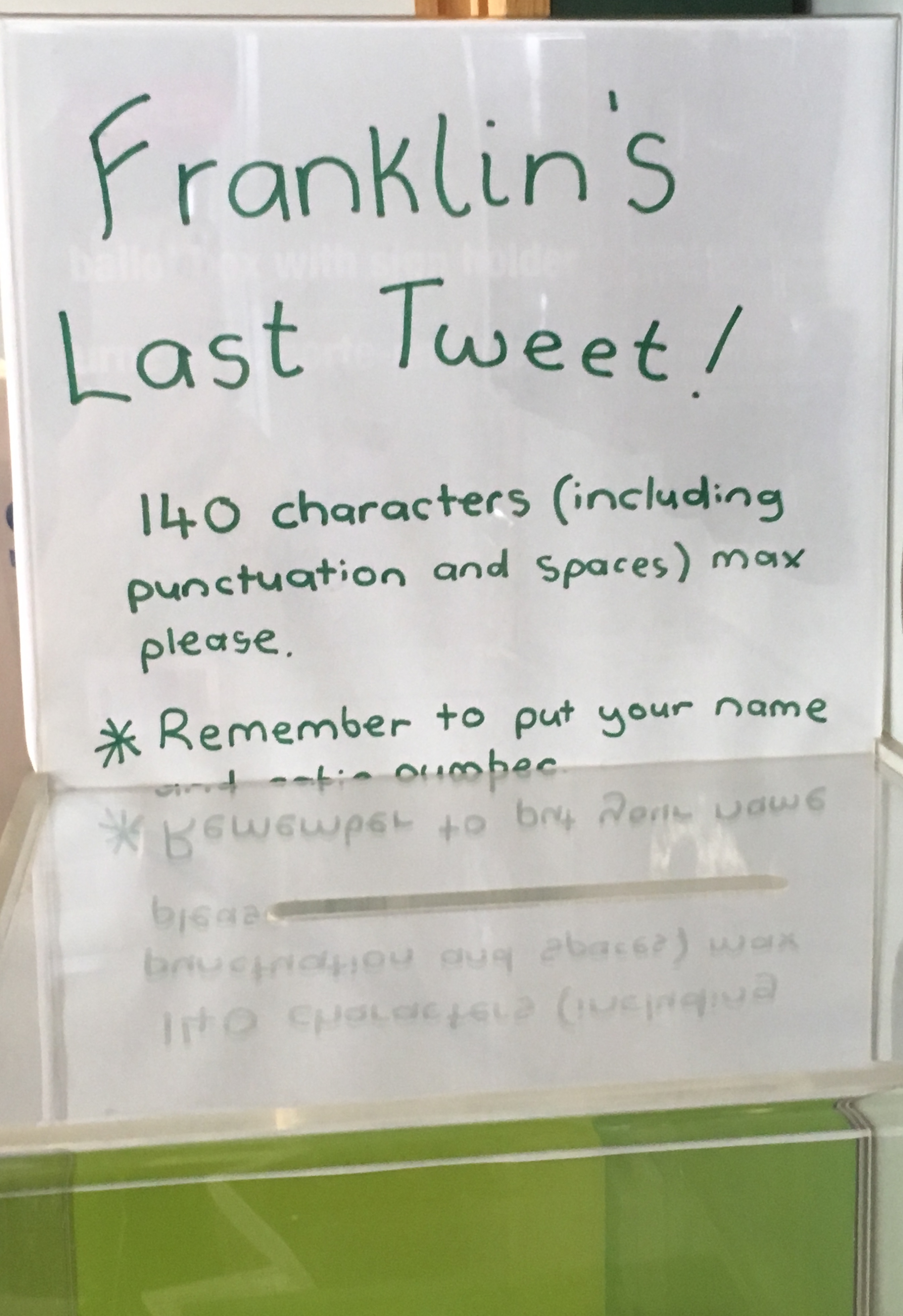
Second prize was -“I should not have listened to my wife!!!”

My favourite – “To: Lady Jane From: John Franklin F***off! I told you when I left- it’s over, I’m not coming back; stop trying to find me!”

“To: Lady Jane From: John Franklin I see you flirting with Ross on Facebook. And you’ve changed your status to ‘New relationship.’ My heart is frozen. I’m not coming back.”

Posted in Uncategorized | 1 Comment

Arctic September 2 Sunshine Fjord


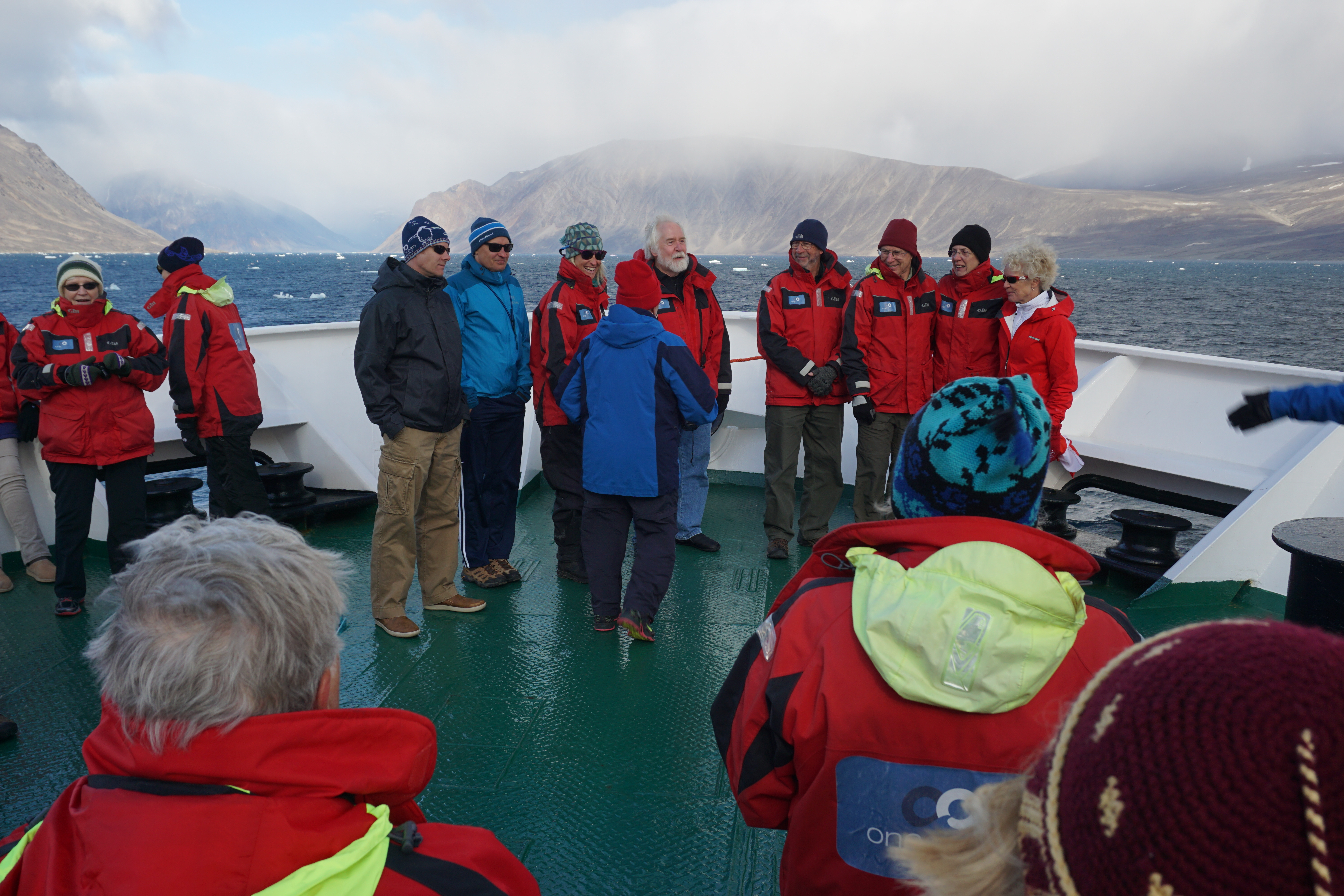
This morning we sailed into Sunshine Fjord, had alumni pictures taken while the ship sat on the Arctic Circle (66 degrees north).

DSC00715

DSC00717 - Version 2

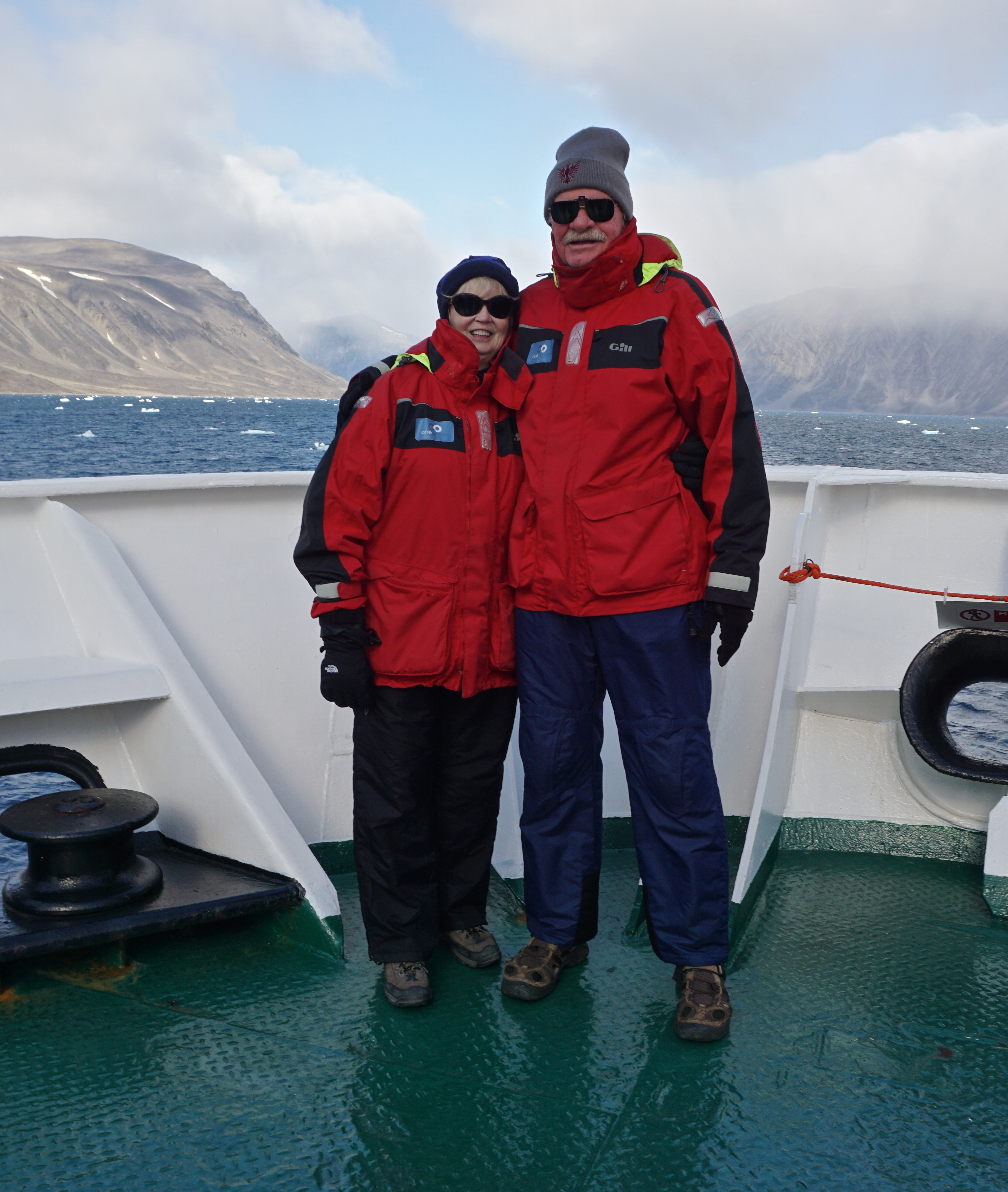
Gary and me – keeping warm

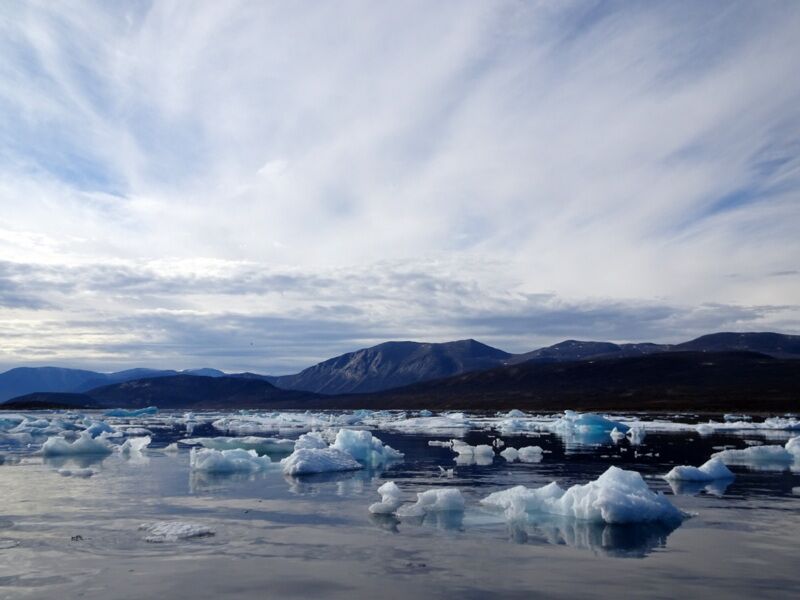
The sun was shining but the wind was also blowing so no zodiac cruise today. Another beautiful area – bergie bits floating in the fjord, sun shining. Surrounded by cliffs of rock and even a rainbow.

sunshineDSC00512DSC00462IMG_4996DSC00436IMG_5009IMG_5006IMG_5002IMG_4999IMG_4990

There were more lectures today – one on bird food and one on Inuit Land Claims. I would have liked to go to the second one but was feeling really bad so skipped it. In the evening Katie talked about some of the recorded explorer and  Inuit stories about encounters between the explorers and the Inuit.

IMG_5025

Posted in Uncategorized | Leave a comment

Arctic – September 1 Qikiqarjuaq

DSC00675

IMG_4828

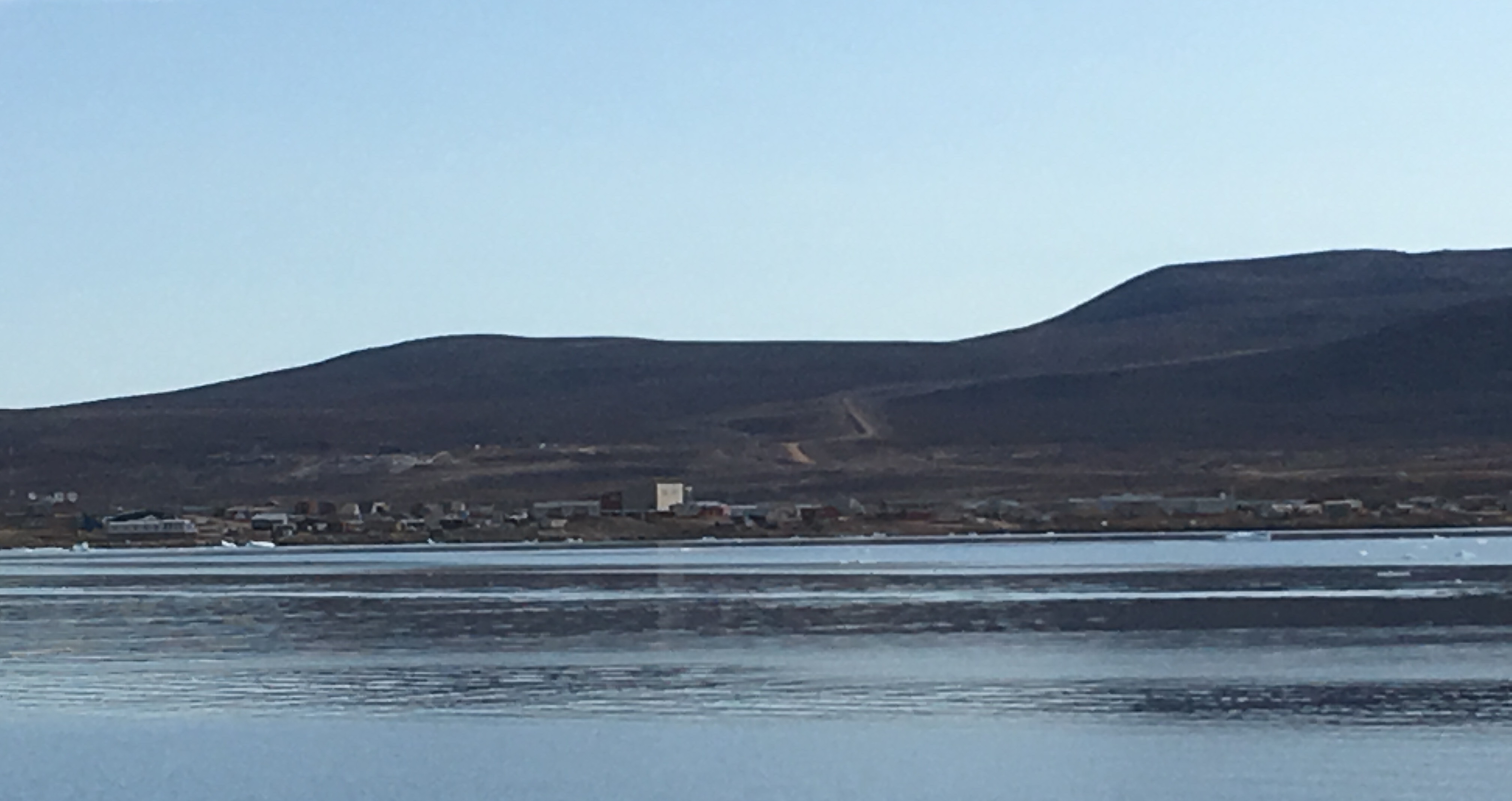
Our first view of Qikiqarjuaq from the ship

This morning we visited the community of Qikiqarjuaq. Population of 520. 120 are school aged children. We had a walking tour of the town, which is located on a small island about 4km off the coast of Baffin Island.


IMG_4833

Getting the kayaks loaded for their tour today

The community was originally established in 1950 when a runway for the DEW line was built. The military left in 1992. During that time local families settled in the area. It now has a community centre, which we visited, a couple of stores, and a National Park office.
Most of the island is a park and people can hike around the island which is 12km wide and 16 km long.
Our tour guide, Monica, took us on a walking tour and told us about life here.

IMG_4844

For some reason this is the only picture I have of Monica!

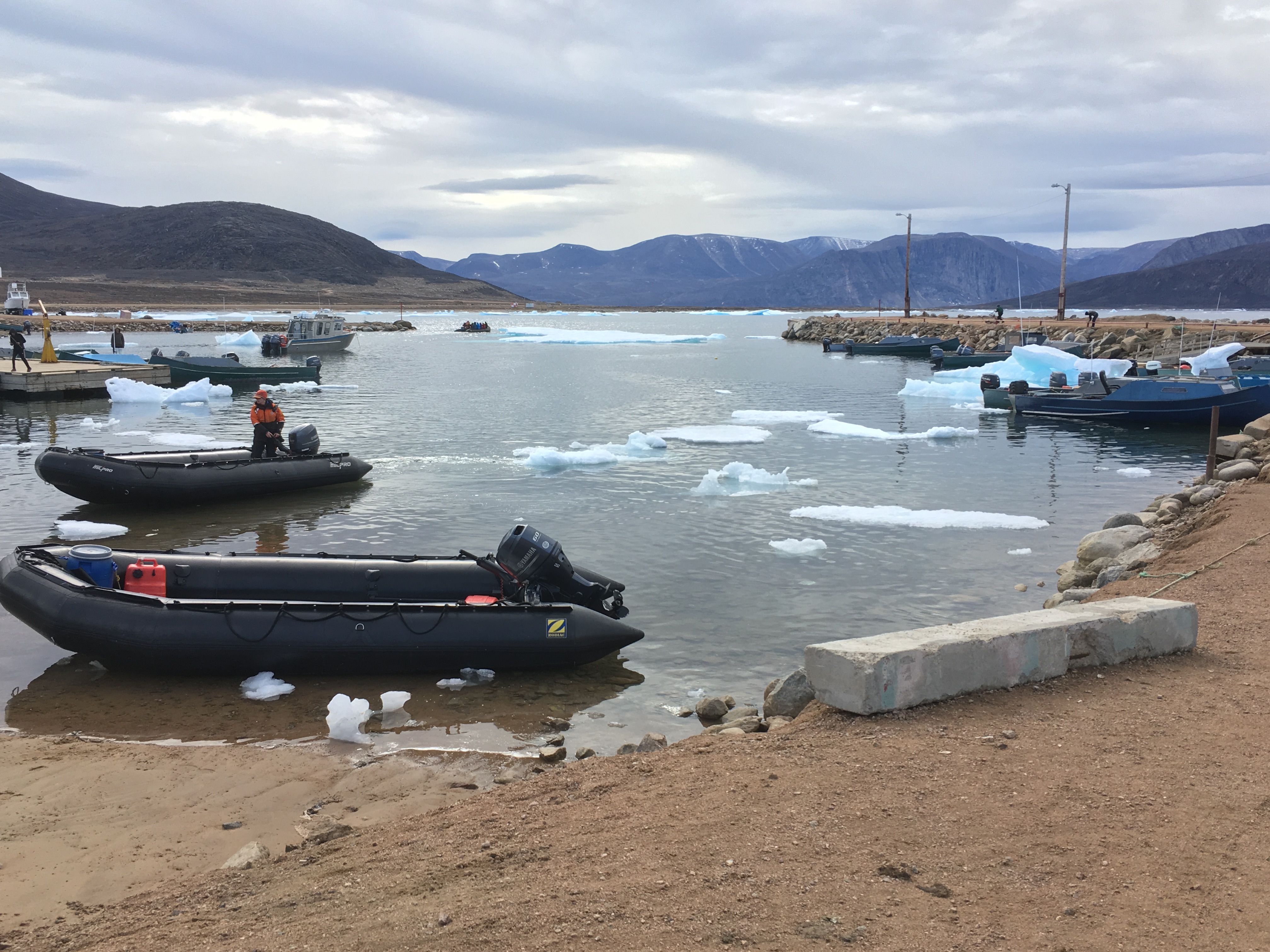
Most of the year they are iced in but there is a small harbour with fishing boats docked. The captain had to come into the harbour going the long way around the island because of all the ice and a huge berg that was blocking the usual channel.

DSC00676 - Version 2

IMG_4942

The boat dock in town

Beautiful vistas from almost everywhere in the town.

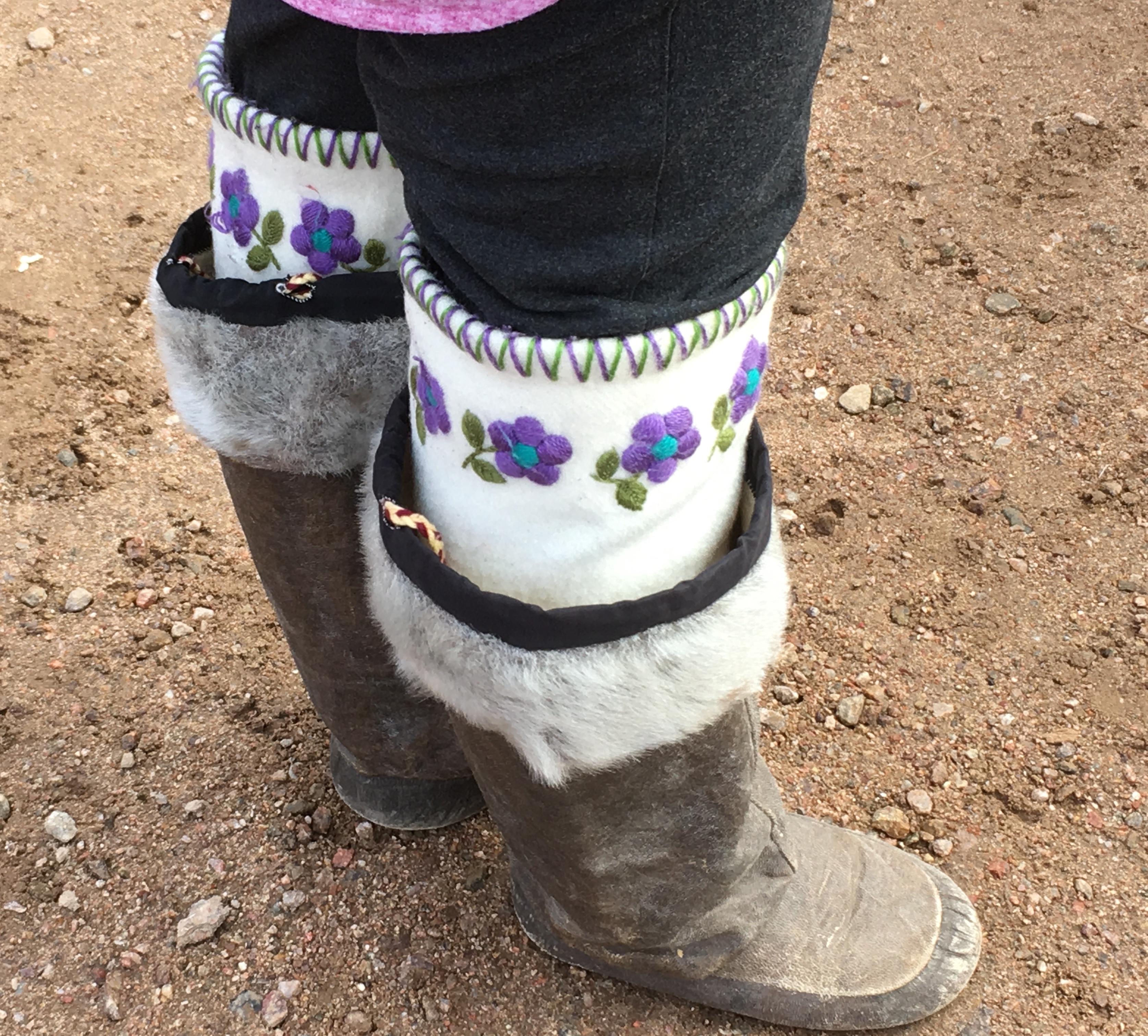
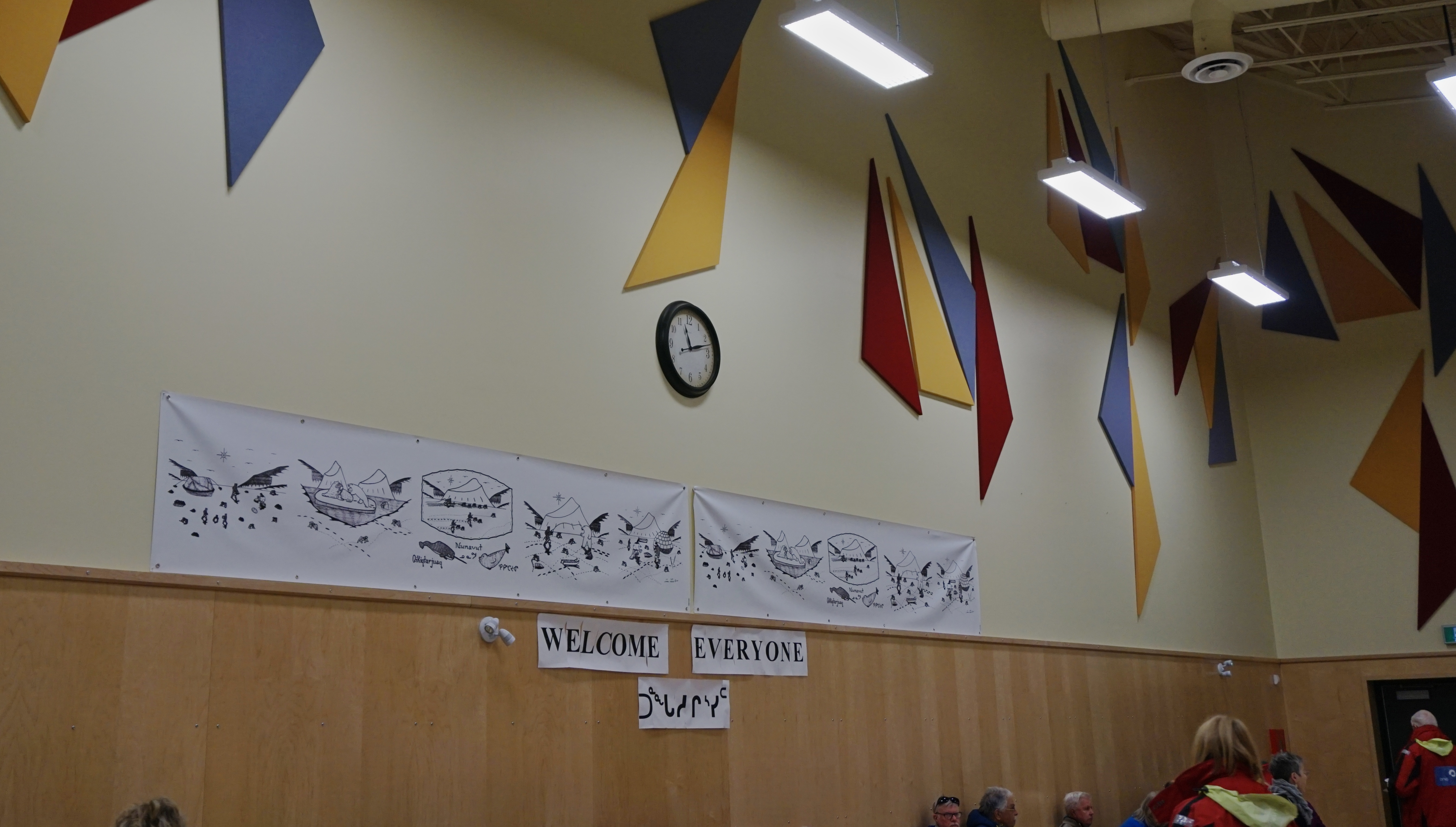
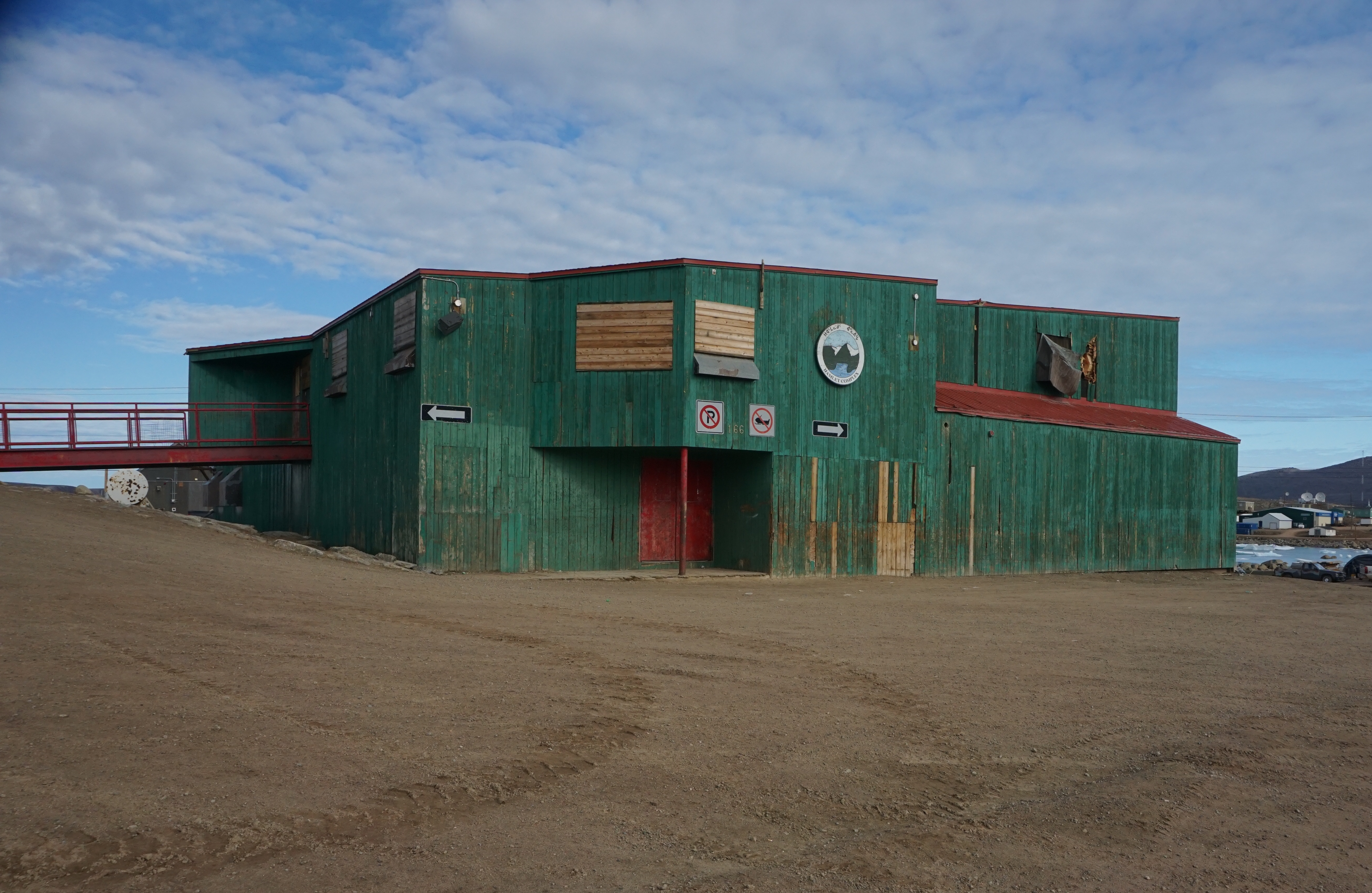
We ended our tour at the community centre where there was a buffet consisting of Bannok, dried Arctic char, seal meat, Narwhale muktuk, and tea. There were also some artisans there selling their wares – seal skin mitts and shoes, Polar Bear teeth and claws that had been polished and could be put on a chain, knitted hats and scarves etc. One passenger bought a beautiful sealskin wall hanging depicting a seal hunt ($500). We were supposed to see a cultural show, but the show was cancelled because the weather was nice and the berries were ripe so all the participants in the show were out picking berries!

DSC00667 - Version 2

In the community centre decorated for us


Some pictures from our walk around town


IMG_4909

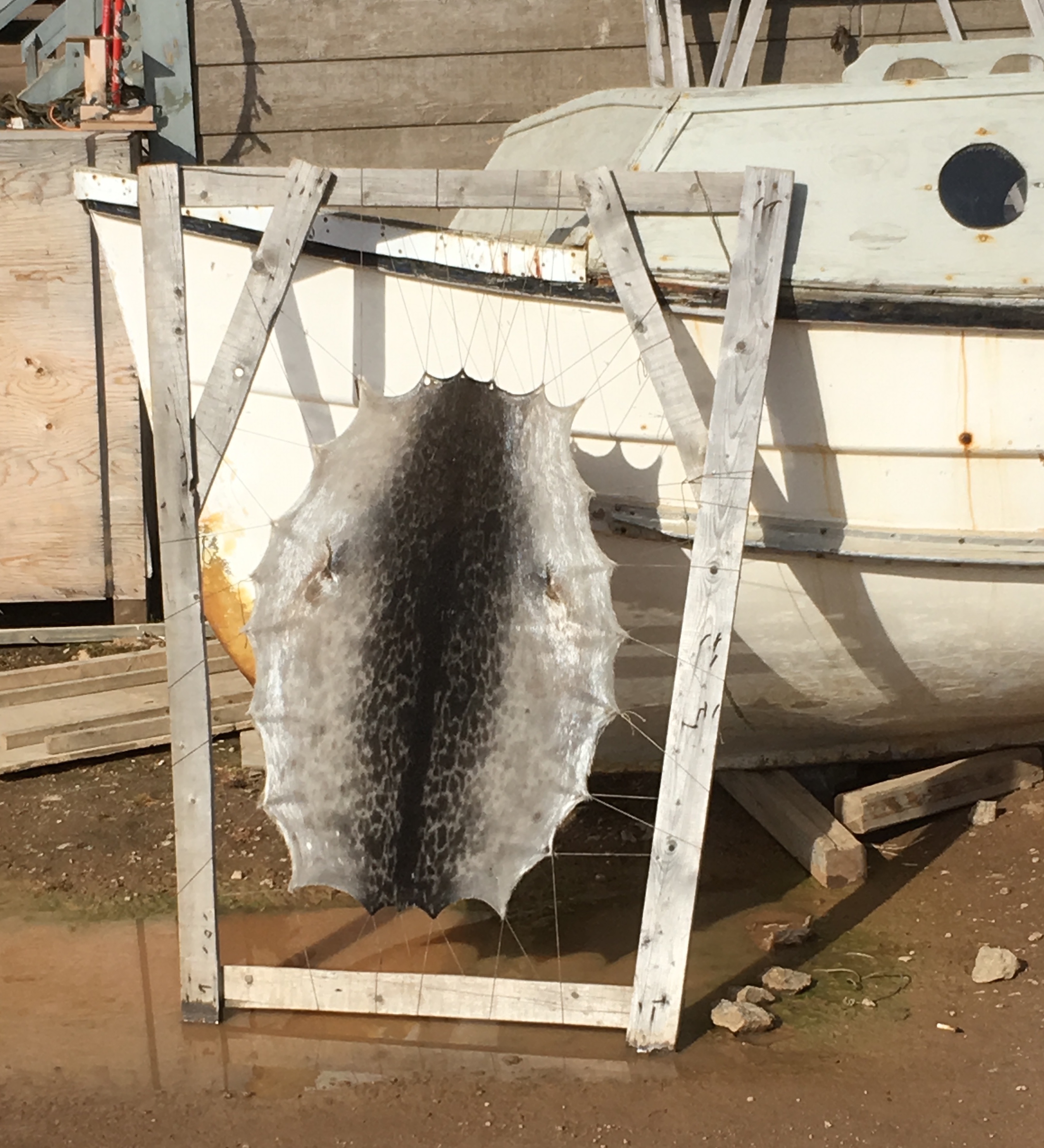
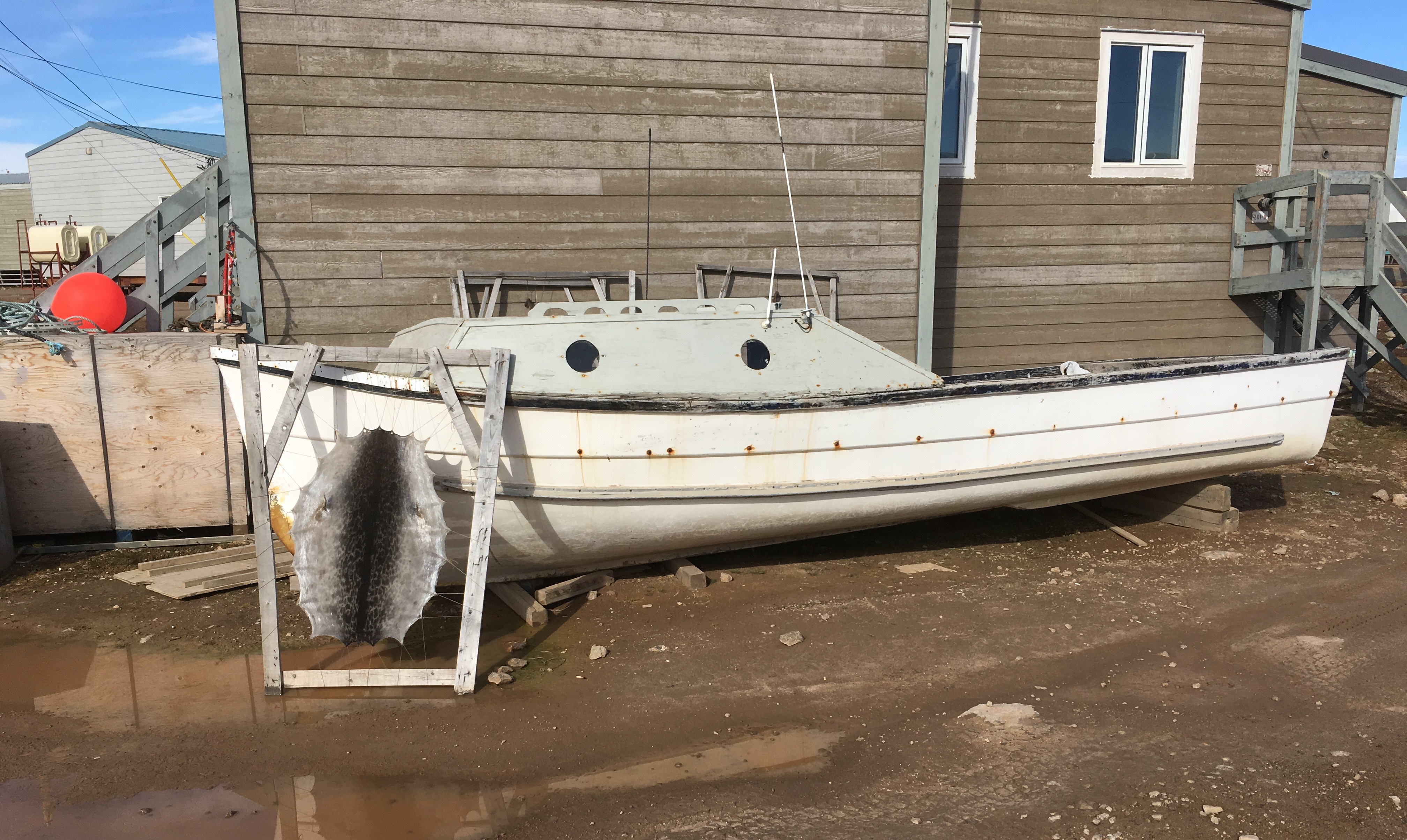
Seal skin being dried

IMG_4911

IMG_4920

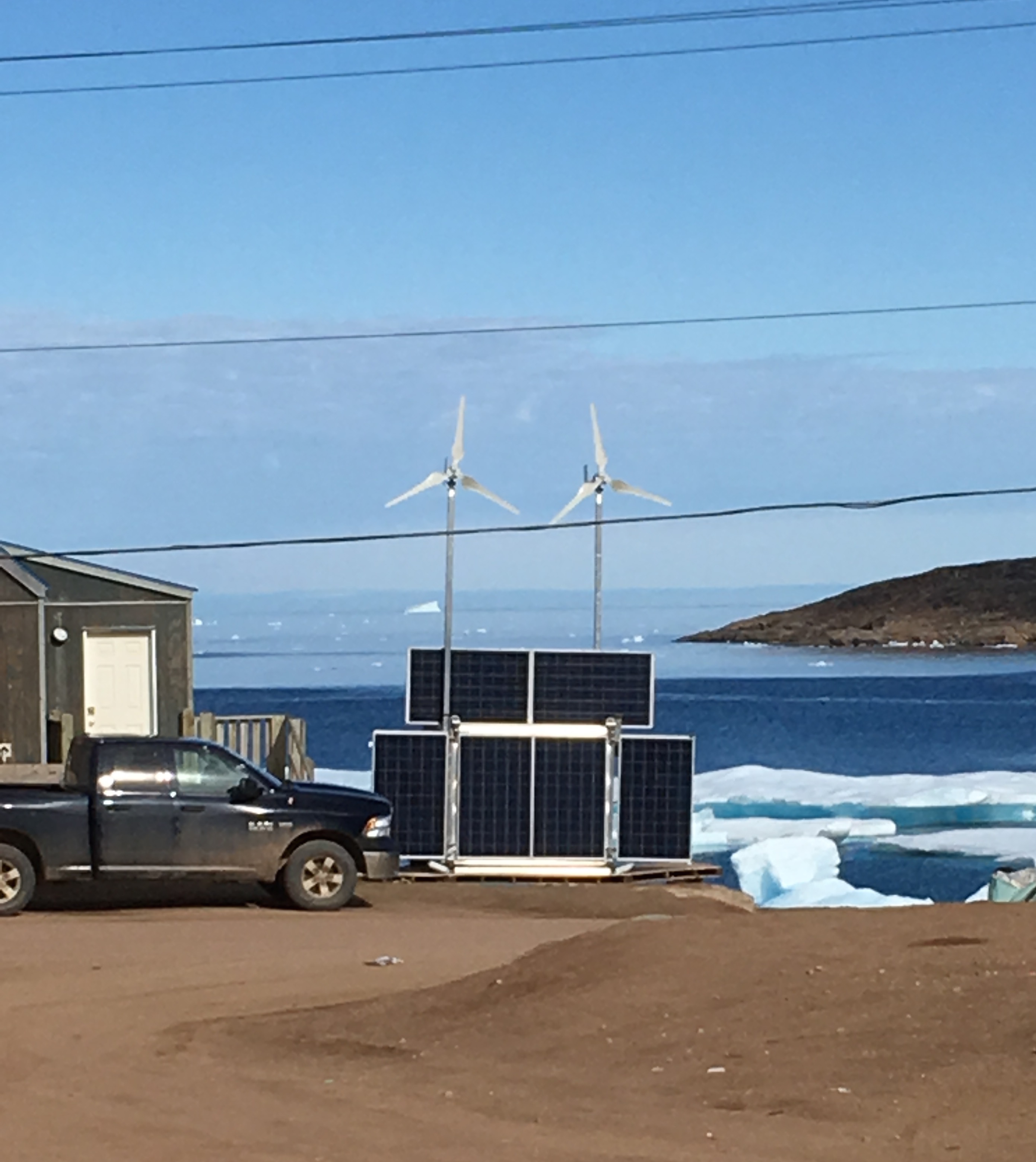
The only wind turbines we saw

DSC00626 - Version 2

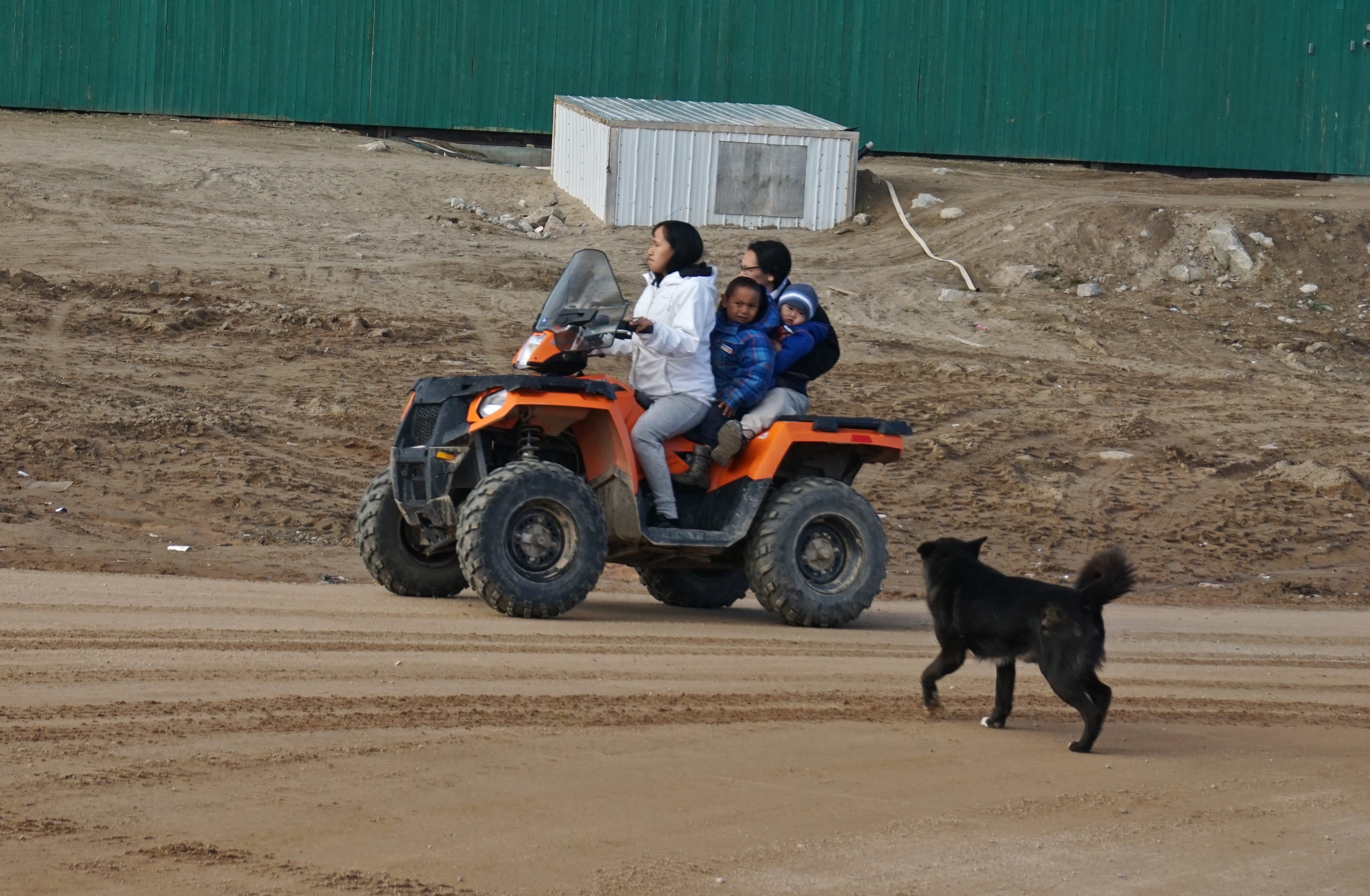
ATVs in summer & snowmobiles in winter

DSC00621 - Version 2

DSC00634 - Version 2

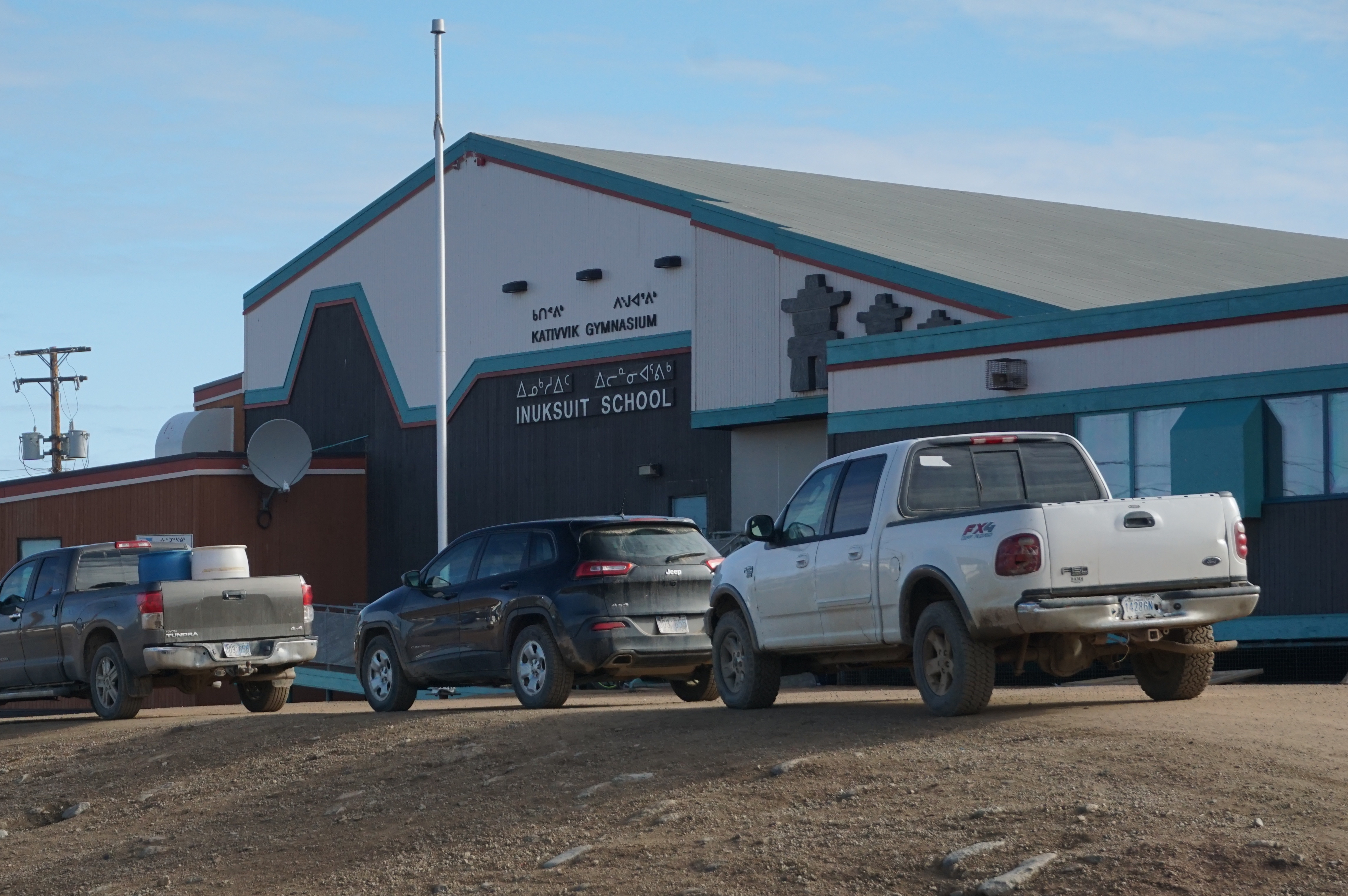
The school

DSC00643

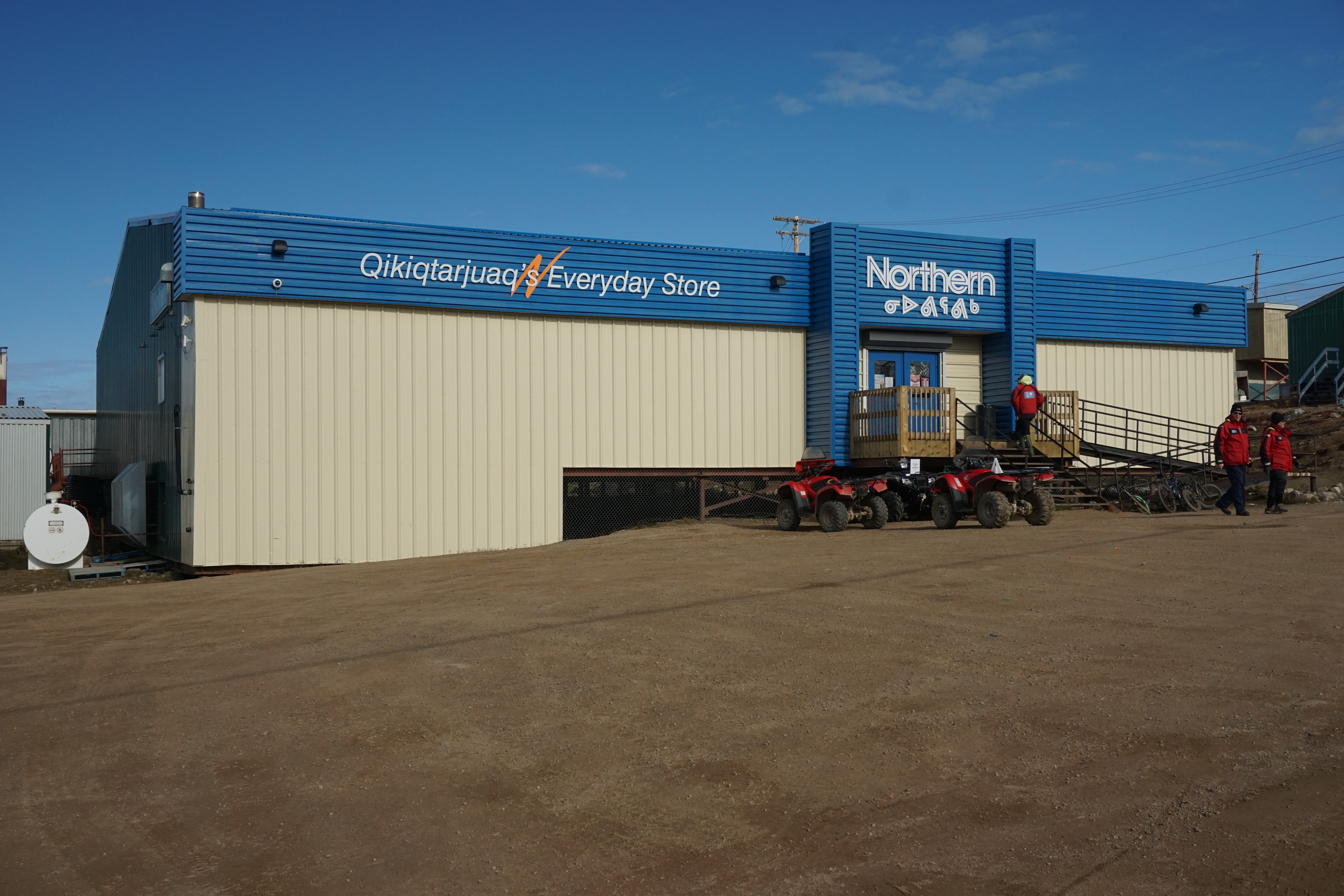
Shopping centre – note the ATVs parked in front

DSC00645

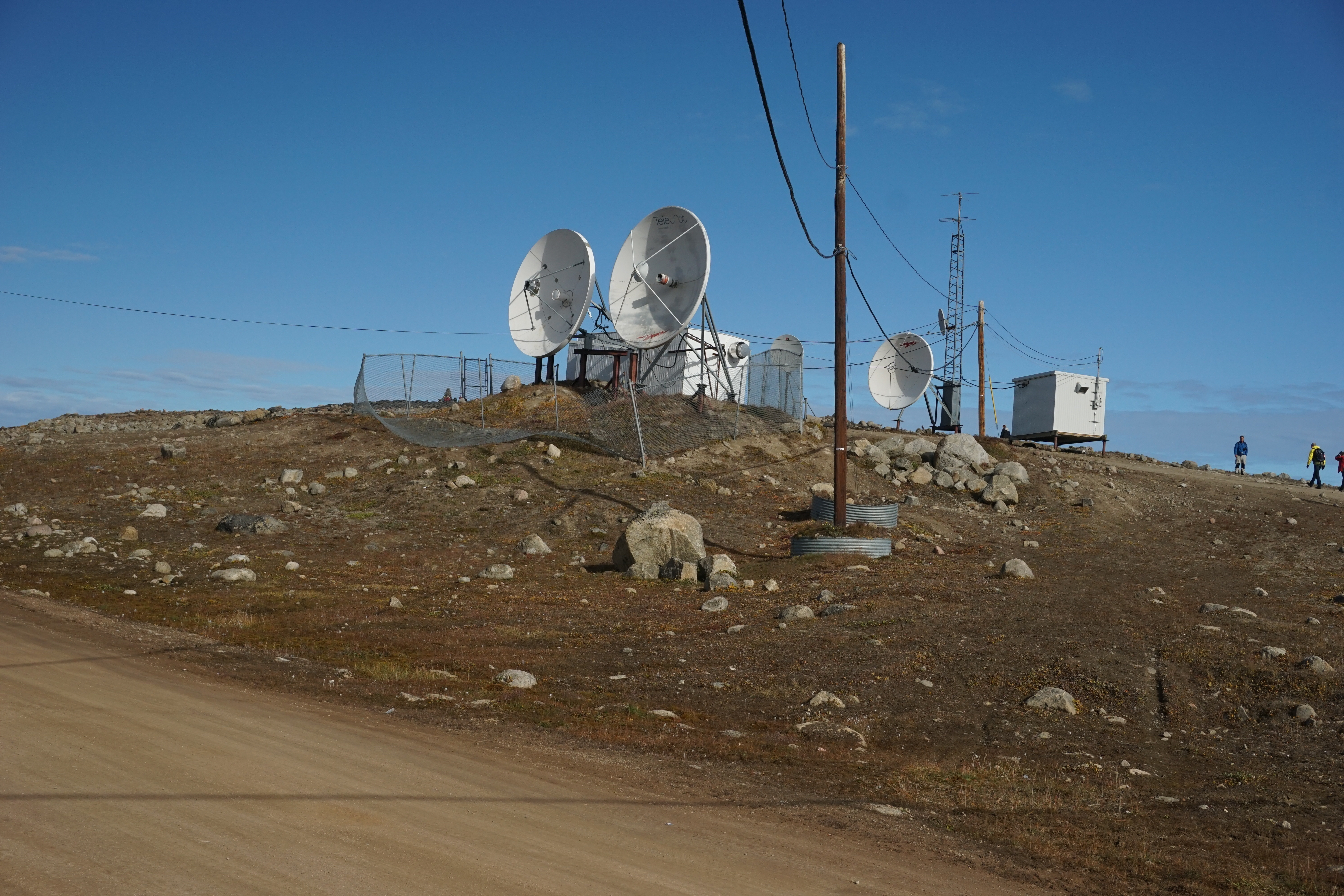
Part of the old DEW Line

DSC00650

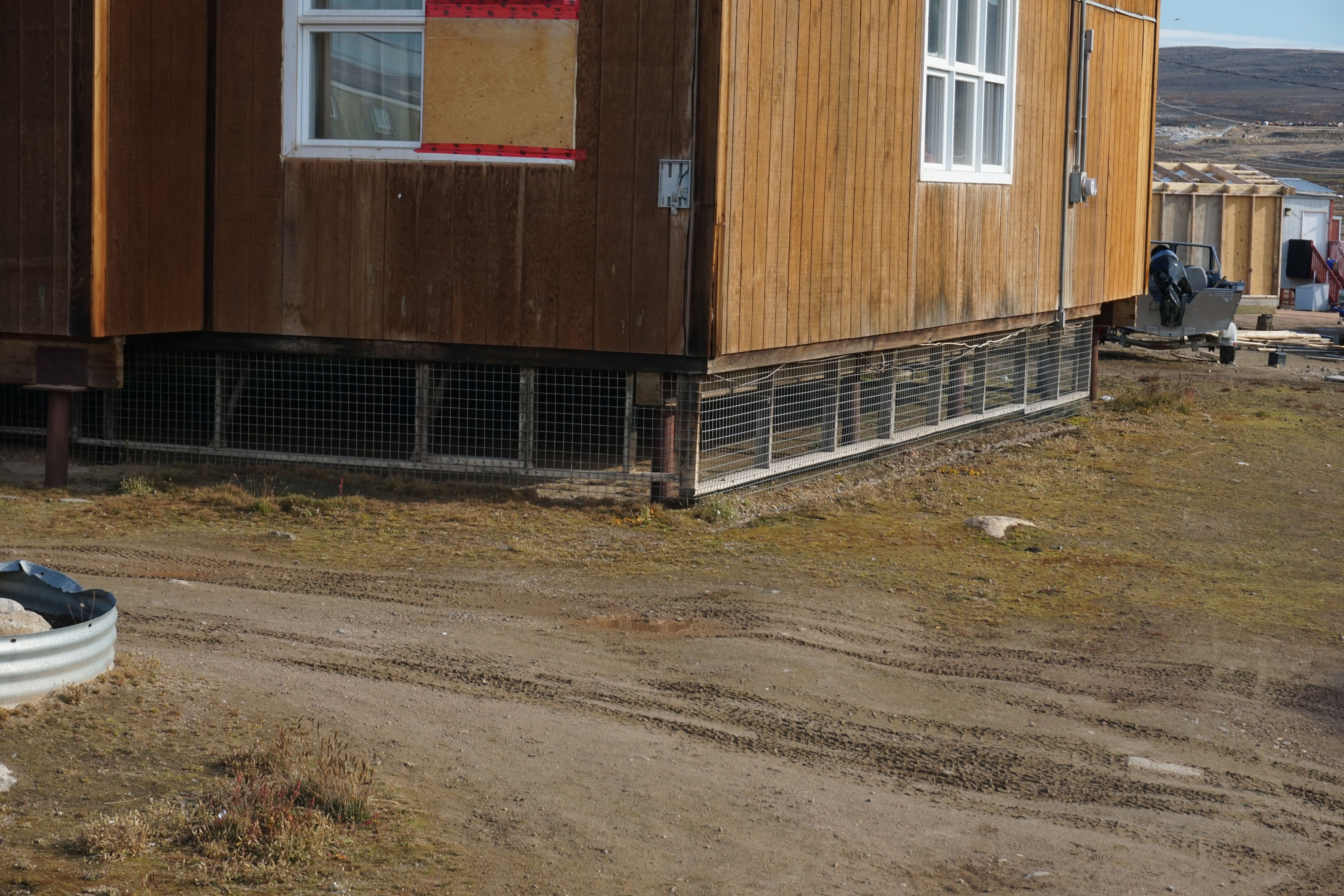
Houses have to be built on stilts because of the permafrost

DSC00651
In the evening we saw pictures of kayaking on the edge. Where the sea ice ends it meets the open water of Baffin Bay. At that point the ice is thick and it is a spot teeming with wild life. The Kayak leader guides groups out to this point where they will camp on the ice for 10 days, kayak, watch the life – she had pictures of whales, polar bears and the trip to the ice edge, sometimes having to cross large cracks in the ice.

DSC00690DSC00686

Posted in Uncategorized | Leave a comment

Arctic – August 31

IMG_4823

Our ship sailed alongside Baffin Island this morning and turned into Isabella Bay (named by Ross who was captain of the Isabella on his first voyage to the Arctic.) The area around the bay is a sanctuary and while we had a permit to visit the bay we were not allowed to land. While we were there a DFO plane (an Argus, out of NS) flew over low and circled the group a couple of times before tipping his wings at us and flying off. We were out in the zodiacs looking for whales. One of the groups saw a couple of Bowhead Whales but most of us did not see them. We did float around an iceberg and search the shoreline for Polar Bears, but none made an appearance. It was a nice couple of hours in the pristine bay, under a partly sunny sky.

IMG_4775IMG_4757IMG_4768IMG_4779

IMG_4782

FAMOUS PHOTOGRAPHER WITH MUCH SCENERY TO CATCH

IMG_4799

The entrance to Isabella Bay

IMG_4821

Something to warm us up after a couple of hours on the cold sea!

IMG_4824
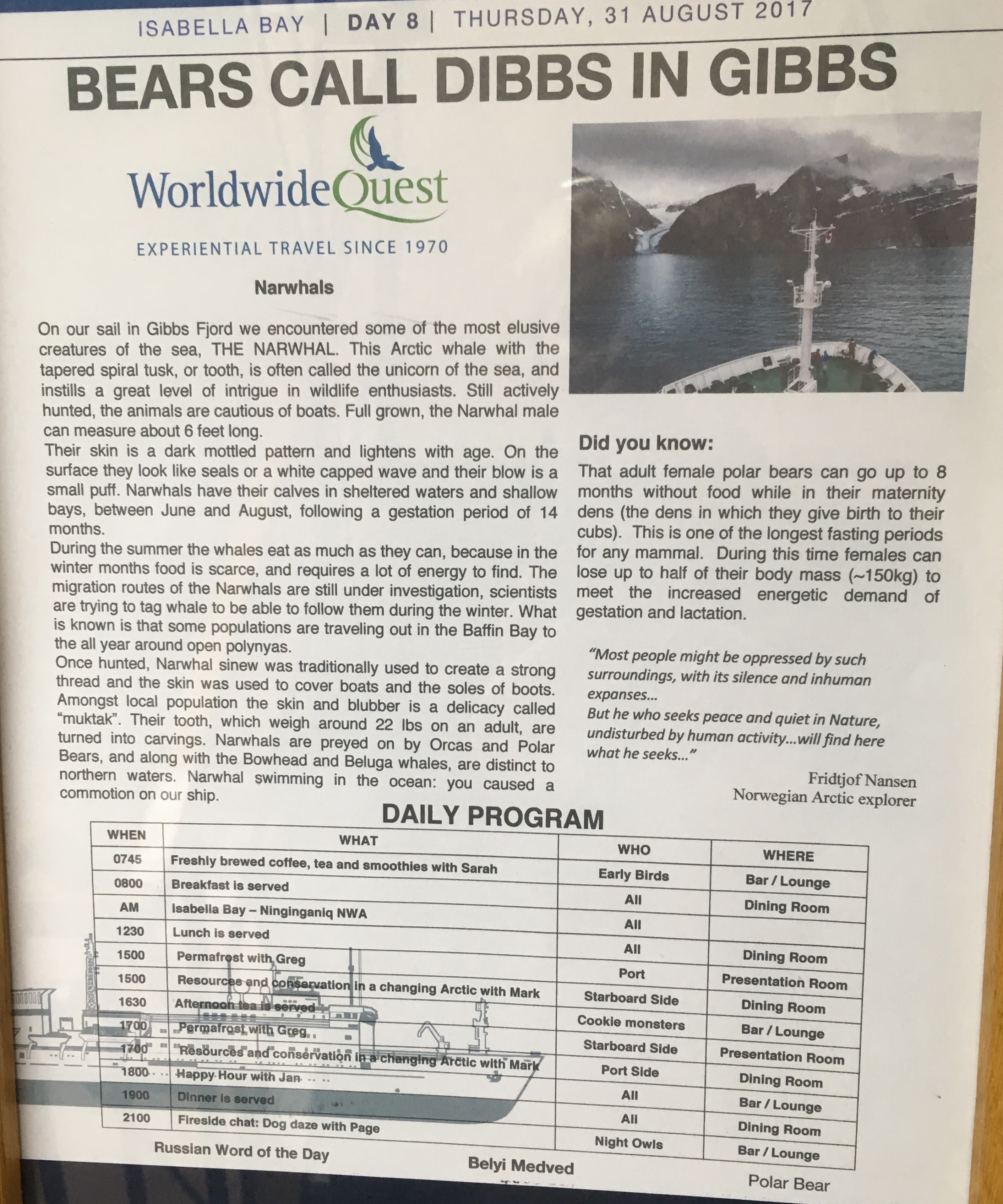
This afternoon our first lecture was on the permafrost, 50% of Canada is covered with permafrost (ground that remains at or below 0 degrees C for 2 years or more). The definition is based on temperature and not on the presence of ice.
By comparison Greenland is only 3% permafrost. This is because Greenland has a permanent icecap that insulates the ground, the ground stays warmer because of the heat from below. We also learned about Polygons and Pingos!
One of the contributors to glacial warming is the carbon and methane that is released as the permafrost warms up. 50% of the carbon on the planet is currently locked in the permafrost, and as it warms up this is released into the atmosphere as CO2 & methane. this causes more warming and creates positive feedback to the warming trend.
We have been told that there is more ice in Baffin Bay and Davies Strait than has ever been recorded before.
Our second lecture was on Reserves and Conservation in a Changing Arctic. Mark spoke about the various groups involved and their activities. One push these days is to combine the scientific knowledge with local Inuit knowledge and involve the communities more in the decision making. He spoke of the seismic testing being done in some areas that the locals believe are scaring away the marine mammals and a recent court case they won to stop it.
Our speaker in the evening spoke about the dogs she and her husband raise and race in Rankin Inlet where they live. They have 35 dogs (she said she had one and her husband had 34). Great pictures and explanation about the dogs they use in the Arctic – the Arctic Husky.

Posted in Uncategorized | Leave a comment

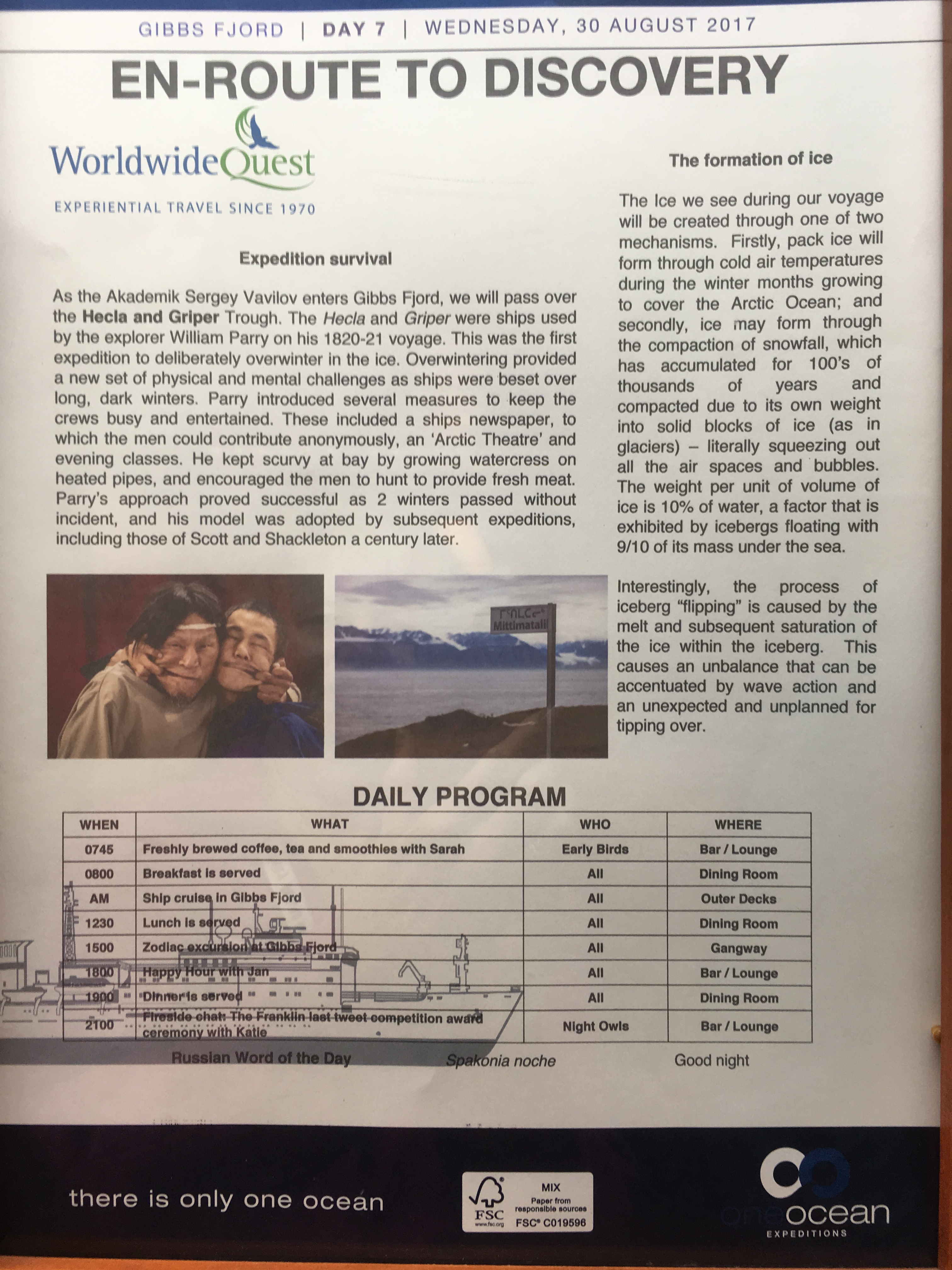
Arctic – August 30 Gibbs Fjord

IMG_4624

DSC00570

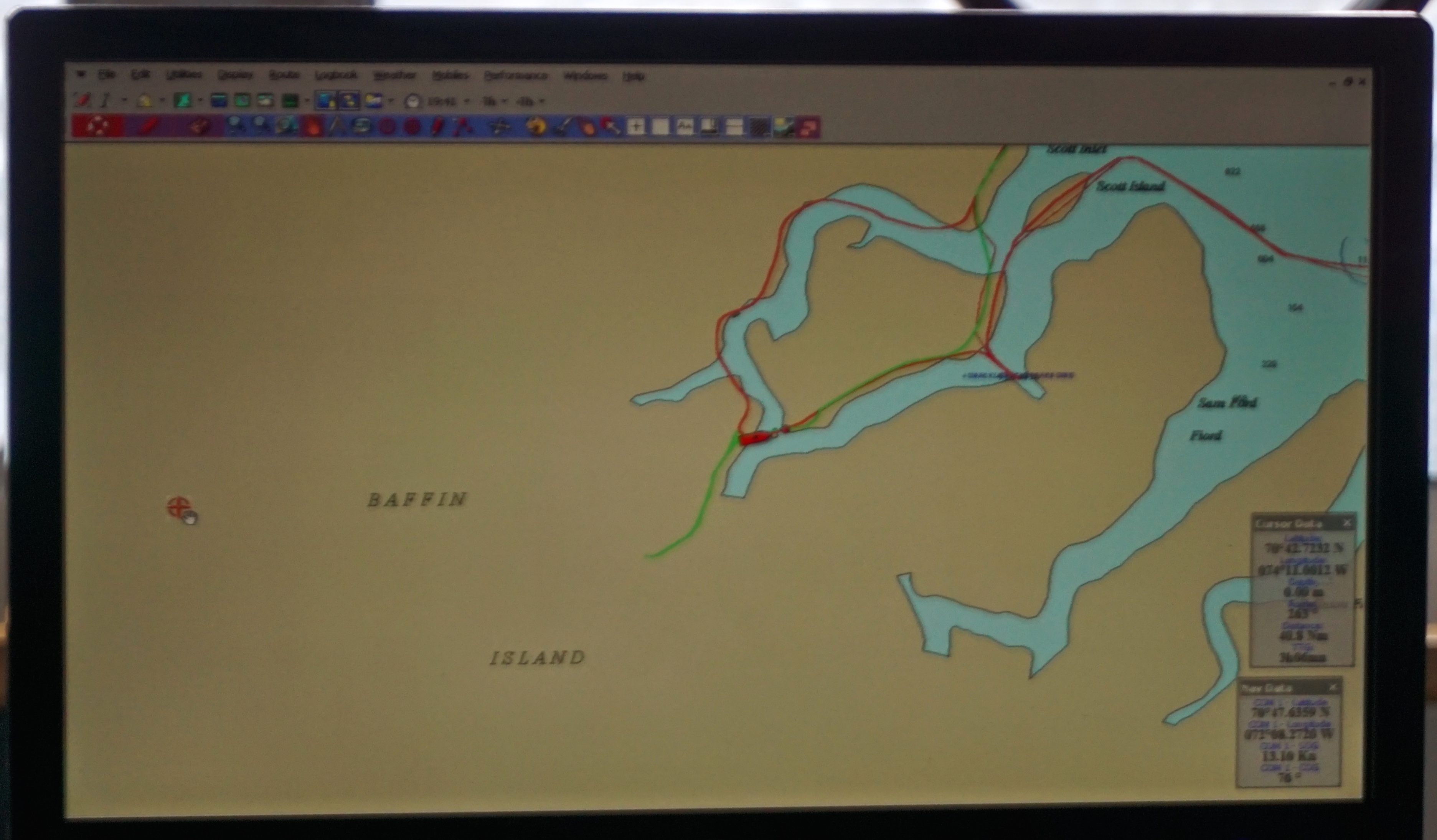
The Navigator’s Screen showing our route through Gibbs Fjord

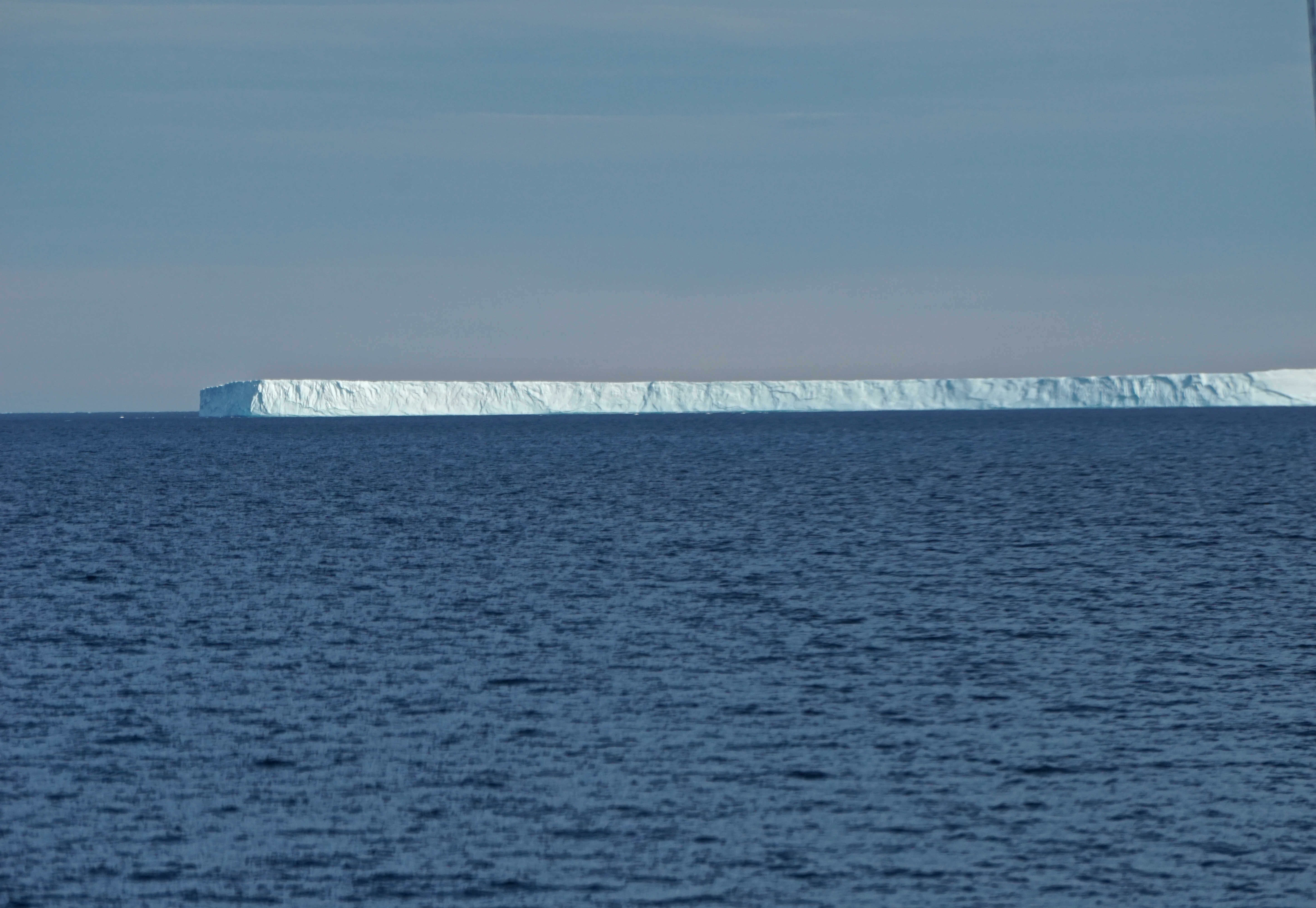
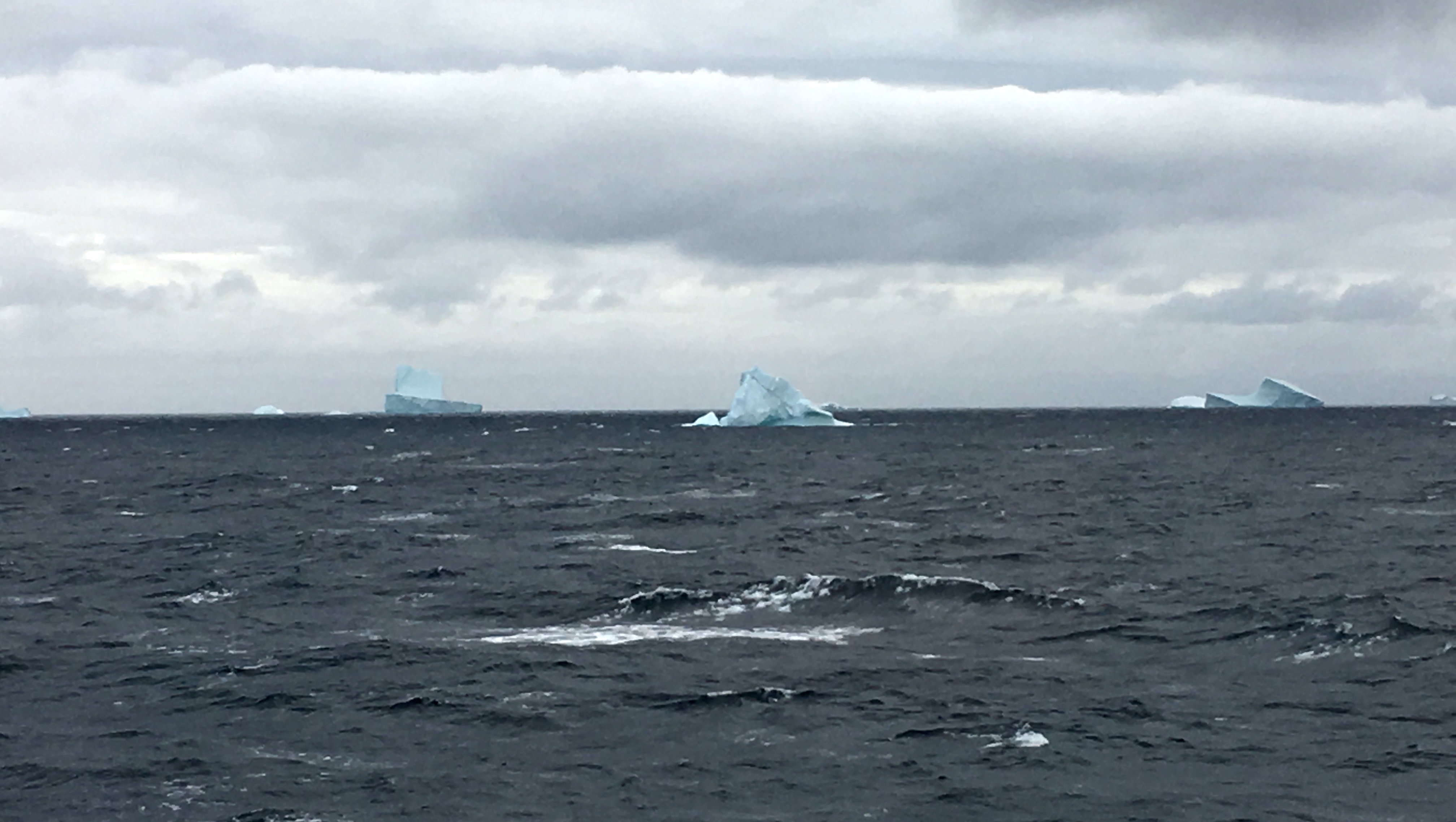
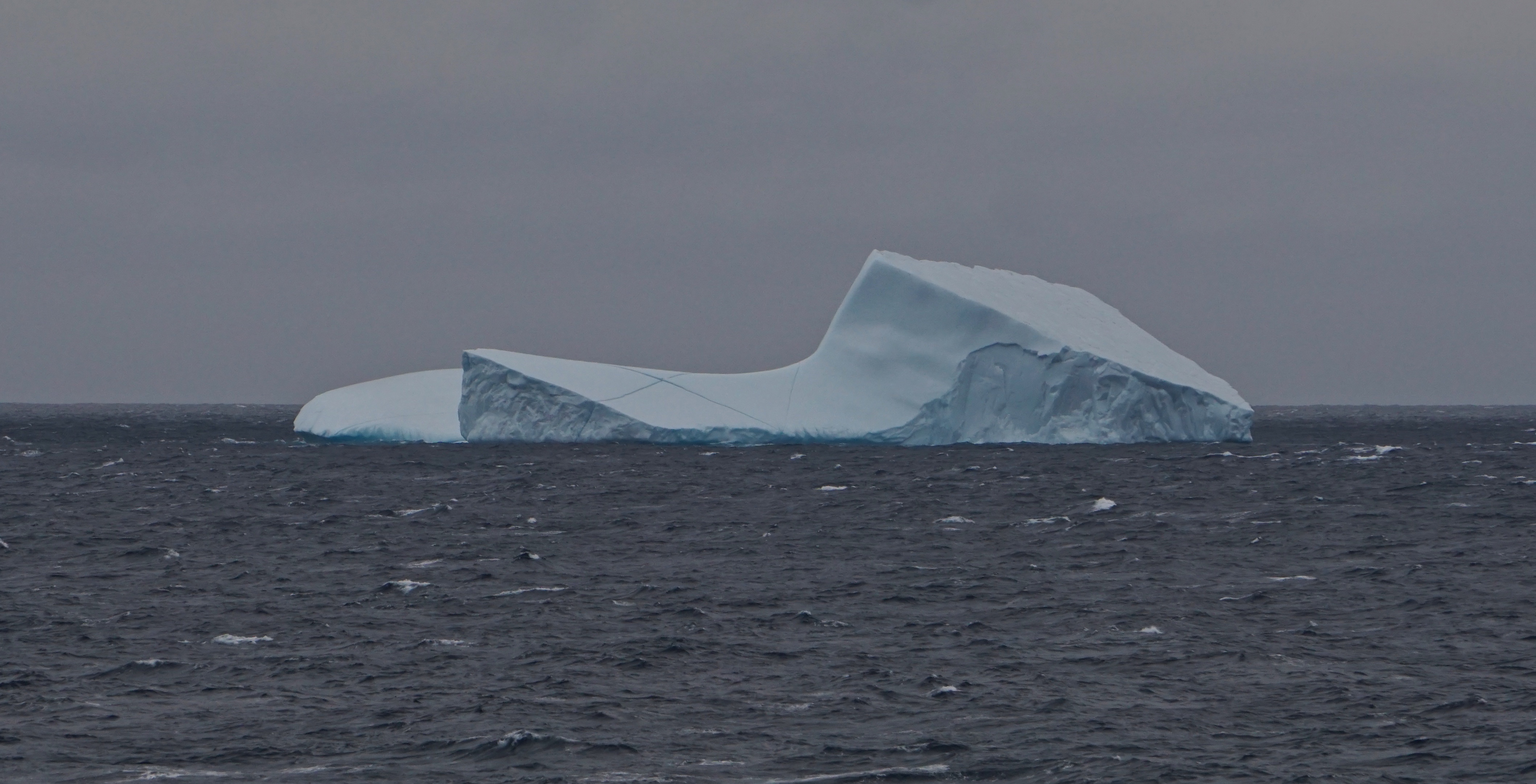
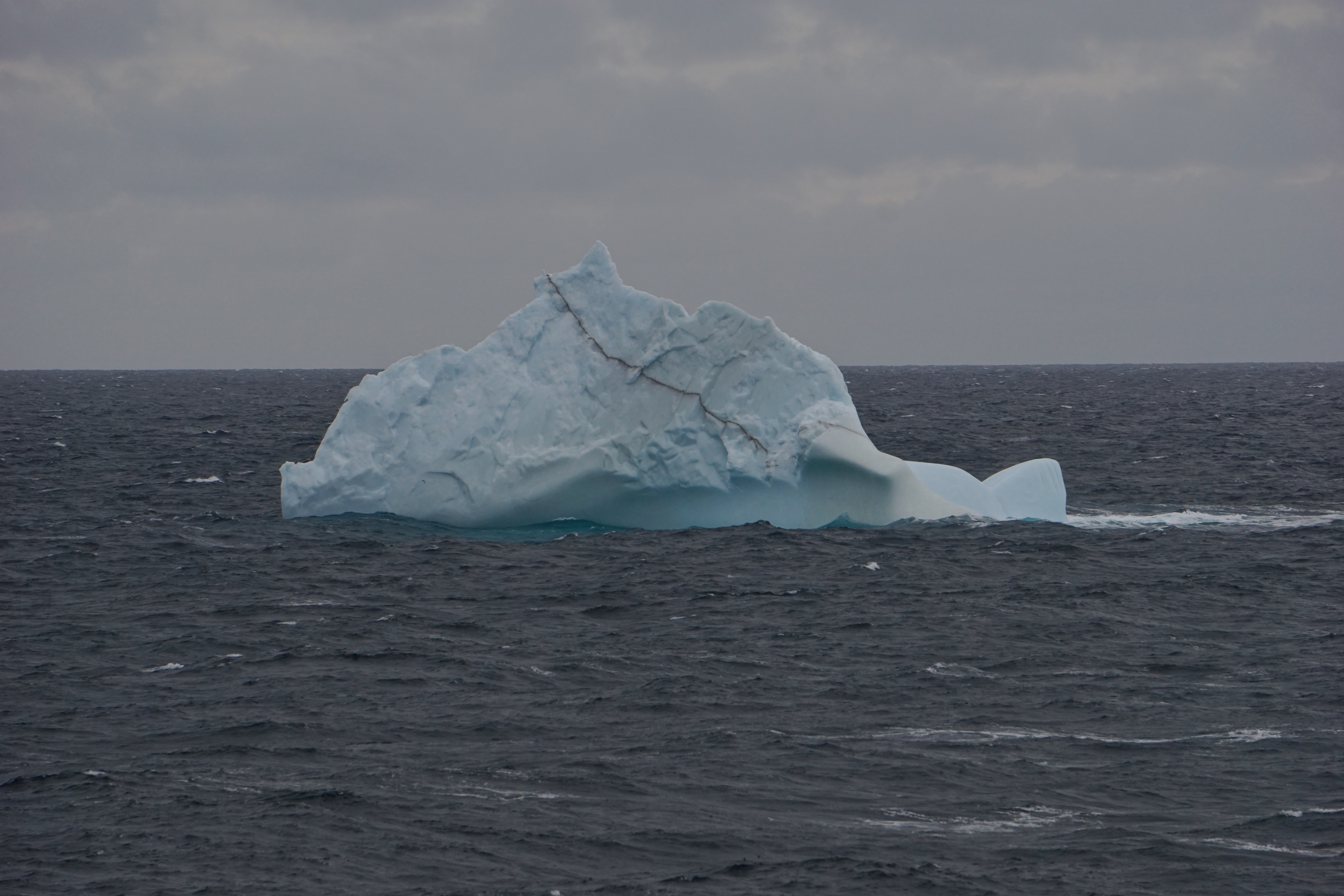
This morning we awake to see a line of big icebergs on the horizon marching from Greenland through iceberg alley (Davis Strait) on their way to Newfoundland and Labrador.

IMG_4612DSC00433DSC00434

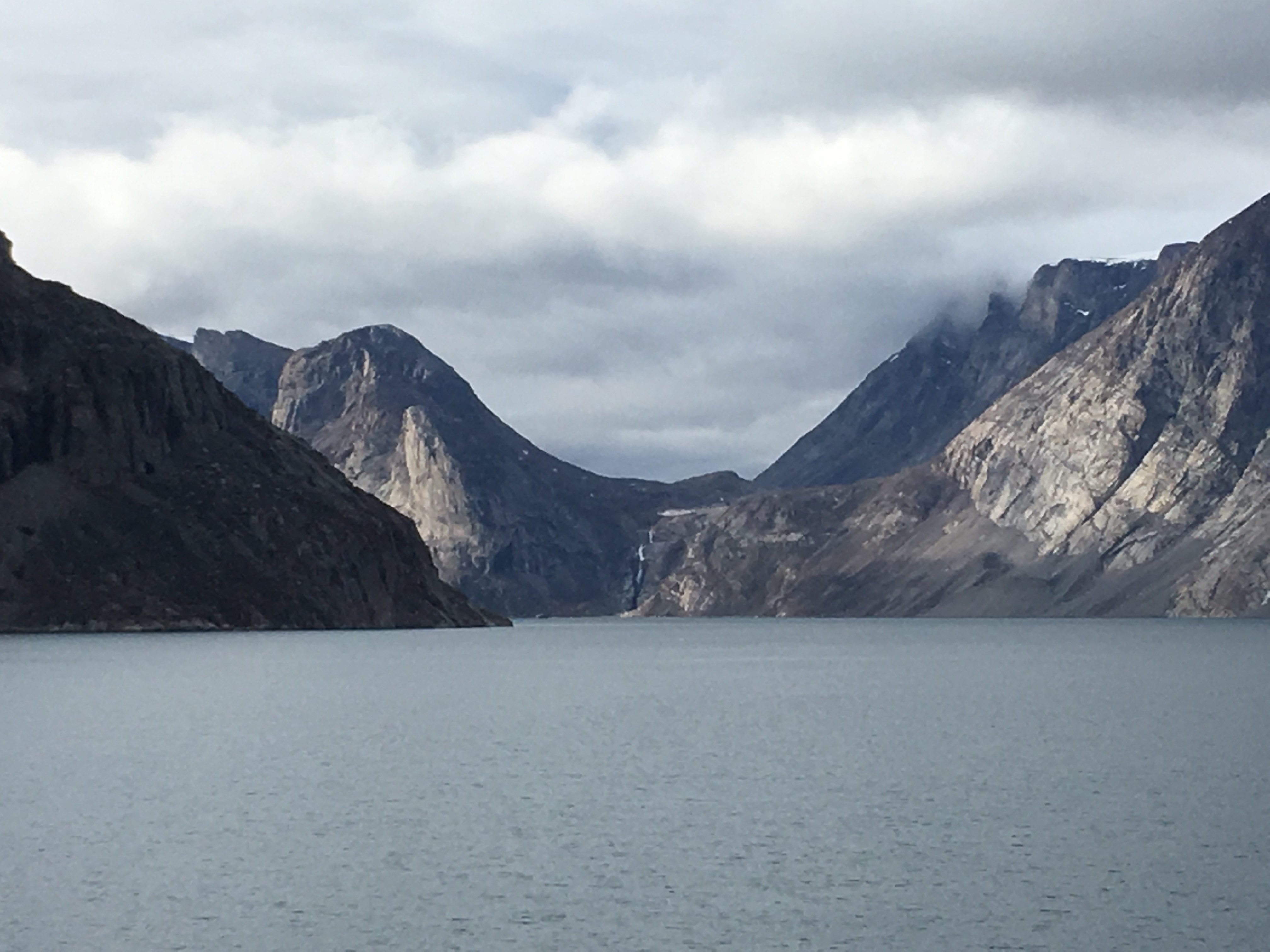
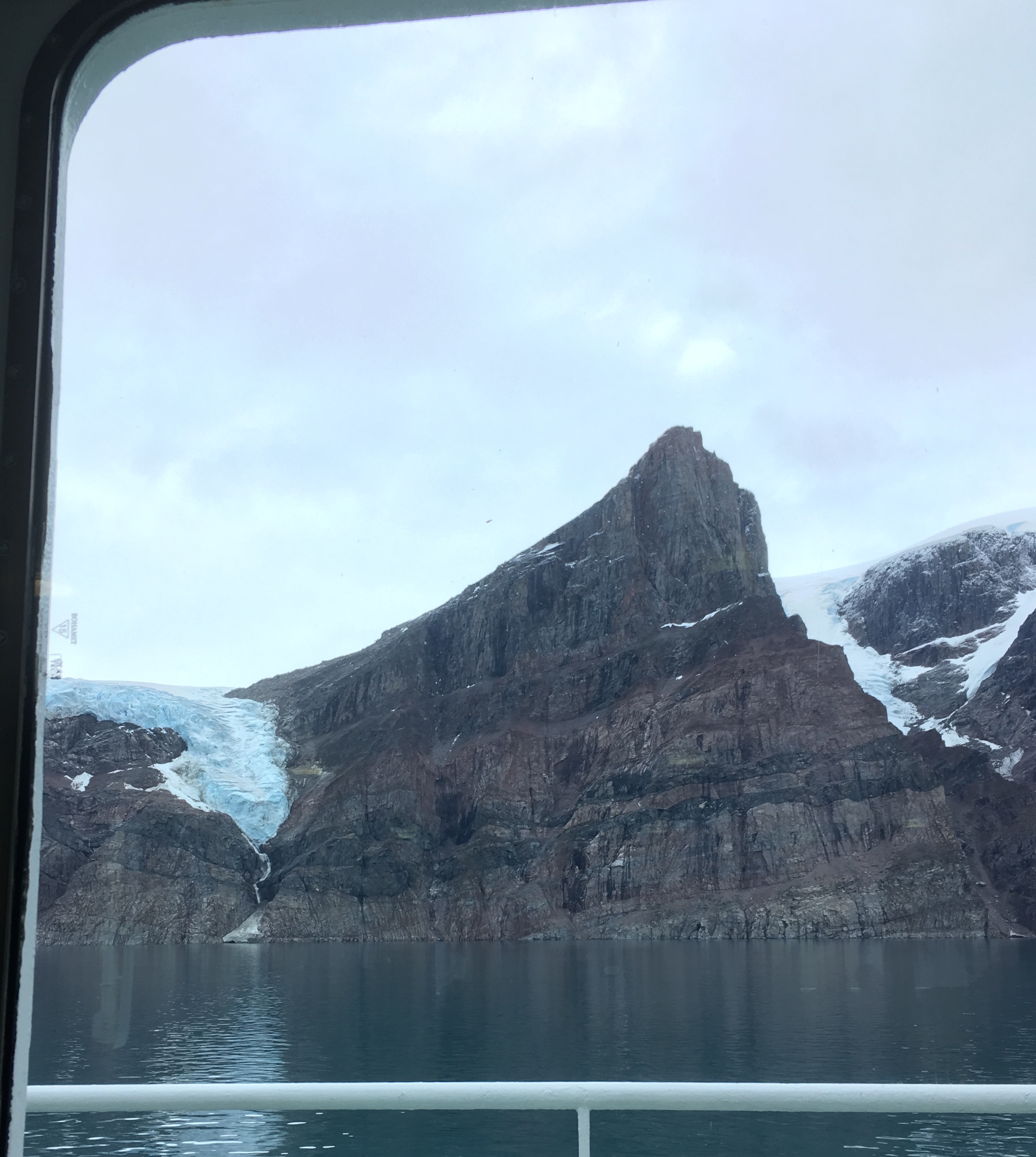
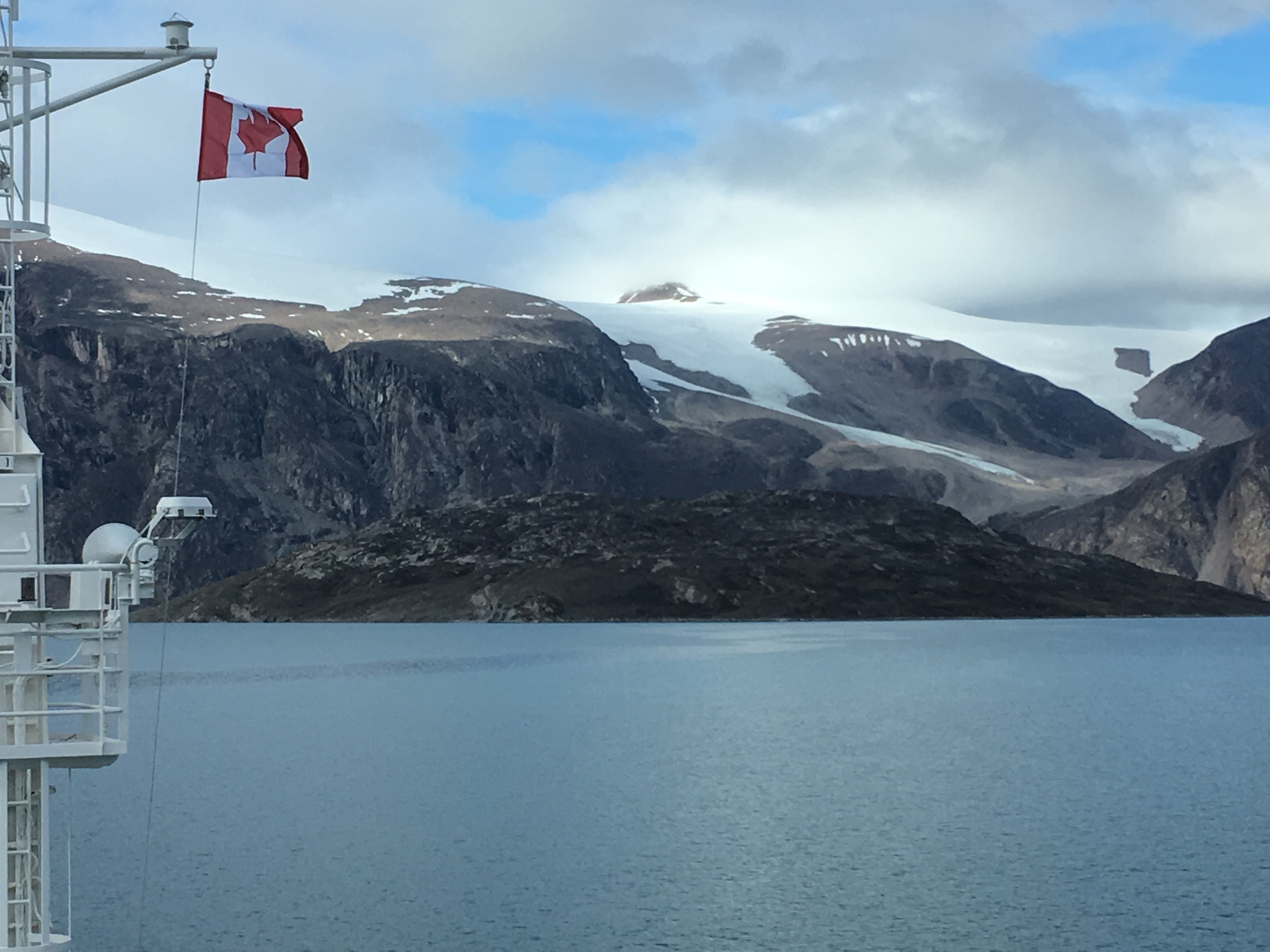
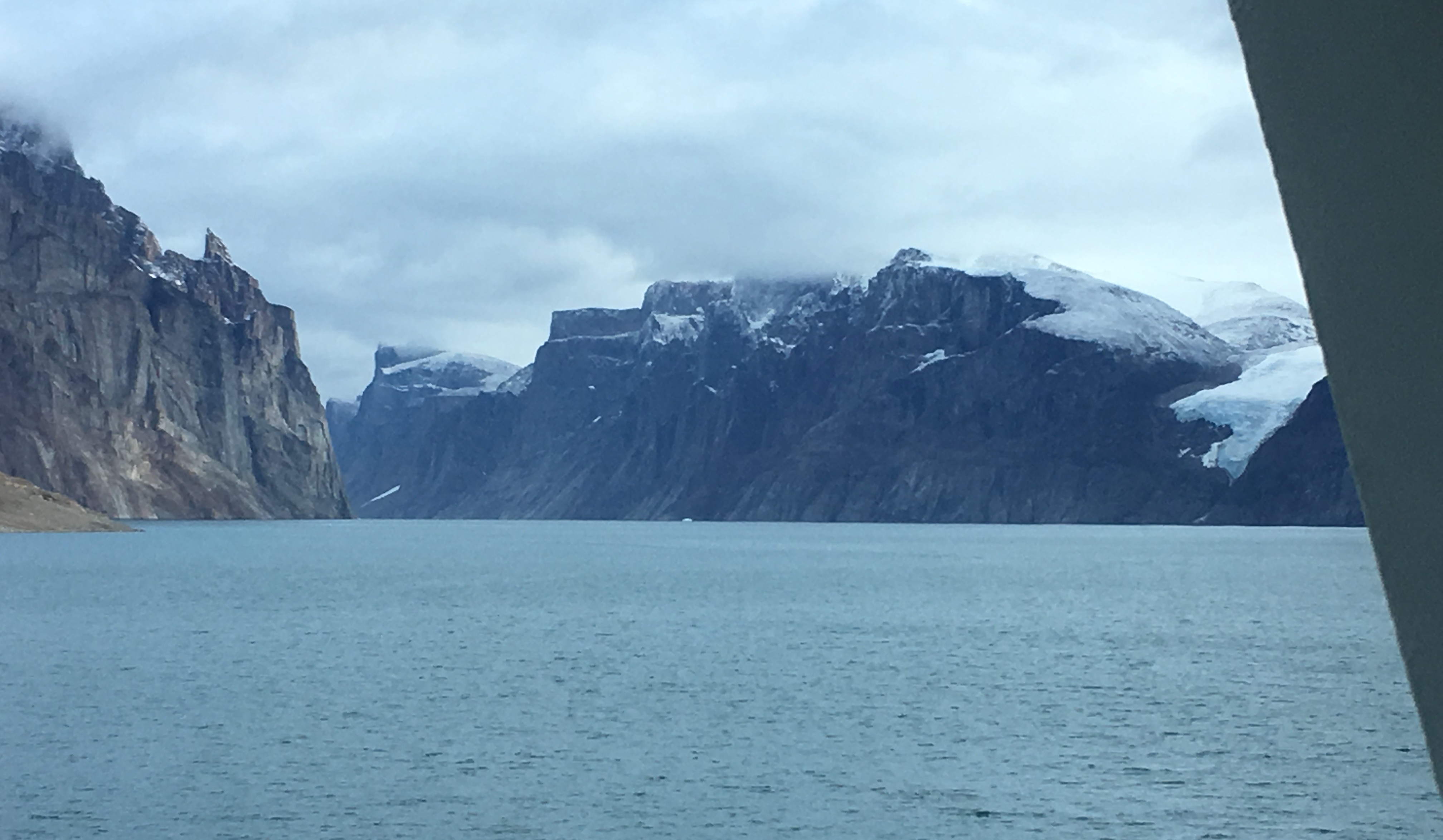
We turned into Gibbs Fjord and travelled 50 kms to the end of the Fjord. The plan was we would go ashore to explore the terminal moraine there. However, due to the presence of a Polar Bear and her cub plus high winds we could not did our shore walk. The trip down the Fjord was magnificent. Steep rock faces on both side with some glaciers still visible, a couple of waterfalls where the fresh water was escaping from the glaciers into the sea. A couple of small berg bits and snow capped mountains providing a backdrop to it all. More rugged than the Norwegian fjords we visited a couple of years ago. Also no green on the shore.
We did see a pod of Narwhales. They do not come out of the water so the only thing we saw was a grey back just break the surface of the water and then a small blow. Other than the polar bears no other wildlife was spotted.


Met an interesting couple over diner. Now living in Nelson BC. He is originally from the Basque area of Spain and told us stories of running with the bulls. In March of this year he was part of a group of 4 men who skied around Bylot Island, a journey of over 700 kms. They had 4 dogs (one each) and worked in tandem with their dog to pull their supplies on a sled as they skied on thick skin covered skis. The trip took them 29 days and was done as a centennial project and to publicize the new Lancaster Sound Reserve. A fascinating story.
Some high powered people on the trip – David Dodge (former head of Bank of Canada), lawyers, engineers, University profs, researchers and many folk who have worked on various polar and Arctic government projects over the years. So we are learning from our fellow passengers as well as the lecturers.
Hopefully tomorrow we will be able to get off the ship for an explore.

P.S. If you want to see any of the photos in a bigger format just click on the picture.

Posted in Uncategorized | Leave a comment

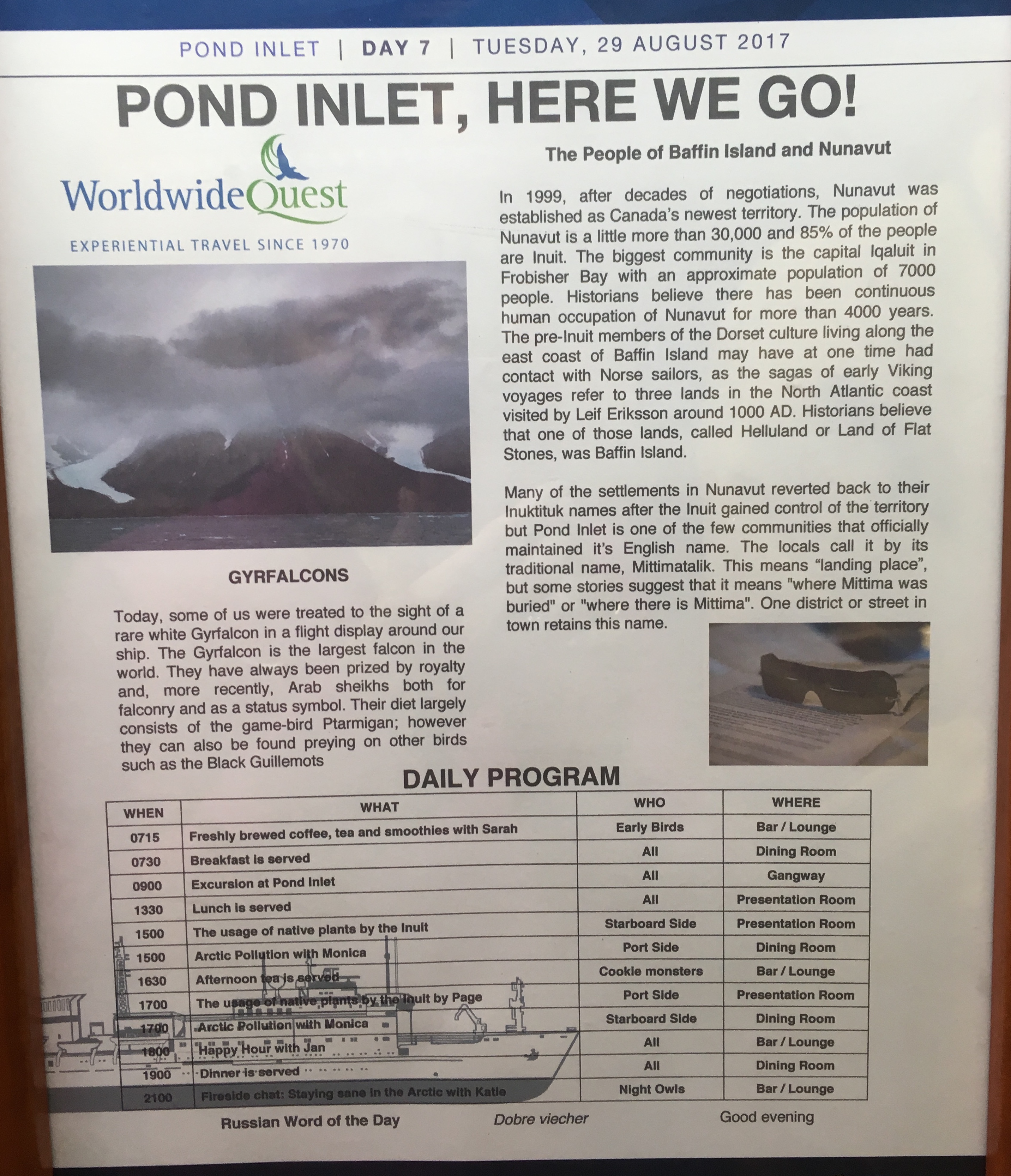
Arctic – August 29 Pond Inlet

IMG_4430IMG_4435


IMG_4605

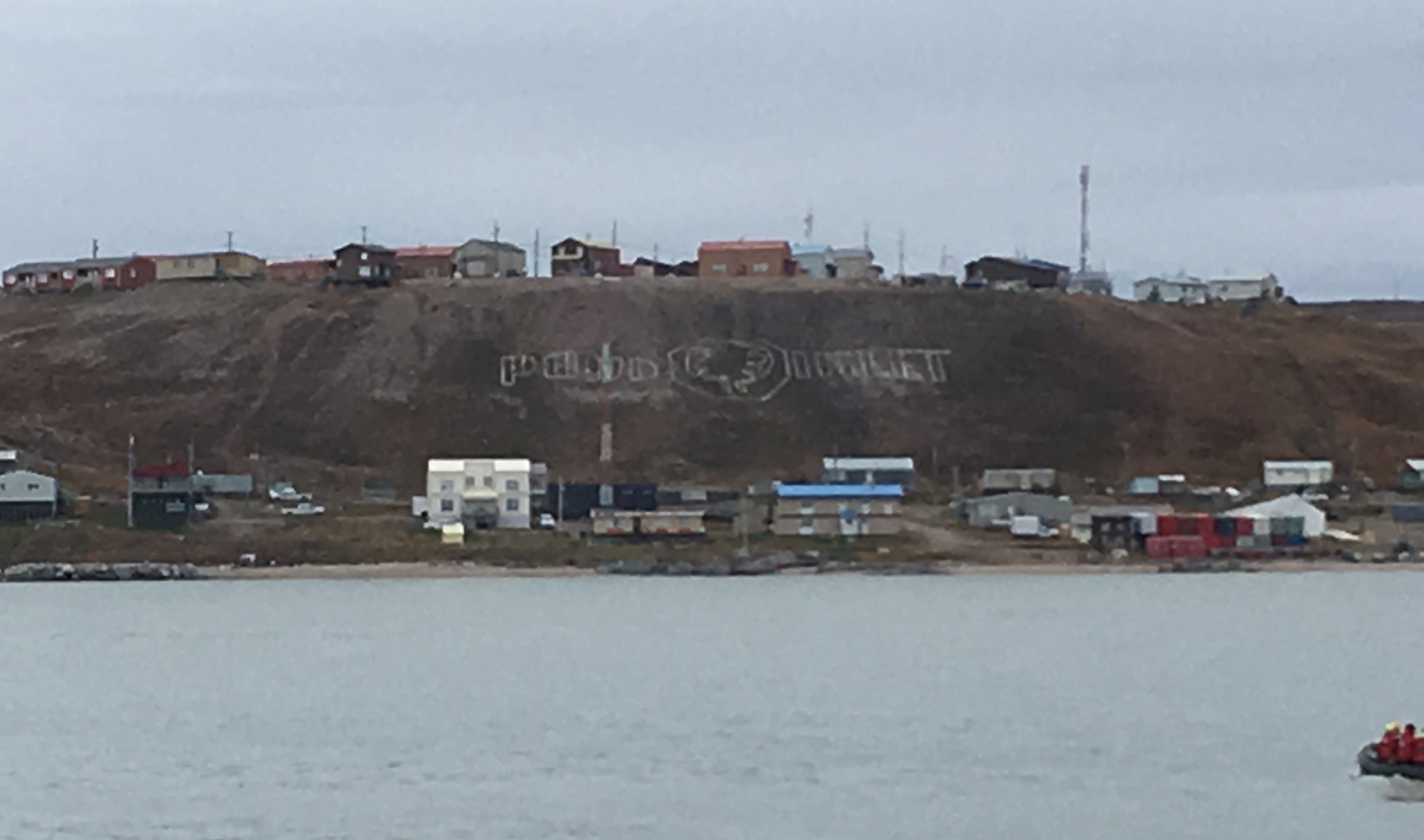
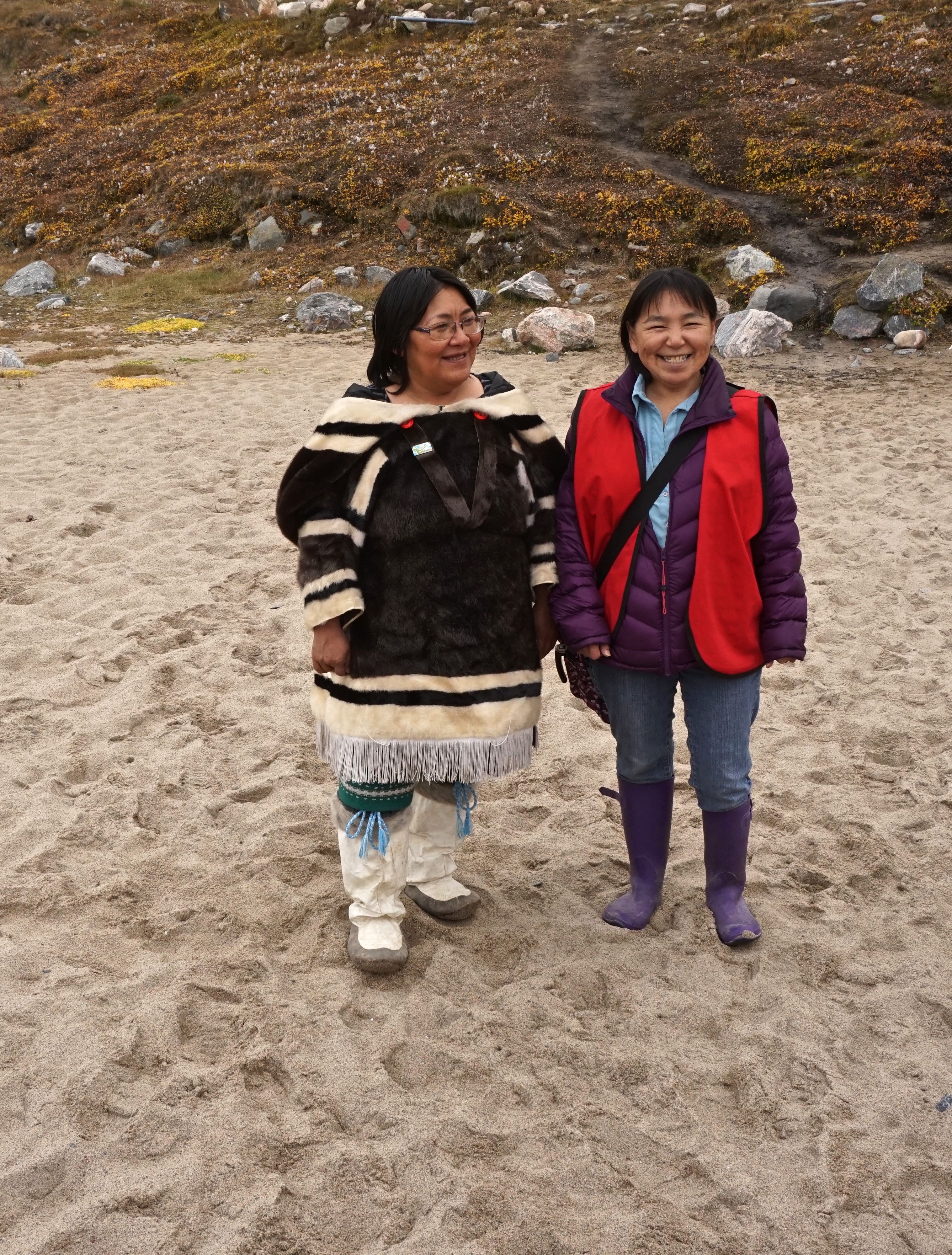
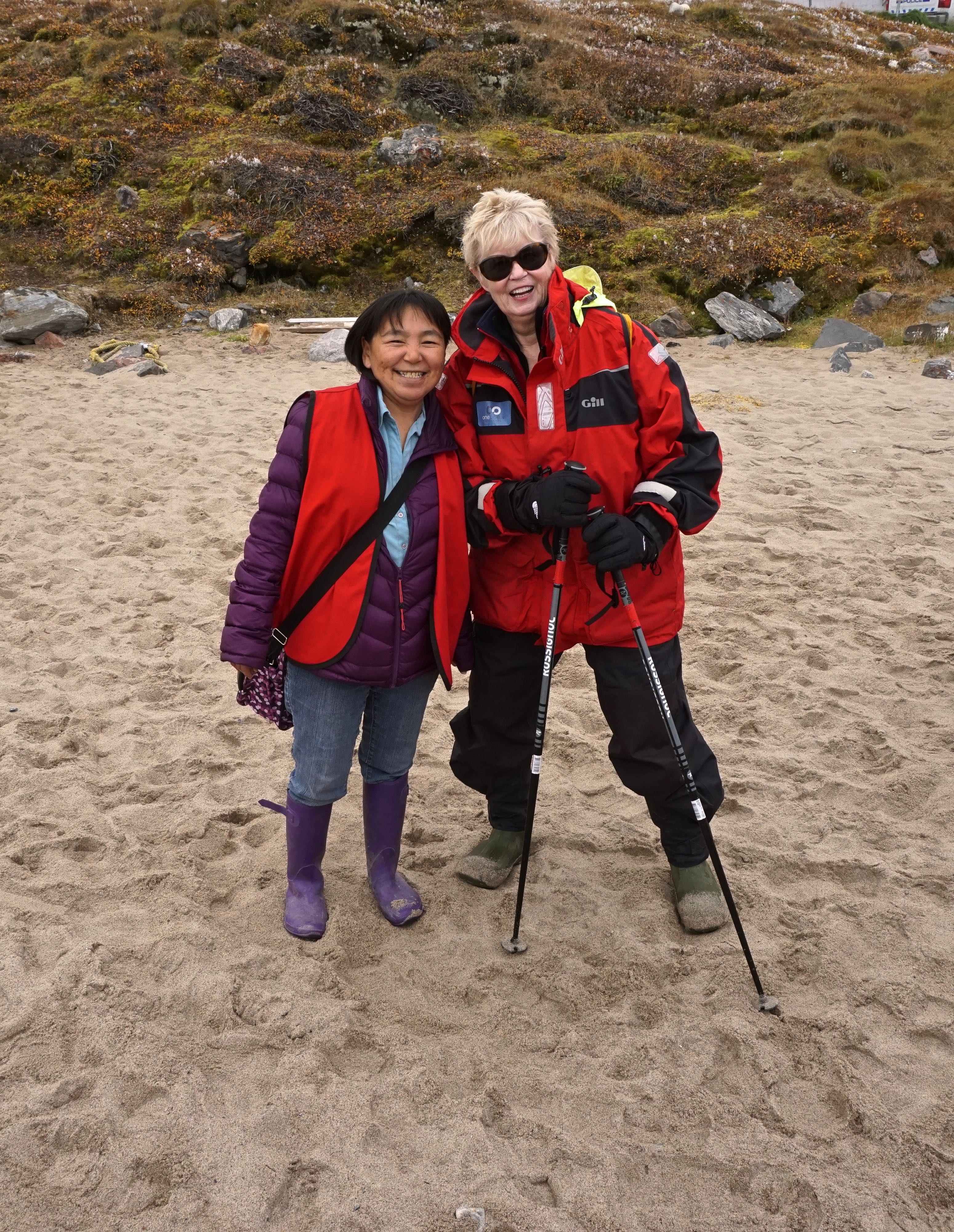
When we woke this morning we were off shore from Pond Inlet, a community of just over 1600. We were met by a couple of local guides who took us on a walk through town to the Community Center where we were treated to a cultural show.

DSC00339

our guides

IMG_4440

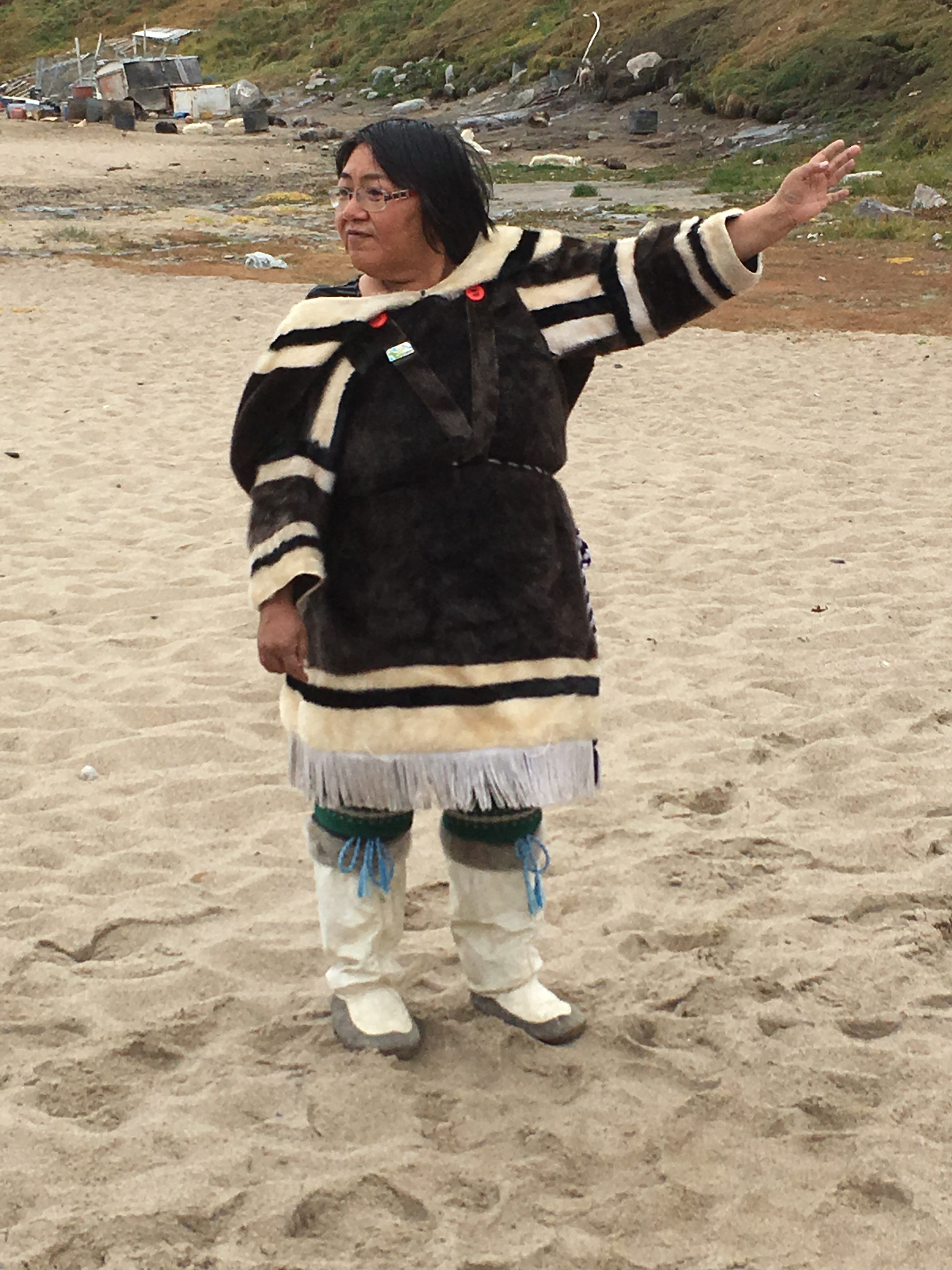
Winter outfit

DSC00338 - Version 2

Tha Inuit tend to be tiny

The show consisted of examples of throat singing, some athletic exhibitions of sports played in the Northern Competitions, drumming, and a couple of other local activities. It was an excellent show.


The younger man gave a series of demonstrations from the Arctic Winter Games that he has competed in a number of times.

DSC00344 - Version 2

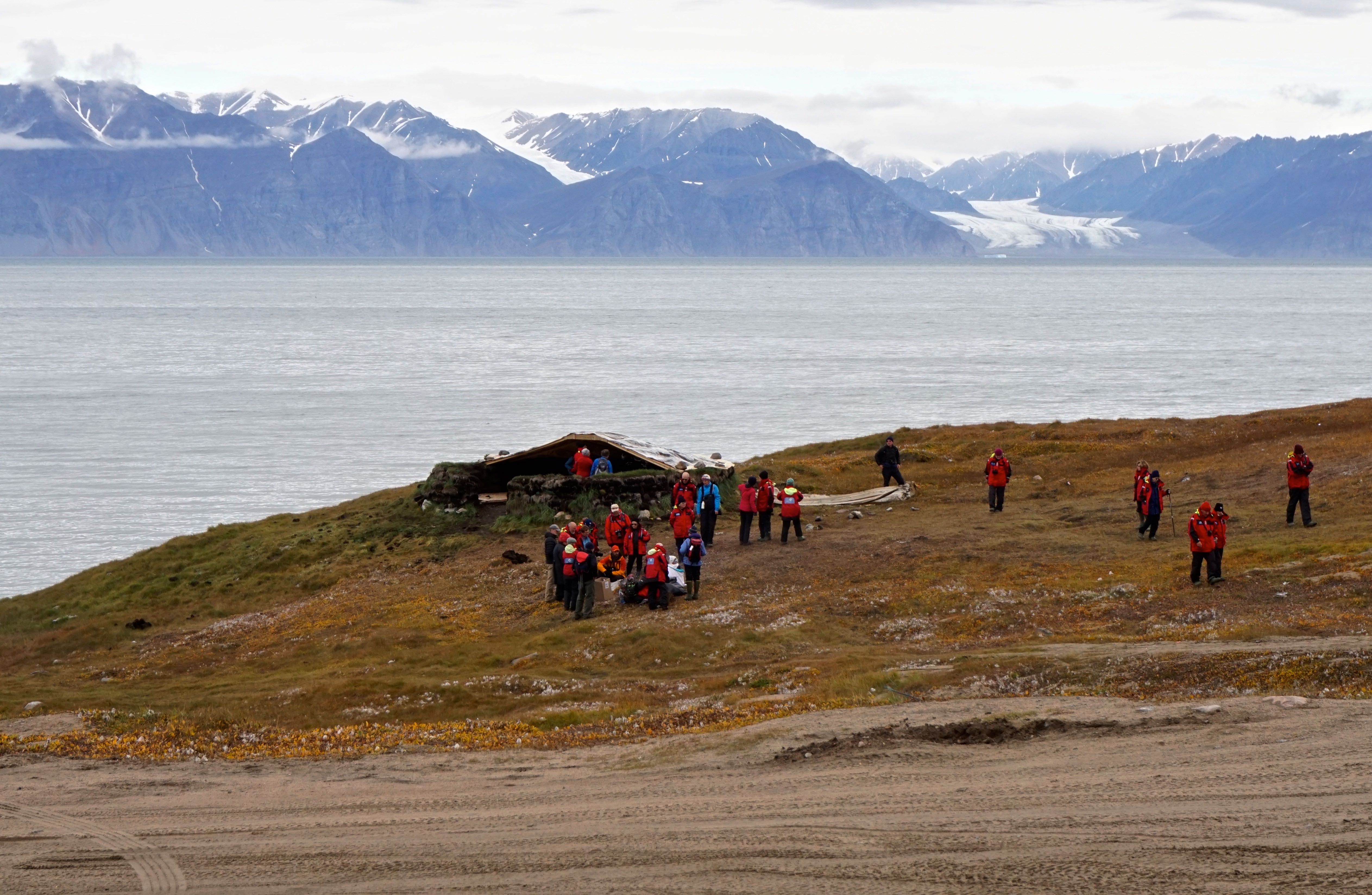
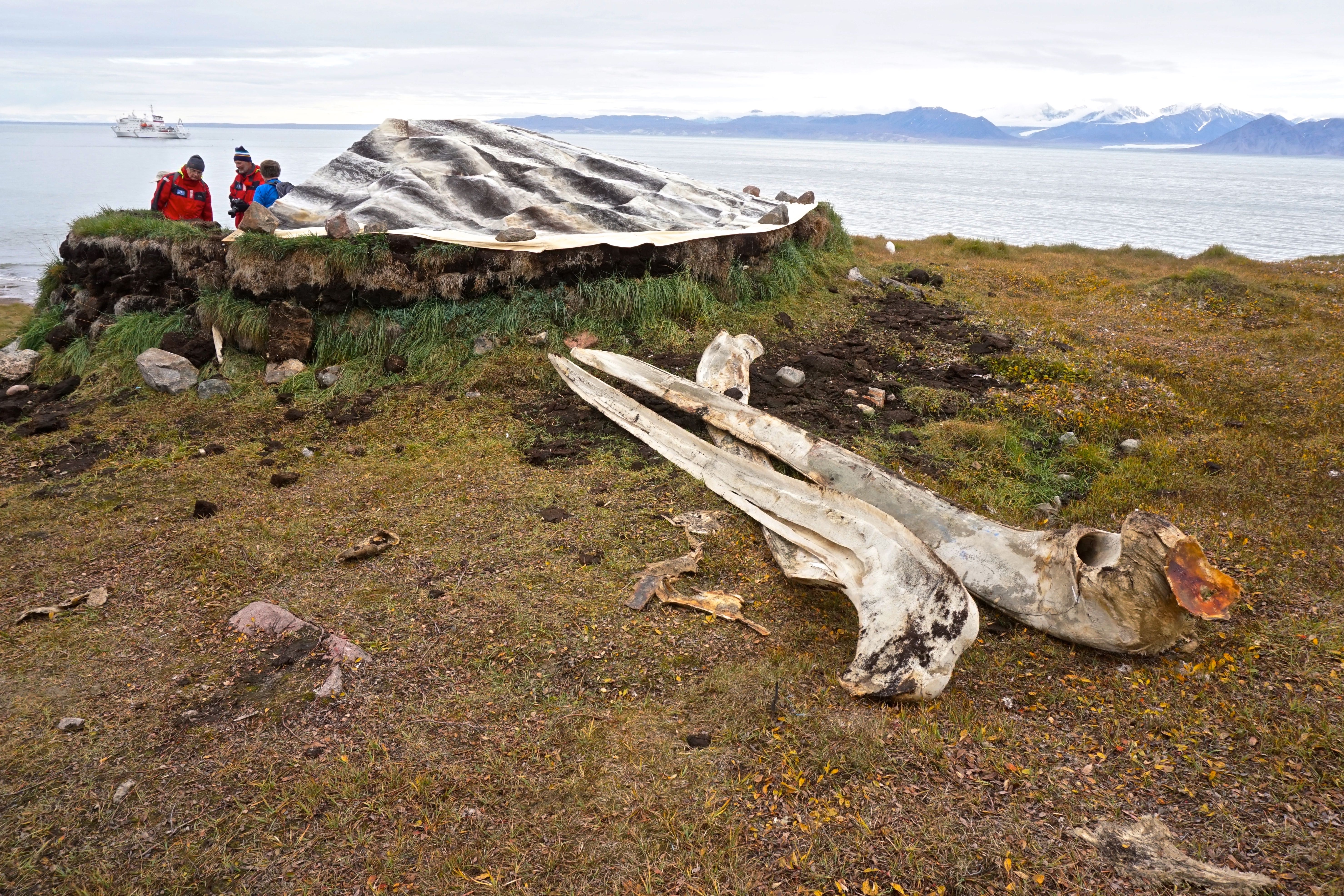
Exploring a sod hut on the way

IMG_4444

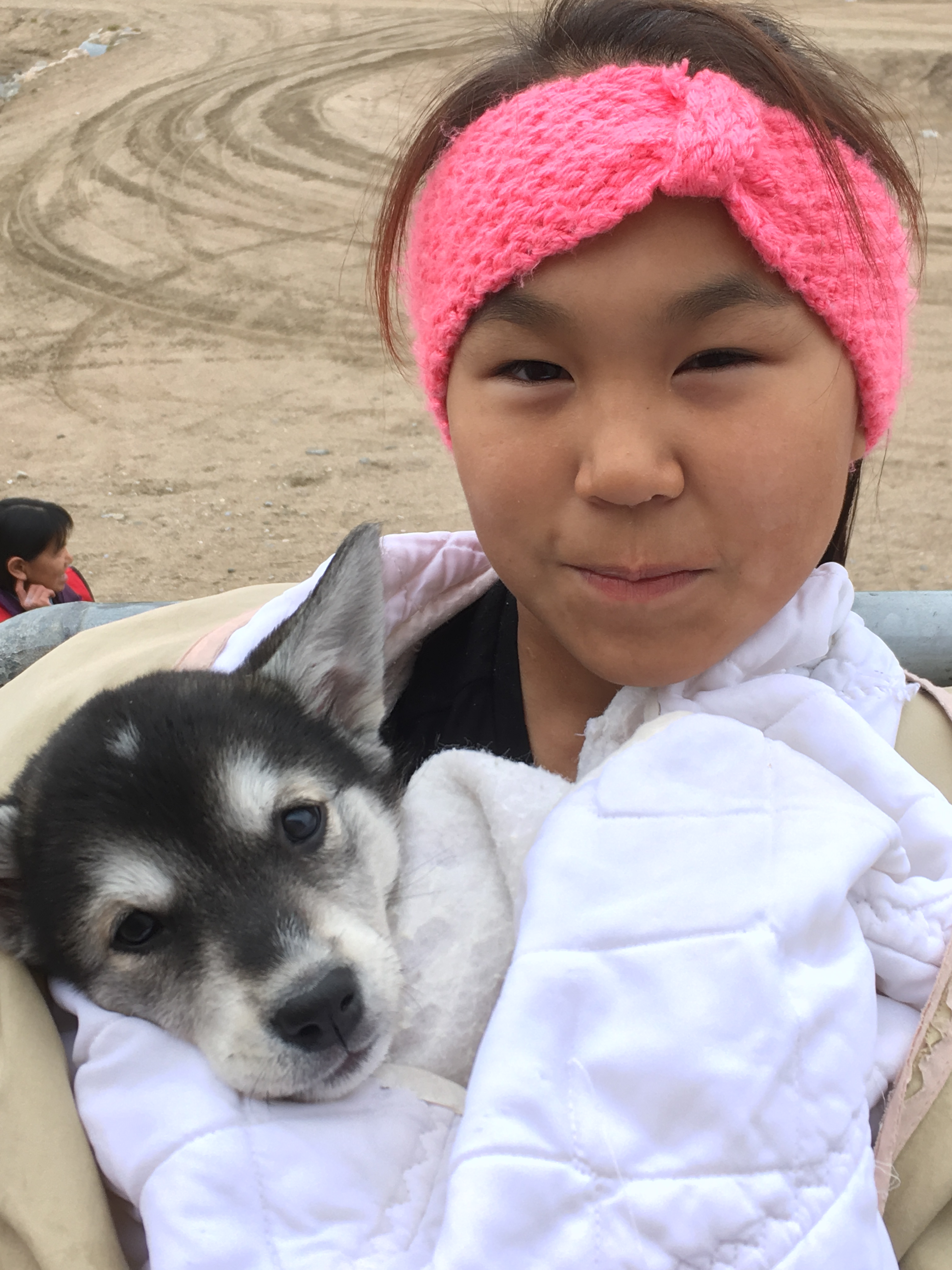
A Young girl and her puppy (husky)

IMG_4447

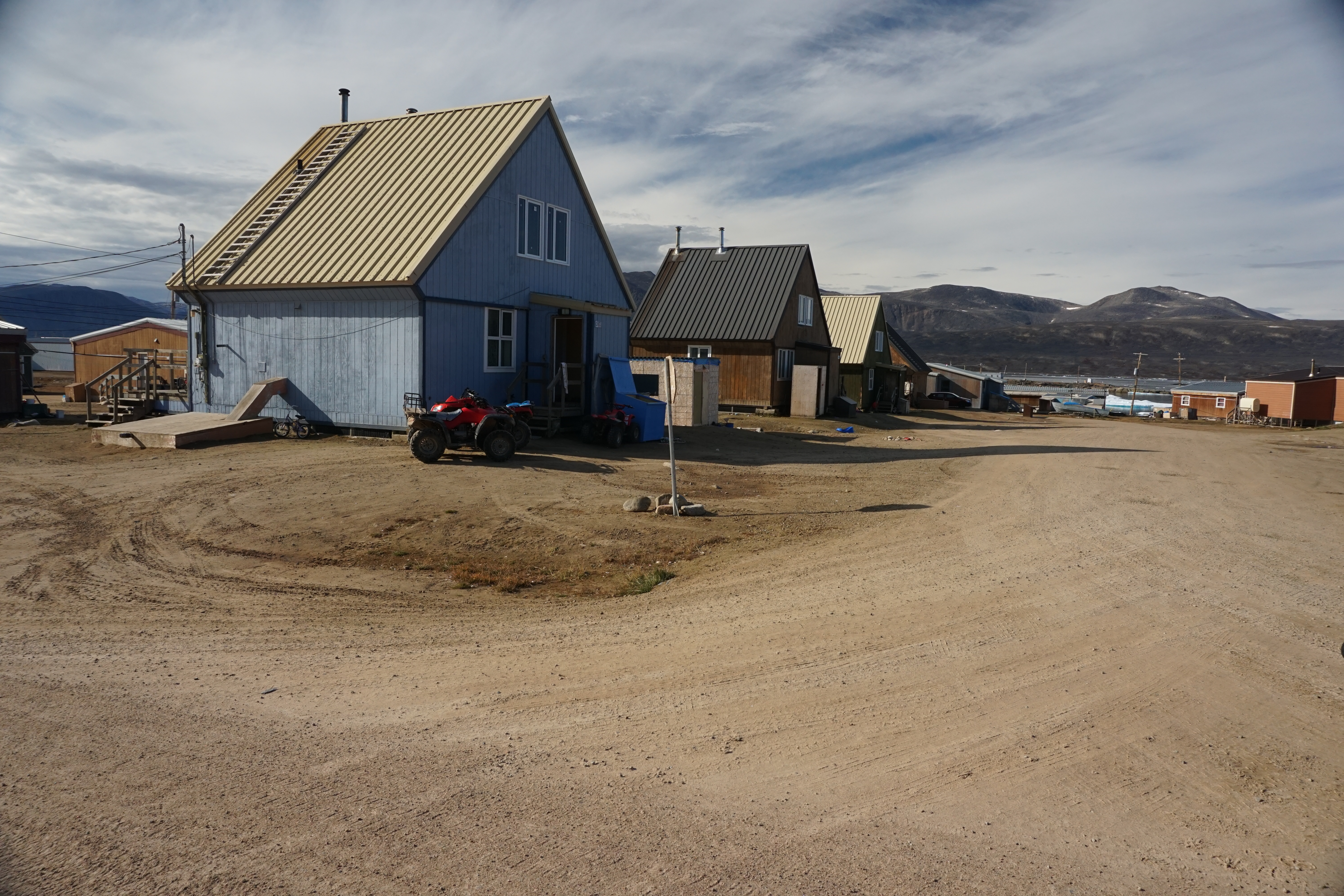
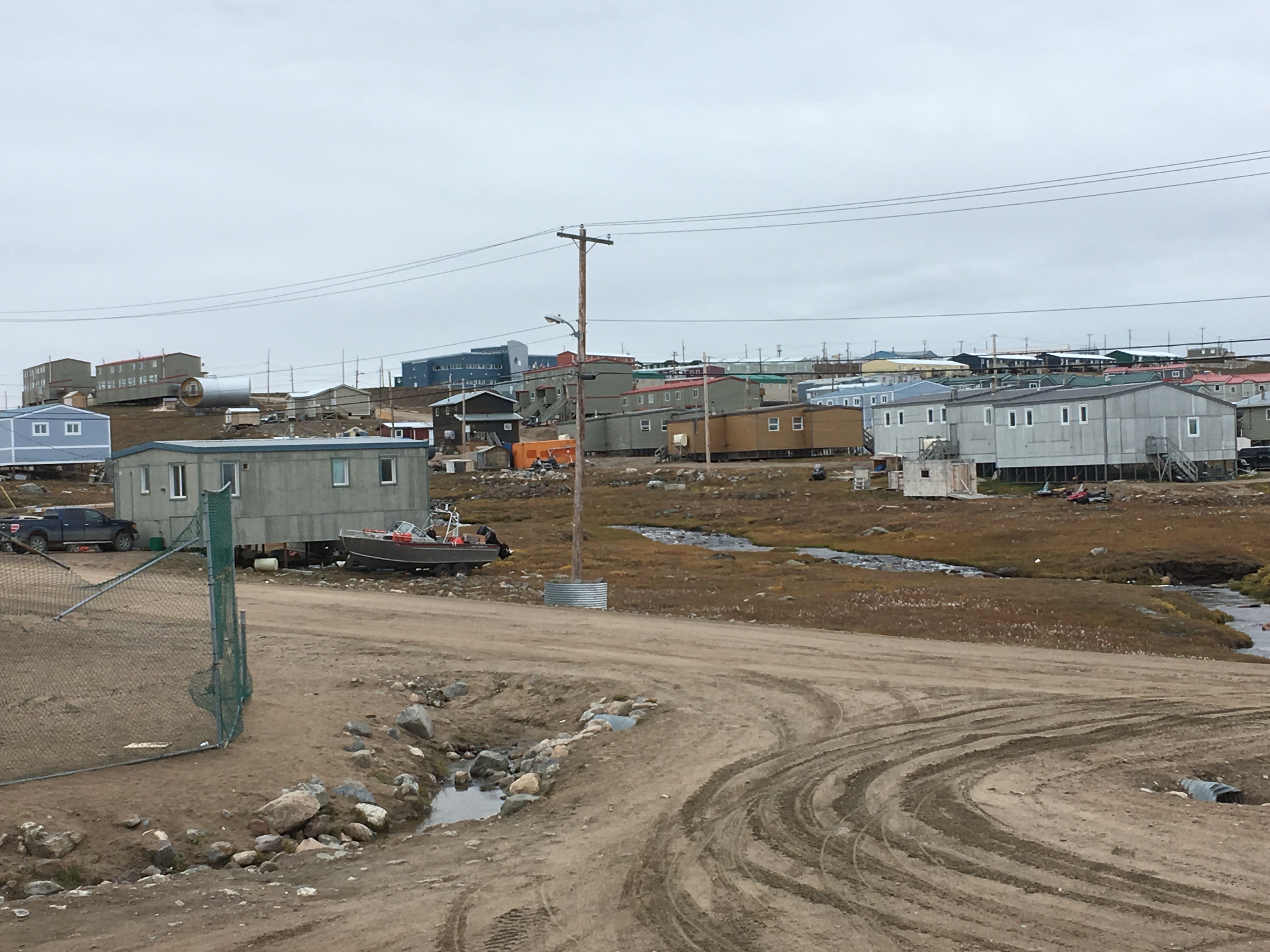
Typical street scene – no paved roads anywhere – it is all permafrost

IMG_4448

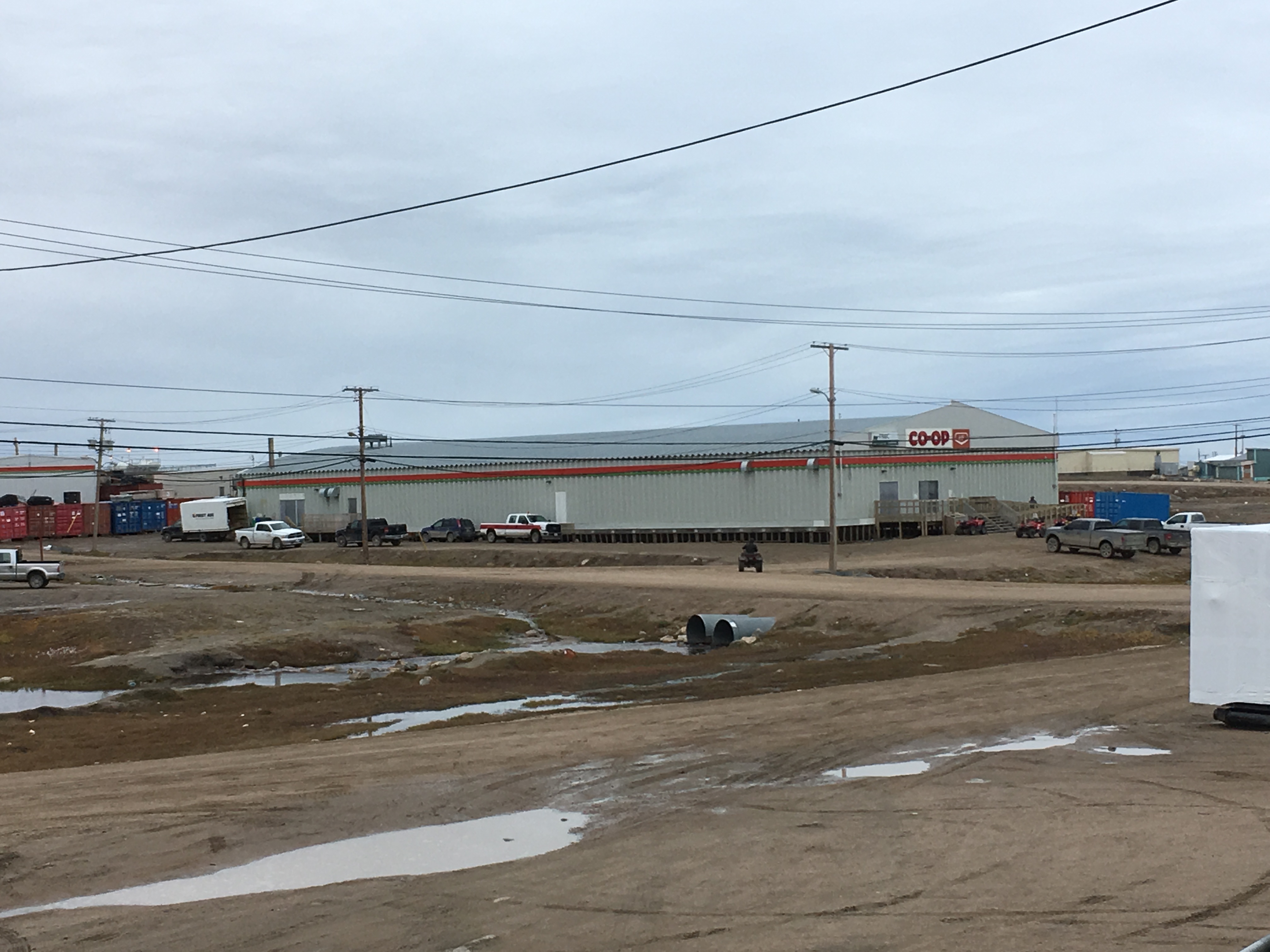
Local department/grocery/convenience/hardware etc. store

DSC00353 - Version 2

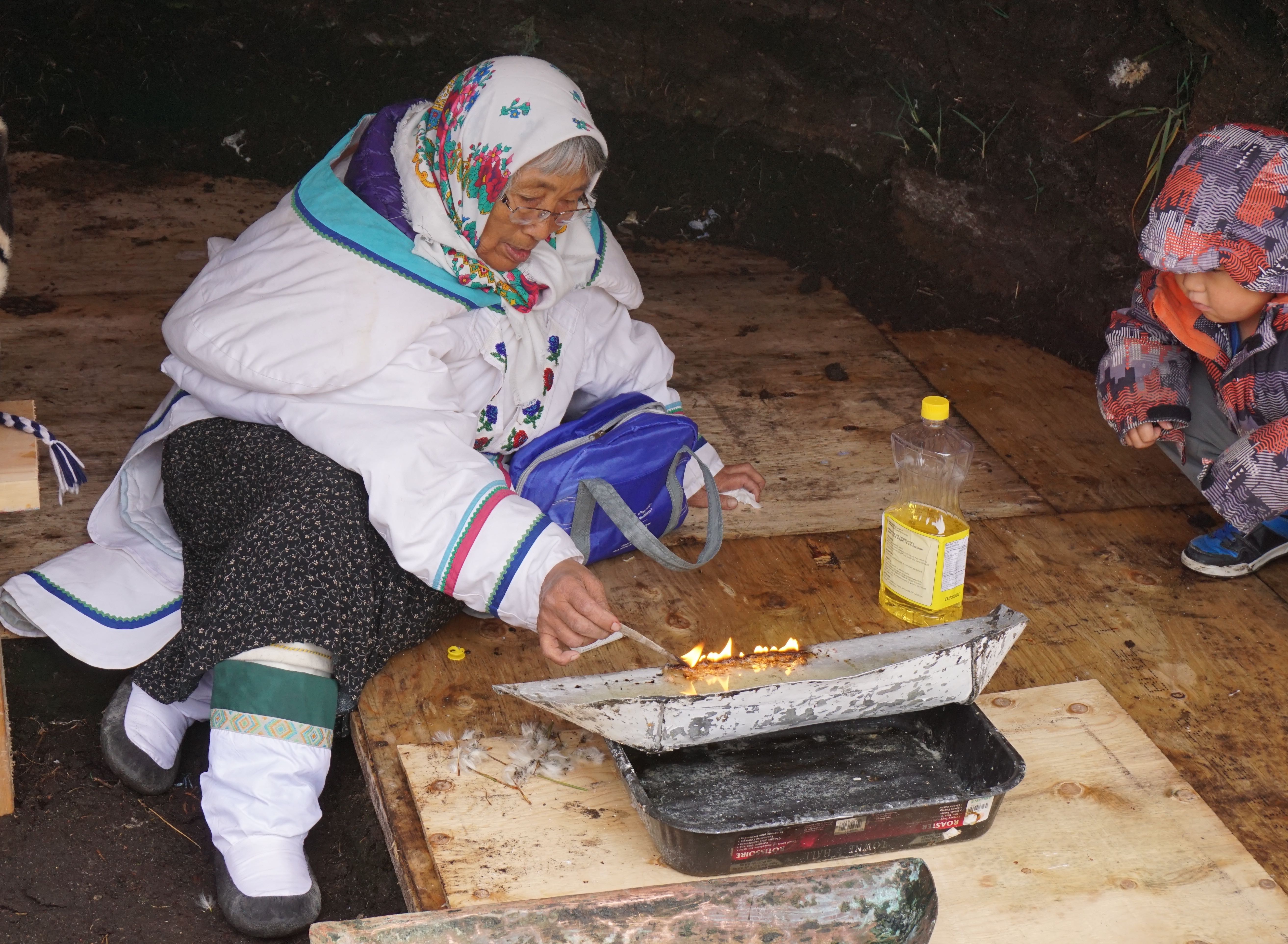
Demo – lighting the oil “lamp”

DSC00361 - Version 2

Sod hut

DSC00363 - Version 2

DSC00366 - Version 2

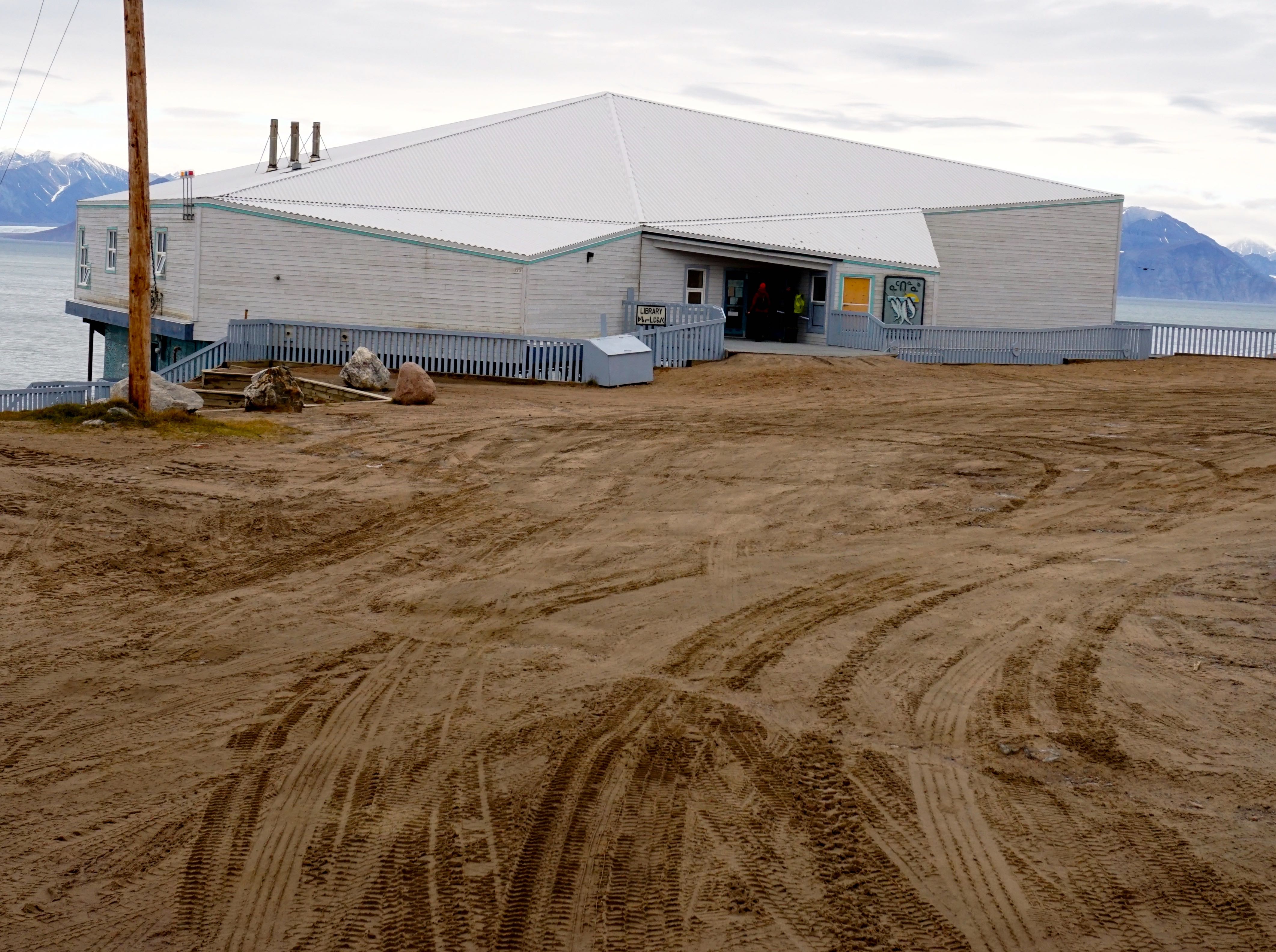
 Library, Gift shop and museum

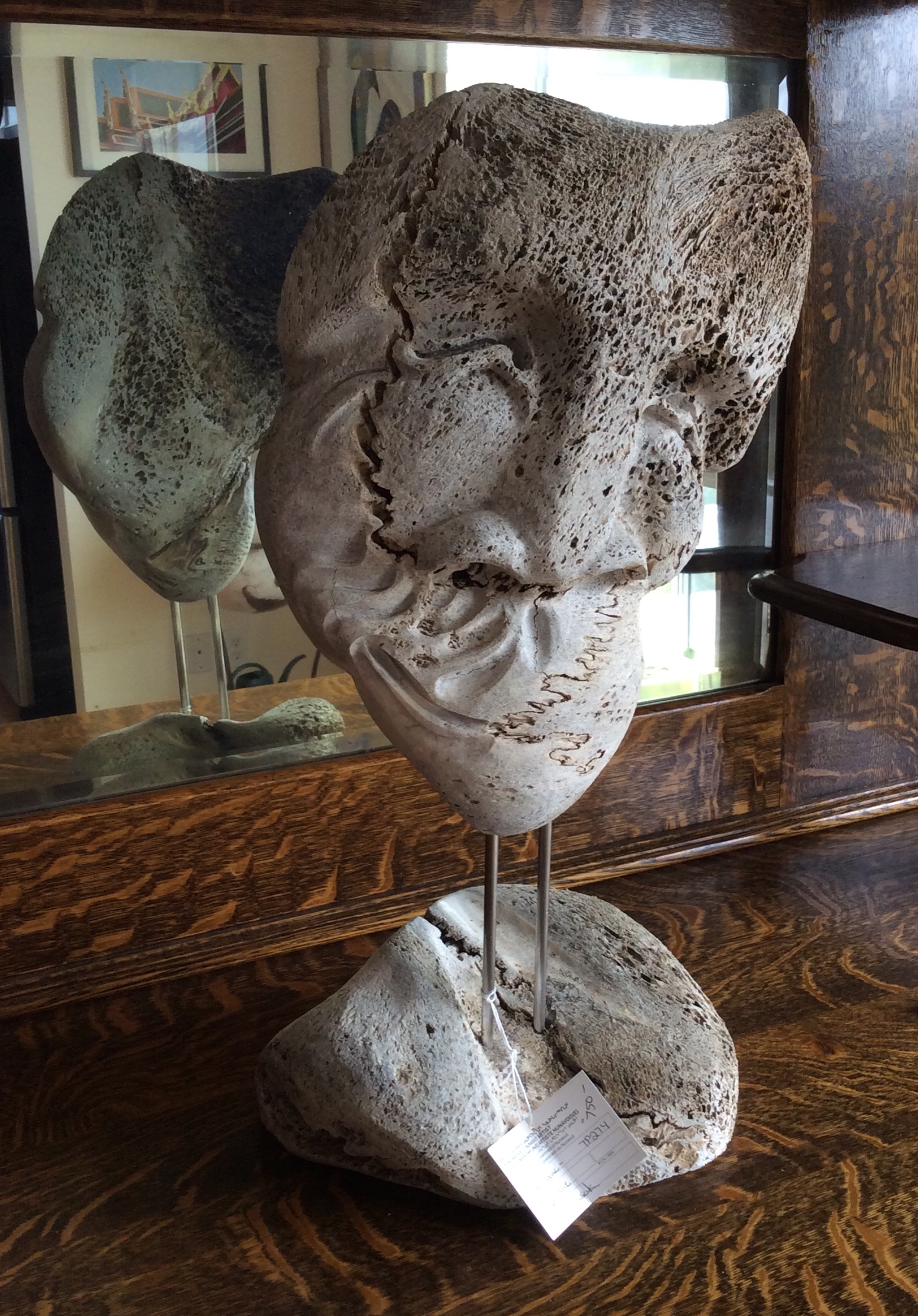
After we walked over to the Cultural Center/Library and gift shop. Gary & I purchased a whale bone sculpture which we later discovered was done by a local, well known artist who has pieces in the National Gallery.

IMG_2083
Pond Inlet is in a beautiful setting, surrounded by mountains, some with glaciers sliding down to the sea.

IMG_4579

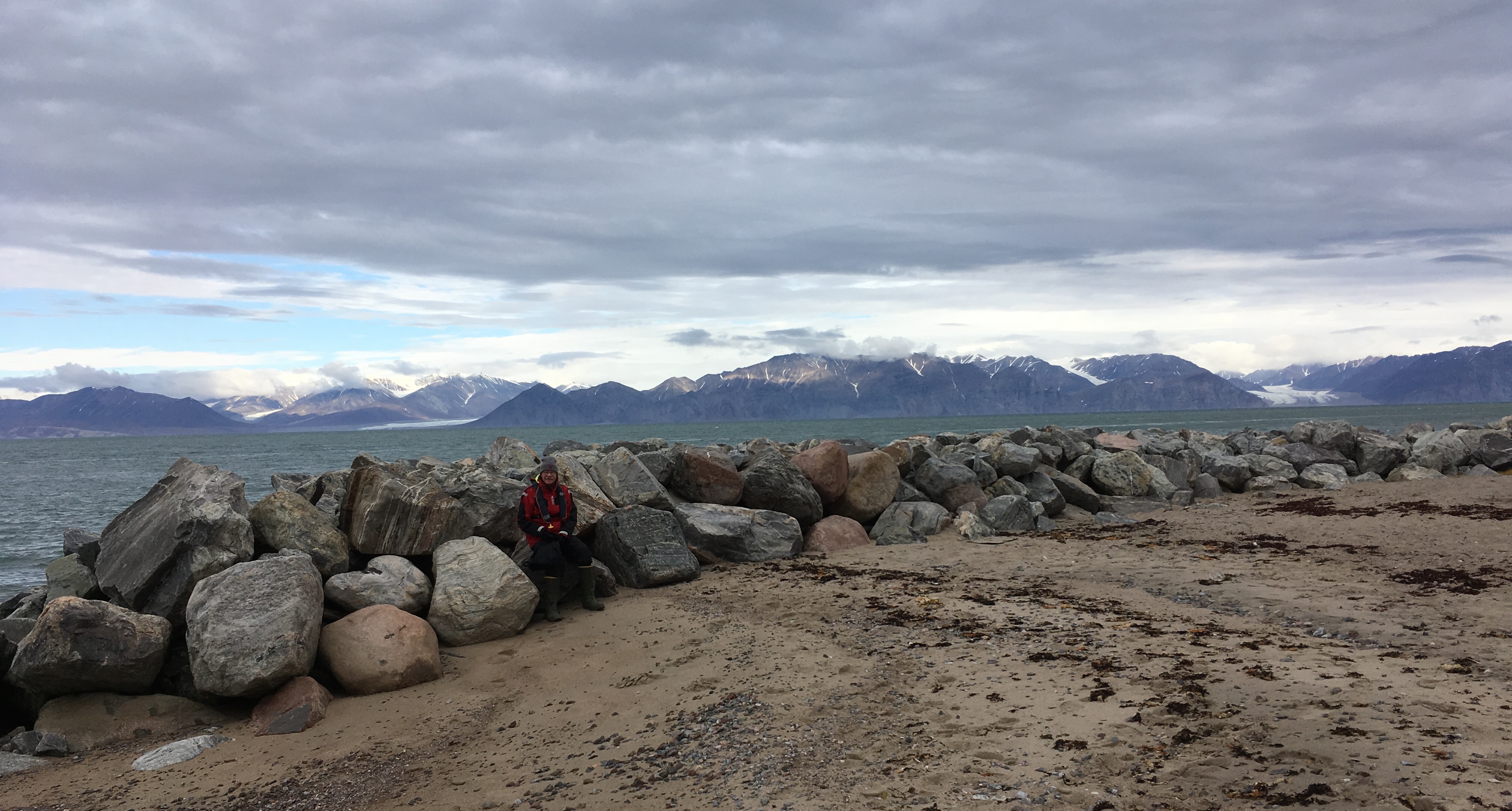
The Scene from our landing spot

IMG_4585

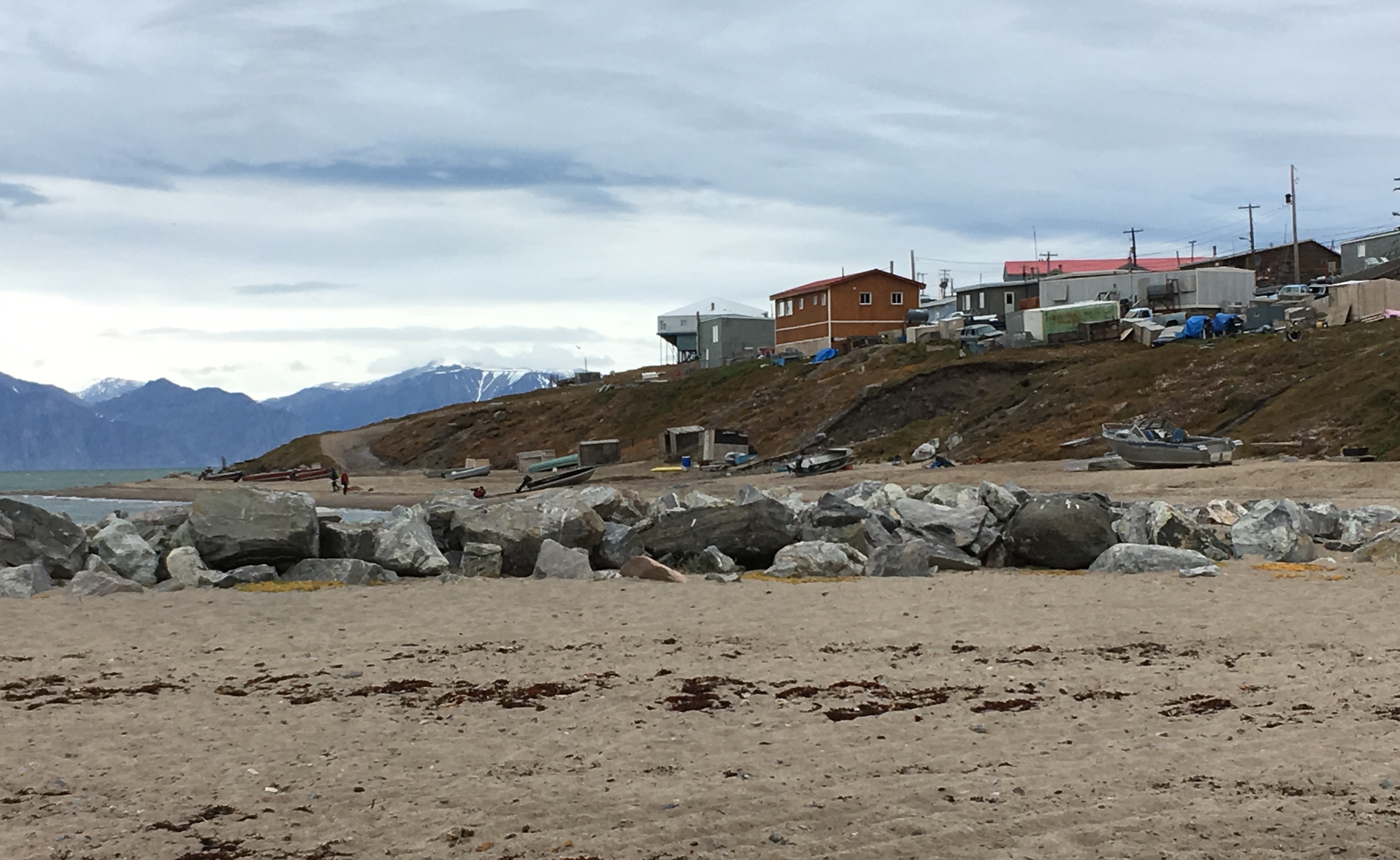
The town from our landing spot

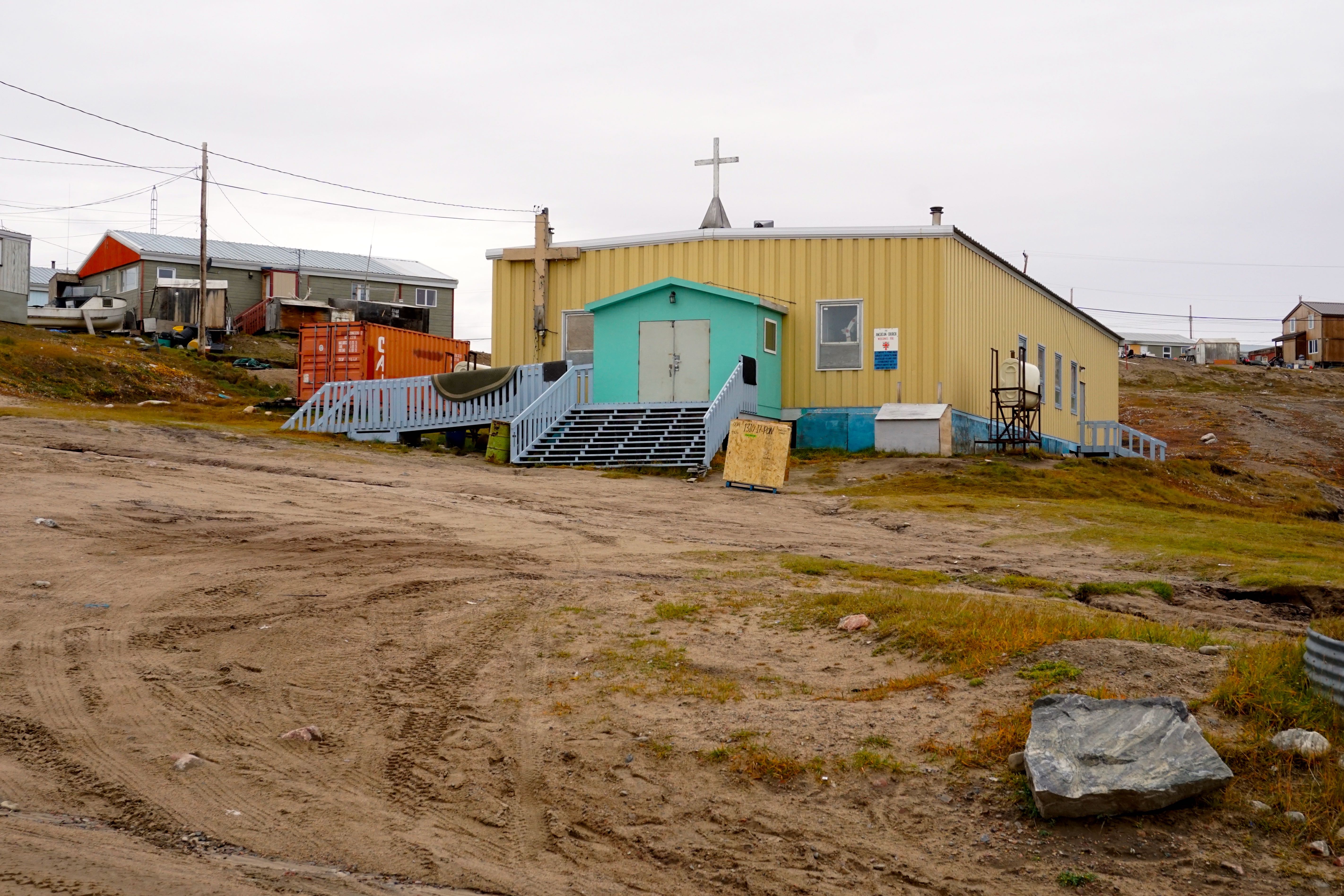
Pond Inlet was initially the site of a residential school. One of our guides had been brought here to attend the school. She said without that she would have had no schooling. When the kids were originally brought here their families would follow to be close to them. No housing was provided for the families who would live in tents and sod houses they built on the edge of town. It sounds like there was about 3 generations that attended the residential schools – our guide, her parents and grandparents. While at the school they were punished for speaking any language other than English and were not permitted to practice any of their traditions.
There is now schooling for local children from kindergarten through to grade 12. Our guide’s daughter has just left to attend college in Ottawa.
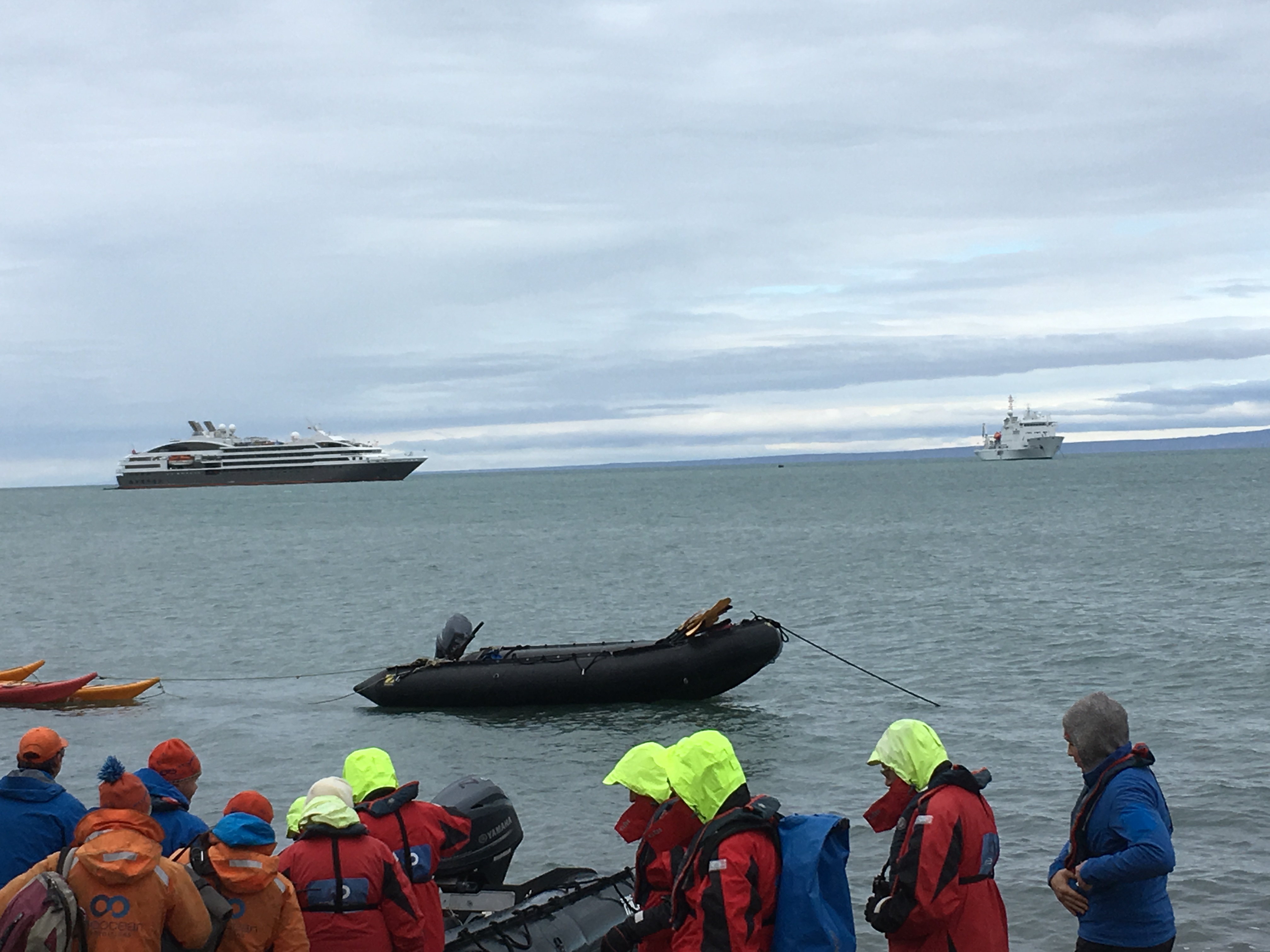
When we arrived the Canadian Navy was already here – a small ship and a larger passenger ship on its way to Greenland also pulled in. Busy day in town!!

IMG_4575
The roads are not paved, mud and no communities in the Arctic have any docking facilities so it is always a zodiac ride to shore and back.
Tonight 2 of the researchers regaled us with some stories of close encounters with bears, included one about a missing thermometer- just think about it!

Posted in Uncategorized | 1 Comment

Arctic – August 28 Low Point

IMG_4294

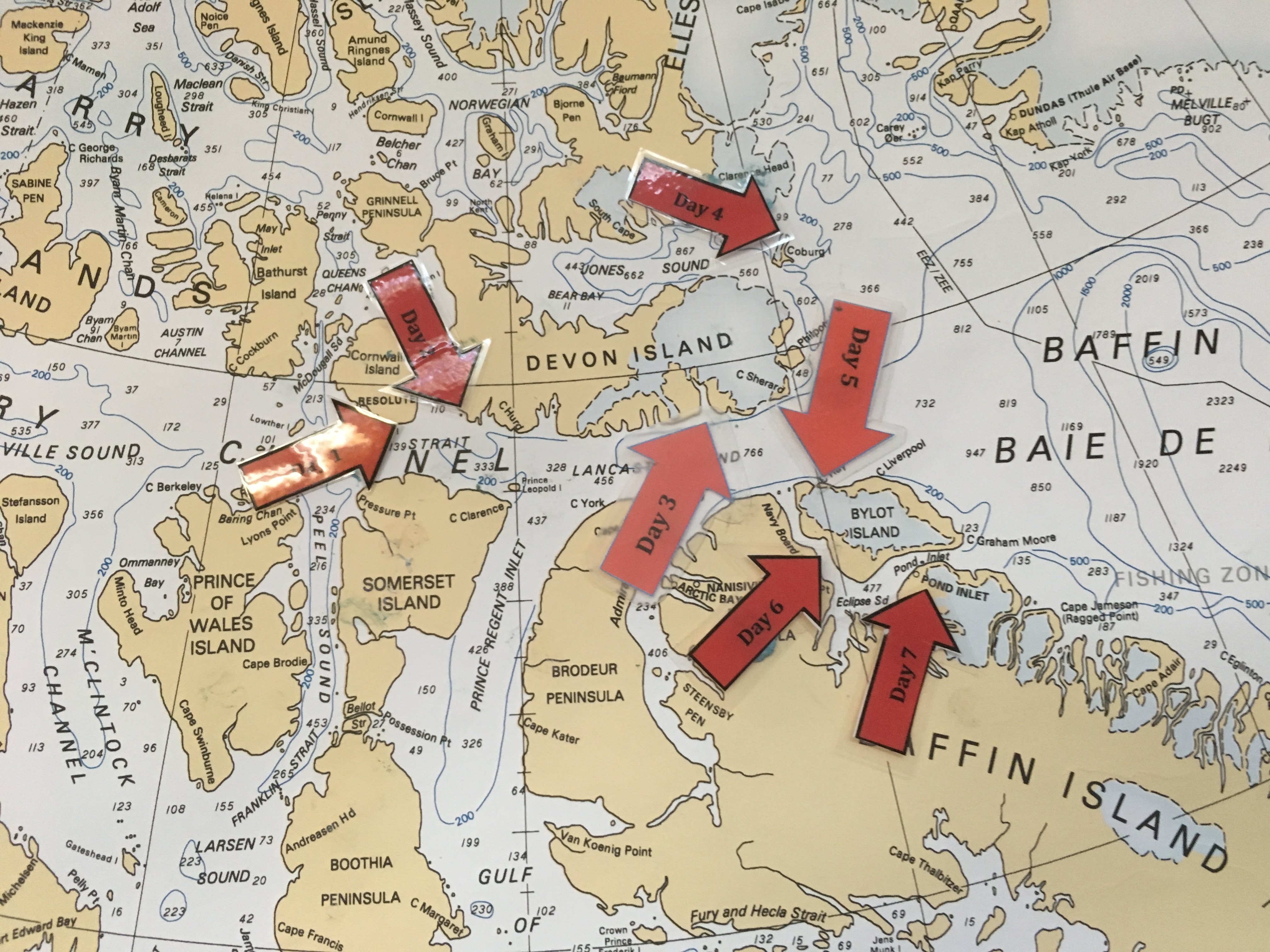
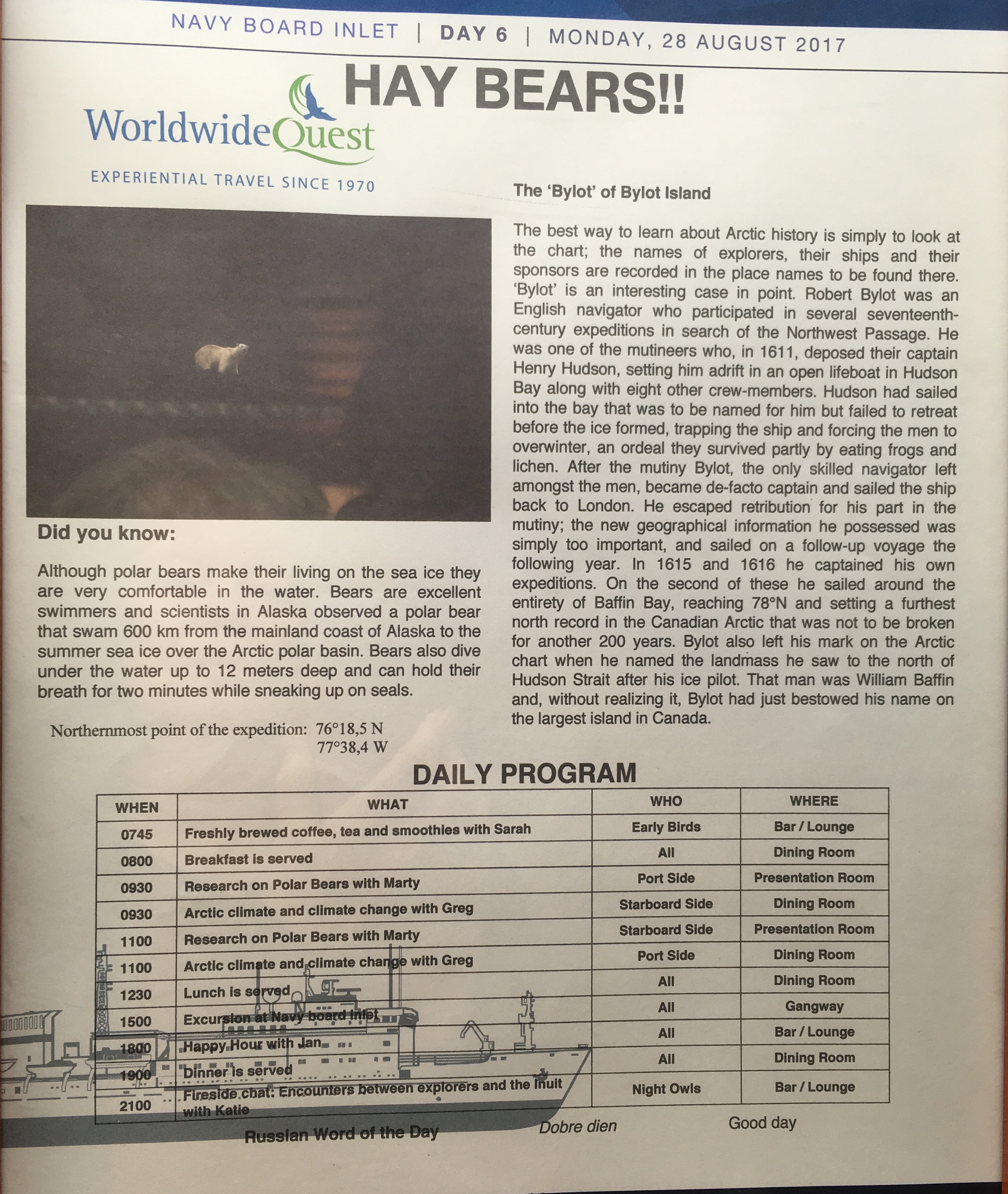
Today we headed through the straight between Bylot and Baffin Islands. Because of the sea ice shown on yesterday’s ice chart, the captain did not enter the channel until there was enough daylight. There is some light most of the time but that is changing quickly. At the equinox there is the same amount of daylight and night time at all latitudes of the world (12 & 12). So the Arctic goes from 24 of daylight at June 21 to 12 hours at September 21 to 24 of dark at Dec 21 to 12 hours of daylight March 21. When we arrived in the north on August 23 it was still very light at night. It is noticeably changing each day.

IMG_4306IMG_4308IMG_4315IMG_4319IMG_4321IMG_4322IMG_4323DSC00274 - Version 2IMG_4331IMG_4332IMG_4336IMG_4341

IMG_4346

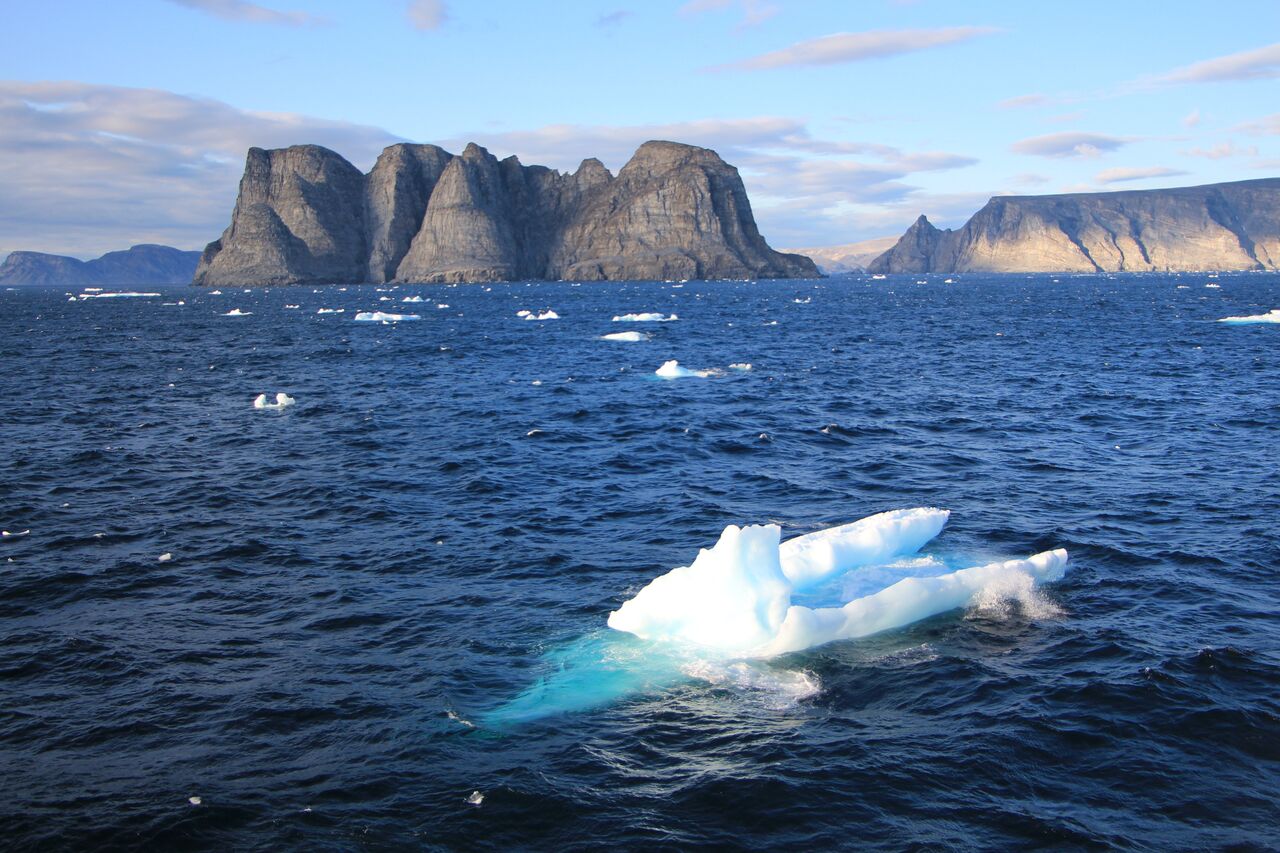
These pictures show the area we navigated this day – beautiful scenery

The plan was to go ashore at Low Point for a hike, however winds of 40 knots meant the zodiacs could not be launched.

One nice thing on the ship was the open bridge policy – It was a great place to view our progress along the strait.

IMG_4349DSC00287 - Version 2IMG_4352So more lectures; this morning we heard about the Polar Bear research done by Marty and his students. Basically they hunt the bears with a helicopter, shoot a dart in the neck tranquilize the bear and then tag it with 3 tags – each ear and a lip tattoo. More recently they have started putting GPS collars on the bears. The collars stay on for 2 years and then a release mechanism automatically removes the collar which the researchers retrieve. (If anyone is interested I have the slides from the presentation and could email them to you – just send me a note.)
The purpose of the study was to track the Hudson Bay population – both numbers and health. Basically the numbers are down from 943 in 2011 to 784 in 2016. At the same time the cubs are 30% lighter and both males and females are smaller. The theory is this is due to the decreased sea ice, both quantity and time the ice is there. Also Orcas are moving into the area and competing for the bears normal food supply of seals.
The second talk was about climate change. A better explanation than I have ever heard of why the Arctic is cold (it was warm before the breakup of the continents) and why that is changing. Man’s activity is speeding up the process, but the warming was underway. 2 million years ago the Arctic and Antarctic were covered with permanent ice. There was a period of rapid warming between 18,000 & 6,000 years ago and with the change in the shape of the orbit around the sun and the earth’s “wobble” on its axis the science predicts an ice age about every 100,000 years. There was a mini ice age 1450 – 1850 and we are currently in an inter-glacial period. During the last warm period (900 – 1380) the tree line was at the Arctic coast and that was when the Vikings crossed the Ocean to arrive in Iceland, Greenland and America. Between 1800 – 2000 warming has occurred at about one degree per decade. Faster than ever before. They predict complete loss of sea ice by 2035 – 2050. (Again I have a copy of the presentation I could email to anyone interested)
In the afternoon we watched a movie – “People of the Feather”, a documentary about the impact of the electricity generation in Northern Quebec on the Eider ducks, the people who live off hunting in the Hudson Bay Area and the environmental impact.
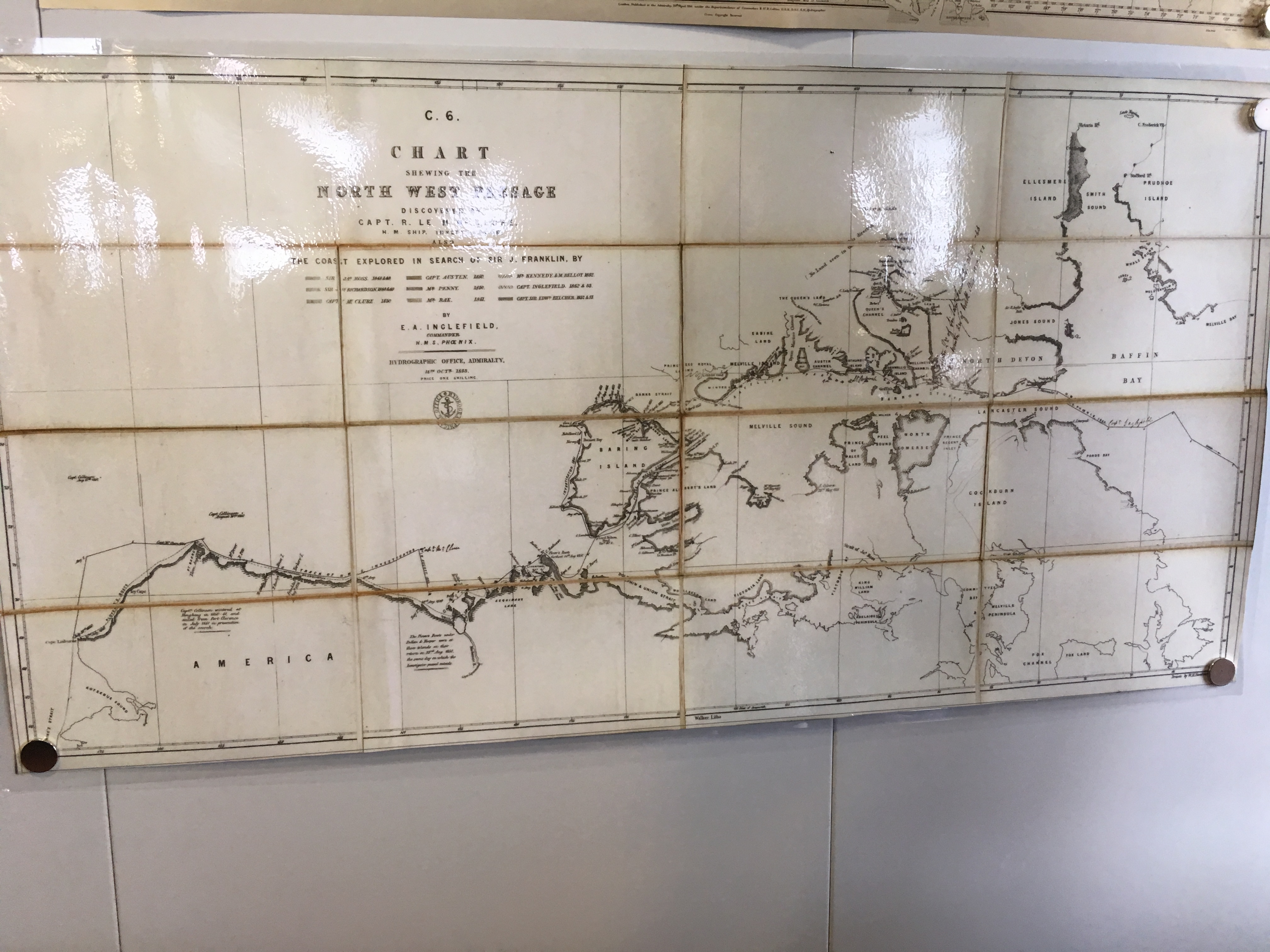
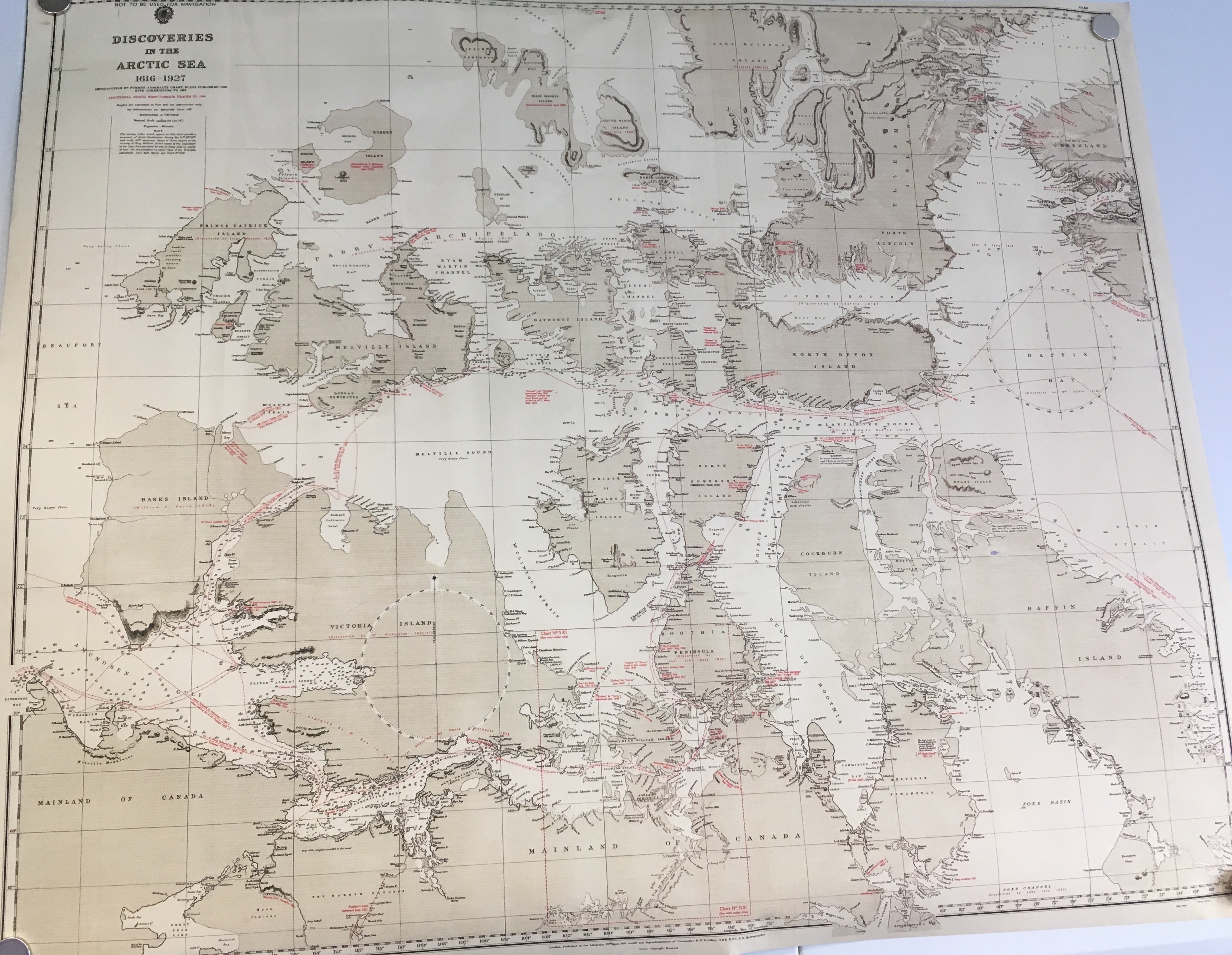
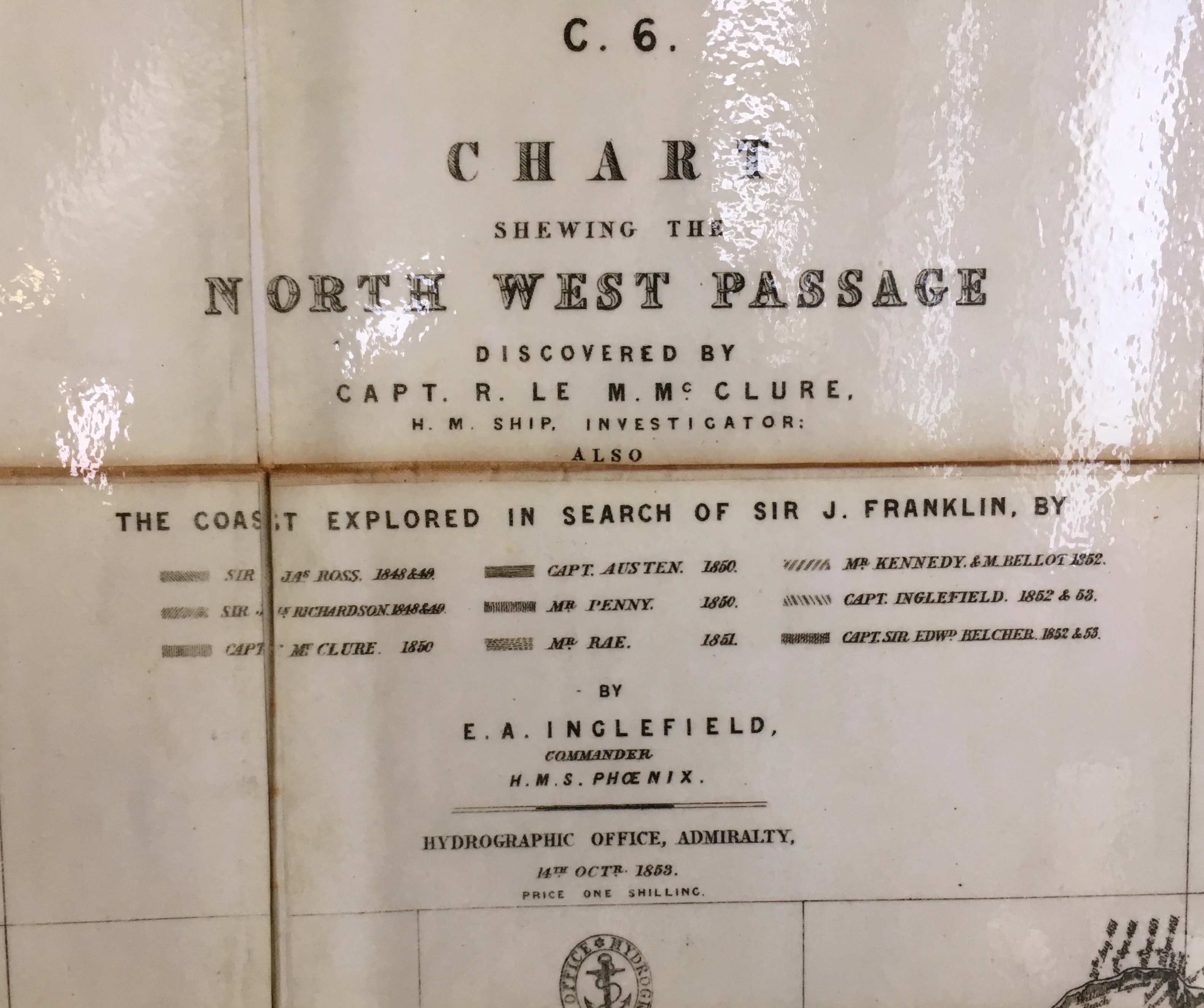
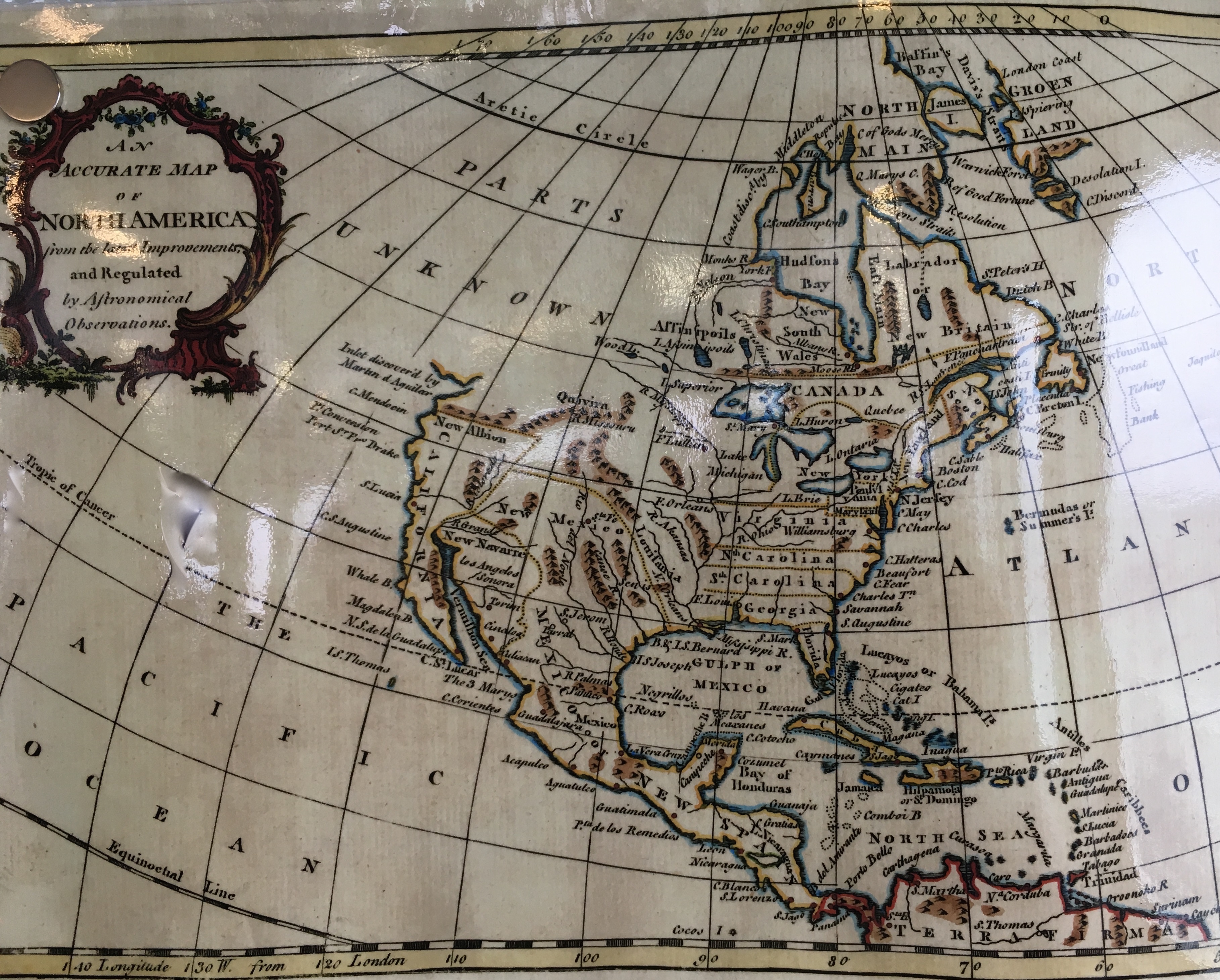
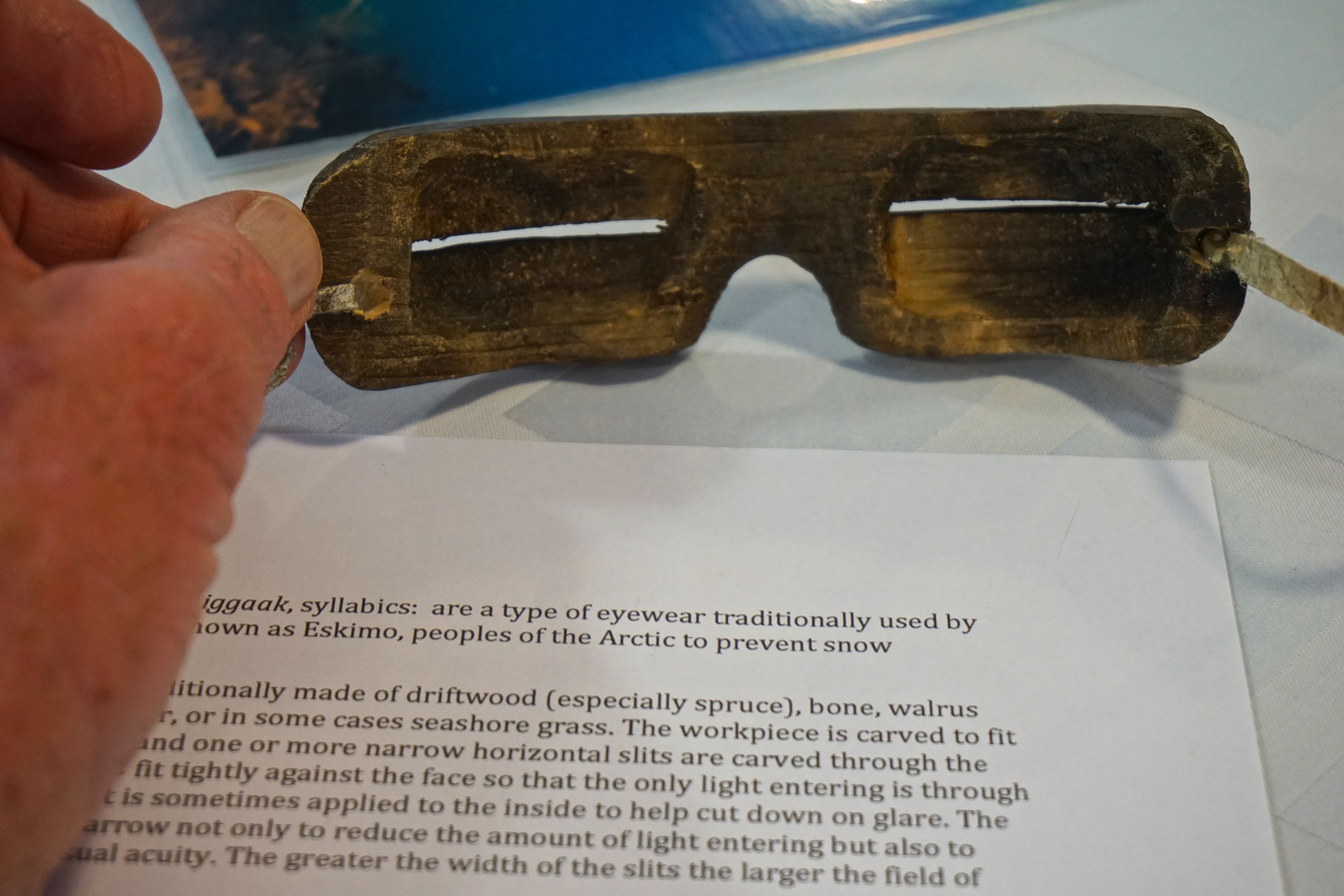
We then had a wine and cheese party while looking at some objects from the Vancouver Marine Museum. Ken is currently Director of the museum. Some replicas of old maps (originals at the museum) and some objects from the recent ( and on-going) Erebus recovery project.IMG_4360IMG_4362IMG_4364IMG_4365

IMG_4367

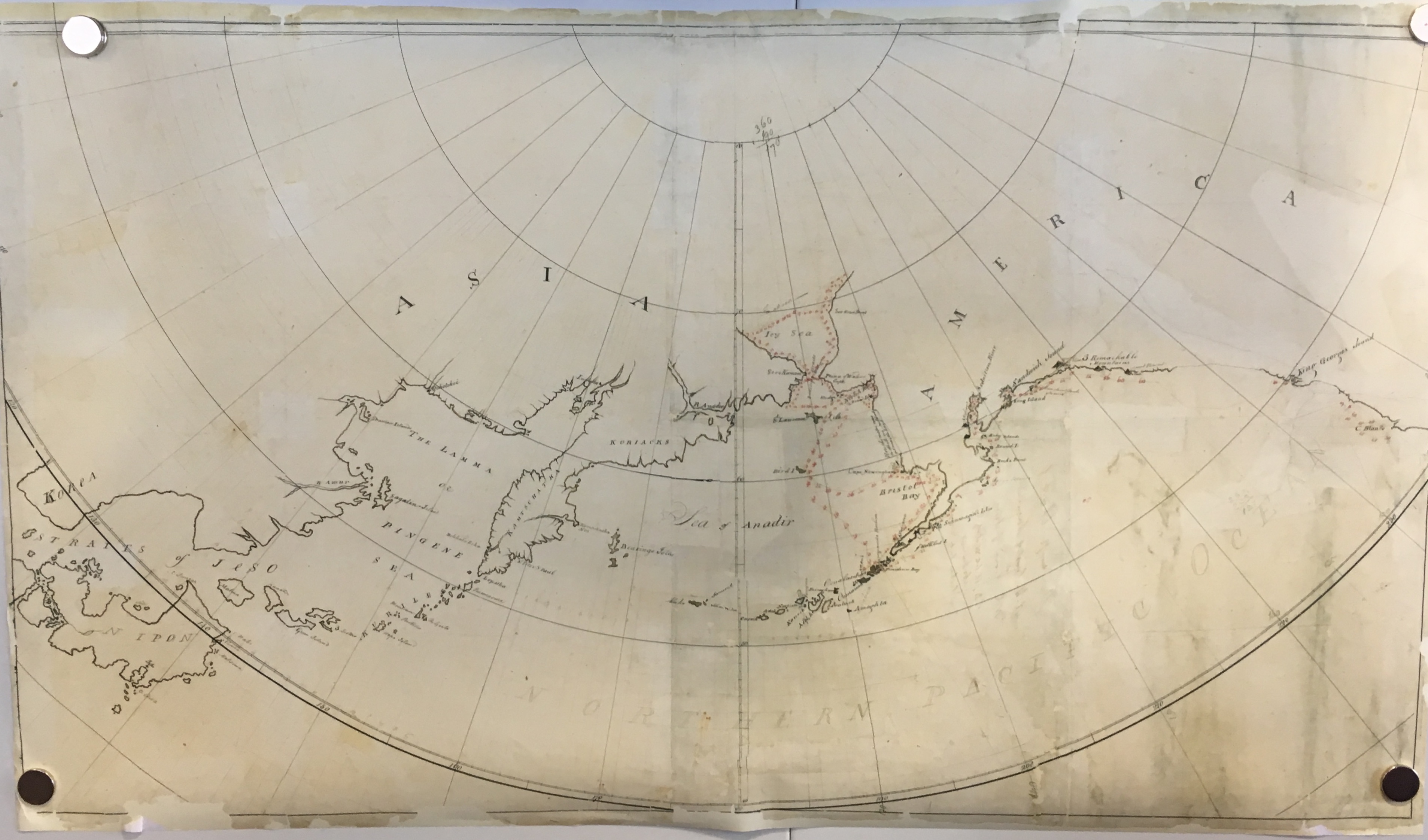
Some copies of the maps used by the early explorers. Note the last one has a caption that states it is “an accurate map of North America” – Where was western Canada?

DSC00299 - Version 2

Early Snow Goggles – used to prevent snow blindness


Posted in Uncategorized | 1 Comment

Arctic August 27 Hay Point, Bylot Island

Each evening there is a fireside chat at 9:00 pm. Last night was James, a 22 year old Inuit, who described his life in Nunavut. He grew up in the western area on the shore of the Arctic Ocean. He showed pictures of his home, his family, his hunting and his ancestors. He had pictures of the various animals he had hunted and described how the meat is distributed amongst all the community – they don’t hunt for themselves but for the community and use all of the animal. His only language is English although he can speak one of the Inuit dialects. His grandparent had been sent to residential schools so all they spoke was English and that was the main language in the community. When asked his opinion of the schools he said he thought they did some good as it introduced the community to schooling and other ways of life. He thought he would not have had the opportunities he did without them. I had the impression he was trying to answer what he thought we wanted to hear; however, Ken (RCMP) had said earlier the Inuit are incapable of misleading and always speak the truth.
James had worked in a diamond mine for a while, then returned to college and now is studying on Baffin Island.
This morning we had a couple of lectures – one on how mammals adapt to their environment, the other on glaciers. As before excellent speakers and a lot of very interesting information.

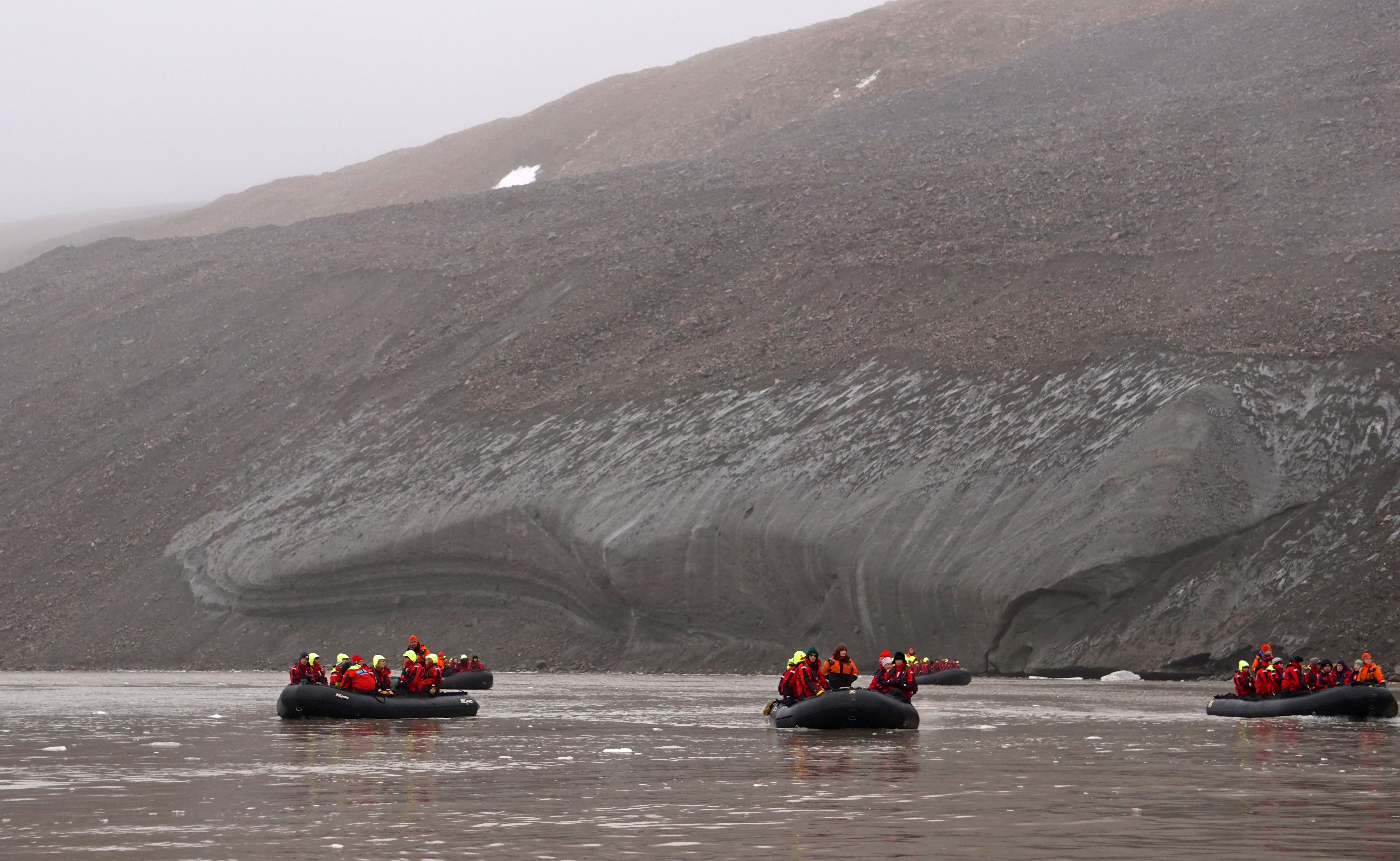
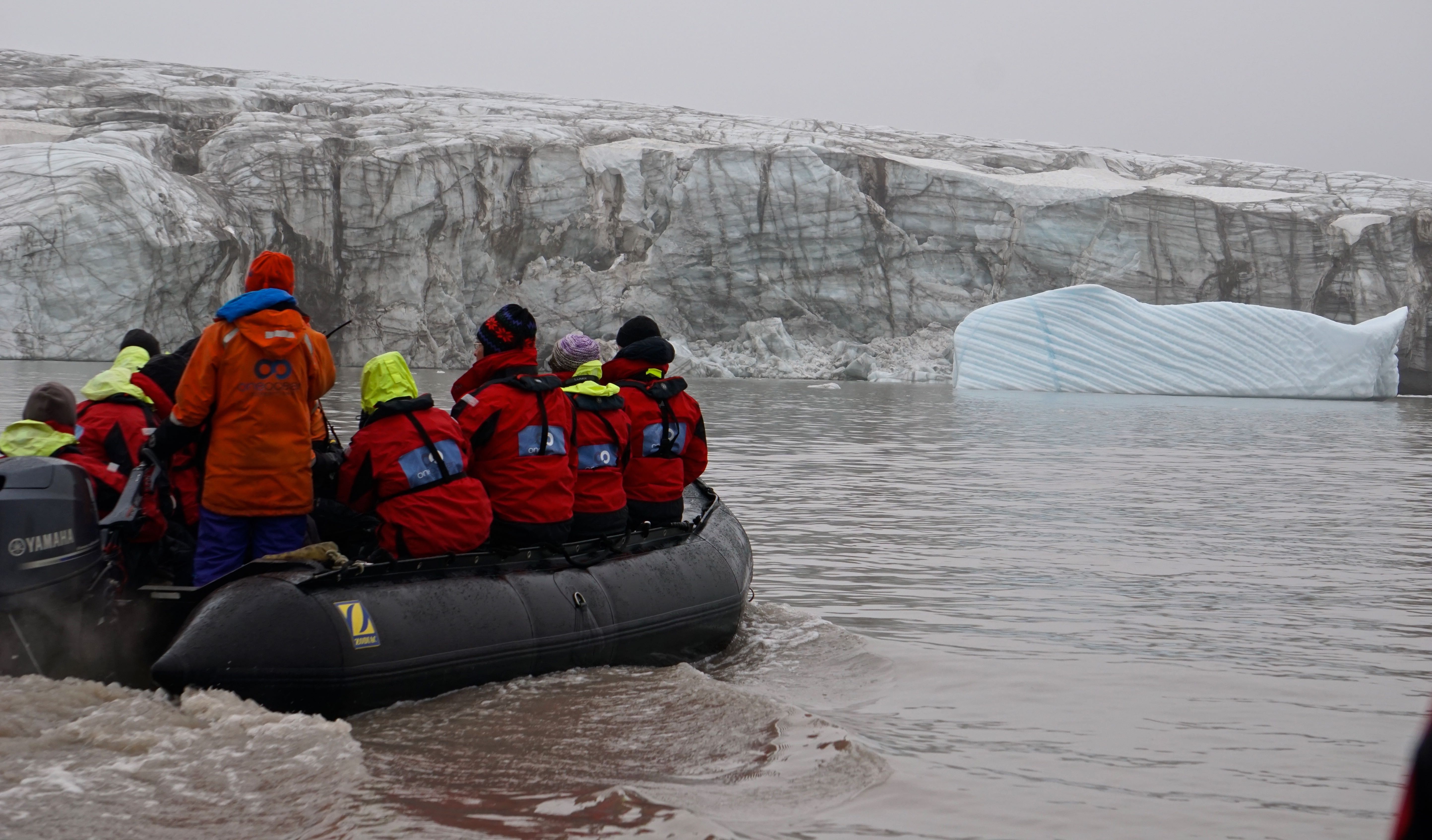
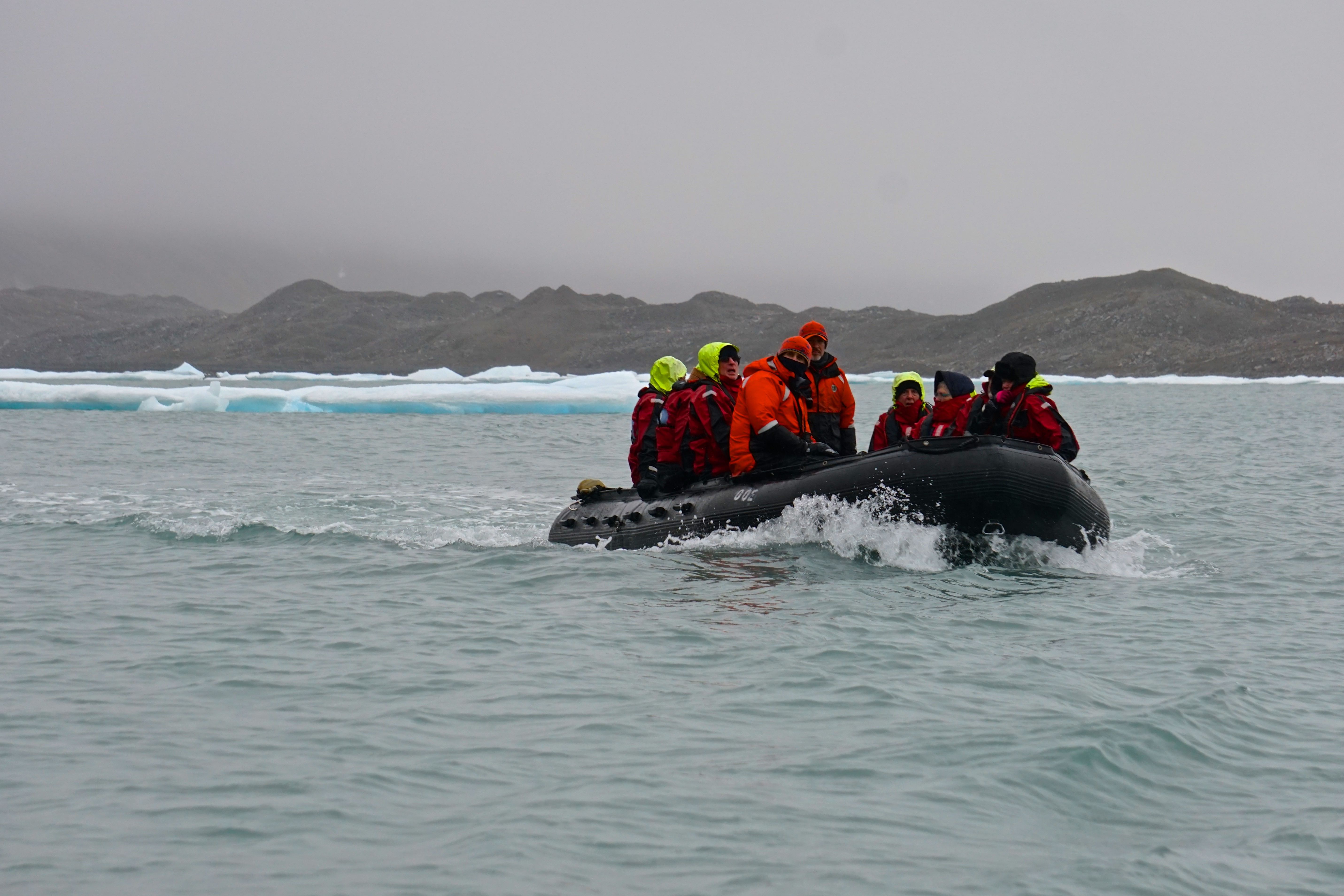
In the afternoon we set out on a zodiac trip to explore a local glacier at Hay Point on Bylot Island.

DSC00188 - Version 2

The zodiacs heading to Bylot Island

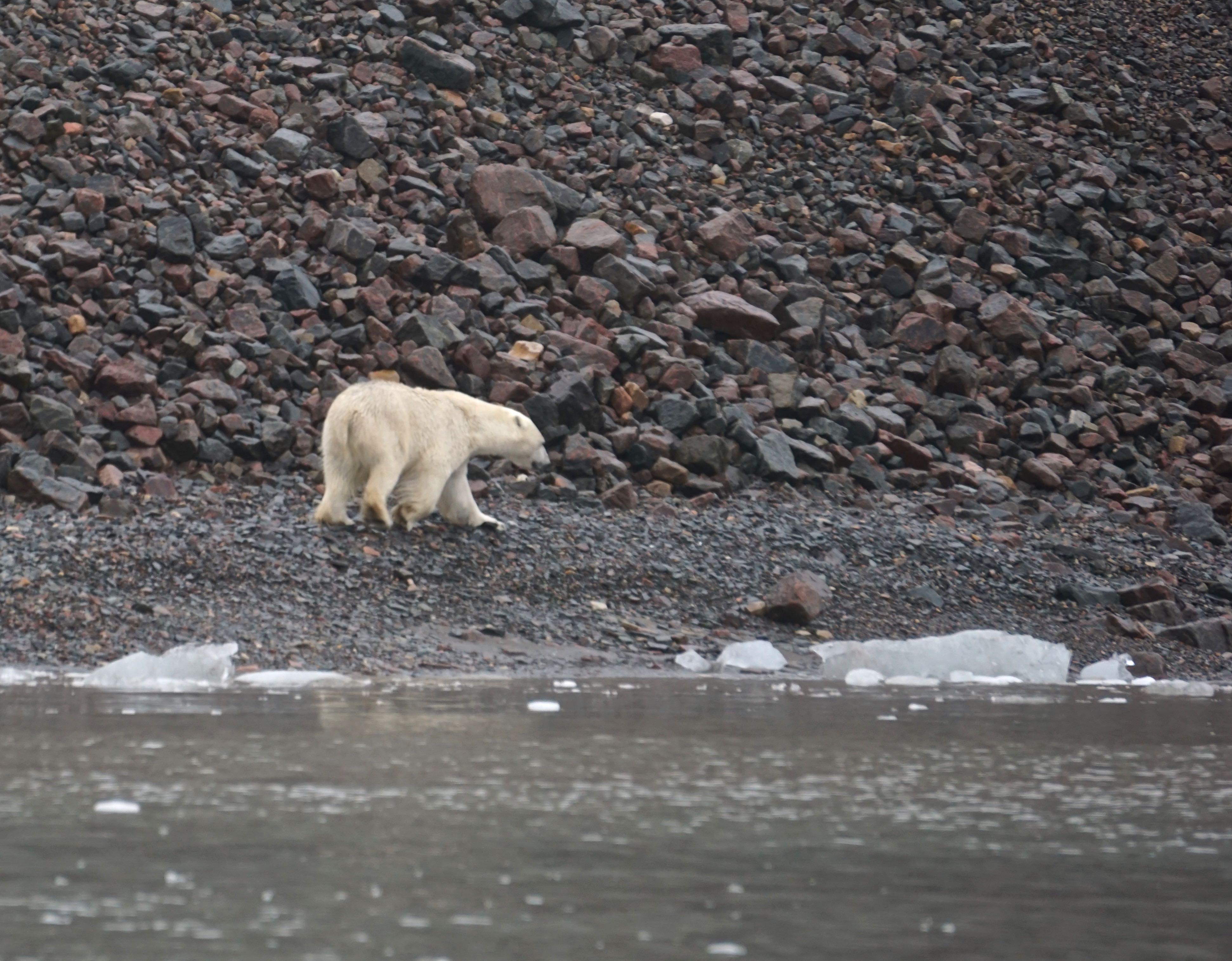
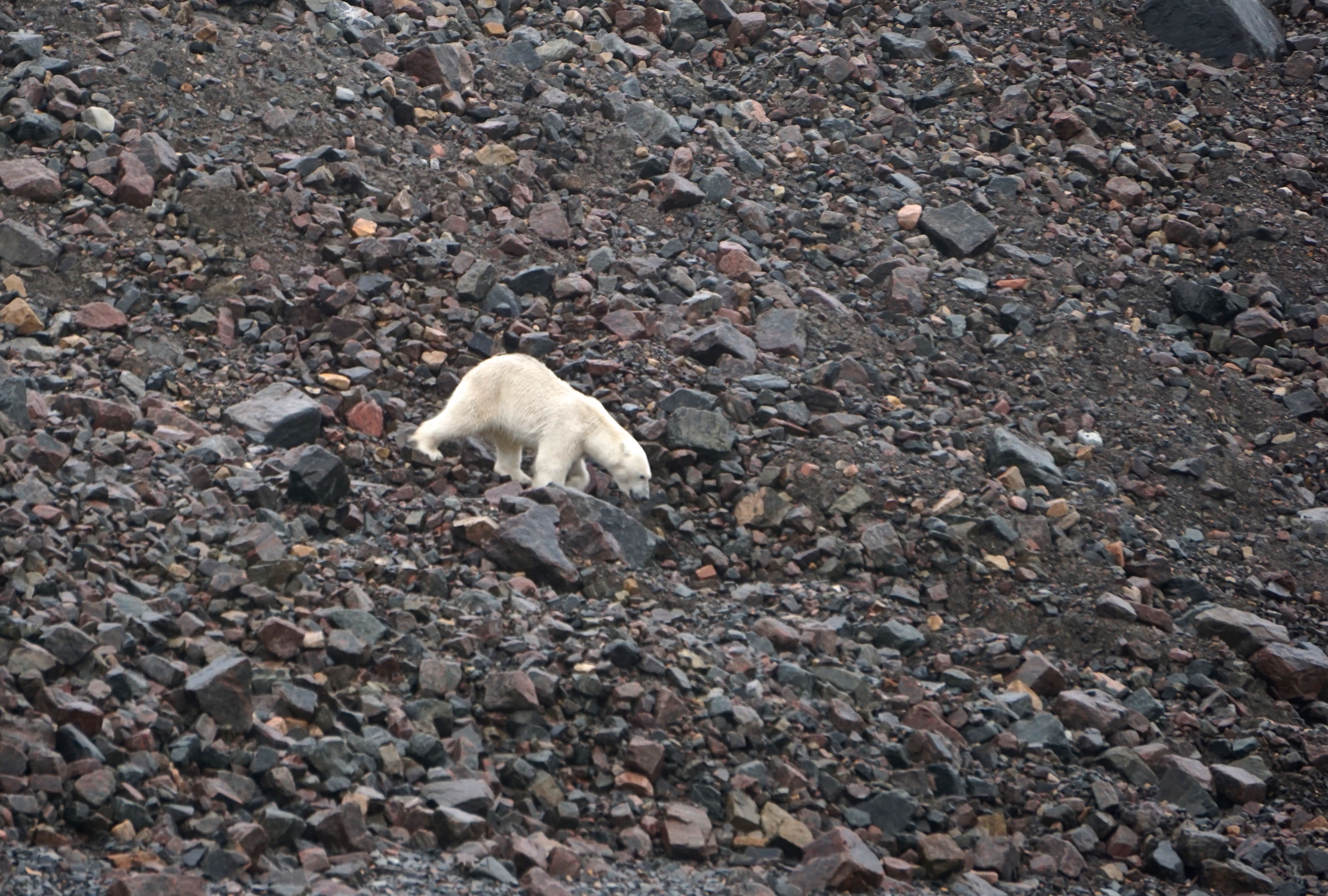
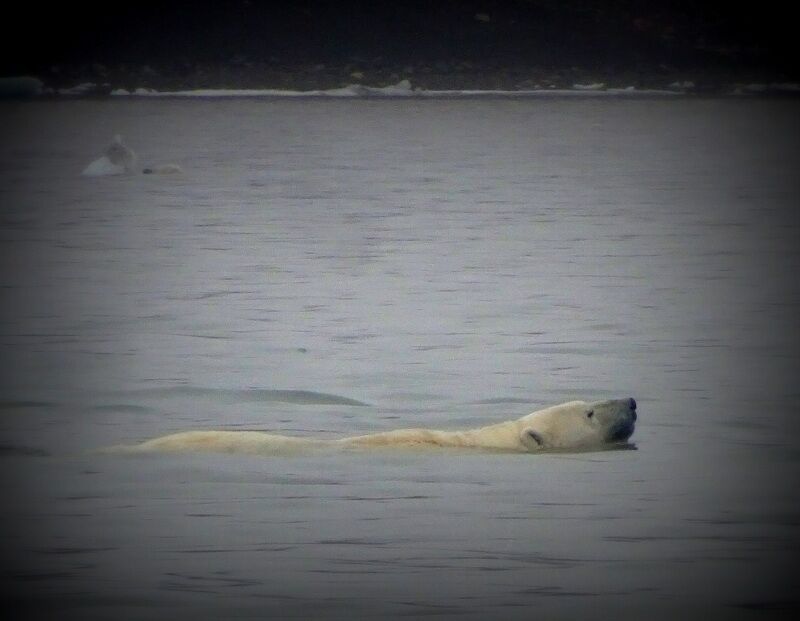
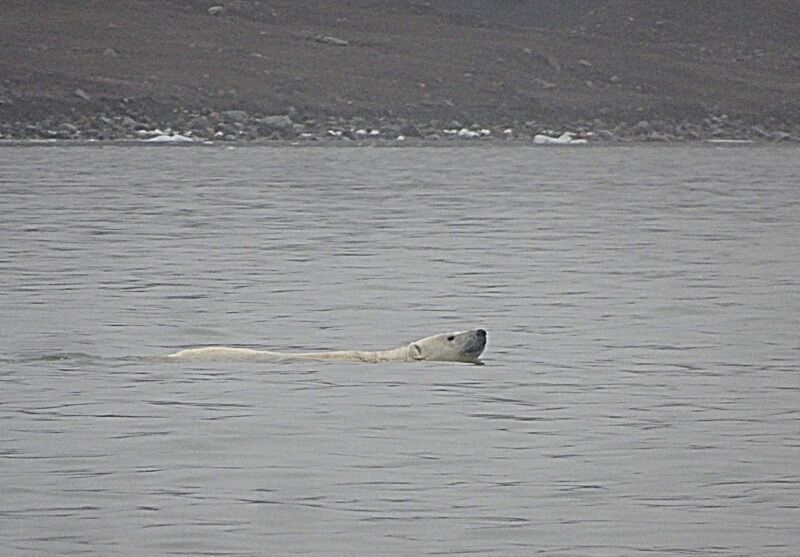
On the way we spotted a polar bear on shore. The experts advised it was a young male, not in great health. Apparently the first group saw 3 bears. When the bears met up one, the largest, went into the water and the other 2 headed off in opposite directions. Except for females with cubs the polar bears lead a solitary existence and avoid each other.

DSC00206 - Version 2DSC00199 - Version 2DSC00197 - Version 2


DSC00192DSC00190

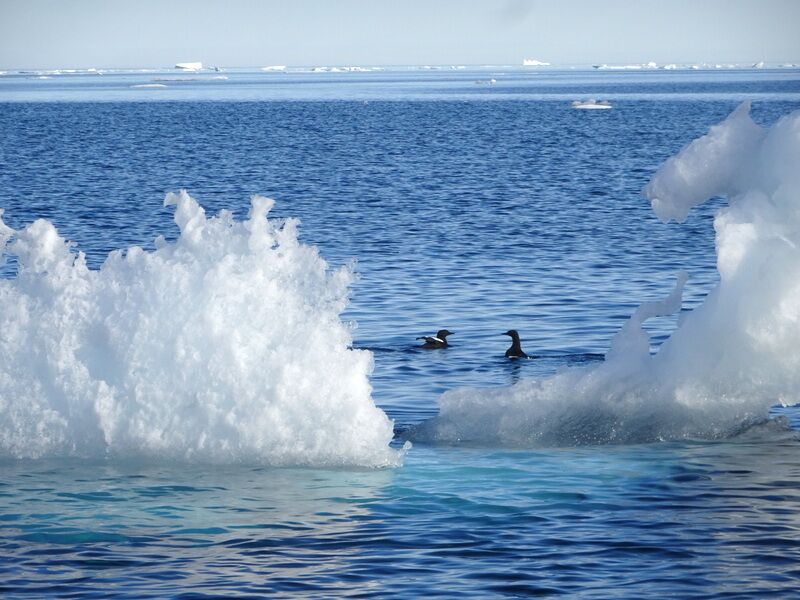
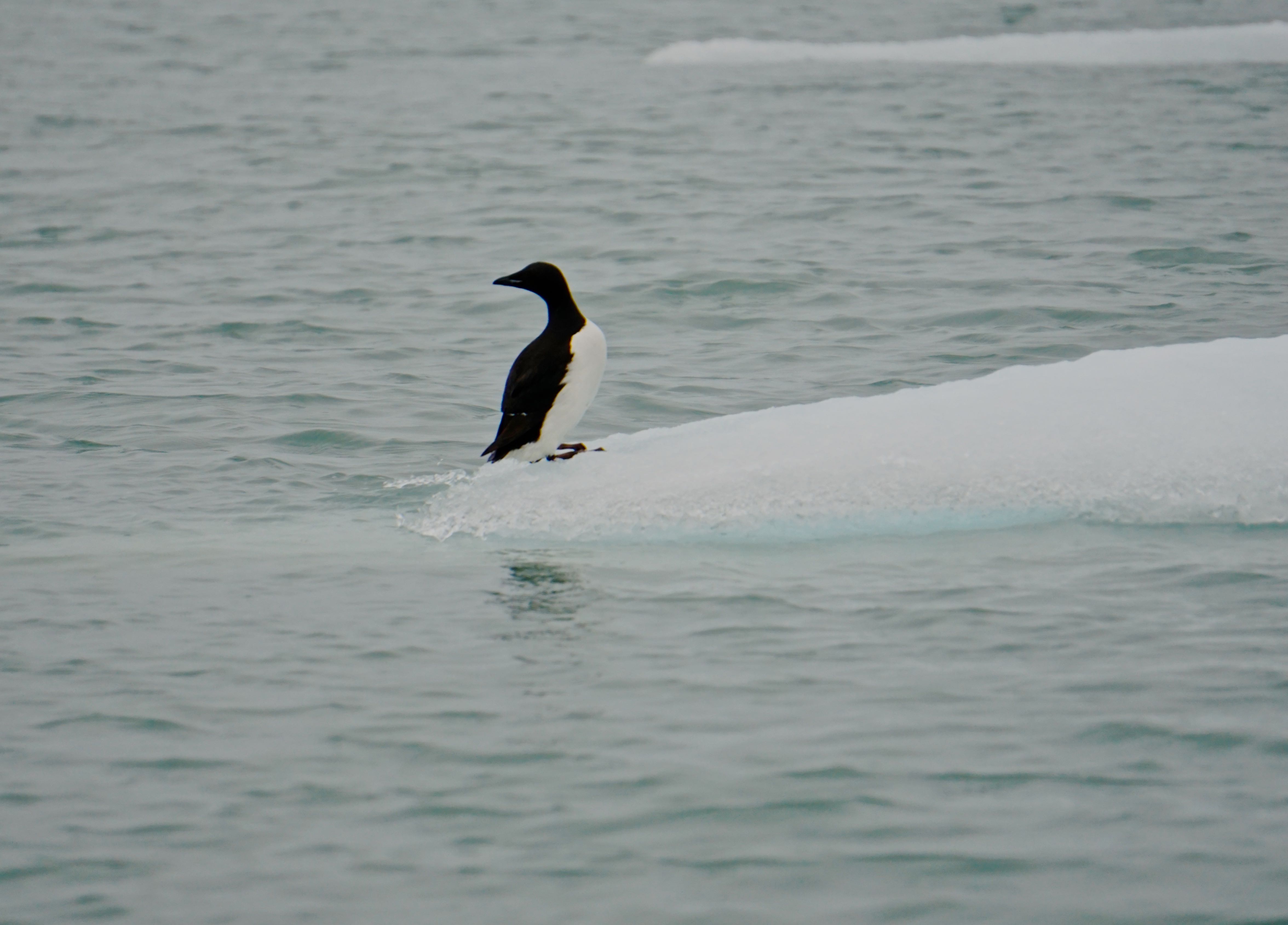
We also saw a number of birds, a couple of seals, ring seals and a larger seal. When we were at the face of the glacier it started to rain and sleet, such joy!

DSC00239 - Version 2

DSC00214 - Version 2

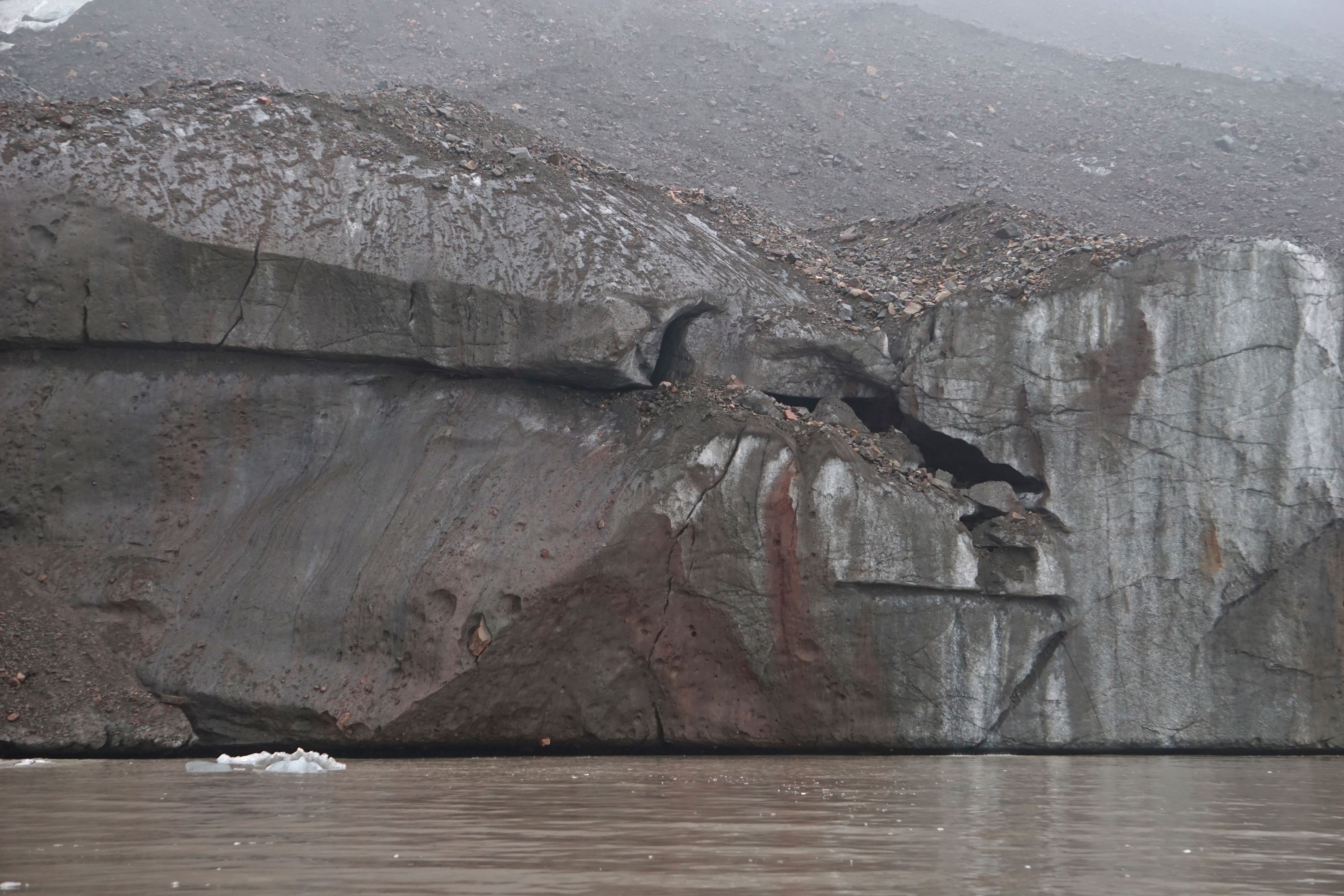
The face of the glacier – all the rubble it picks up as it moves across the land

DSC00220 - Version 2

DSC00224 - Version 2

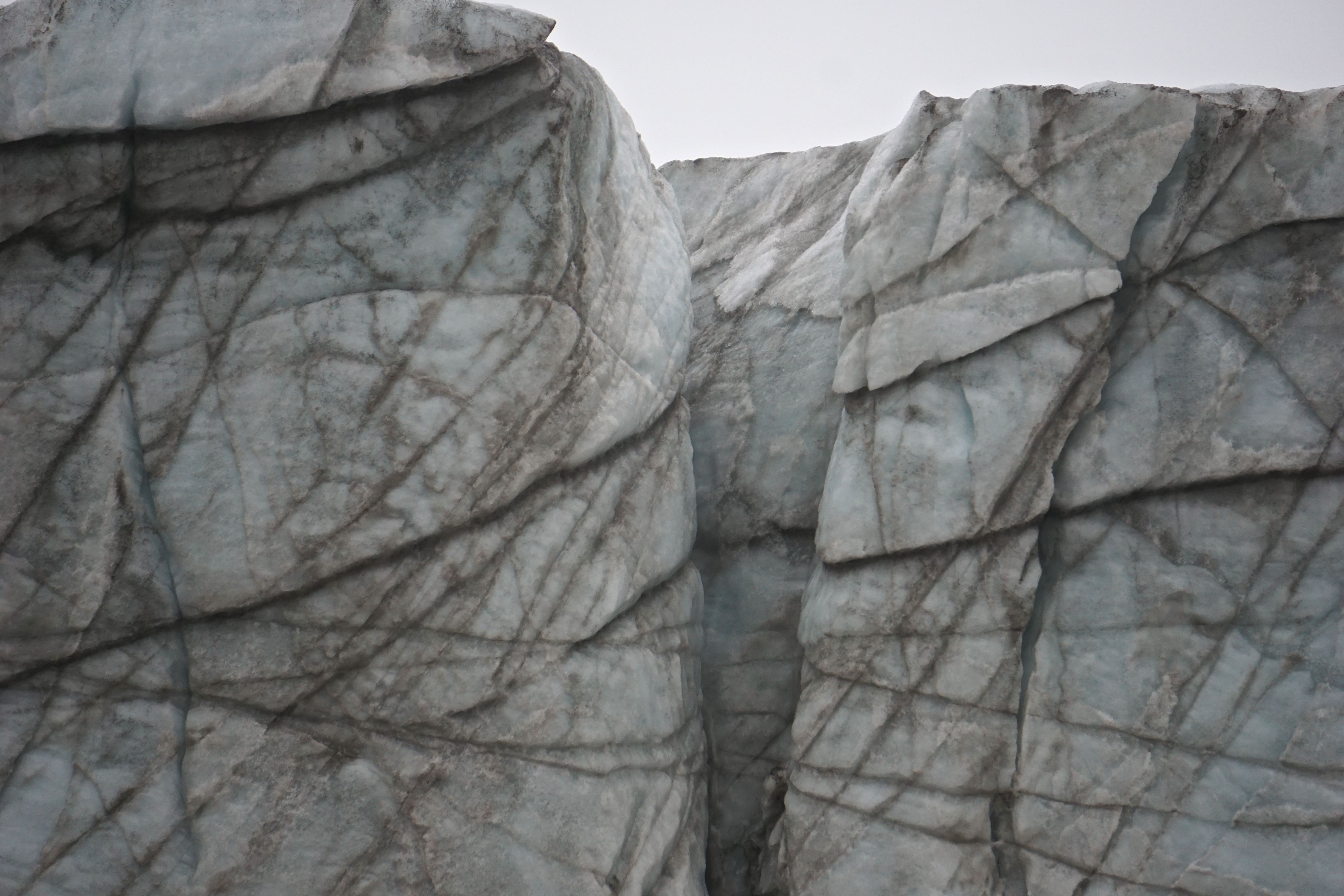
The glacier close up, almost looks like a slab of marble

DSC00230 - Version 2

The whiter object is an iceberg from Greenland, the glacier is behind it

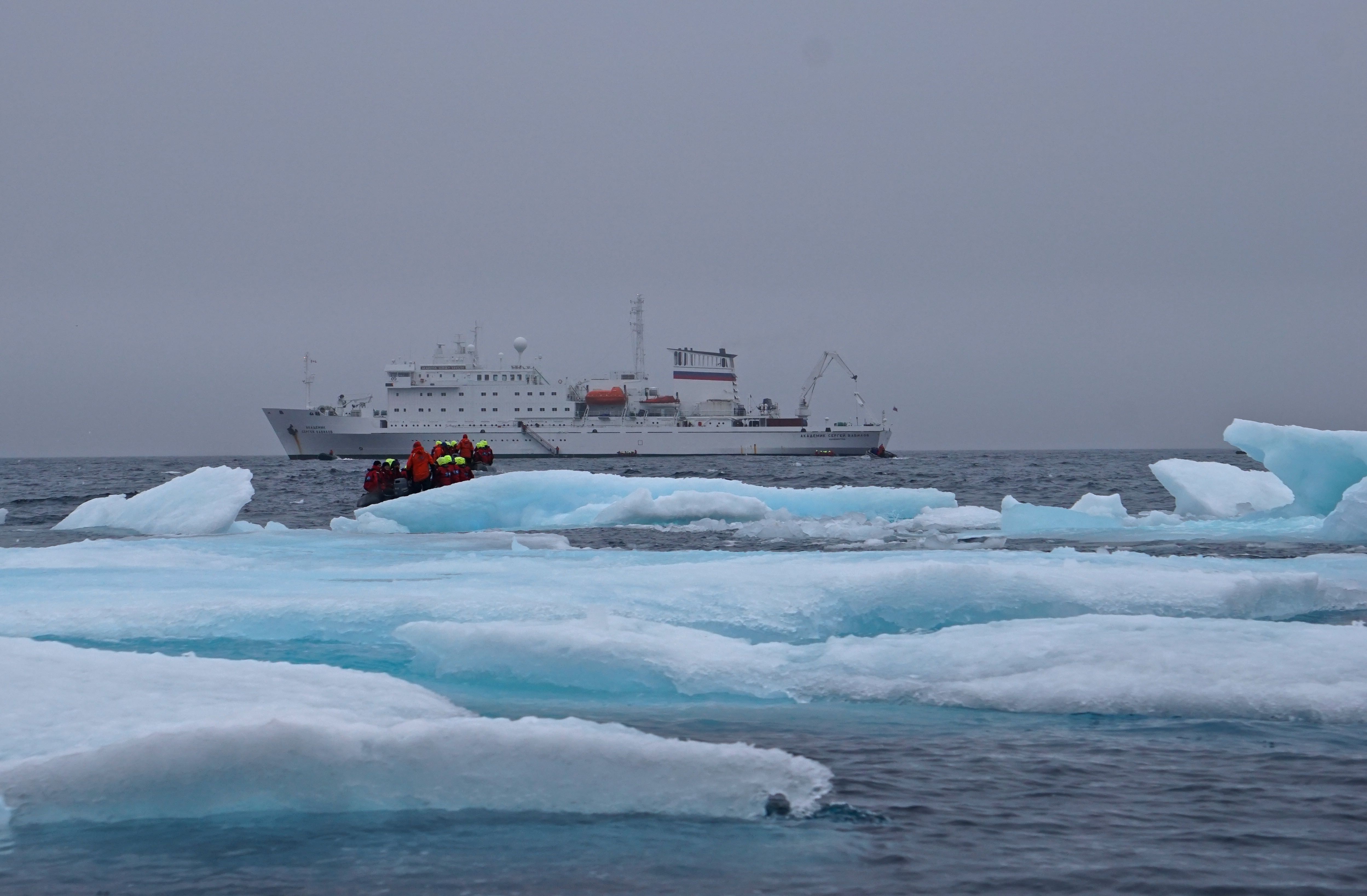
Then as we approached the ship we realized the sea ice that was on the other side of the bay earlier had been blown over and was now between us and the ship. As each for a path through ensued. The last zodiac squeezed through as the ice was closing up.

DSC00243 - Version 2

At about this point the sleet started

DSC00254 - Version 2

The ice between us and our ship

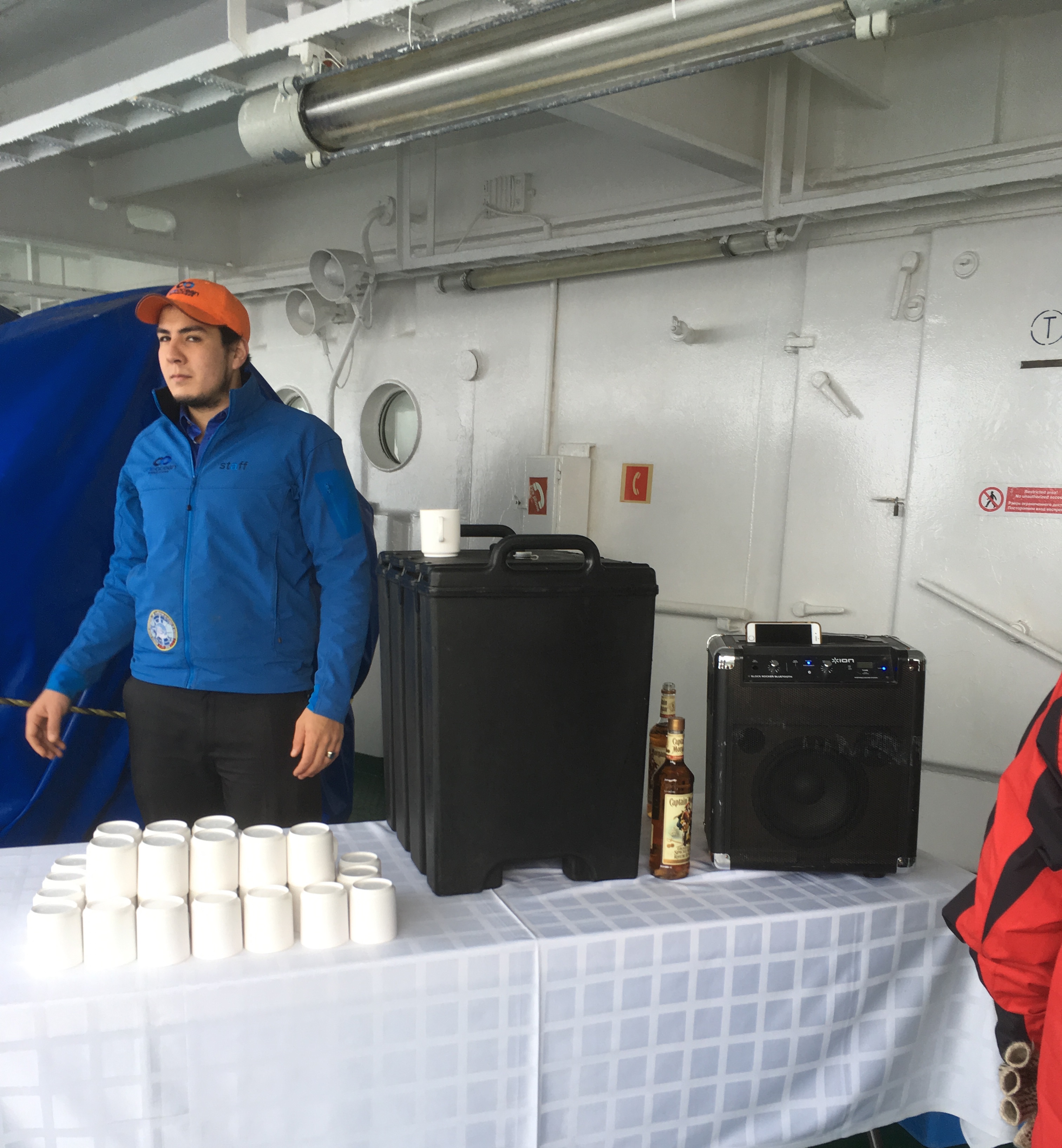
A cup of coffee laced with Baileys was a welcome sight as we reboarded the ship. Our special cold weather gear had been very welcome during the excursion and so was the hot shower after.


IMG_4283

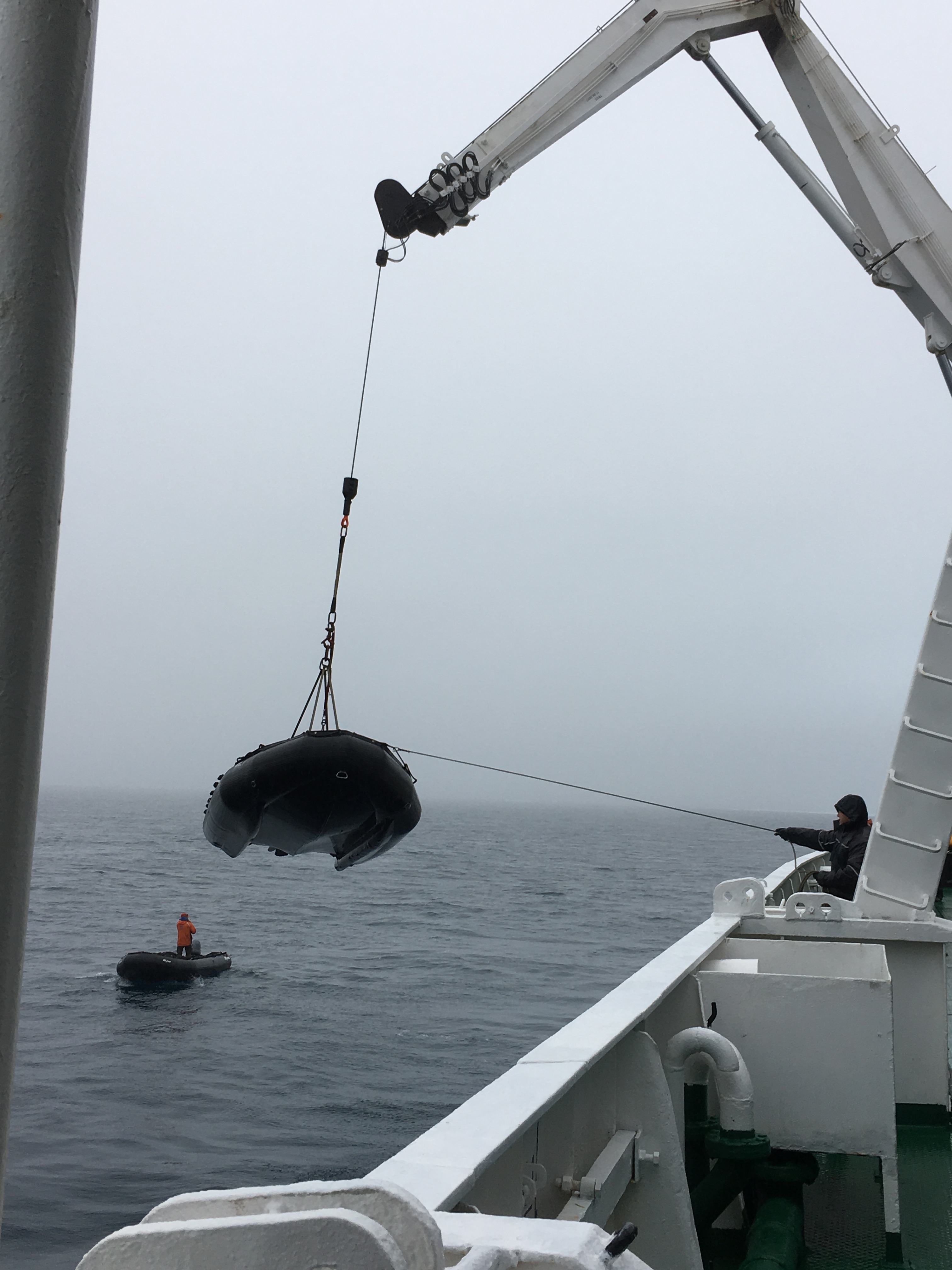
To get the zodiacs on and off the ship the zodiac driver is in the zodiac and has a life line. The zodiac has a set of belts on the floor with a ring. The crane has a hook that the ring is fastened to and the zodiac is lifted on and off the ship with the driver on board.

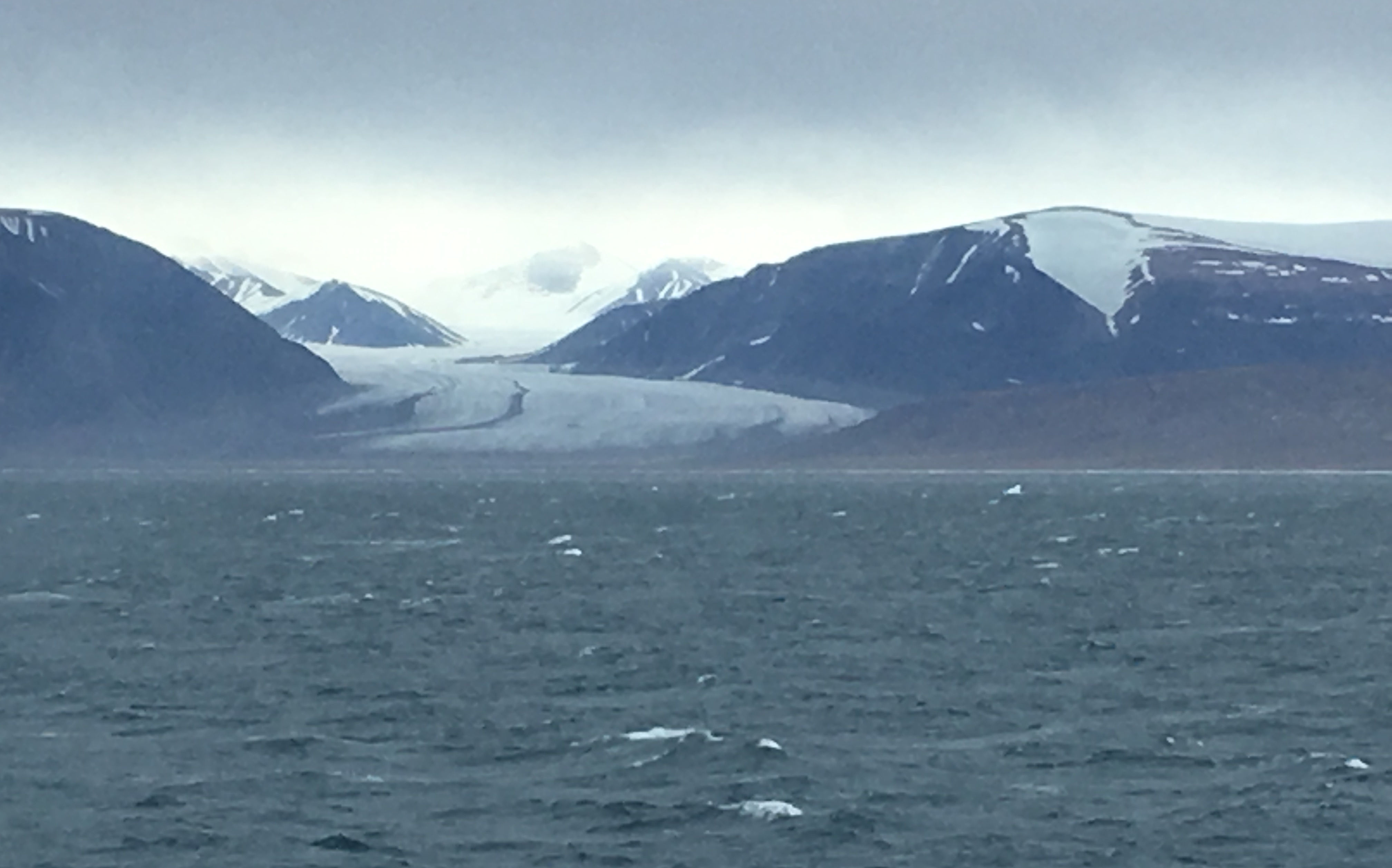
The glacier was receding and showed evidence of being 2 glaciers that had flowed together. The face was ambled with debris and looked like a pice of Italian marble. A small Berger Bit that had broken off a Greenland Iceberg stood out in front of the glacier, it’s white and blue colouring making it stand out against the grey, mottled face of the glacier.
The fireside chat tonight was the Siberian Circus – a story of Mark’s experience in Siberia which really did involve a circus. He said there were lots of bendy women involved!

Posted in Uncategorized | 3 Comments