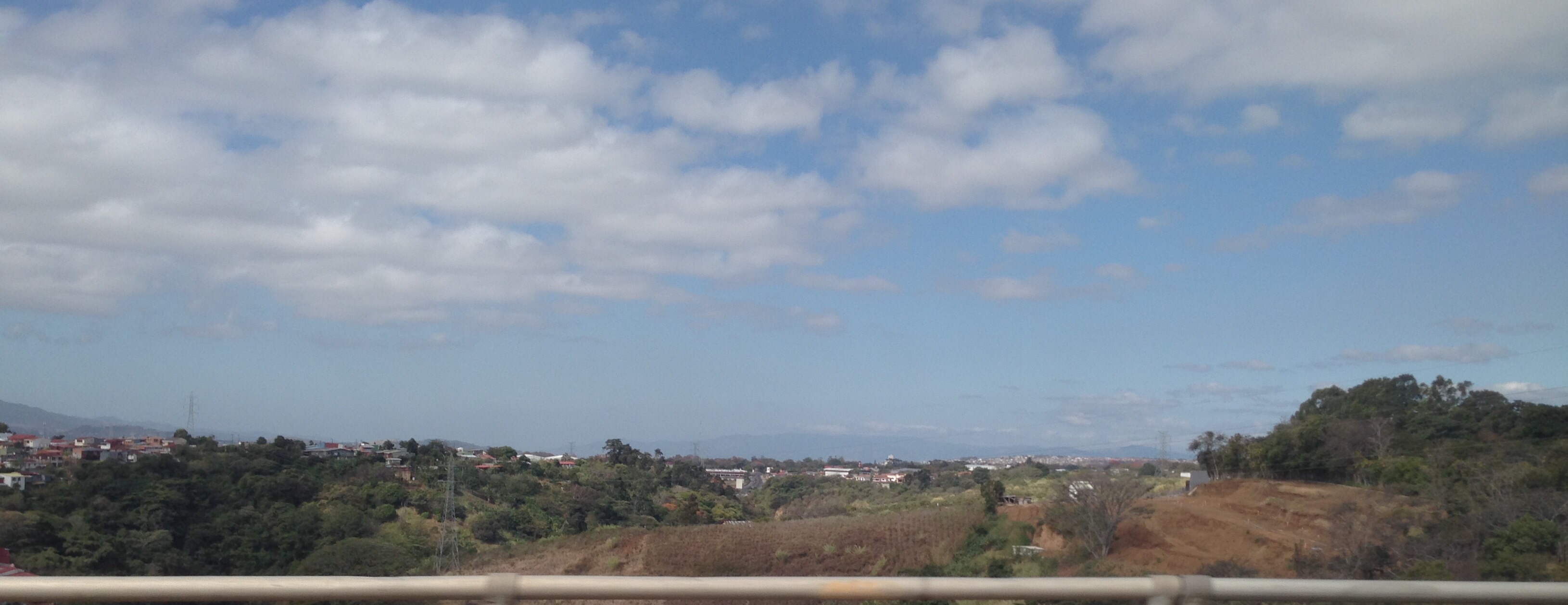
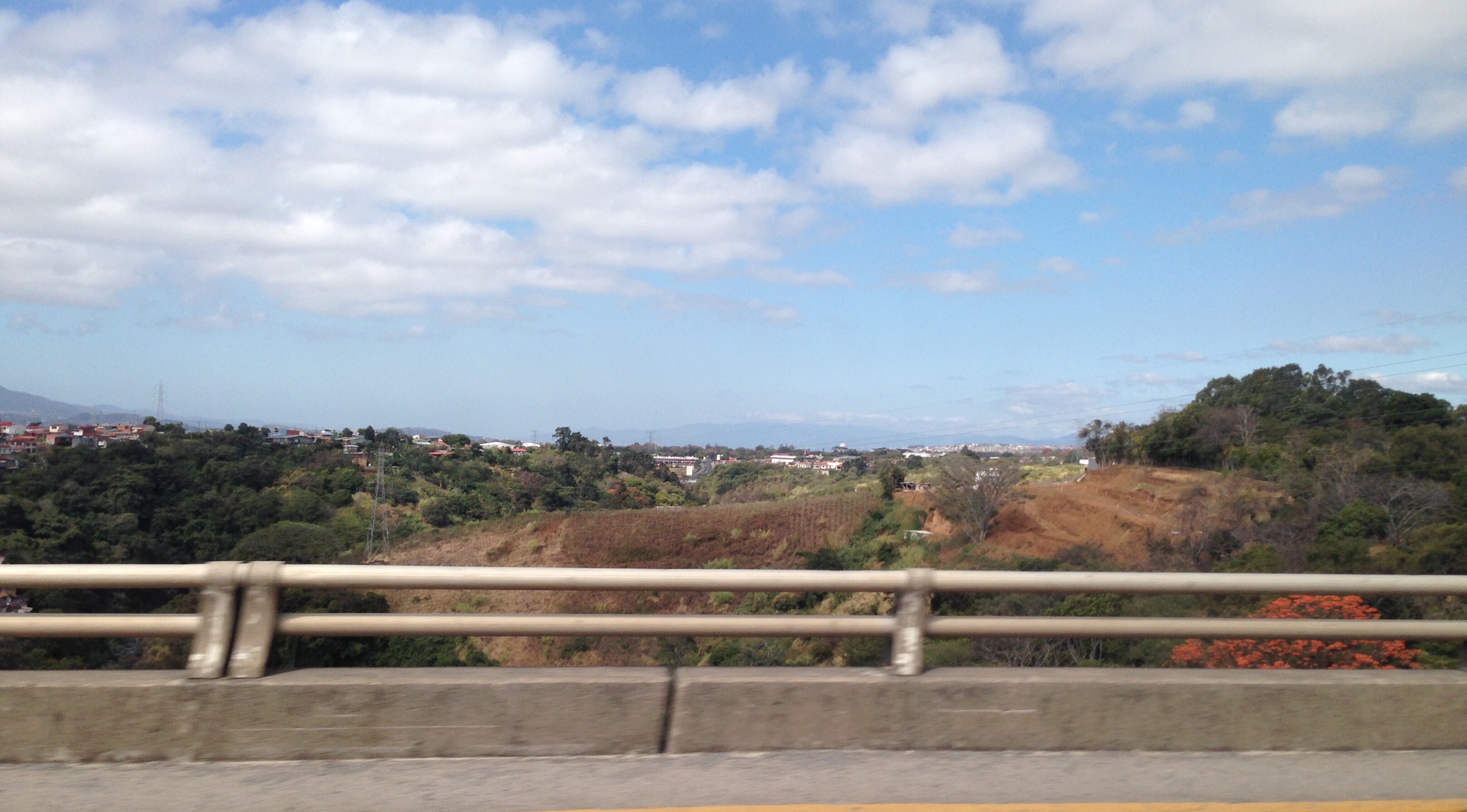
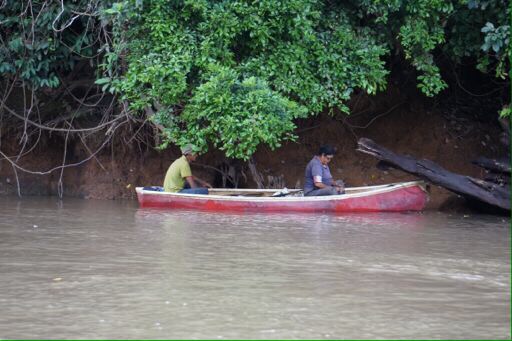
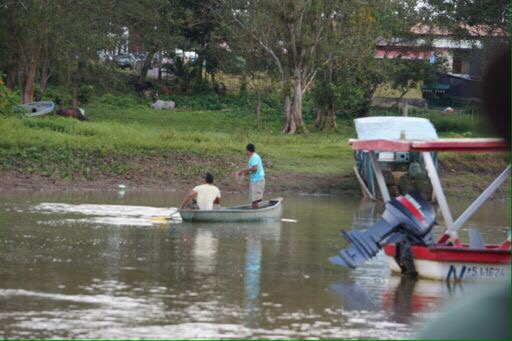
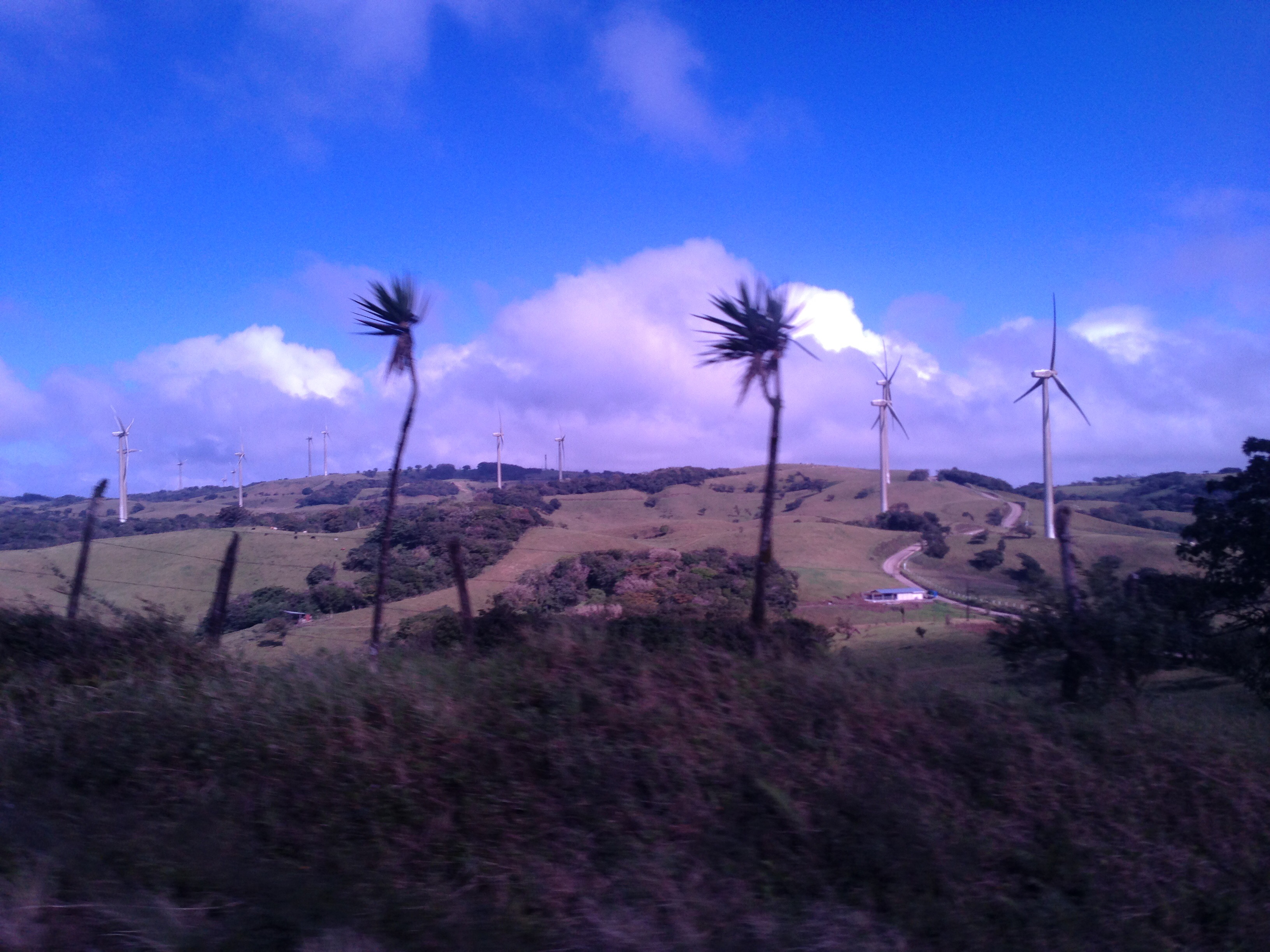
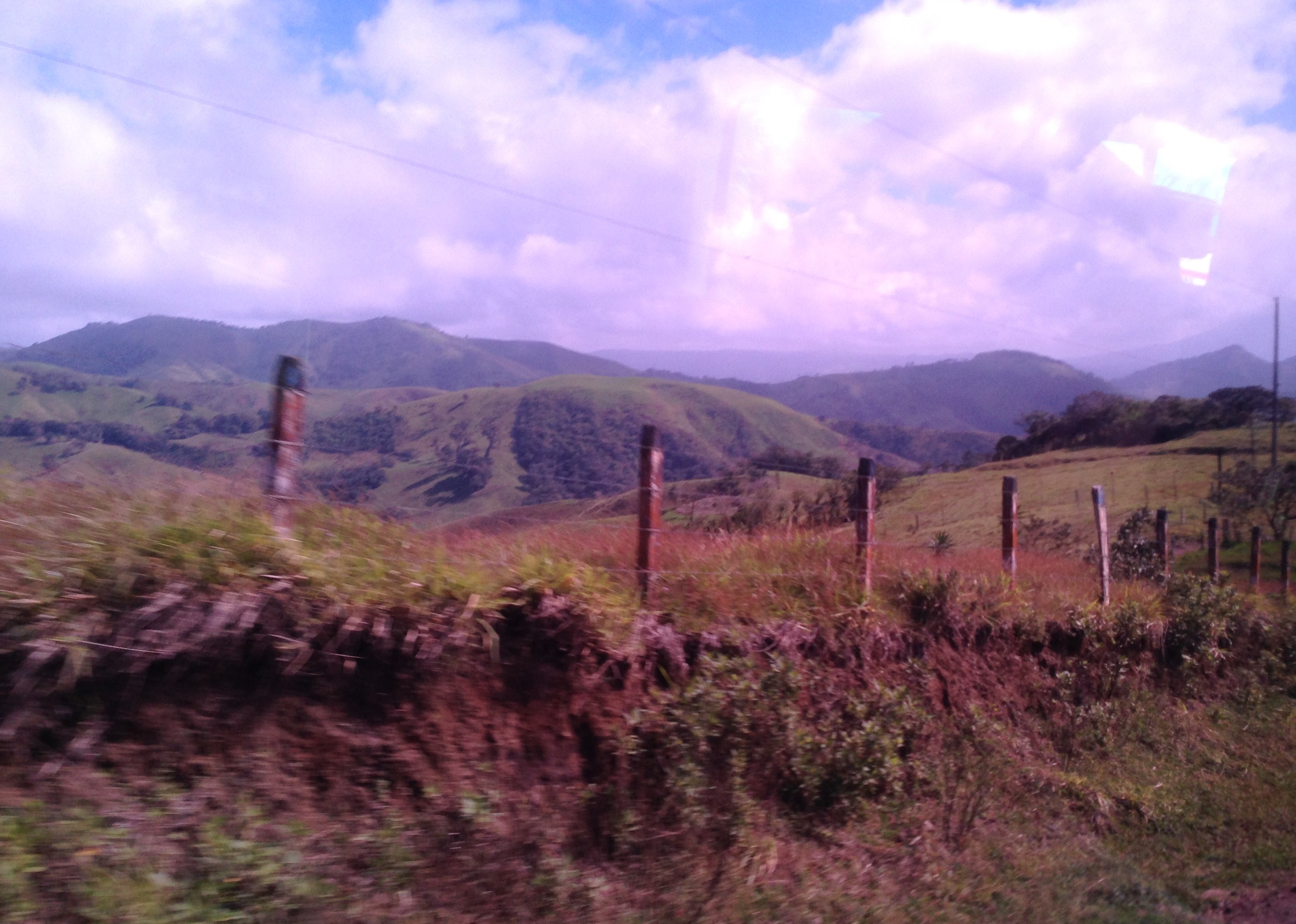
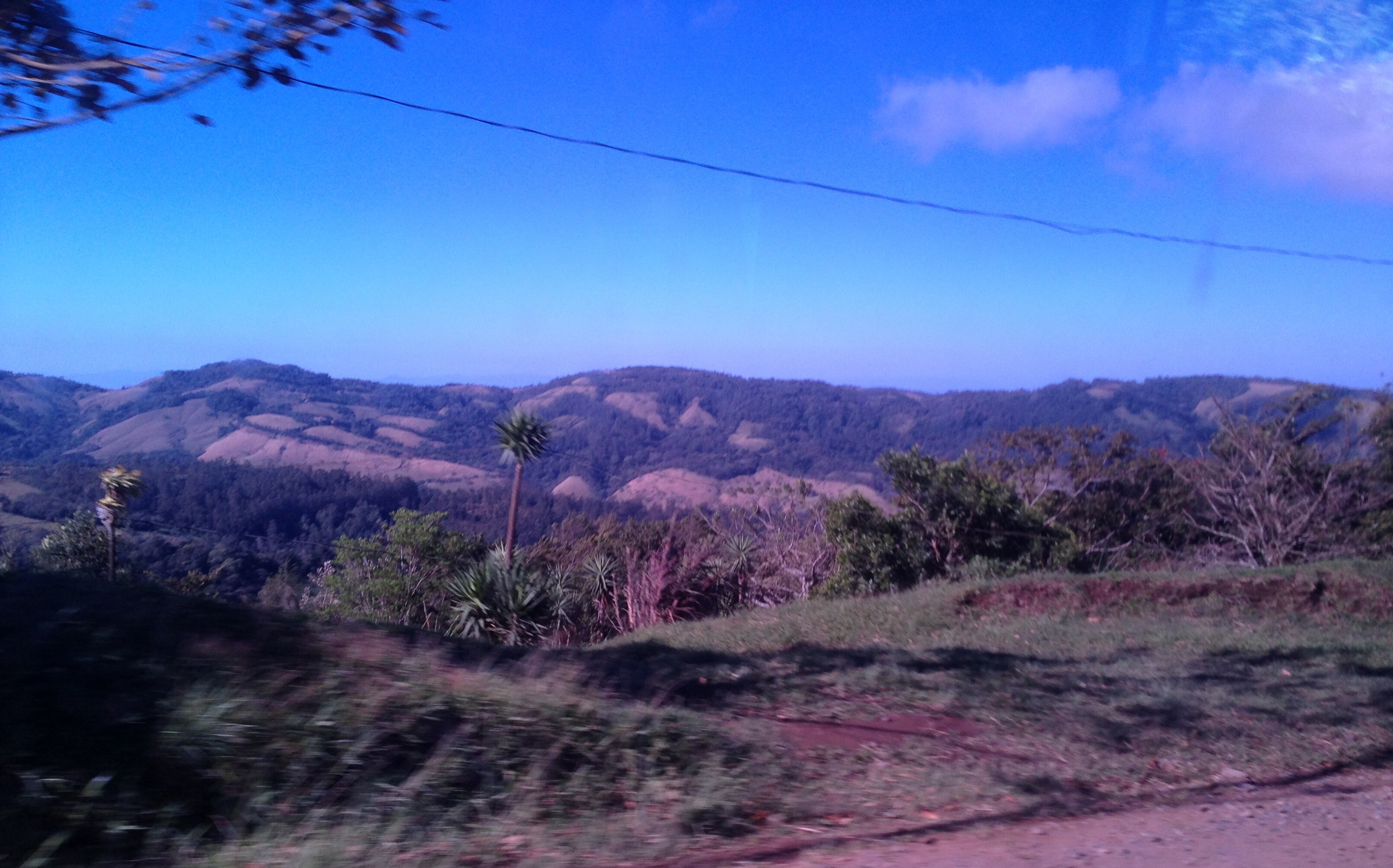
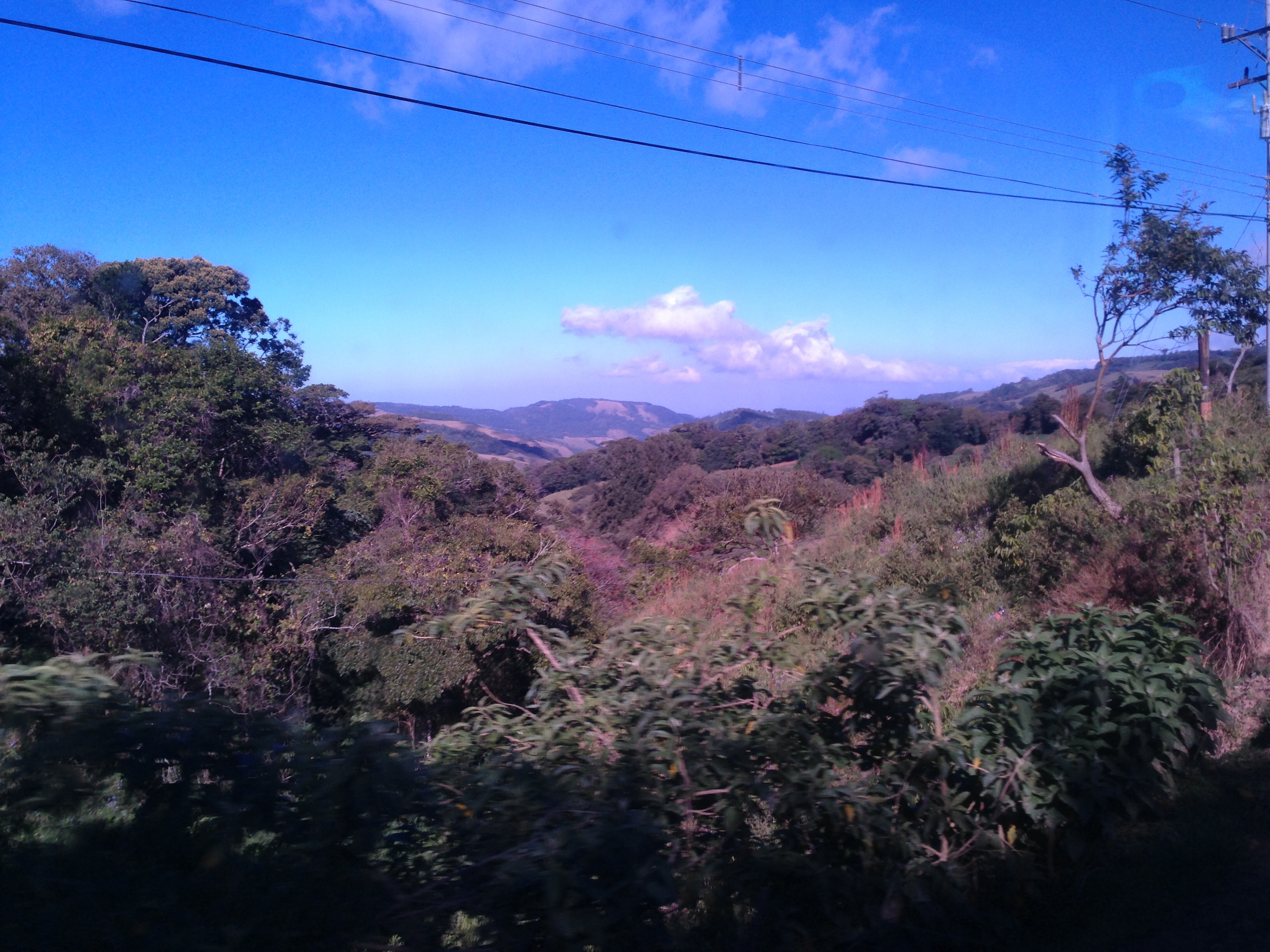
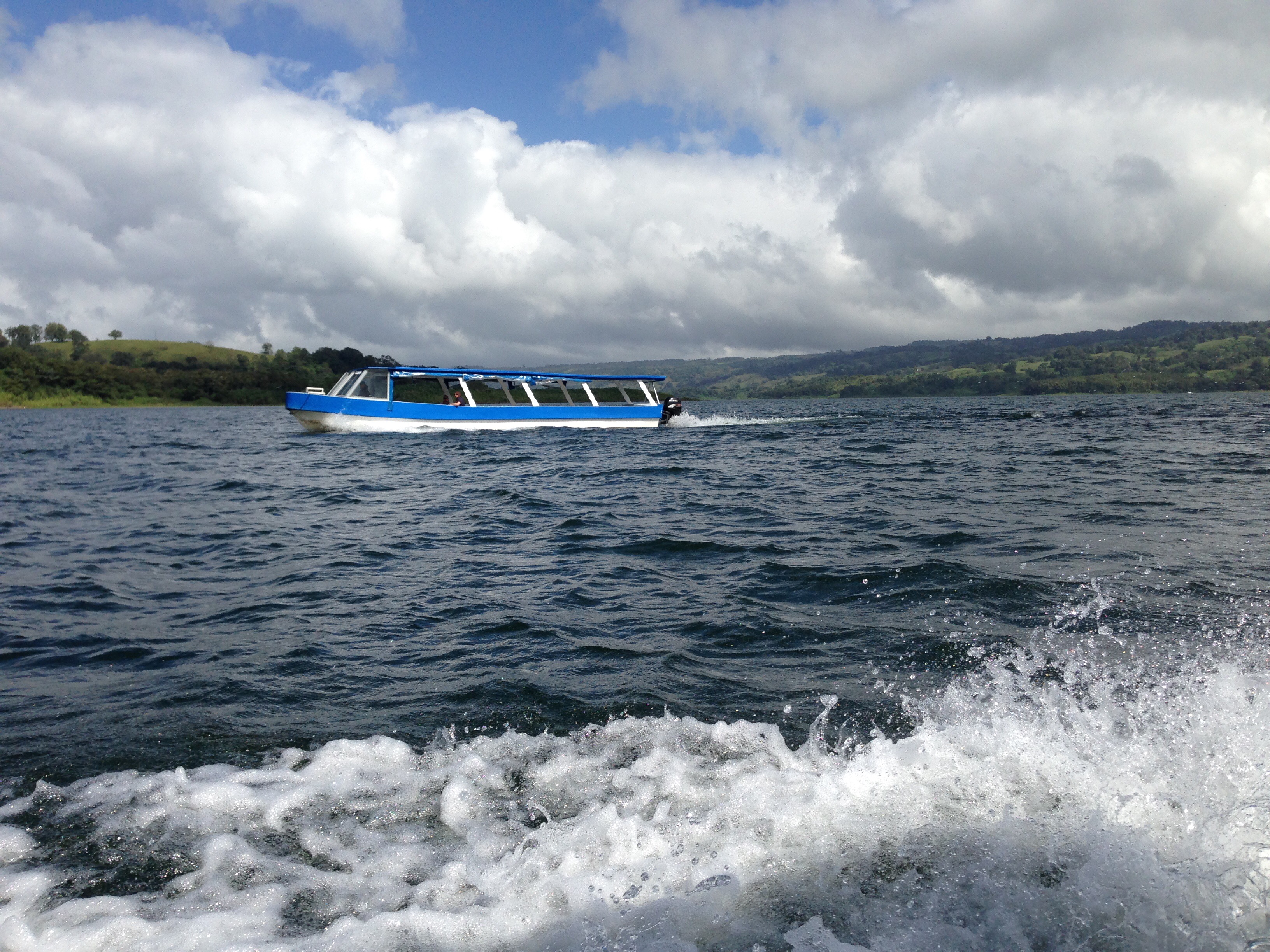
Today we did a boat ride on the Frio river which is just south of the Nicaraguan border. On the drive to the river we passed fields of sugar cane, pineapples, citrus groves, yucca fields, plantain groves and passed through a number of small towns. Our guide gave us a description of the countryside and more information on CR.
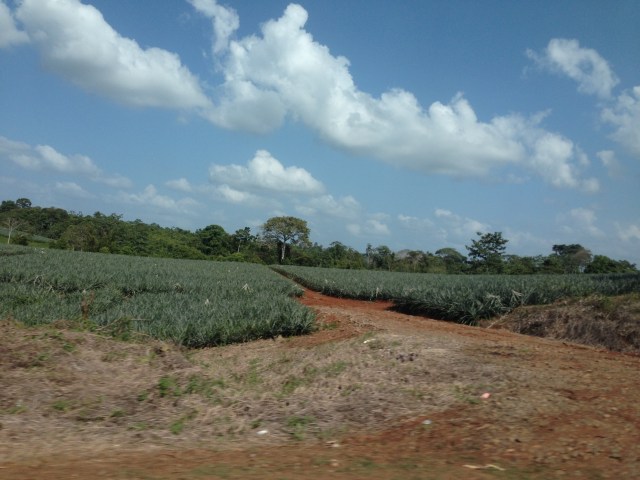
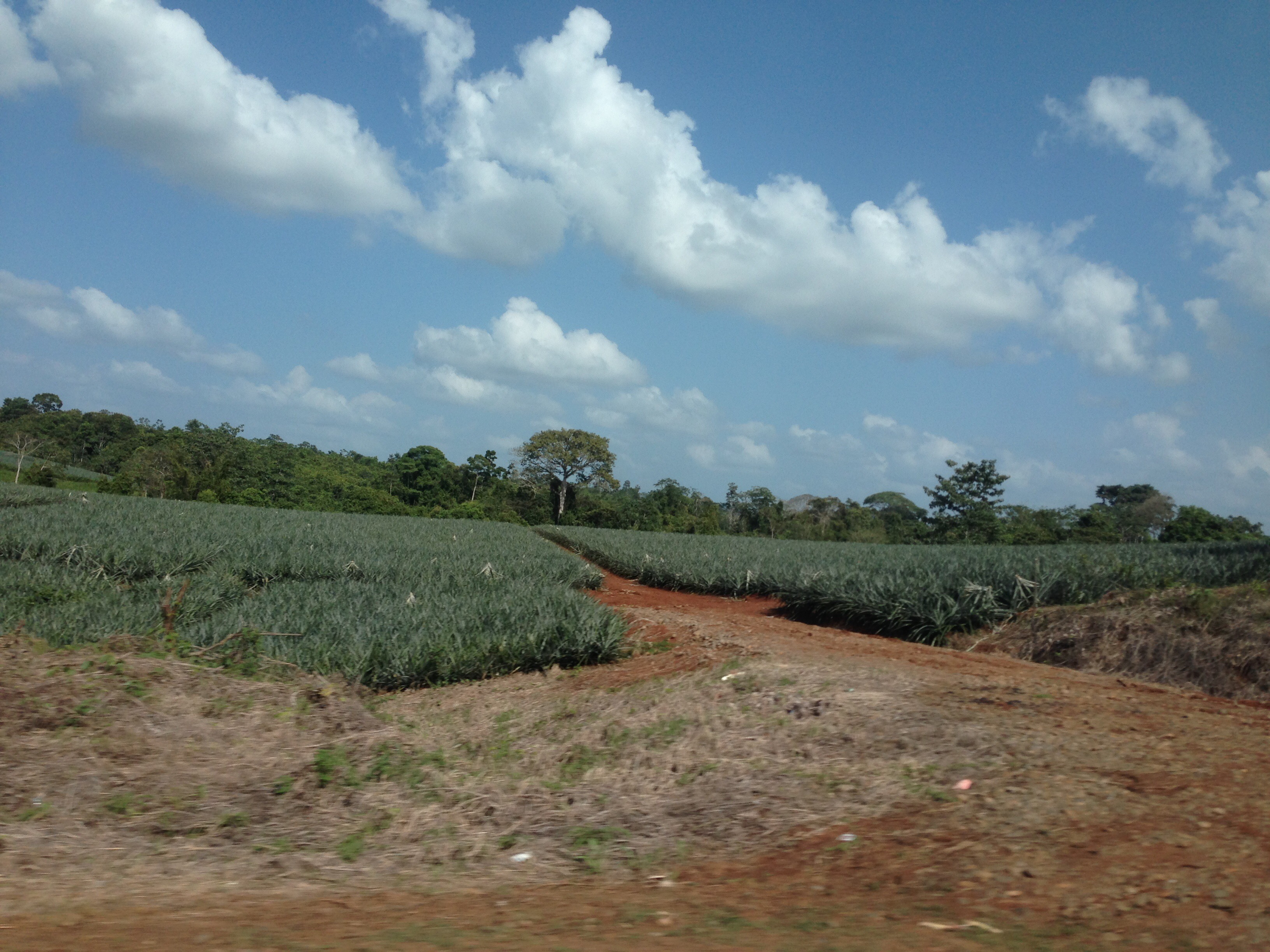
A pineapple field. Pineapple is the largest export. The yield is one fruit per plant about every 11 months. They are planted at different months to provide a continuous supply. We had some fresh pineapple at hotel for breakfast and at our lunch. Much taster fresh like that. The first fruit off the plant is the biggest after that one the fruits are used for juice. Harvested by hand.
In the plantain groves there were blue plastic bags covering the fruit, that is to protect the fruit from the bees which will infest it.
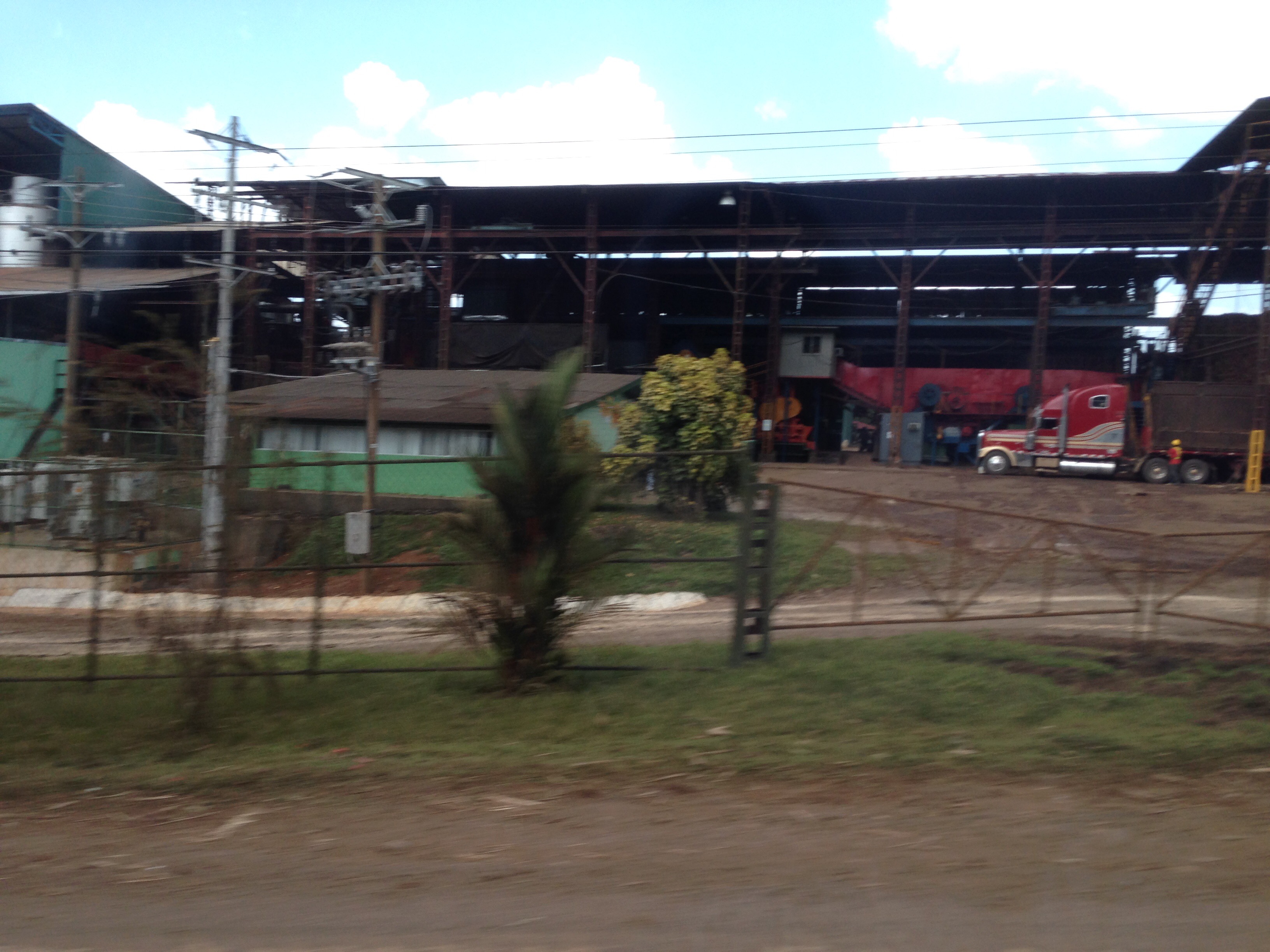
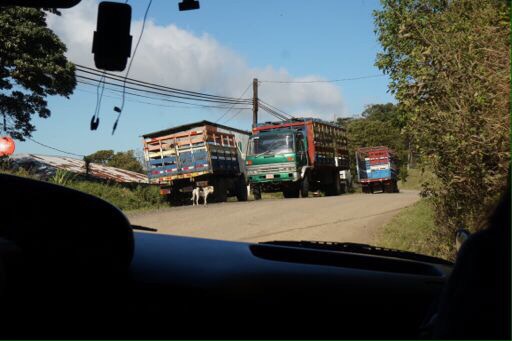
A sugar processing plant. Trucks filled with sugar cane were lined up at the gate to deliver the cane.
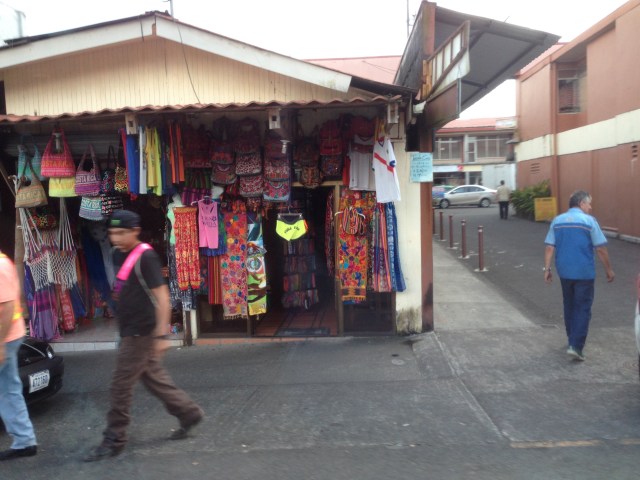
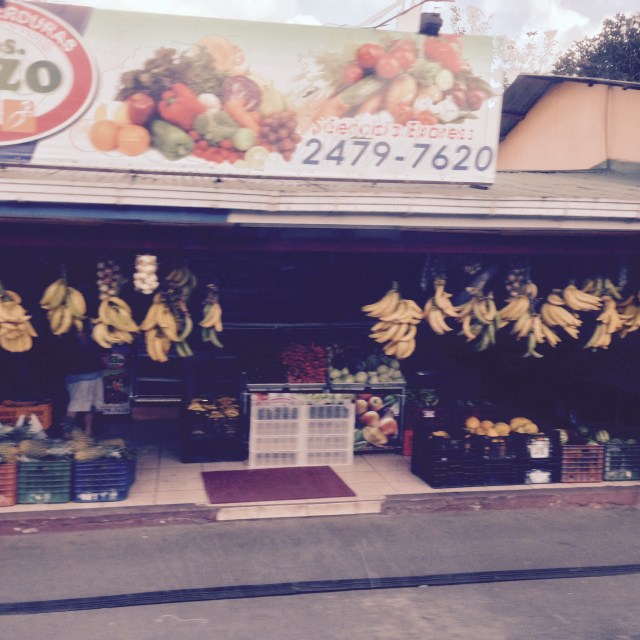
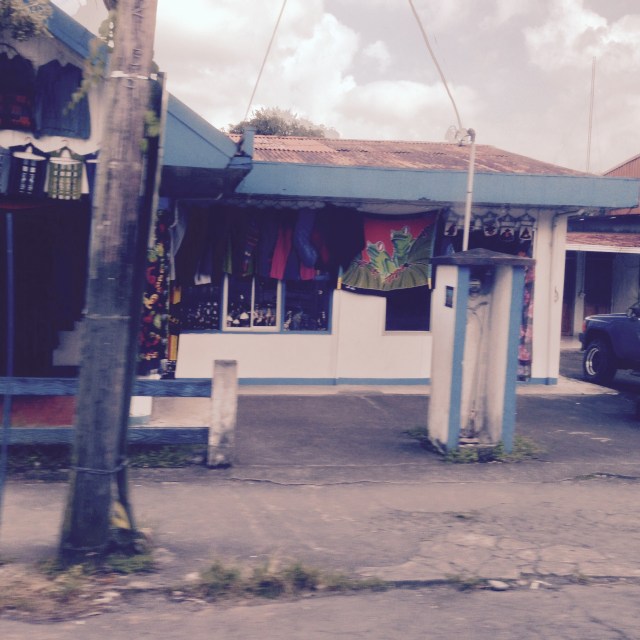
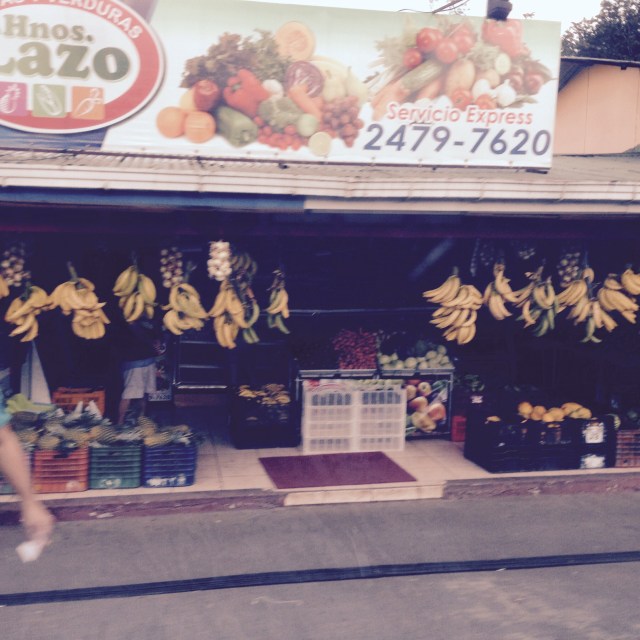
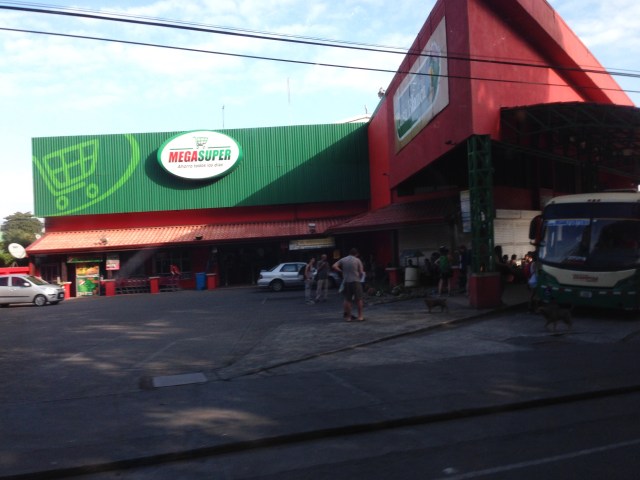
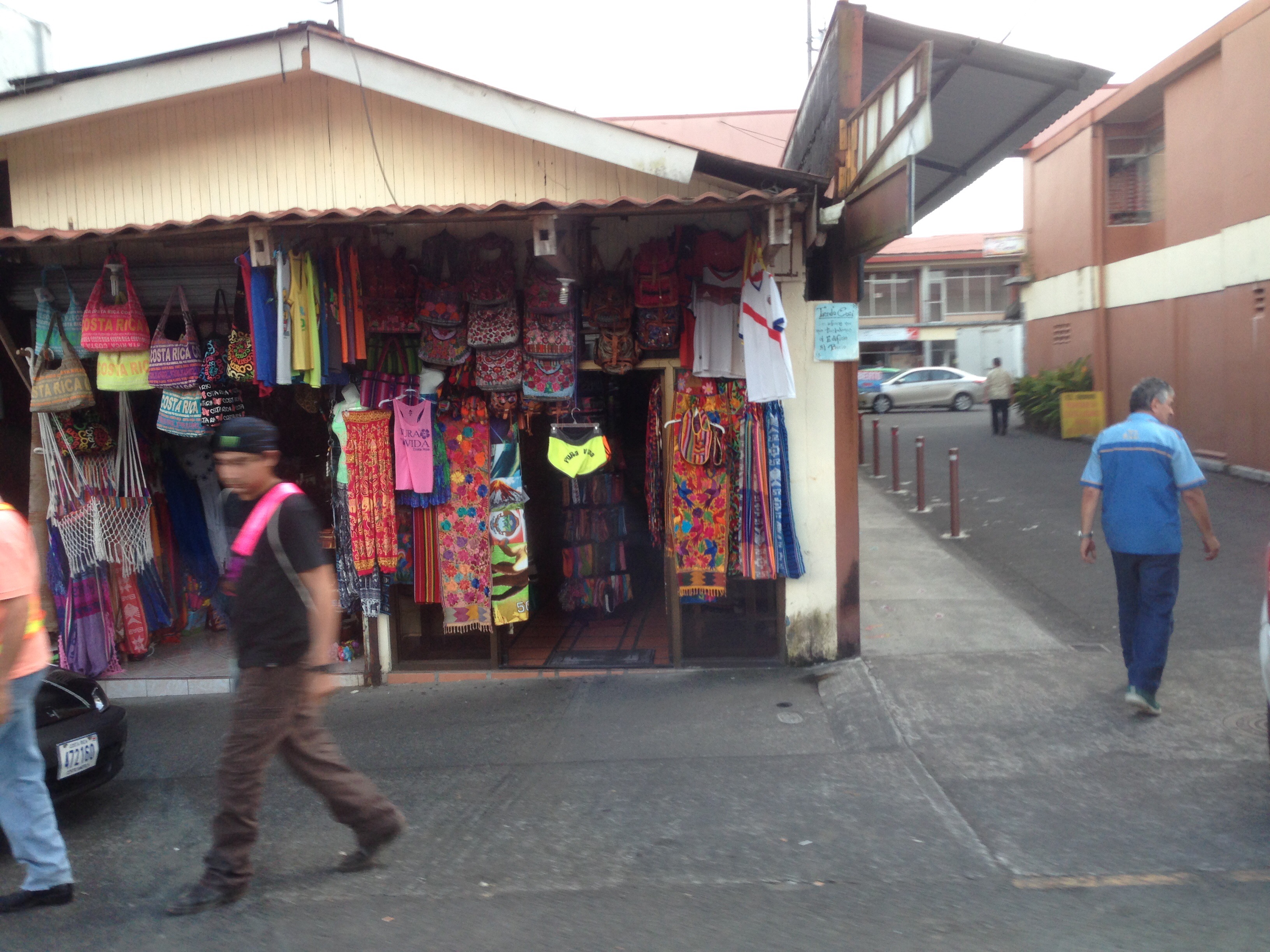
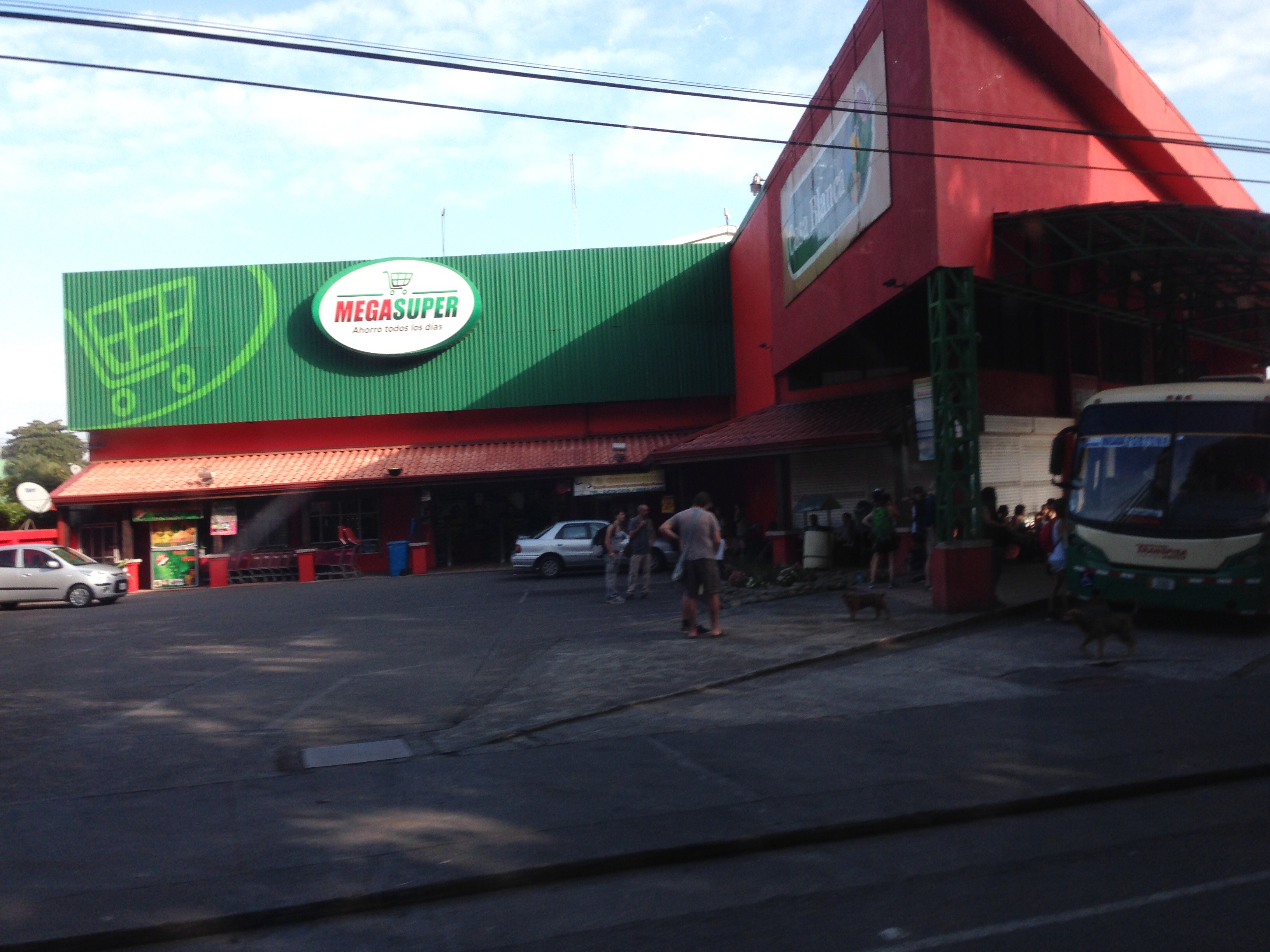
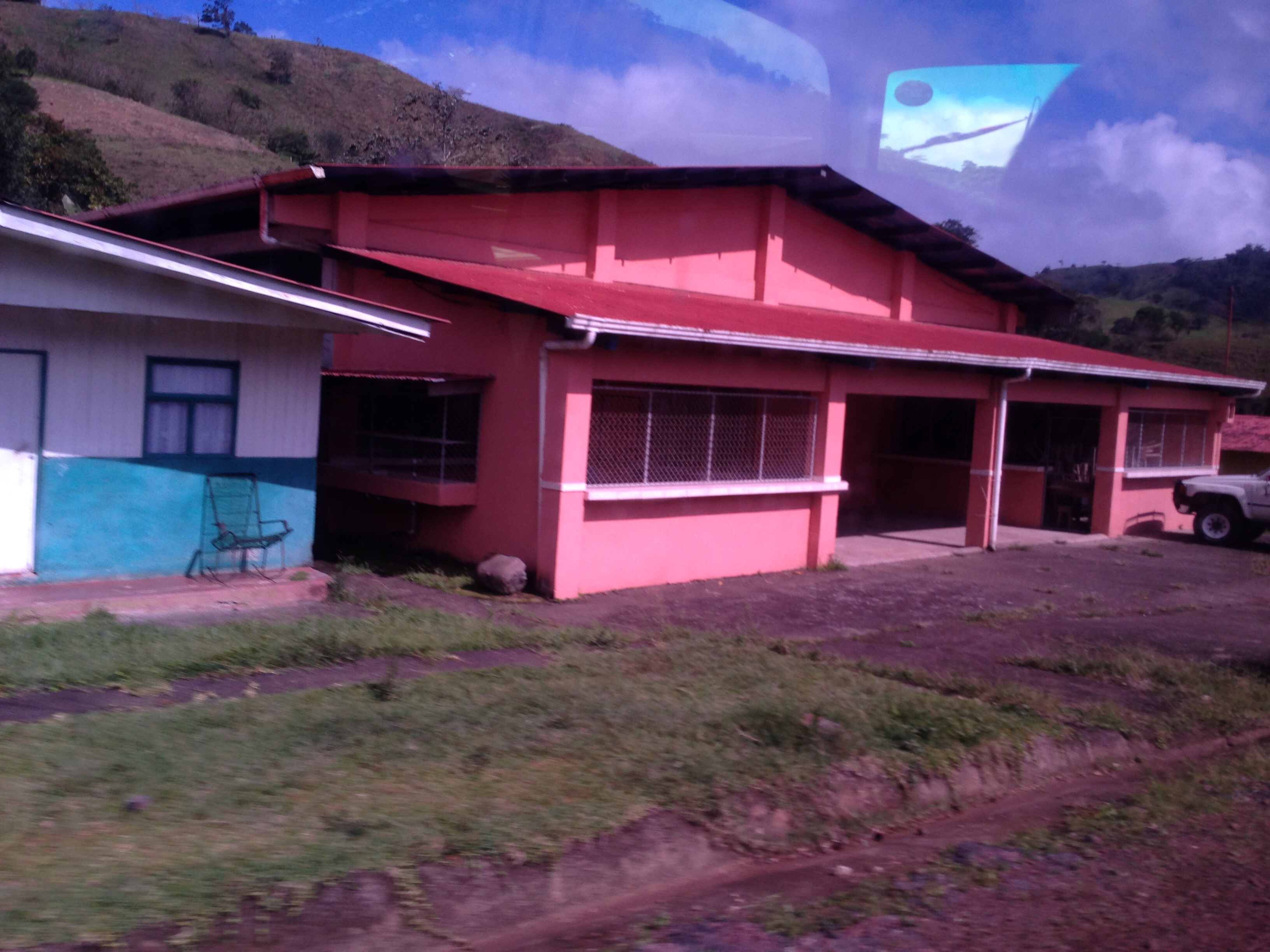
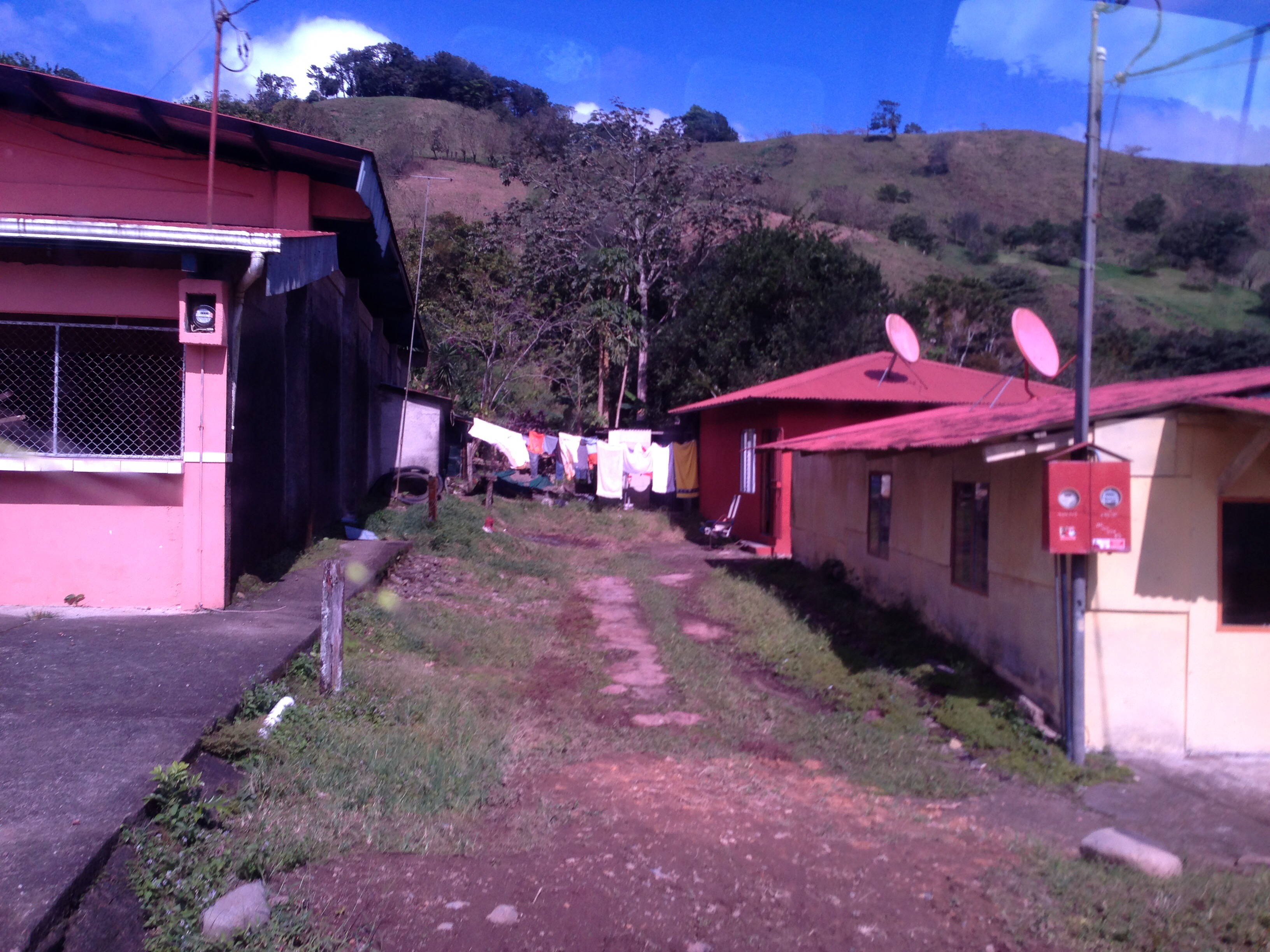
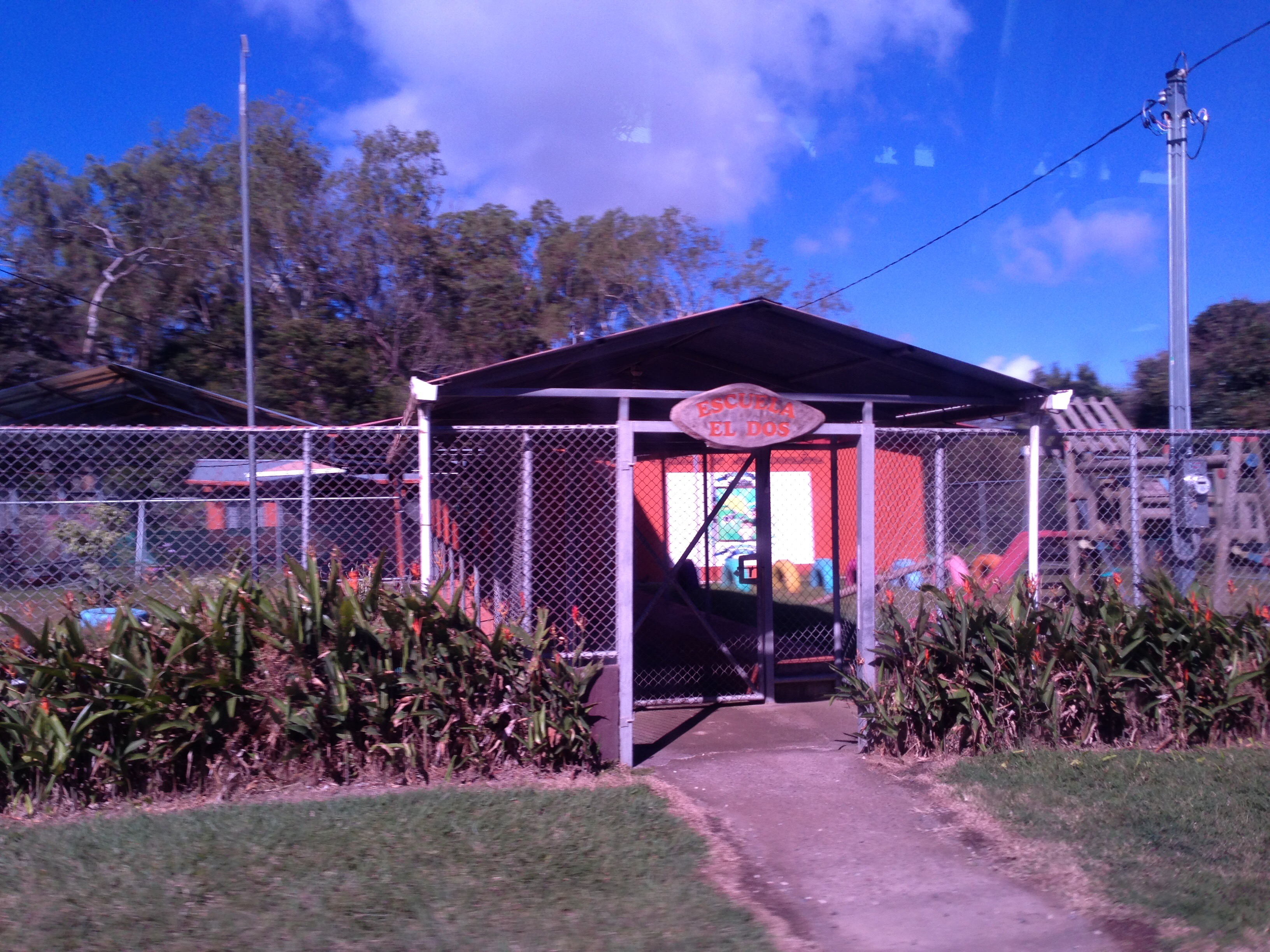
We passed through a number of small settlements – every little town has a school, church, bar and soccer field.
Because there is no army the taxes are used to fund the school and medical system. School is mandatory ages 7-18 and is free. Kids wear uniforms. After 18 college is optional and there are fees to attend. 65% of school graduates go on to college. Our guide said it is the best school system in Latin America and CR has a 96% literacy rate!
We passed some yucca groves. The yucca is used to make chips – like a potatoe chips but better. It is also used to make a syrup. Not sure if that is the syrup we get with our breakfast.
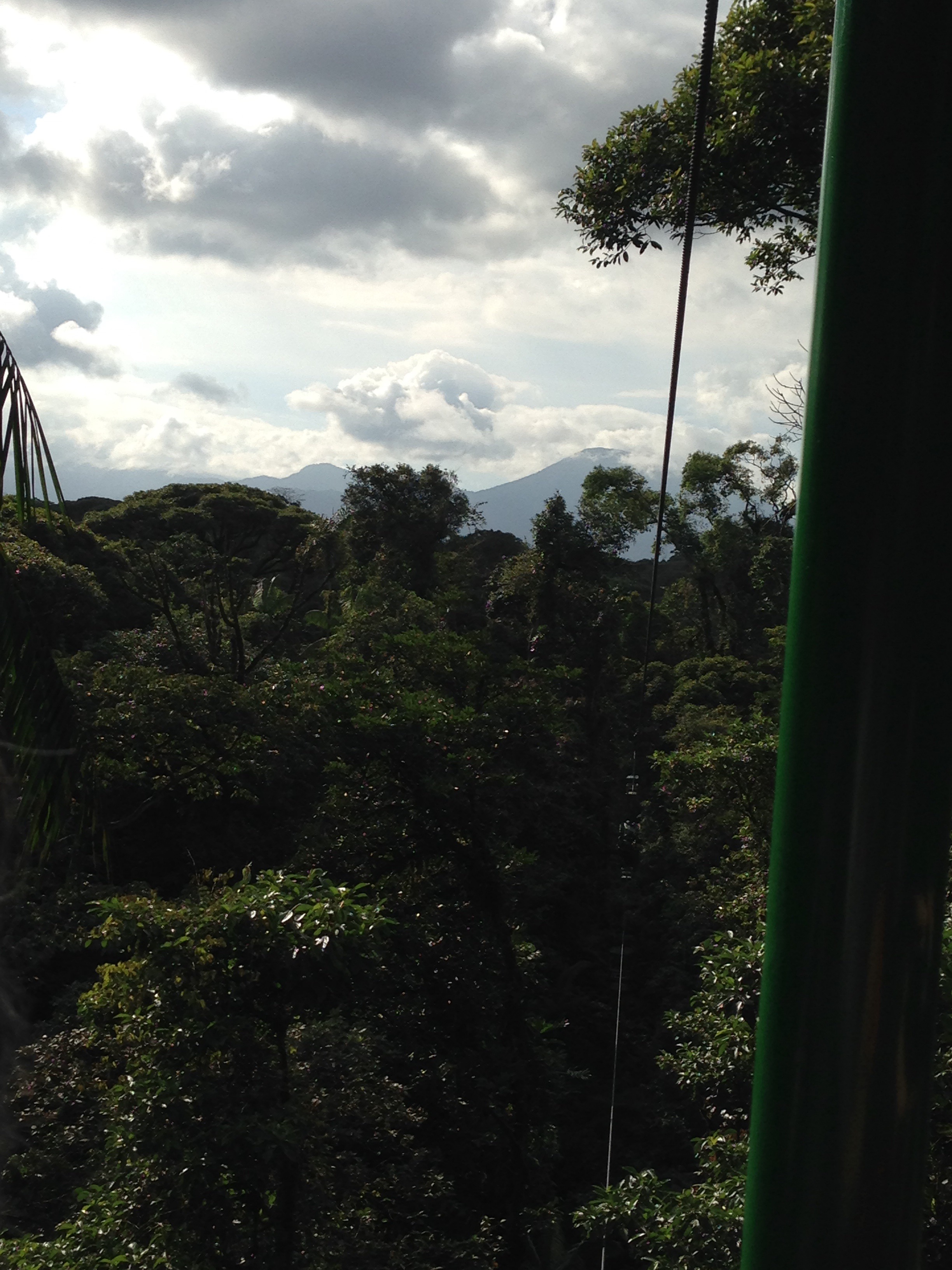
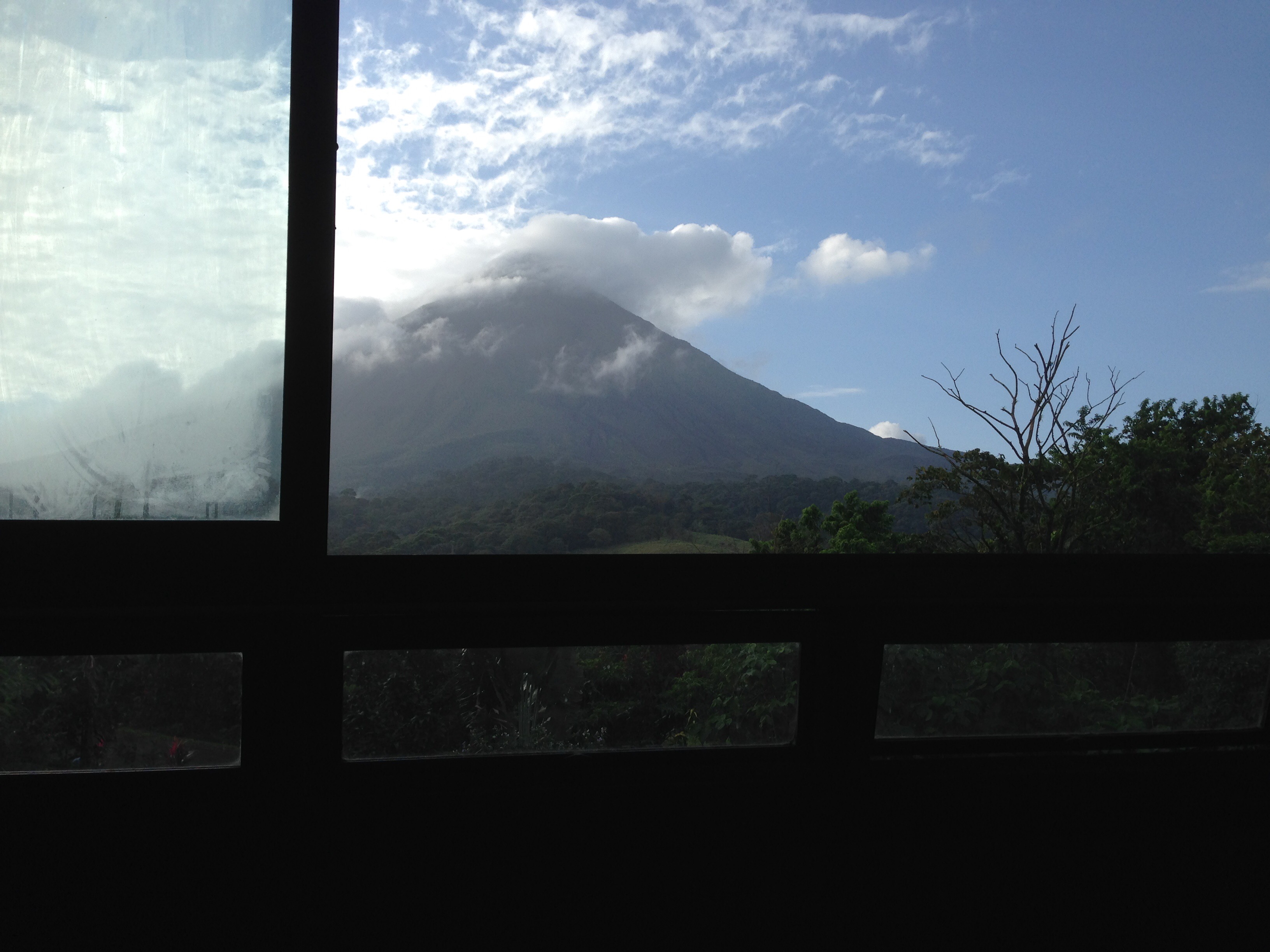
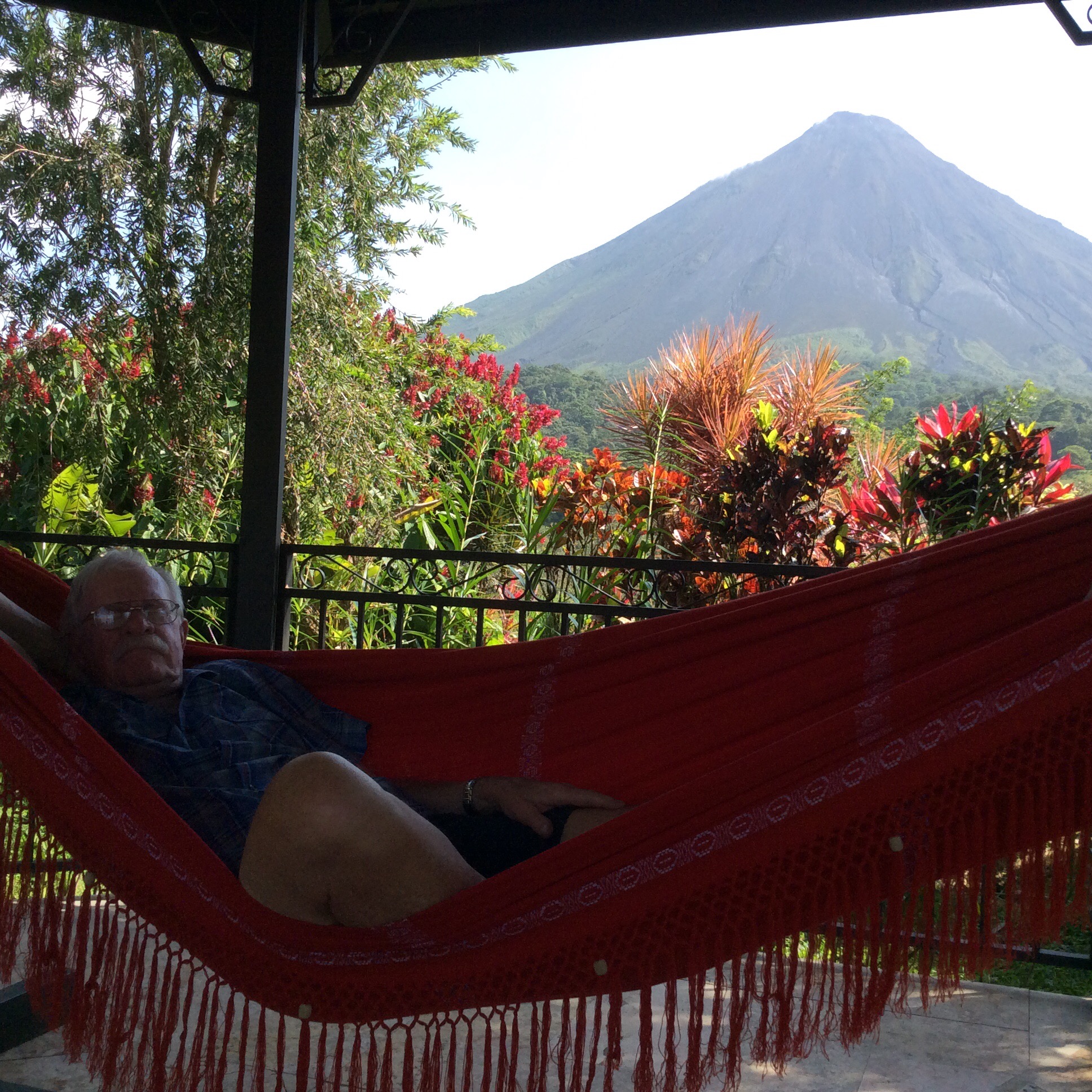
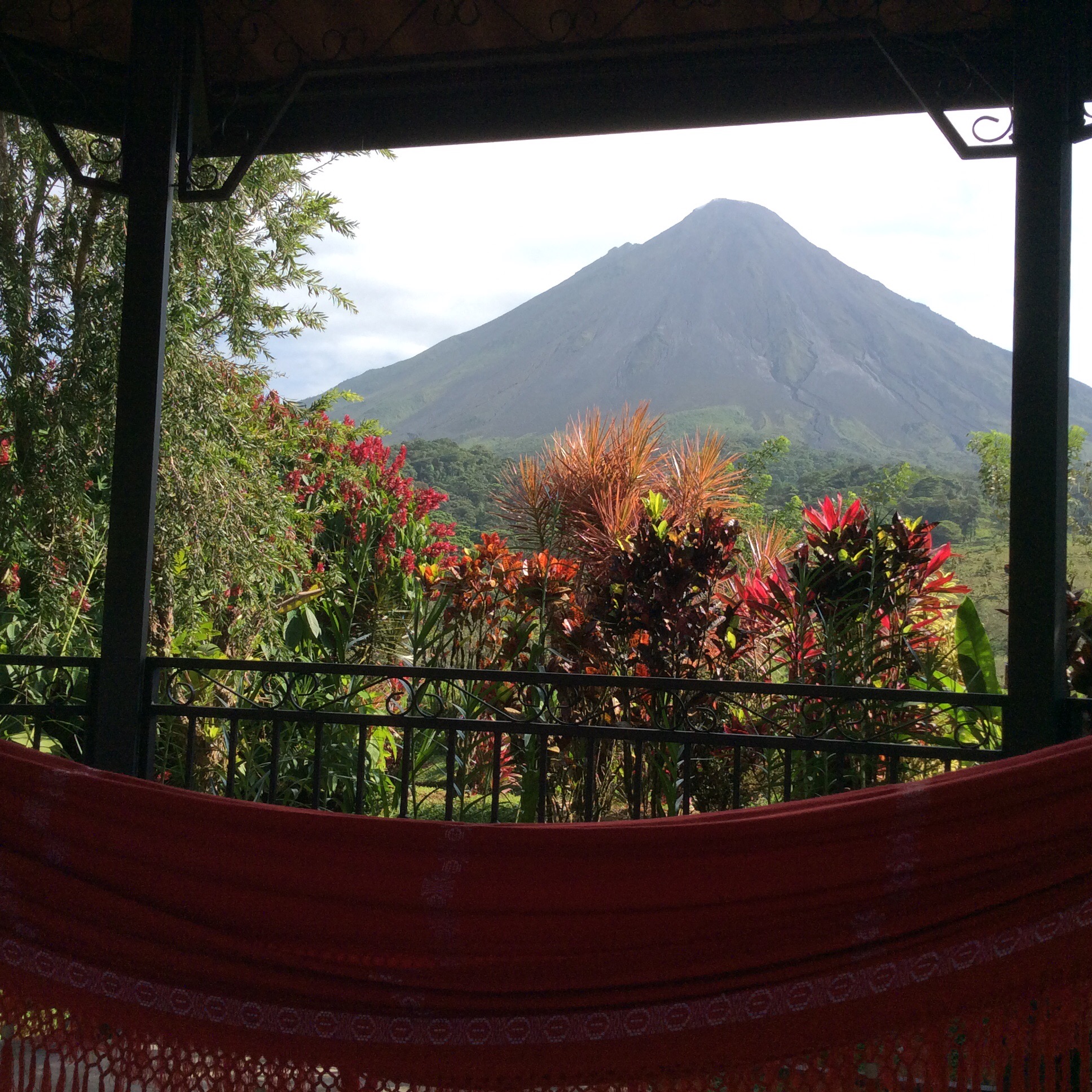
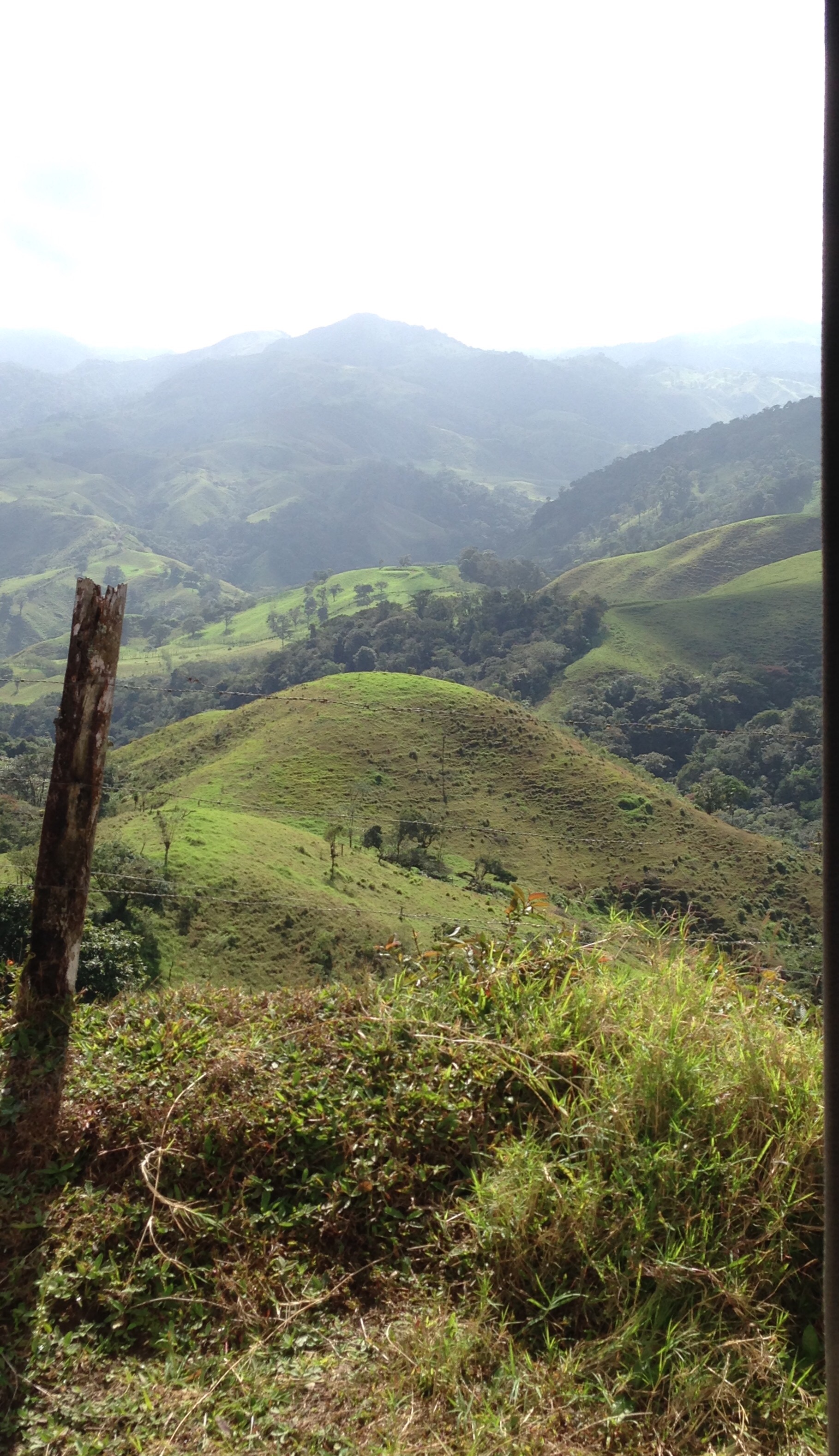
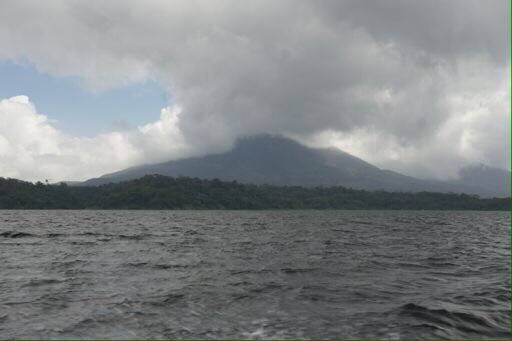
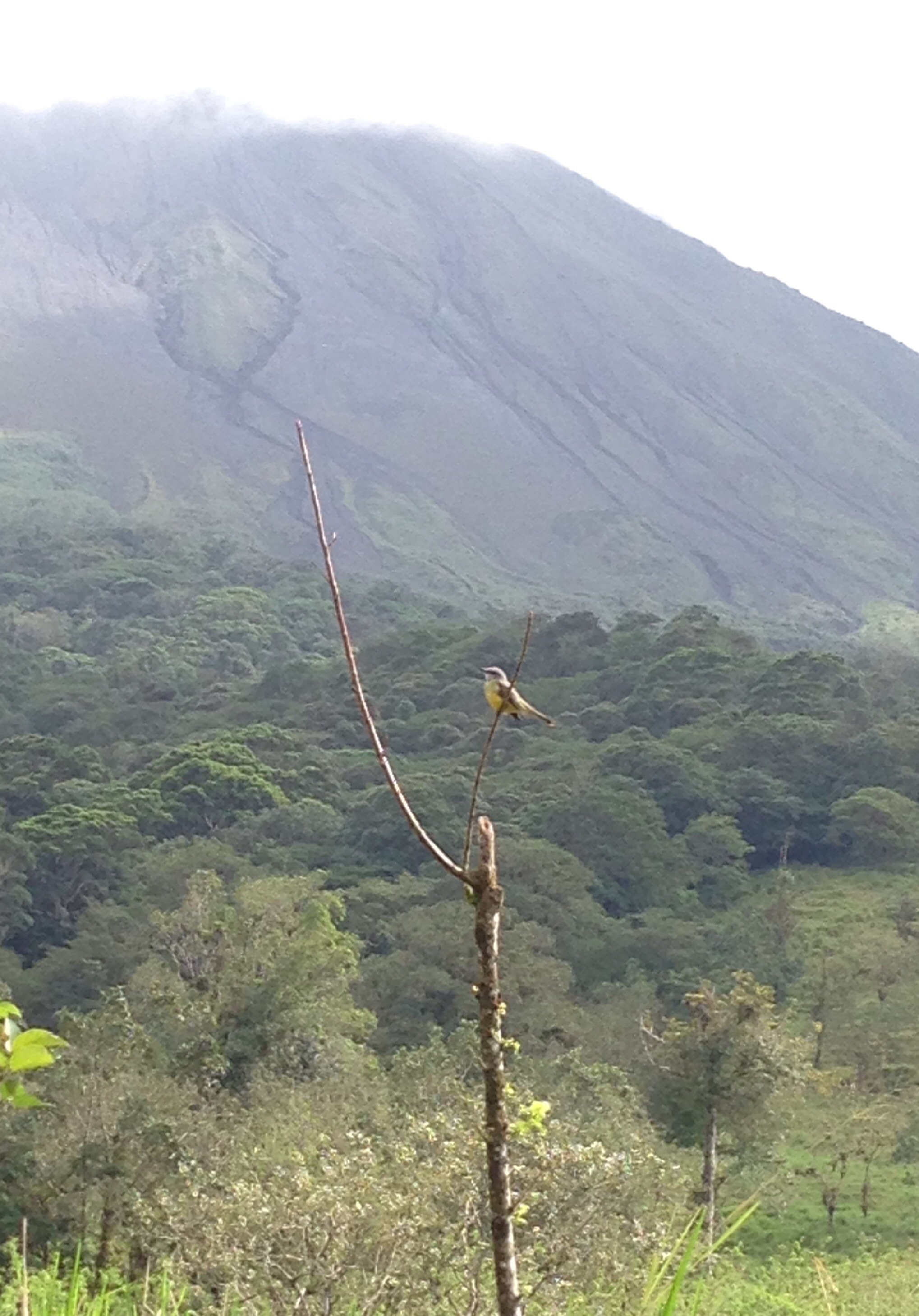
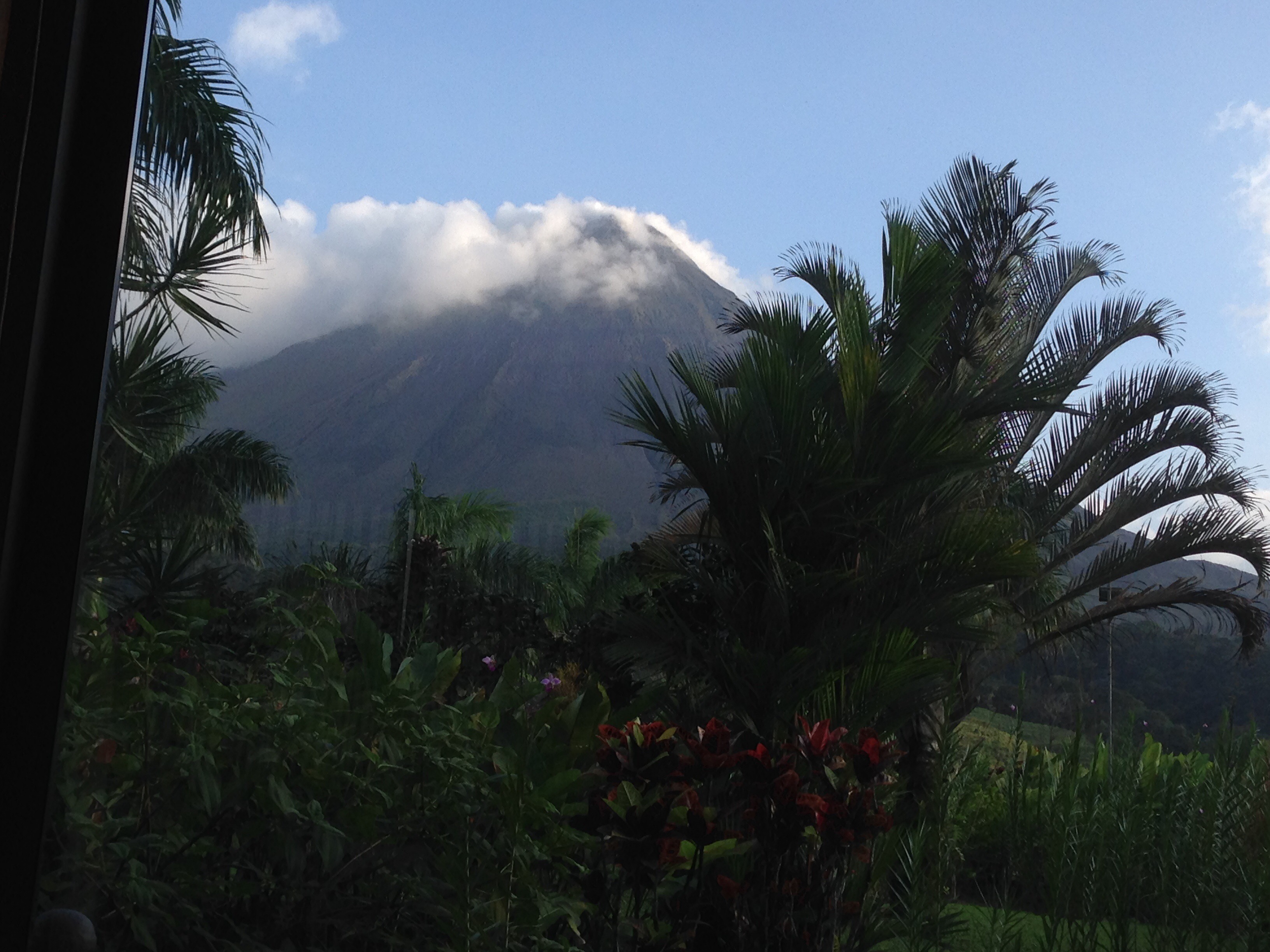
Costa Rica is 51,000 sq km (compared to Canada 10,000,000 sq km). The population is just under 4 million, half the people live in San Jose and 10% are international. A lot of people retire here from North America and Europe and settle mainly in the Pacific area, which is drier but can get very hot in the summer (March & April temperatures reach 120F). The prevailing winds come in from the Caribbean, hit the mountains and drop the moisture (creating the rain forests) before moving on to the Pacific. There are 3 mountain ranges. In this one Arenal volcano, which we are looking at right now. Is the highest at 5400 feet.
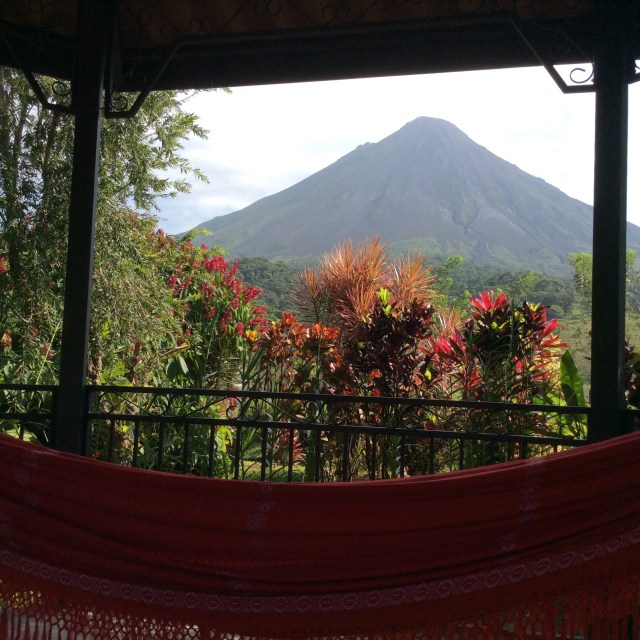
My view of the volcano as I am writing this.
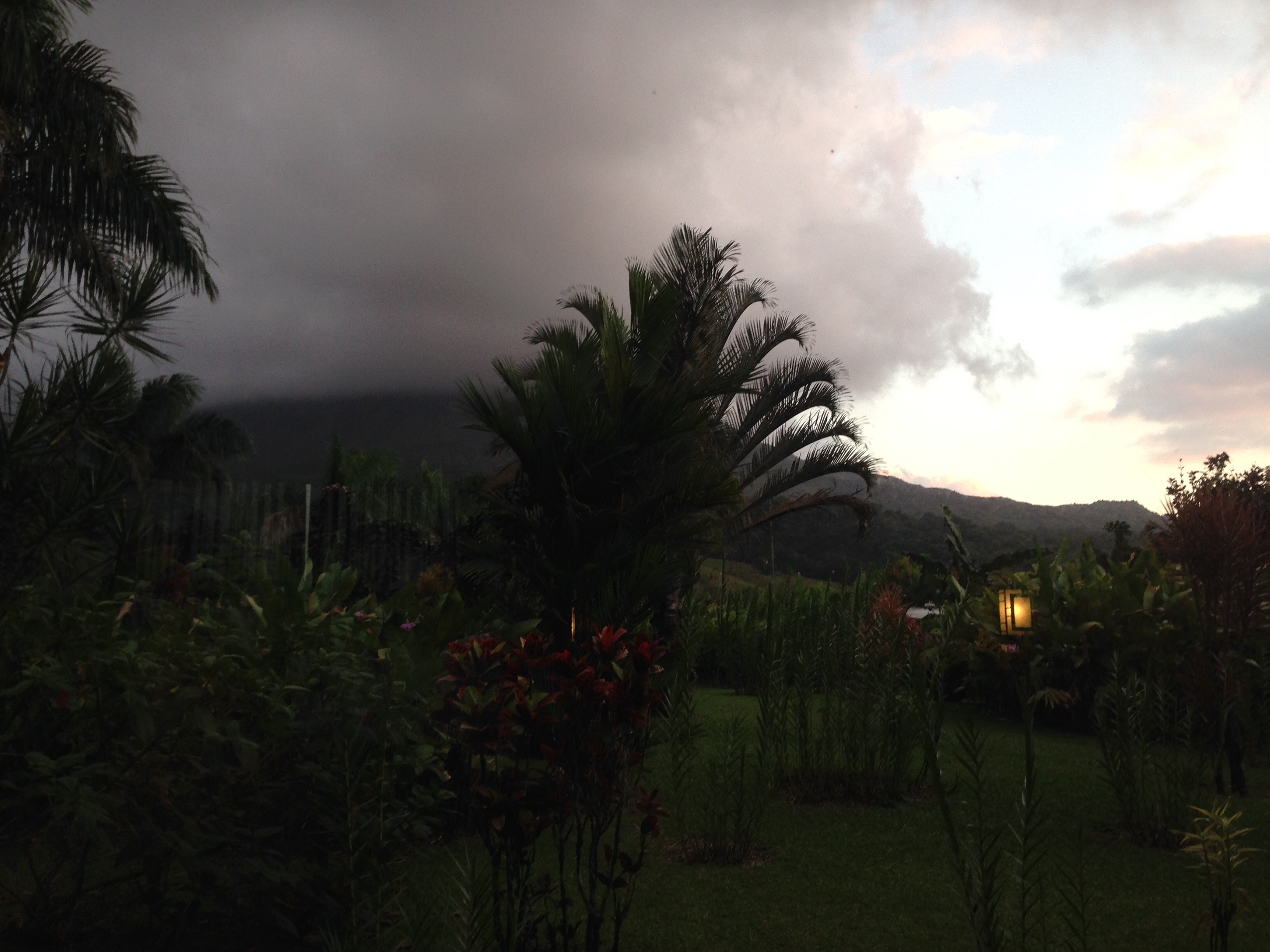
The highest mountain is in the south west area of CR and is over 12,000 feet, but there is no snow on the top and hasn’t been for over 100 years. The last major eruption of Arenal was in 1968 and it remained active until 2010. You used to be able to see the red lava flows at night from here! Seems a little close for an active volcano! Our guide lives in the nearby town of La Fortuna and says they experience thousands of small earthquakes every year. He is happy for that as it reduces the chance of a”big one”.
Along the way we come across a 3 toed sloth in a tree. He is moving but very slowly.
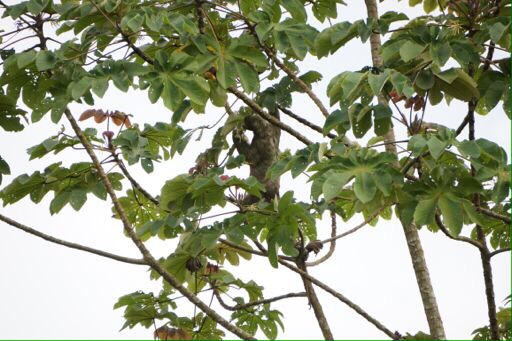
The sloths live in the trees, eating leaves and sleeping 16 hours a day. They have a very slow metabolism and digestive system. They come to ground only once per week to defecate. Like a cat they scratch a hole in the ground and then cover it up. Right back up the tree having left one-third of their body weight behind in the ground!! They can turn their heads almost 360 degrees, much like an owl but have very poor eyesight. They are their own ecological system with a wide variety of parisites, mites etc living on them.
We passed by a tree filled with Iquana (no picture). Looked much like the iguana we saw in the Galapagos. They are rare here now as they were hunted almost to extinction but are making a come back. They were considered a delicacy, known as chicken of the tree!
Costa Rica was established as a republic in 1848, adopted a constitution and abolished the army that same year. There is a President, 2 Vice-Presidents and an a elected assembly. Elections are held every 4 years and elected officials can only hold office for 2 four year terms. One of the reasons this is a popular retirement area is the income tax situation. You are only taxed on the income you earn in CR so income from any other country is tax exempt. Everyone has health care and a pension.
About 40% of the land is protected as a national park, a nature reserve etc. The main sources of income for the country are the high tech. industry, tourism, pineapple exports and coffee/banana exports – in that order. There are more species of birds here than in Canada and USA combined. 85% of the country is mountainous. The biggest natural issue is the earthquakes. Most of the population rely on buses and taxis for transportation.
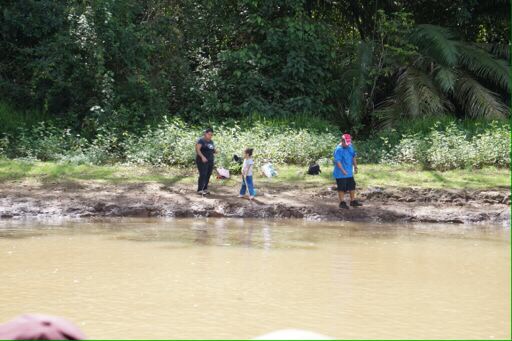
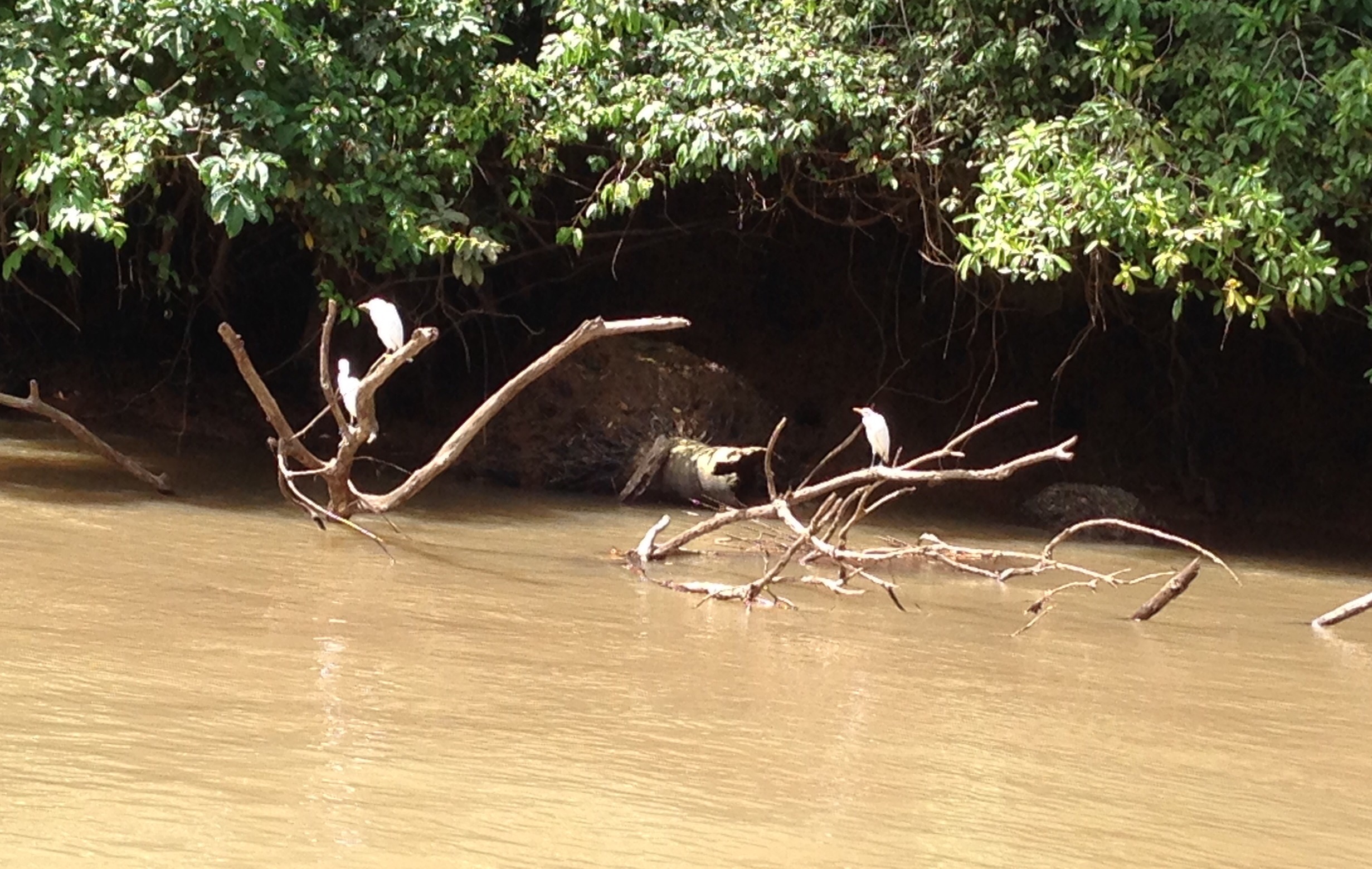
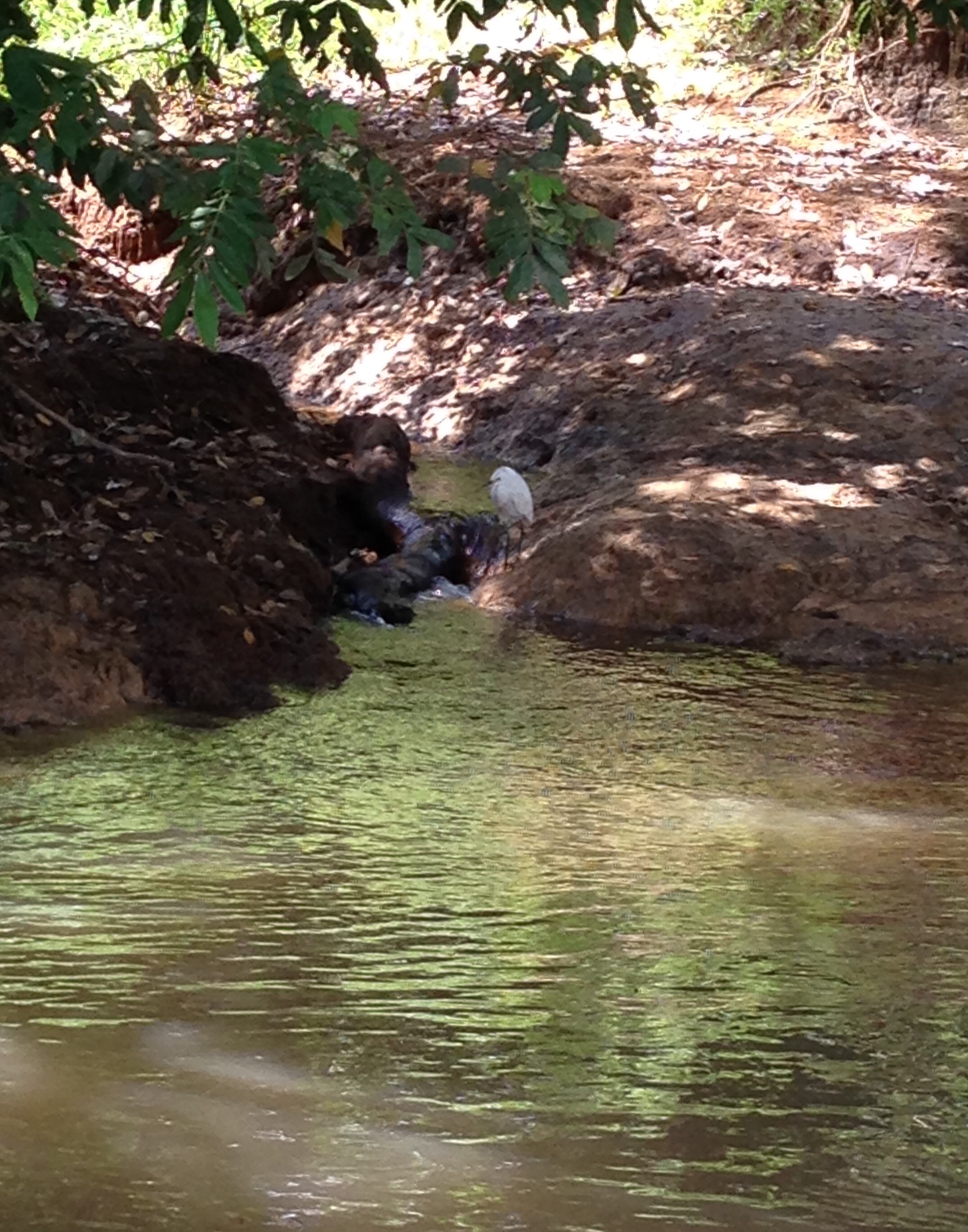
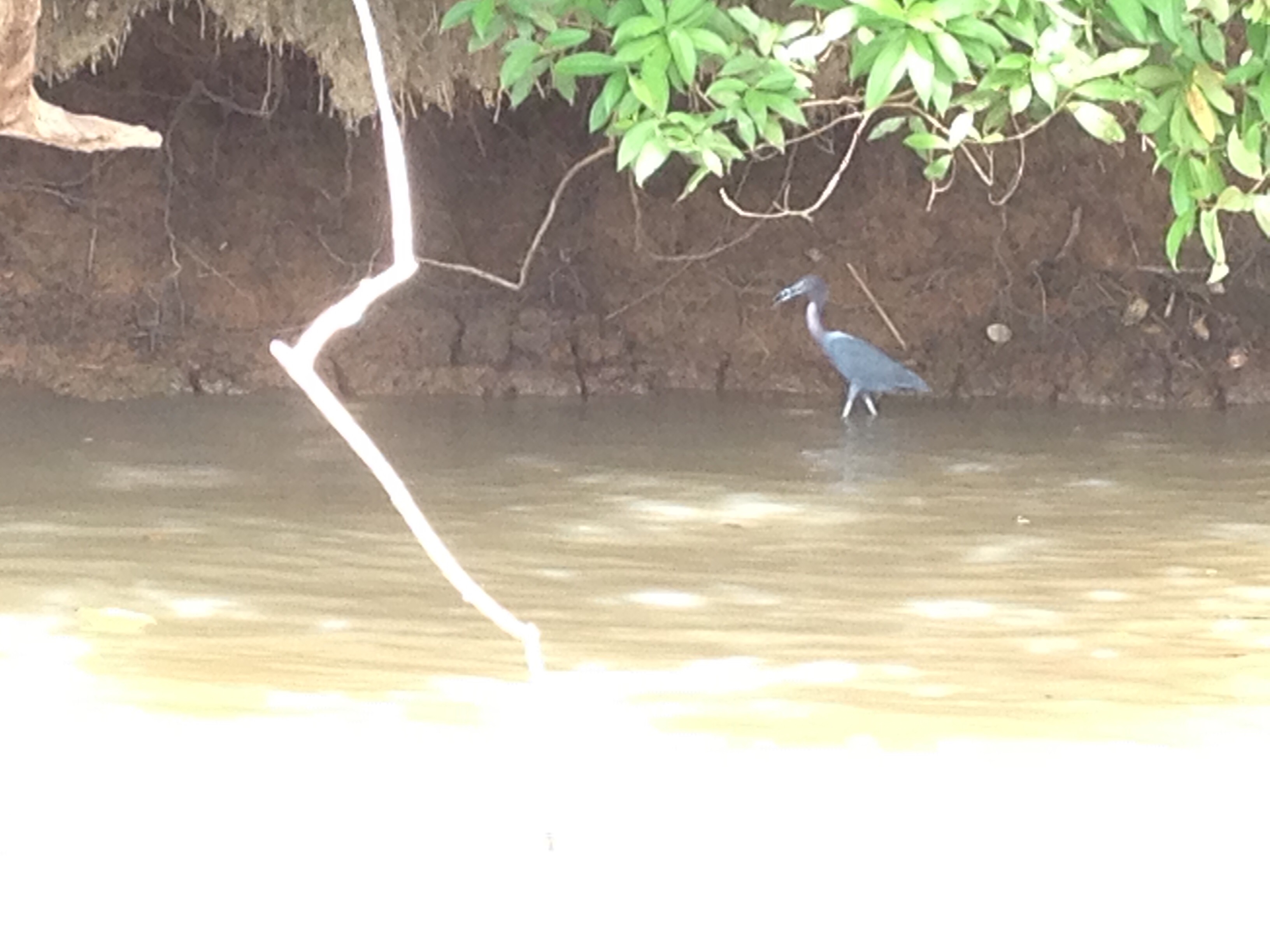
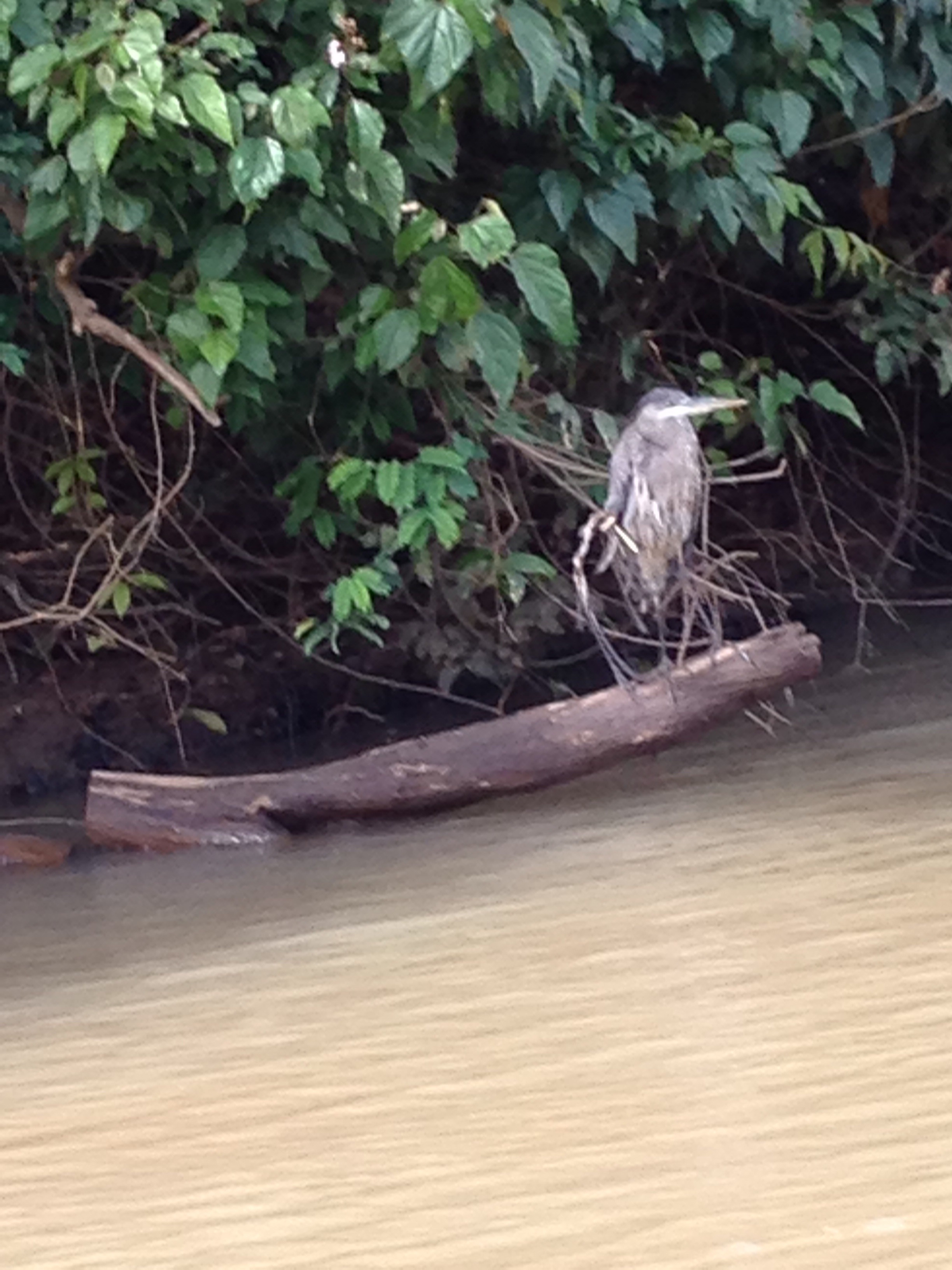
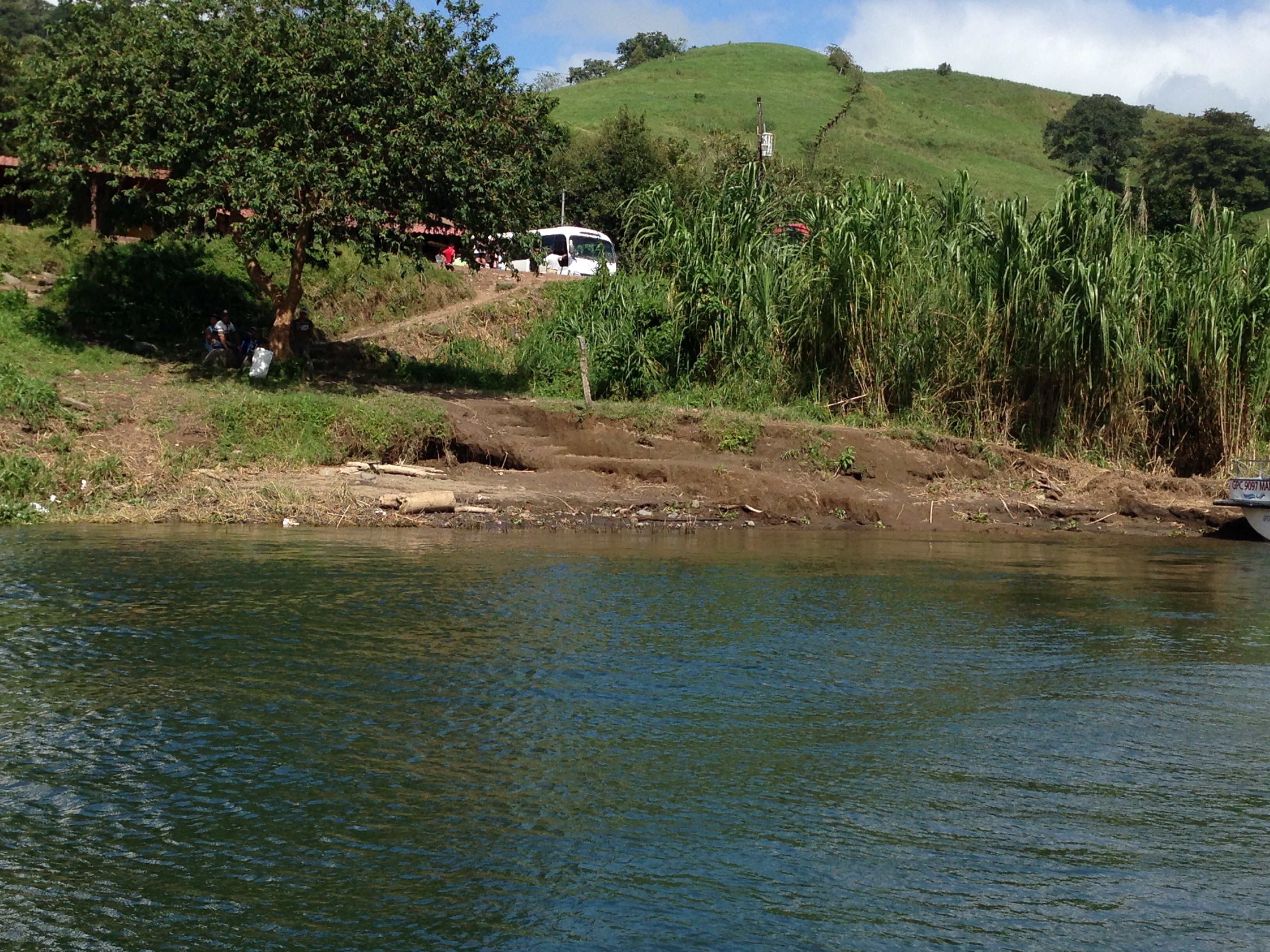
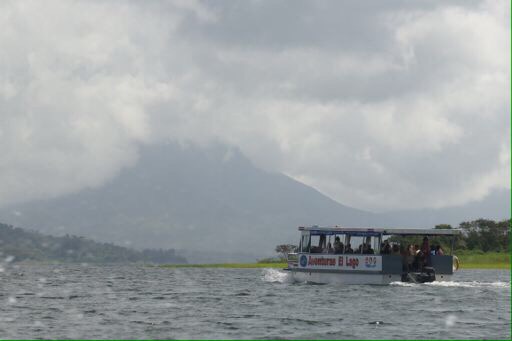
After the educational drive we arrived at the river. We were fortunate with the weather and saw a number of different birds and animals (no snakes, thank heavens). We did see several caimans but no crocs.
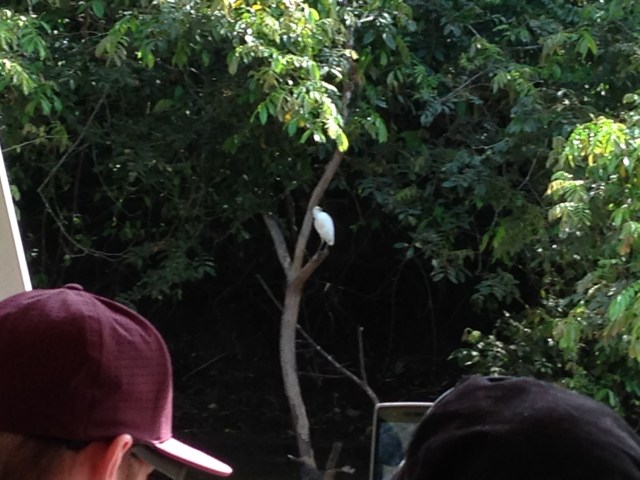
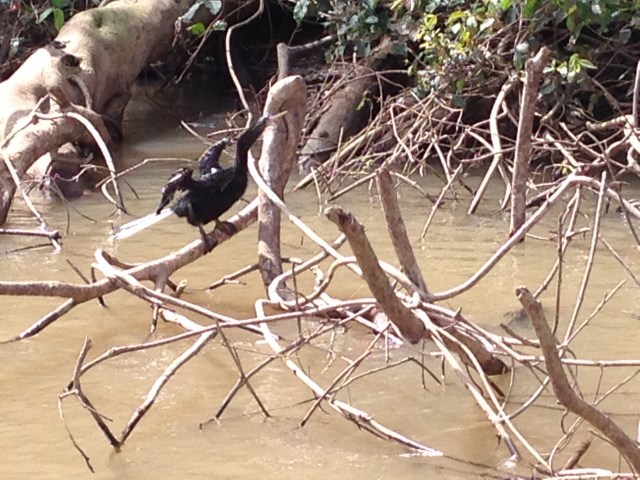
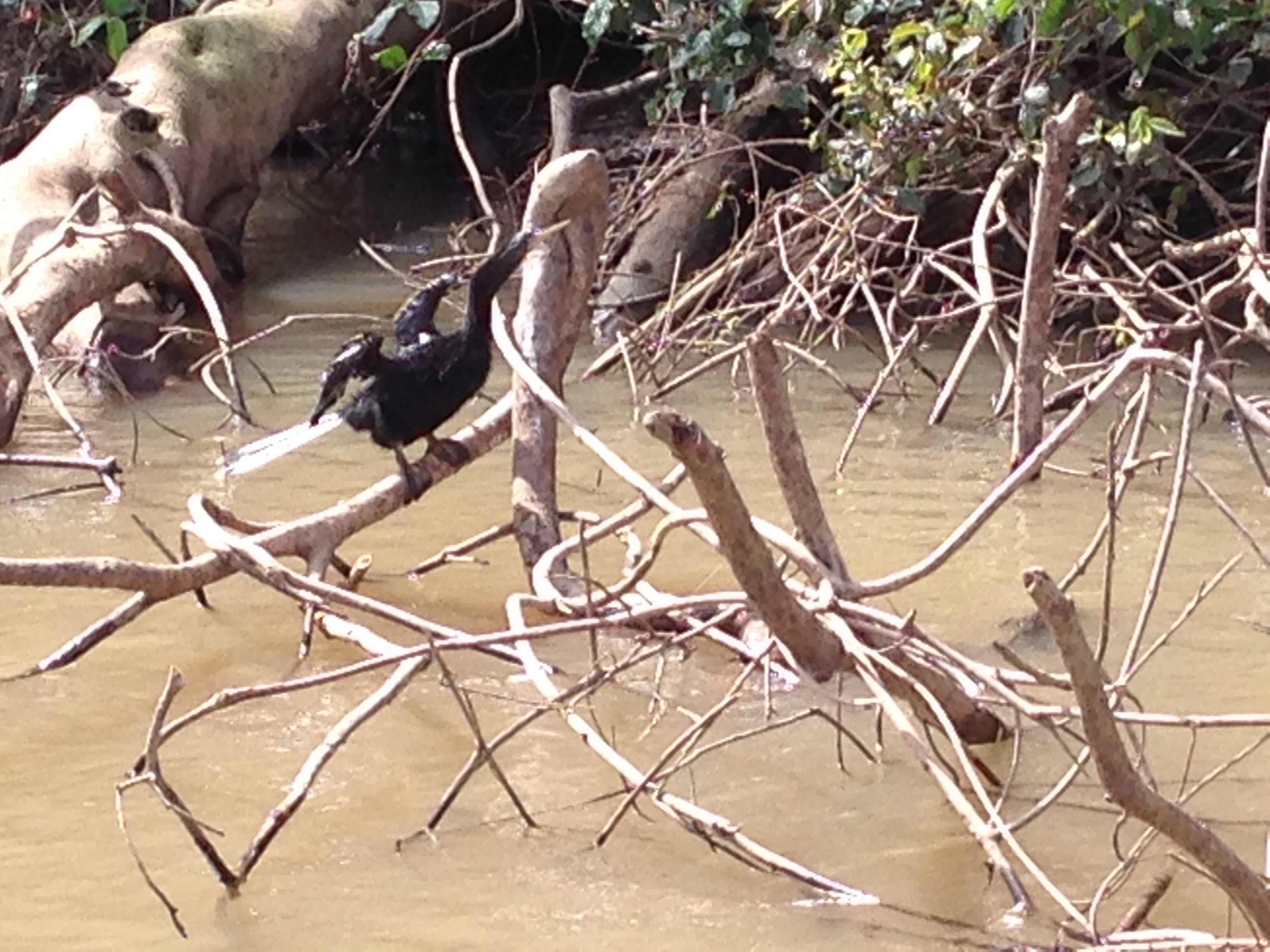
A snake bird – related to but different species from the cormorant.
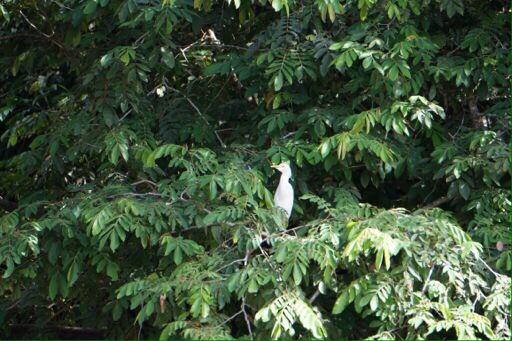
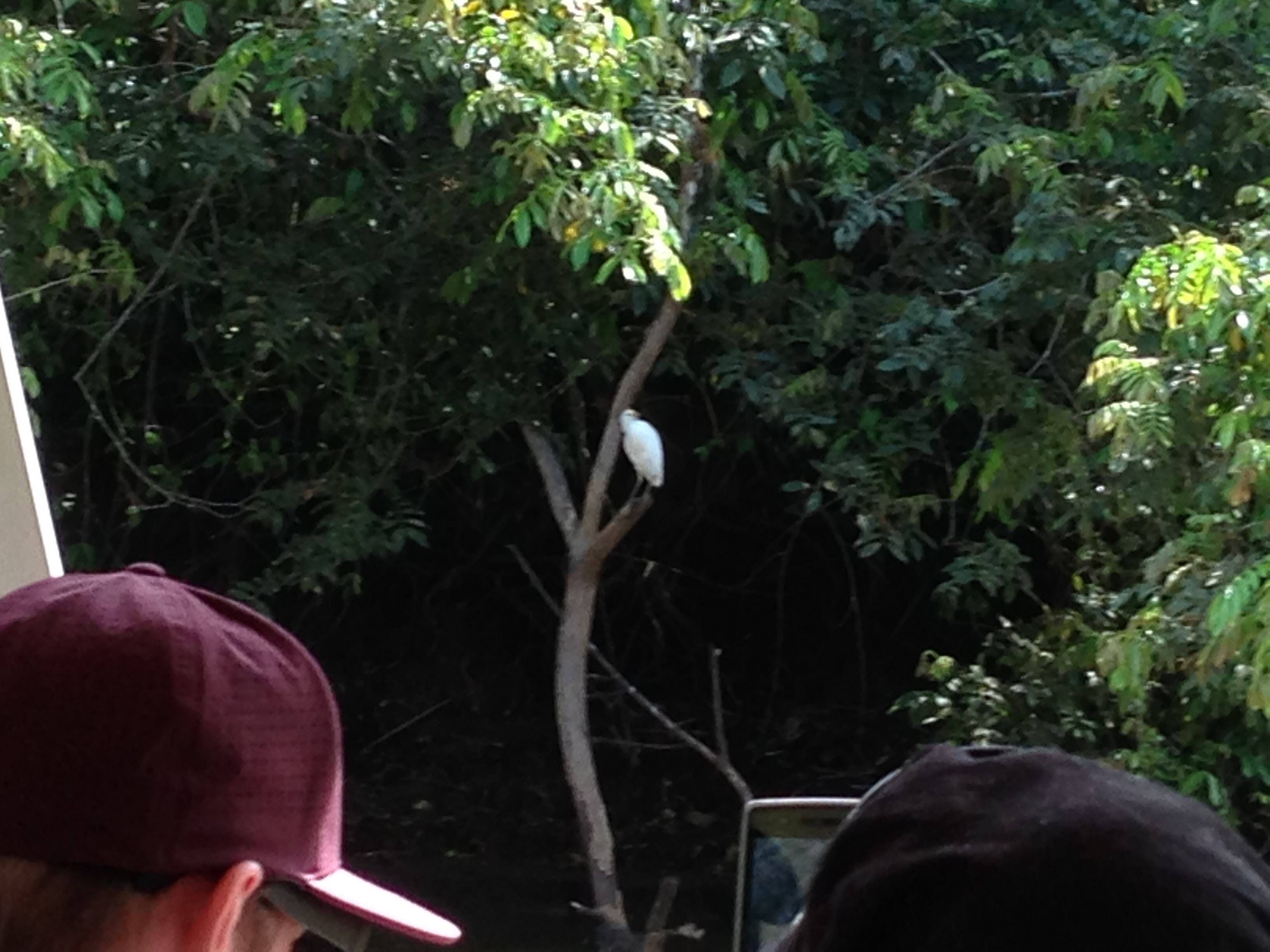
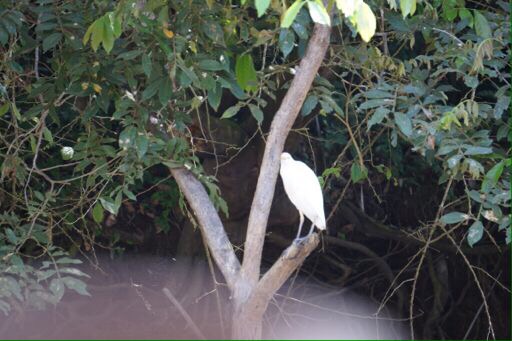
A cattle egret
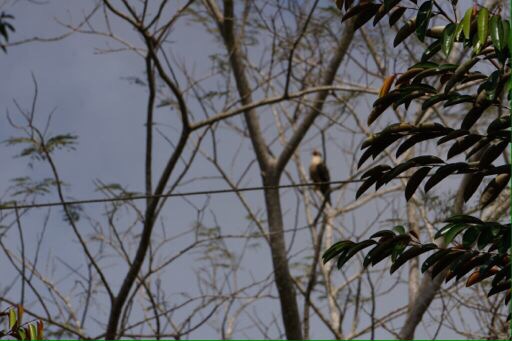
A falcon
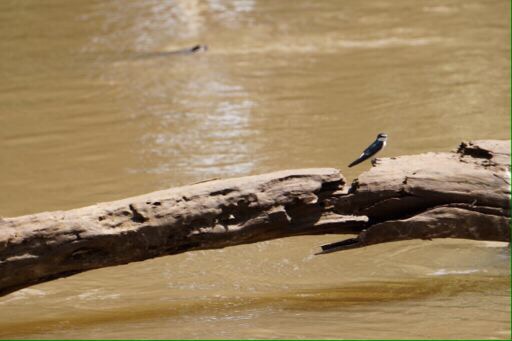
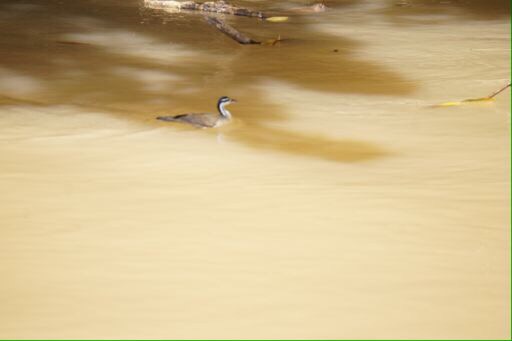
A sun grieve – the smallest duck I have ever seen
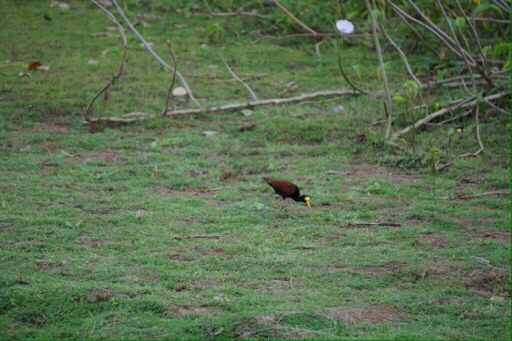
Nickname the JC bird because it appears to walk on water
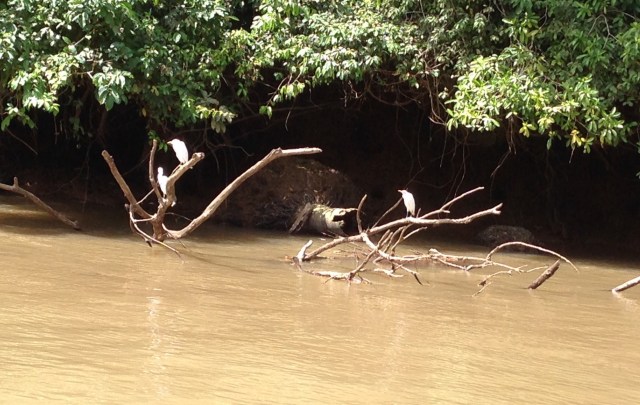
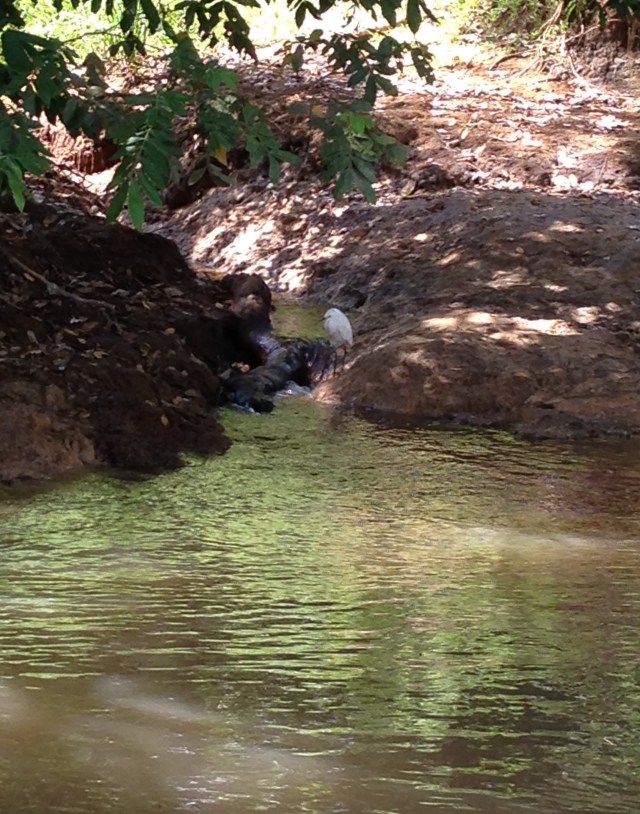
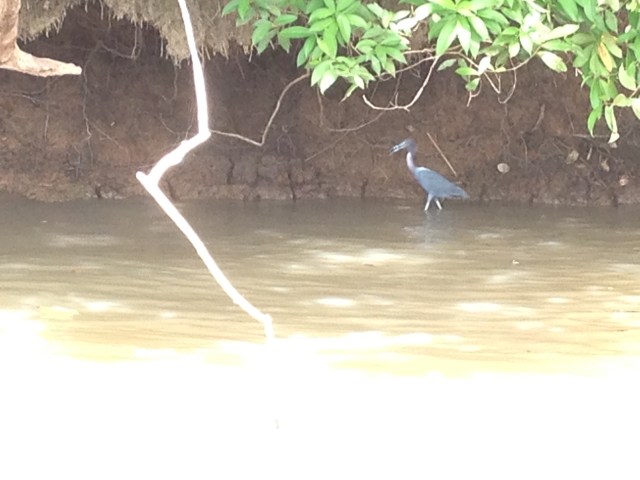
Blue heron
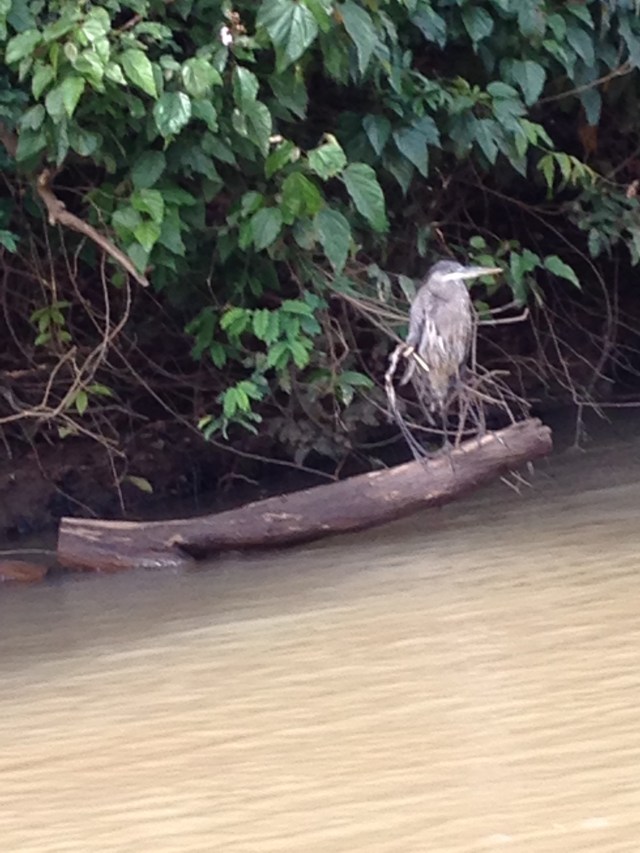
Night heron
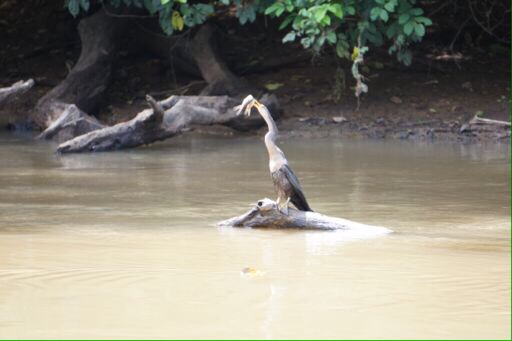
A snake bird with lunch he has speared on his beak. With some manovoring he managed to get it off his beak and swallowed it. Sushi lunch
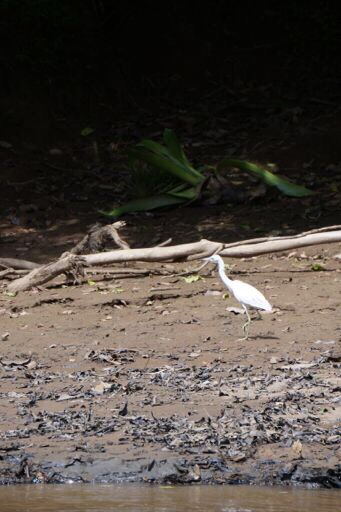
A young heron before the colour changes to blue.
We saw some monkeys and another sloth with her baby
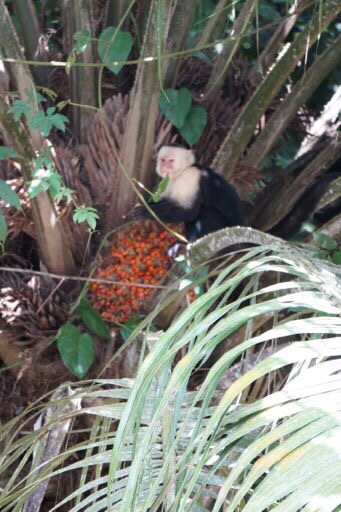
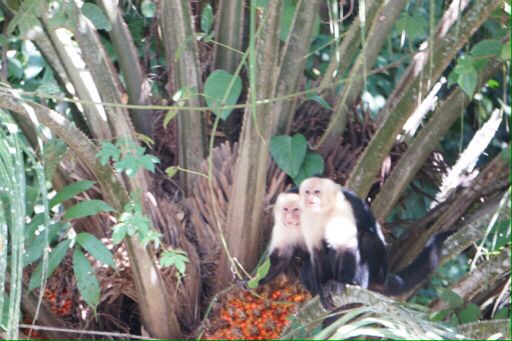
White faced monkeys
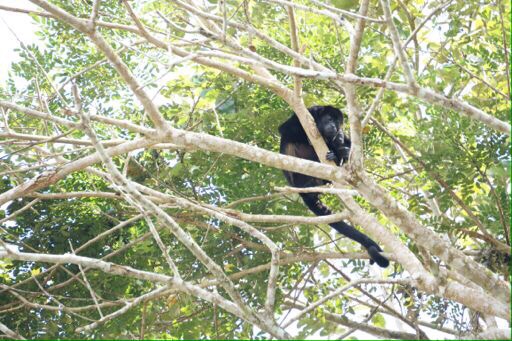
Howler monkey
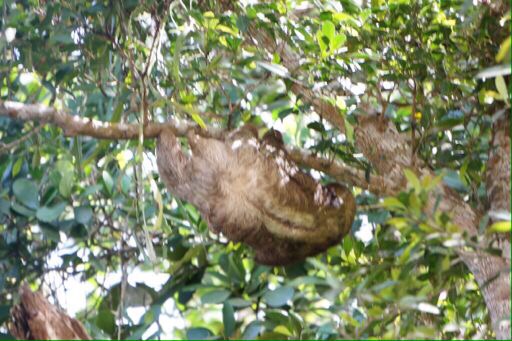
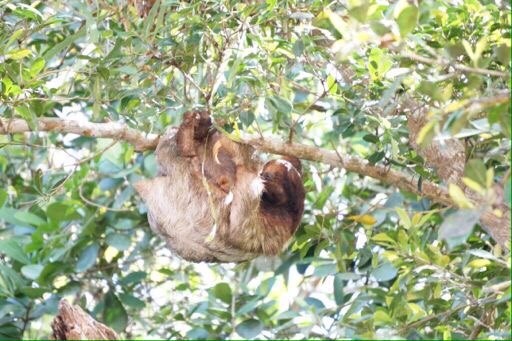
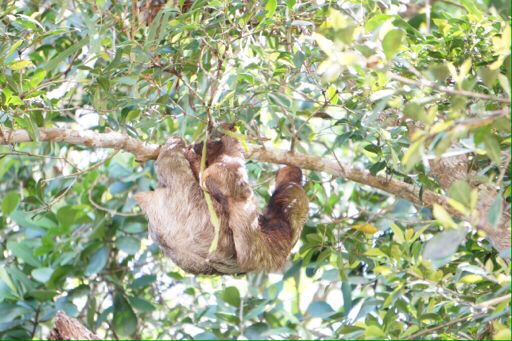
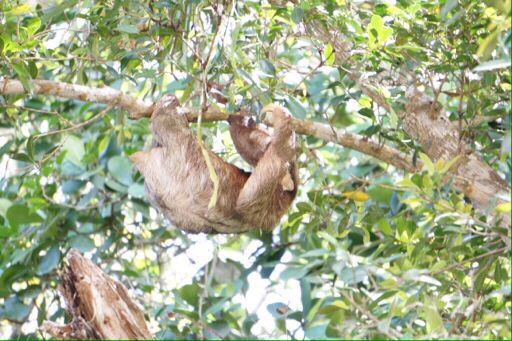
A mother 3 toed sloth and her baby
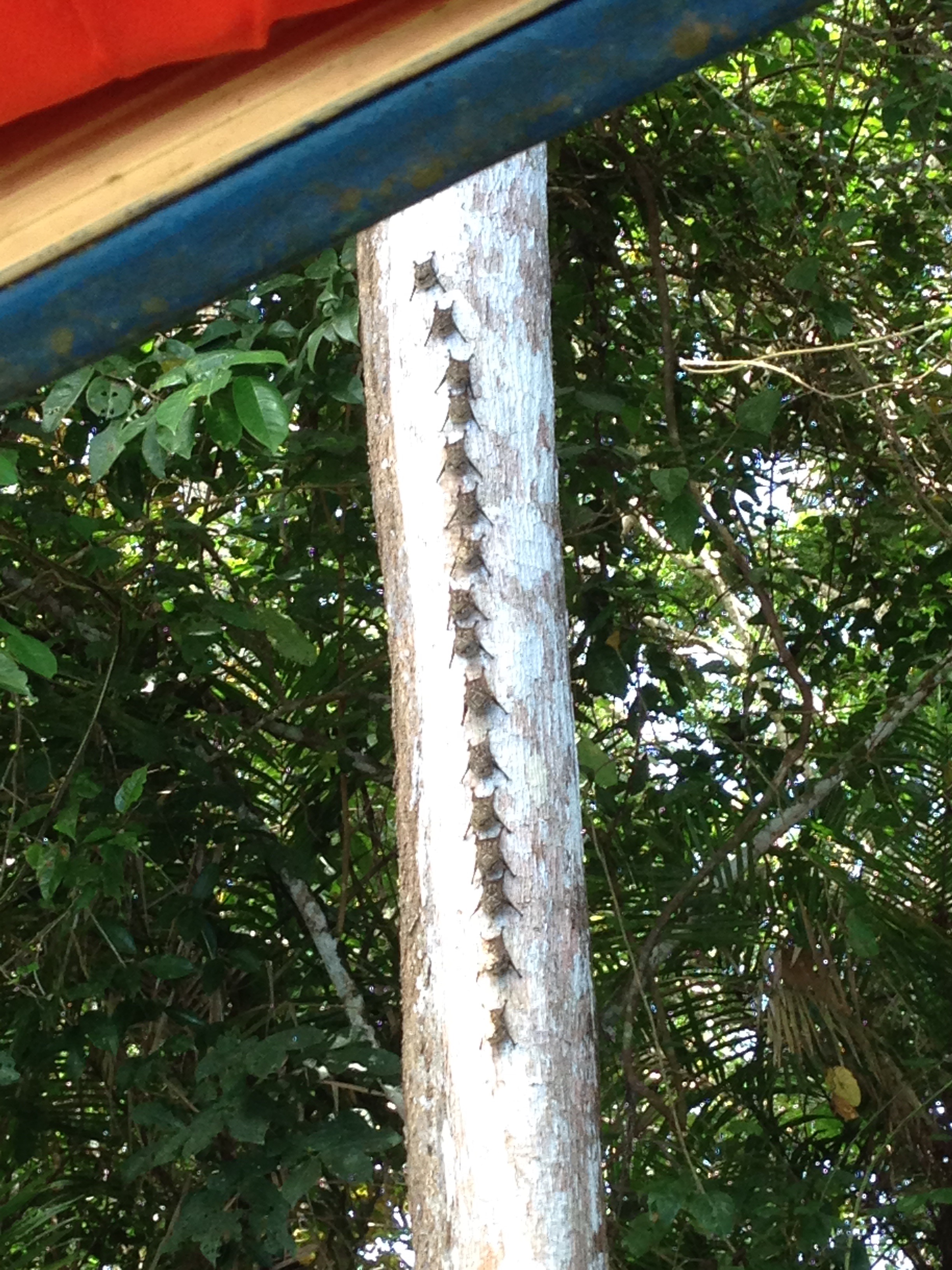
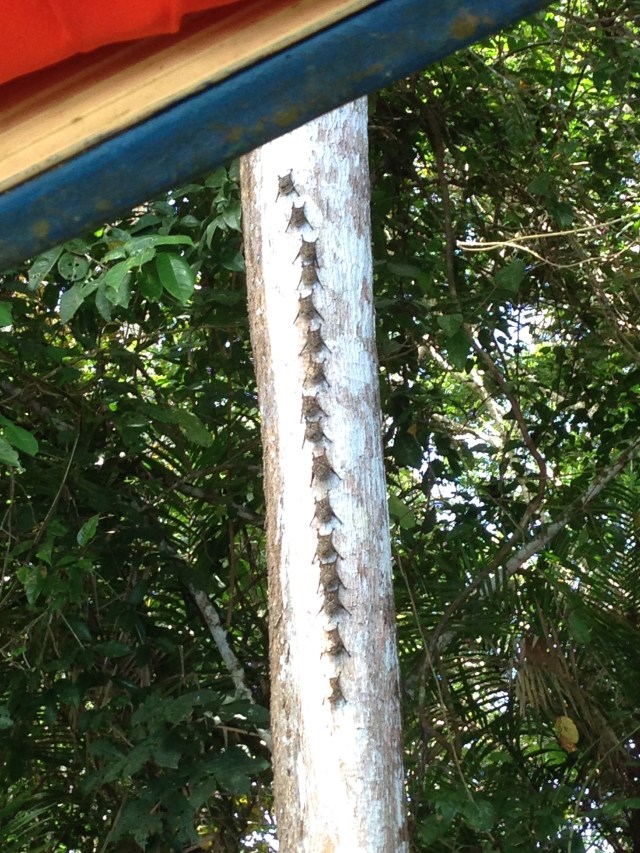
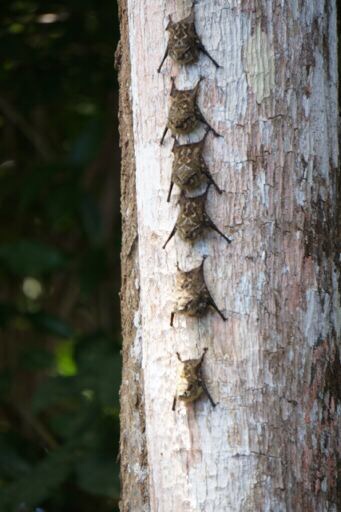
We came across a colony of 16 long nose bats hanging upside down on a tree. Bats make up 45% of all CR mammals.
Then of course some reptiles
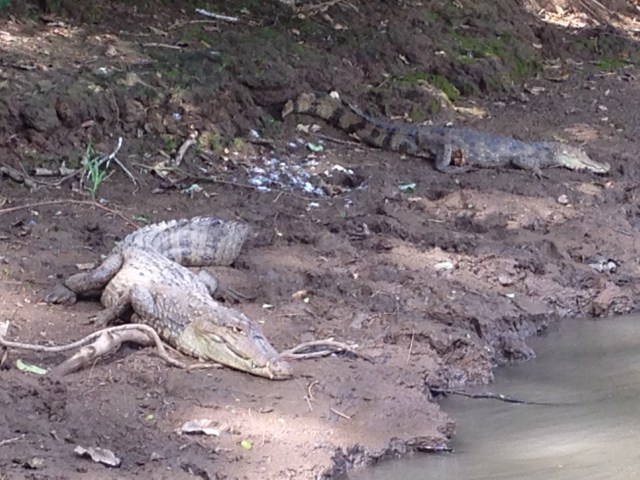
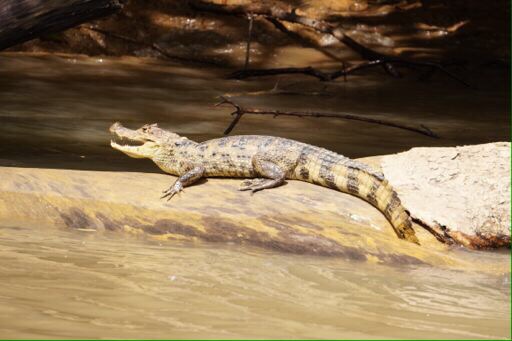
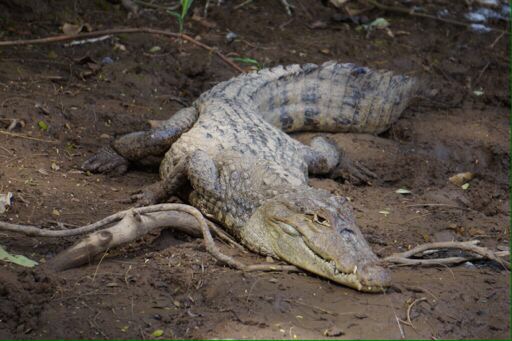
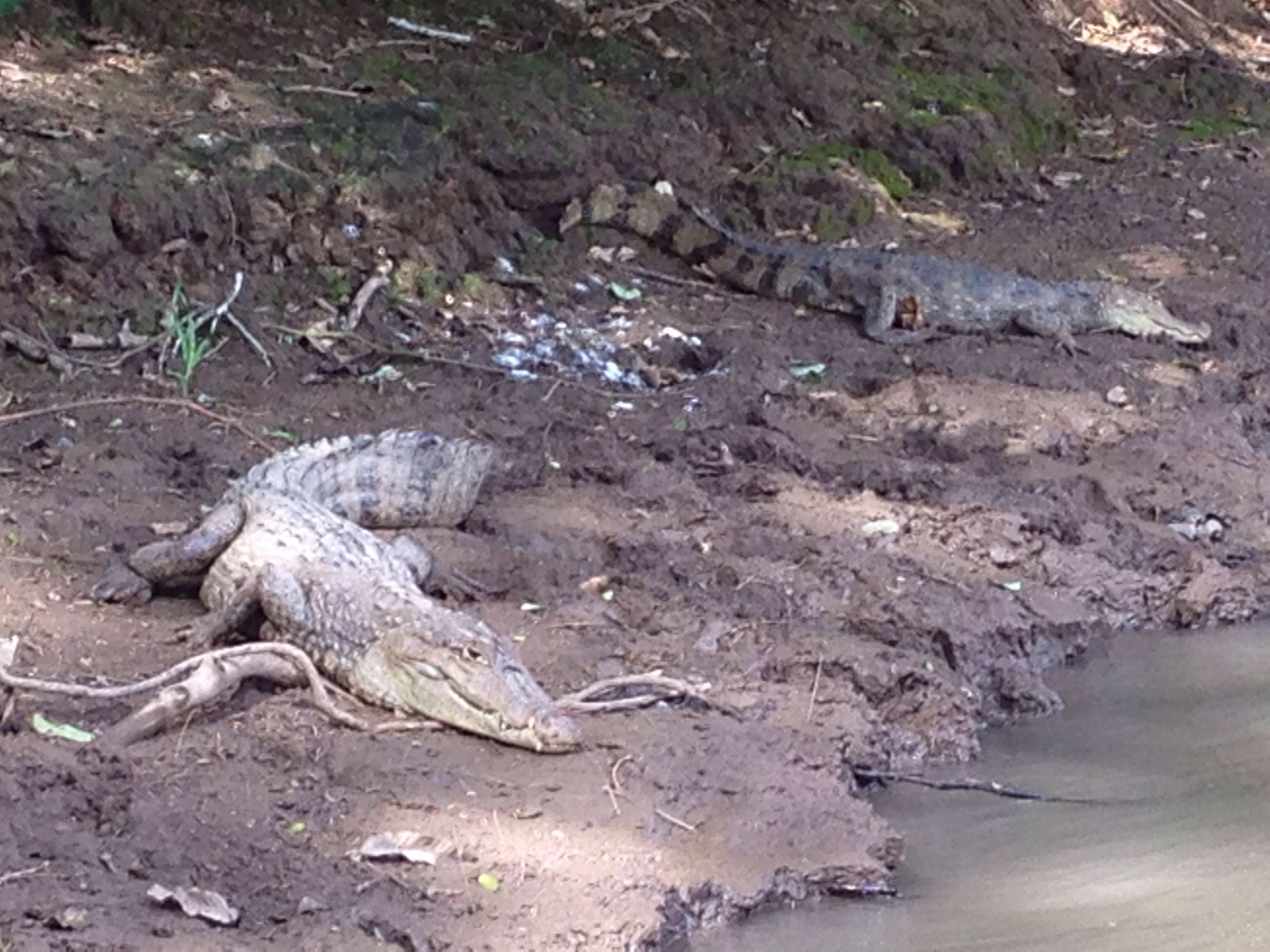
Caimans related to the NA alligator.
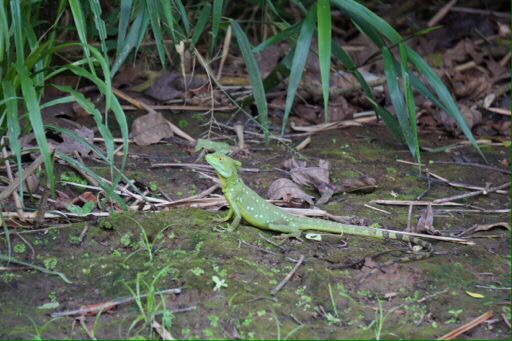
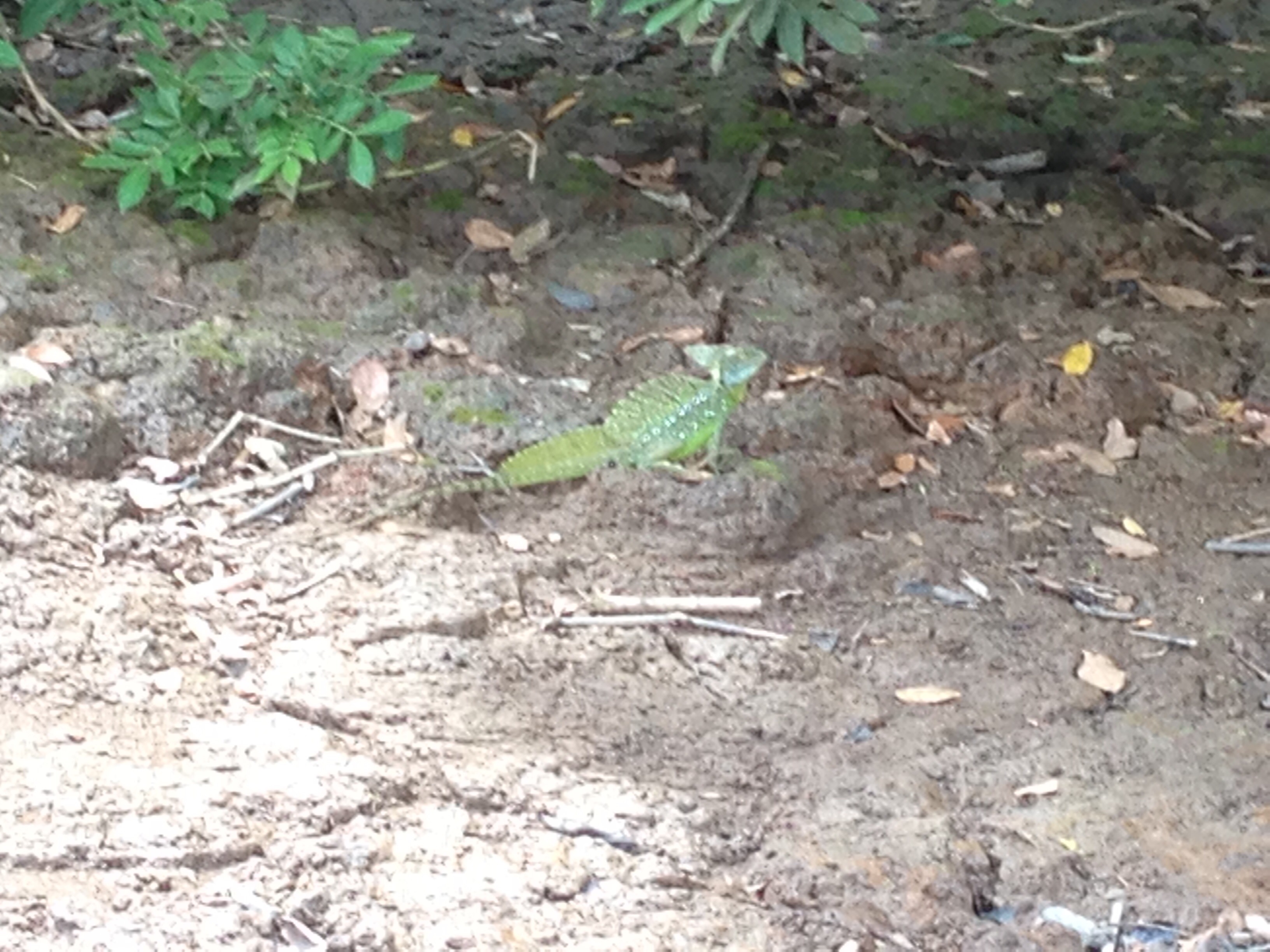
Female JC lizard
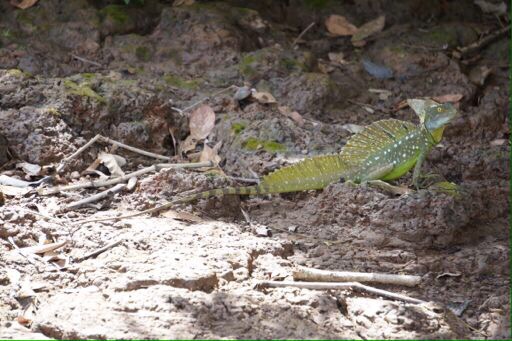
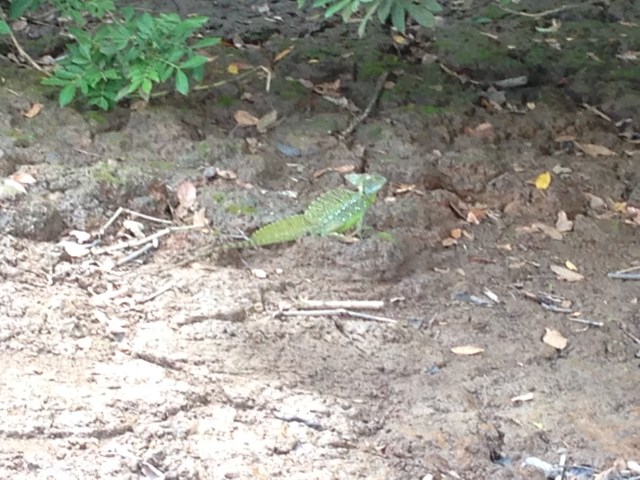
Male JC lizard
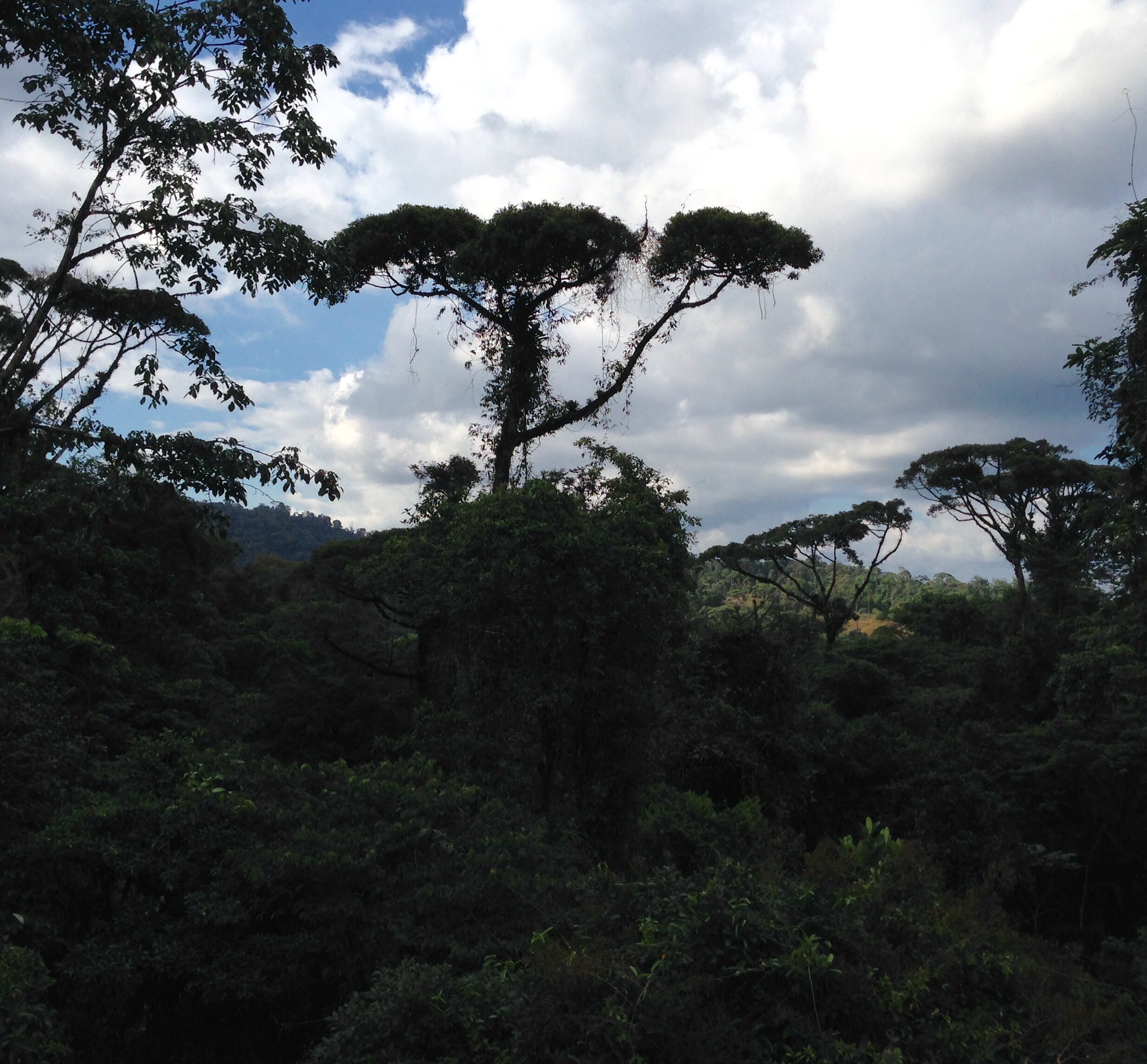
This area is part of the huge rainforest in CR. In La Fotuna the average annual rainfall is 12 to 15 feet per year. This is slightly less than the average rainfall of 16 feet in the Panama lake.
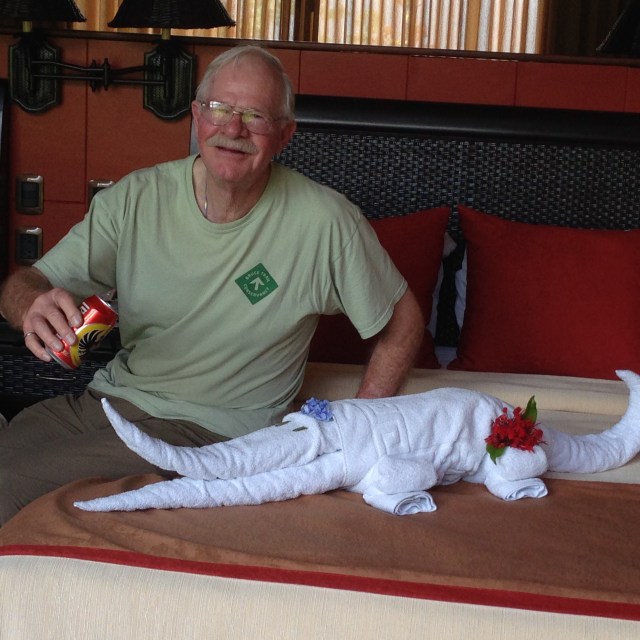
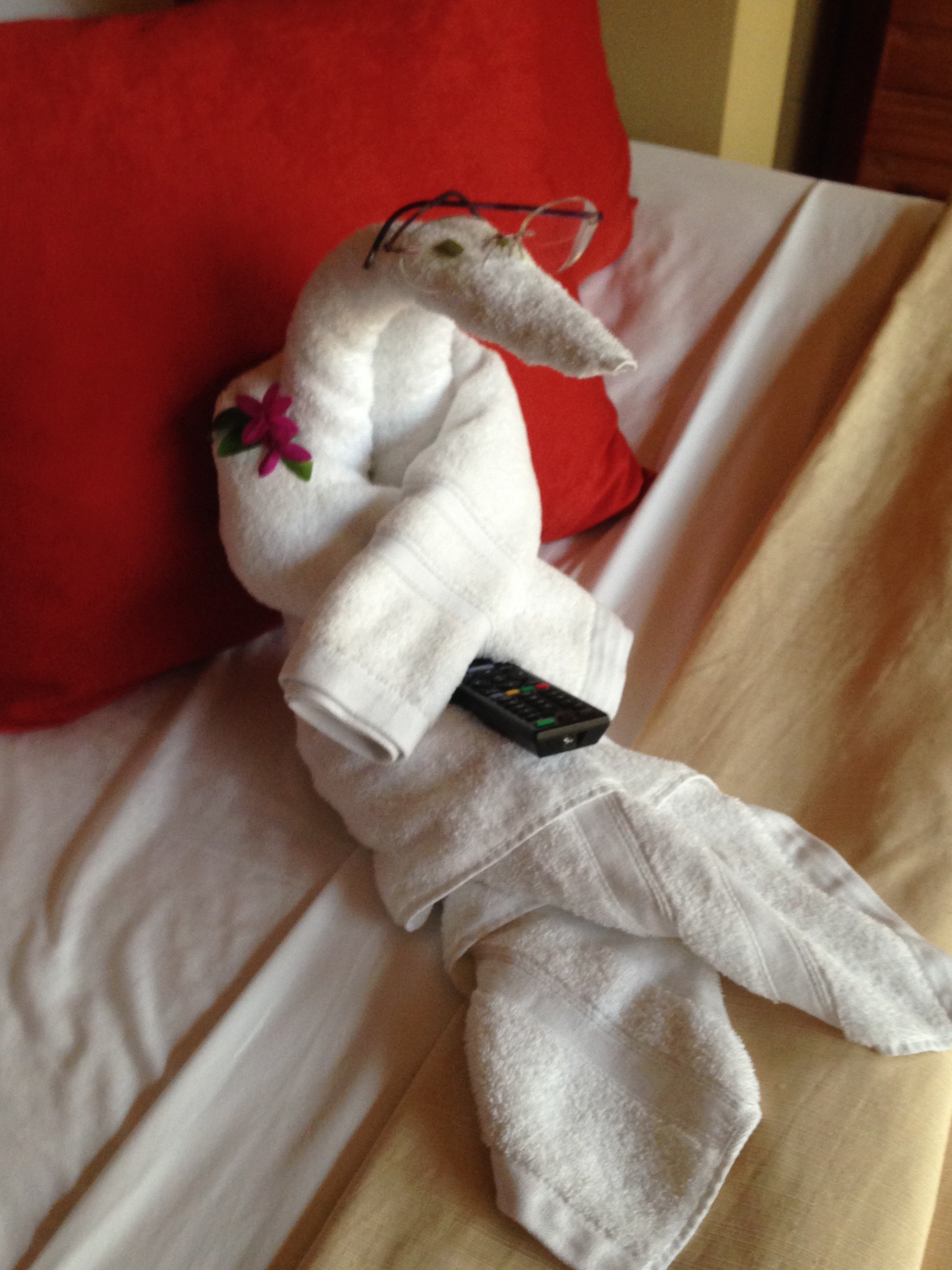
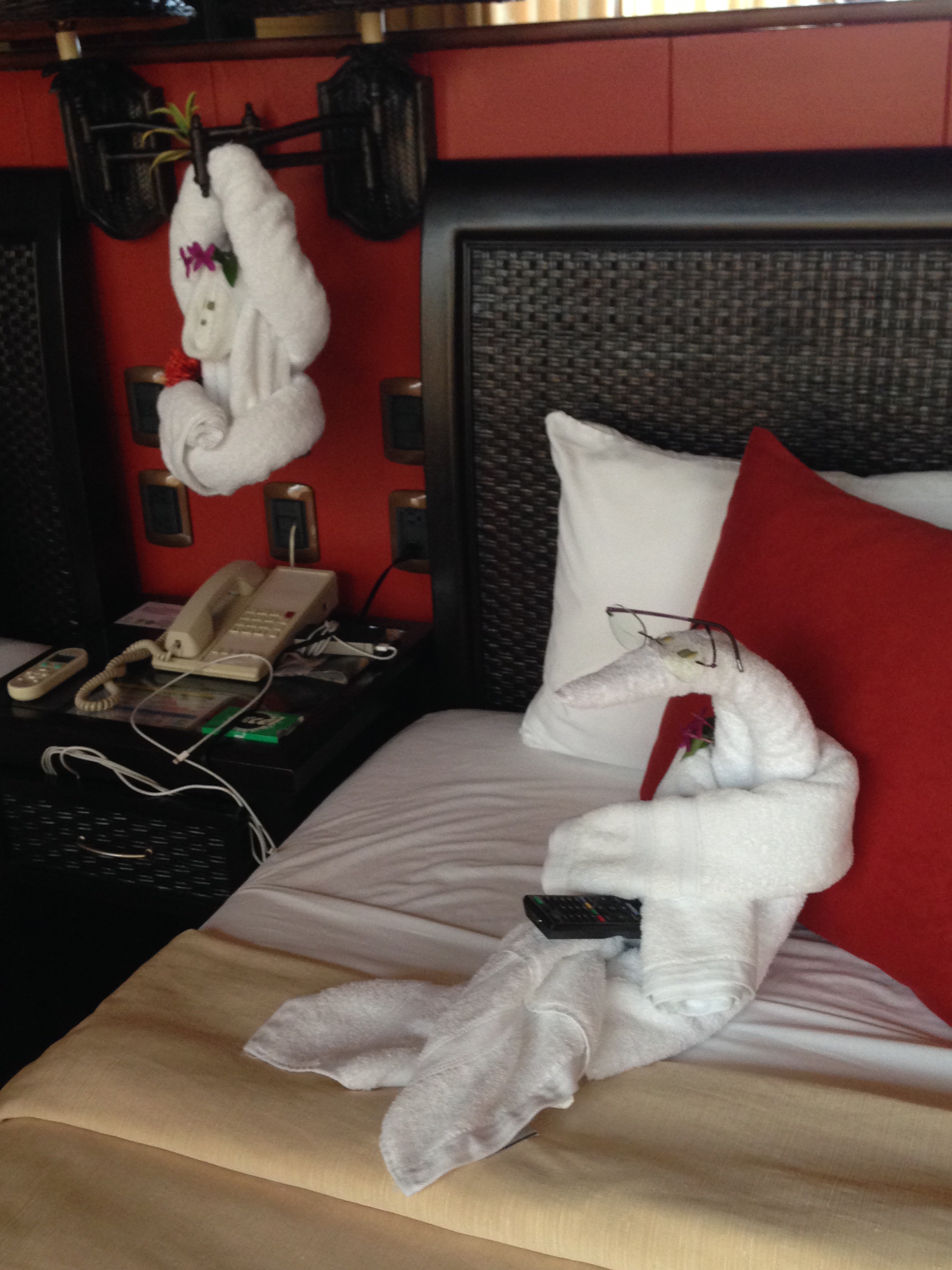
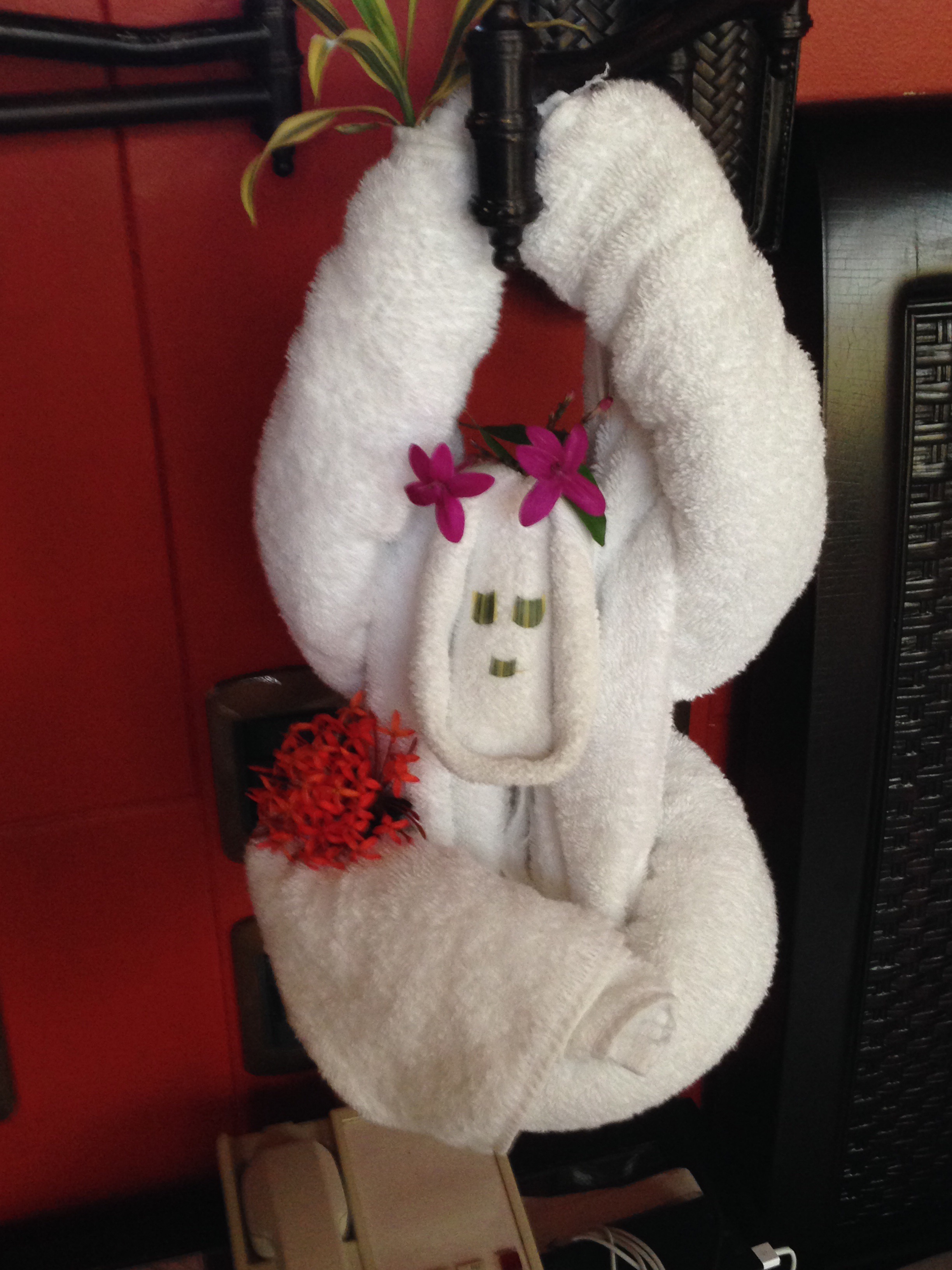
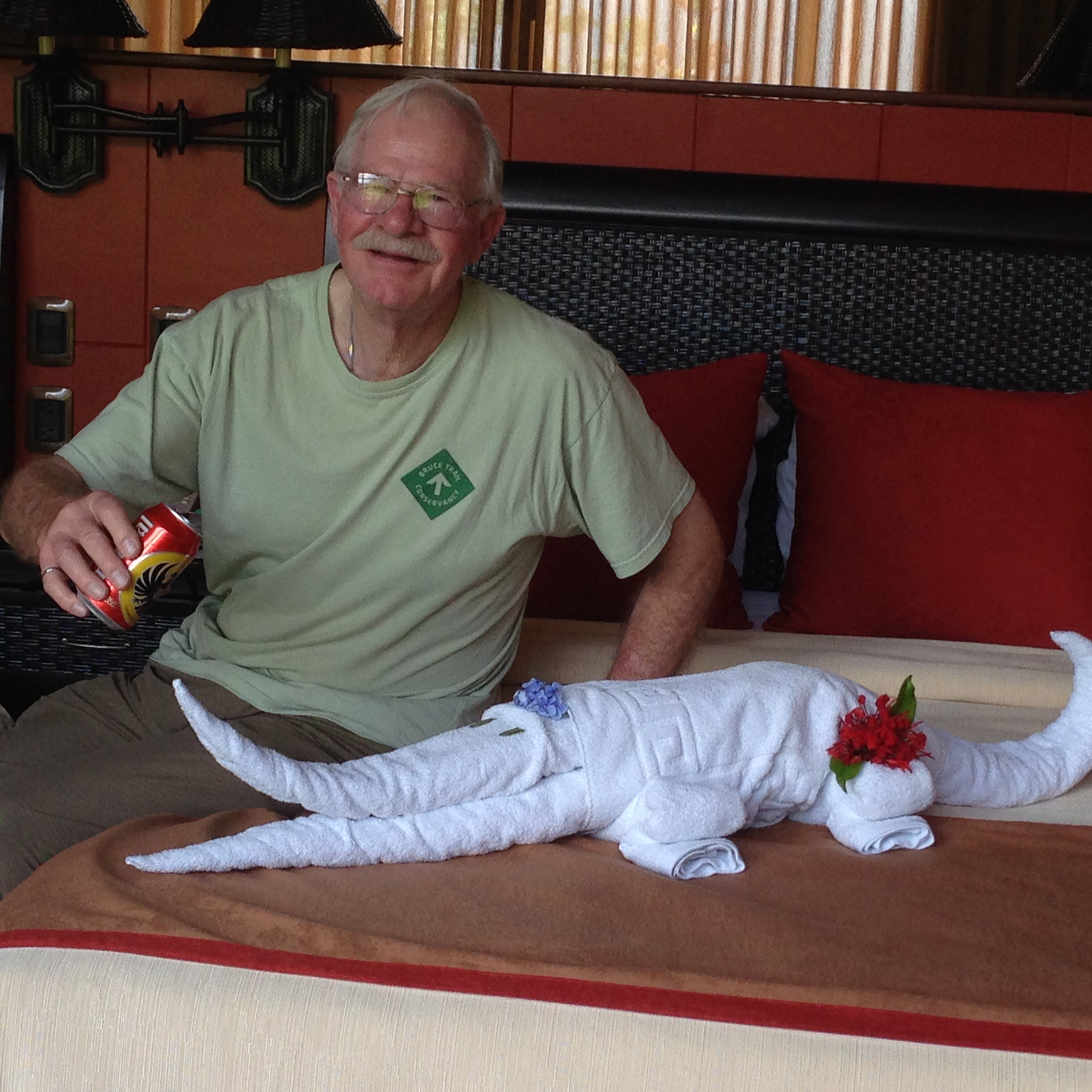
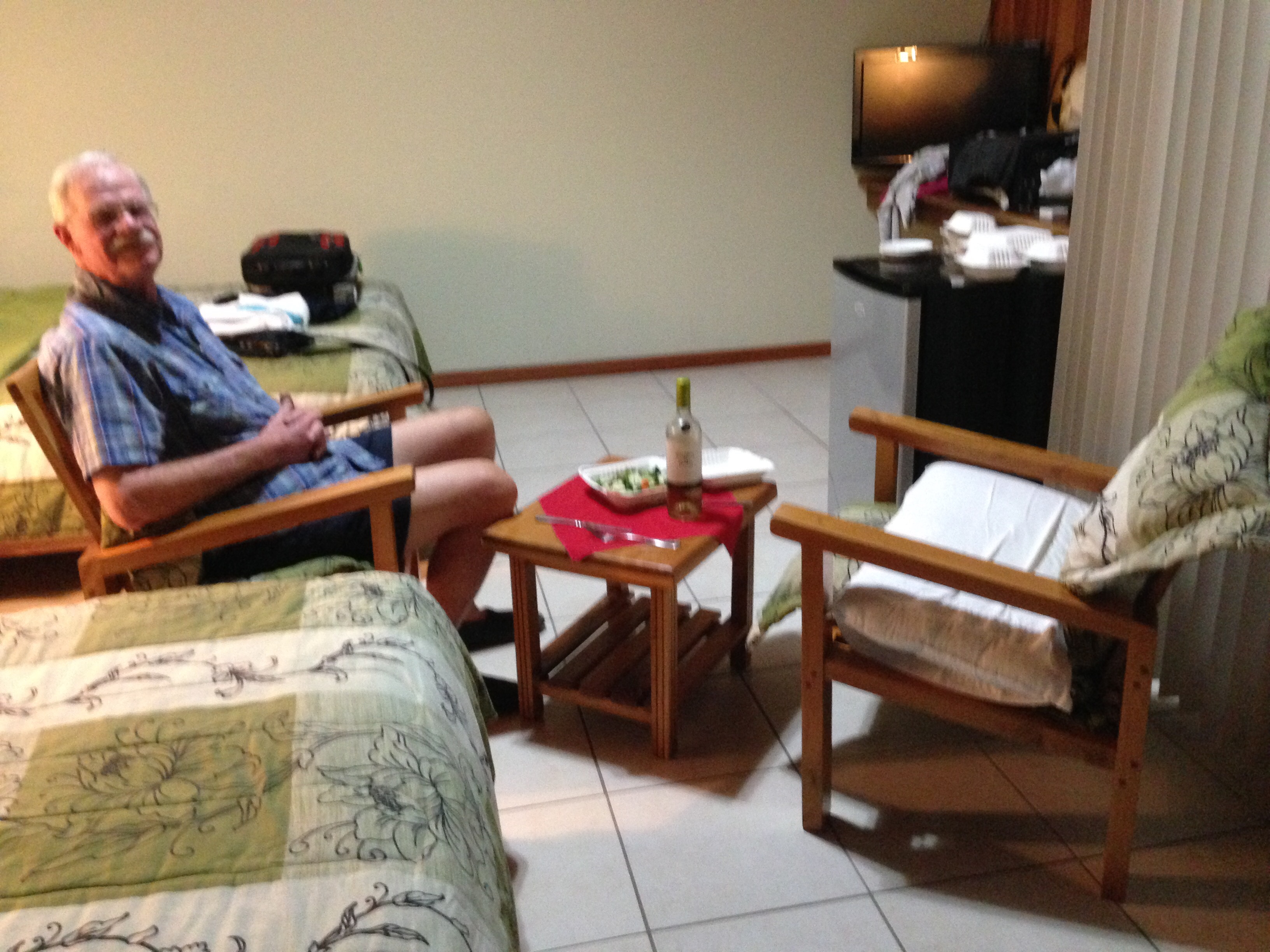
When we got back to our room we were surprised by a caiman lazing on one of the beds – to calm it down Gary shared his beer.