Dec. 14 Traveling to Agra

After getting checked by the Indian authorities on the ship we were on our bus to the airport in Mumbai.
In order to drive in India you need 3 things – a good horn, good brakes and good luck. We had all three and they were tested frequently!
As we careened through the streets of Mumbai and later along the highway to Agra we shared the road with motor bikes, pedal bikes, walkers, joggers (some in bare feet), push carts and carts pulled by oxen, bulls, camels and horses. Everyone on the road, including our bus, was weaving in and out of all the traffic, a continual game of chicken. Amazingly we did not see one accident!
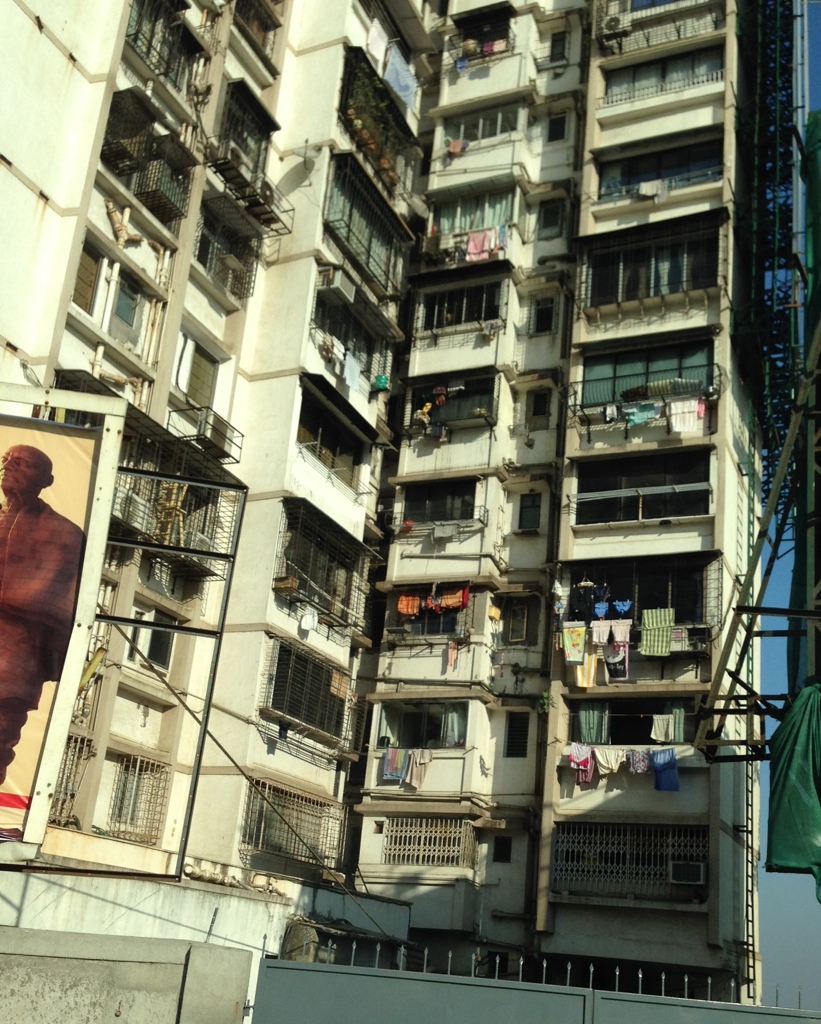
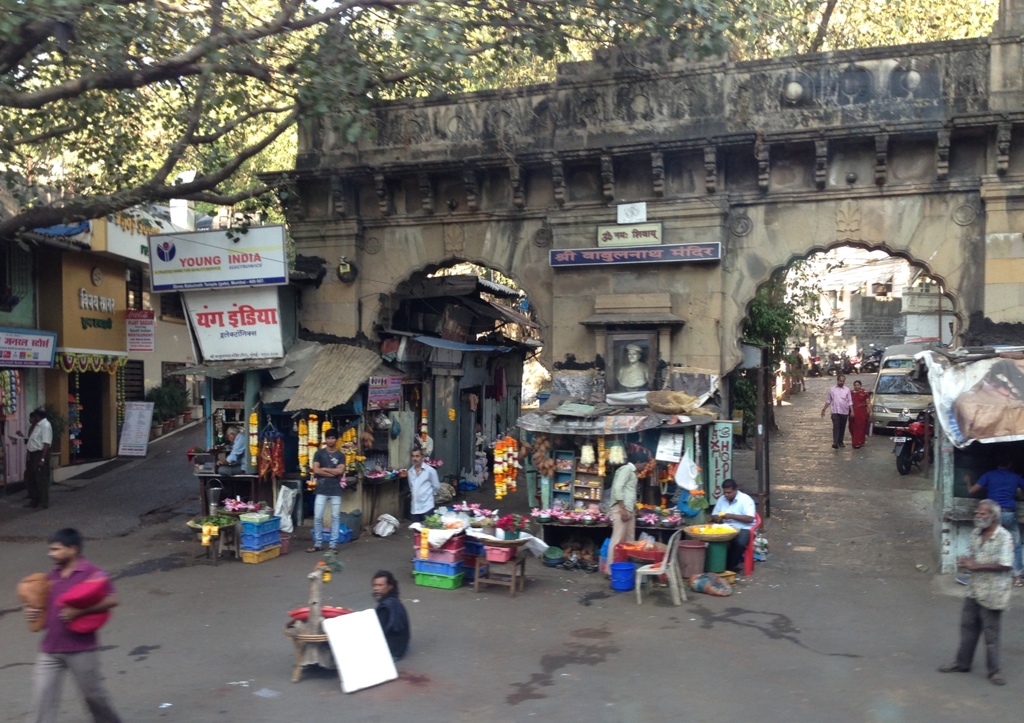
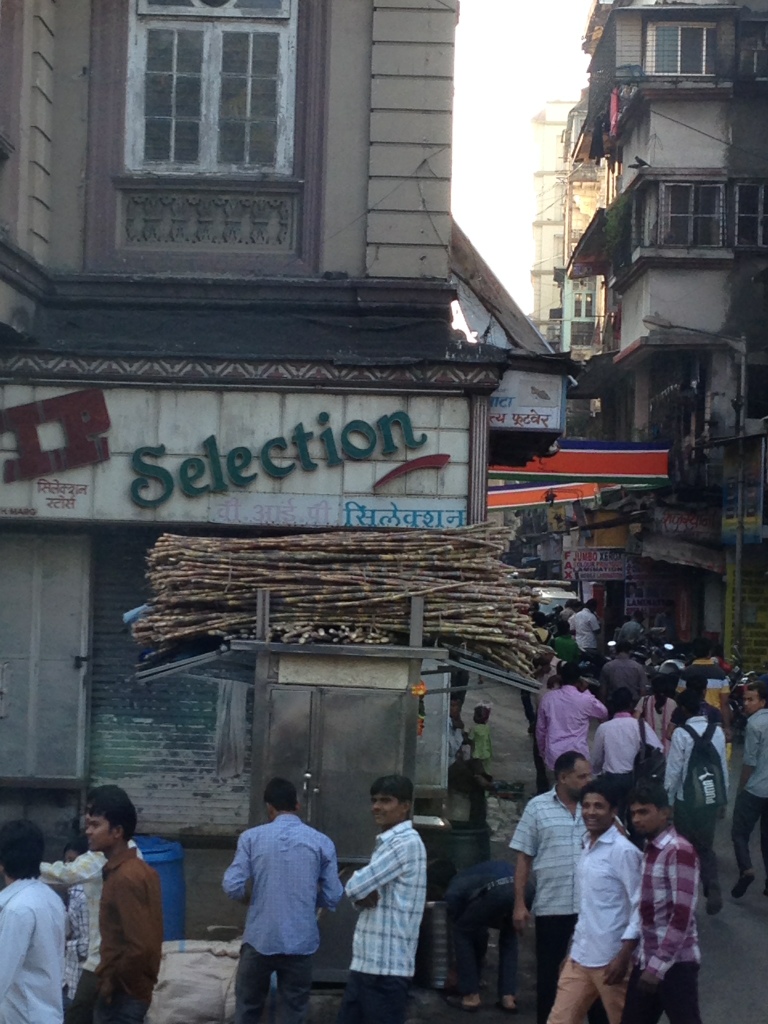
Our look at Mumbai was what we saw from the bus. My impressions are – crowded, people everywhere, dirty – all the building are grimy, the people look dirty, there is garbage everywhere. I had a feeling of people all competing for space, everyone looking out for themselves and no one thinking about maintaining their surroundings.
India has a population of 1.5 billion with 21.5 million of them in Mumbai (they were all out lining the roadways as we sped through the city). India is the fastest growing nation in the world and at the current rate will have a larger population than China by 2020. There are 145 births every minute.
Mumbai is called the city of opportunity. It is growing rapidly as people immigrate from other parts of the country to take advantage of the employment growth. Even so 40% of the population is living in poverty. 75% of the population is Hindu. Mumbai was a group of islands joined together in the 1800s to form one city. There is evidence of a settlement in the area as far back as the 3rd millennium BC.
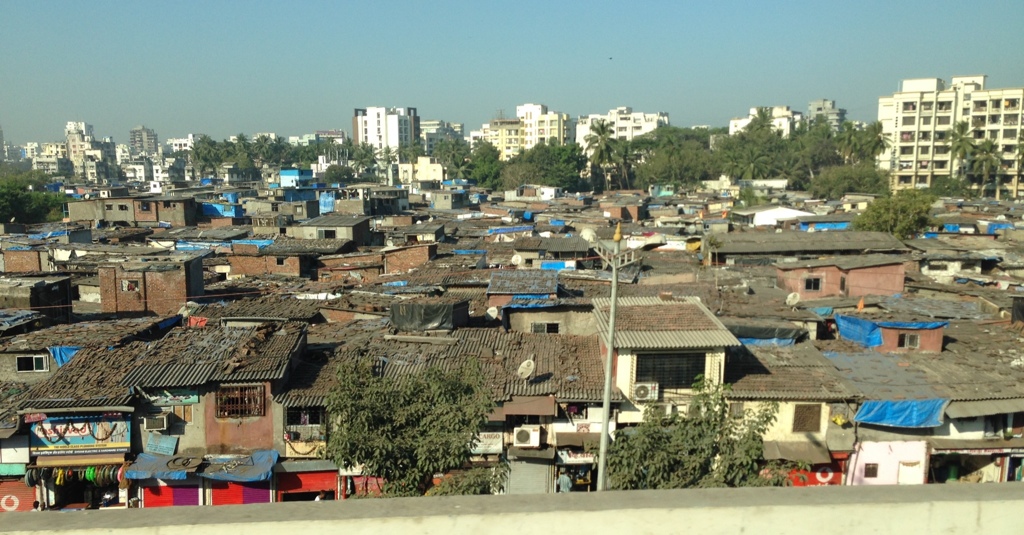
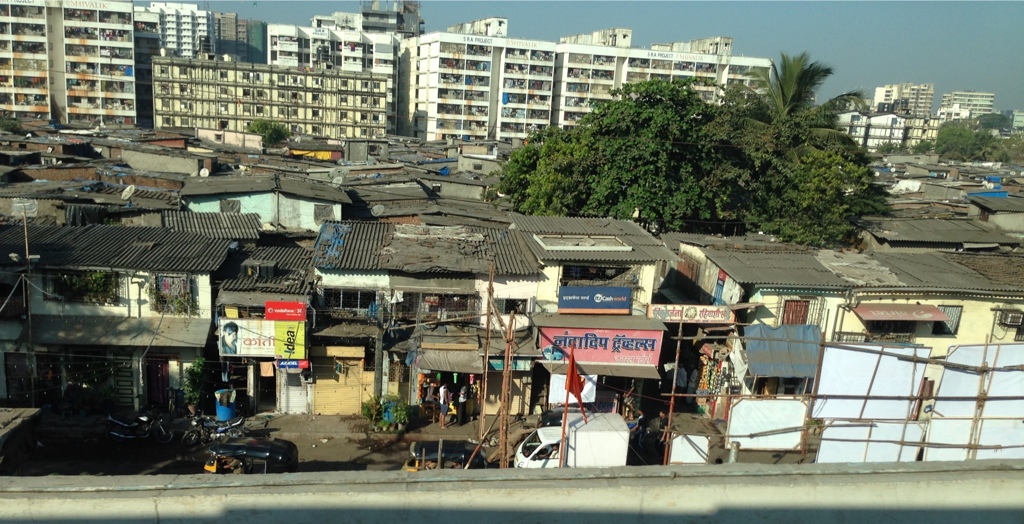
We passed several areas of shacks crowded together, nearby there were large apartment buildings, many of which look very decrepit, trashy and dirty. We saw people squatting either on the side of the road or on nearby patches of dirt or vegetation. They were eating, talking, drinking coffee, children nearby. Often they had a small fire that they were sitting by. The areas of shacks did have satellite dishes on most roofs. Our guide said they do not have inside plumbing but do have a TV and a satellite dish.
From the airport in Delhi we had a 4 hour drive to Agra, the first hour was getting through Delhi. The first city in this area was built in the 7th century, 7 cities developed in the area and were amalgamated to form what is now Delhi, the capital of India. Impressions of the city are the same as Mumbai, except we drove through one area that was clean, with large white bungalows. This is the residences of the government officials. The houses were originally built for the English officials and are now provided free to the Indian ministers, judges etc. for as long as they hold office.
India is a democracy with 28 states. Elections are held very 5 years and a President is elected by parliament. The real power is with the Prime Minister, the President is just a figurehead.
Our guide talked about corruption, “black money” and high taxes. “Black money” is money that is earned but not reported e.g. When buying a car half will be paid in cash “under the table” and not reported. Only 5% of the population pay income tax. 75% of the population are working in agriculture and money earned from agriculture is not taxable.
There are 600 languages! So most people learn English as a second language so they can communicate with others outside their local area. The government identified 450 castes and has developed a new caste system with only 4 castes and are working to eliminate the discrimination that still exists. They have introduced a series of benefits to assist the former “untouchables” including schooling, preferential hiring, welfare etc. However, due to the high degree of corruption the benefits do not always reach the intended groups.
Every city has a slum. This is the source of domestic help, it sounds like most middle class will have 2 or 3 domestic workers – cleaners, cooks, drivers.
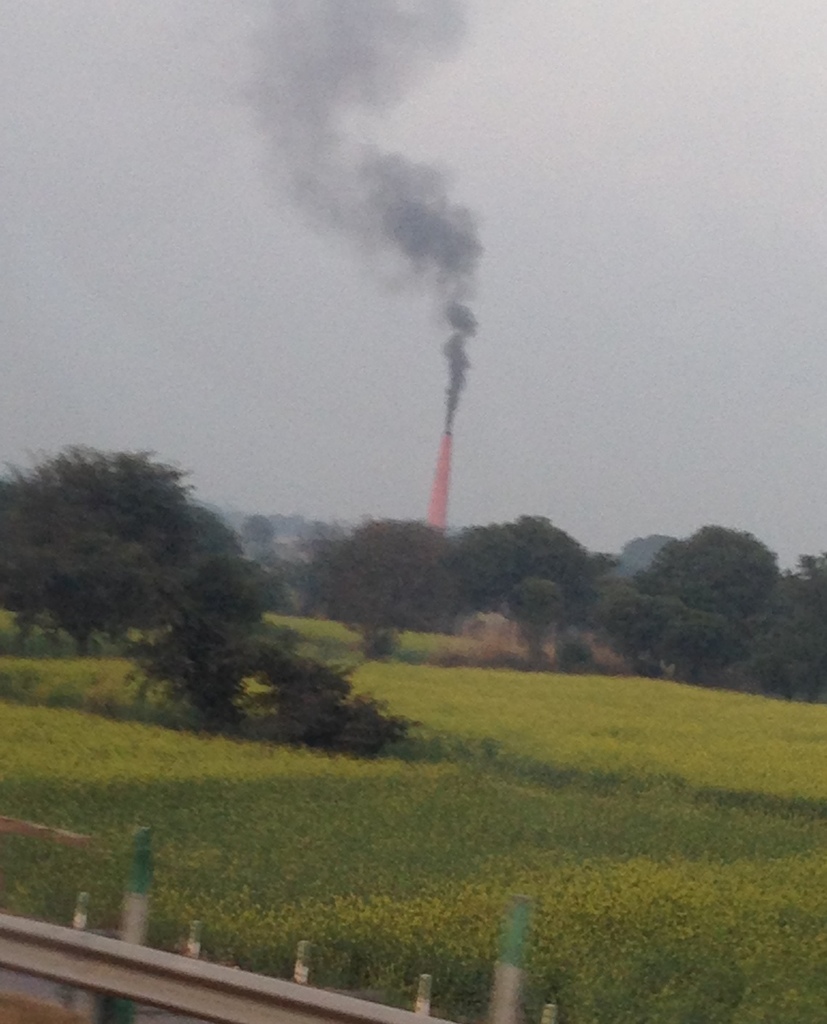
All day we experienced a high level of pollution. There seemed to be a grey haze hanging over us the whole time, even as we drove through the country to Agra. On that drive we passed many small farms growing wheat, mustard and cattle fodder. We did not see any large farming equipment, but did see people working in the farms – it seems to be all manually done. There were also many brick factories belching out black smoke along side of the farms.
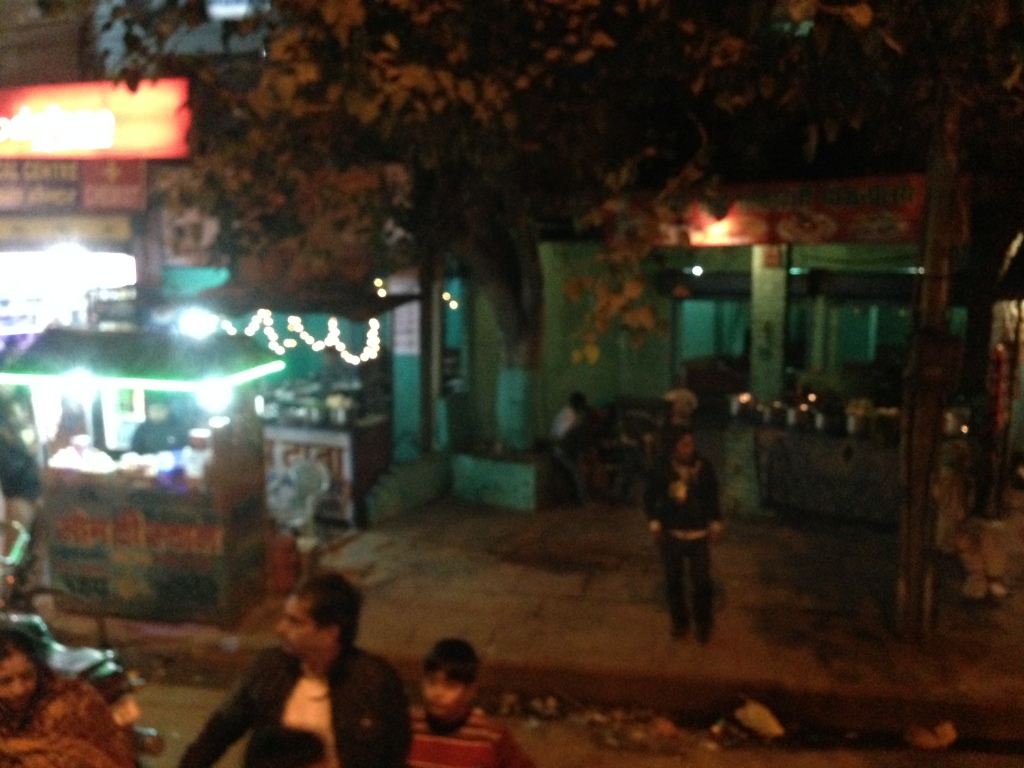
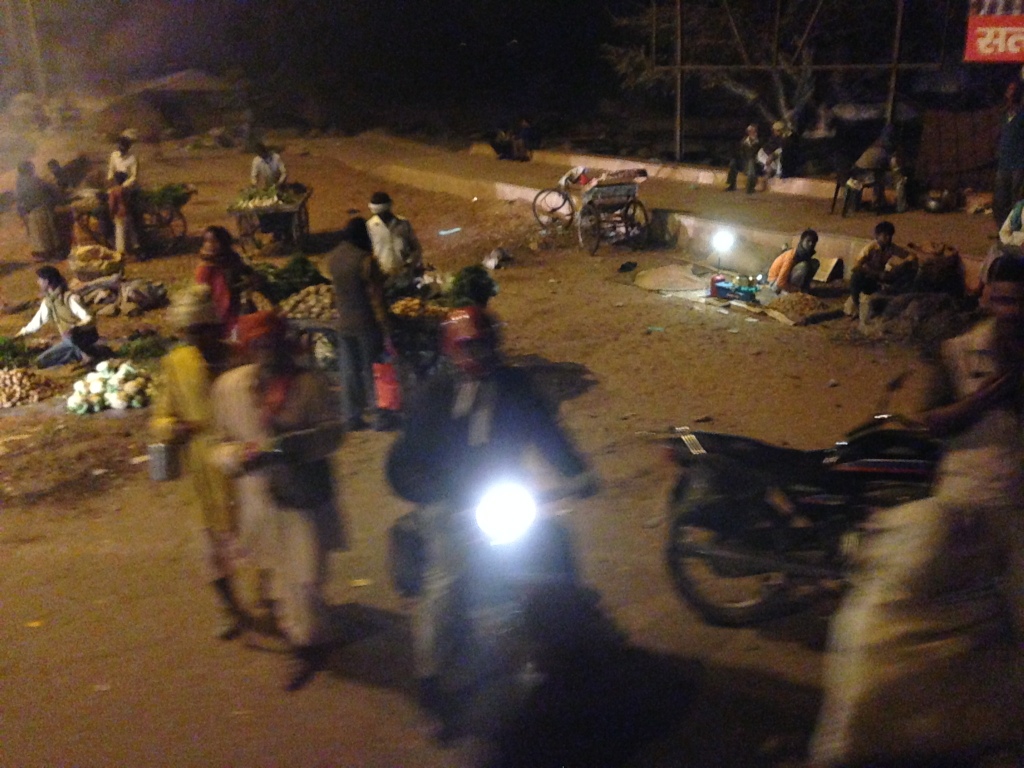
We reached Agra after dark. We drove through streets lined with hole-in-the-wall shops. Tiny shops that were literally a small room or shed, often with room for just one person with stuff spilling out onto the road. There were also carts piled with fruit, nuts and other items for sale, the owner(?) would be squatting on the cart watching his inventory. Small portable fast food stalls were along side, usually with a fire going to cook the food right there. There was all kinds of merchandise for sale – food, bikes, repair shops, sewing. I saw what looked like an old treadle singer sewing machine being used in one shop, several barbers shaving someone, often there were small fires with people cooking (one guy was holding what looked like a chicken over the fire). Interspersed were night clubs with bright neon lights. Narrow streets put us right beside all this activity as our bus veered around the chaos.
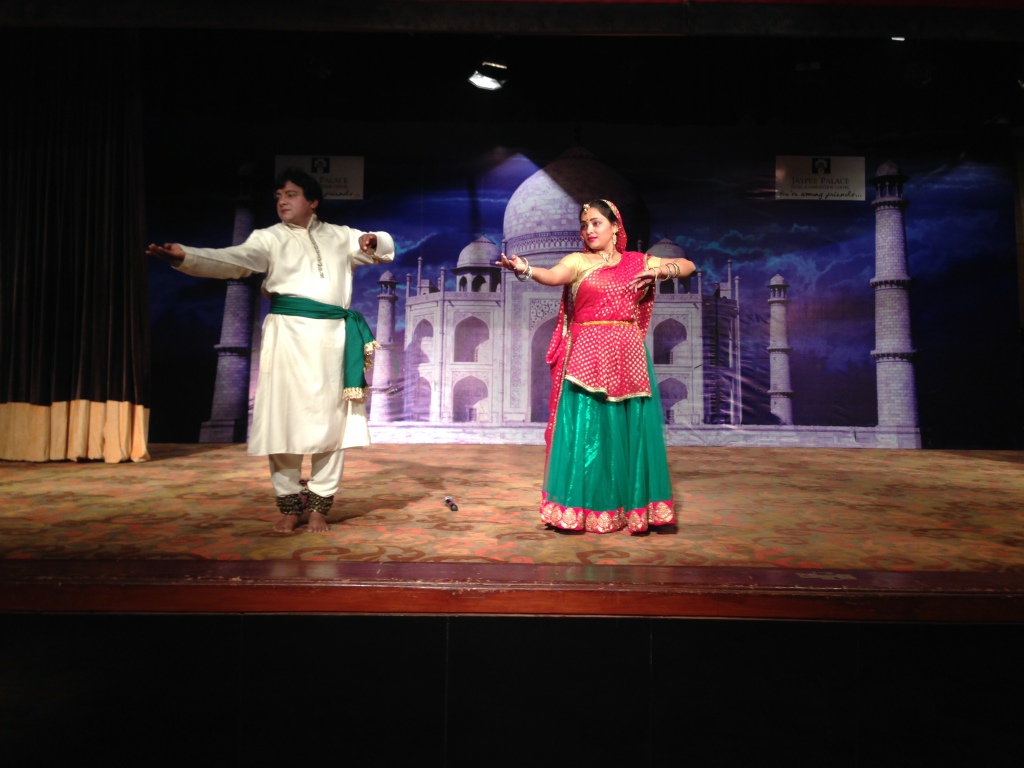
We finally arrived at our hotel – what a contrast to what we just drove through! A lovely buffet diner with a dancing display and off to bed. We are getting up tomorrow before the sun so we can be at the “Taj” to watch the sunrise, then breakfast back here.
20131216-061342.jpg

20131216-060919.jpg

20131216-060739.jpg

20131216-060718.jpg

20131216-060501.jpg

20131216-060237.jpg

20131216-060024.jpg

20131216-060006.jpg

20131216-055949.jpg

Posted in Uncategorized | 2 Comments

Dec. 12 & 13 Cruising the Arabian Sea

We had a surprise when we started on our 2 sea days – a drill in case of pirate attacks! This was news. I didn’t think the pirates came into this area. At night we are to ensure no lights can be seen from our stateroom and all external lights on the ship are turned off. The ship is in contact with the multi-national fleet that protects the area and of course they tell us an attack is highly unlikely (hope they are correct!). I think the pirates are usually more interested in the oil tankers.
We have 2 days to get to Mumbai and we speeded through the first day and night. We have slowed down a bit now.
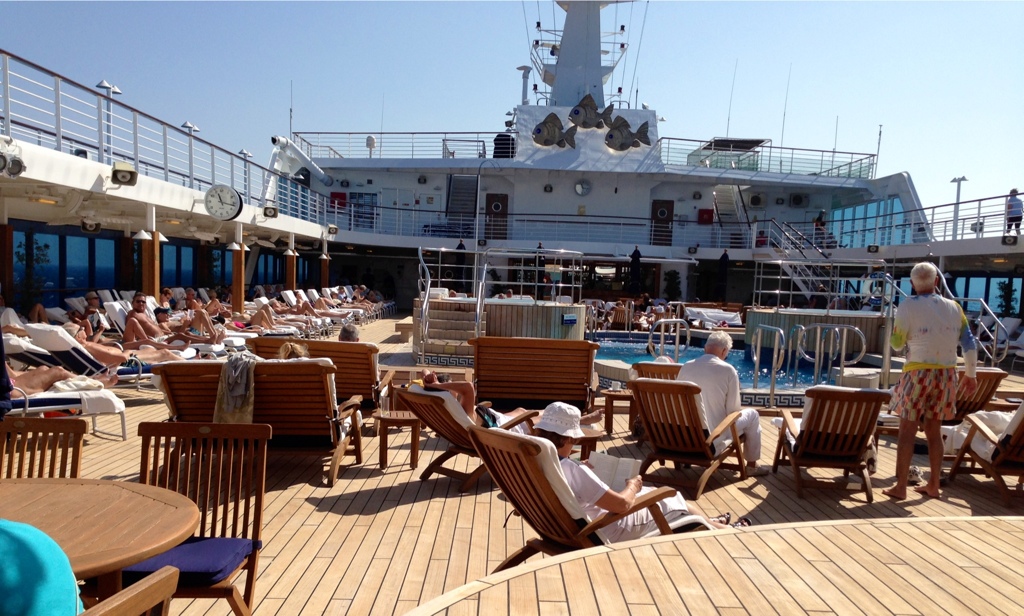
Lots to do, weather is perfect, sunny, about 25C with smooth seas so people are sunning and swimming. There are lectures on the areas we are visiting, cooking classes, needle point groups, lectures on pearls, bridge, music, games, golfing contests, trivia etc and, oh yes! lots to eat.
The drill was simple – we are to vacate our cabin and sit in the stairwells which is in the middle of the ship and farthest area from the windows. From what I could see we sit there while the crew runs around!
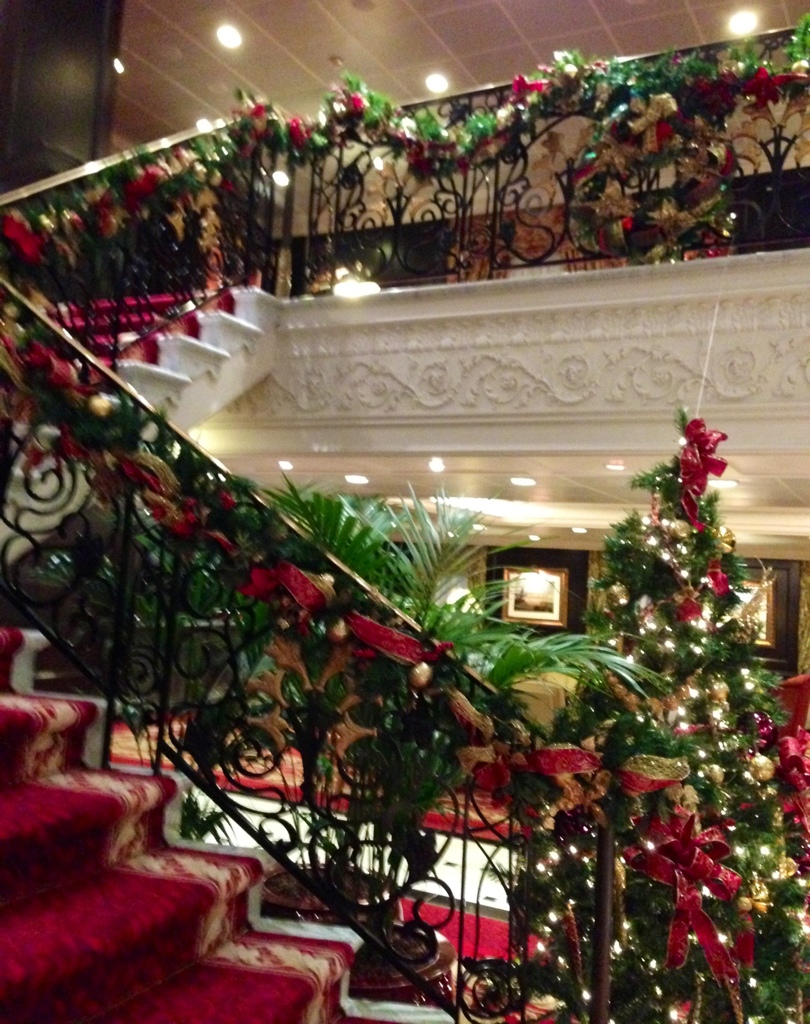
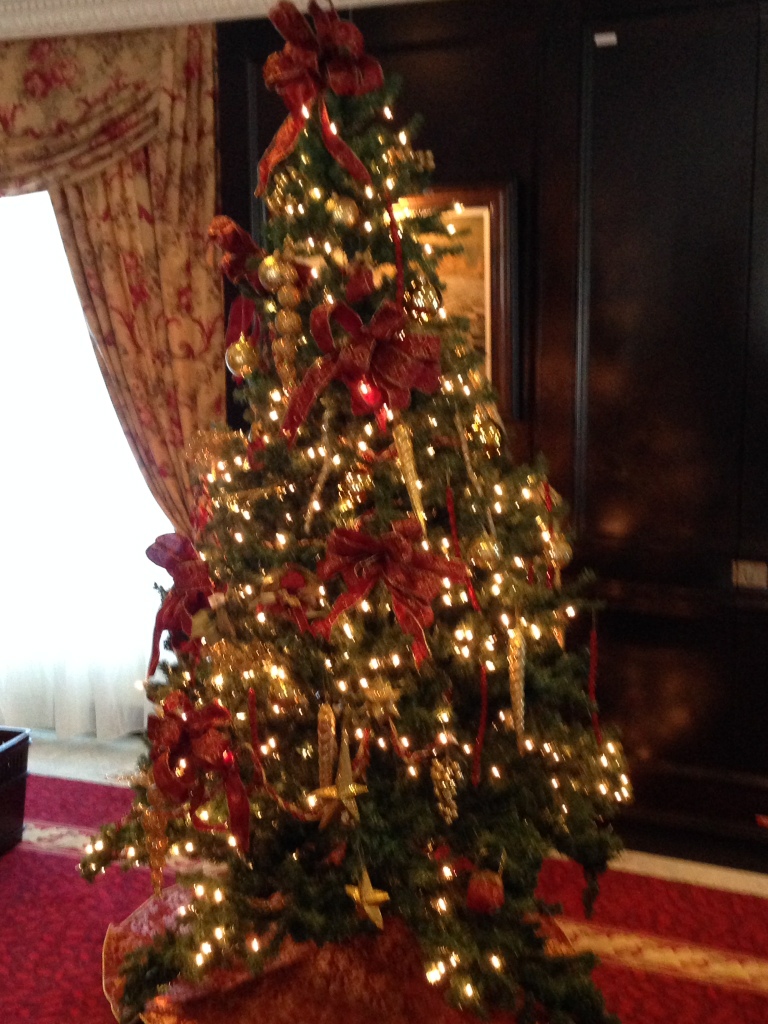
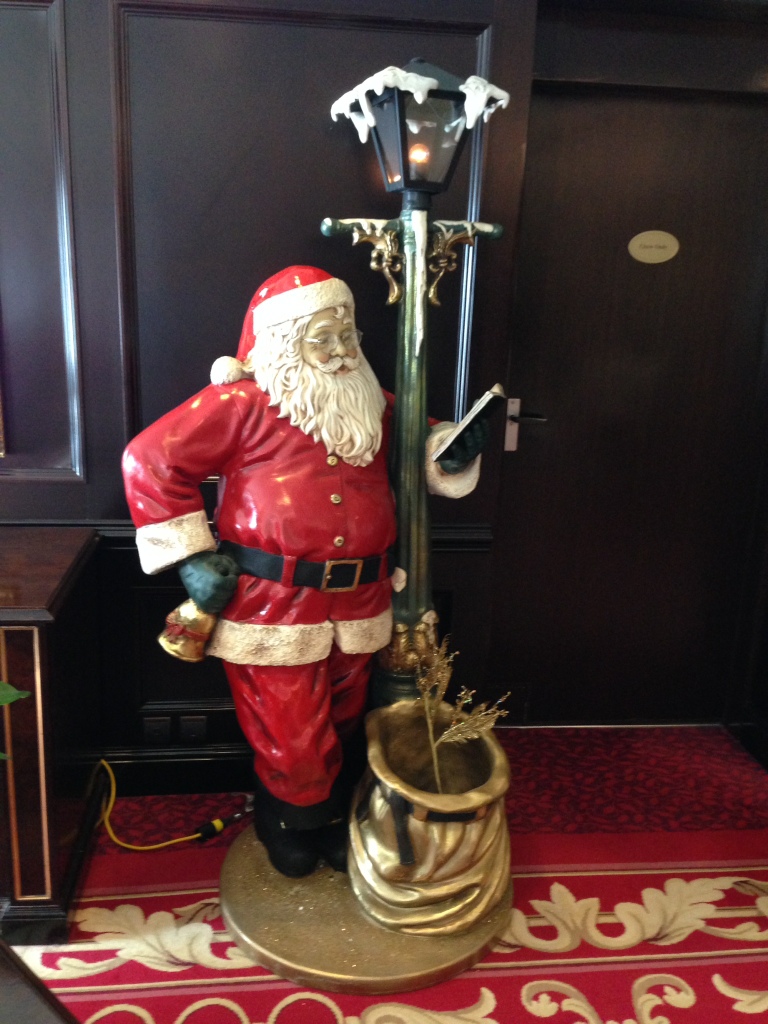
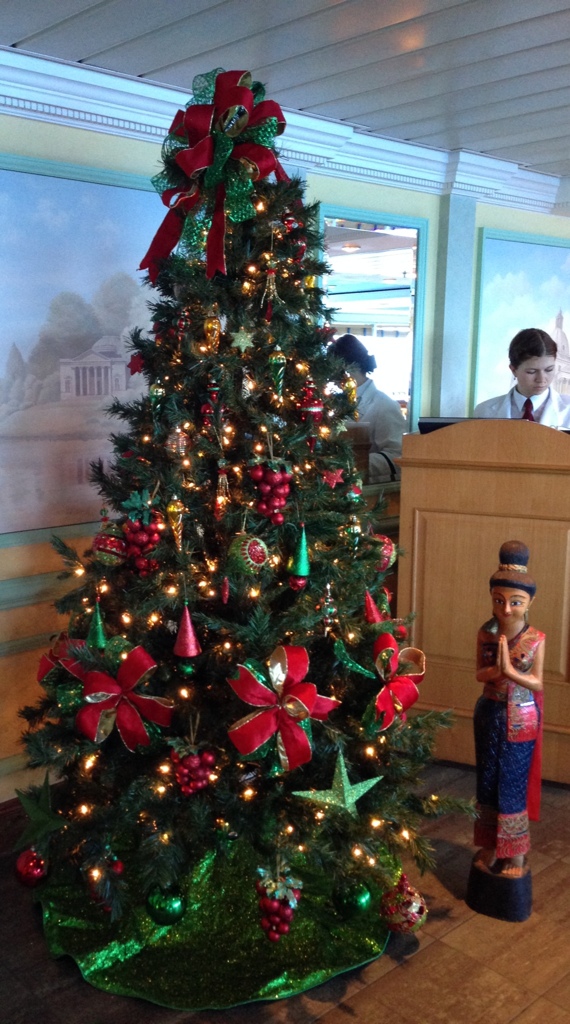
The ship is being decorated for Christmas with trees in all the public areas.
Dec. 14 we will land in Mumbai where Gary and I are off the ship for 3 days. We will fly to Delhi then have a 3.5 hour bus ride to Agra where the Taj Mahal is located. We stay in that area for 2 nights then have a 3.5 hour bus ride back to Delhi and get on a plane, fly to Goa where we reboard the ship – there are about 75 of us making the trip.
Ross, no it was not an out house – an elaborate door. Rick, don’t worry about me, I understand there is lots of shopping opportunities to come.

20131213-220422.jpg

20131213-220039.jpg

20131213-220023.jpg

20131213-220008.jpg

20131213-215956.jpg

20131213-215943.jpg

20131213-215911.jpg

Posted in Uncategorized | 3 Comments

Dec 11 Muscat, Oman

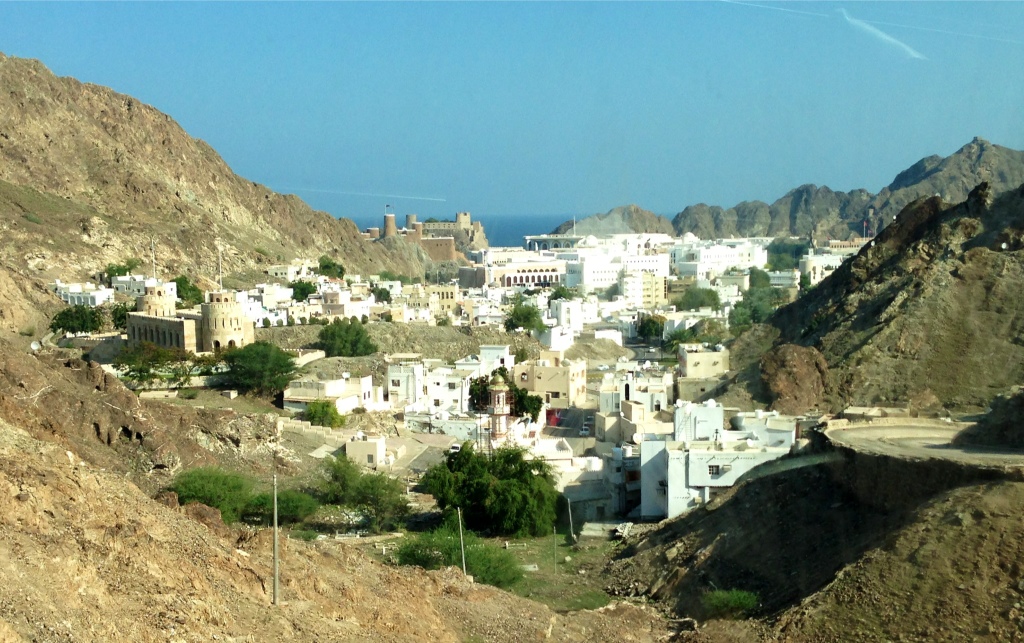
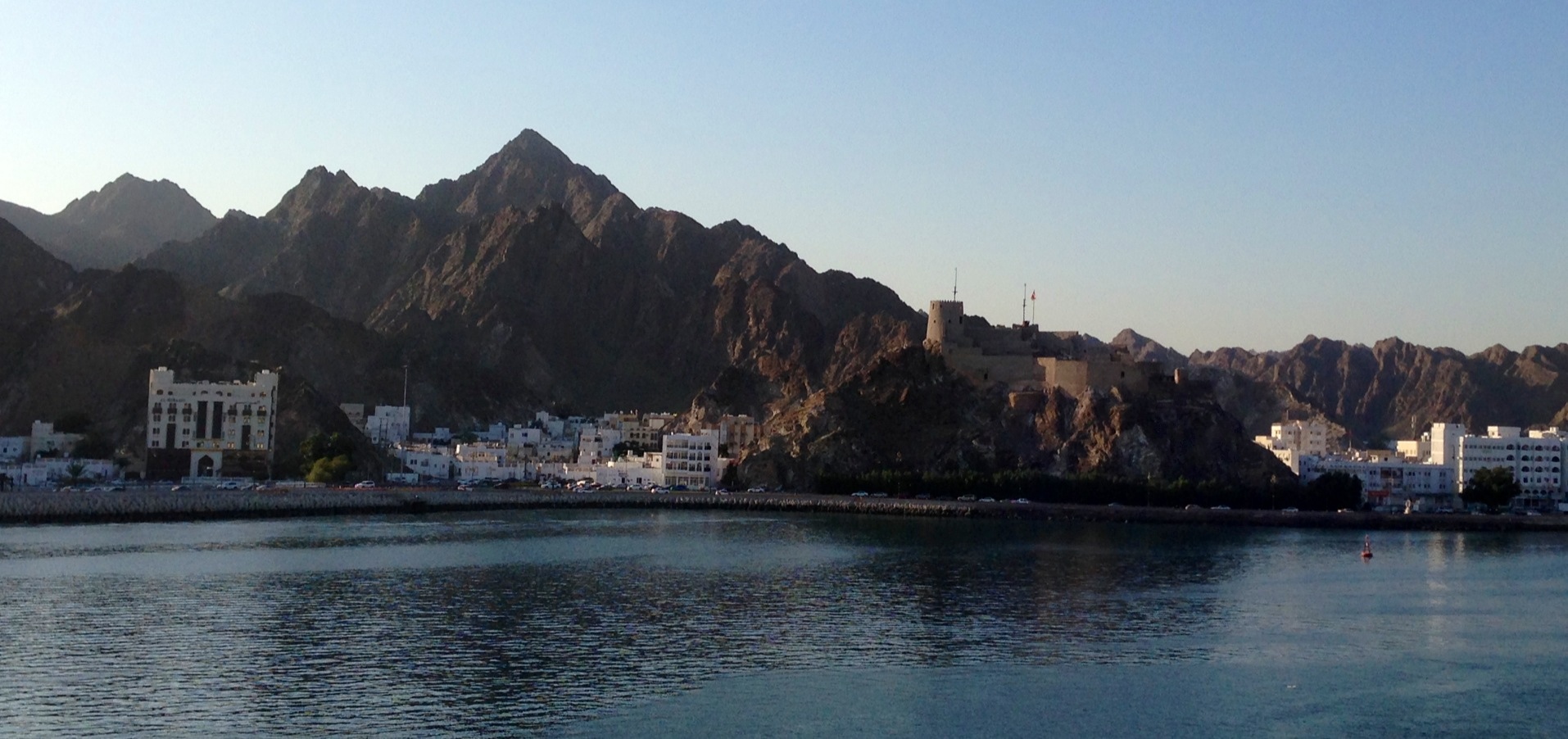
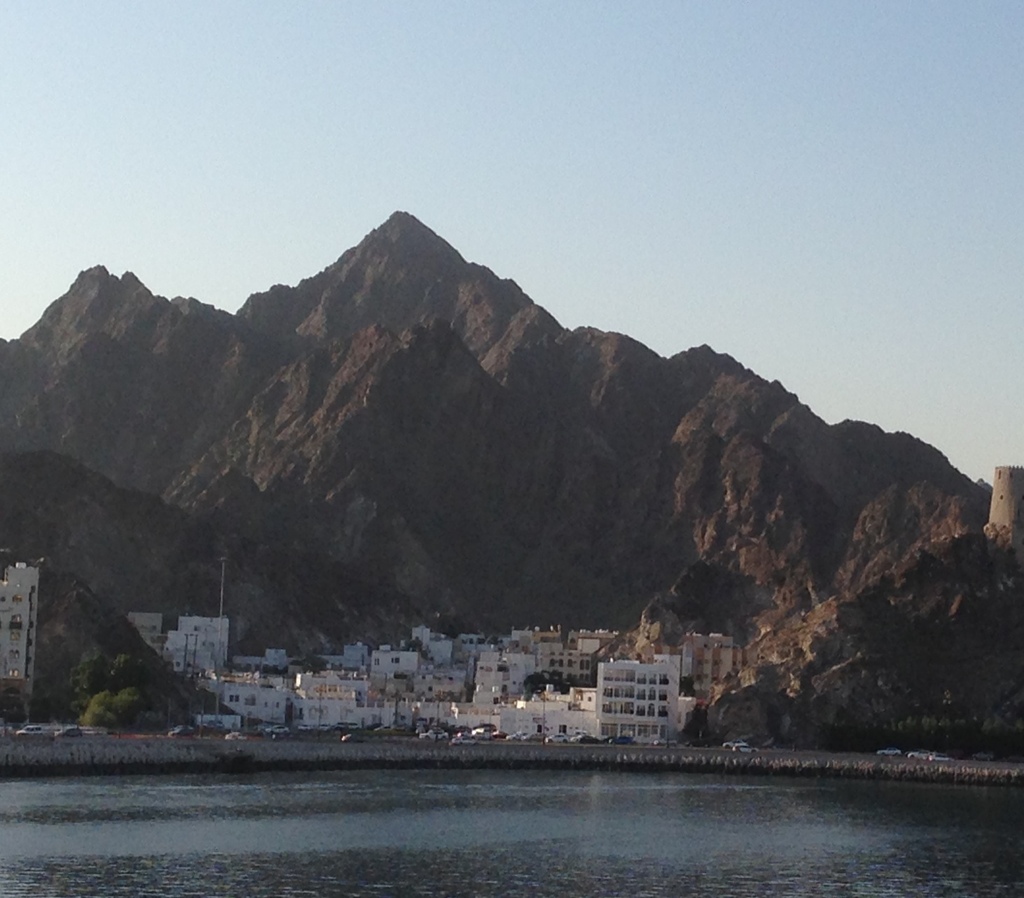
What a beautiful sight when we awoke. We were looking at a beautiful coastline. Rugged mountains provided a dramatic backdrop to a collection of white buildings and a fort sitting on a rock in the harbour.
Muscat is a new city being built by the current Sultan. Oman is a Sultanate, the Sultan, referred to as His Majesty is a supreme ruler, his advisors, ministers etc are all appointed and it sounds like they are often family members – cousins. This is an inherited position and the family keeps their private life a mystery. No one knew of the Sultan’s existence until his was 18 years old. He was educated in England and Germany. Until his rule Oman was a backward country. He has built roads, many public buildings, introduced free education and health care, is training the local workforce, is attracting industry and tourism. He came into power in 1970.
Construction is ongoing everywhere. Roads, a huge mosque, hotels, a huge arena, a new airport etc. One thing that is very surprising is the lack of public transportation. Muscat is a city of one million and the only way to get around is car or taxi, no buses, no subway, no trains. To make matters worse the Sultan has designed the city in blocks of like businesses. All the grocery stores in one area, all the government offices in another area, all hotels in yet another etc. So to get groceries everyone has to go to the same district. We did see traffic jams!
Another decree of the Sultan is that all buildings must has a white or light colored exterior. It does create a beautiful sight as you approach by sea.
The current Sultan is 74, it is not known if he is married or has any children, there are rumors of 2 wives. He is adored by the people because of all the improvements and the improving standard of living. They are not worried about what will happen on his death as they believe he will appoint the ” right” person to succeed him.
The Sultanate has been in the same family for many generations. He is obviously extremely wealthy. He has 17 palaces that he spends time between, a huge yacht that we saw in the harbour. He uses his personal funds for some of the building, e.g. The Grand Mosque, an Opera house, which is third largest in the world.
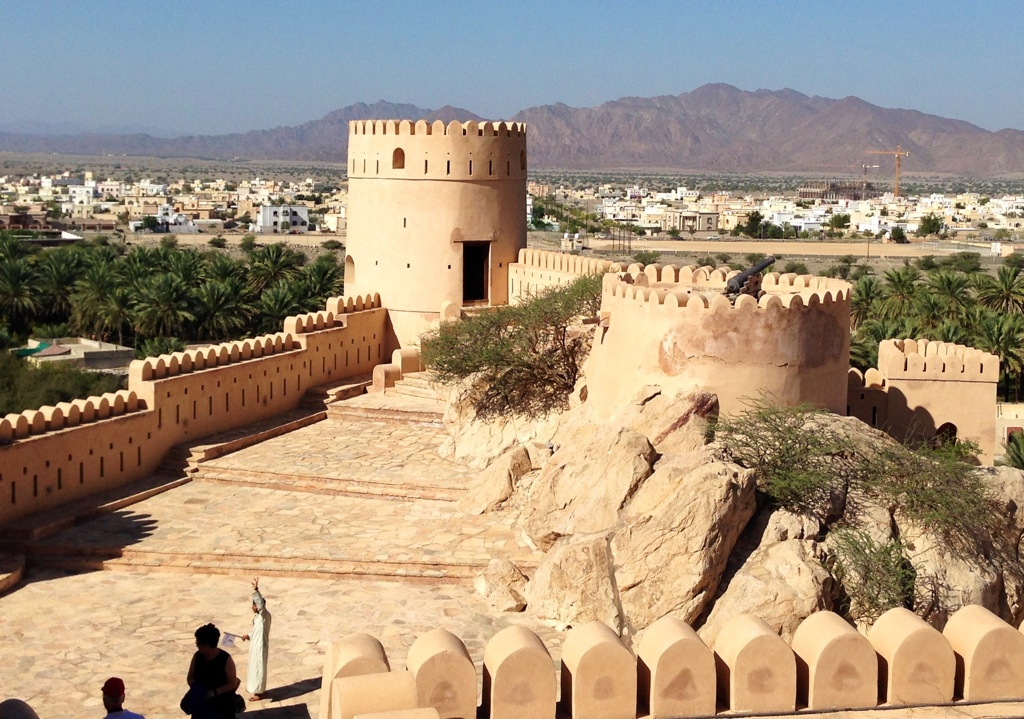
Gary and I visited an old fort, a spring in the mountains, a museum, a souq (market).
The population of Oman is 3 million with about 400,000 immigrants mainly from Pakistan and India.
The main industries are oil, gas, date exports, Frankensence and fishing. The Frankensence is grown in the most southern region. It is basically the sap from the Frankensence tree, a rare tree only found in this area. The Sultan is training the workforce to take over jobs currently done by immigrants.
While there is a strip of fertile land between the mountains and the coast, most of the. Countryside is bleak – stony, mountainous without much vegetation other than achia trees. The Sultan is importing trees and flowers which are starting to line the roads and create oasis of greenery in areas. The terrain going inland from the sea is a narrow fertile plain in some areas, in other areas the mountains come right down to the sea, beyond this is a plateau, then desert. Drinking water is mainly desalinated water from the sea plus some spring water from the mountains.
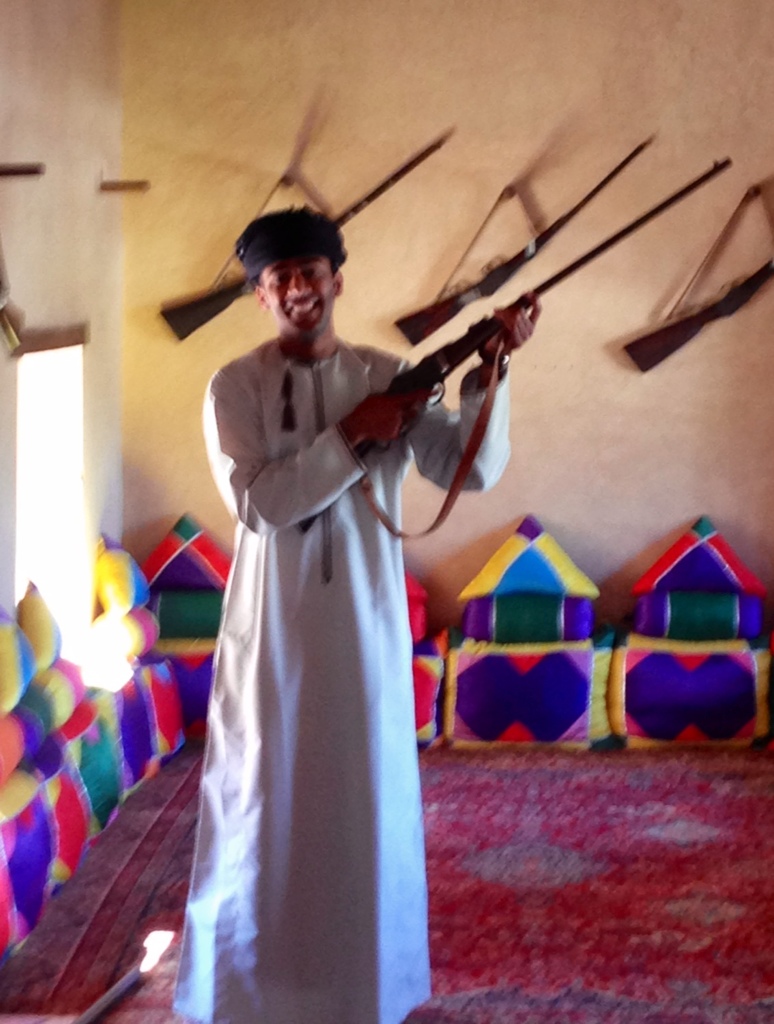
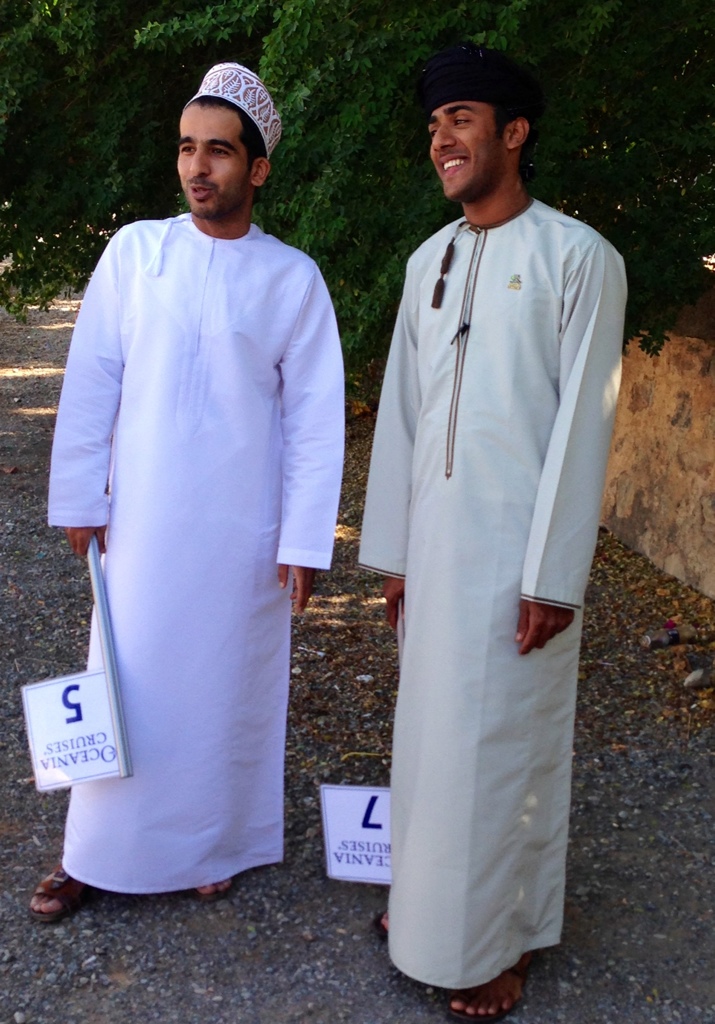
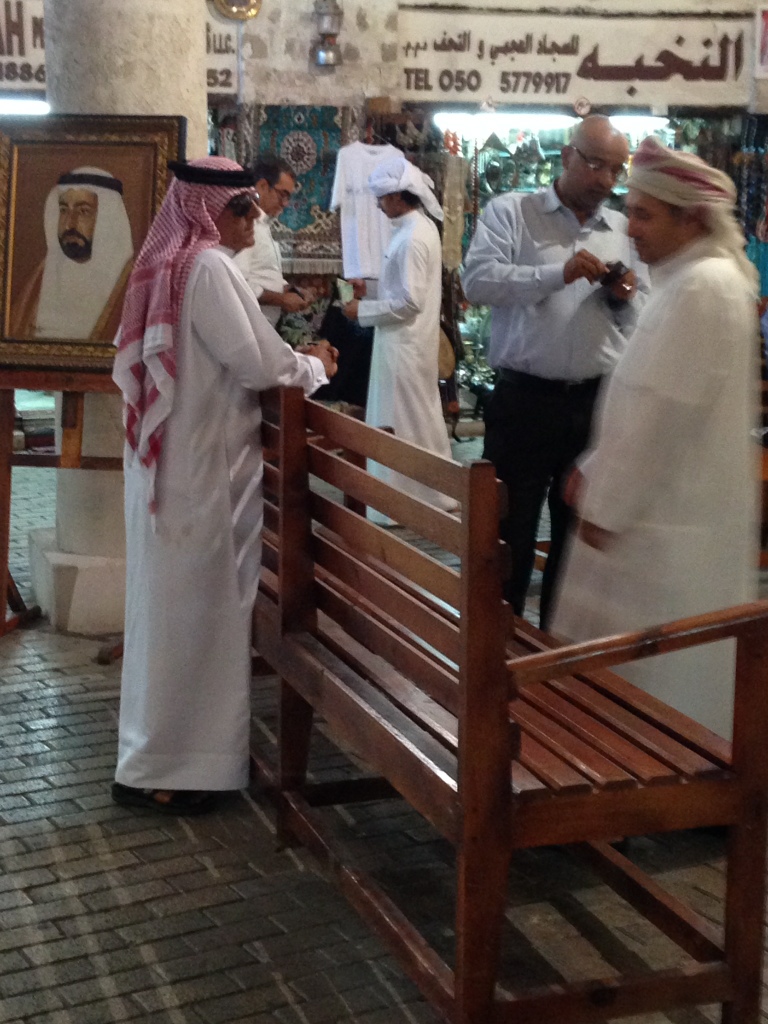
We were told than women are equal to men here, but did not see evidence of this – we notice there were no women walking along the streets except in the market area. The women we did see were wearing the traditional black covering, some with their face totally covered, some with their face not covered at all and everything in between. The men were usually in traditional dress and I have added some pictures of this. We are not allowed to take pictures of the women at all. We are told women hold office in the government, drive taxis, are policewomen, can wear whatever they want.
Oman is a young country and was created when the Arab countries divided the Arabian peninsula. The peninsula consists of 4 countries – Oman, United Arab Emirates, Saudi Arabia and Yeman. In Oman alcohol is permitted. There is archeological evidence of trading with China as early as 10th century.
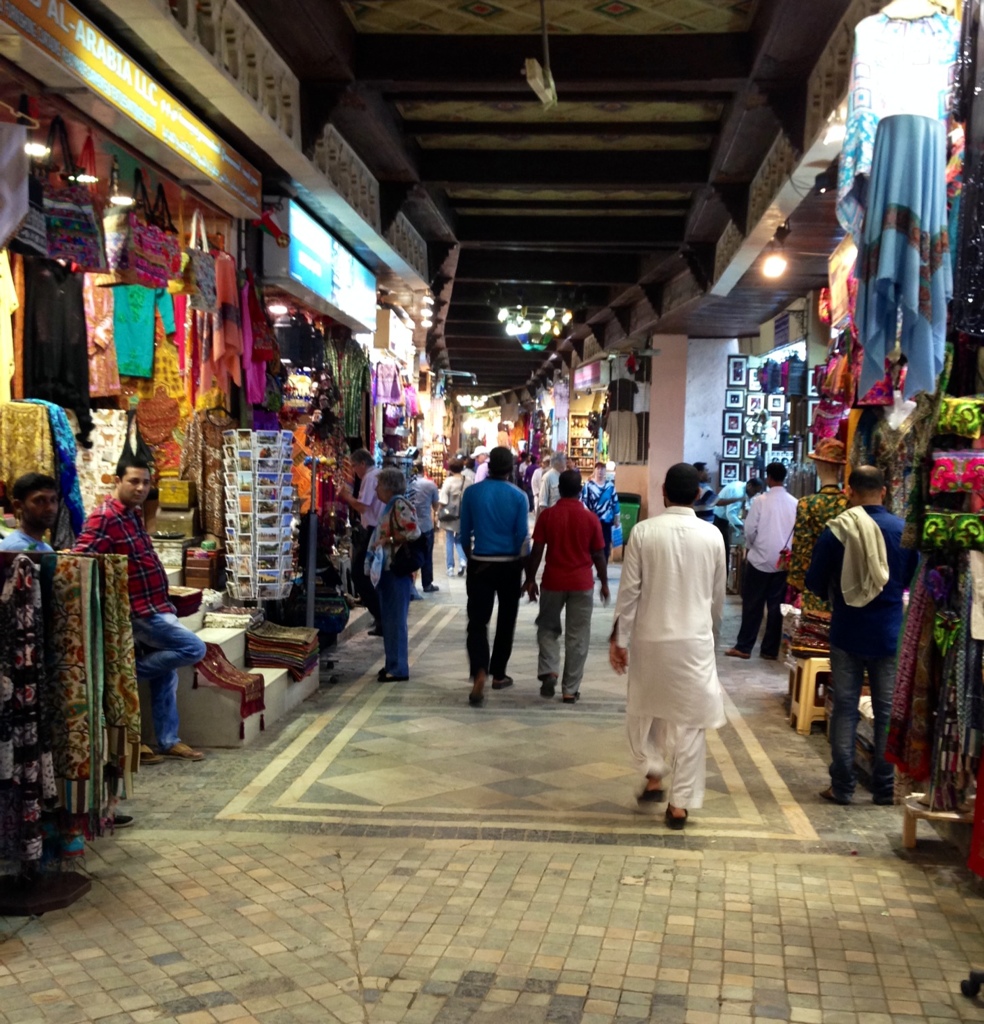
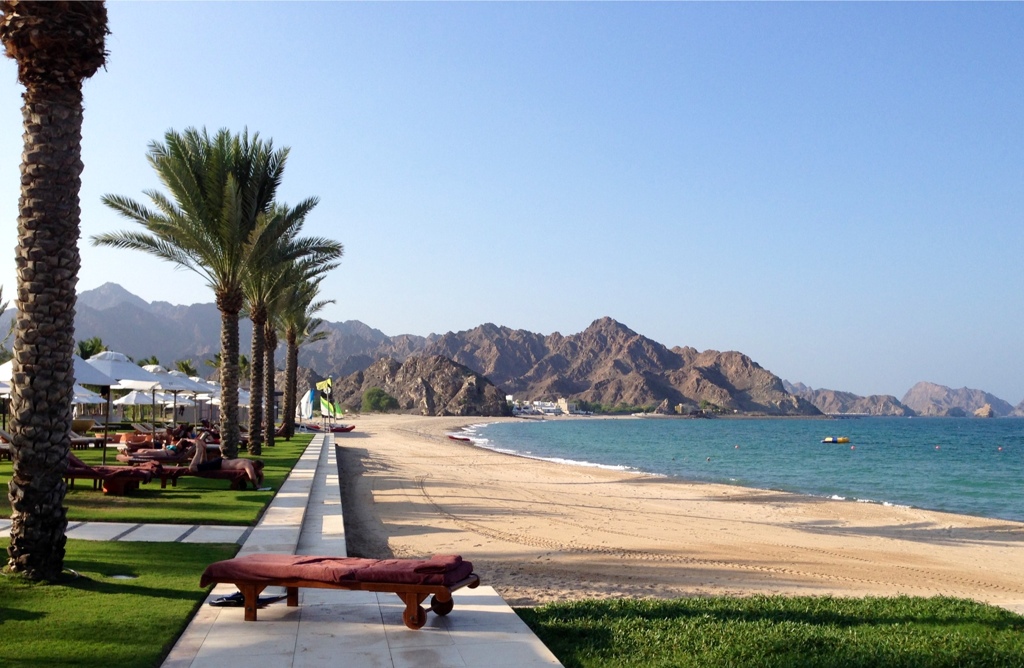
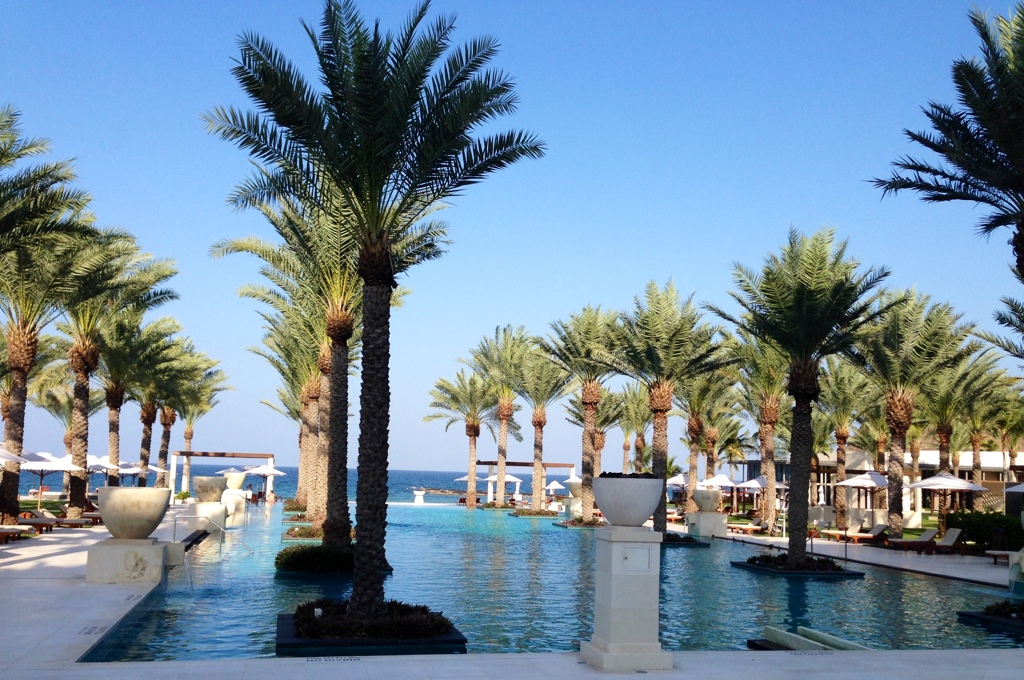
We visited a new hotel for lunch – beautiful beach and evidence of excellent facilities for tourists. We visited the local souq for shopping. It was something like the Grand Bazar in Istanbul but more subdued and less aggressive merchants.

20131212-121138.jpg

20131212-121048.jpg

20131212-120957.jpg

20131212-120944.jpg

20131212-120829.jpg

20131212-120741.jpg

20131212-120523.jpg

20131212-120408.jpg

20131212-120344.jpg

20131212-120314.jpg

Posted in Uncategorized | 2 Comments

December 9 & 10 United Arab Emerites

We arrived at our ship in Dubai at 1:30 a.m. Dec. 9 after a 24 hour trip from home. Then up and on our excursions by 8:45 the same morning.
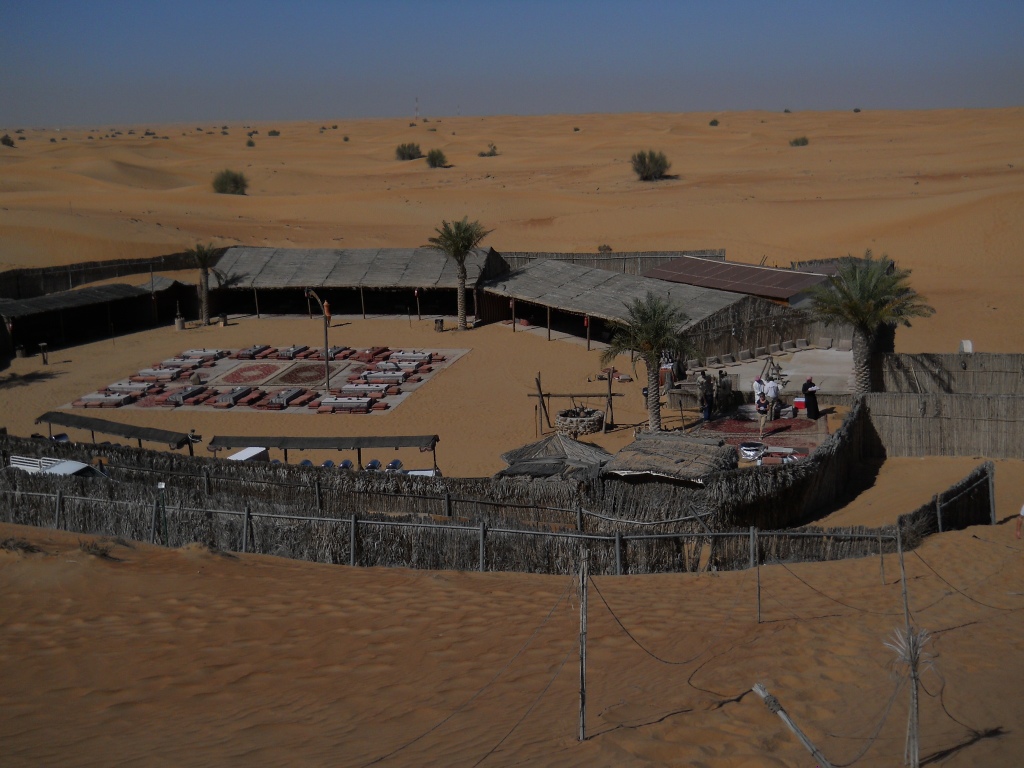
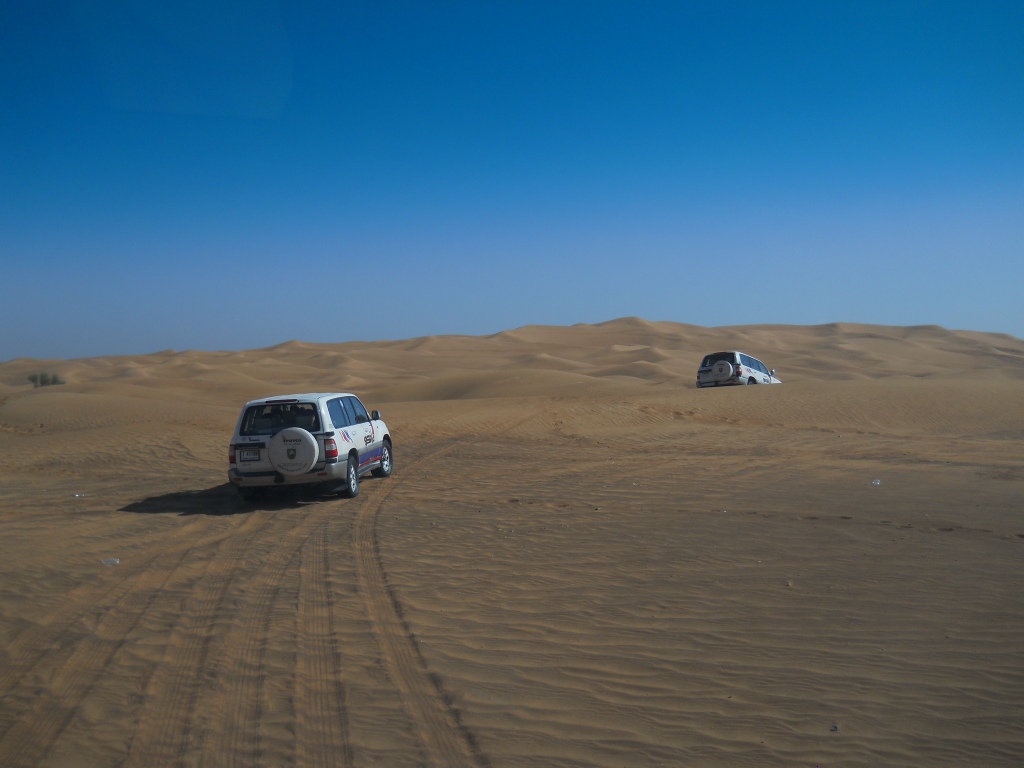
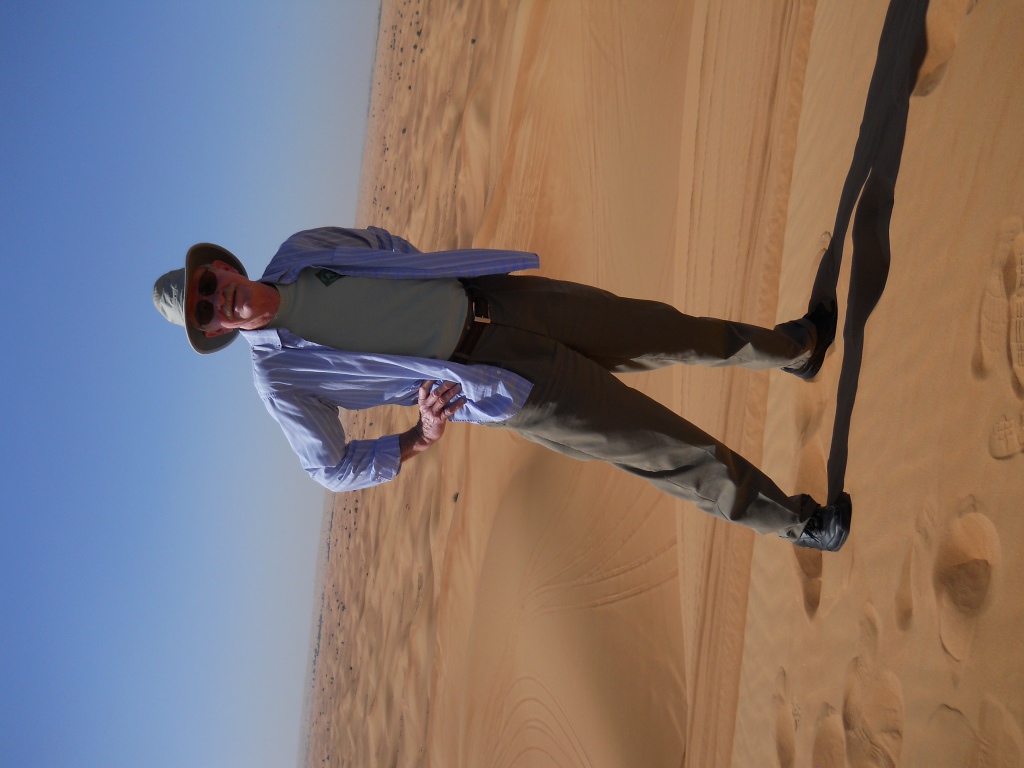
Gary went for a trip in the dessert over sand dunes and to visit an oasis.
Pat went on a tour of Dubai Cultural area.
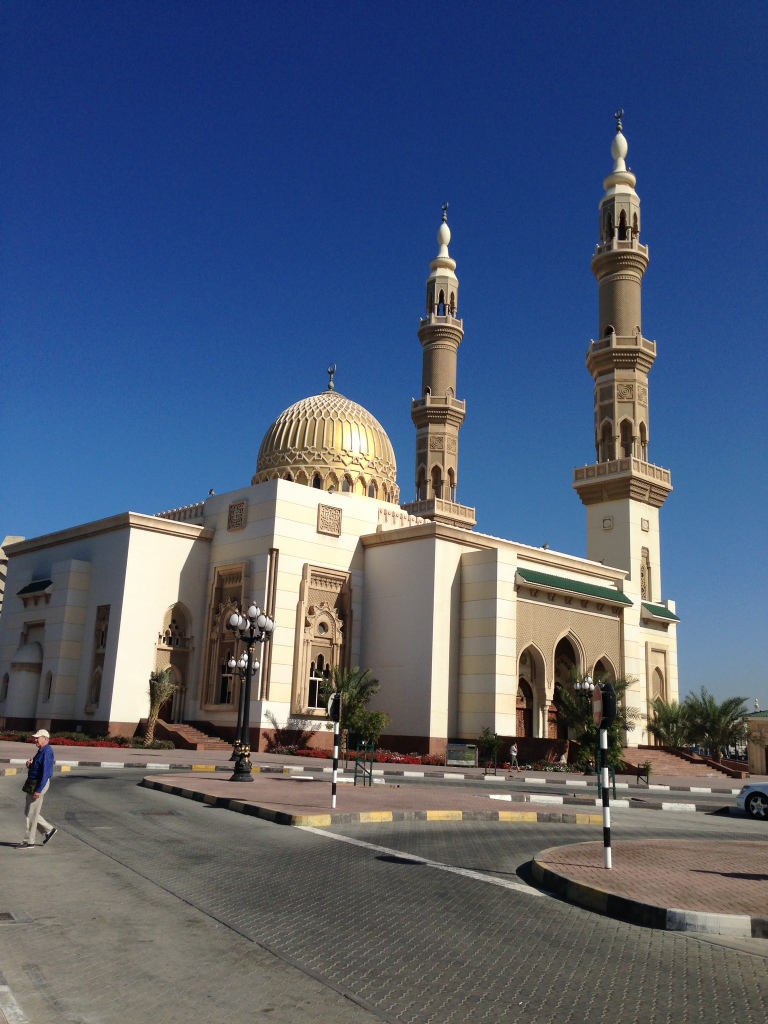
Dec. 10 we arrived in Fujairah, another of the Emirates. Here is what we have learned
The United Arab Emirates (UAE) is a country consisting of 7 Emirates (similar to a state or a province). The UAE is 42 years old.
There is a federal parliament with an elected President and 40 elected representatives. Each Emirate has a Sheik. The Sheik is a hereditary position and is largely ceremonial (sounds like a constitutional monarchy).
Each Emirate has its own set of laws, some allow liquor, some do not, some allow foreigners but not locals to have liquor.
While men may have 4 wives each wife is expensive as she is entitled to one kilo of gold, a house and all wives must, by law, be treated exactly the same. If you gave one wife a diamond ring you must give a ring of some size to all other wives. So only the rich have more than one wife. (sounds fair!)
The UAE has a population of 8.7 million, 87% of which are foreigners. The other 20% are Arabic. There are considerable benefits provided to the nationals that foreign workers do not receive such as free medical, education, a 6 bedroom house given at time of marriage etc. the free education includes university anywhere in the world. If a UAE national is accepted into a university in another country al their expenses are paid – tuition, housing, books, 2 trips home each year, incidental expenses etc.
Crime rate is very low. Climate is good Nov.- May and attracts a lot of tourists during that time. Summer is brutal with temperates averaging above 45C.
The Cultural Center we visited in Dubai is an area that was built in1985, it has a series of buildings such as a library, the Sheik’s offices, a cultural center for shows, meetings etc. only nationals can go into the buildings.
Only nationals can own property, so all foreigners have to rent.
Dubai is basically a large metropolitan area, visited for its shopping and known for bargains in gold jewelry (I didn’t learn this until after we left!). Some is built on land which was created.
I am attaching some pictures from Dubai and from Gary’s trip into the desert.
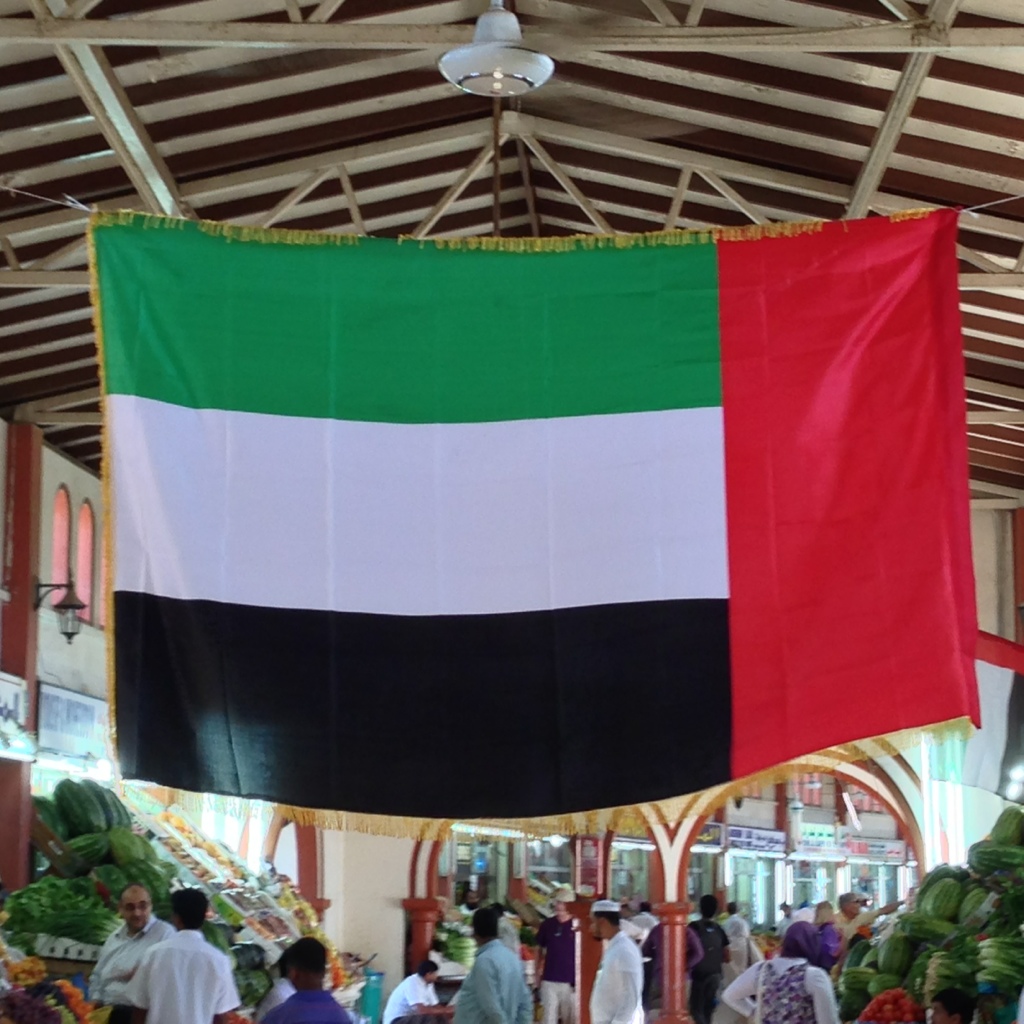
We visited a fish market, a vegetable market, a historical market area and one of the malls.
There are 50 varieties of dates grown in the UAE.

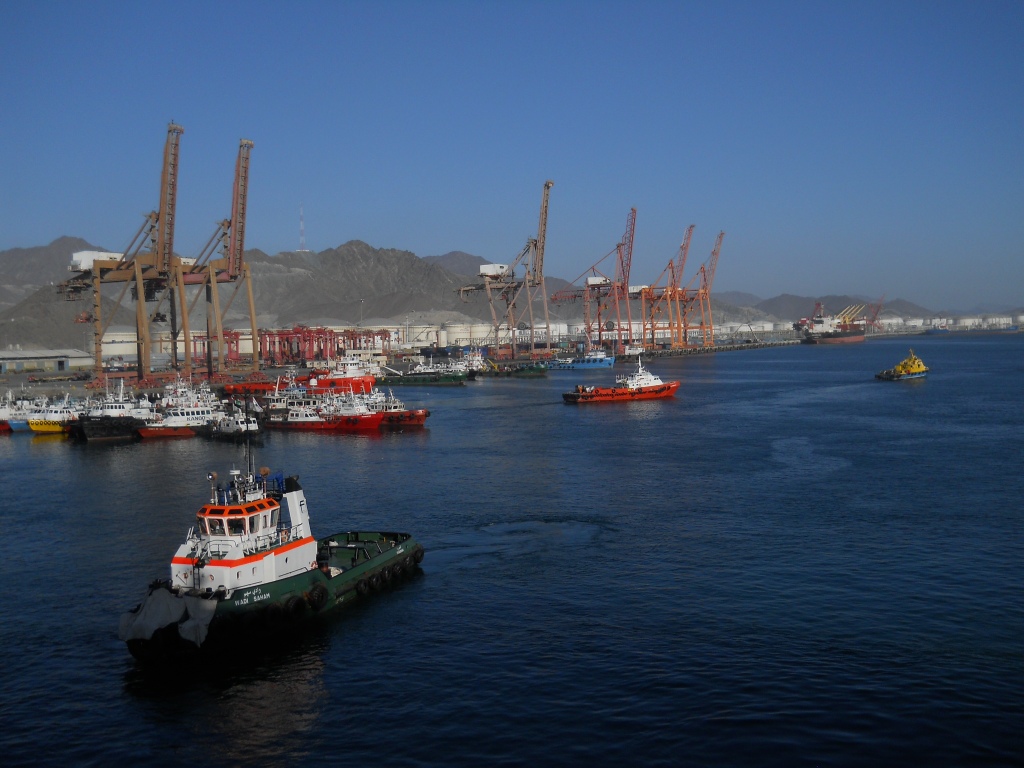
Dec. 10 we had a tour of the area around Fujairah, another of the emirates. Entering the port we observed a very mountainous coast and a lot of oil tankers. We learned that Fujairah does not have any oil but oil is transported here from Abu Daubi by pipeline. It is stored in oil tanks and loaded onto tankers at the rate of 50 tankers each day. “Tank farms” line the coast line for 10 miles or so.
Archeological excavations revealed the area has been occupied and a trading area for about 4000 years. Europeans arrived here is the 1500s beginning with the Portuguese.
Until the pipeline was built Fujairah was the poorest of the Emirates because it doesn’t have oil.
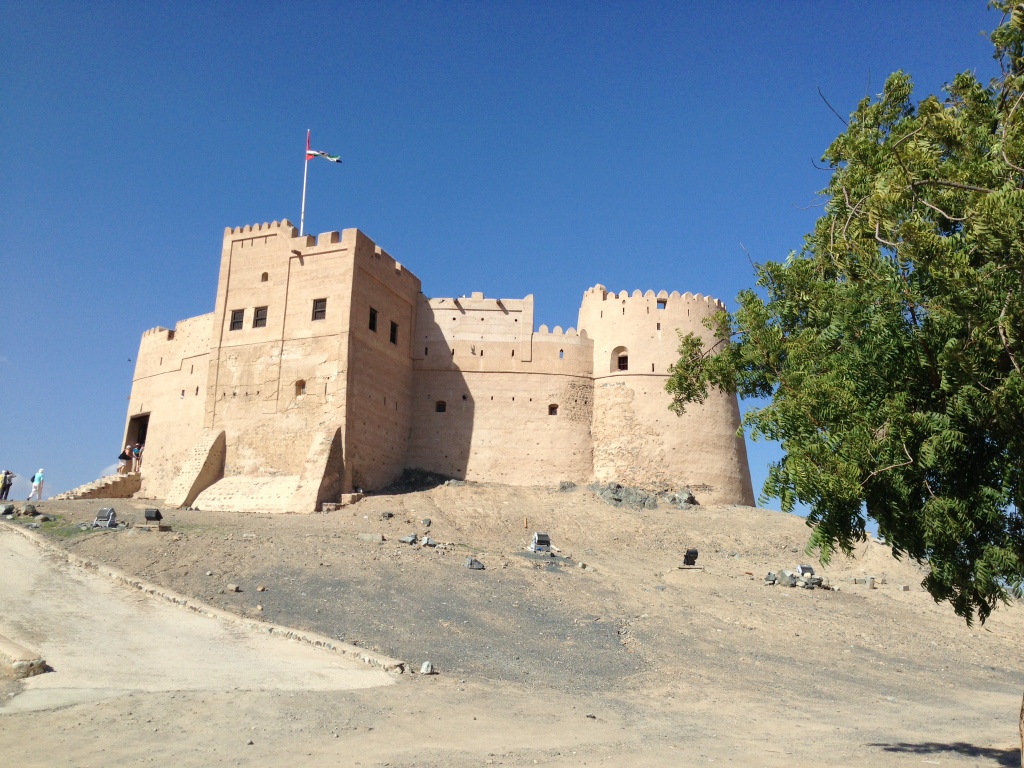
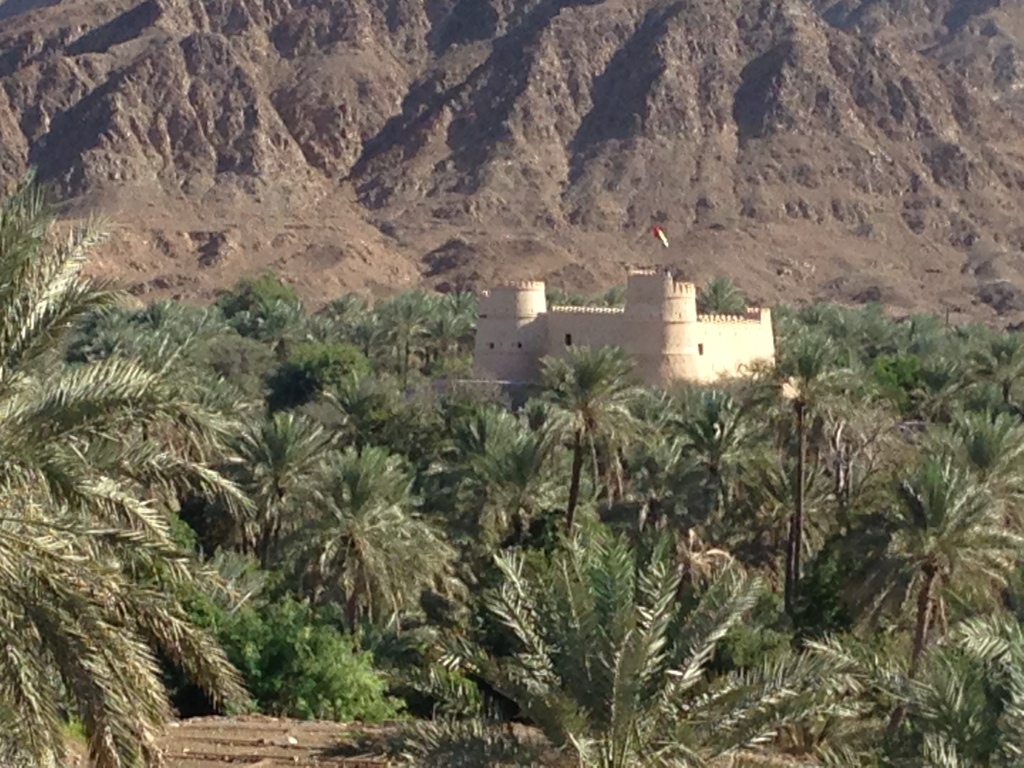
It was on the spice route and we saw a coup,e of forts that were built about 500 years ago to protect the route, particularly the shipping of Frankincense.
The countryside is very barren but one of its economic drivers is agriculture with fruit and vegetable farms. We passed a number of greenhouses which are air conditioned so they can grow produce in the summer.
We stopped at the Friday Market, visited a museum and one of the forts.

20131210-161044.jpg

20131210-160748.jpg

20131210-160730.jpg

20131210-160712.jpg

20131210-160605.jpg

20131210-160535.jpg

20131210-160518.jpg

20131210-160431.jpg

20131210-160340.jpg

20131210-160310.jpg

20131210-160236.jpg

20131210-160459.jpg

Posted in Uncategorized | 2 Comments

Lands of Grandeur Cruise

Our next trip is a cruise in the Indian Ocean. We leave here late on Saturday December 7, 2013 and arrive Dubai on December 8. There we board the Nautica, Oceania Cruise Line.
Our Itinerary is as follows:
Dec. 8 & 9 – Dubai, United Arab Emirates (UAE)
Dec. 10 – Fujairah, UAE
Dec. 11 – Muscat, Oman
Dec. 12 & 13 – Cruising the Arabian Sea
Dec. 14, 15 & 16 – while the ship is in Mumbai and Goa, Gary and I will be on an excursion to Taj Mahal in Agra, India. We will rejoin the ship in Goa on the afternoon of the 16th.
Dec. 17 – Mangalore, India
Dec. 18 – Cochin (Kochi), India
Dec. 19 & 20 – Male, Maldives
Dec. 21 & 22 – Cruising the Indian Ocean
Dec. 23 – Mahe, Seychelles
Dec. 24 & 25 – Cruising the Indian Ocean (we will likely see Santa there!)
Dec. 26 – Mombassa, Kenya
Dec. 27 – Zanzibar, Tanzania
Dec. 28 – Dar Es Salaam, Tanzania
Dec. 29 – Cruising the Indian Ocean
Dec. 30 – Nosy Be, Madagascar
Dec. 31 – Cruising the Indian Ocean ( we will be toasting y’all with champagne, about 8 hours before you welcome in the New Year)
Jan. 1 – Cruising the Mozambique Channel
Jan. 2 – Maputo, Mozambique
Jan. 3 – Richards Bay, South Africa
Jan. 4 – Durban, South Africa
Jan. 5 – Cruising the Cape of Good Hope
Jan. 6 – Cape Town, South Africa
Jan. 7, 8 & 9 – Gary and I leave the ship for a 3 day land tour of Cape Town area
Jan. 10 – begin trip home
Jan. 11 – arrive home

As before I will be adding a post to the blog when we have access to the Internet. I hope you will enjoy following us on our trip. Grab an atlas, a glass of wine and enjoy!

Posted in Itinerary | 1 Comment

June 23 & 24 Oslo

Today is our last day on the trip. Tomorrow we land in Copenhagen in the morning, have a city bus tour and head for the airport.

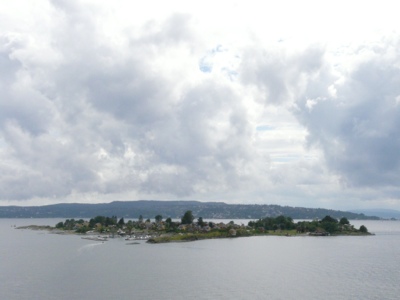
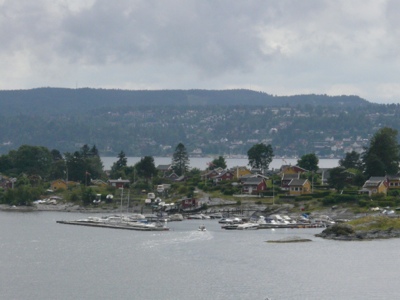
The entrance to Oslo reminded us of Stockholm and Helsinki with the same large bay dotted with islands similar to what we see in Muskoka. We could have spent at least one more day in each of Reykjavik, Bergen and Oslo, there was much more we would have liked to see. Oslo’s fiord has 40 islands, only three are inhabited year round the rest have summer homes on them, most only accessible by private boat.

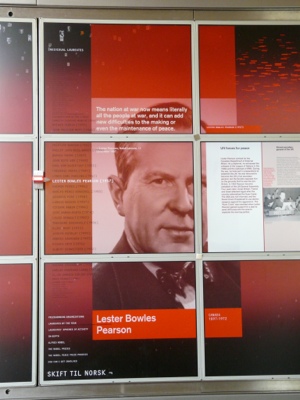
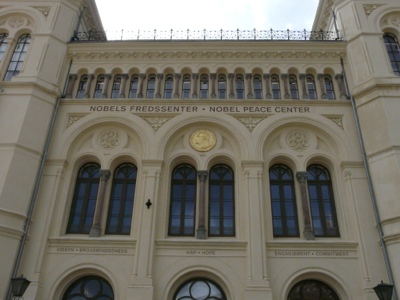
In Oslo Gary and I took a walking tour that included a tour of the Noel Peace Prize Museum and a tour of the three marine museums. The Peace Prize museum had a display that featured the winners from 2011. Three women they referred to as sheros. All have been very involved in bringing peace and women’s rights to a couple of Muslim dominated countries. There was also a display of fighting in Afganistan and the documentary “Behind the Veil”

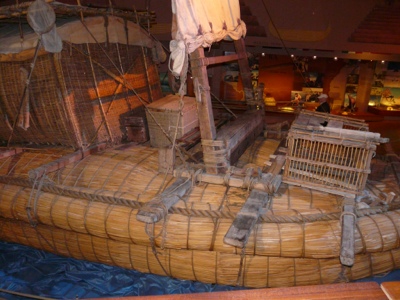
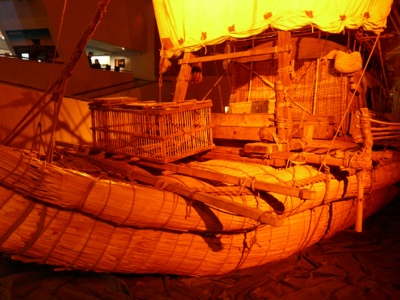
The three marine museums were the Kon Tiki museum featuring the explorations of Thor Heterdahl. He is famous for proving that ancient societies could have crossed the oceans in papyrus boats. He also discovered and started excavations of the idols on Easter Island.

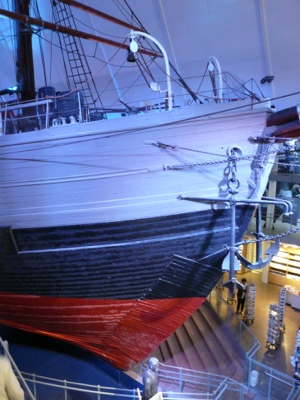
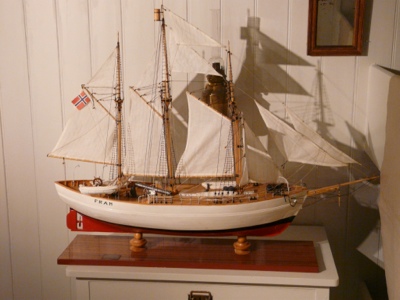
The next one was the Fram museum. This featured a ship named Fram. It was used in the late 1800s to explore the Arctic. He proved there was a current that allowed ship to pass through a north east passage. The ship was built to withstand the ice without being crushed and despite the cynics it did survive a winter locked in the ice. The same ship was used by another Norwegian explorer to sail to Atlantic and they won the race to the south pole at the same time Scott and Skackelton were trying to get there. For all you engineers out there I am sure Gary will provide all necessary details on the ship’s construction.

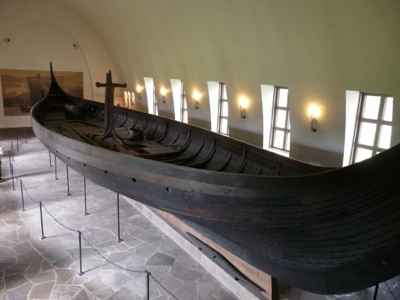
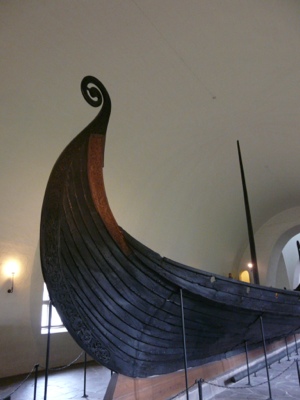
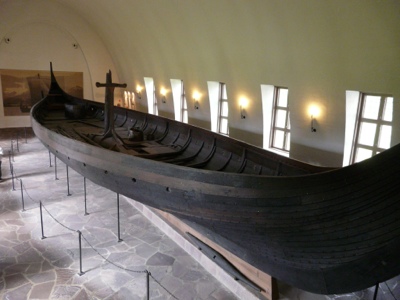
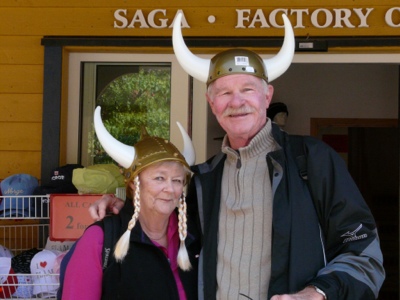
The last museum was the Viking ships. The ones they had on display were actually from burial mounds. It was the custom to bury the dead in a ship (had been a working ship). The ship had a special burial chamber where the body was put with various artifacts for the afterlife.

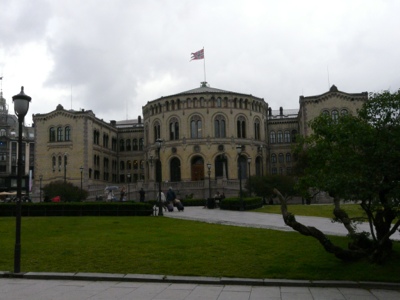
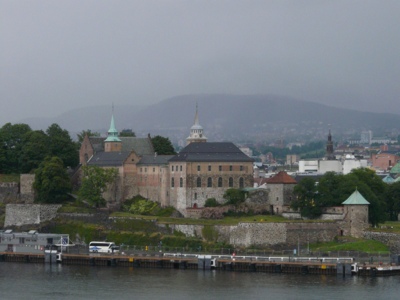
Oslo was originally built in 1000 and relocated and rebuilt in stone in the 1600s after many fires. It was named Chistiana at that time. Norway was under Danish rule until 1814 then given to Sweden as spoils of war after the Napolianic wars. Independence came in 1905 and after a referendum the second in line to the Danish throne was invited to become king of Norway. He accepted and his son is the current king. Norway is currently a constitutional monarchy.

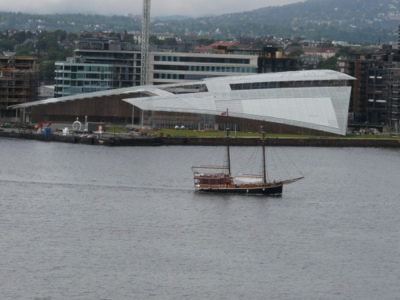
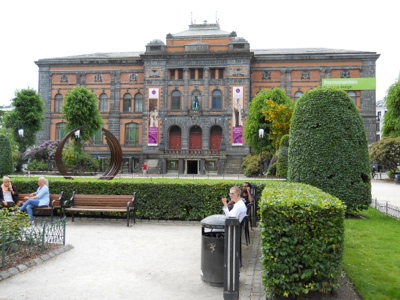
A city of many marinas there is evidence everywhere of the Norse love of the outdoors. Lots of sail boats, the famous ski jump that dominates the city skyline, the many walking and biking parks. You can reach the top of the local ski hill by subway from the center of the city.
skyline,

20120624-142803.jpg

20120624-142820.jpg

20120624-142906.jpg

20120624-142941.jpg

20120624-143006.jpg

20120624-143025.jpg

20120624-143052.jpg

20120624-143518.jpg

20120624-143537.jpg

20120624-143545.jpg

20120624-143611.jpg

20120624-143624.jpg

20120624-143636.jpg

20120624-143649.jpg

20120624-143704.jpg

Posted in Uncategorized | 1 Comment

June 22 Bergen

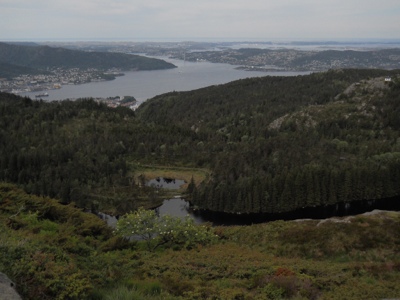
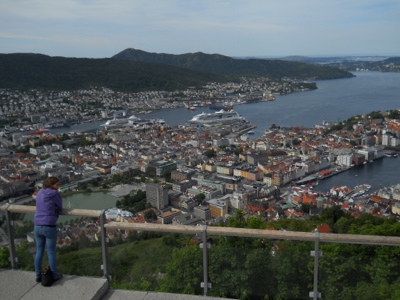
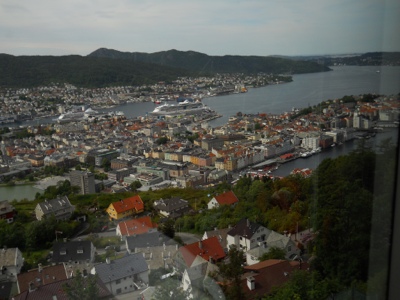
Another beautiful fiord and harbour. The landscape here reminds us of Muskoka, similar rocks, lots of islands, wooden houses with docks and boathouses built on the rocks close to the water.

Sharon, Maureen and I went on a tour of the old part of town and then to a private island for a lunch of locally caught coal fish and wolf fish. The town dates back to1070. It was part of the Hanseatic League for about 400 years and still exports fish mainly to Europe. Now a major export is oil and gas. Norway is the 4th largest producer of oil and gas in the world. This guide said that 60% of the Government income is from oil and gas.

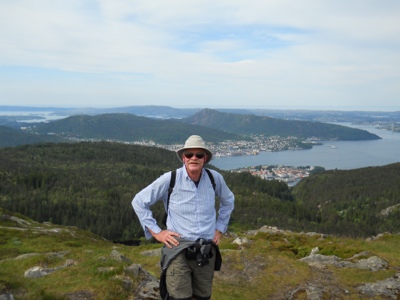
Still a very active port. Gary went on a 4 hour hike up one of the local mountains so the pictures are from his hike. He also visited the fish market and parts of the town.

20120622-164732.jpg

20120622-164744.jpg

20120622-164813.jpg

20120622-164910.jpg

20120622-165126.jpg

20120622-165151.jpg

20120622-165204.jpg

Posted in Uncategorized | 1 Comment

June 21 Flam

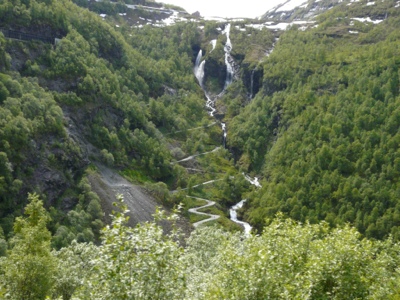
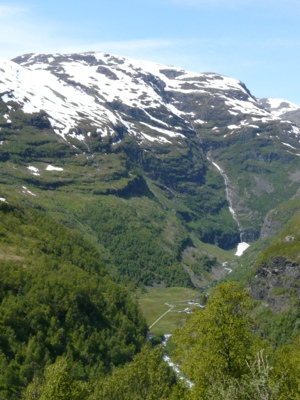
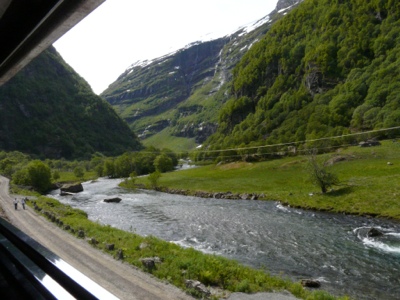
Today we all took the Flam railway up the mountain. Beautiful scenery. I will let the pictures tell the story here.
20120621-232631.jpg

20120621-232654.jpg

20120621-232717.jpg

20120621-232751.jpg

20120621-232805.jpg

20120621-232847.jpg

20120621-232906.jpg

Posted in Uncategorized | 1 Comment

June 19 & 20 Alesund & Geiranger

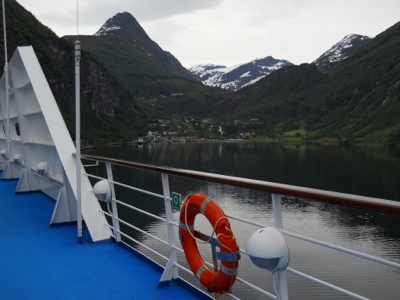
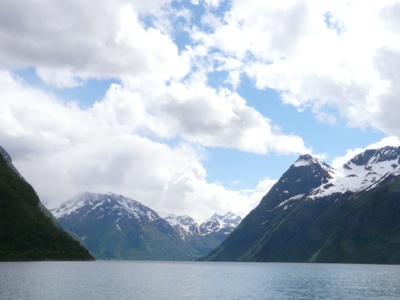
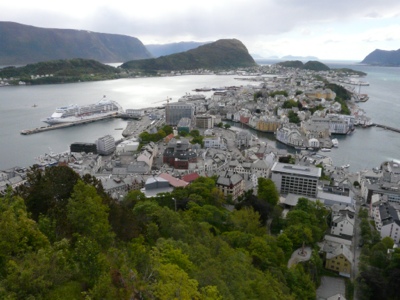
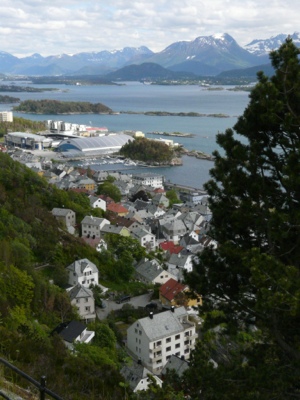
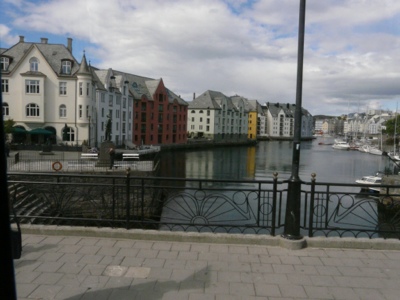
Our introduction to Norway was spectacular. We have travelled down a fiord. Surrounded by snow capped mountains which form high walls on both sides. Our first stop is the art deco town of Alesund. This city of 45,000 was rebuilt in the art deco style after burning down in 1904.

Gary and I took a small boat tour on the fiord. We passed many recreational homes, boat houses with rooms above, many small islands, boat building facilities, dry docks and fishing plants. The main source of income is still fishing and fish farming. Cod, salmon, trout and halibut are all farmed. There is also gas and oil associated technology.

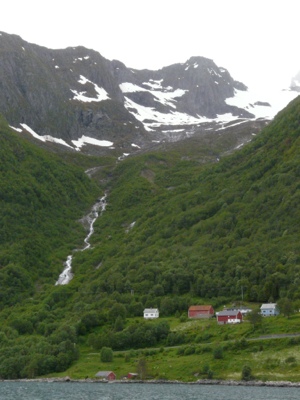
All electricity is produced by water driven turbines. There are a very large number of waterfalls, which also provide the drinking water. At this time of year the melting snow creates many of the waterfalls. However, the west coast of Norway is the wettest area in Europe with only 10 days free of rain most summers so the waterfalls are continuous.

Norway has 930 working tunnels on its roads, 30 of theses are under the sea. While they often make the roads shorter they are mainly for safety. Avalanches, both rock and snow are regular occurrences. While the avalanches can be deadly the resulting tsunamis have claimed many more lives over the years.

Again we hear about the moderating influence of the gulf stream. It also contributes to the fishing industry by providing a feeding ground for krill and other small fish.

There are still a number of buildings with sod roofs. This is a very economical building technique. The roofs last for a very long time, are basically maintenance free, provide excellent insulation and are cheap to build.
On our transit to Norway we passed about a dozen oil and gas platforms (we understand there are many more in the area). The Norwegian oil fund is the largest fund in the world. Norway has a population of 5 million, children study English starting in grade 1 and are required to choose a third language to study in grade 3. Medical care is free, taxes are high, unemployment is 2.4%.

The whole area we have been visiting honor their Norse background with a summer celebration on June 23. In some area we heard about burning a symbolic Viking ship, in other area a hugh bonfire, with drinking and festivities until early morning. This is the longest day and after that the days start getting shorter until night returns in August.

Alesund is a town built on several islands at the mouth of the fiord. Geiranger is at the furthest point inland along the fiord. Geiranger is a town of 270 residents and about a million tourists. There are 4 cruise ships in the bay with us and this is not yet the busy season. There are only 2 roads out of town and one is closed in the winter. Maureen and I took a bus trip up this road to the top of a nearby mountain. It is a one lane road up a steep mountain with many switch backs and 2 way traffic. There are no rules as to which vehicle gives way and backs up to a wider area of the road, drivers figure that out each time it happens.

We passed a number of bicyclists on the trip up the 1500 meter high mountain. By the time we reached the top it was snowing and we were blinded by the clouds. Near the top we passed through tunnels created by the snow banks on both sides that towered above the bus. We did not see any skiers, at this time of year skiing is popular, but there are no lifts. If you want to ski, you hike up and carry your skis or walk up on your skis with skins.

We passed fiord farms, basically used to raise cattle, the farms operated only in the summer as it is too dangerous to be in the mountains in the winter due to the number of avalanches.

20120620-151550.jpg

20120620-151657.jpg

20120620-151955.jpg

20120620-152311.jpg

20120620-152420.jpg

20120620-152514.jpg

20120620-152601.jpg

20120620-152711.jpg

20120620-152849.jpg

Posted in Uncategorized | 1 Comment

June 18 Shetland Islands

Another beautiful day, another beautiful island. The Shetlands are a group of over 100 islands, mostly unpopulated. The total population is about 22,000 people. Not sure how many sheep I would guess millions based on what we saw!

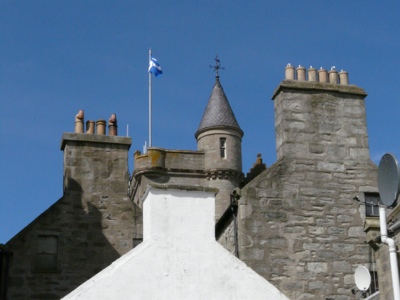
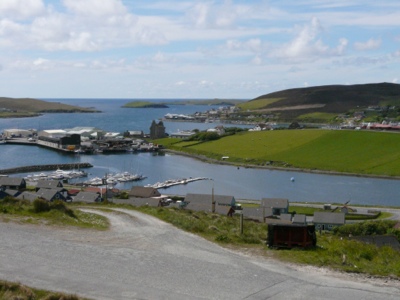
We had a tour of the main island starting from the capital Lerwick. We passed rolling hills alternating from vivid green meadows dotted with sheep, to hills of peat (some being harvested for peat to burn), to fields of heather which bloom in the fall painting the hills a purple color. Around almost every corner was a bay with a small community of stone houses. Almost no trees. The islands were originally forested with small, stunted trees of birch, aspen and willows. As these were cut for housing they did not regrow except in very sheltered areas out of the strong winds that continually batter the islands

We passed through prosperous looking areas with sone houses lining the streets. The Shetlands are benefiting from the oil and gas finds in the seas to to the north west. They have a well developed infra structure, good roads, hospital, recreation facilities. They also have the second largest fish processing plant in Europe with 3 kinds of fish landed here including herring and mackerel.

Due to the influence of the gulf stream the climate is quite moderate so even though they are at 60 north it rarely snows, however the winters are cool and rainy.

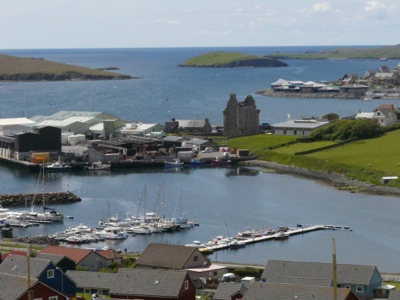
We visited Scalloway, the launching point for the “Shetland bus”. This was a joint effort between the Brits and the Norse resistance during WWII. It was a covert operation started after Germany invaded Norway in 1940. They used small boats to run the over 200 miles between the Shetlands and Norway to land agents, equipment for the resistance and other supplies in Norway and to evacuate people in danger. It was suspended for the months of June and July as there was not enough hours of darkness to make the transit in the dark and the risk of being seen by German airplanes was too high.

There is an old castle at Scalloway that we visited.

There were already close ties with Norway as the Shetlands were once owned by Norway. However, there is evidence of inhabitants going back to the iron age.

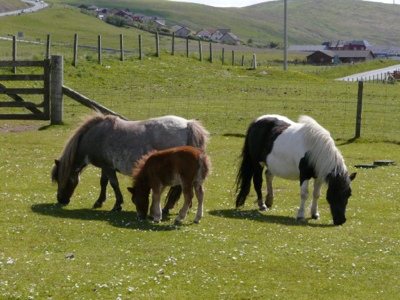
We visited a Shetland pony farm. Not only are their horses small but also the sheep and dogs (Shetland collies).

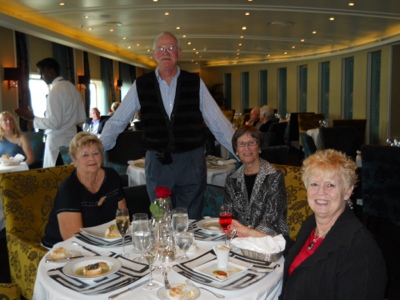
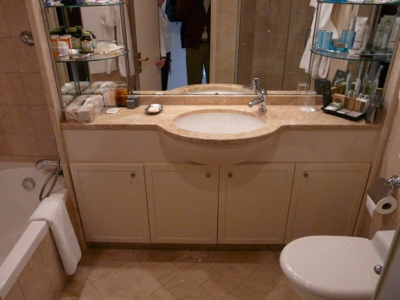
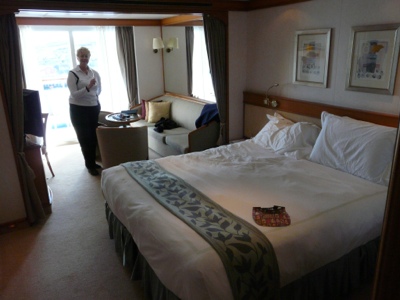
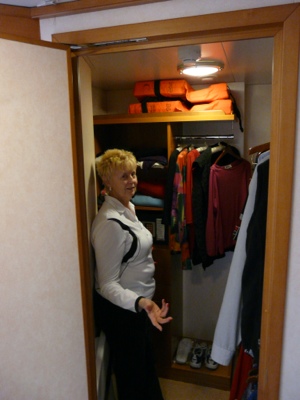
Colleen, as requested I am including some pictures of our cabin. The cabins are bigger than those on Oceania and the staff is all really friendly and helpful. However, both Gary and I think the food on Oceania is much better and the breakfast buffet is far superior on Oceania. Despite that I expect we will manage to gain a pound or two. The wines better on Regent which mare than offsets the food quality!! Plus I can get all the champagne and kir royales that I need (or is that want?)

20120618-162007.jpg

20120618-161640.jpg

20120618-161649.jpg

20120618-161707.jpg

20120618-161753.jpg

20120618-161810.jpg

20120618-161821.jpg

20120618-161922.jpg

Posted in Uncategorized | 1 Comment