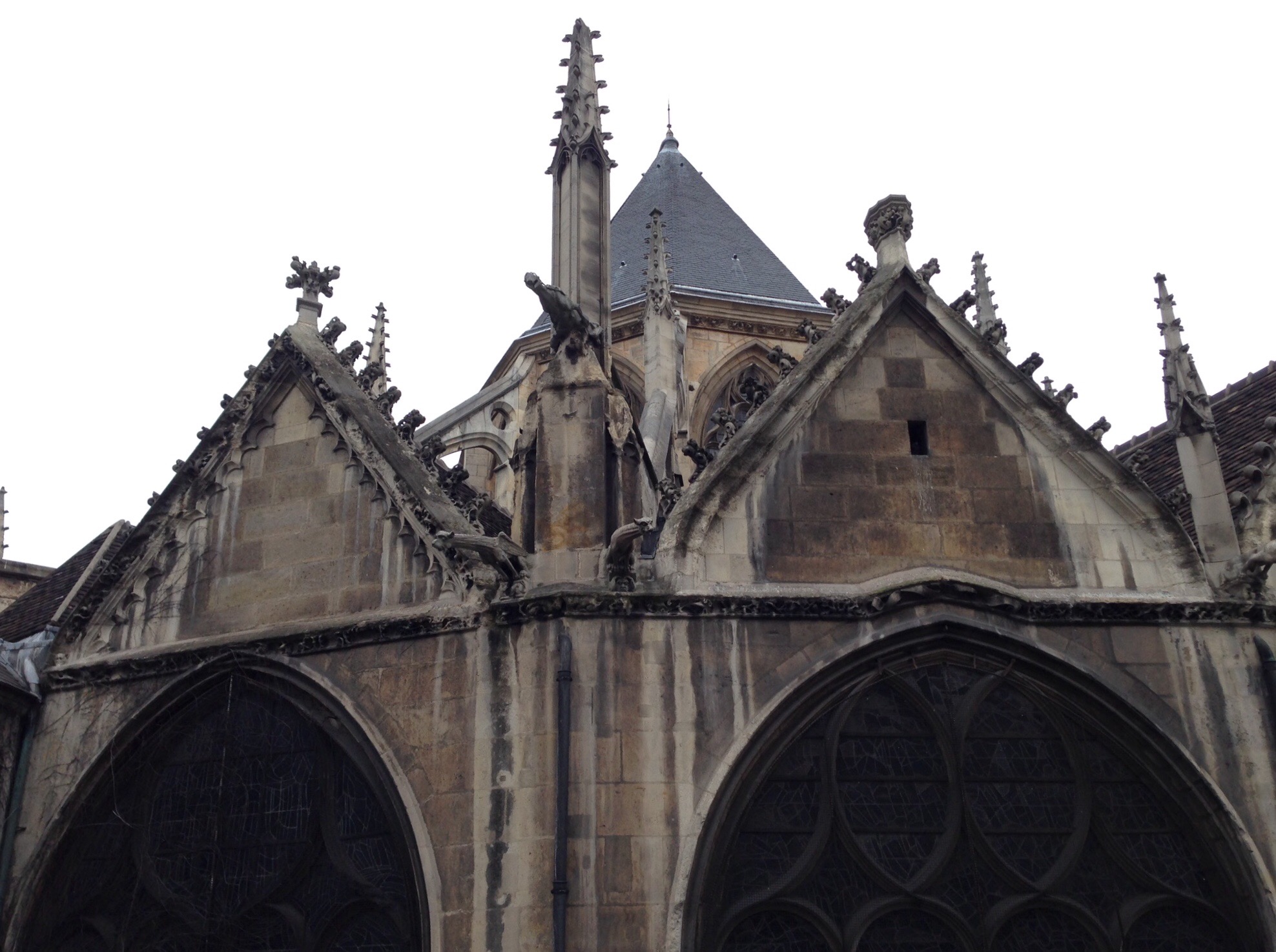
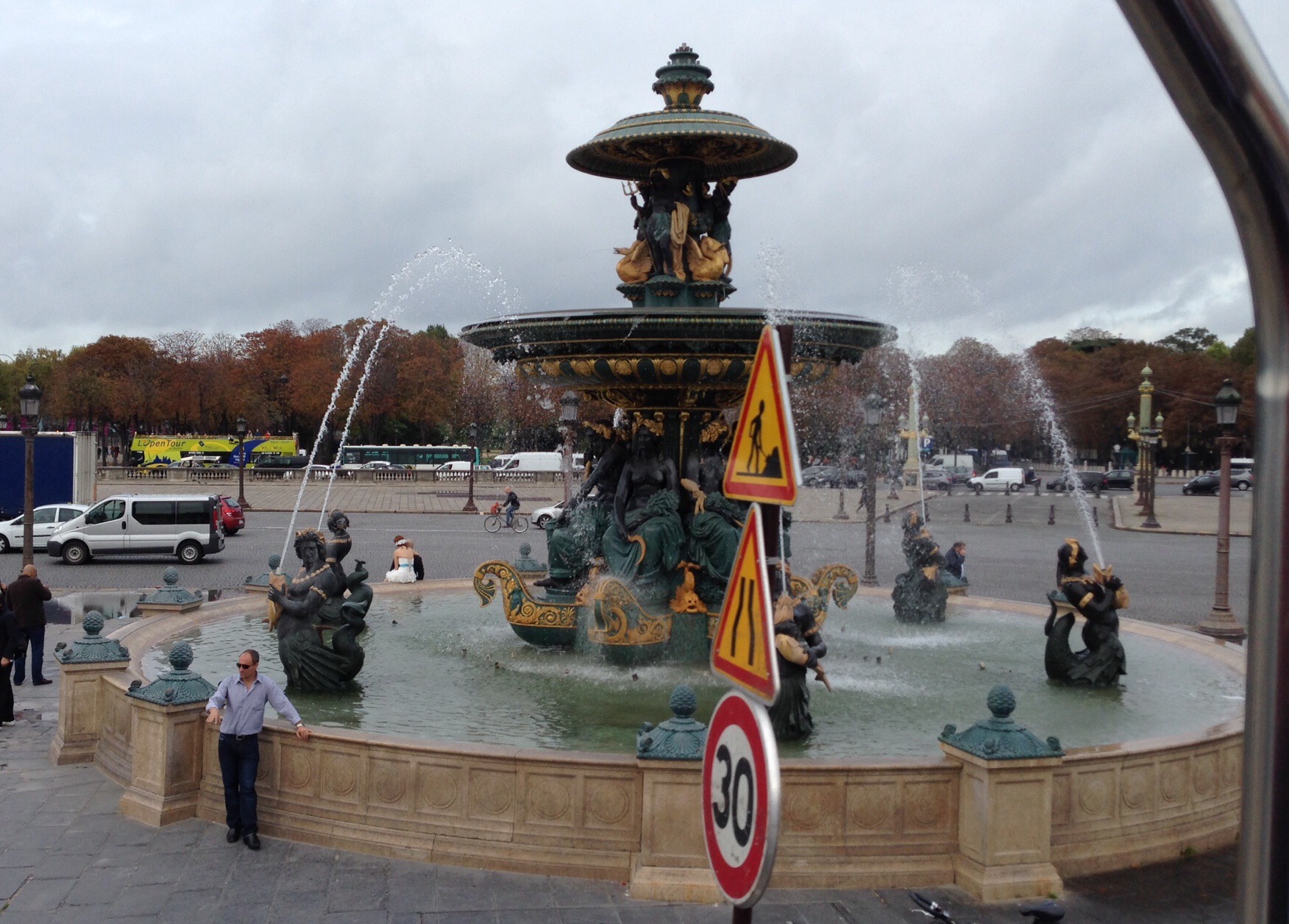
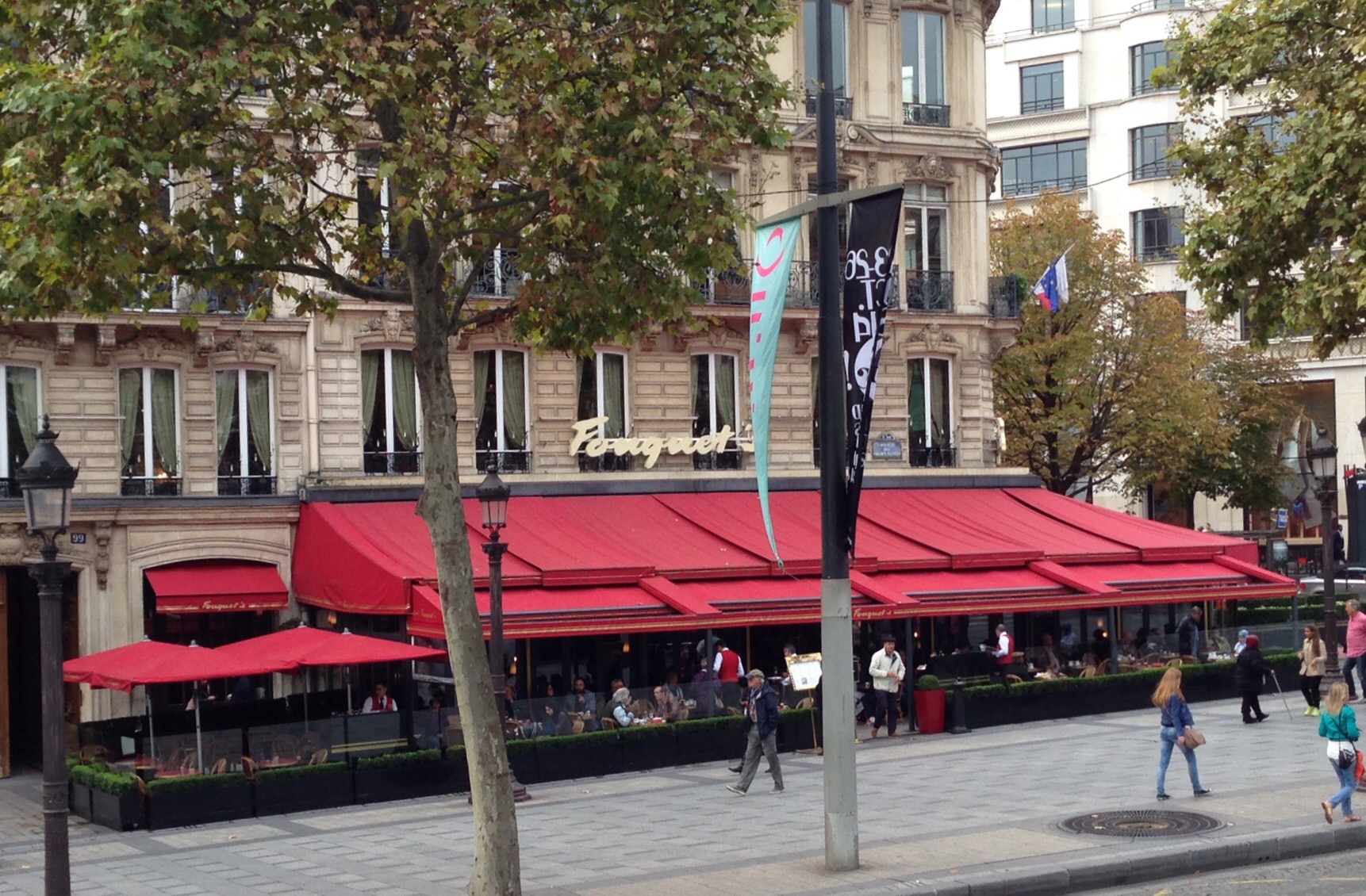
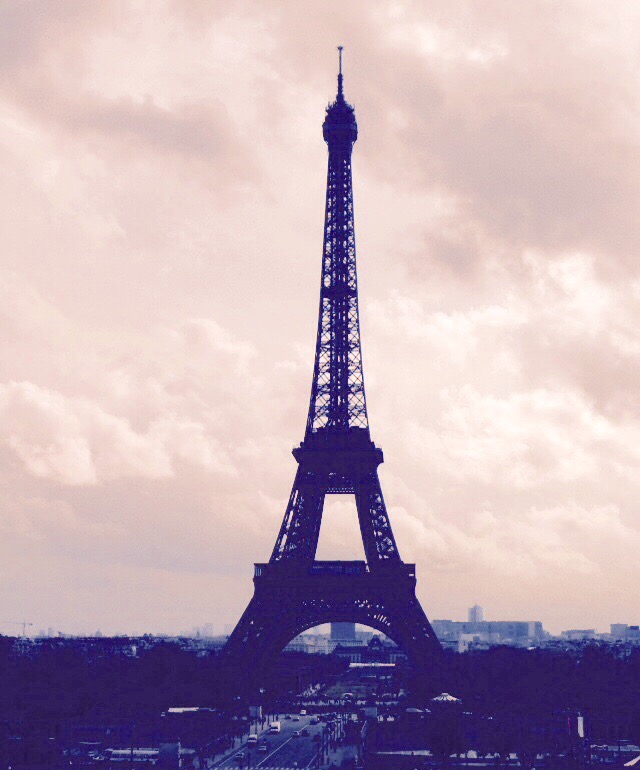
Paris, October10, 2014

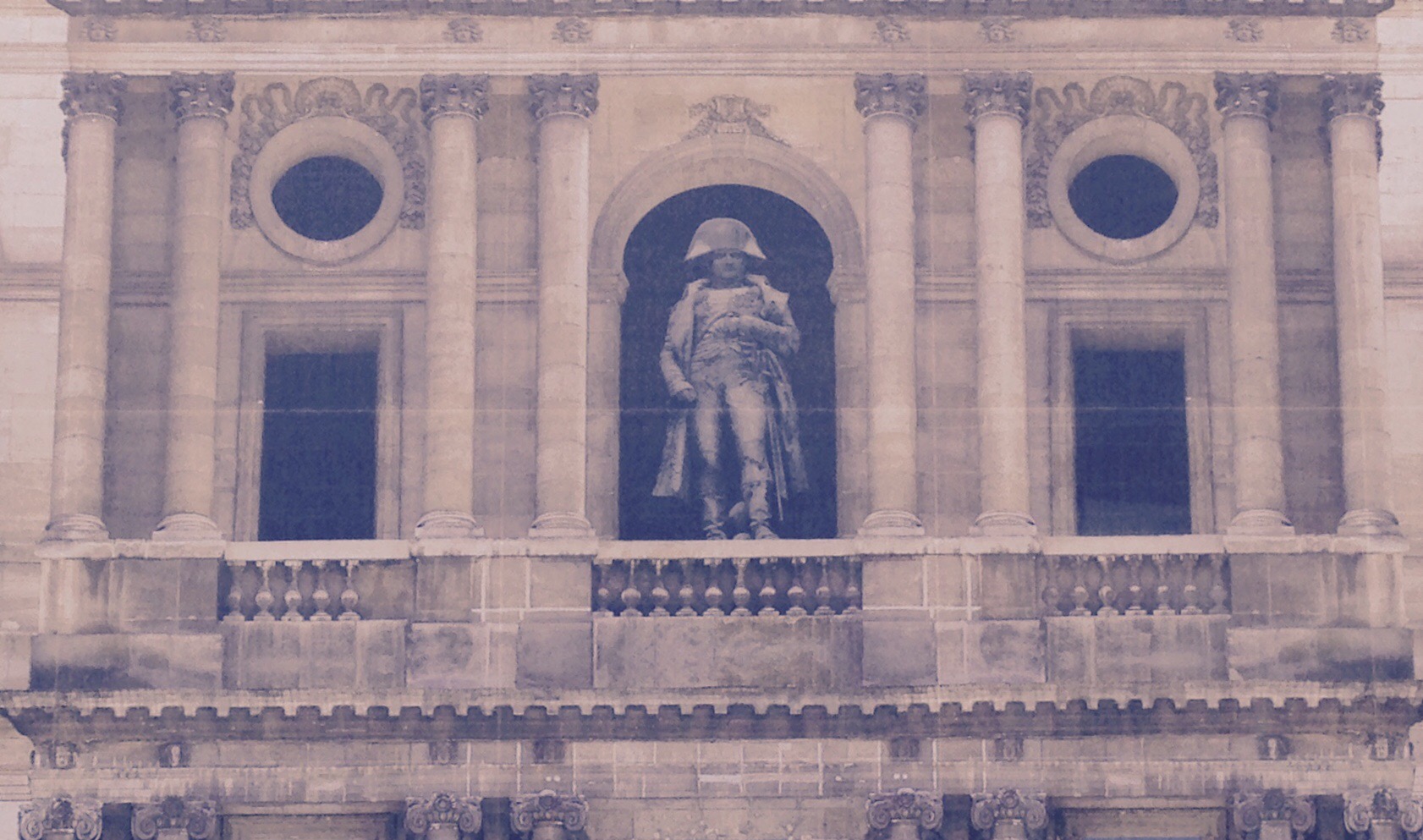
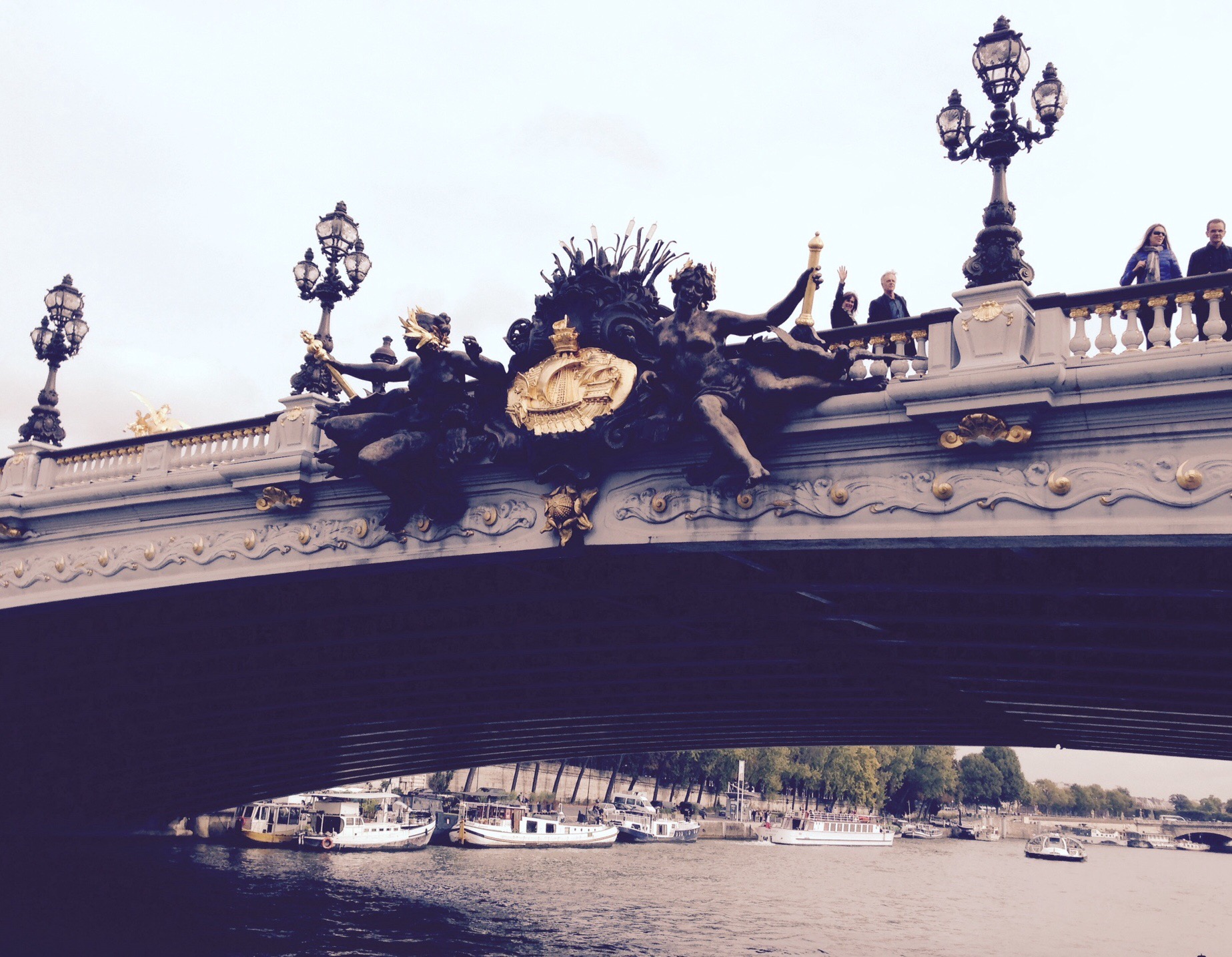
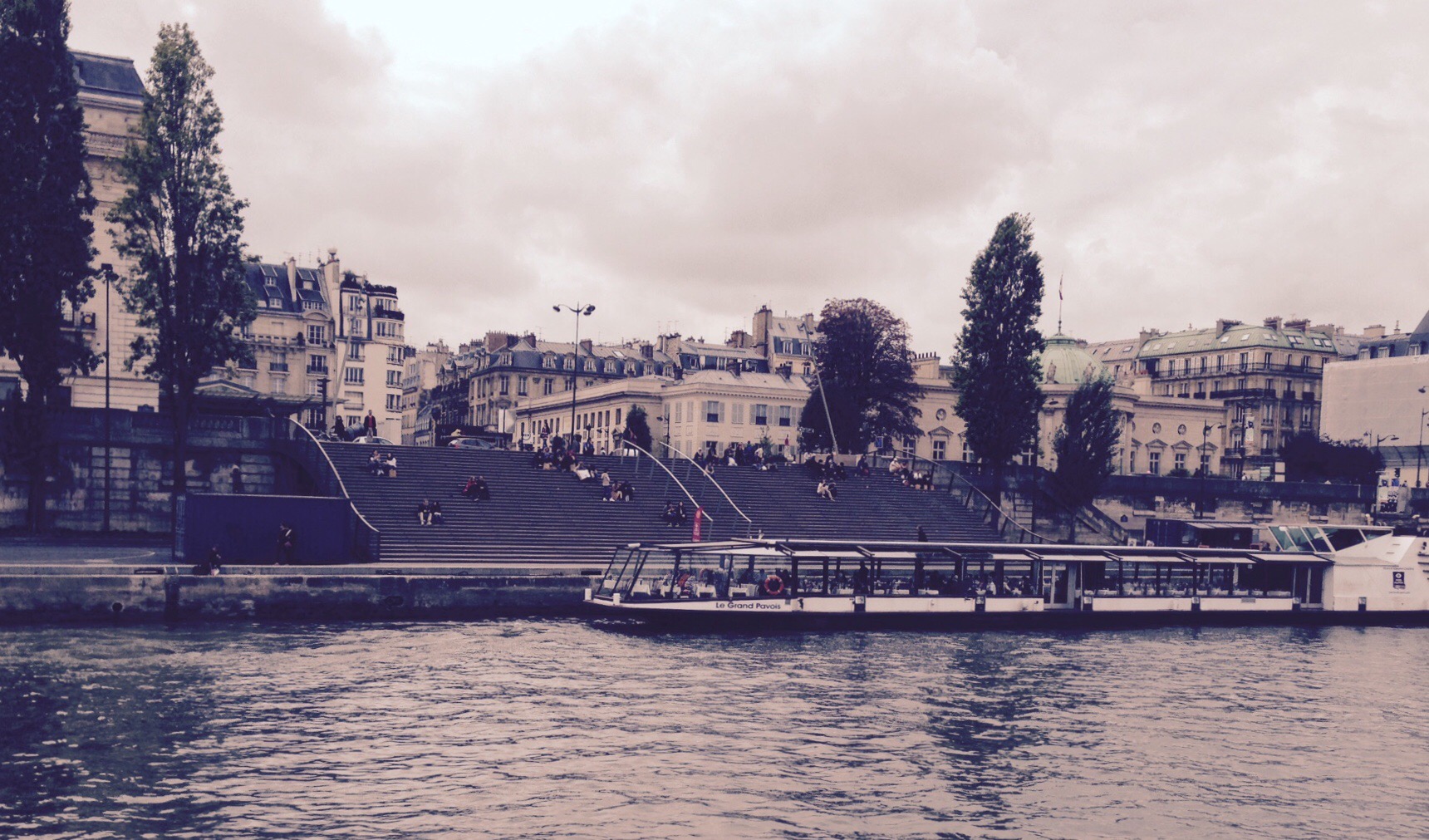
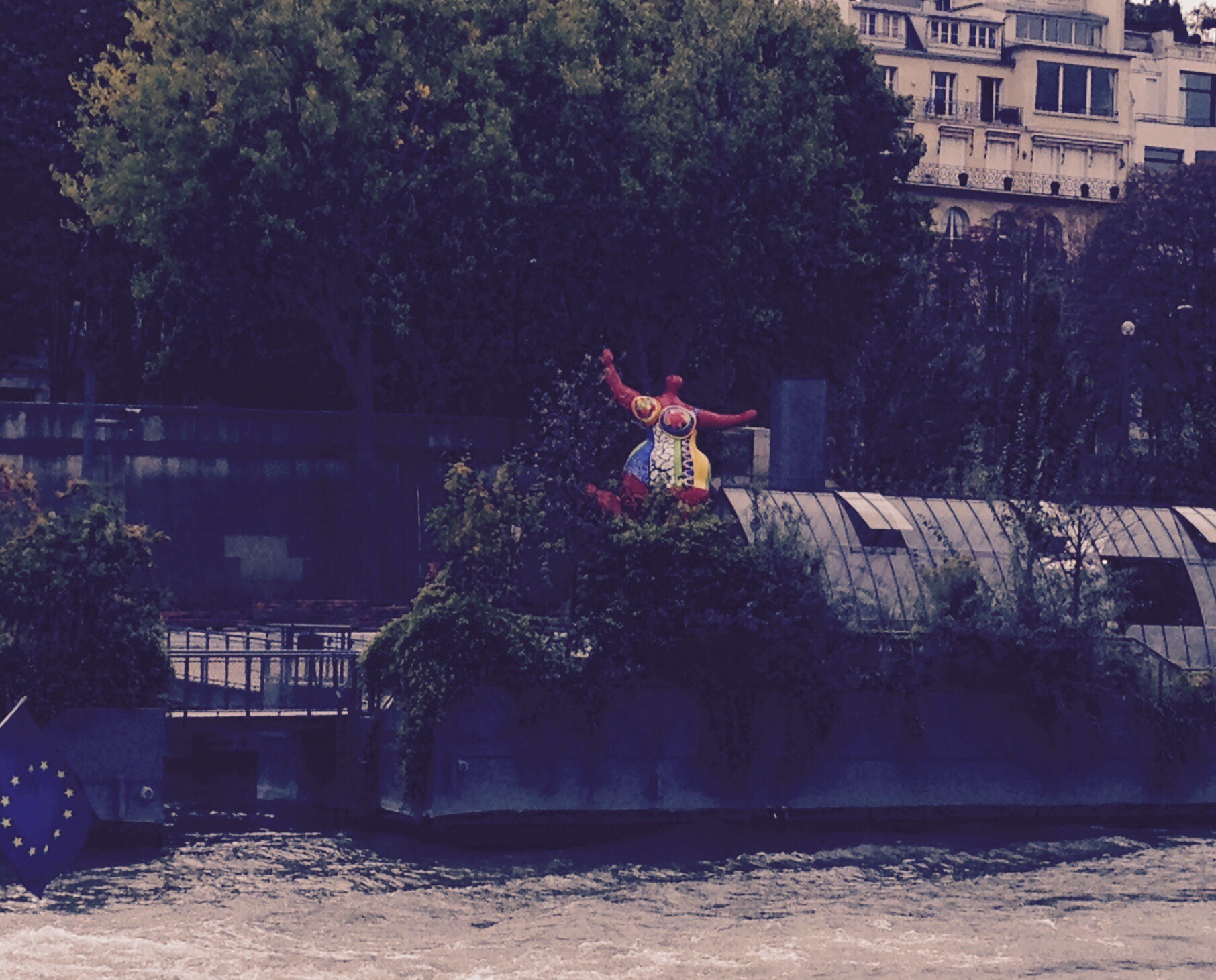
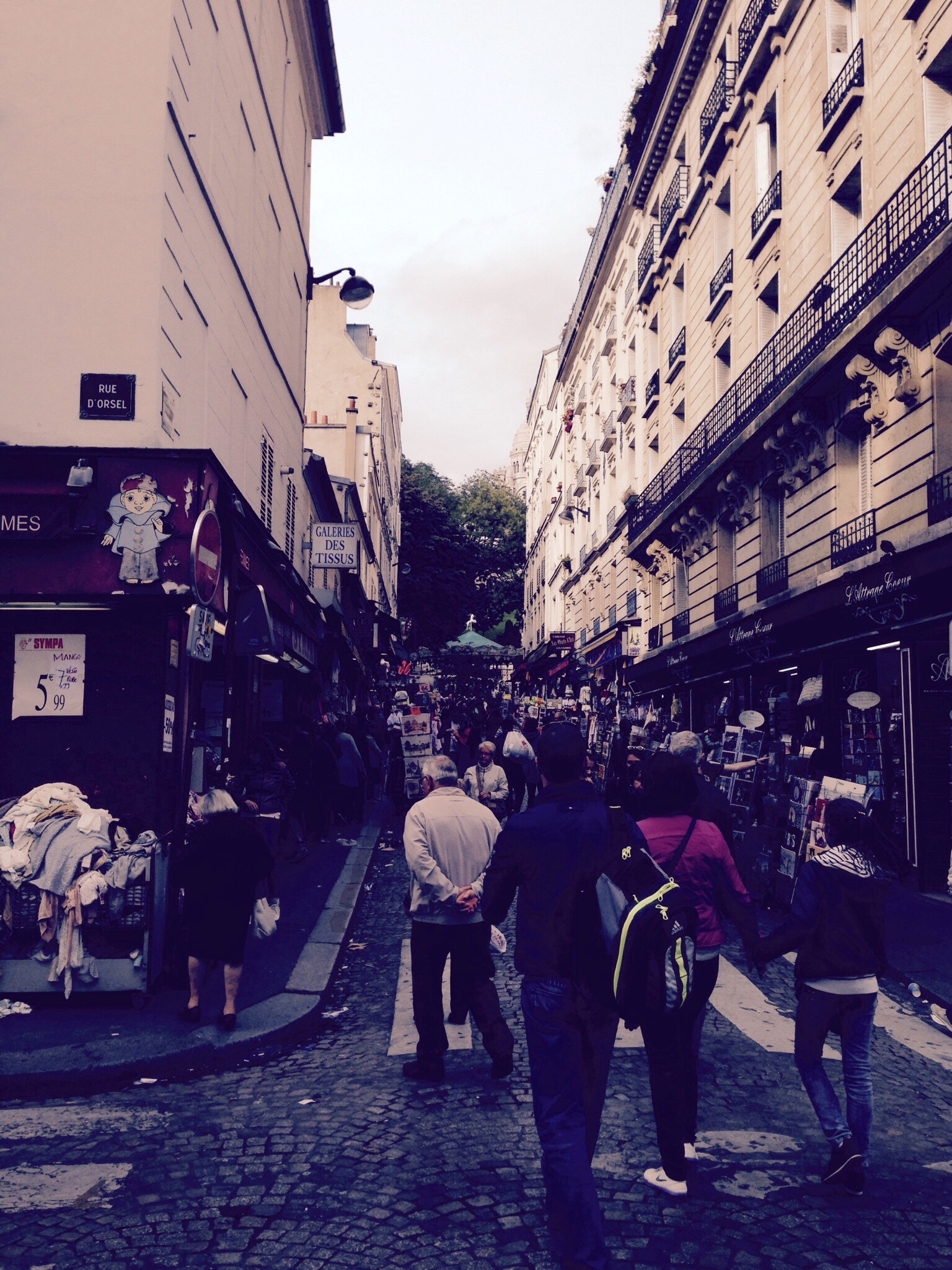
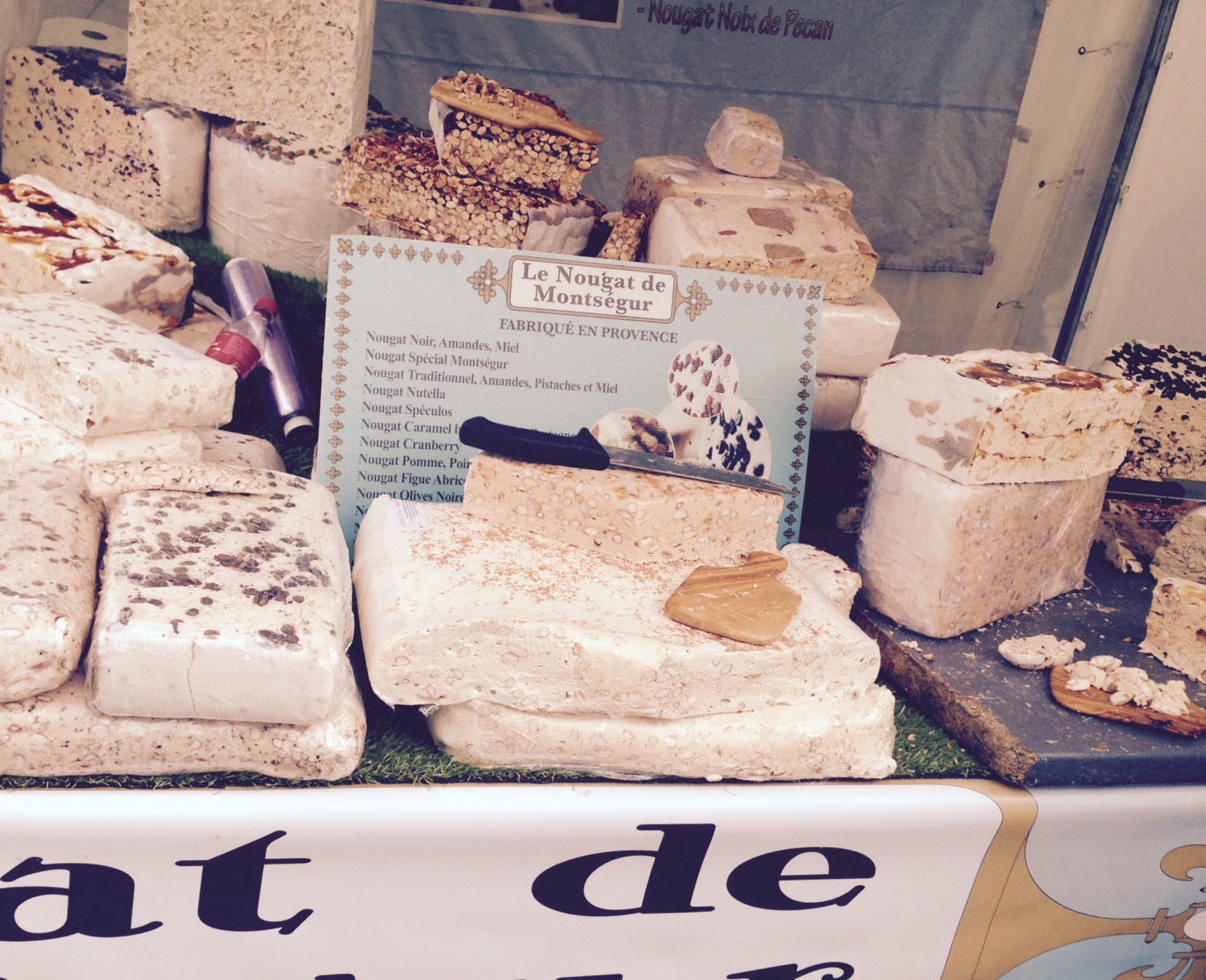
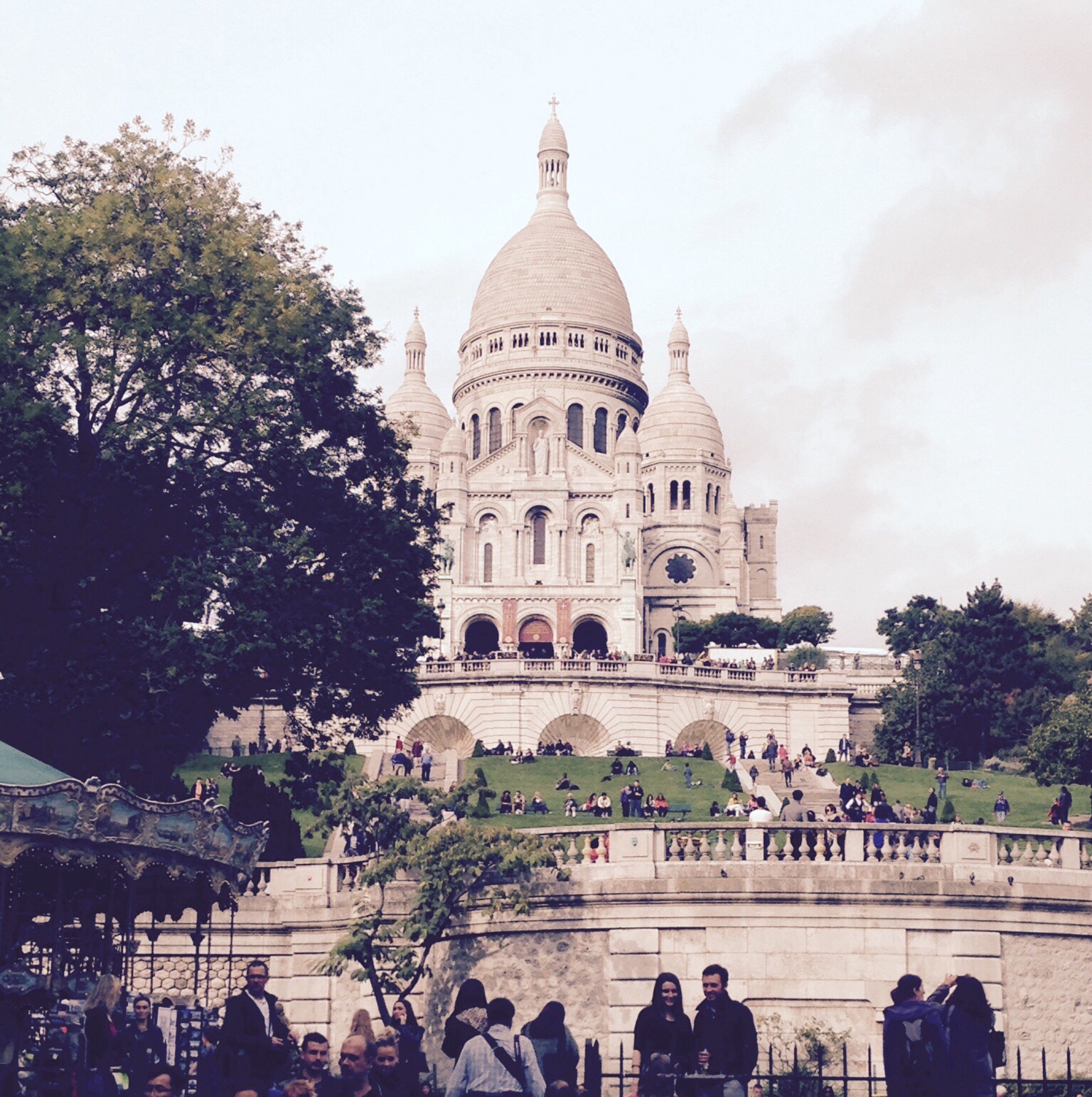
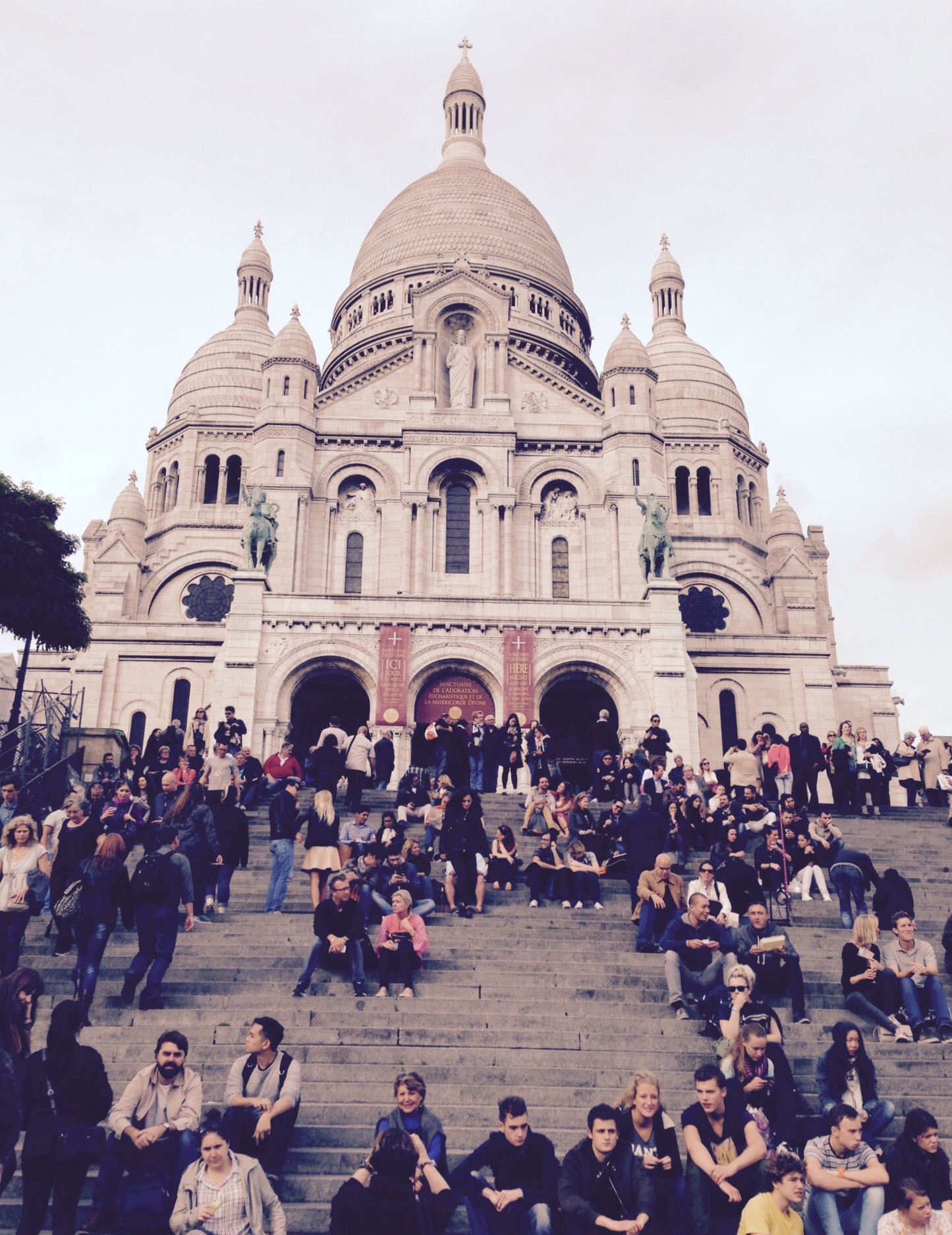
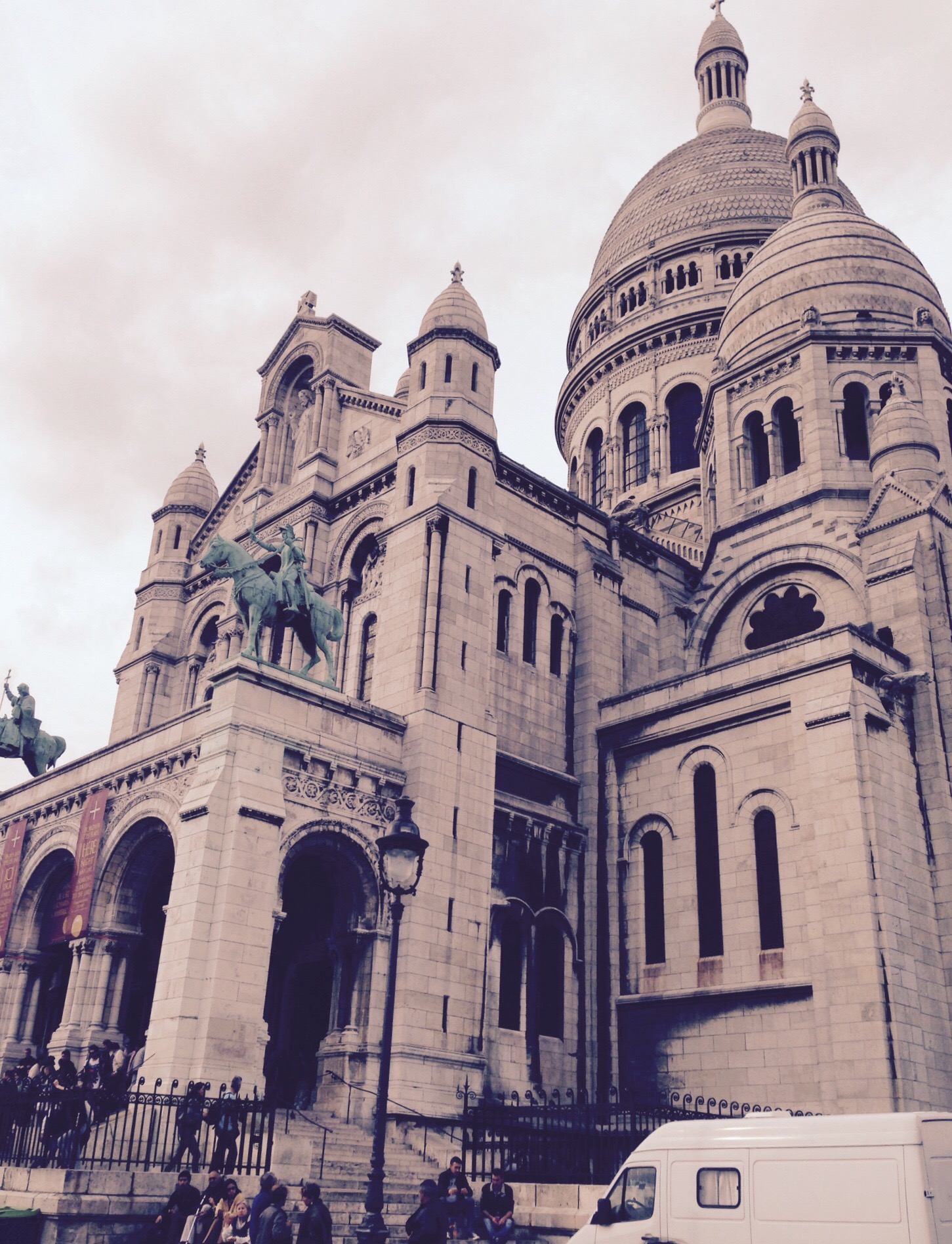
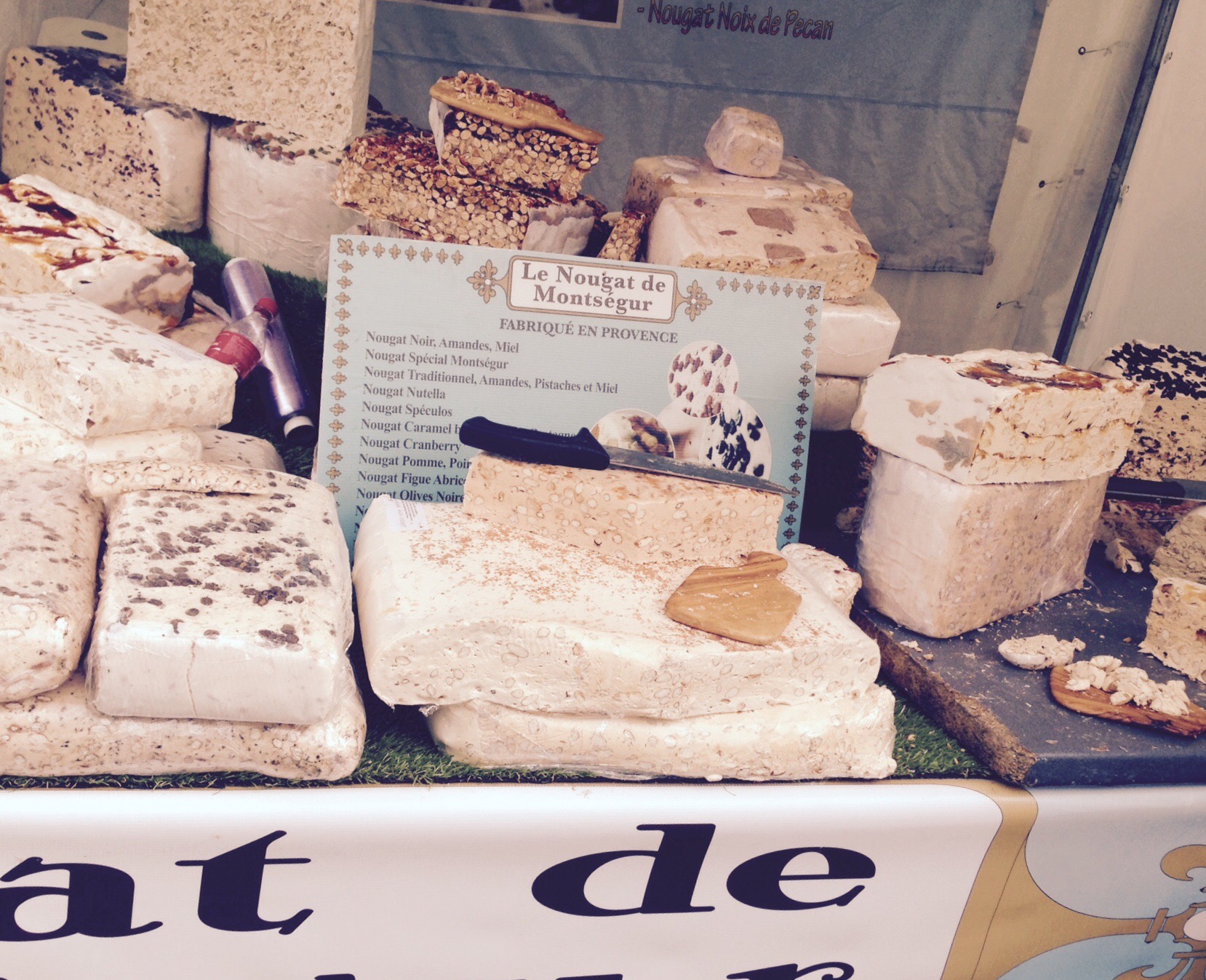
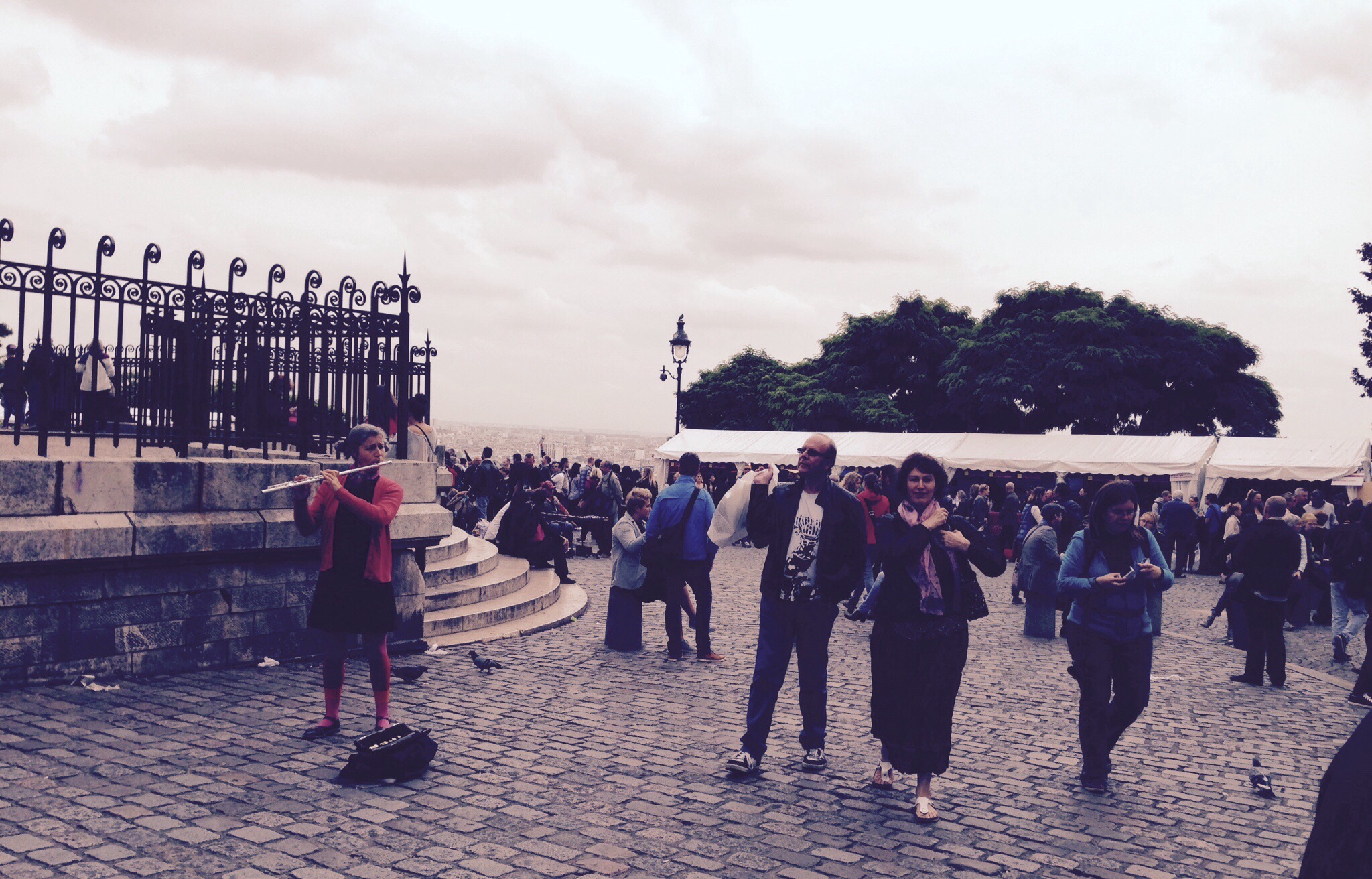
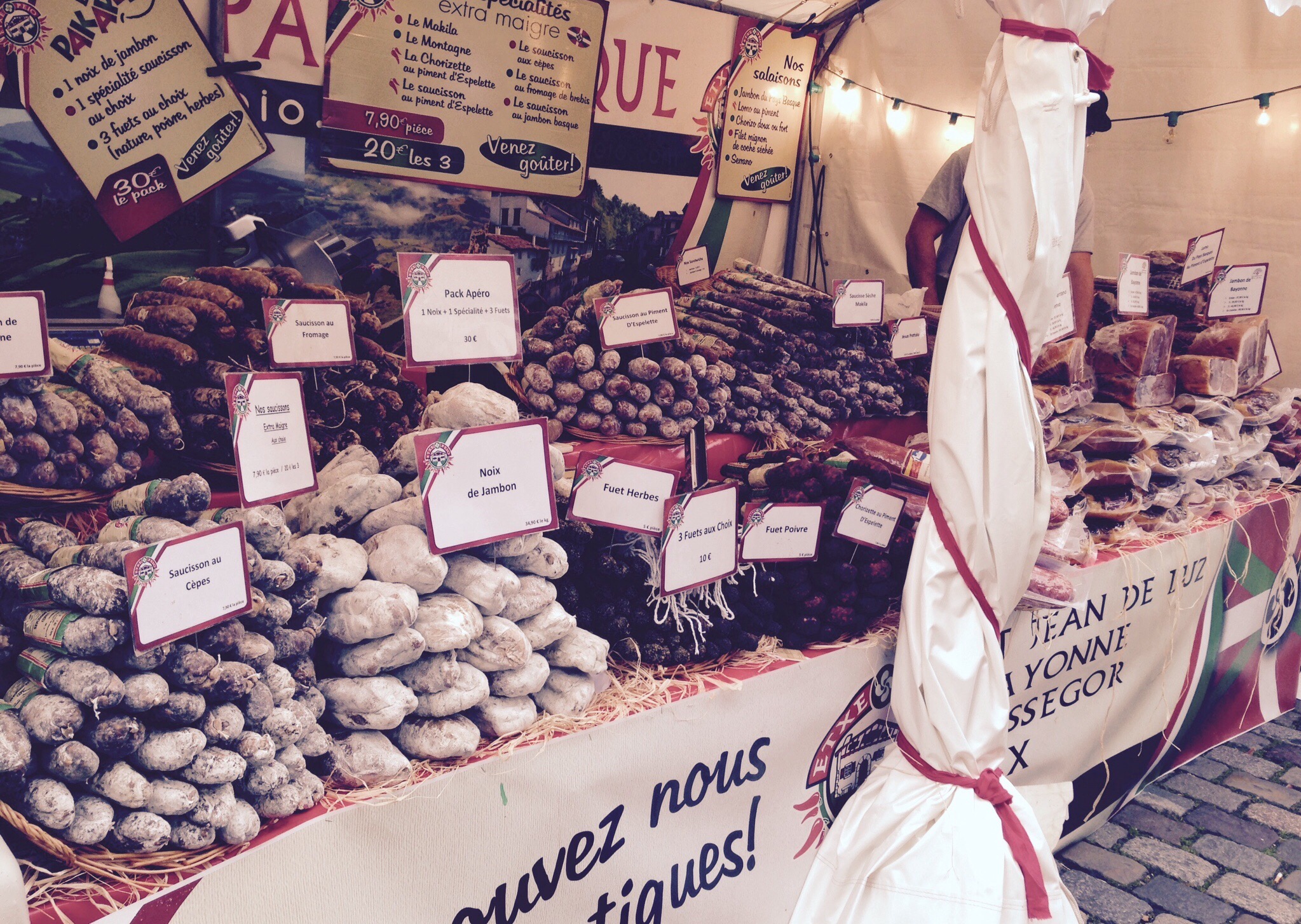
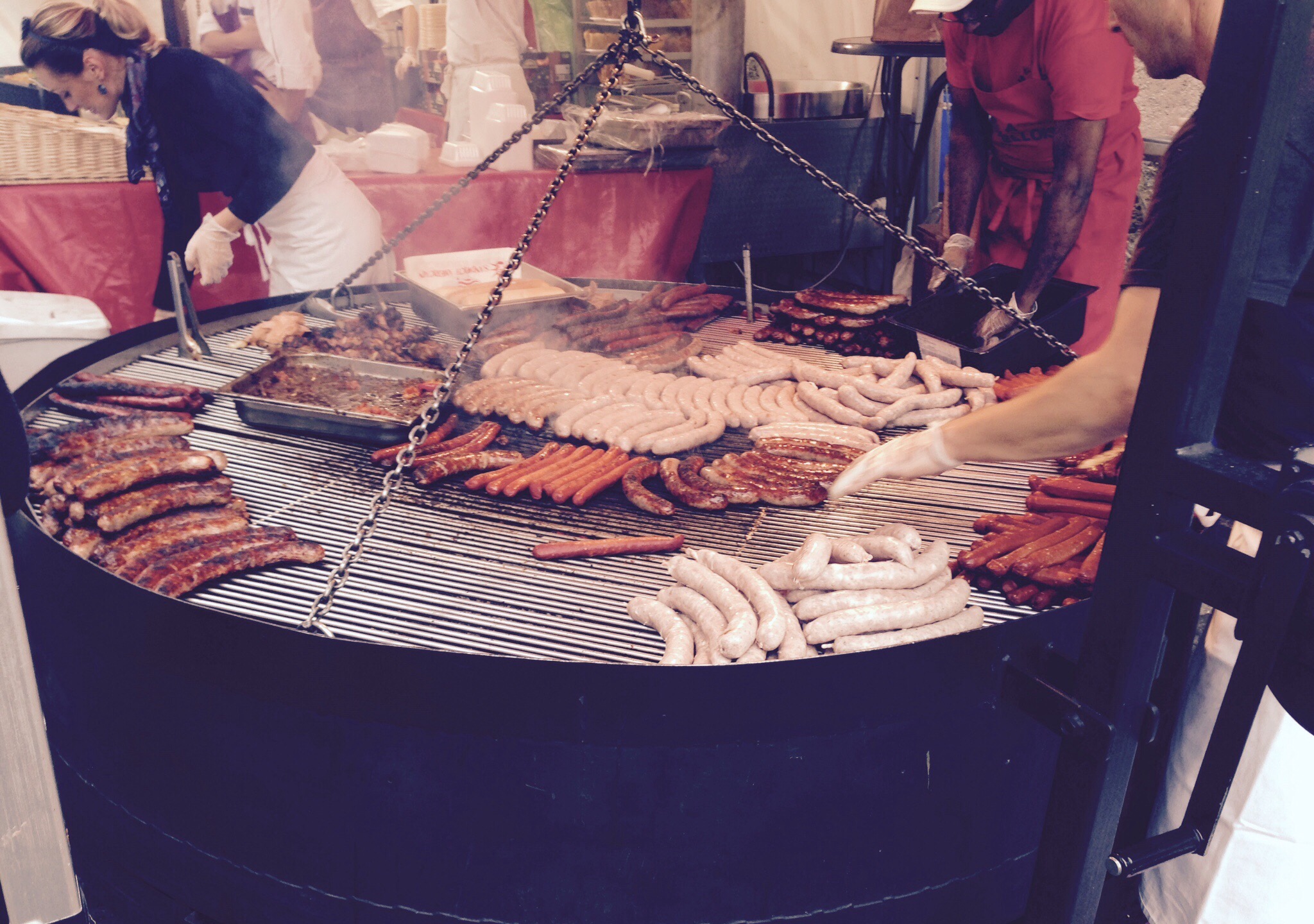
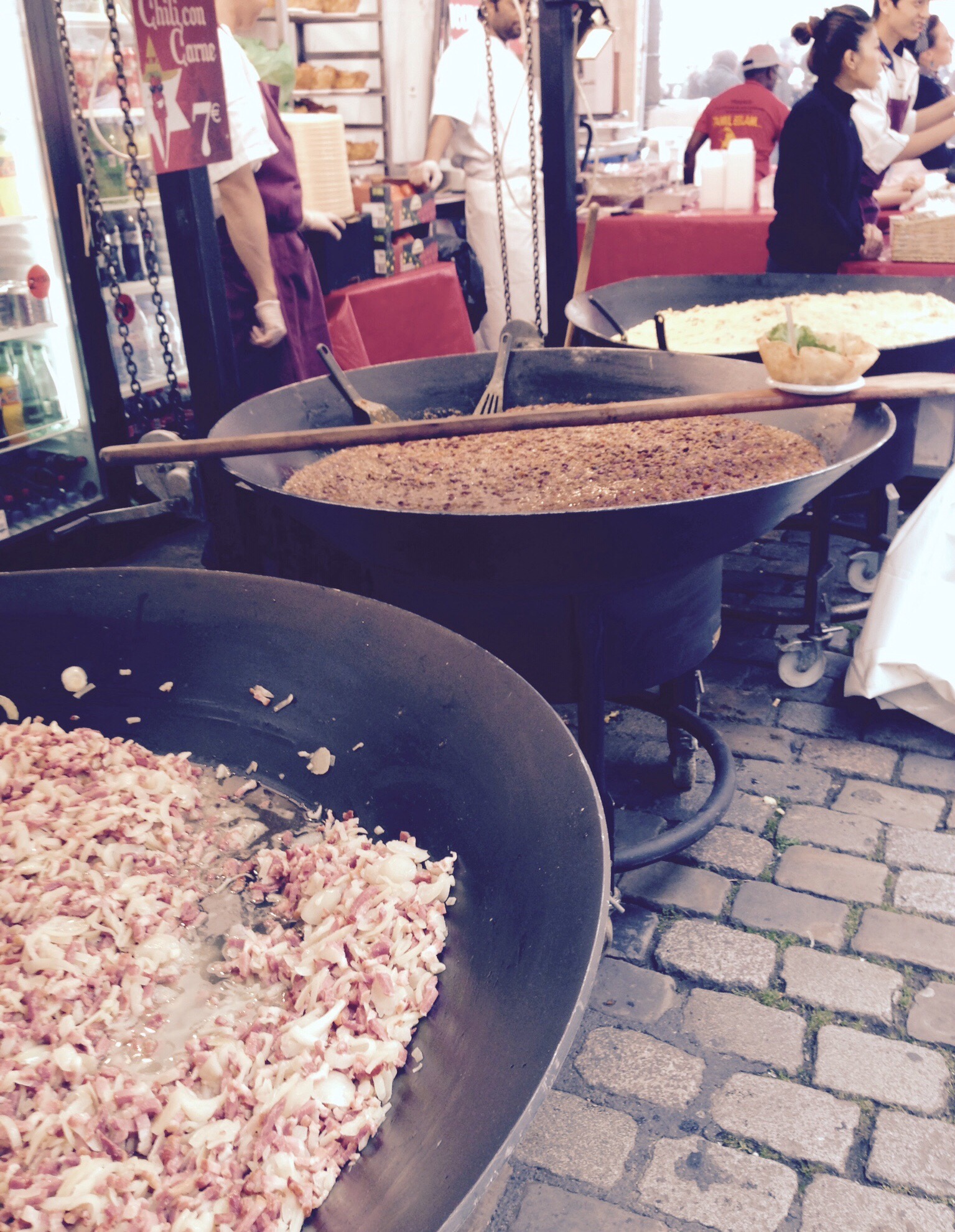
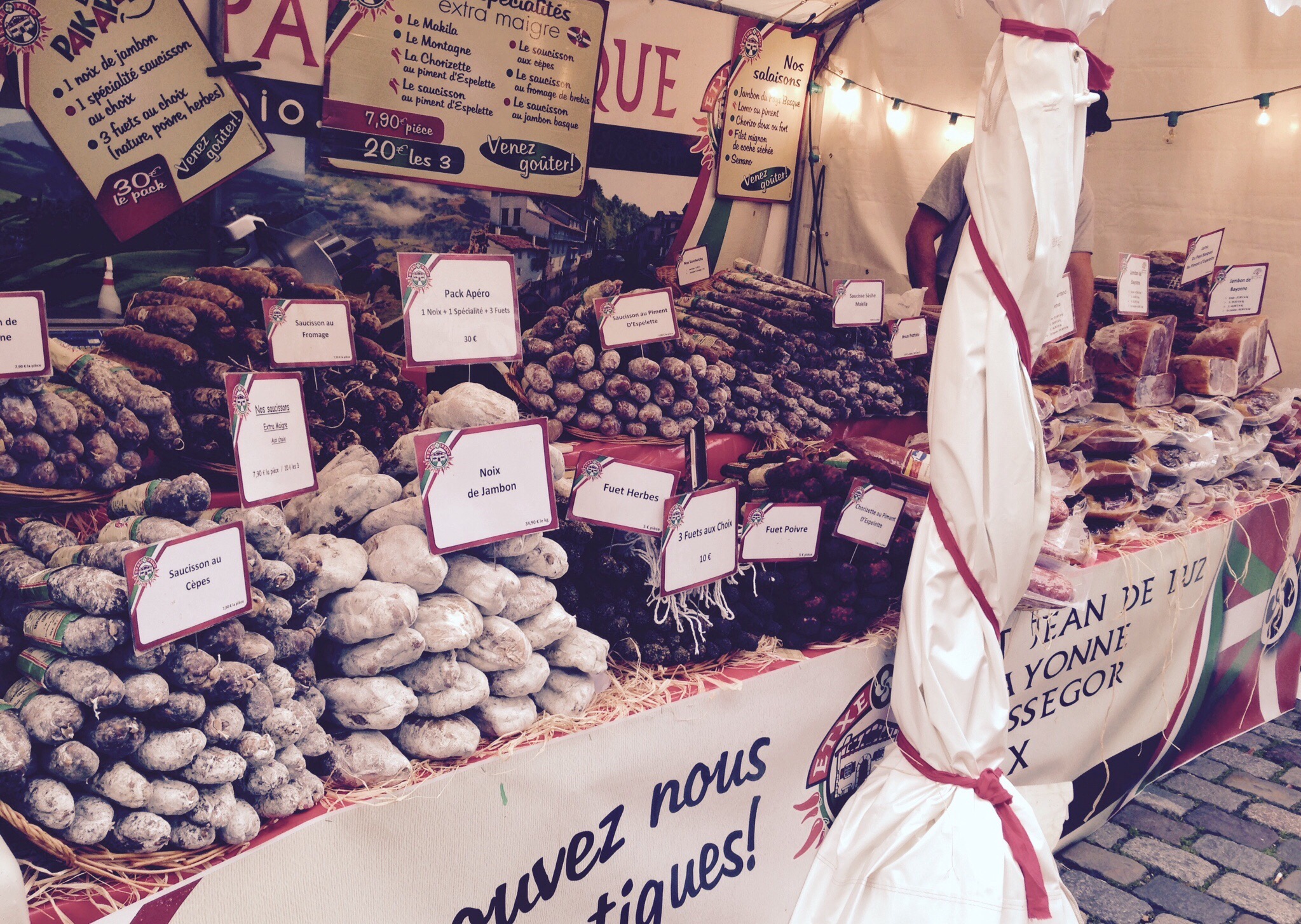
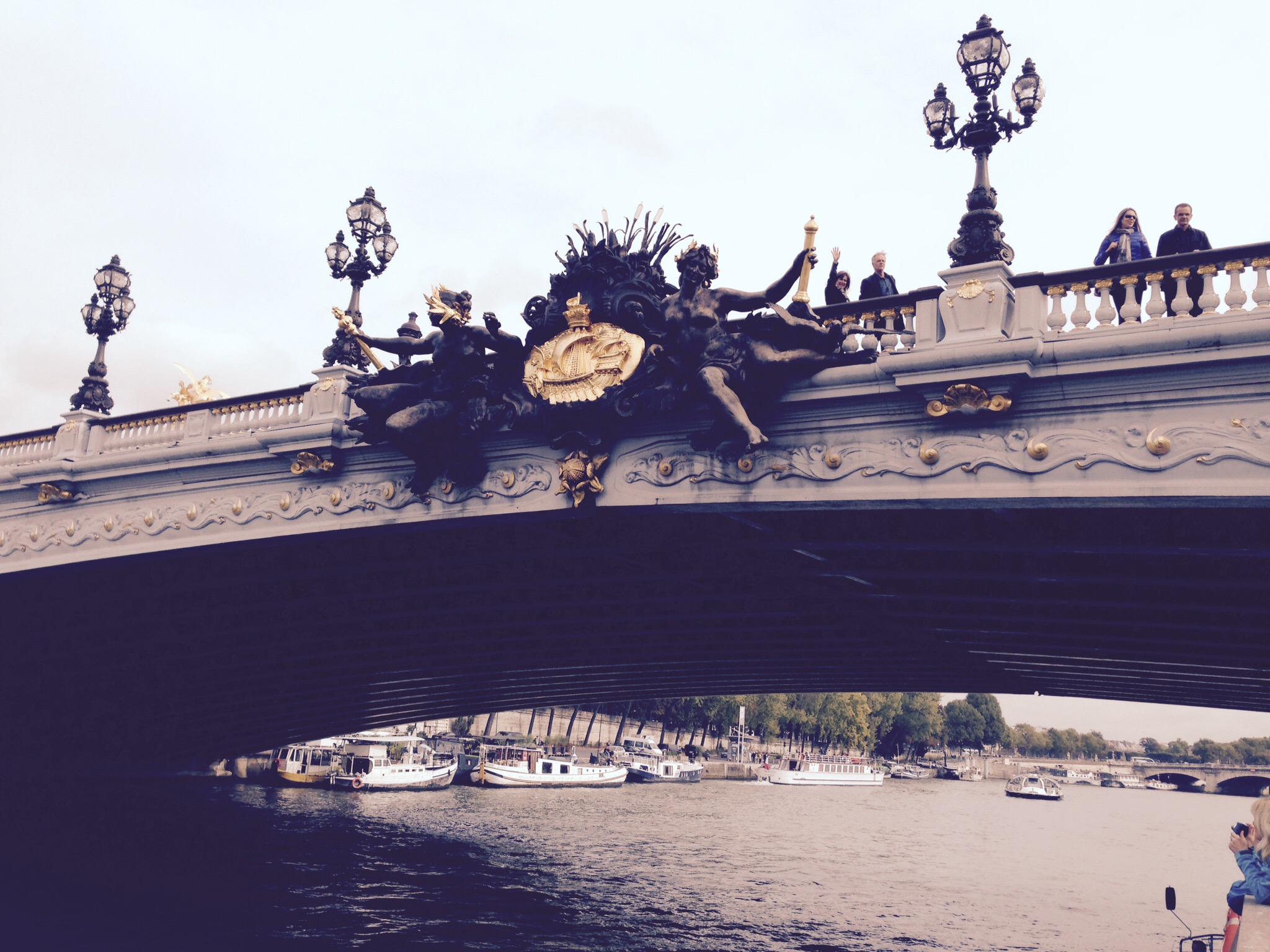
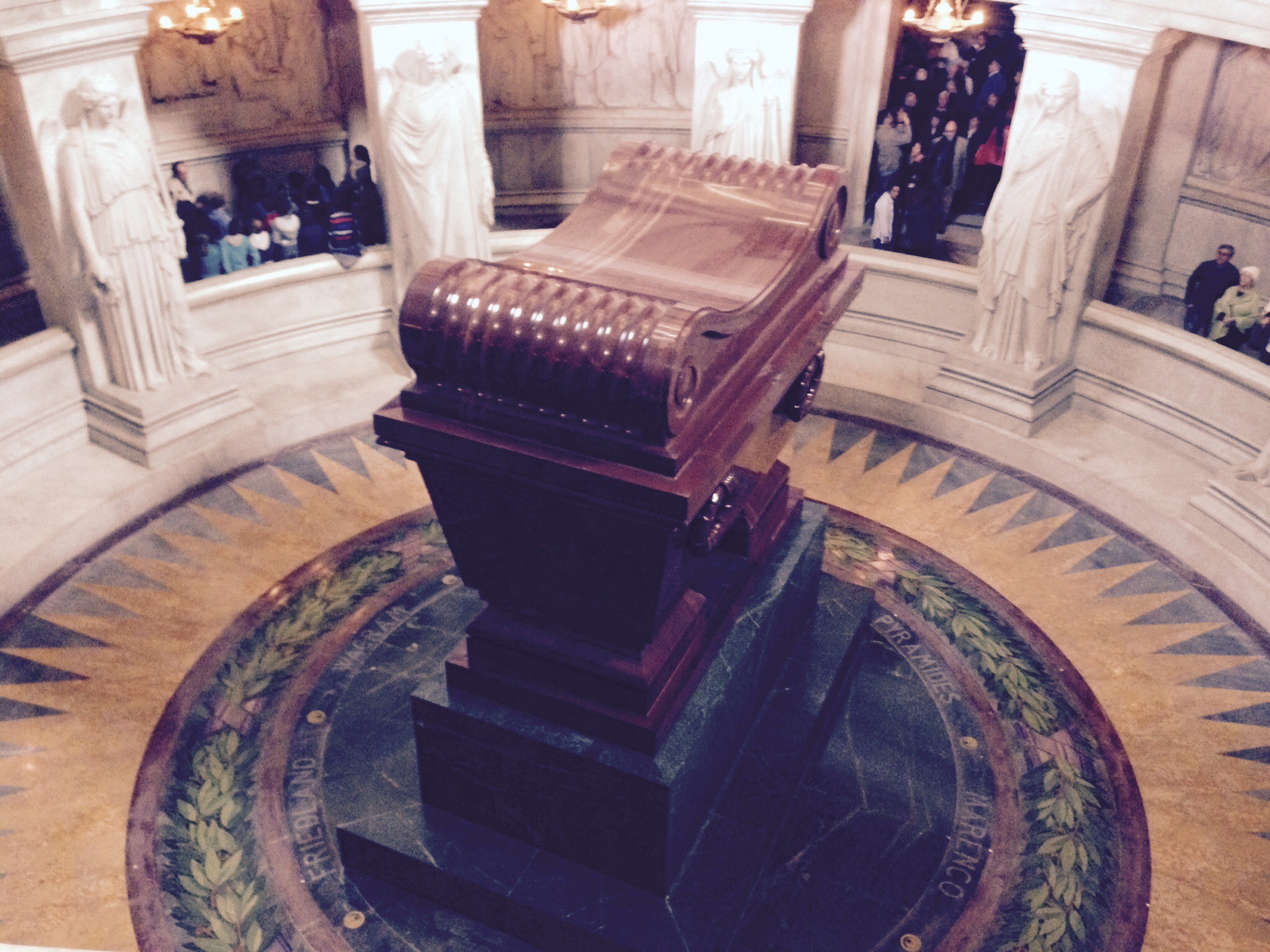
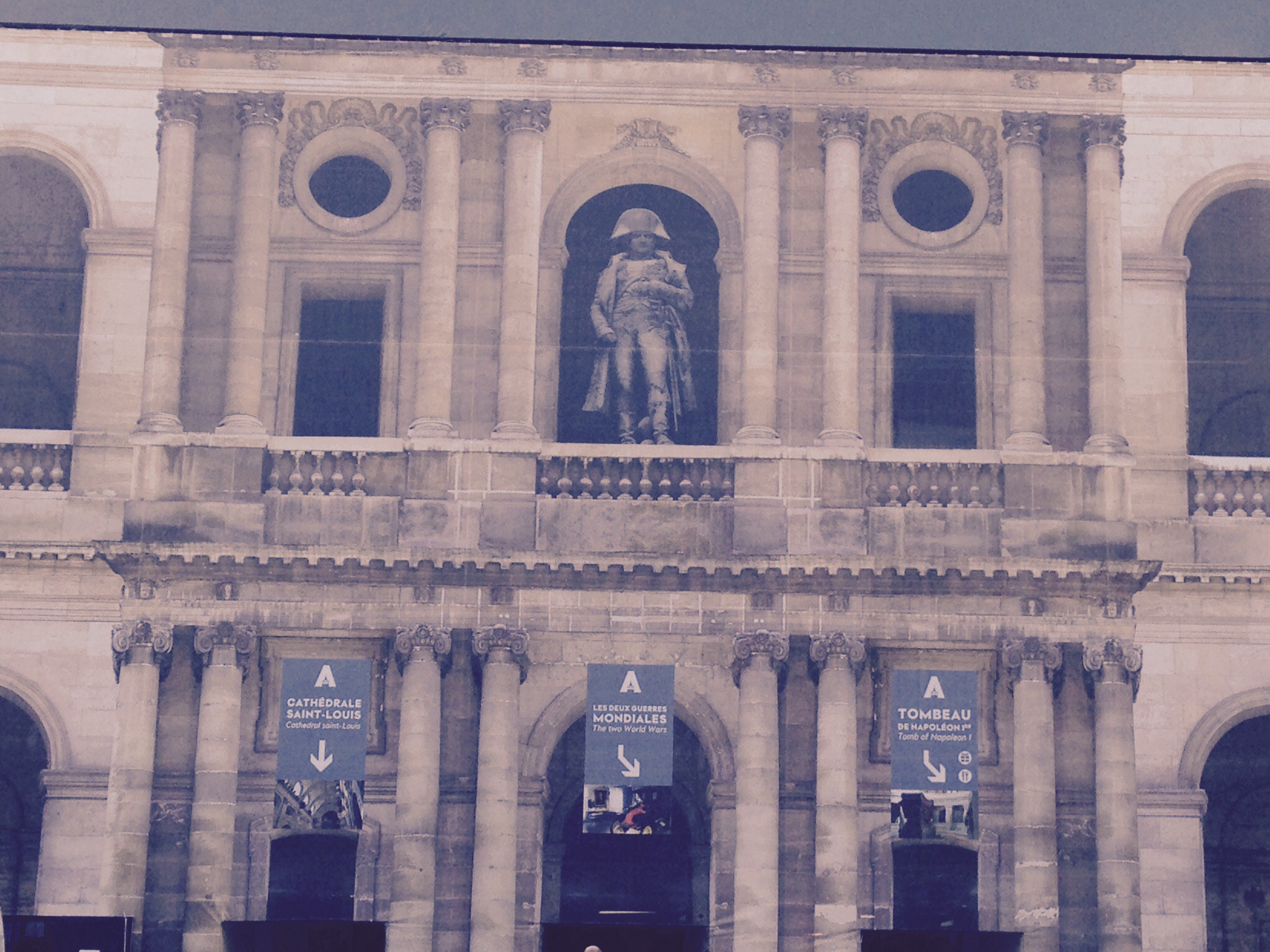
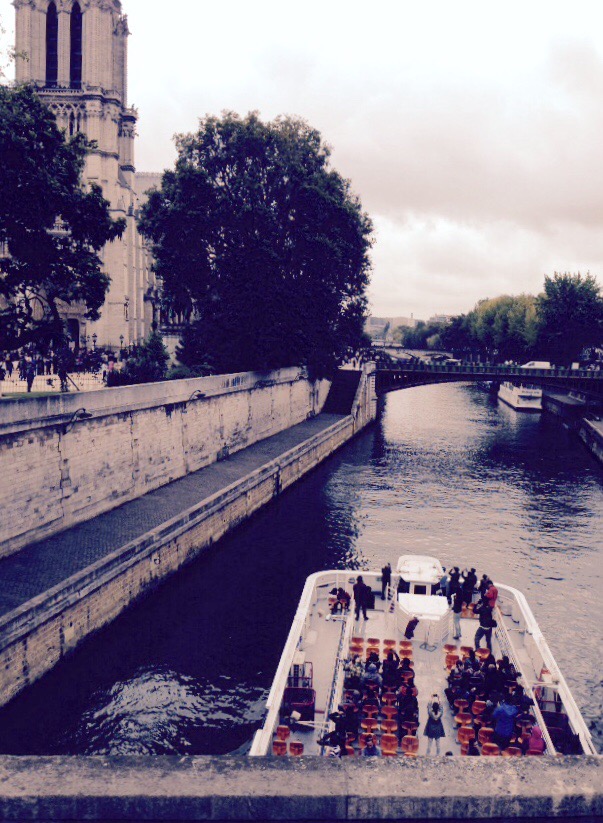
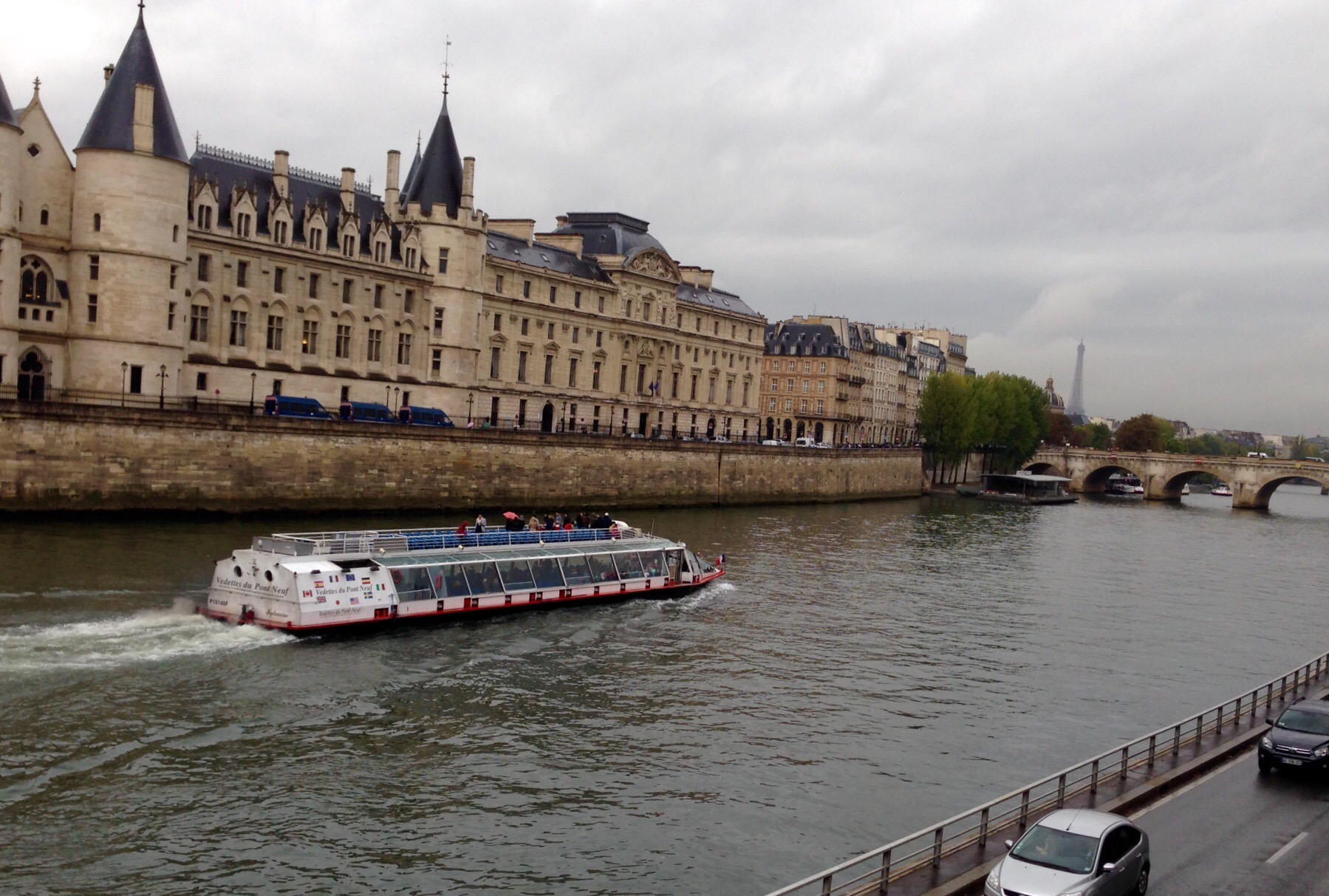
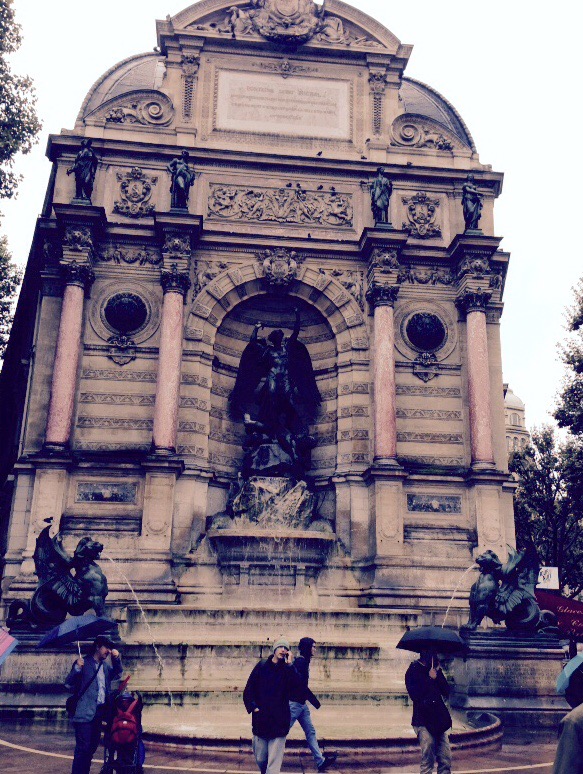
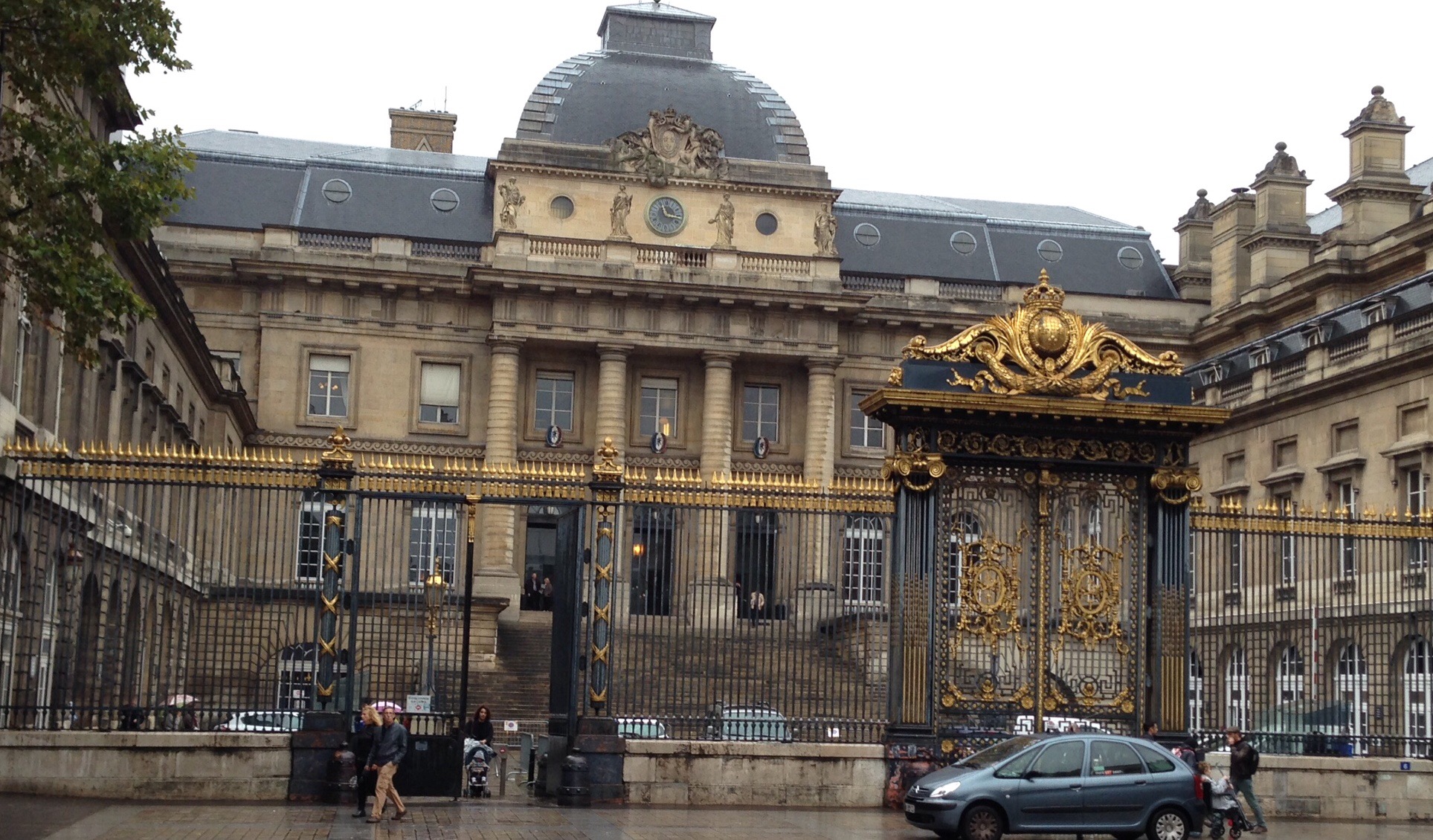
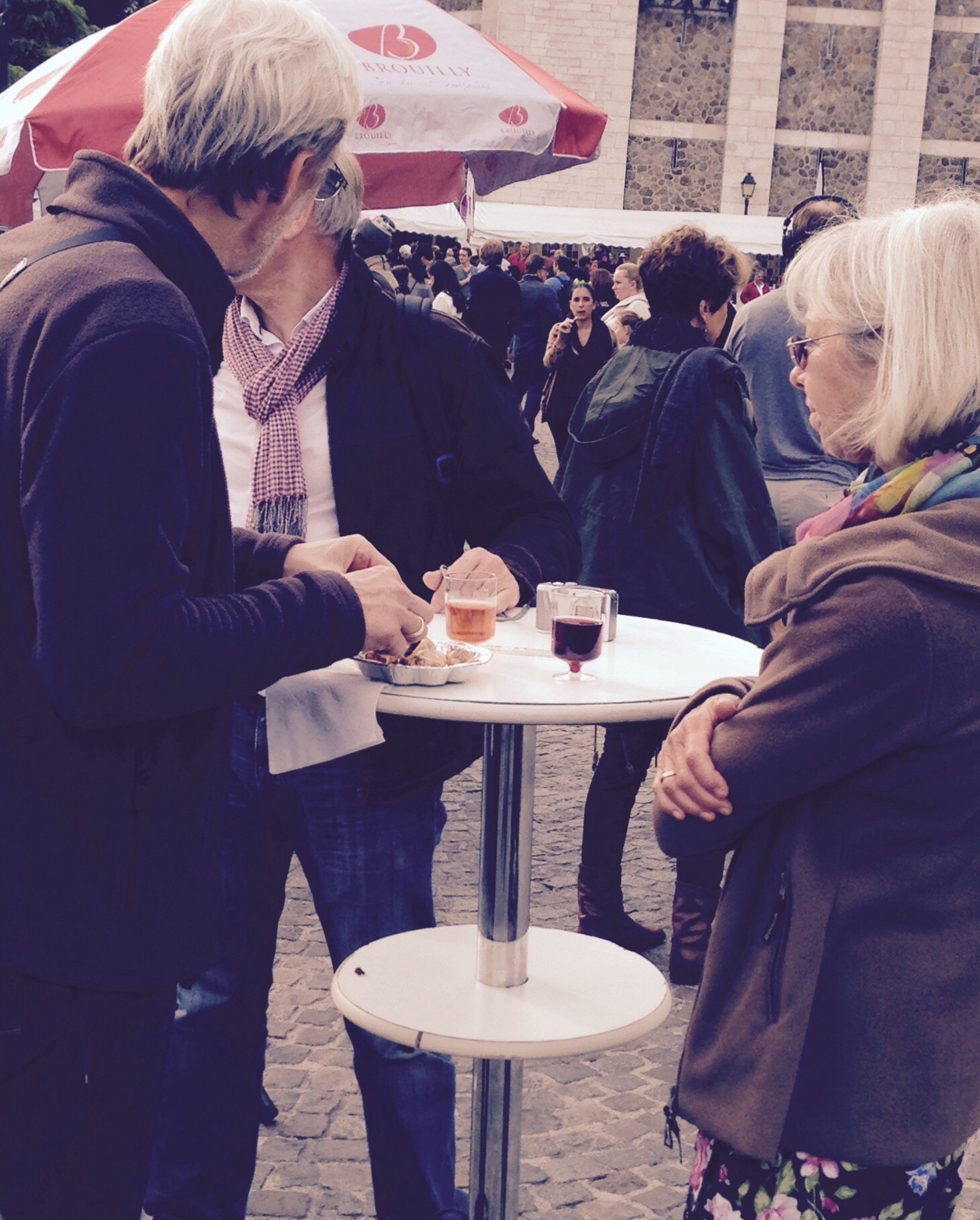
A busy day. We started out at Les Invalids and spent most of our time there in the cathedral and Napoleon’s tomb. After that we went for a cruise on the river. Our next stop was Sacre Coeur. There was a mob of people on Sacre Coeur, it turned out to be the start of some wine & food festival. So we had some wine, a crepe filled with sugar and Grand Marnier ( a generous helping of Grand Marnier!) and topped all that off with some apple tarts made with Armagnac. There was music, buskers, many booths with escargot in a butter sauce, cheeses, sausages, all kinds of wine and champagnes. The diet will restart once we are home!

IMG_0410.JPG

IMG_0411.JPG

IMG_0409.JPG

IMG_0412.JPG

IMG_0404.JPG

IMG_0403.JPG

IMG_0402.JPG

IMG_0407.JPG

IMG_0400.JPG

IMG_0398.JPG

IMG_0399.JPG

IMG_0397.JPG

IMG_0390.JPG

IMG_0396.JPG

IMG_0393.JPG

IMG_0391.JPG

IMG_0389.JPG

IMG_0390-0.JPG,

IMG_0388.JPG

IMG_0387.JPG

IMG_0385.JPG

IMG_0386.JPG

IMG_0387-0.JPG

IMG_0384.JPG

IMG_0381.JPG

IMG_0380.JPG

IMG_0383.JPG

IMG_0384-0.JPG

IMG_0148.JPG

IMG_0149.JPG

IMG_0146.JPG

Posted in Uncategorized | Leave a comment

Paris, October 9, 2014

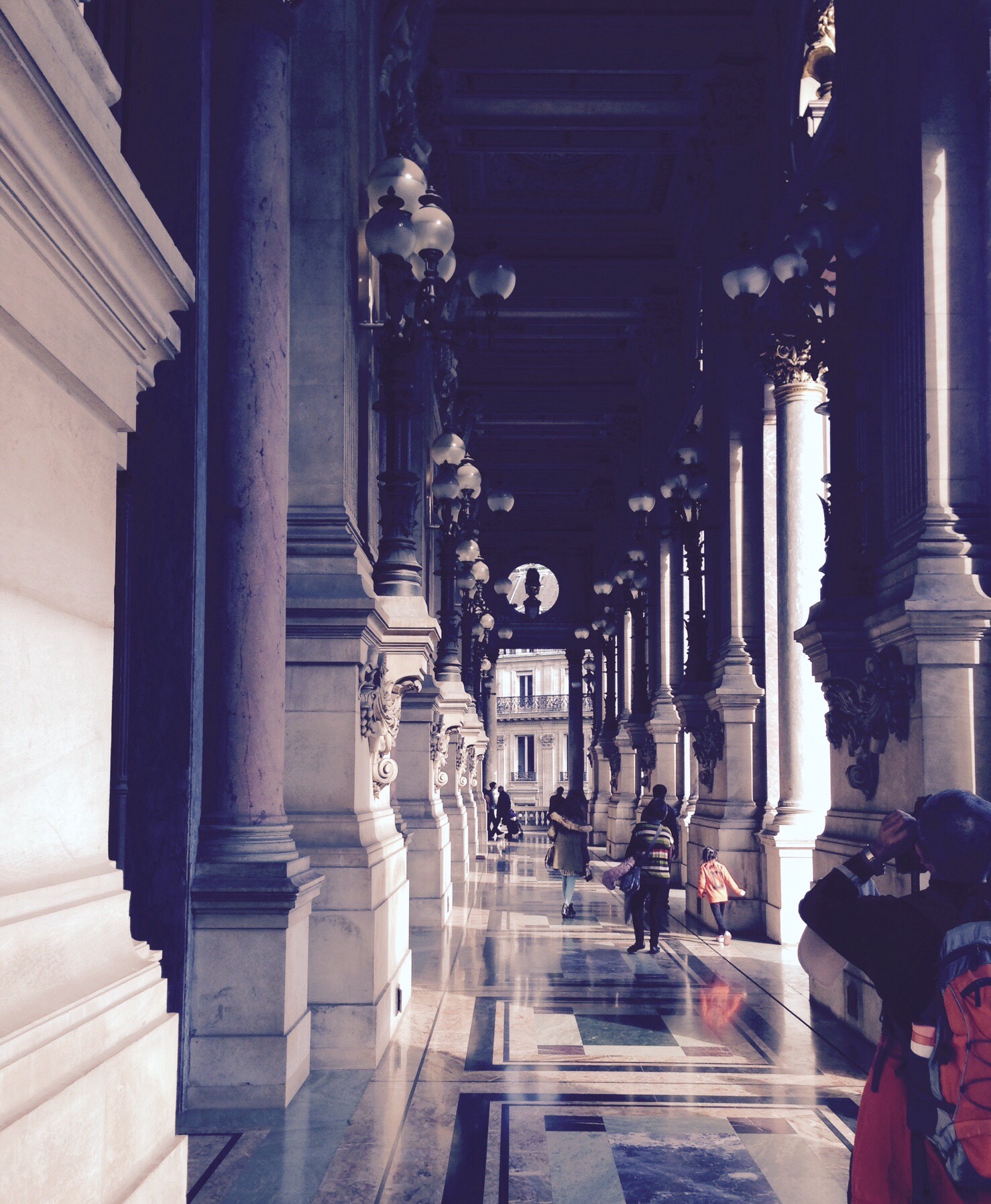
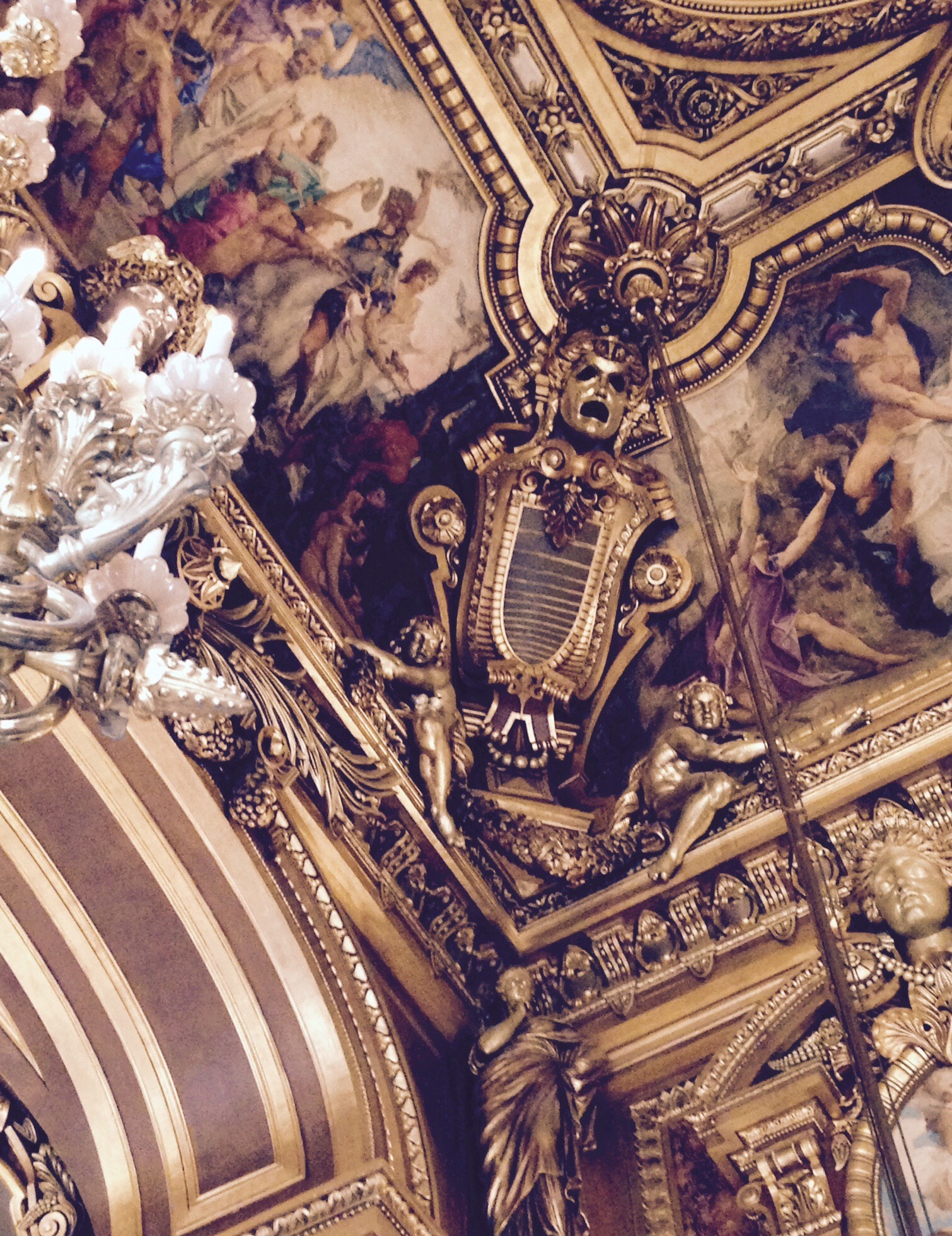
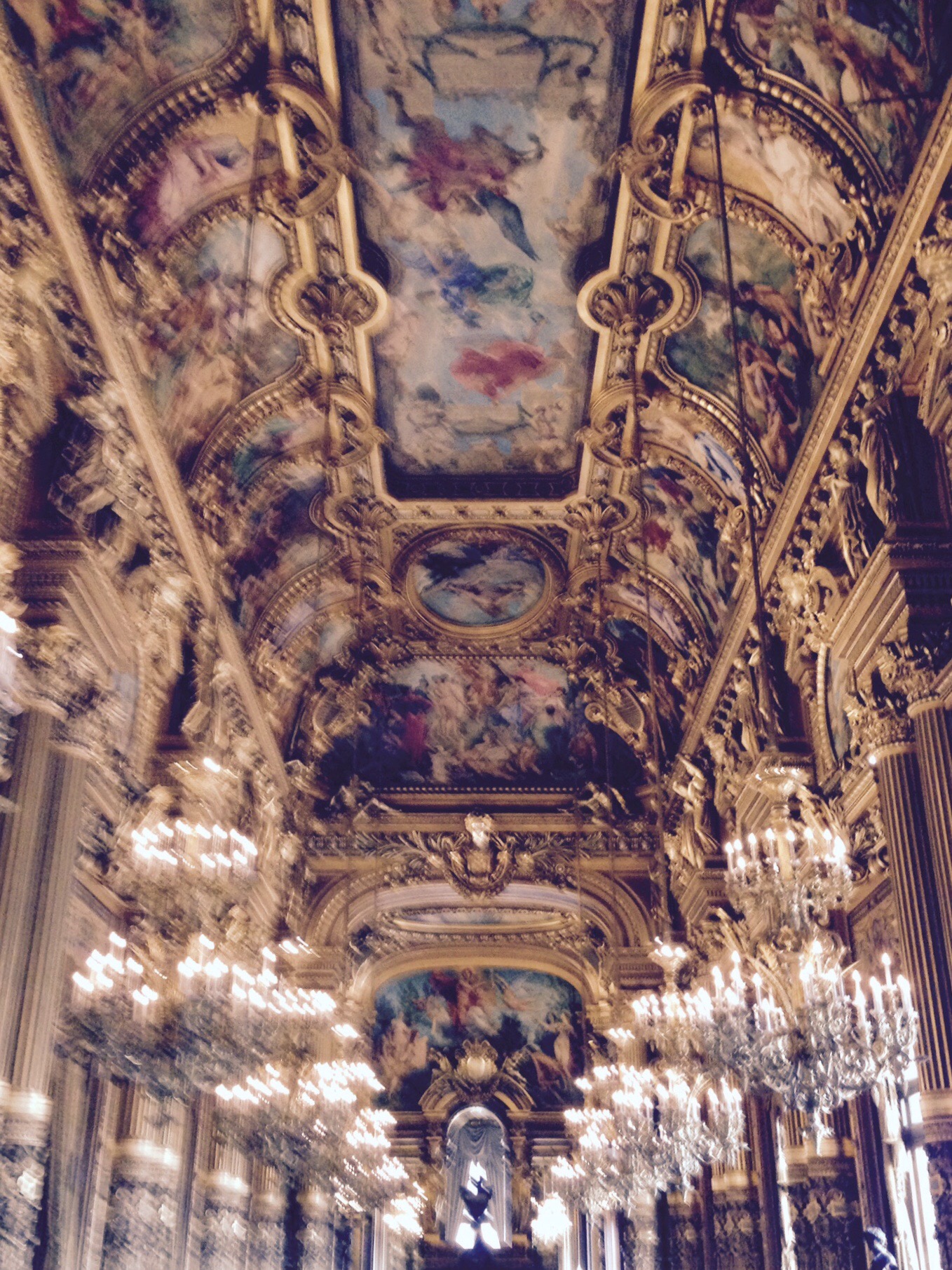
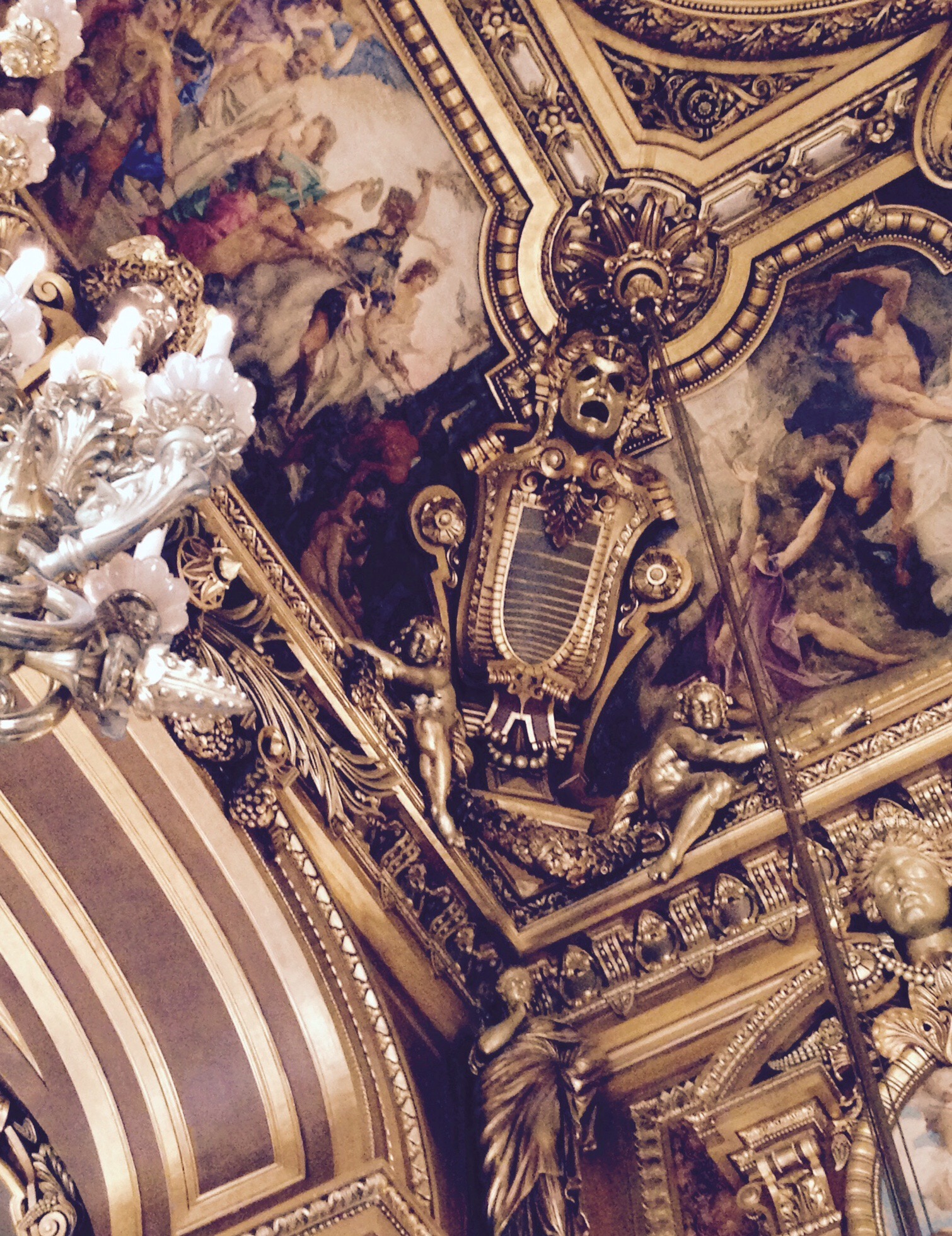
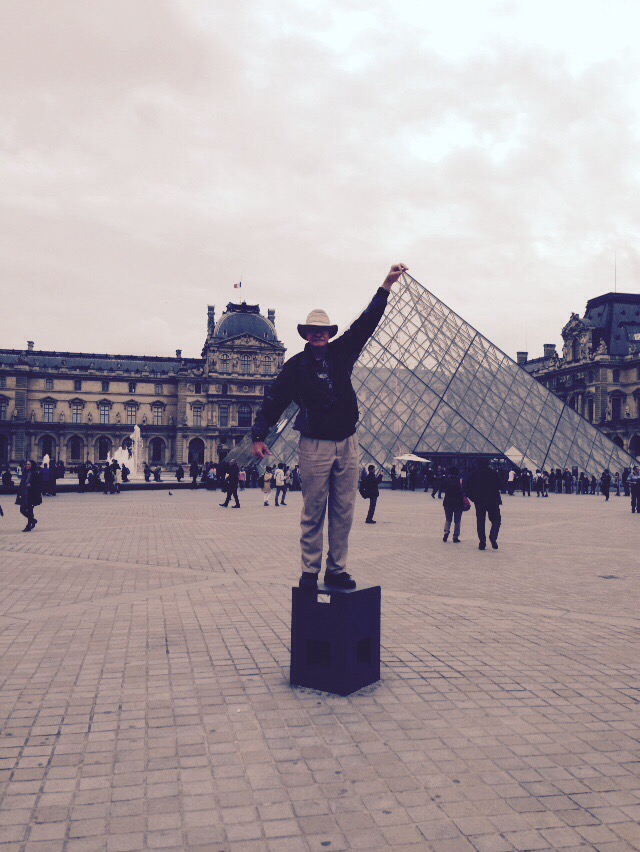
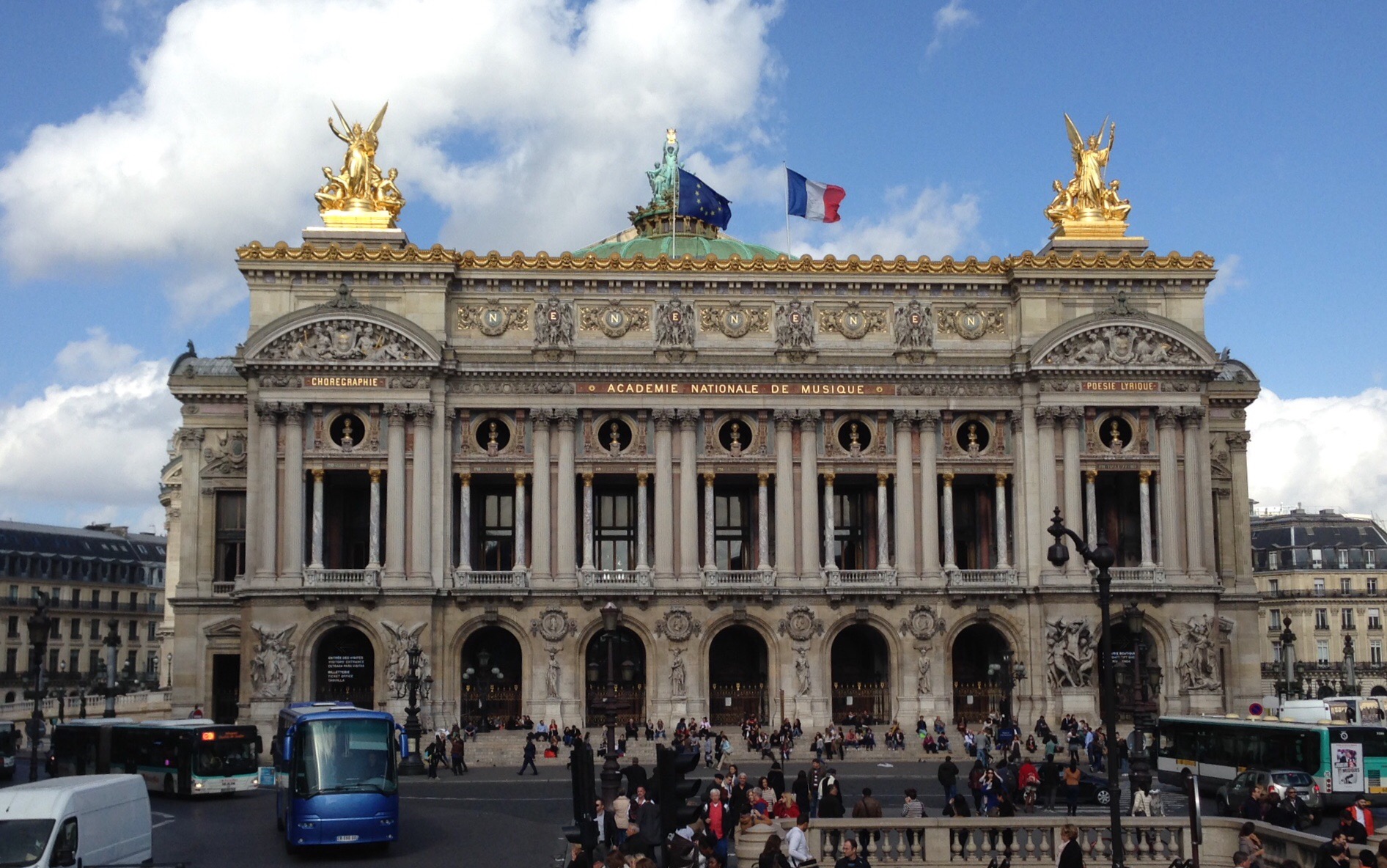
We hopped on the bus this morning and went on a tour of the city, covering many of the usual popular attractions. We started at The Louvre, then on to the Opera House for a tour inside. We couldn’t go into the auditorium as there was a rehearsal in progress (we could hear some of it). Lunch in a bistro near the Opera House complete with the typical French waiter!
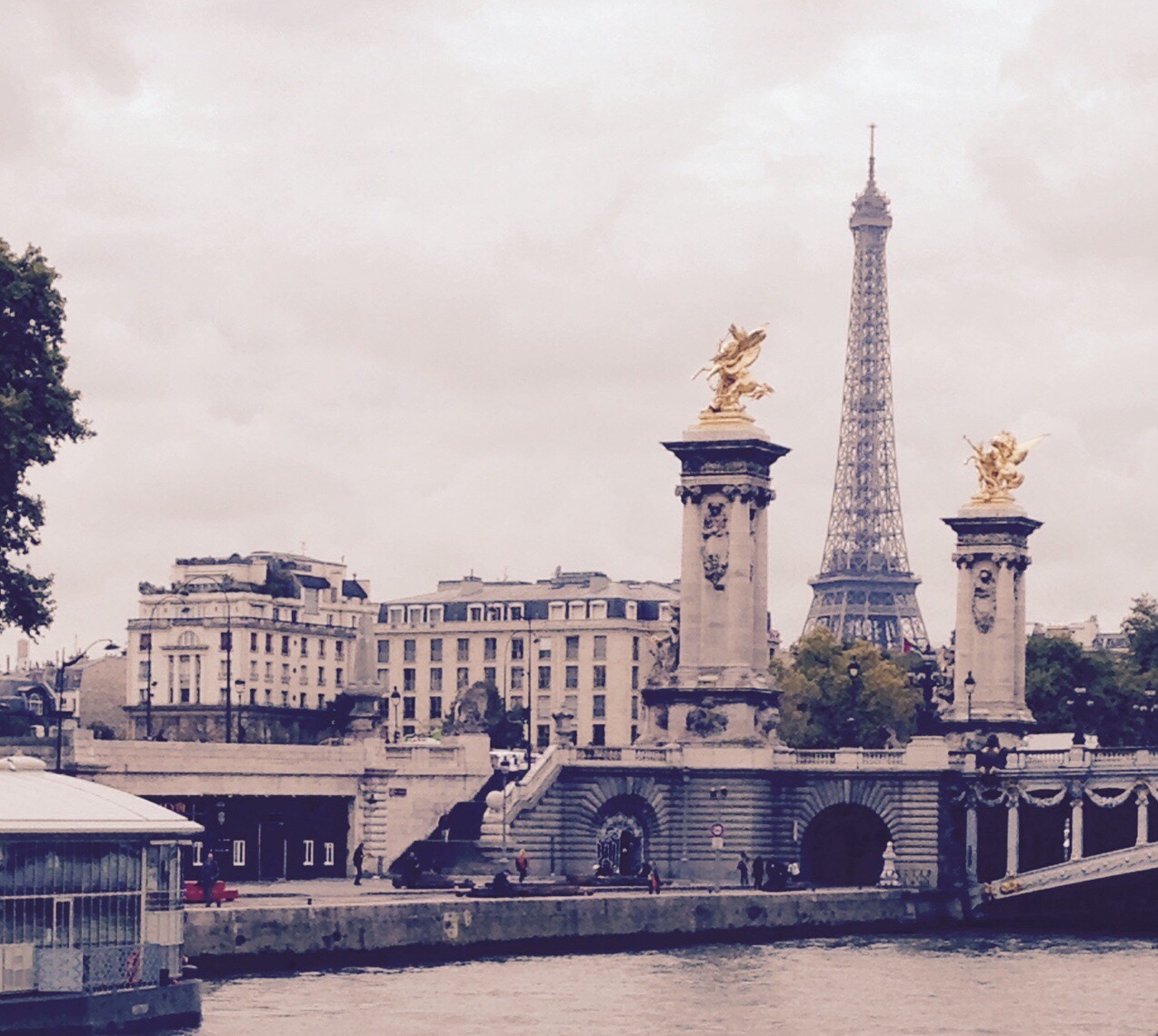
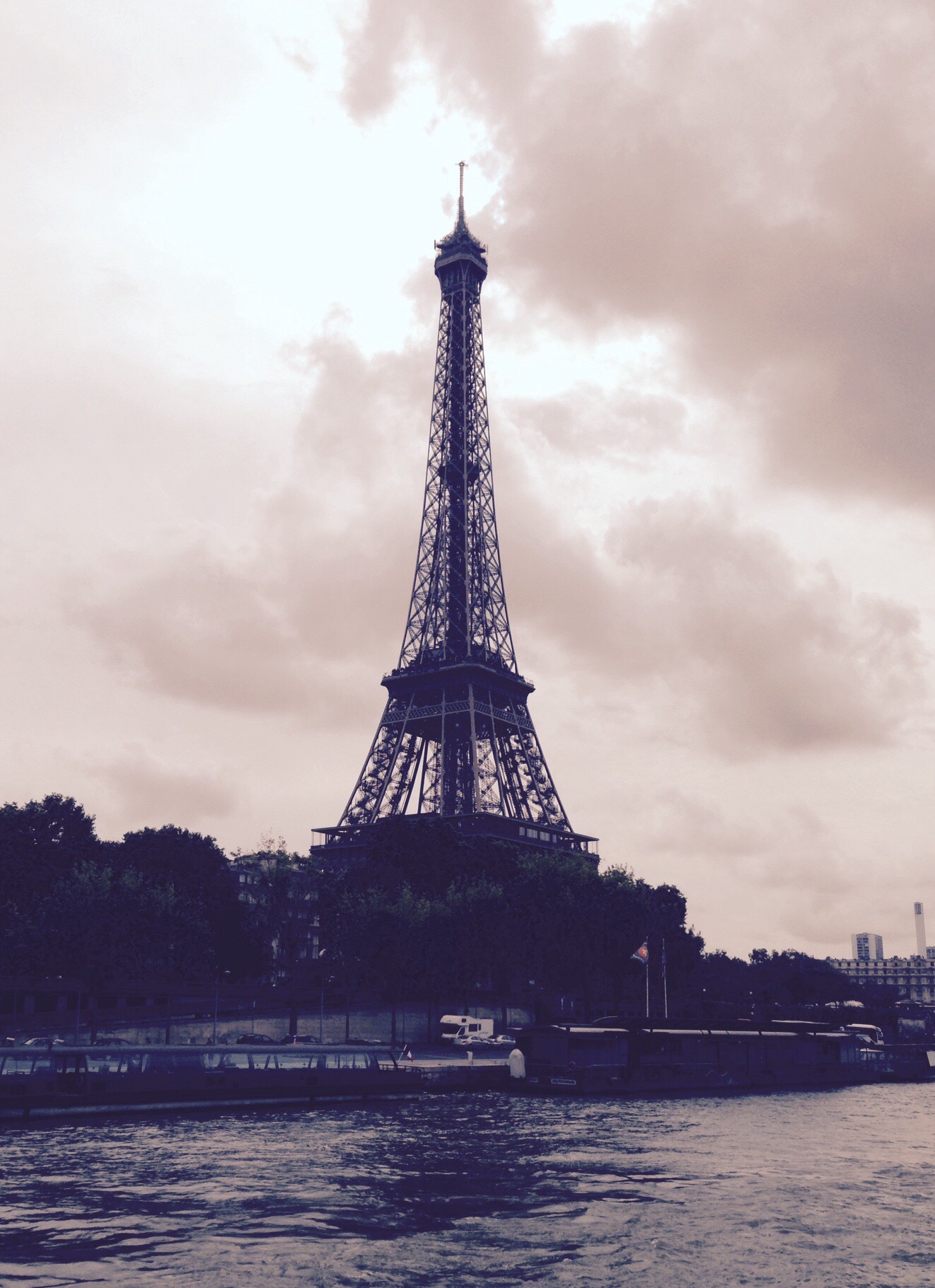
A stop at the Eiffel Tower.
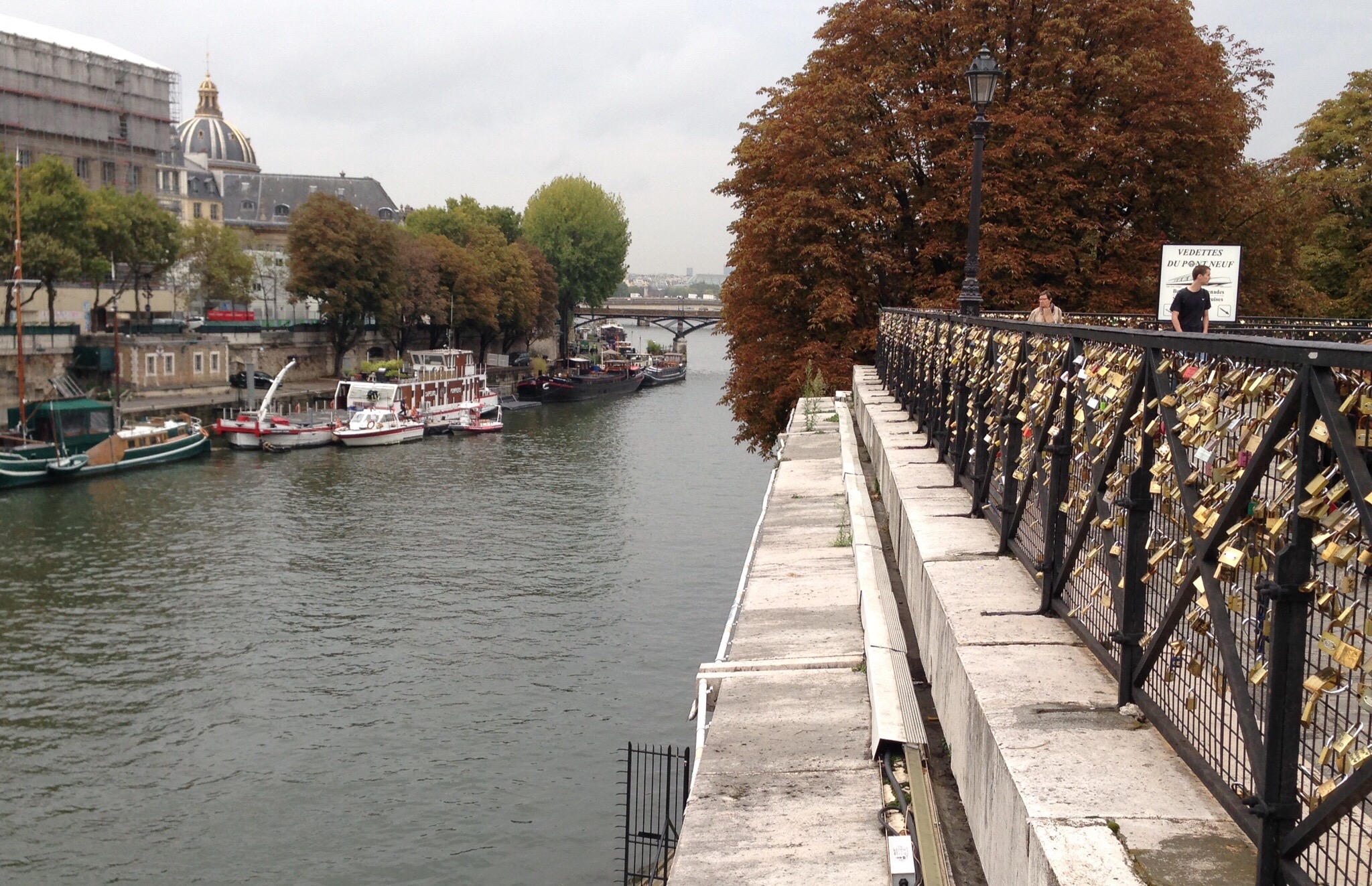
The Pont Neuf has about 200 thousand, million locks adorning the fencing. A lot of them had names and dates on them. I assume this is how Paris lovers lock their love together!
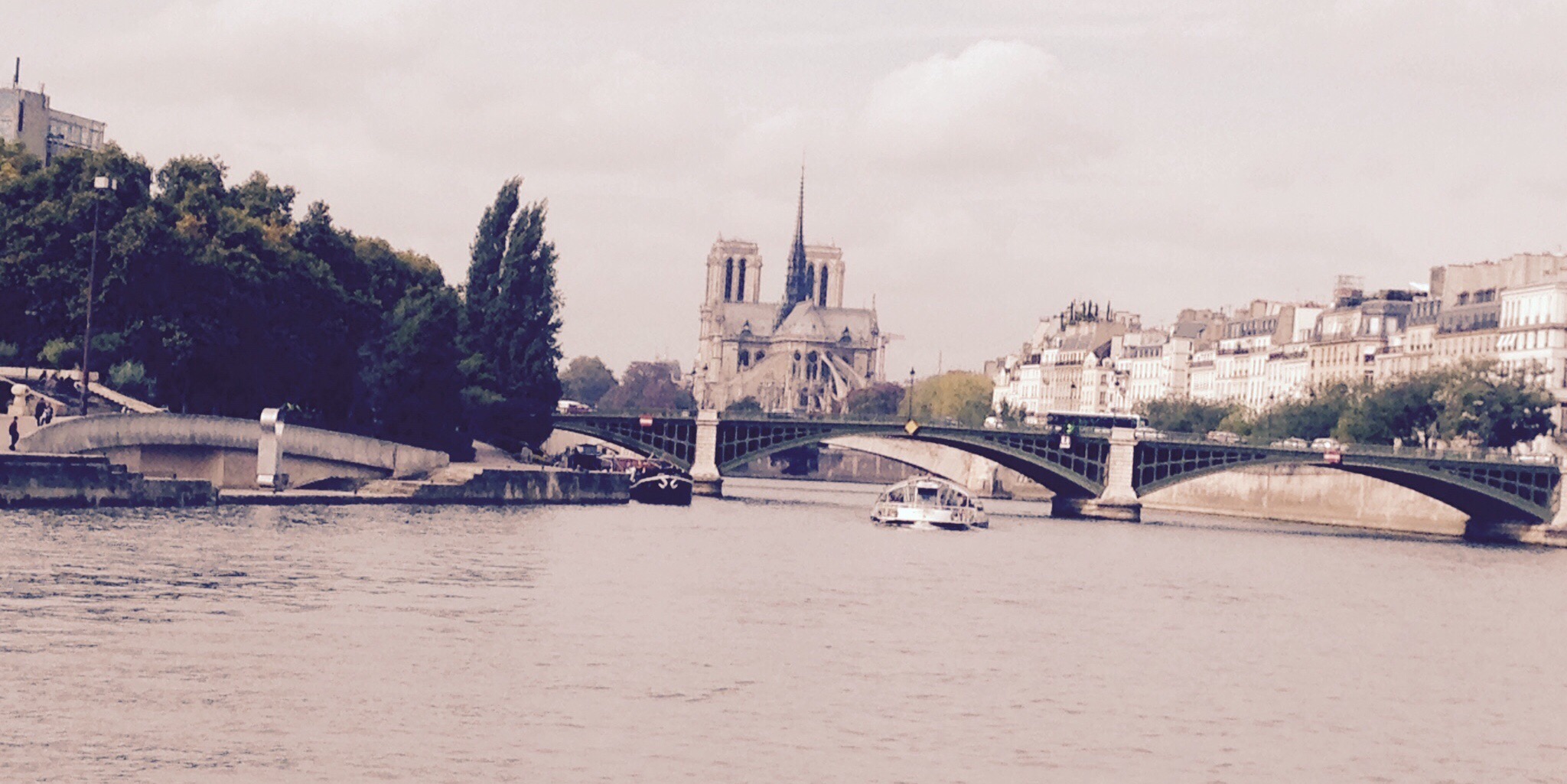
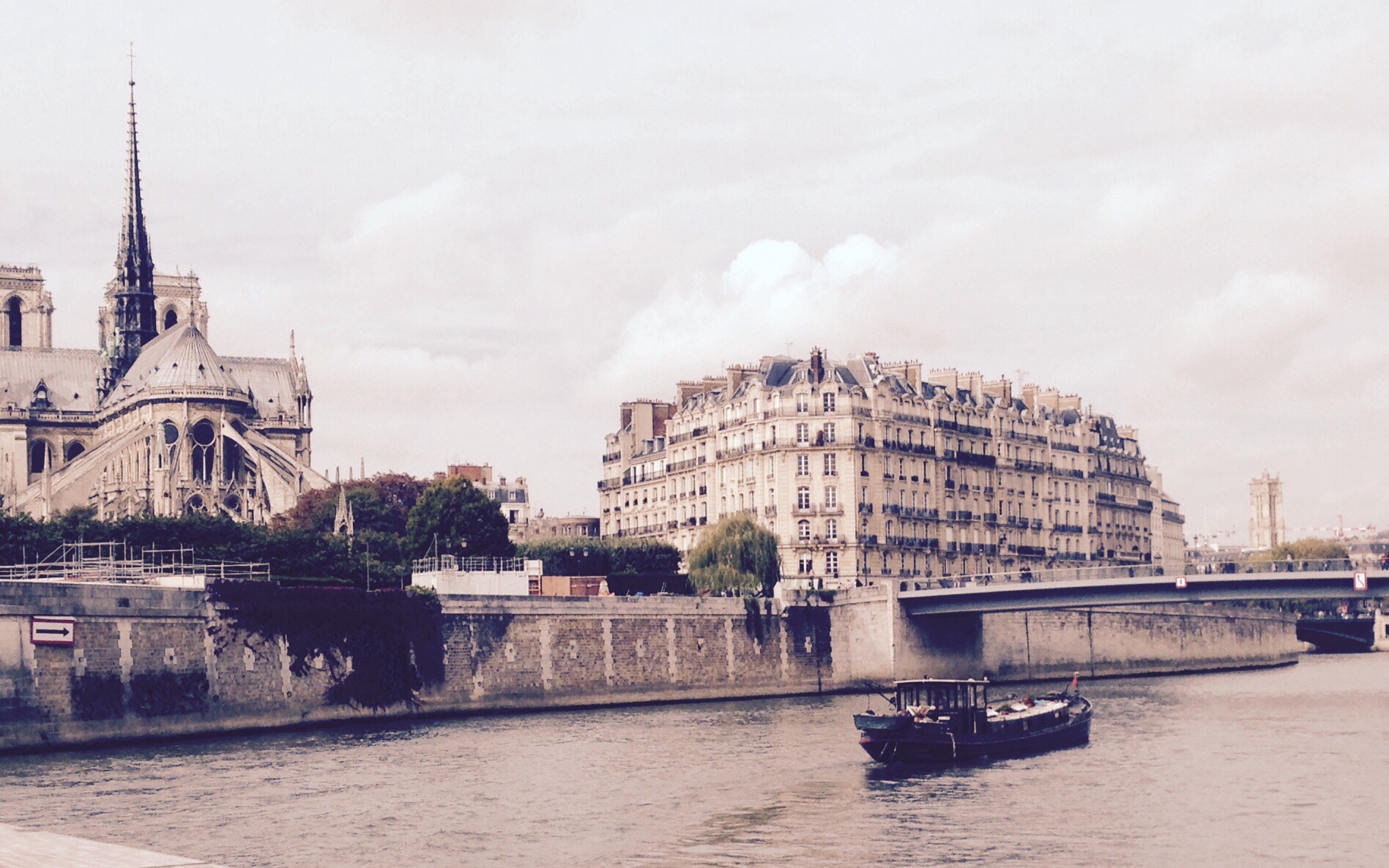
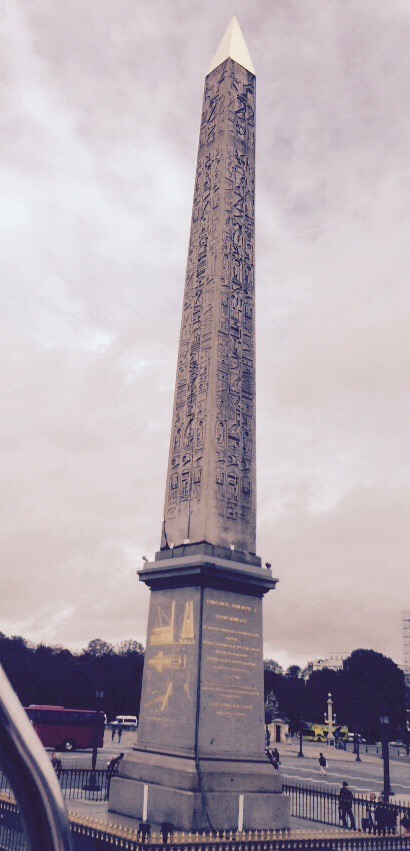
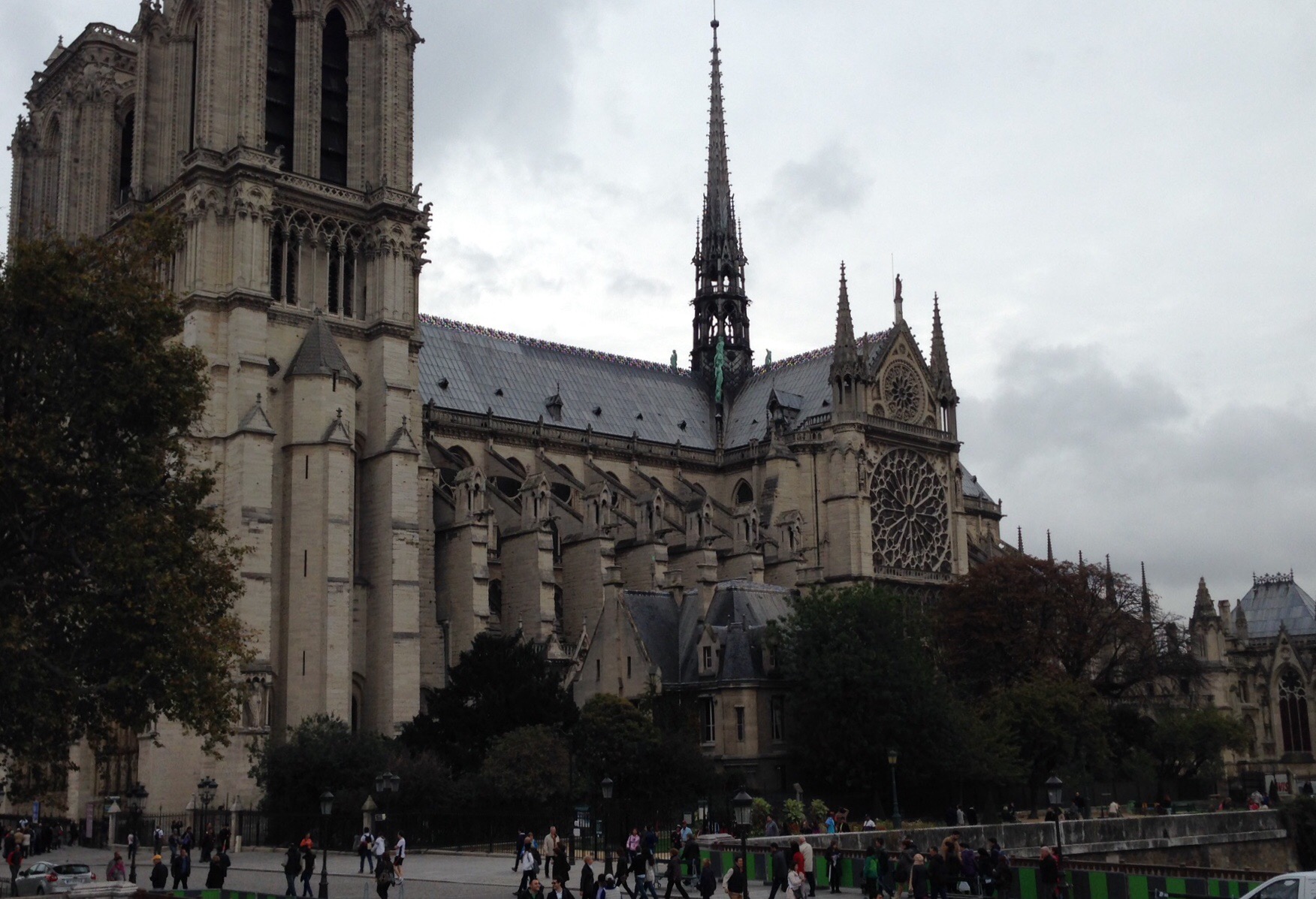
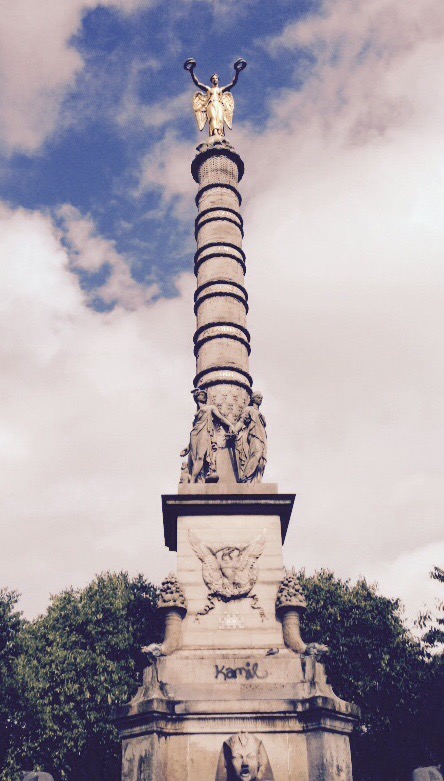
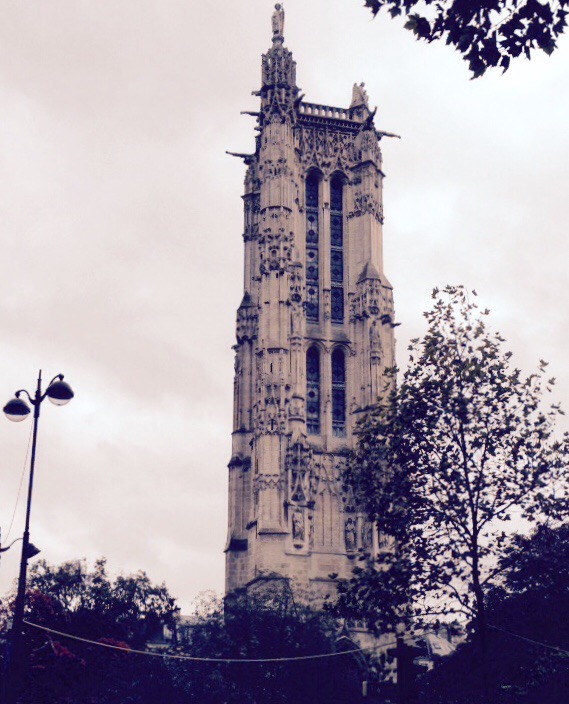
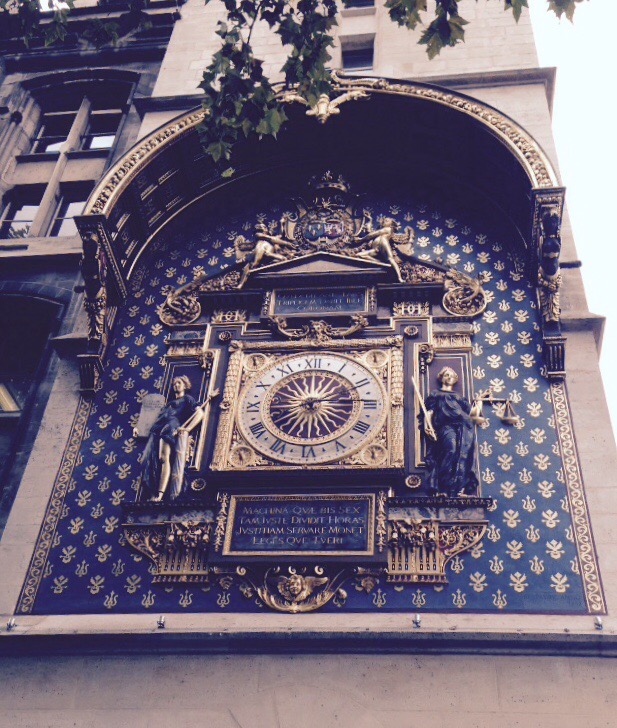
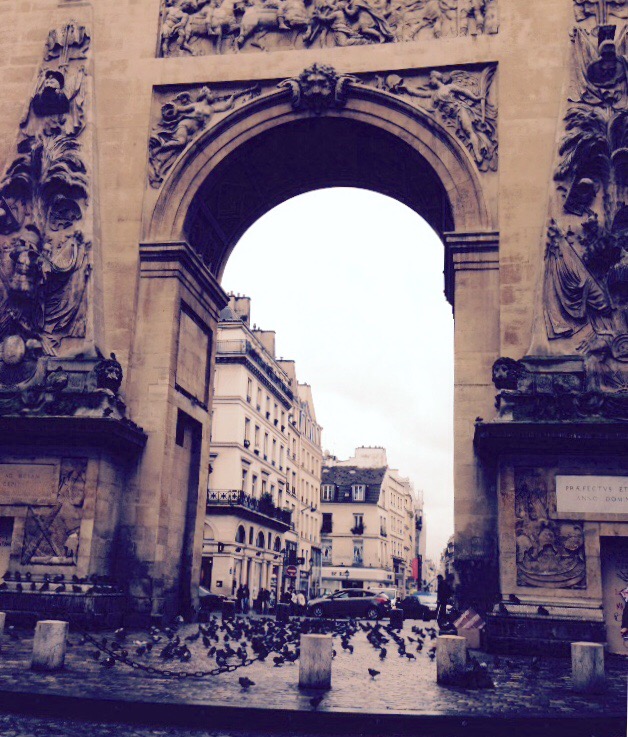
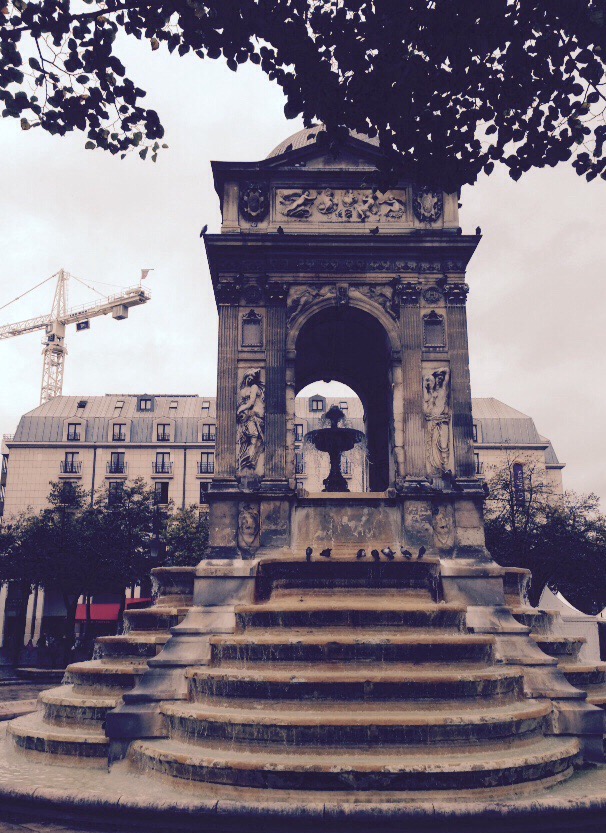
We passed by many monuments and beautiful buildings, the Arc de Triomphe, Champs Élysées,Galleries Lafayette, Notre Dame. We wanted to stop at Hotel des Invalides but no time, so that is on the agenda for tomorrow.
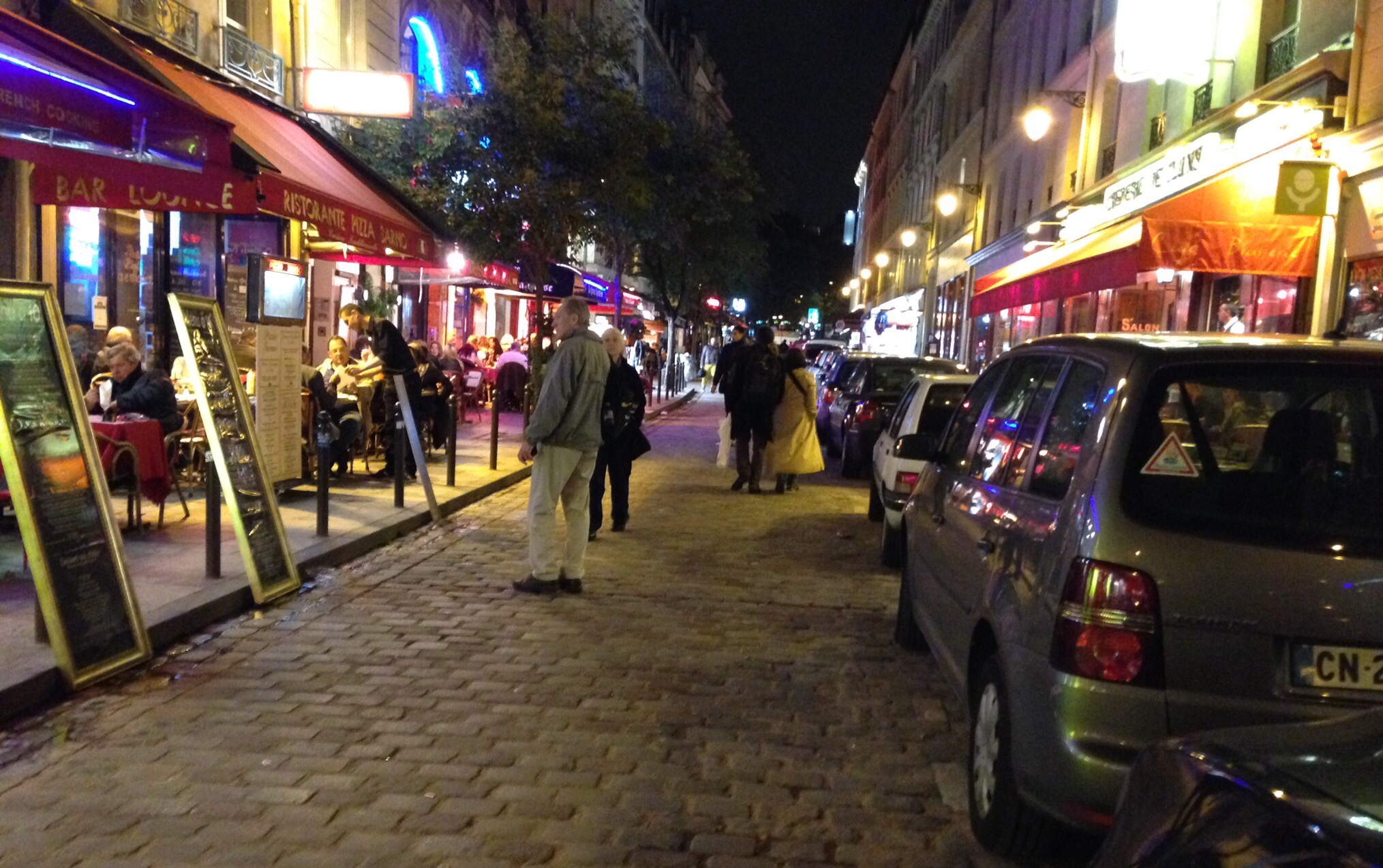
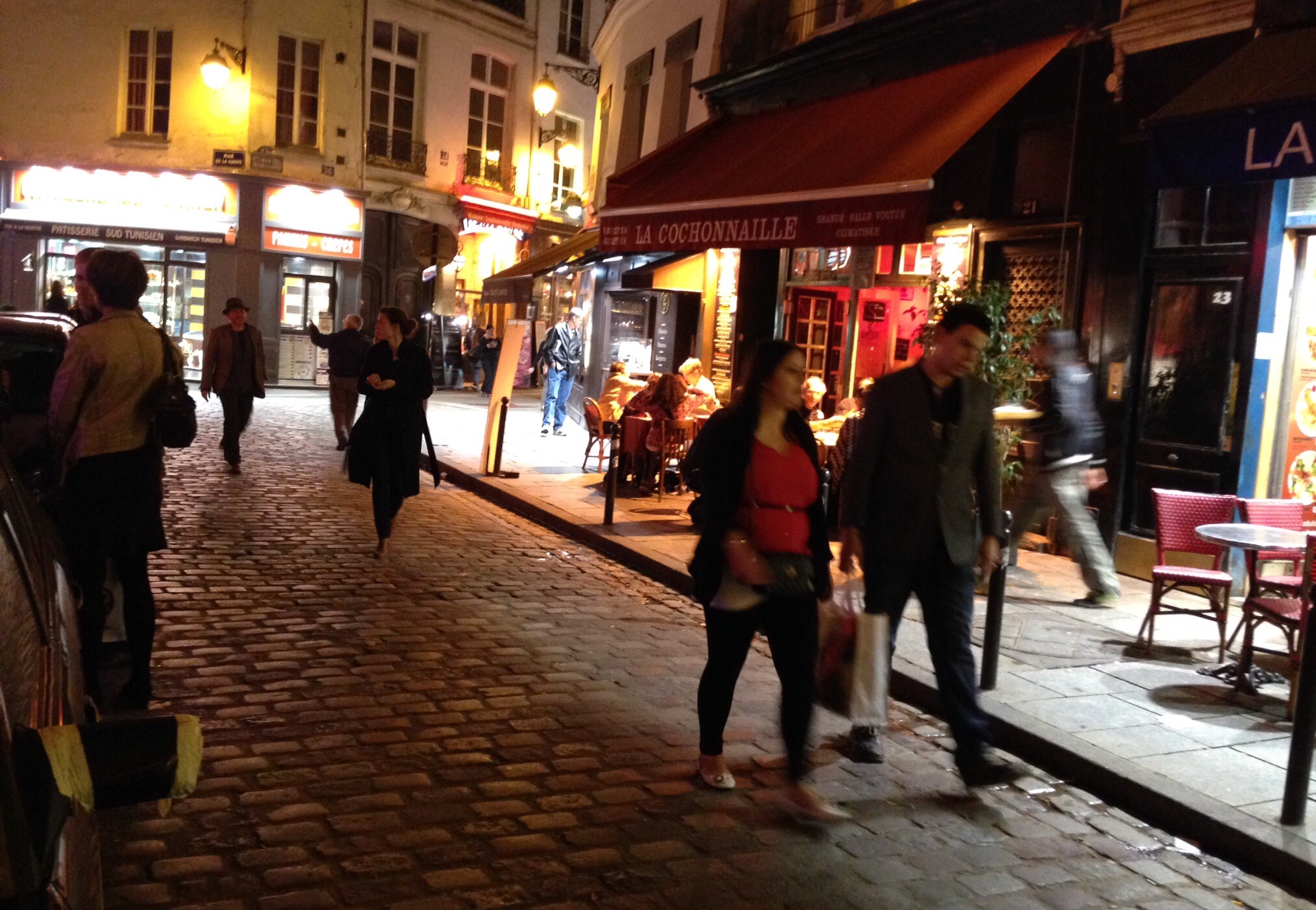
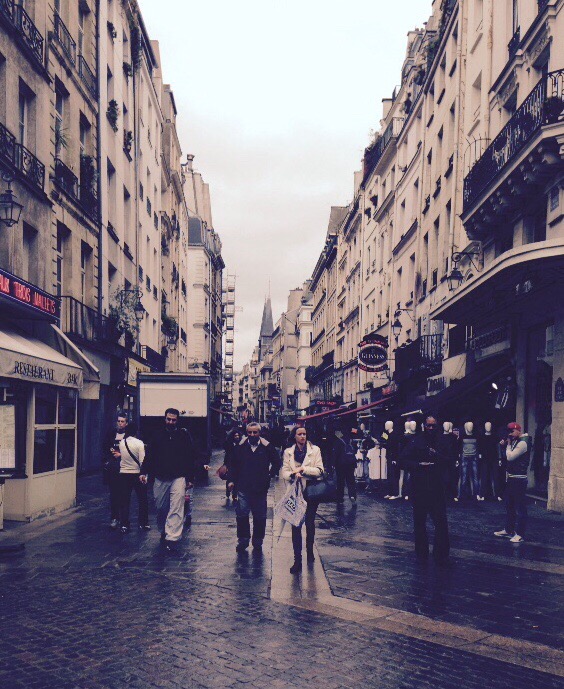
Tonight we had dinner in a little restaurant nearby. We are staying in the Latin Quarter and it is very lively at night, lots of people and lots of restaurants.

IMG_0370.JPG

IMG_0368.JPG

IMG_0366.JPG

IMG_0367.JPG

IMG_0374.JPG

IMG_0371.JPG

IMG_0373.JPG

IMG_0372.JPG

IMG_0375.JPG

IMG_0376.JPG

IMG_0378.JPG

IMG_0379.JPG

Posted in Uncategorized | 5 Comments

Pictures

Hi all
Lots of comments about Gary almost losing his backpack. If you count that as a theft, we have now been robbed in Amsterdam (my wallet), Rome (Gary – passports , money etc. but we got it all back), Hawaii (everything in our rental car – nothing really valuable), India (my shoes), Japan (an umbrella). We like to make a contribution to the local economy!
As for the pictures and giving Gary credit, wrong! All the pictures are being taken by moi with my iPhone or iPad. So Moe, I don’t know how well they will enlarge, but I can try if you like.

Posted in Uncategorized | 1 Comment

Paris October 8,2014

We left Honfleur at 4:30 this morning and arrive at the airport around 7:45, find the RER train to take us into Paris. An eventful trip. I foiled an attempt to steal Gary’s backpack. The thief had it in his hand and was getting up to leave the train, I grabbed it out of his hand.
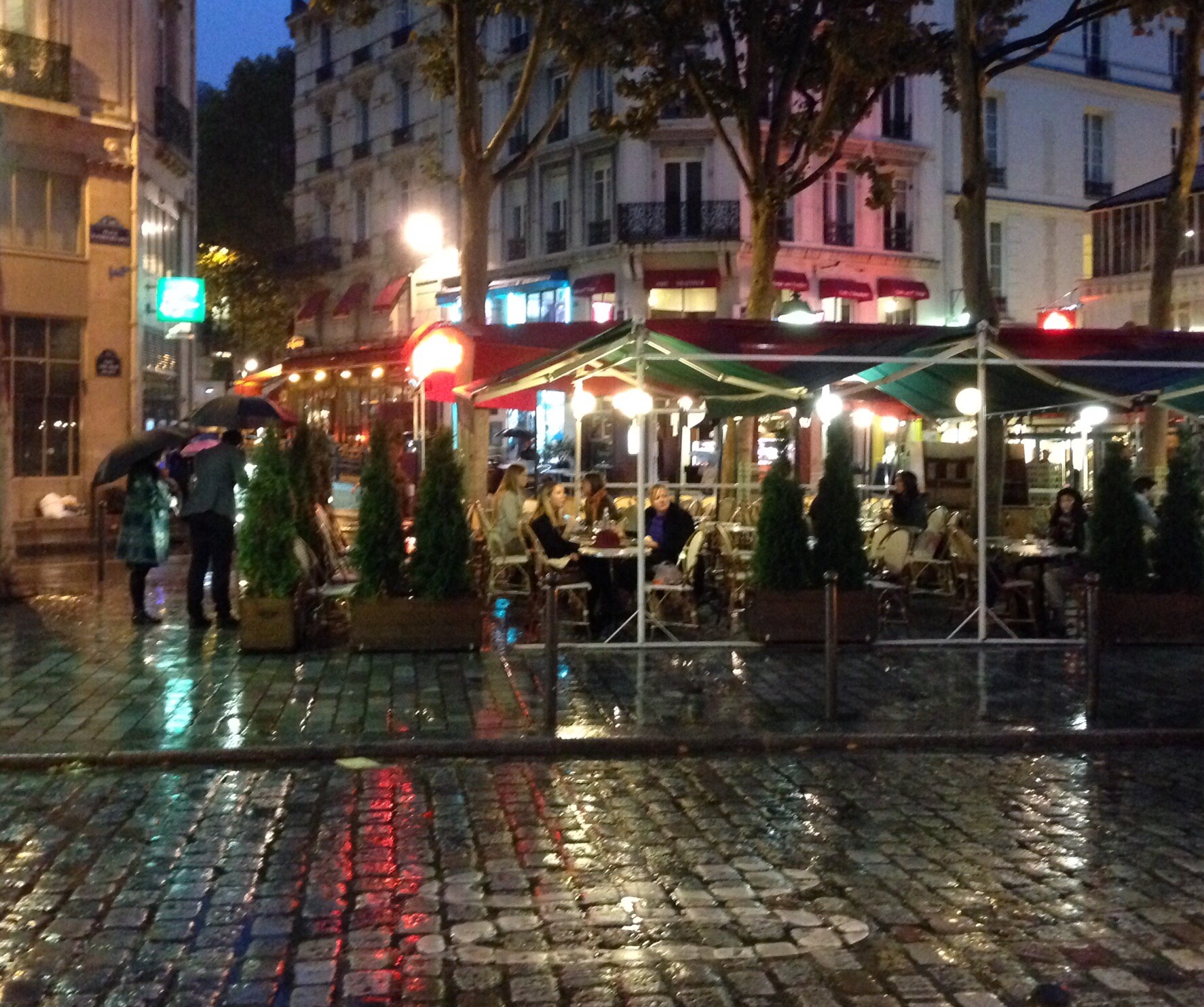
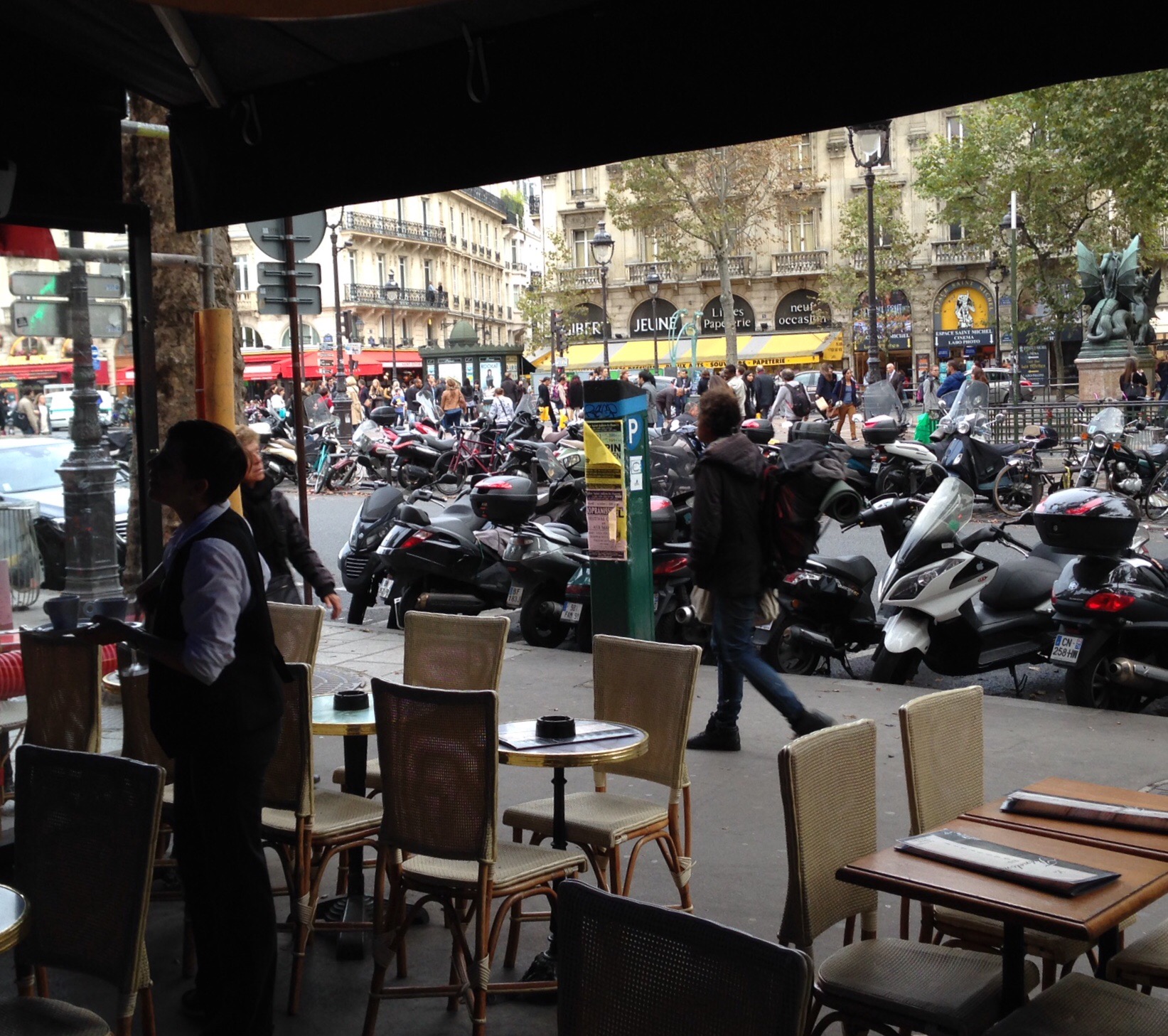
We arrived in the middle of Paris in the rain, found our hotel, checked our bags and went for a long walk around the area. This what I love most about Paris – the beautiful buildings, the streets packed with people, the cafes with people sitting outside enjoying their coffee or wine. There are still a lot of smokers in Paris, but now they have to be outside. So all the cafes have an outdoor area, with an awning and heaters.
We had dinner at a cafe nearby and early night.

IMG_0363-0.JPG

IMG_0362-0.JPG

IMG_0364-0.JPG

IMG_0365.JPG

IMG_0360-0.JPG

IMG_0359-0.JPG

IMG_0361-0.JPG

IMG_0358-0.JPG

IMG_0356-0.JPG

IMG_0357-0.JPG

Posted in Uncategorized | 3 Comments

Giverny, October 7, 2014

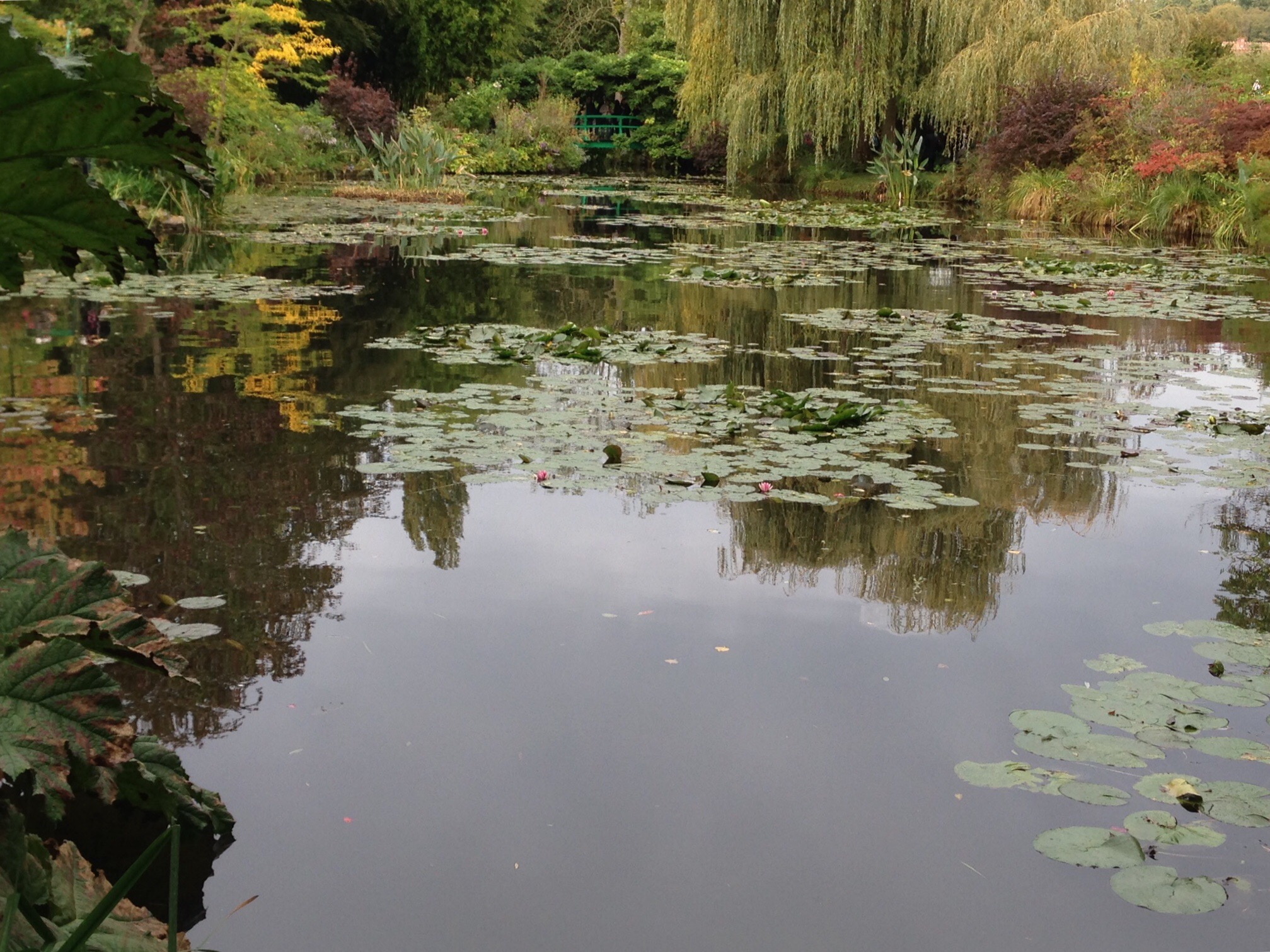
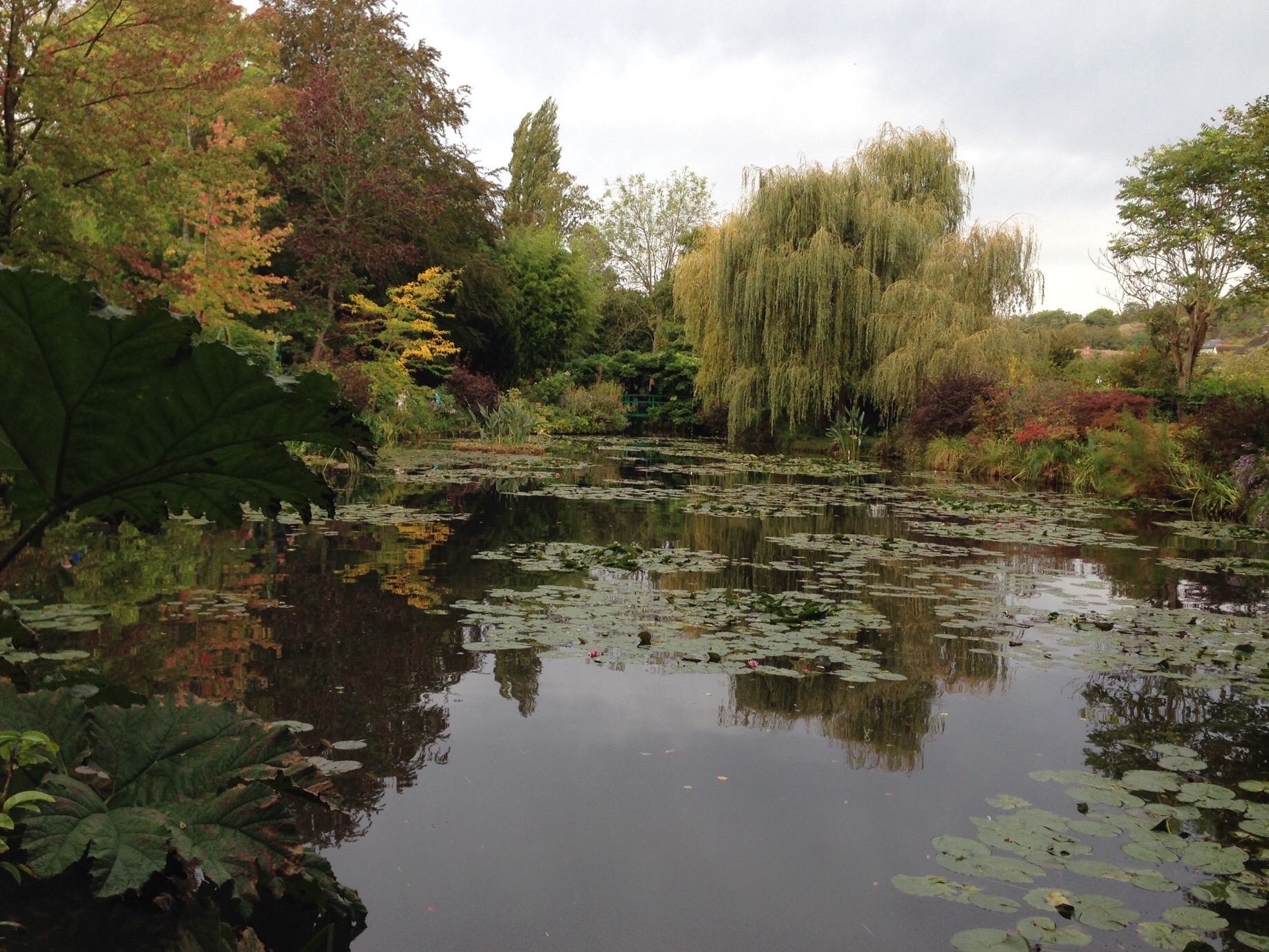
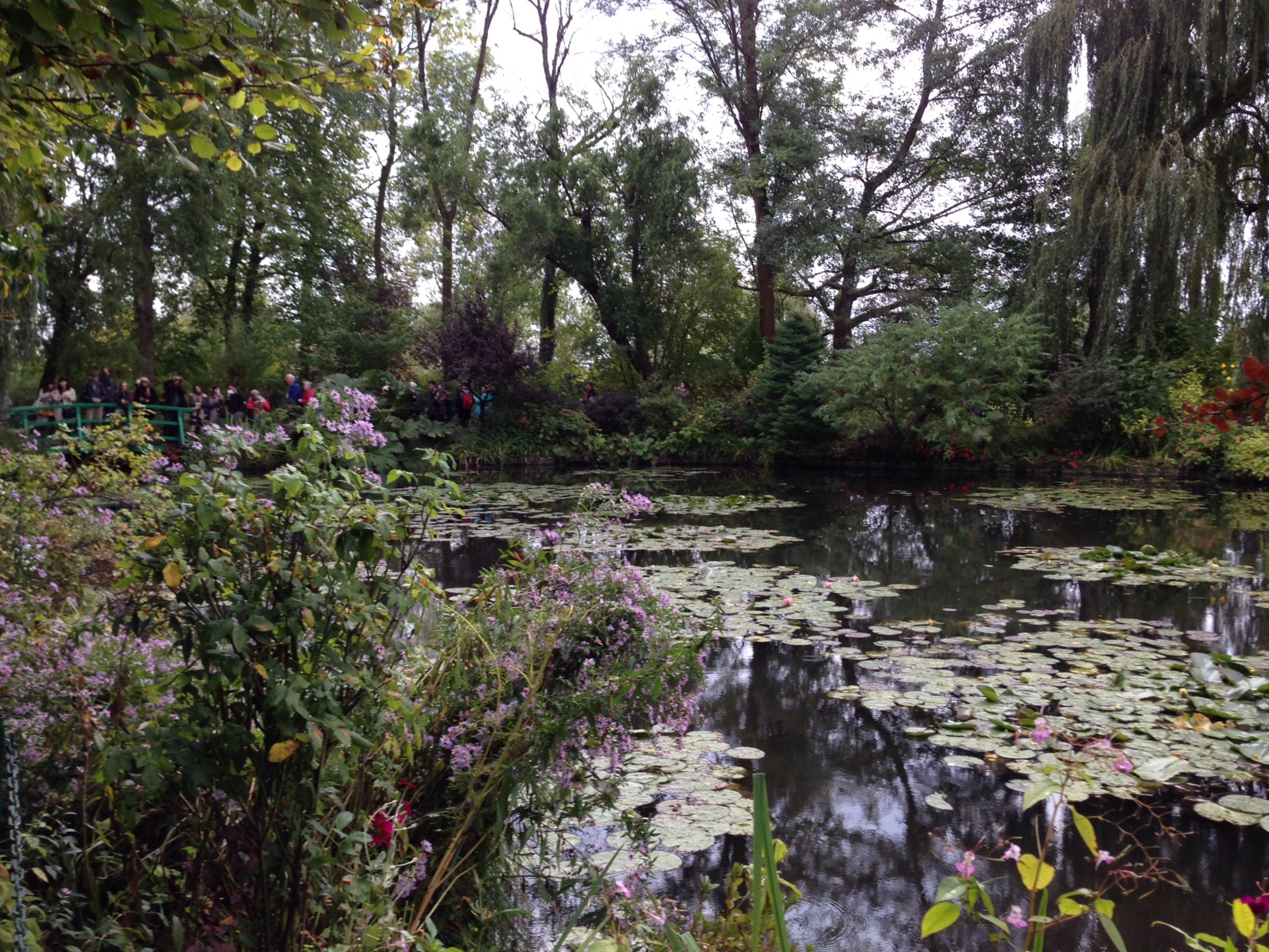
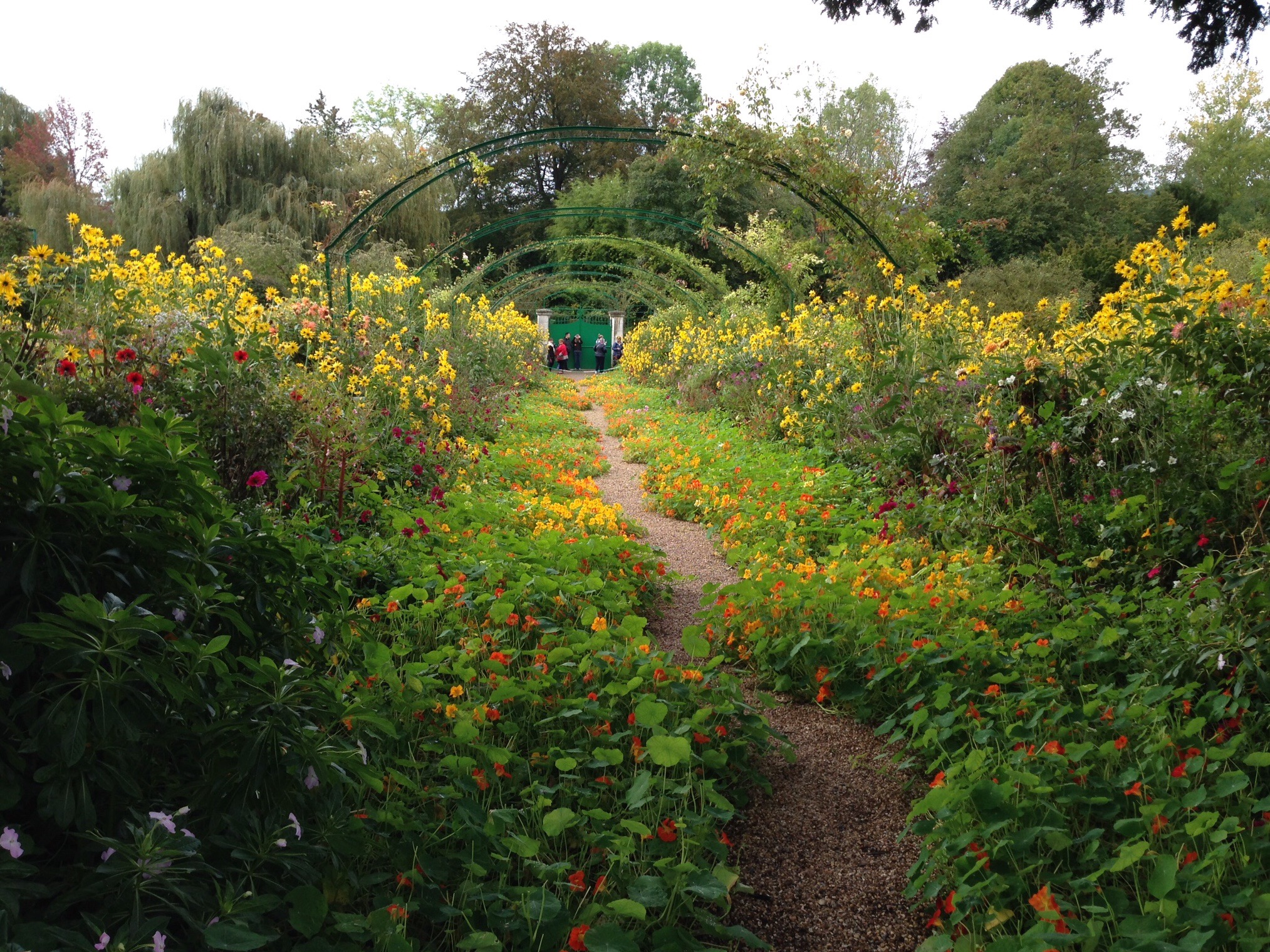
After a 2 hour bus ride we arrive at the southern border of Normandy. Giverny is a small village on the way to Paris along the Seine. It was the final home of Monet. On the way we learn a lot about Monet and the beginnings of Impressionism.
Monet was born in Paris and moved to LeHavre at an early age with his parents. It was there he first met Boudin who encouraged him to start painting outside. Monet said it was from that time he knew what he wanted to do. At age 20 he was drafted into the military and subsequently his aunt paid a replacement to take his place on the condition that Monet attend the University of Fine Art in Paris. He found that too academic and looked for a new tutor. He studied with Le Clare and met Renoir, Manet, Van Gogh, Degas and others.
There were no galleries at that time and the only way to show their works was through the annual exhibitions. These exhibitions were juried and their paintings are not accepted so they held their own exhibitions. Their paintings were mocked by the press but were popular with the public and they did start to sell.
Monet did start to sell his work and at the beginning made around 4000 Francs a year. By the time of his death he was earning 250,000/300,000 Francs a year and he died a wealthy man.
His father’s business was importing goods from Asia and Monet became fascinated with Asia art. His house has a large collection of Japanese prints and you can see the influence of these in some of his work. His mistress who he eventually married was often the model for his paintings. While married to Camille the family went to live with another family, on the invitation of the husband who was a major patron of Monet. Monet then had an affair with that women and he lived with the 2 women and their combined 8 children.
For various reason Monet traveled – to avoid the draft during the Franco/Prussian war, to recover from Camille’s death from cancer, because of depression.
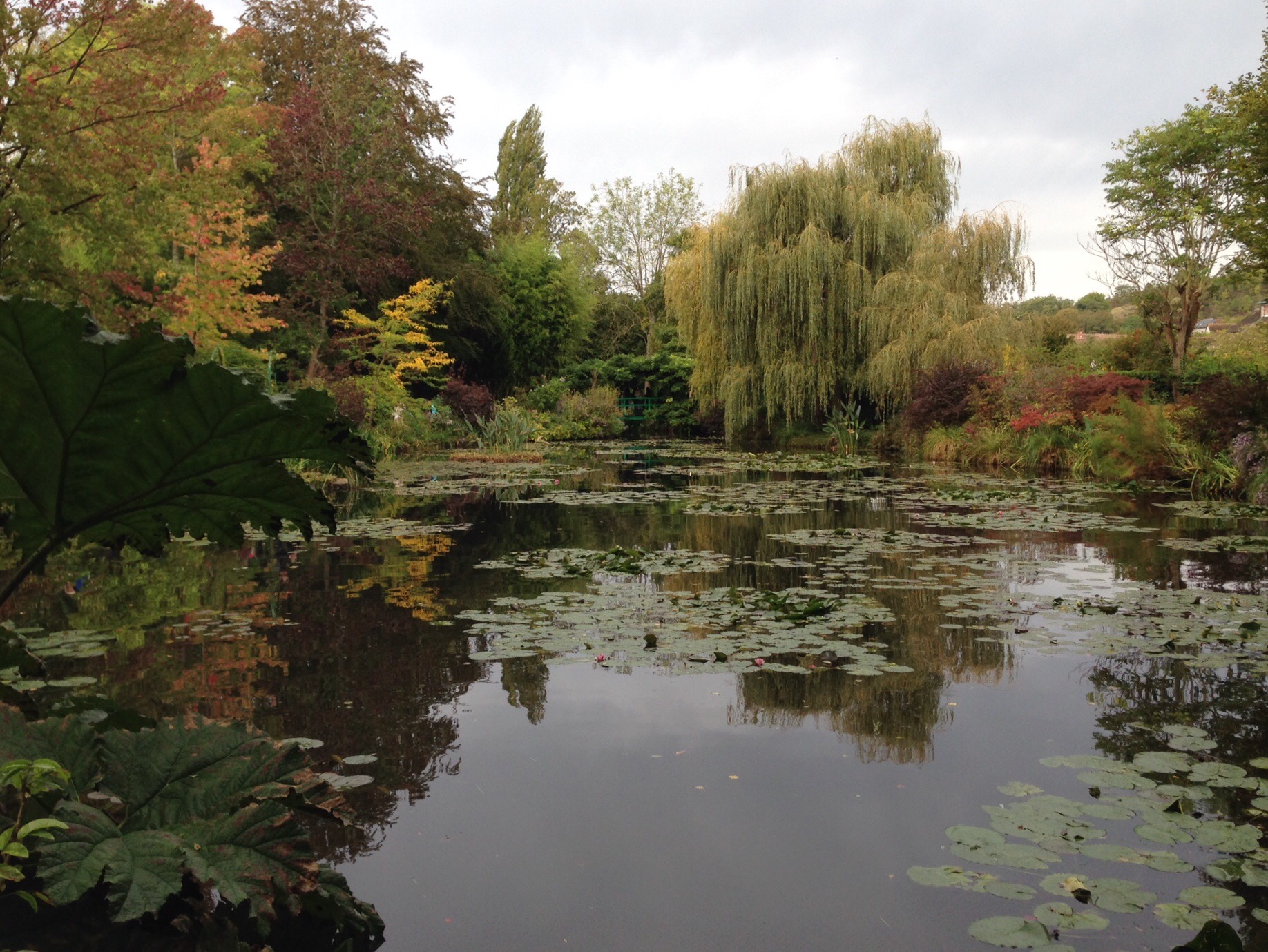
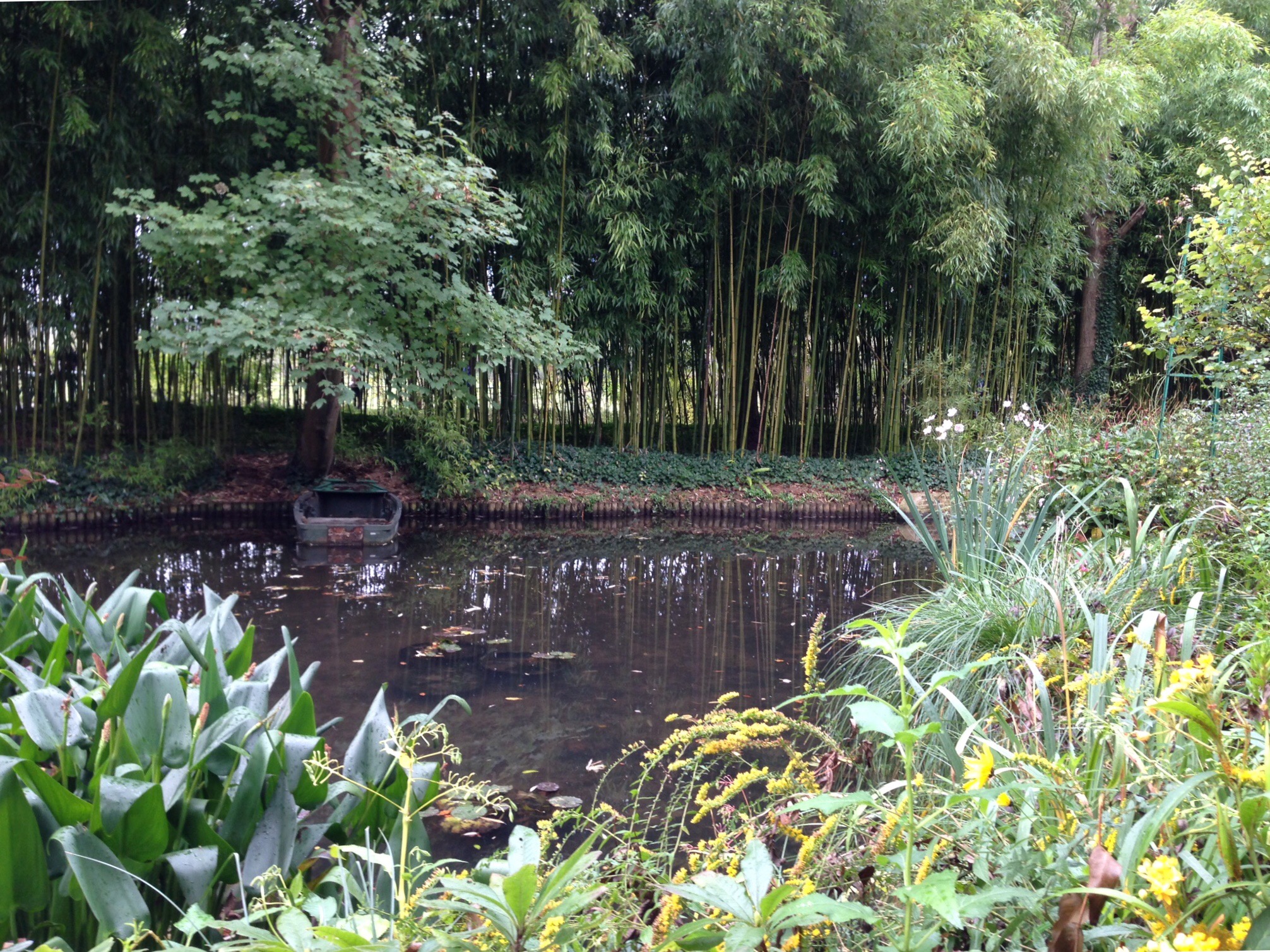
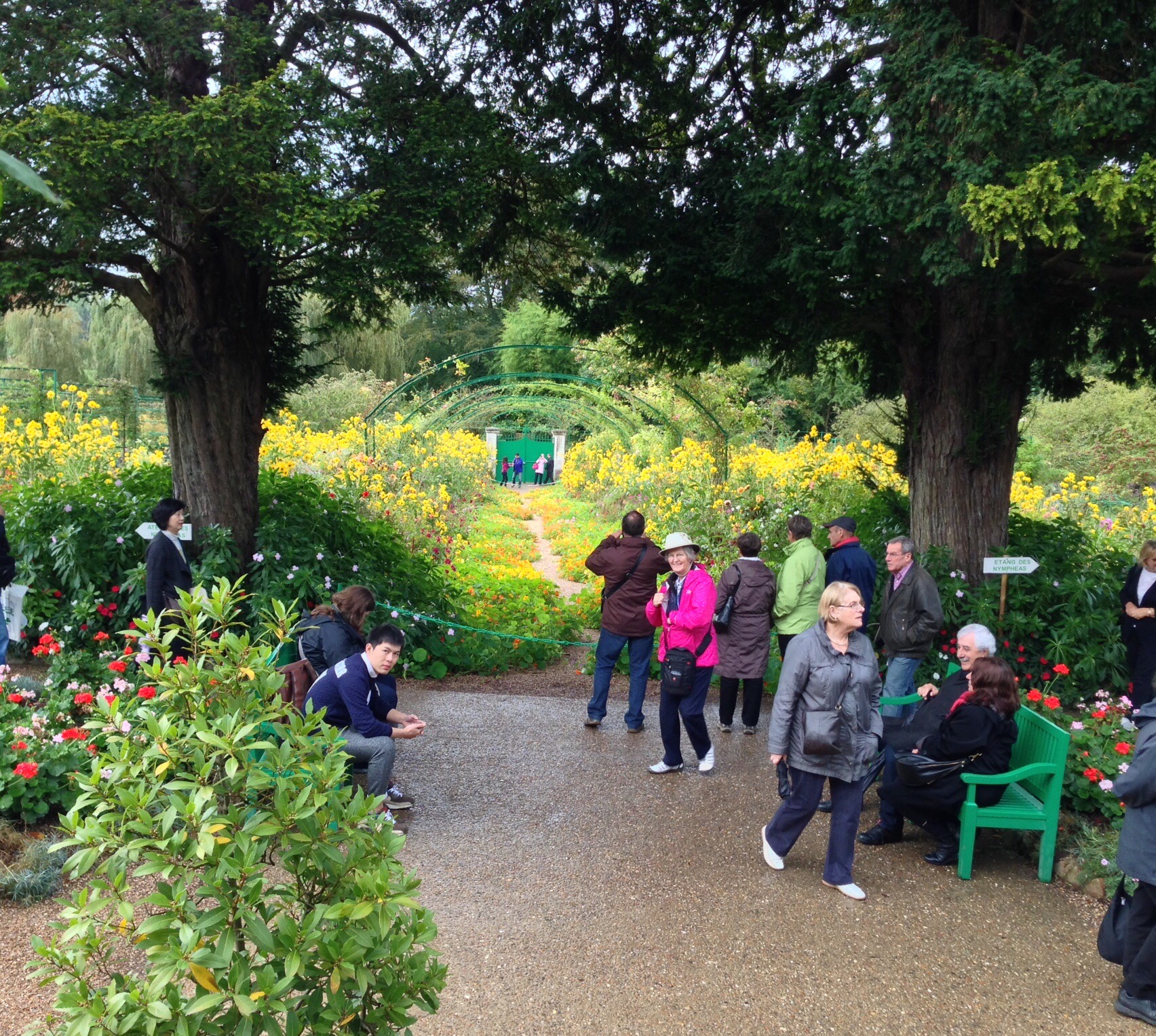
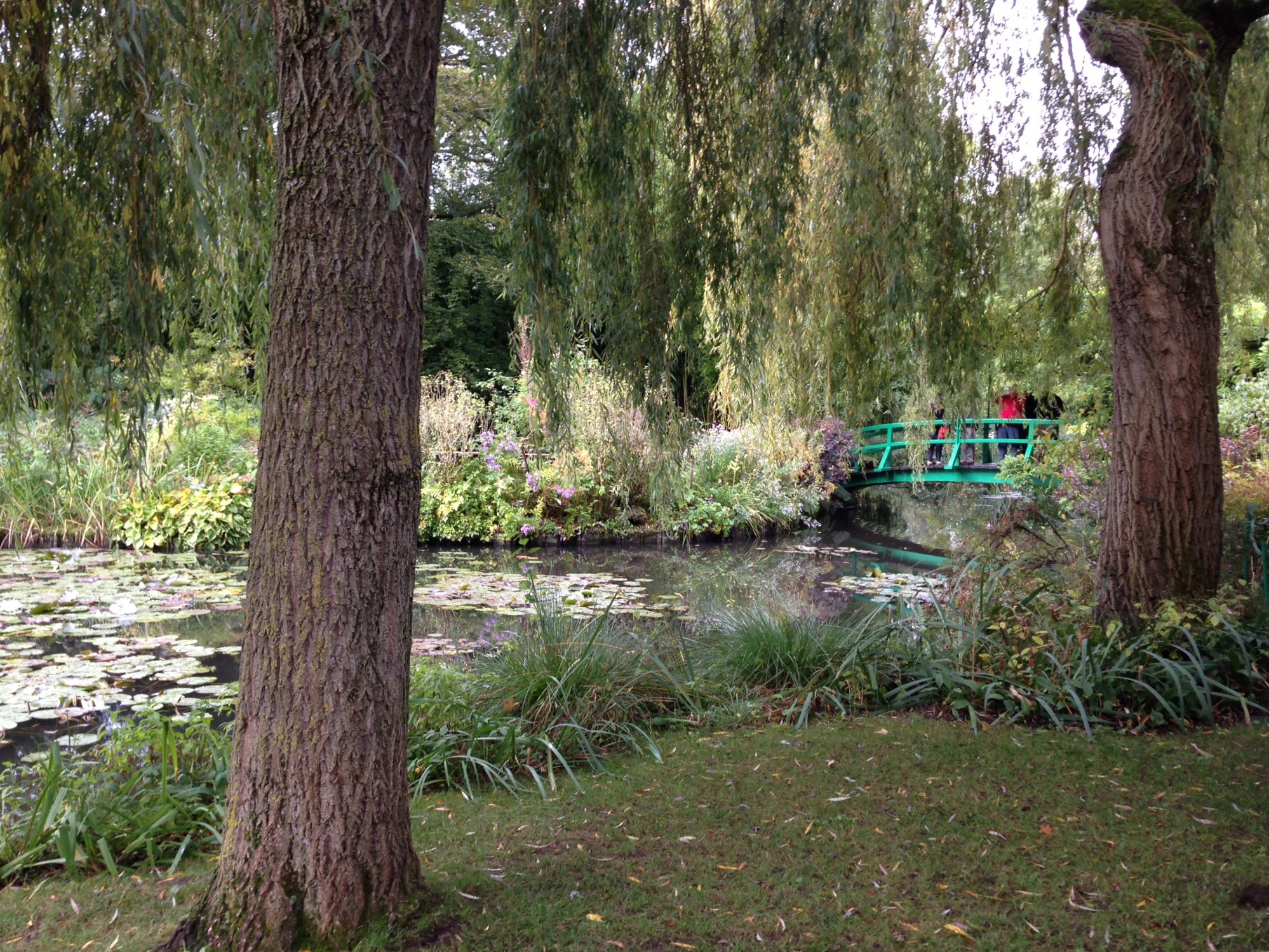
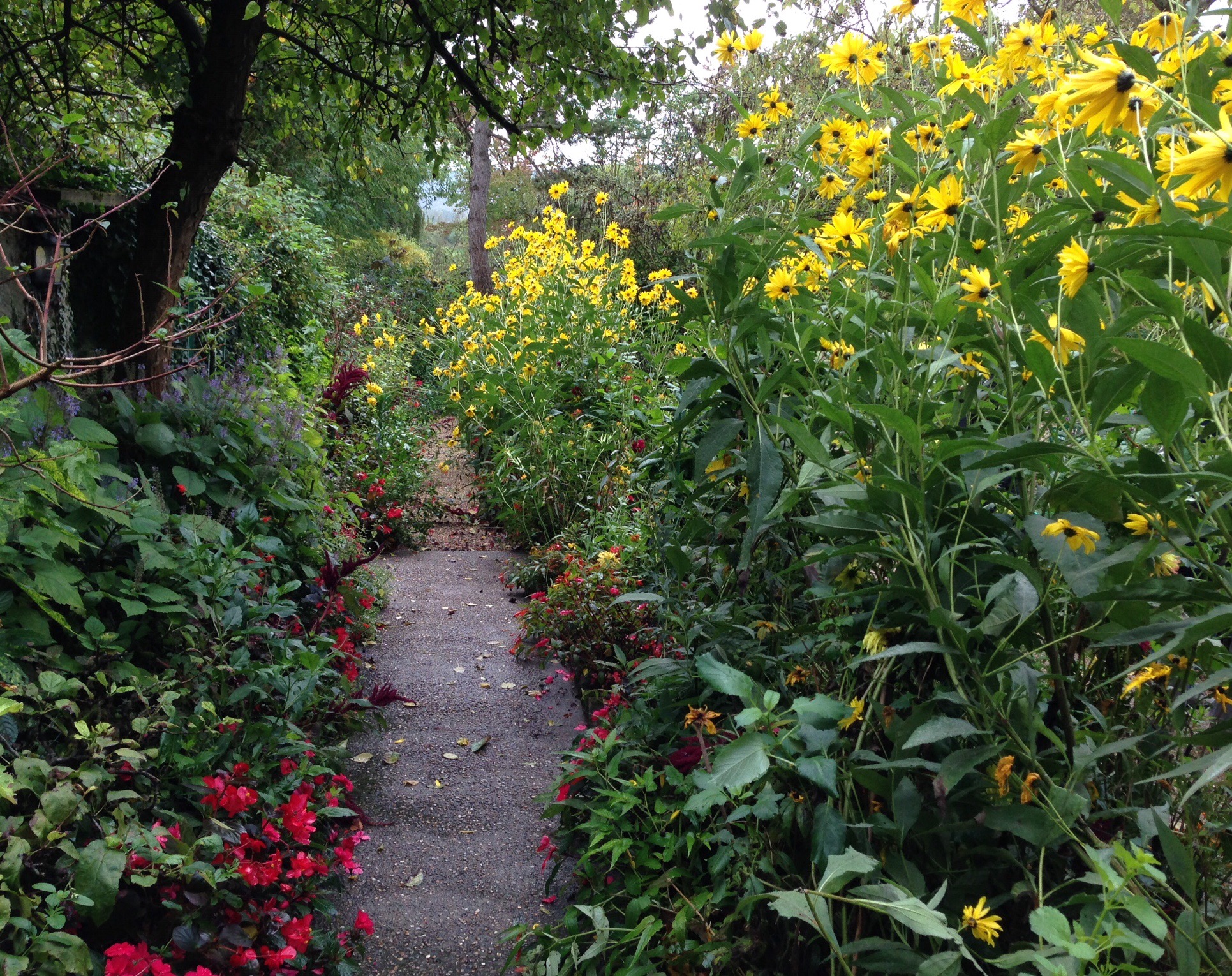
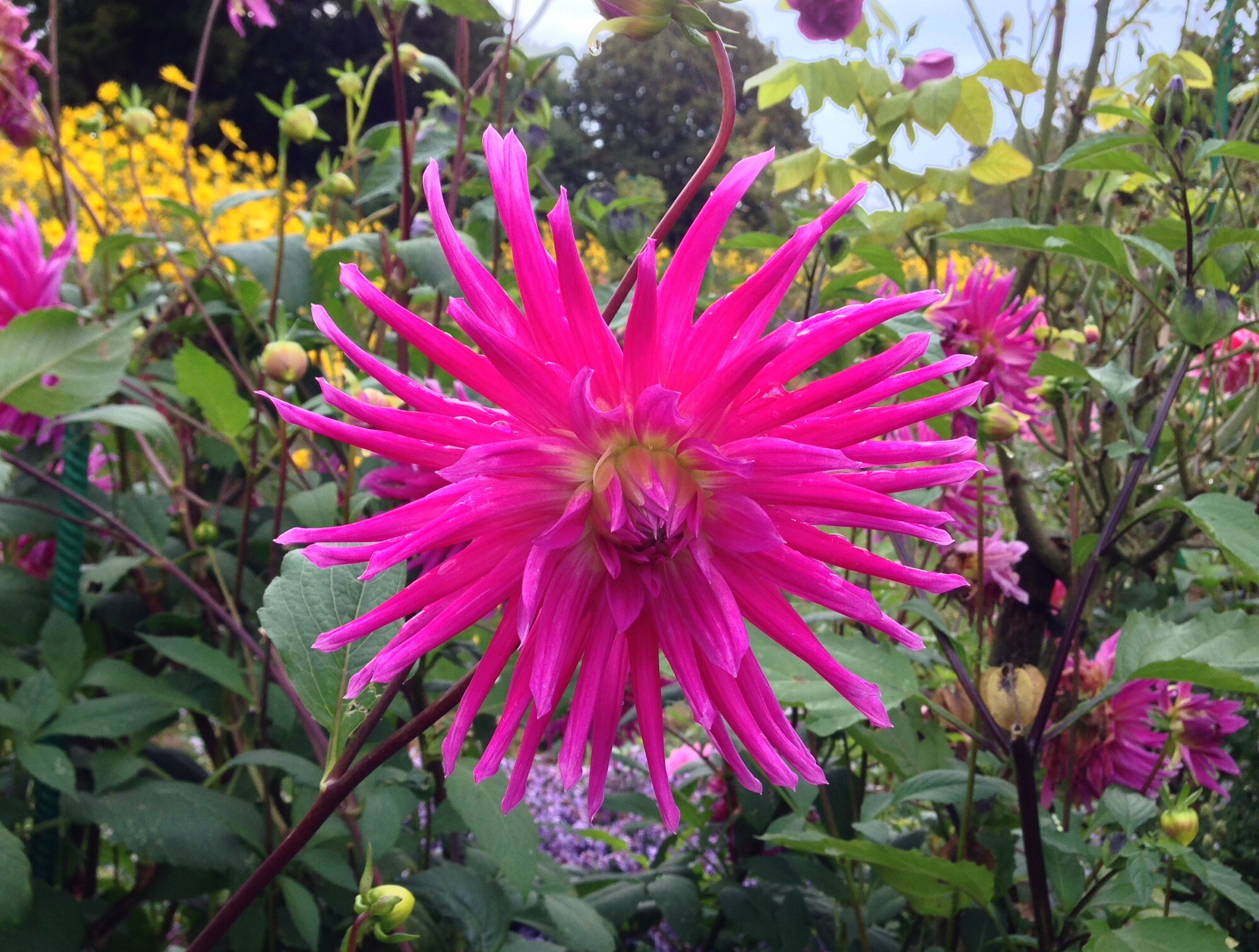
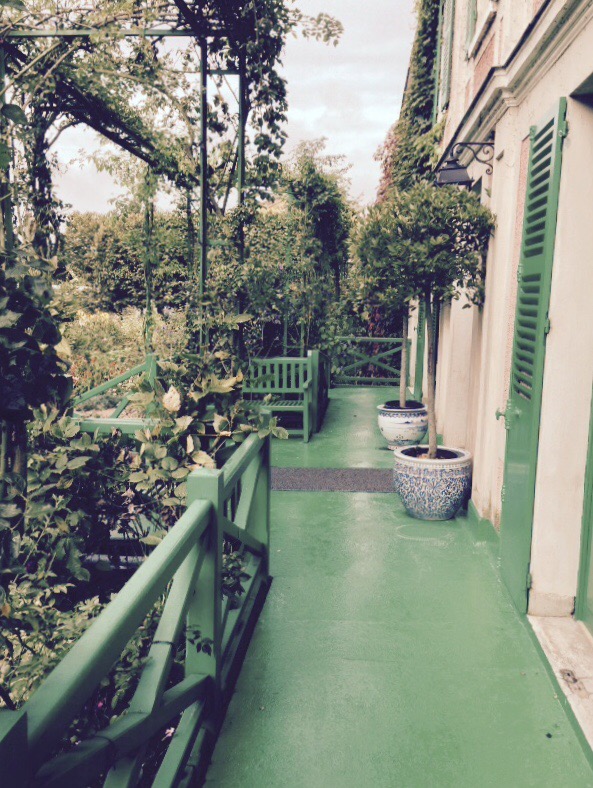
He eventually bought the house in Giverny and established a routine of painting every day. He established a large garden which included a Japanese garden with a lily pond. He would take a rowboat into the middle of the pond and paint from there. Some of his famous waterlily paintings were done this way. He was a passionate gardener and employed 7 gardeners to assist him. We visited these extensive gardens and his house. He was so passionate about his gardens that he paid to have the town’s streets all paved to avoid the dust blowing into his gardens.

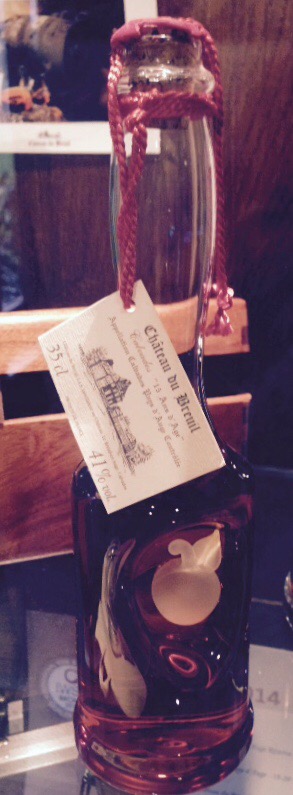
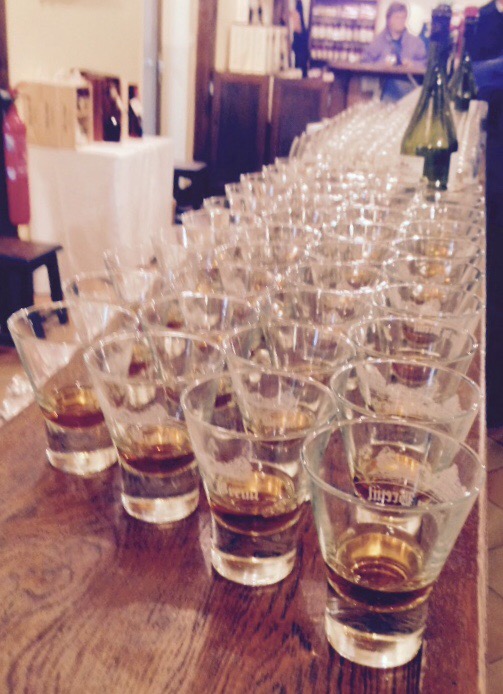
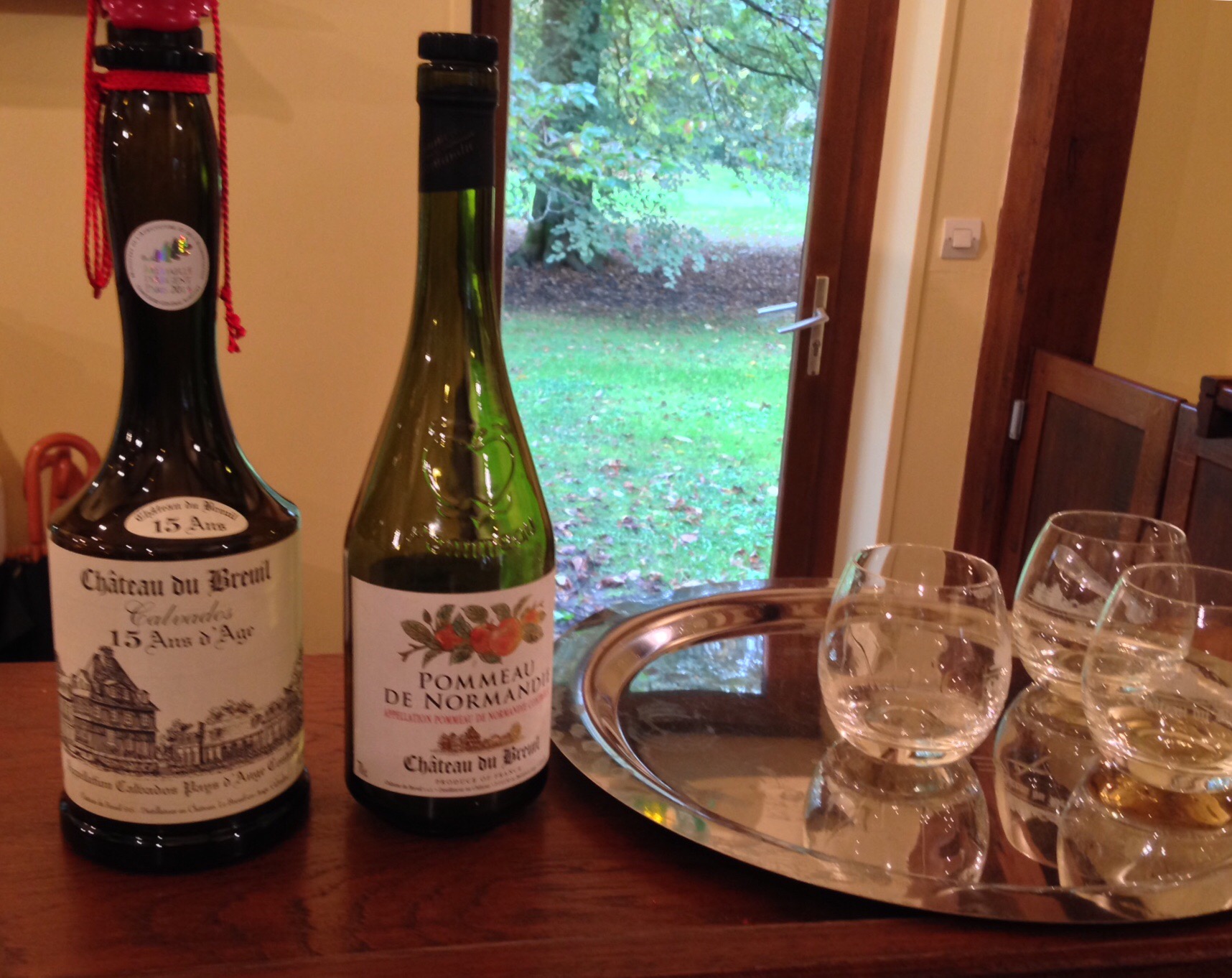
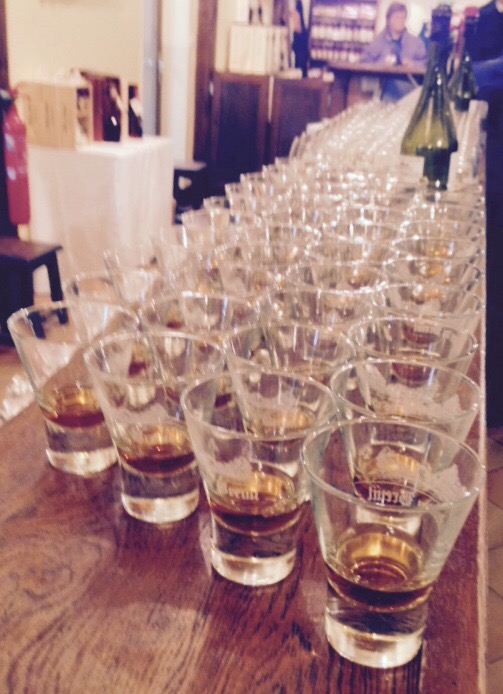
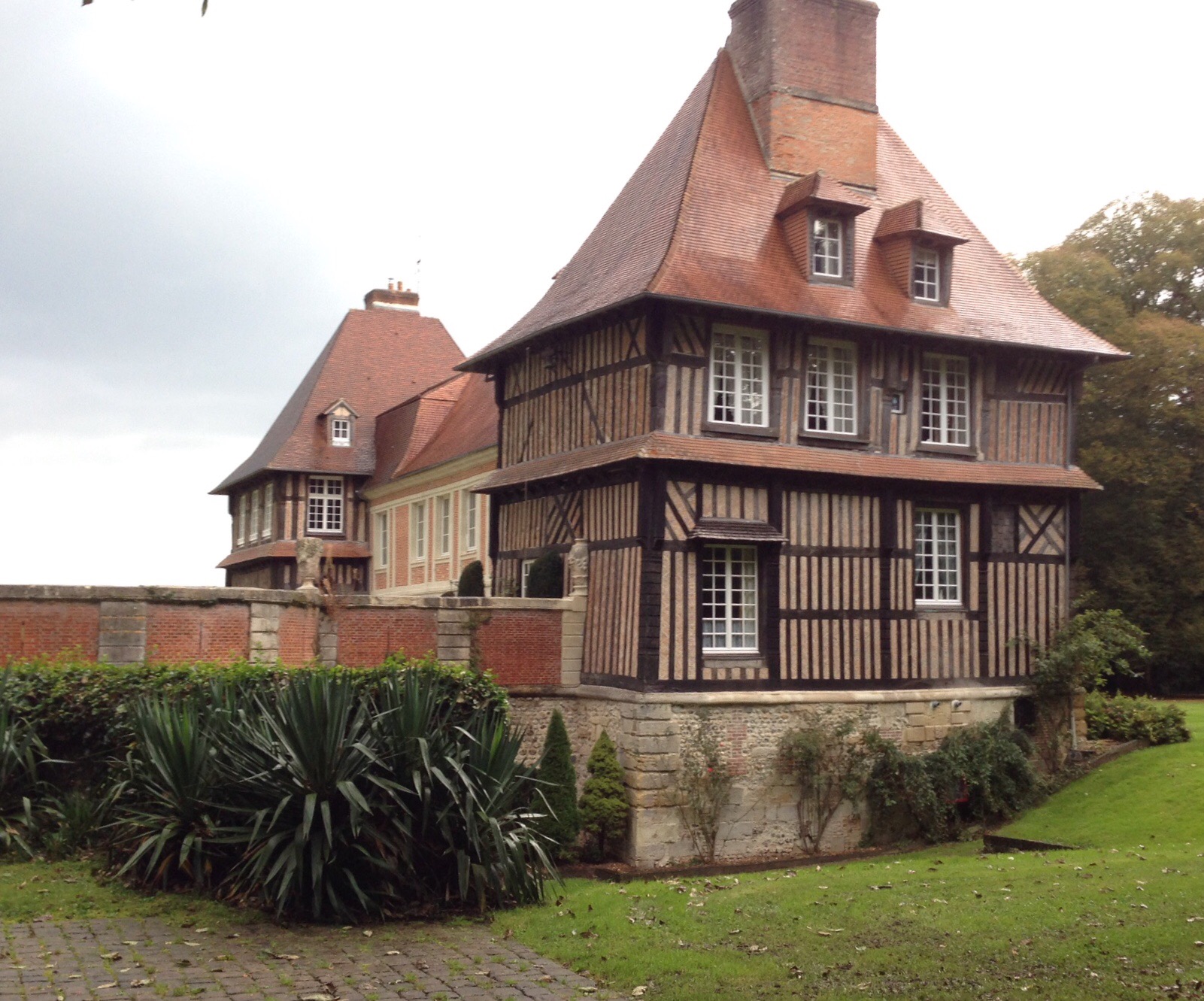
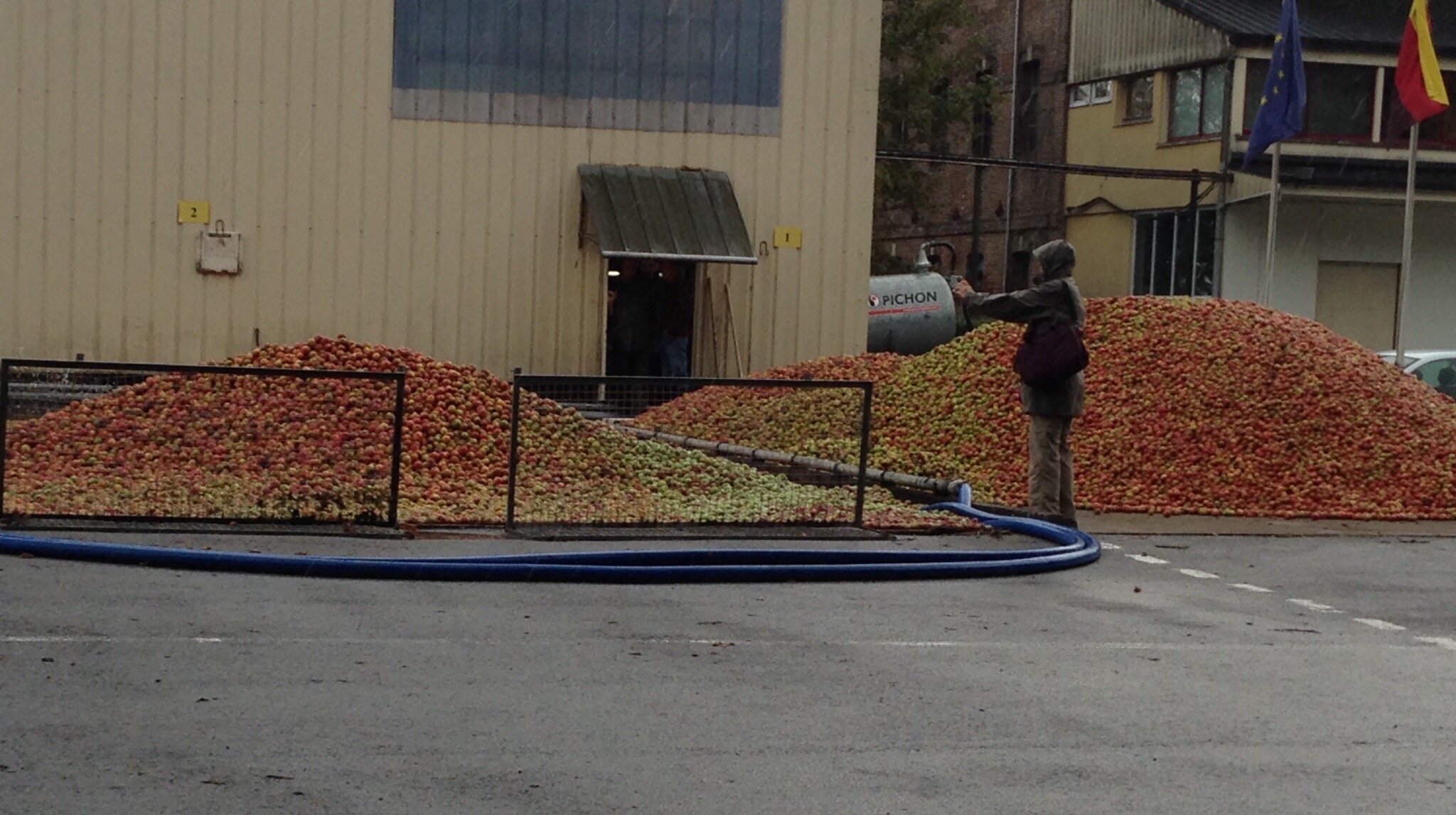
After visiting the gardens, his house, the museum and having a lecture on the development of Impressionism we hopped back on the bus for a trip to the Chateau du Breuil Distillery for a Calvados tasting. We tasted an aperitif and a high proof. The aperitif is 34 proof and actually not bad. The high proof is 84 proof and I couldn’t drink it!
Local farmers deliver truck loads of apples, 10 varieties, sweet and sour. These are washed and squeezed for the juice. The juice goes into fermenters, the remains are fed to the cows. From the fermenters they either bottle it as cider or distill it for calvados.
Tonight we have a farewell reception and dinner and then leave at 4:30 am!!! For the airport. Gary and I will go into Paris some of the others fly home, some go to Paris and others are travelling to other European destinations.

IMG_0331.JPG

IMG_0333.JPG

IMG_0332.JPG

IMG_0334.JPG

IMG_0337.JPG

IMG_0336.JPG

IMG_0338.JPG

IMG_0335.JPG

IMG_0341.JPG

IMG_0340.JPG

IMG_0339.JPG

IMG_0342.JPG

IMG_0351.JPG

IMG_0348.JPG

IMG_0352.JPG

IMG_0349.JPG

IMG_0348-0.JPG

IMG_0344.JPG

IMG_0347.JPG

IMG_0345.JPG

Posted in Uncategorized | Leave a comment

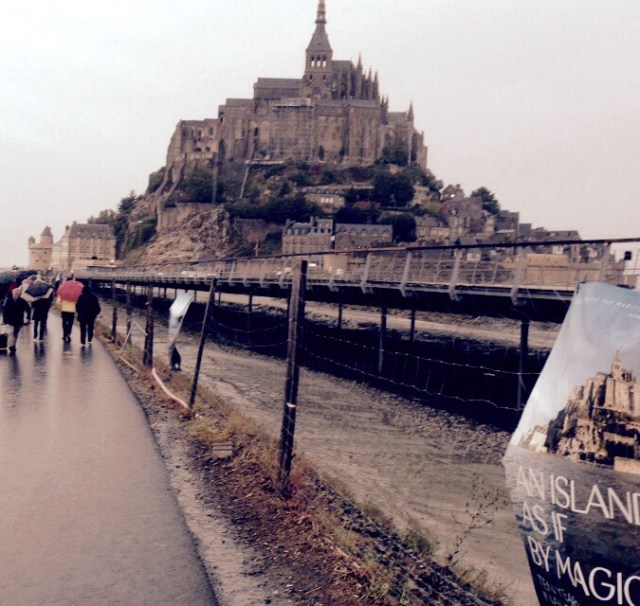
Mont St Michelle

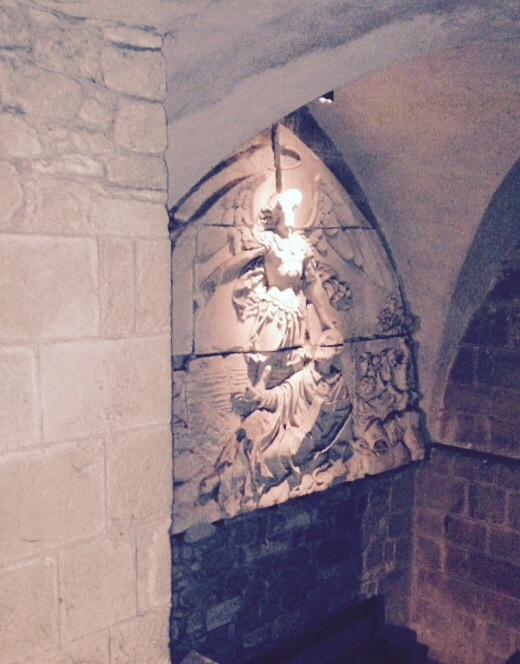
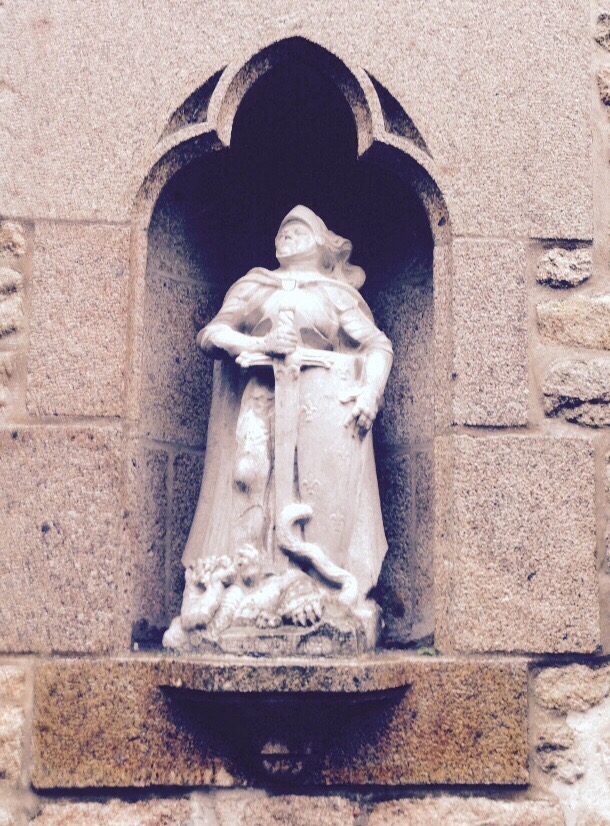
St. Michelle is portrayed as a warrior with weapons to slay evil (often depicted as a dragon). He also is responsible for determining if a soul will go to heaven or hell after death. So he will also be seen with a set of scales.

St Michelle appeared to a local priest in a dream telling him to build a sanctuary and pointed to the 3 islands. This happened twice. Both times the priest ignored the request as he was not sure what had happened when he awoke. The 3rd time St Michelle put a hole in the priest’s head to make sure he took the request seriously. This was about 708 AD

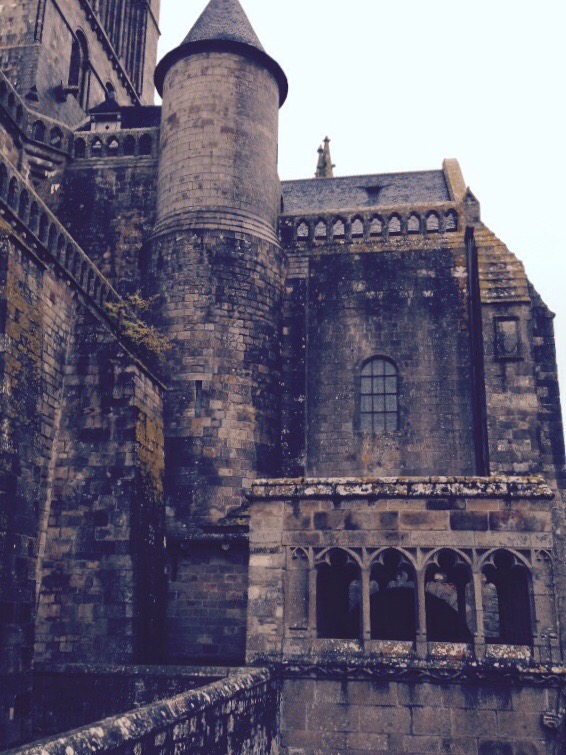
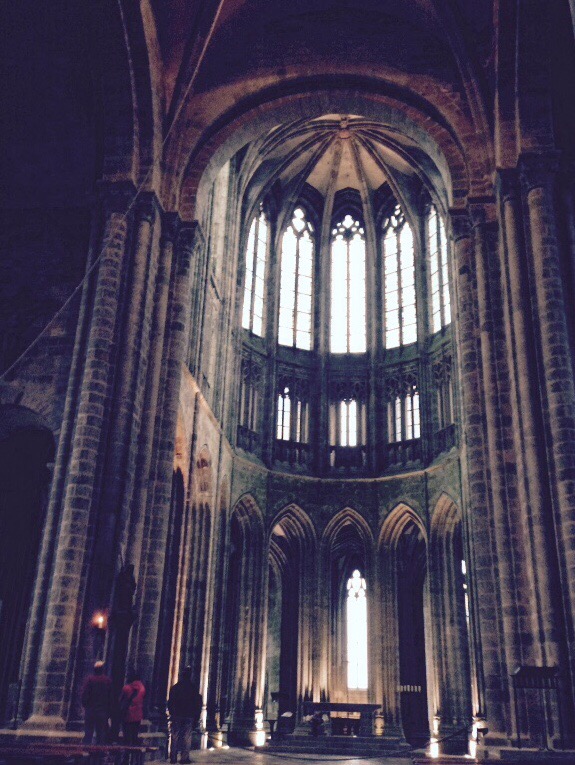
There was a shrine erected in early 8th century. The original church on the site was built in the 10th century and a new church in 11th century. These are still seen as part of the existing structure.

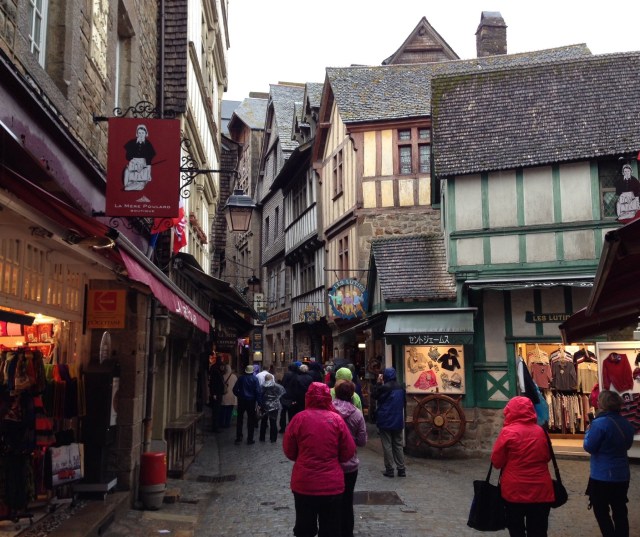
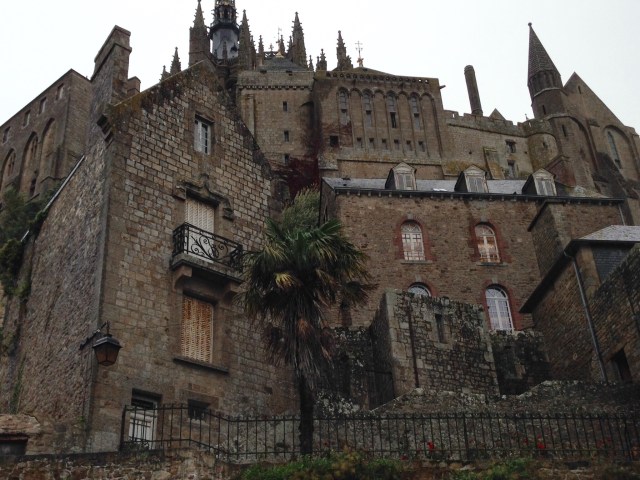
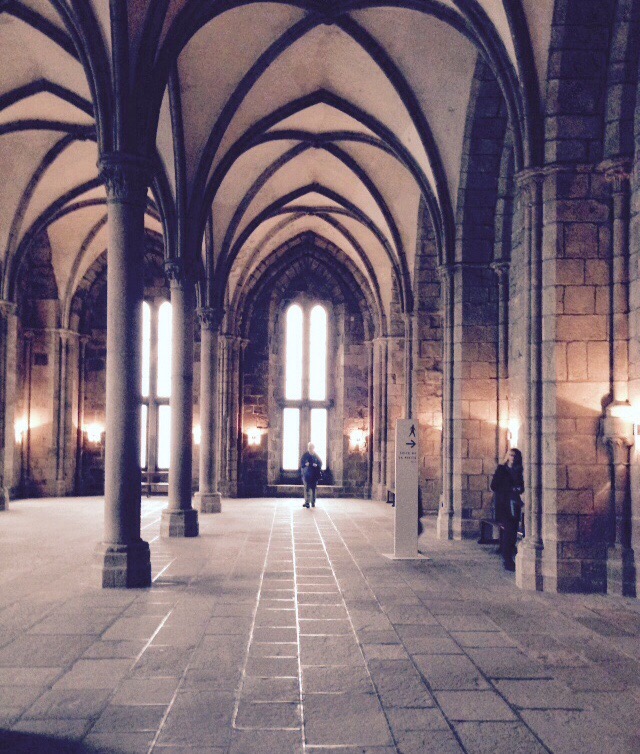
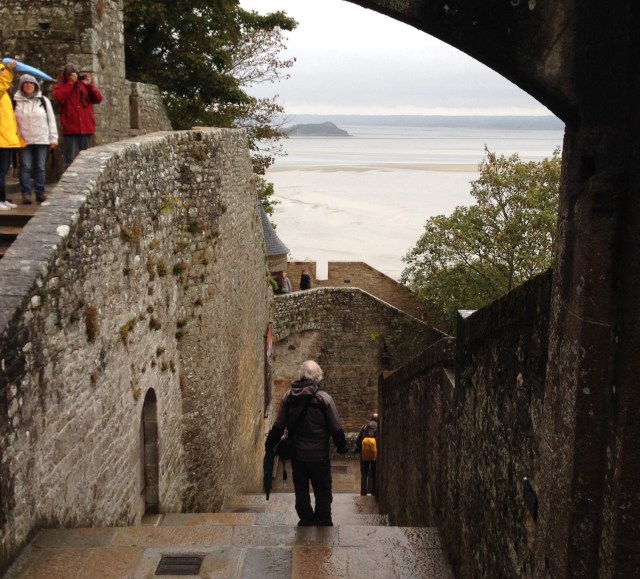
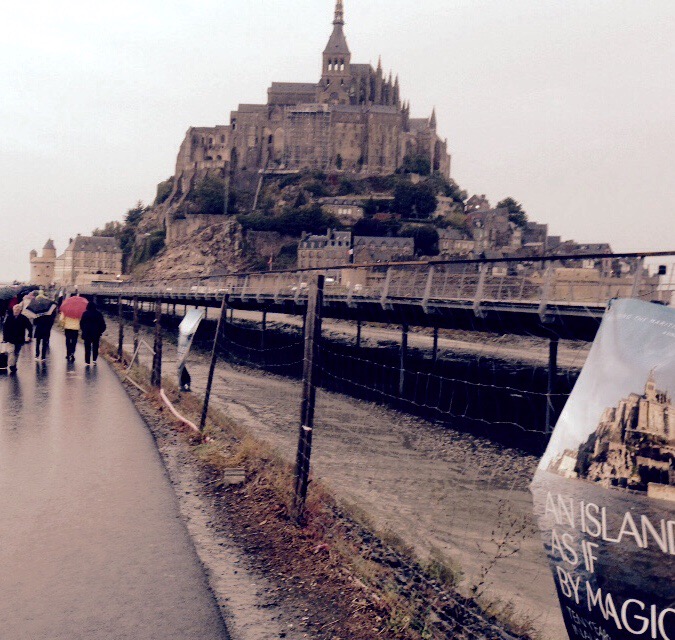
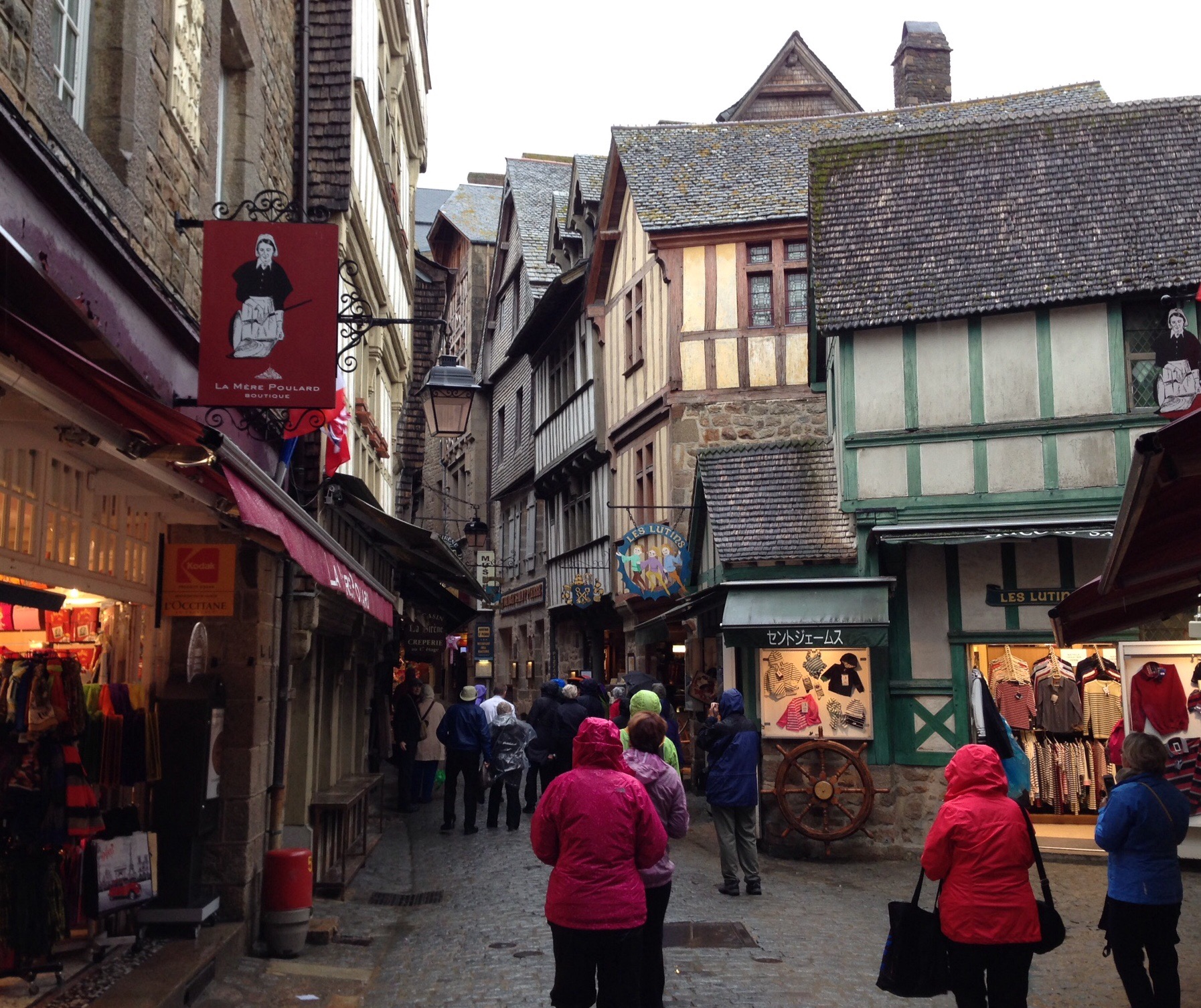
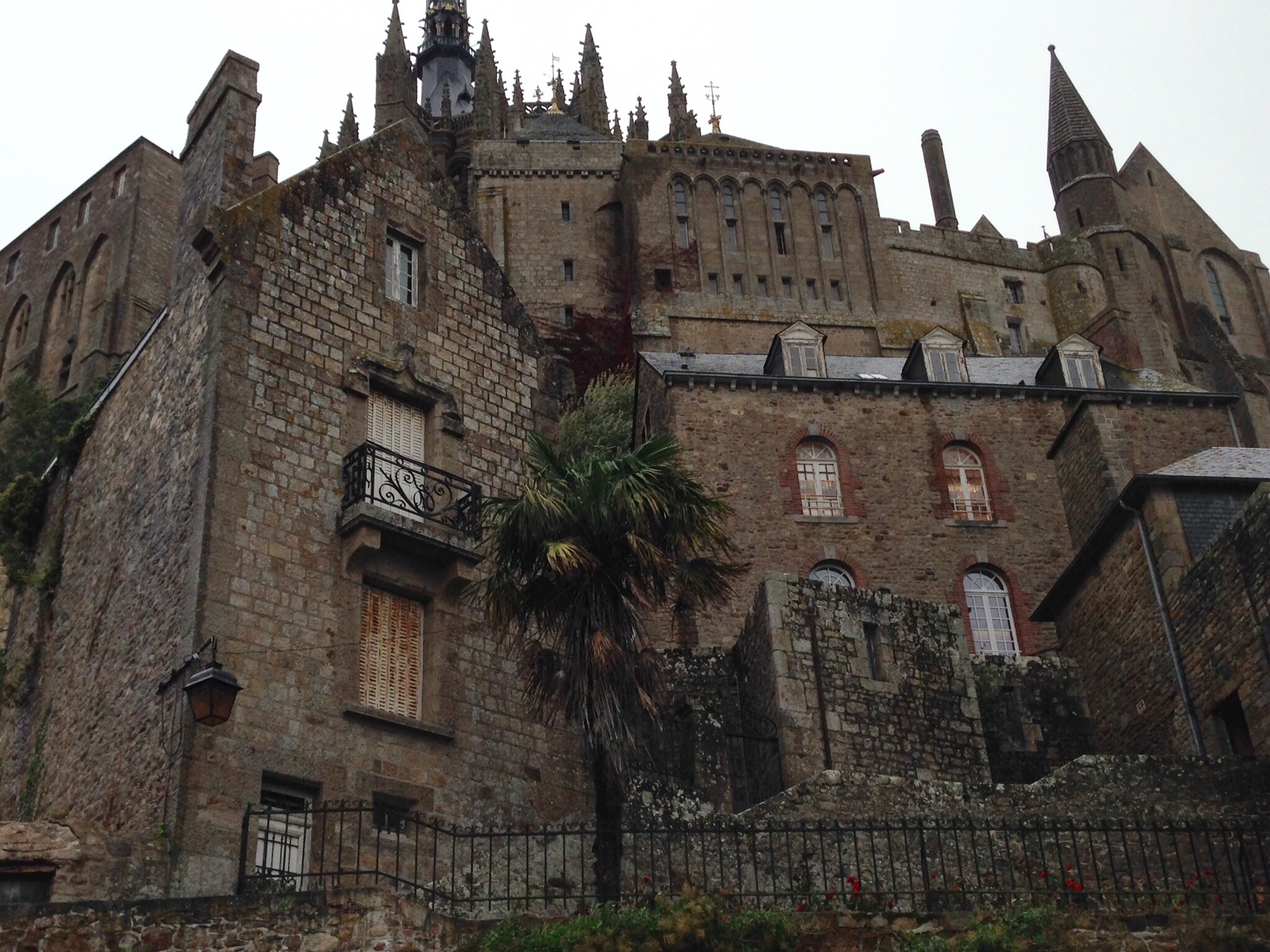
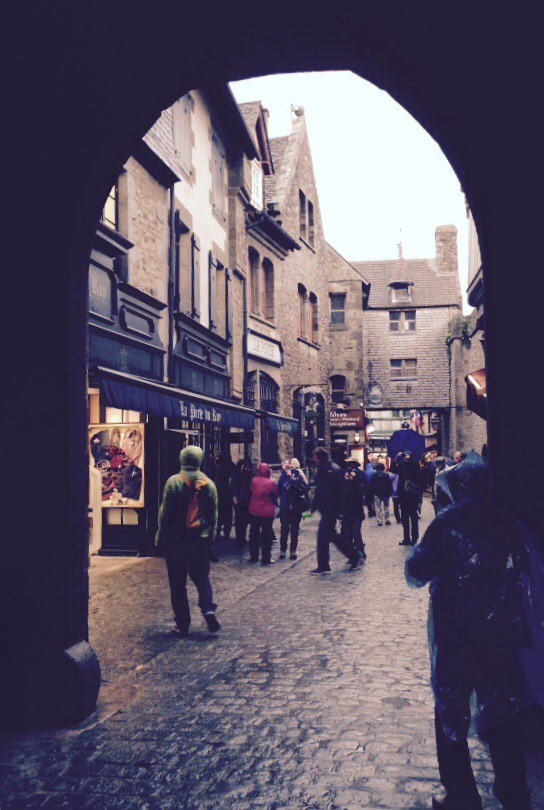
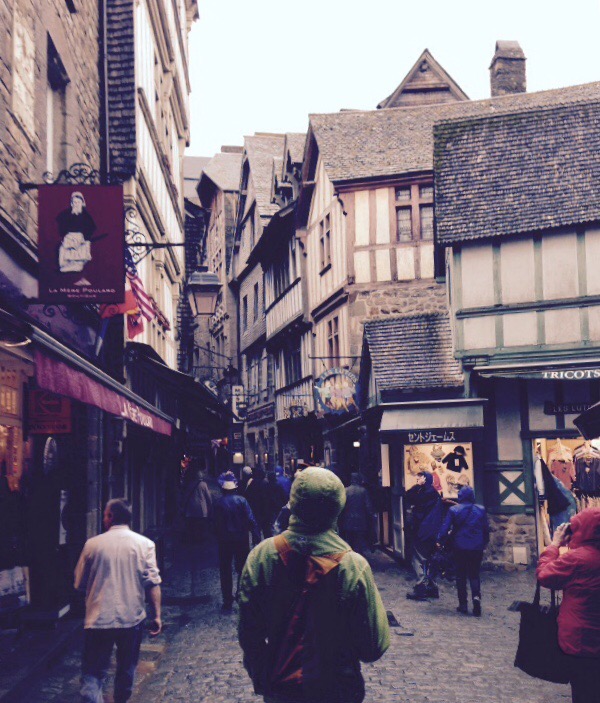
In the 11th and 12th century a village developed on either side of the abbey at the foot of the rock. Now we see a huge rock totally covered with buildings and the Abby sitting on the top. The abbey is 80 meters long. The rock is the shape of a triangle with the point at top. So the abbey is wider than the rock where it is built. To support it the underlying structures were built into the rock and formed the base of successive layers. The townspeople lived at the lowest level, the middle section was reserved for the military and nobles and the top reserved for the abbey and its inhabitants.

During the 12th and 13th centuries when England ruled Normandy they never managed to take Mont St Michelle. The structure remained a monastery until the French Revolution in 1789, when the monks were chased away and it was turned into a prison. The name during that time was Mont Michelle. In the second half of the 19th century the prison was closed and major renovations were completed in 1966. When it was a prison it housed 700 political prisoners.

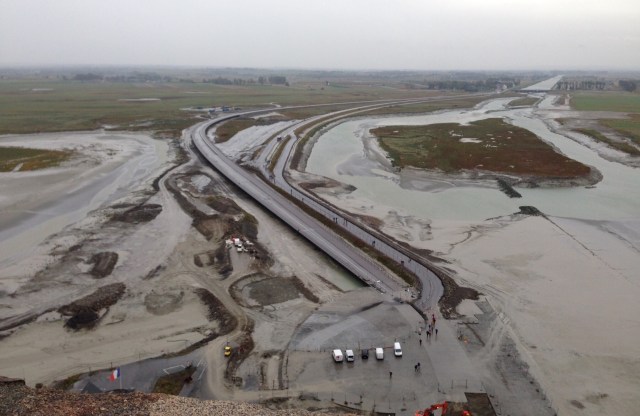
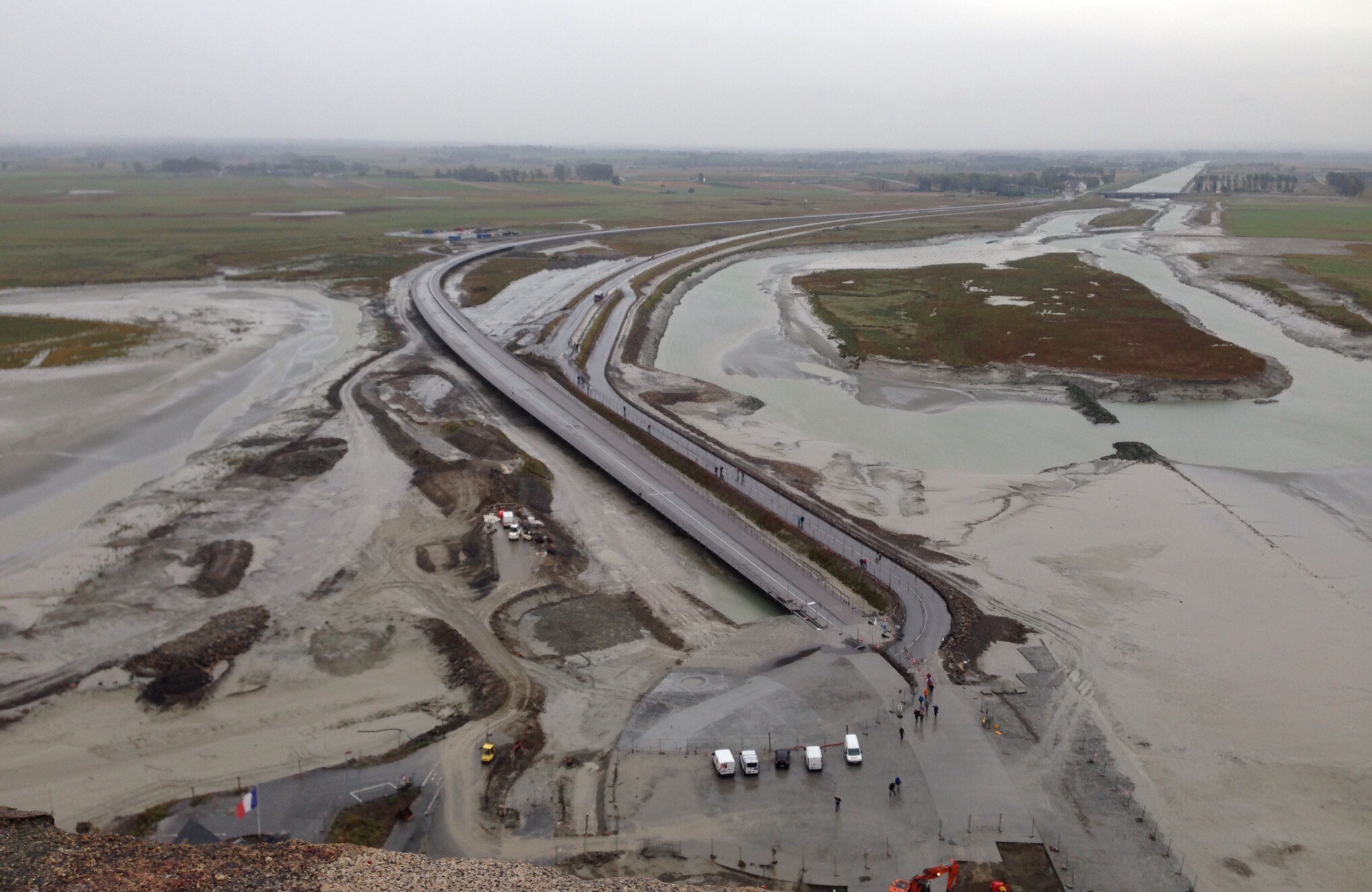
The island has a causeway connecting it to the mainland. Over the years this has resulting in sediment collecting along the causeway from the tides. There is a current project to replace the causeway with a bridge to allow the tides to pass through and hopefully have the sediment flushed away with the tides. Currently the island is surrounded by quicksand created by this build up of sediment.

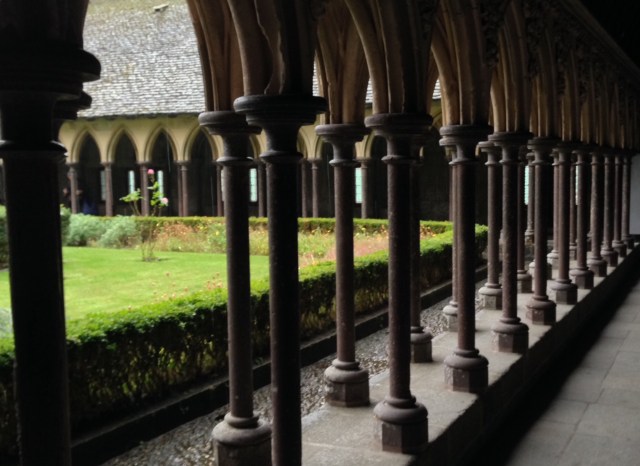
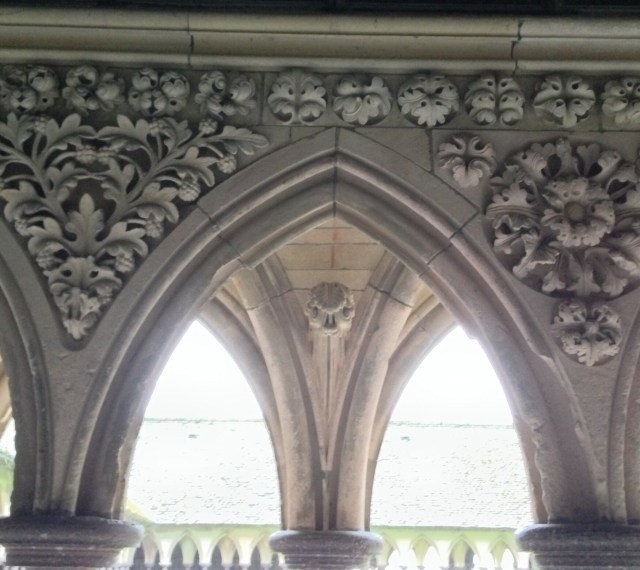
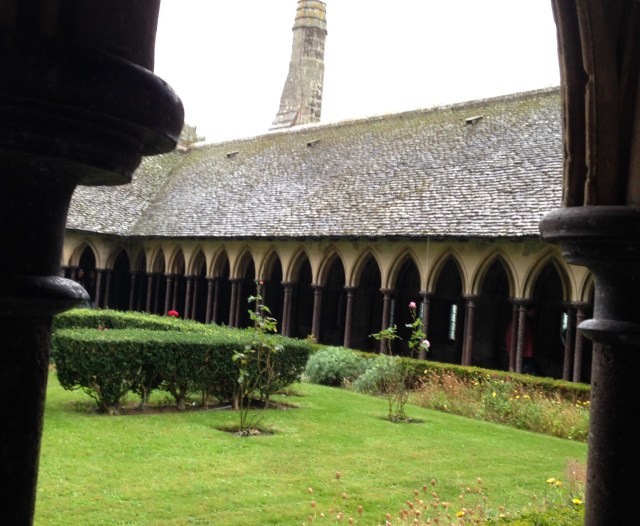
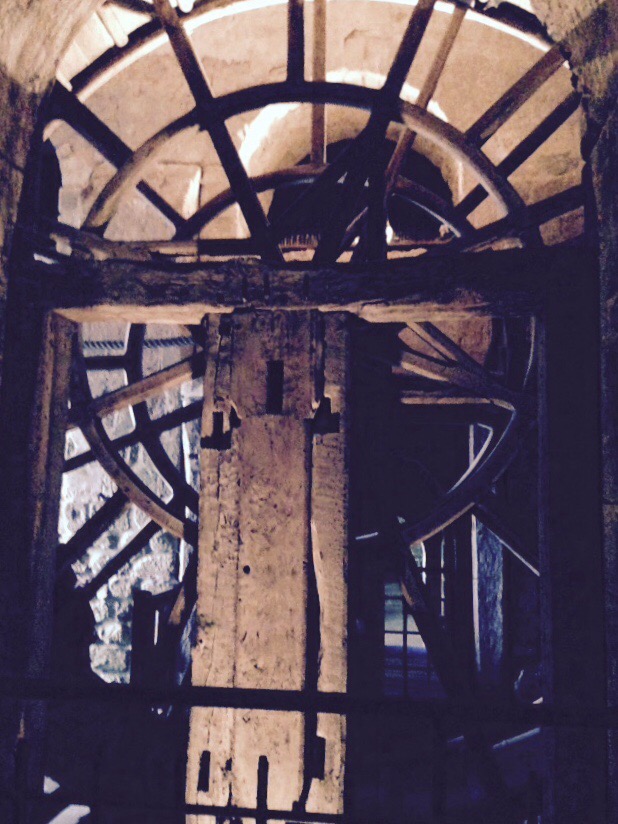
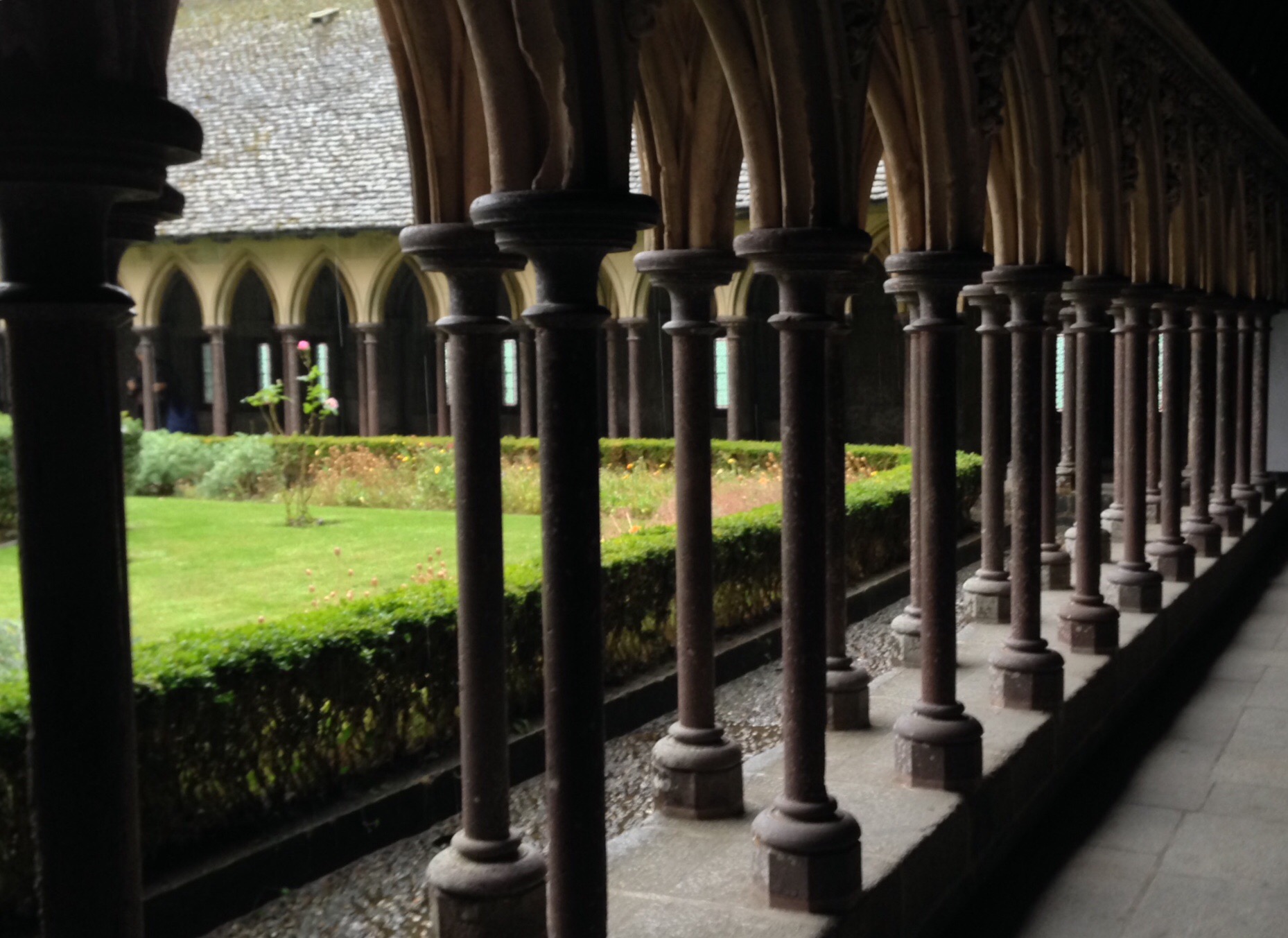
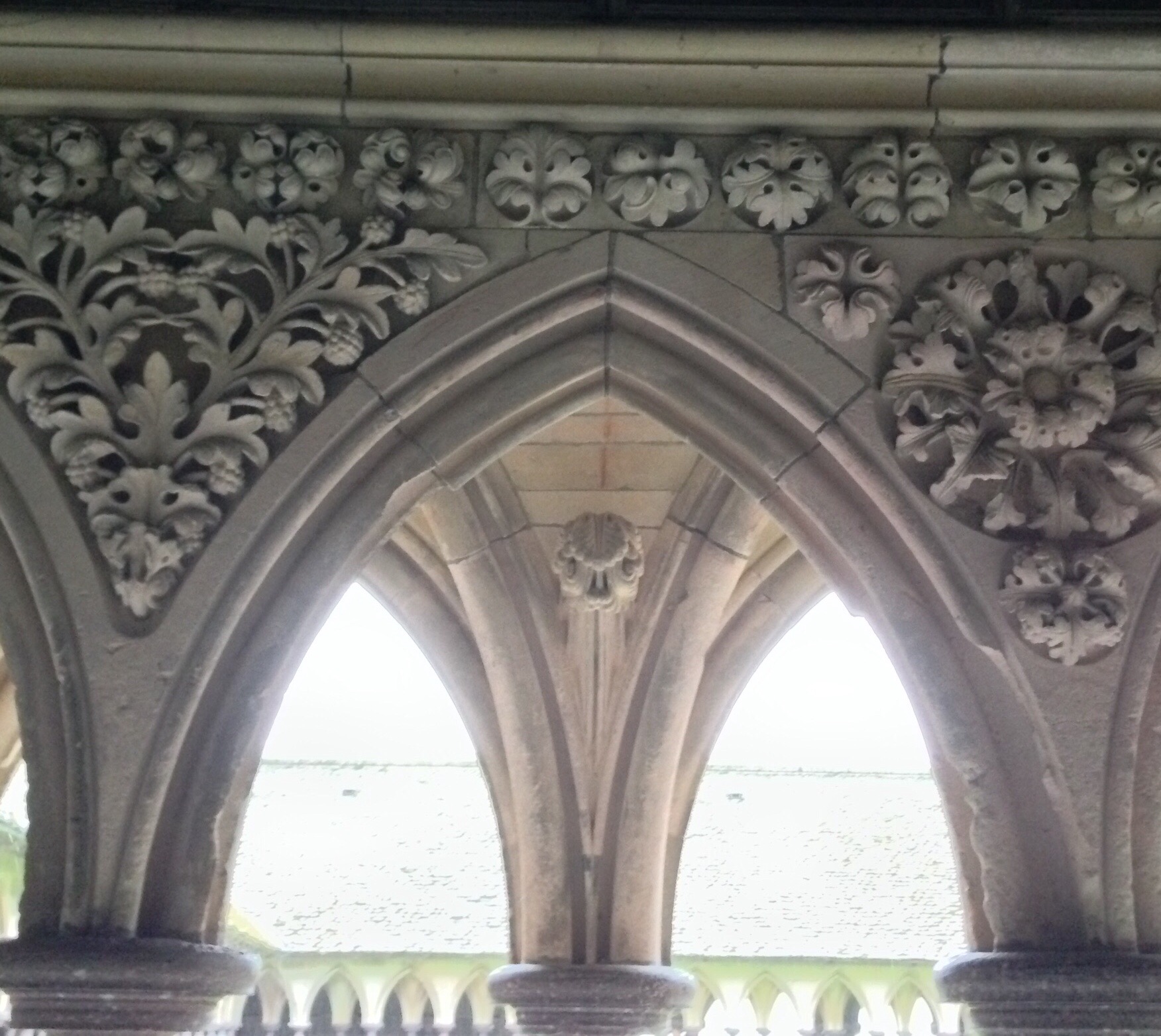
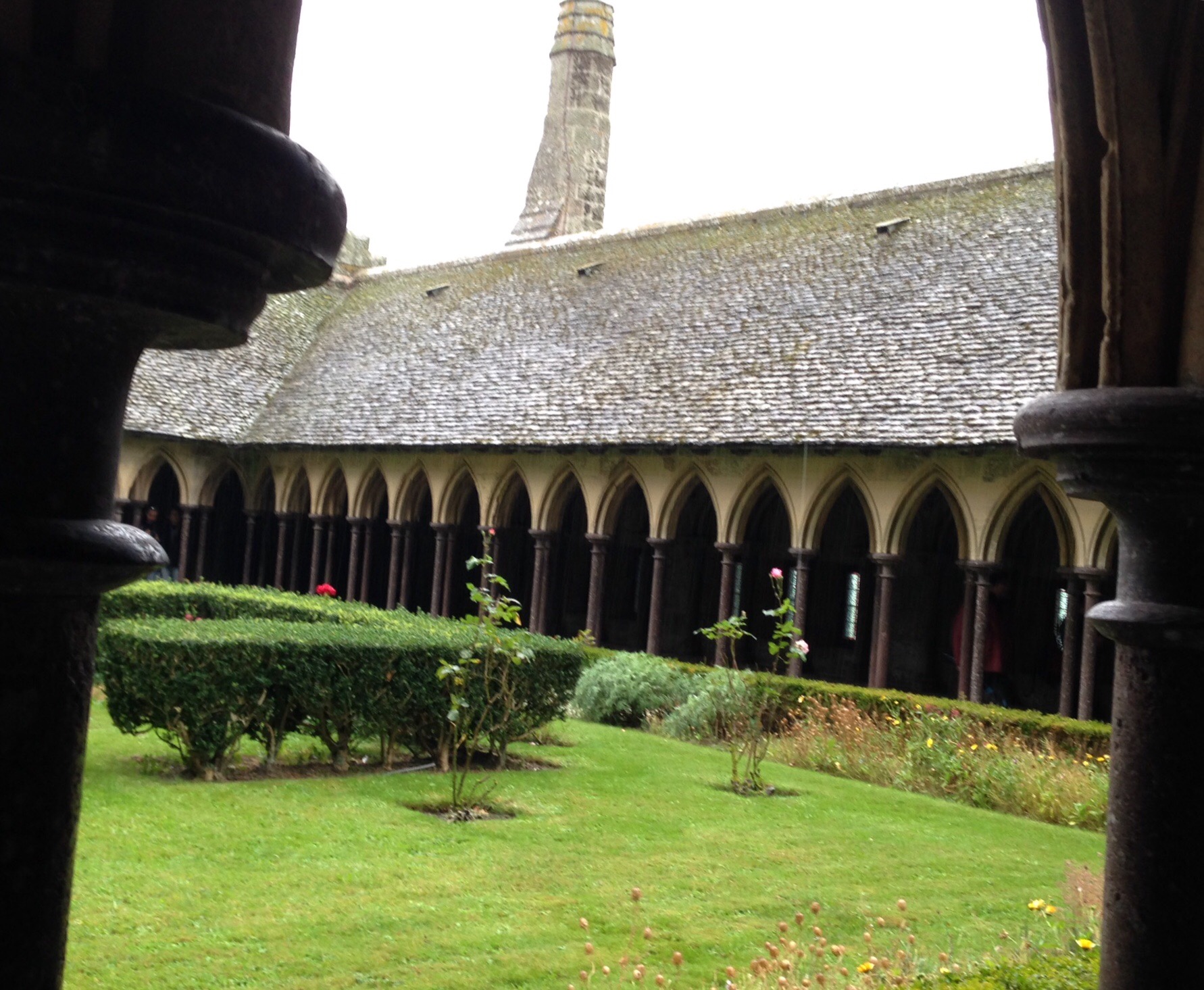
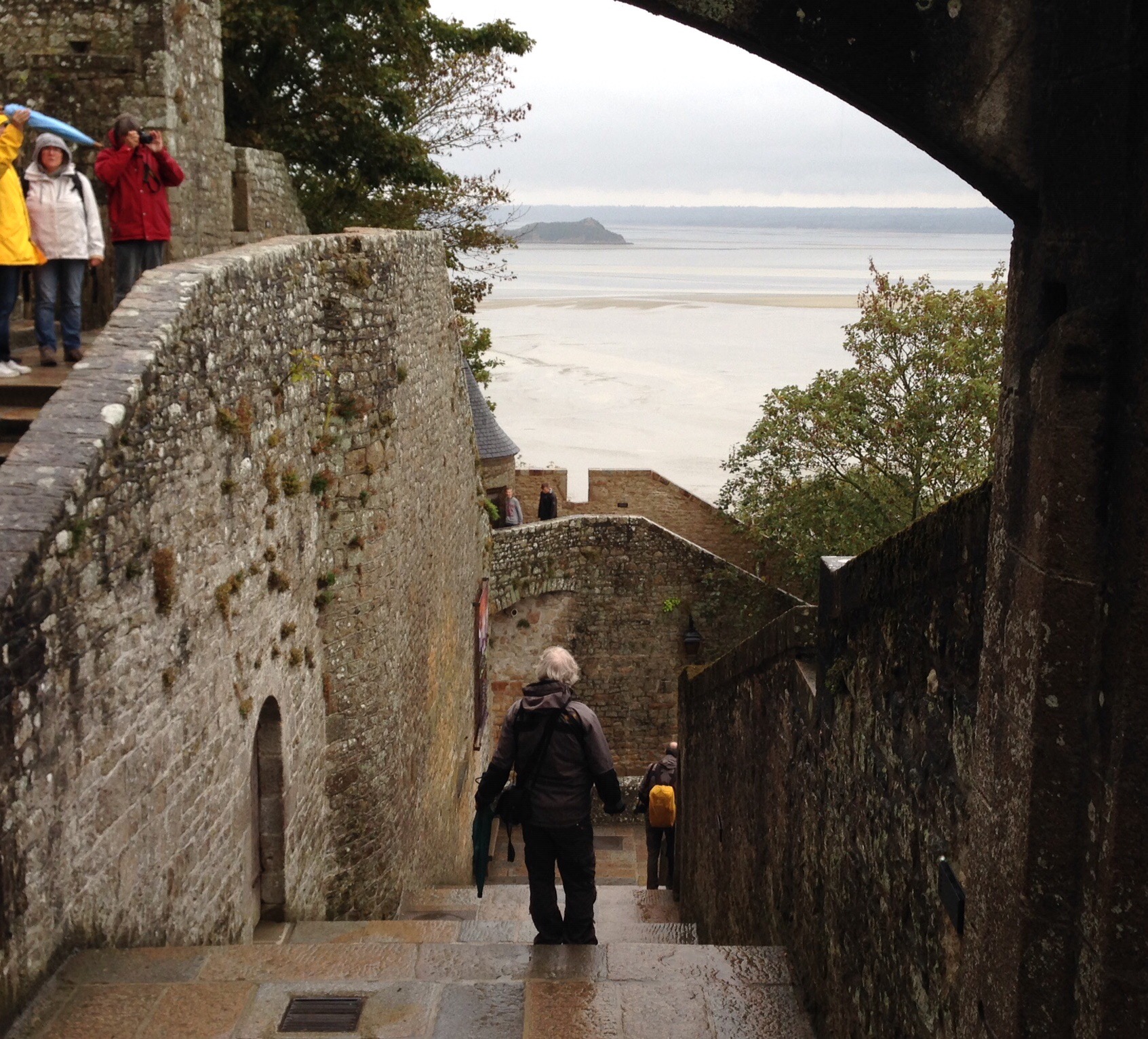
We walked to the top (I counted one hundred, thousand, million steps, but apparently there are about 350.) .There are distinct architectural areas depending on when a certain section was built. One interesting feature is a huge wheel that looks like a hamsters wheel. It was used to raise needed supplies up and lower garbage during the time it was a prison. The wheel was powered by prisoners who would walk inside the wheel much as the hampster does in his exercise wheel. At the very top a beautiful cloister, complete with garden.

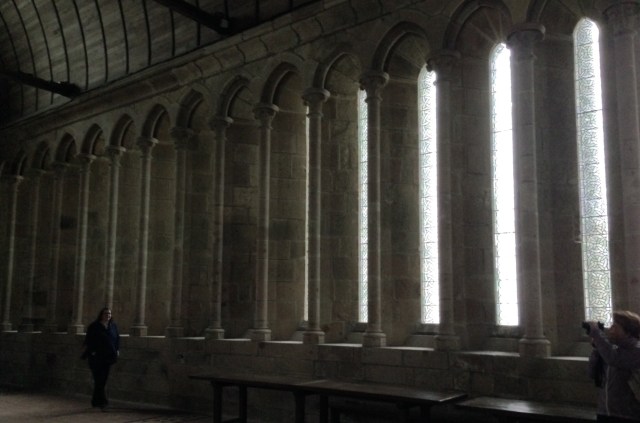
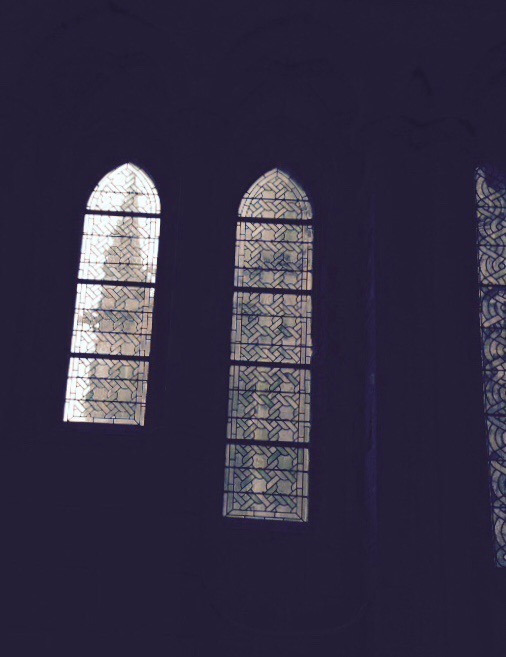
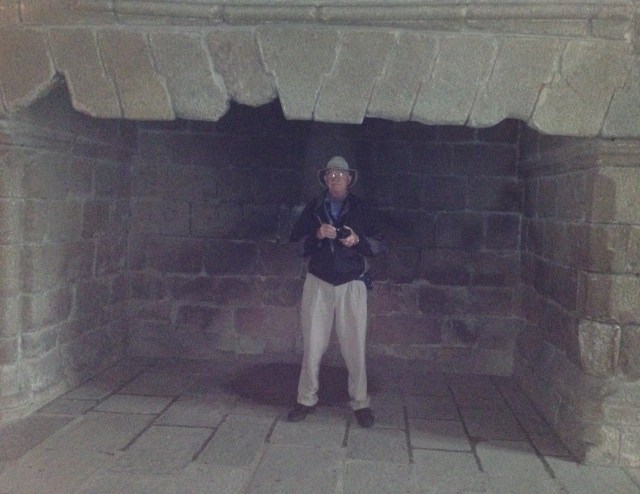
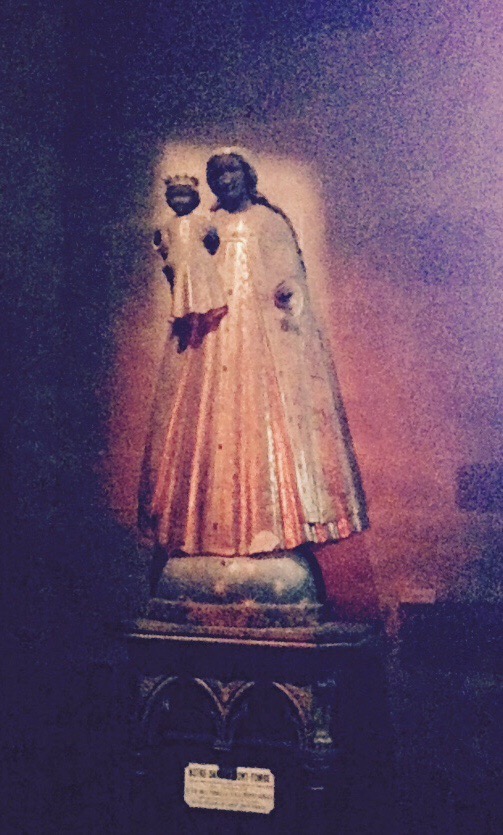
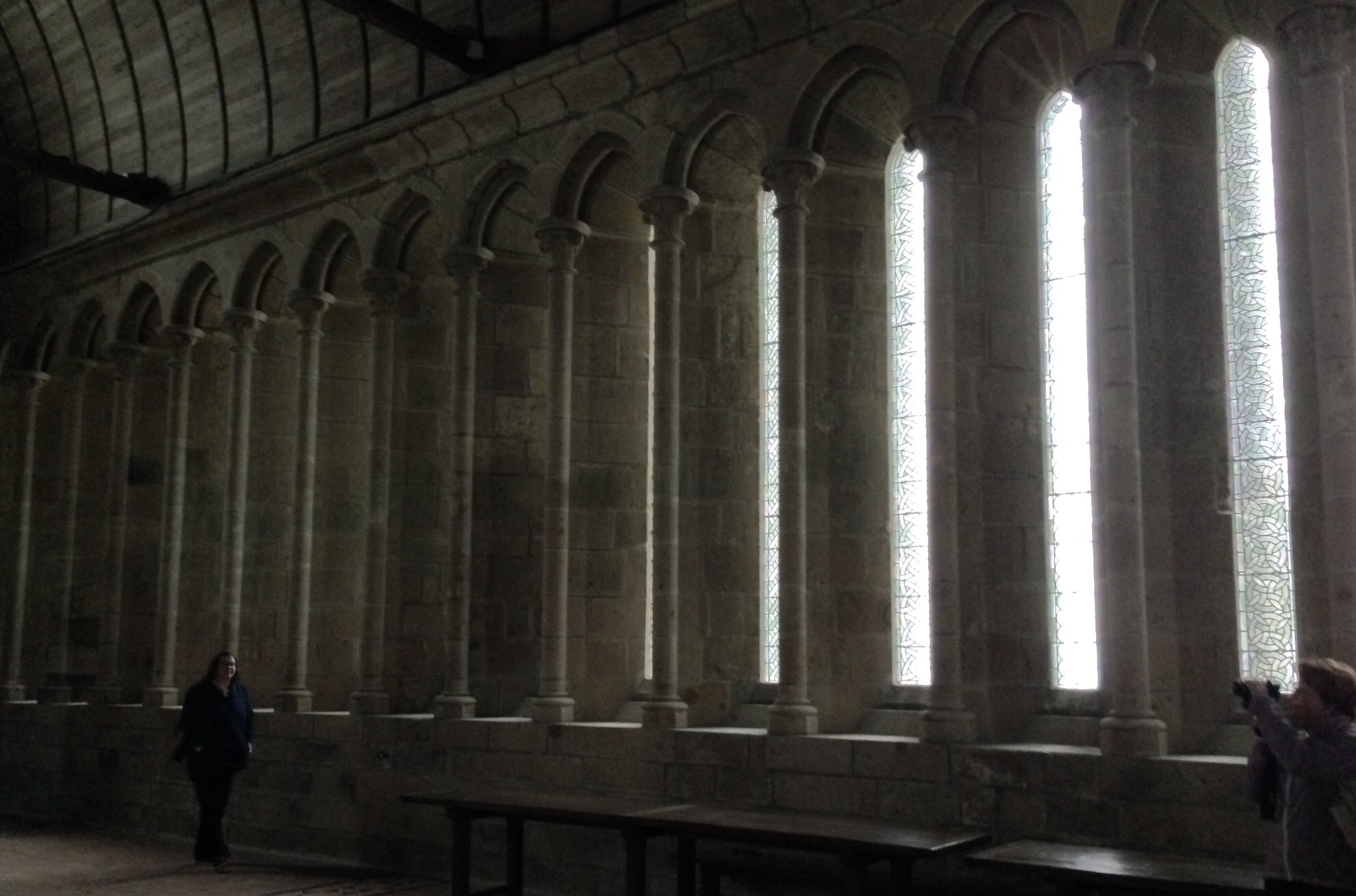
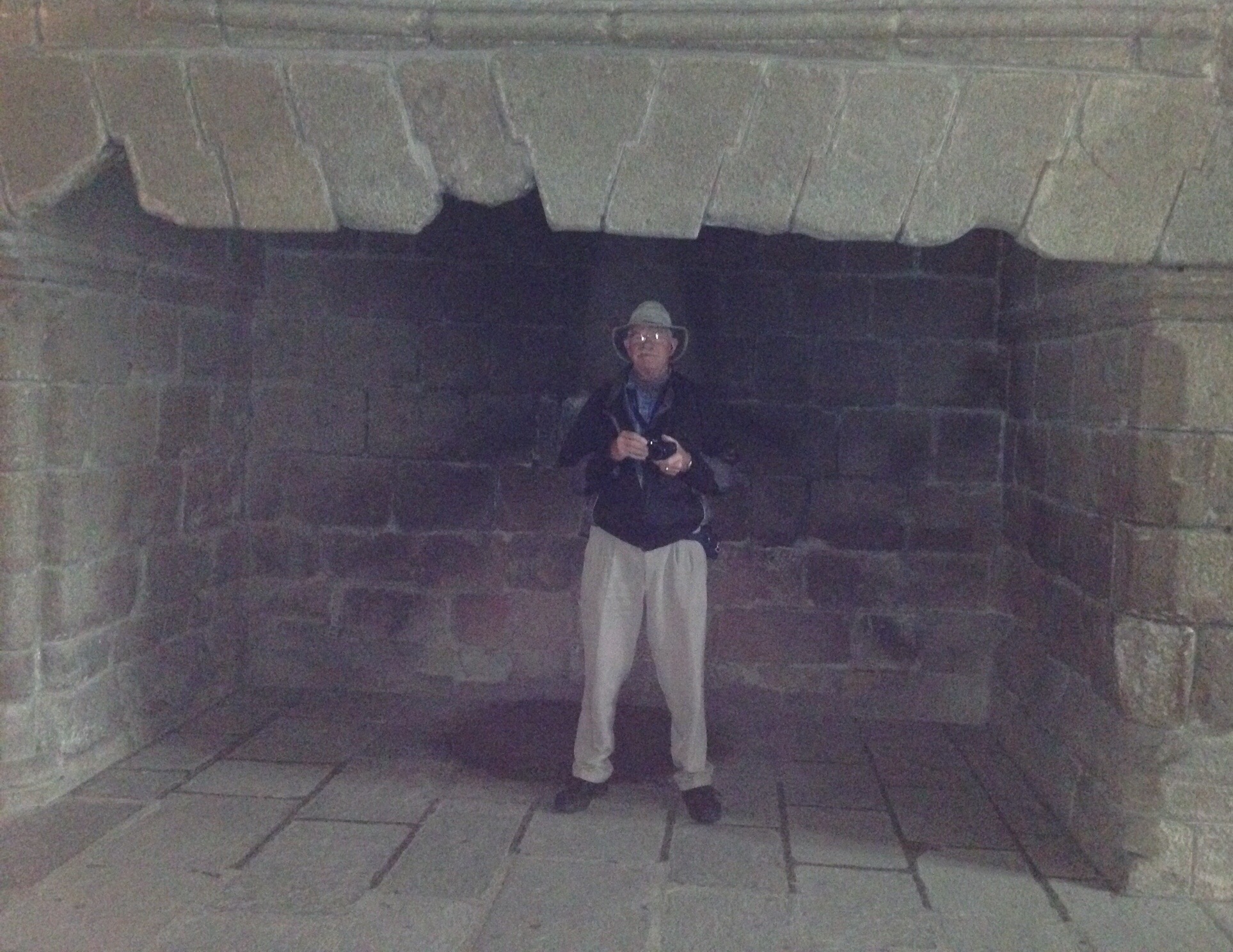
There is not a lot of decorations, all these had been removed when it became a prison. We see a couple of representations of St Michelle, a black Madonna and some huge fireplaces. (Gary is standing inside one of them).
In a few places we can see where the structure is supported by the rock, with the stone beams coming right out from the rock.

It was a rainy cold day. We walked to the top and are told after that only about a third of the people who visit the island ever make it to the top! Our whole group went up to the top, sturdy Canadians all!
IMG_0329.JPG

IMG_0328.JPG

IMG_0330.JPG

IMG_0327.JPG

IMG_0324.JPG

IMG_0323.JPG

IMG_0325.JPG

IMG_0326.JPG

IMG_0322.JPG

IMG_0319.JPG

IMG_0320.JPG

IMG_0321.JPG

IMG_0318.JPG

IMG_0317.JPG

IMG_0316.JPG

IMG_0315.JPG

IMG_0312.JPG

IMG_0314.JPG

IMG_0313.JPG

IMG_0311.JPG

IMG_0310.JPG

Posted in Uncategorized | 2 Comments

Wared Out – German Cemetary and Utah Beach October 5, 2014

The beginning of the plans for Project Overlord took place at a meeting in Quebec. A meeting between Churchill, Eisenhower and others. Project Overload was the code name for the invasion. Project Neptune was the name for the D-Day portion.
The various commanders met over the weekend of June 3&4 to discuss the weather. Captain John Stag spoke for the weather committee. They wanted to have a full moon, calm waters, low tide at one hour after sunrise with calm winds. The decision is made at 4:00 am at which pint Monty said there was nothing more to be done by anyone other than the fighting men and he went back to bed.
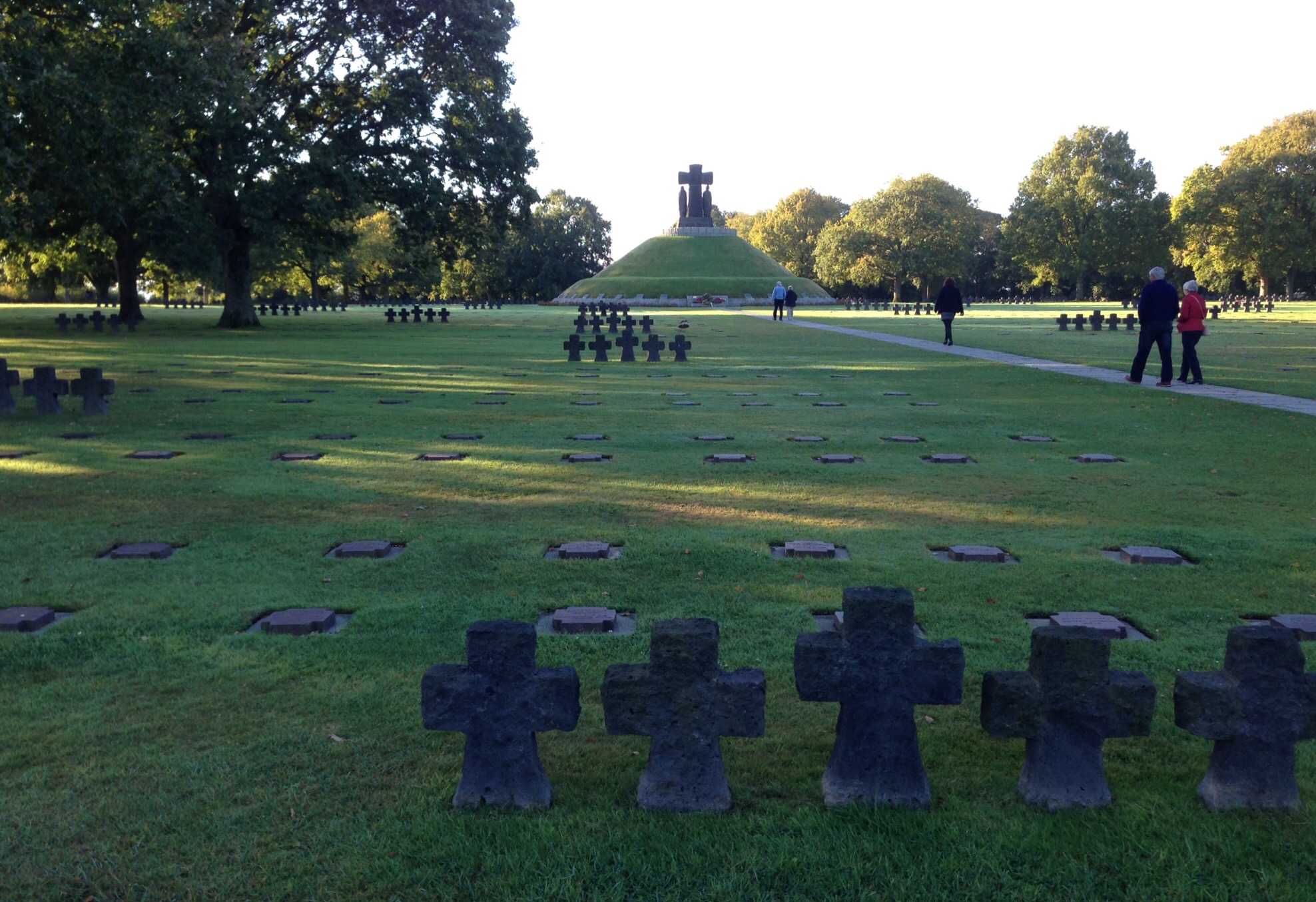
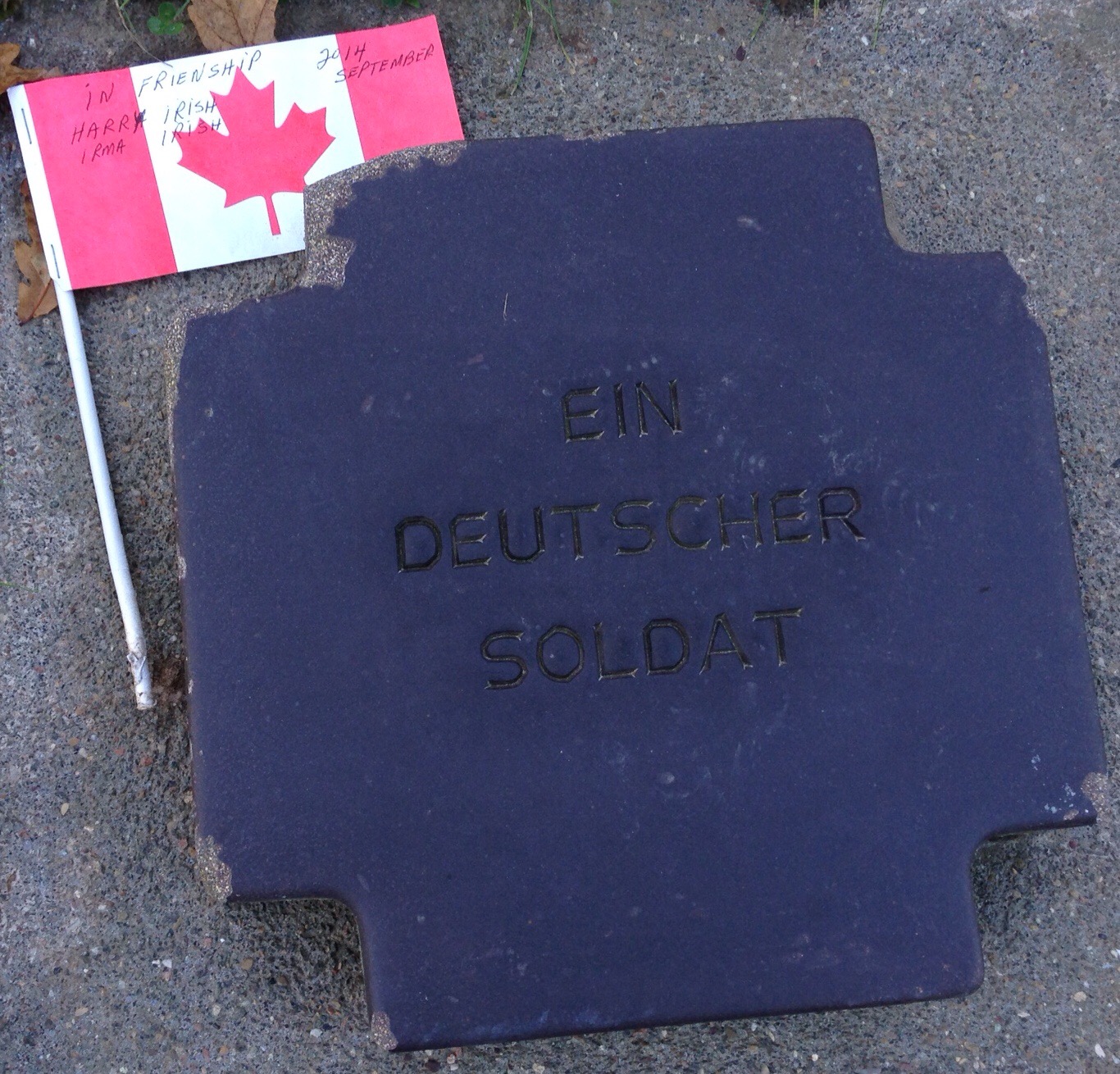
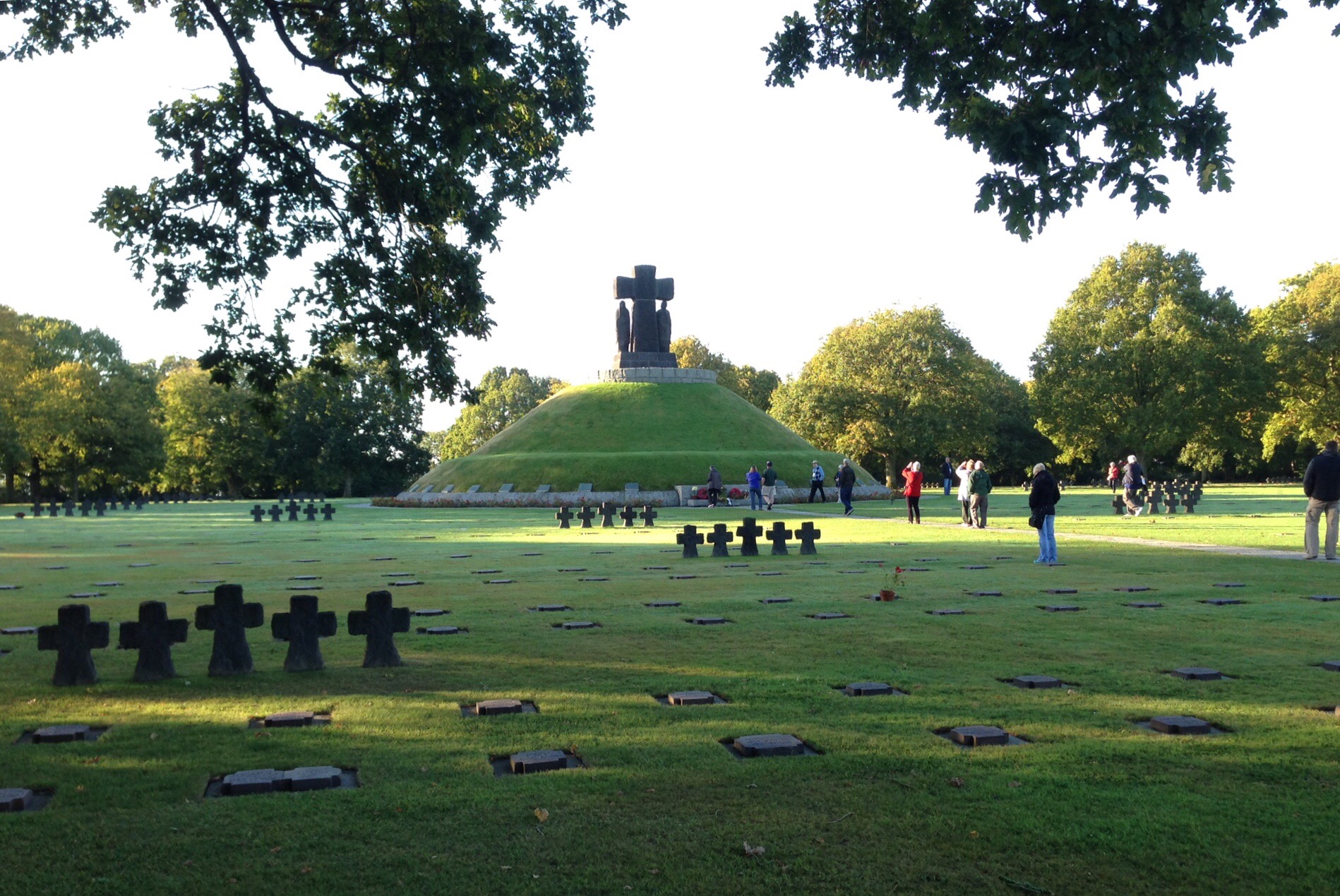
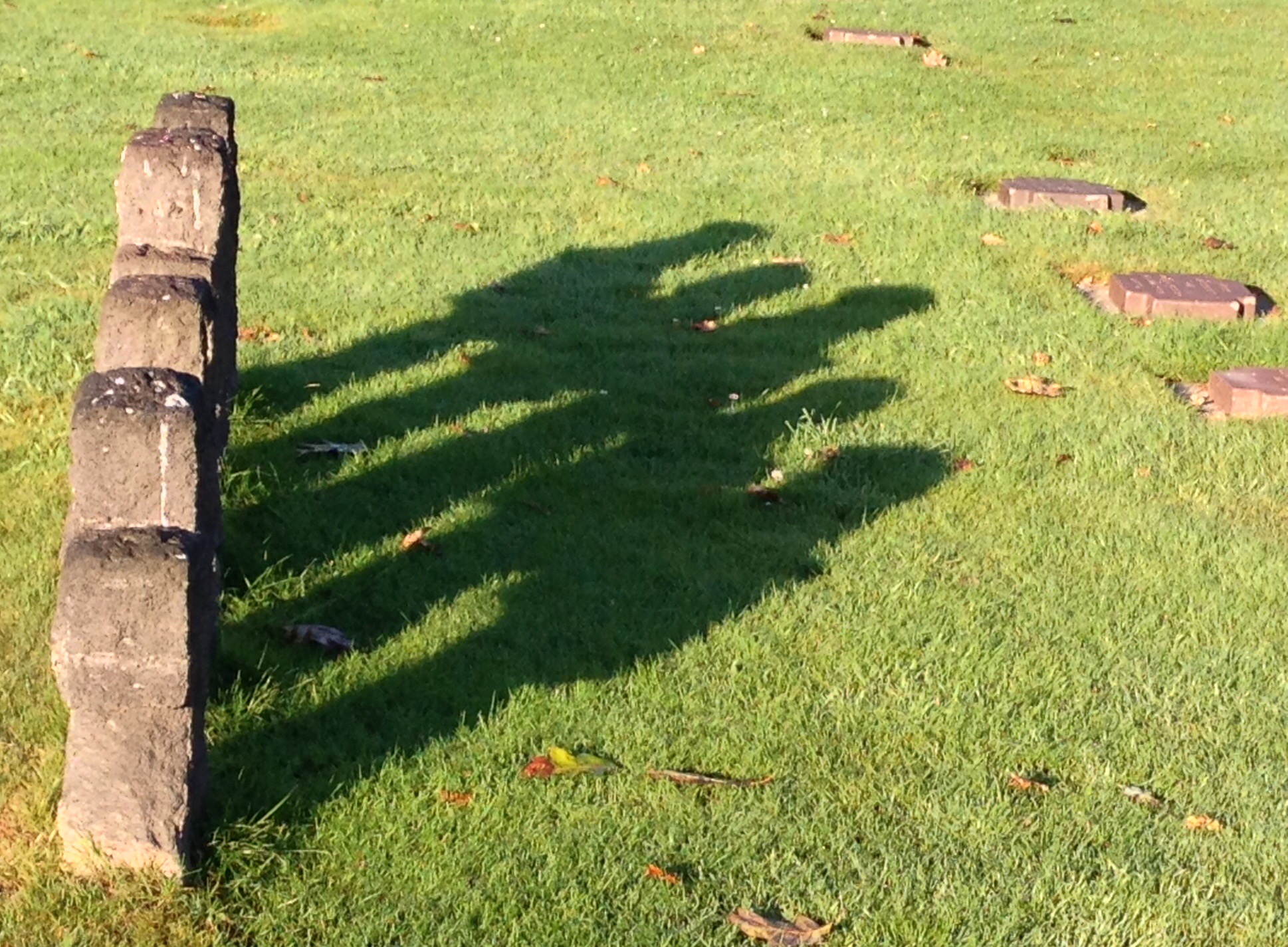
Our first stop this morning is the German cemetery. It has black crosses interspersed amongst the graves, some with names, many without. On one grave was a Canadian flag on which someone has written ” in friendship September 2014″.
There is no mass American grave. While the Commonwealth has no
tradition of returning the war dead to their homeland, the Americans consult with the family about what they want and most choose to have the remains shipped home.
While the Germans anticipated the invasion they did not know where it would occur and so their main defence was set up opposite Dover where the channel is the narrowest. They did erect a “wall” along the Normandy coast including a series of bunkers. Further Rommel flooded the flat land which was inland from the coast to thwart any airborne attack.
On D-Day the Allies used 850 gliders to bring in troops, vehicles and other equipment. They deployed 855 parachute carriers each with 18 paratroopers. These forces each had specific objectives to disable some of the German defence. At the same time the Resistance had instructions to destroy bridges, train tracks and roads to slow movement of German troops to the front.
The gliders and paratroopers all had specific drop zones. But with the fog, wind and anti aircraft fire they often missed their DZ. Only one man in five was in the correct place. This of course created some problems in the groups meeting up. However, it confused the Germans who couldn’t see the purpose of the way the drop was done. The gliders faced an unexpected hazard as the fields of Normandy are often surrounded by hedgerows which they would crash into as landing.
They all carried a child’s toy that made a sound like a cricket which they used to find each other in the dark. The parachutes were not white as depicted in the movies but were olive green and very difficult to see from the ground. There was a 150 mile long line of planes in groups of 9. By this point the Allies had superiority in the air and the sea.
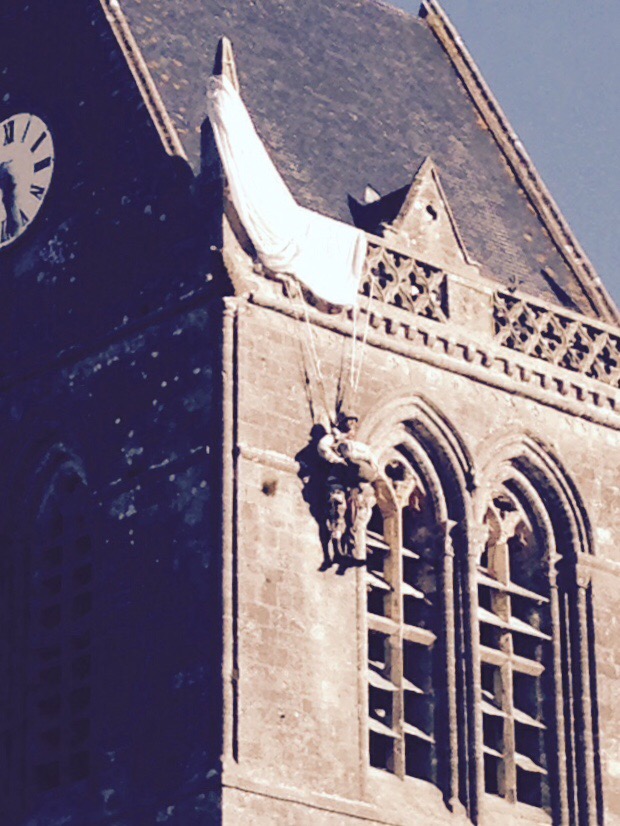
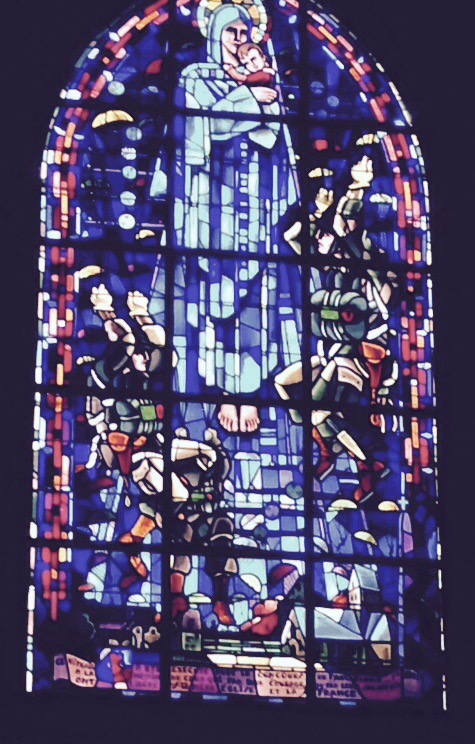
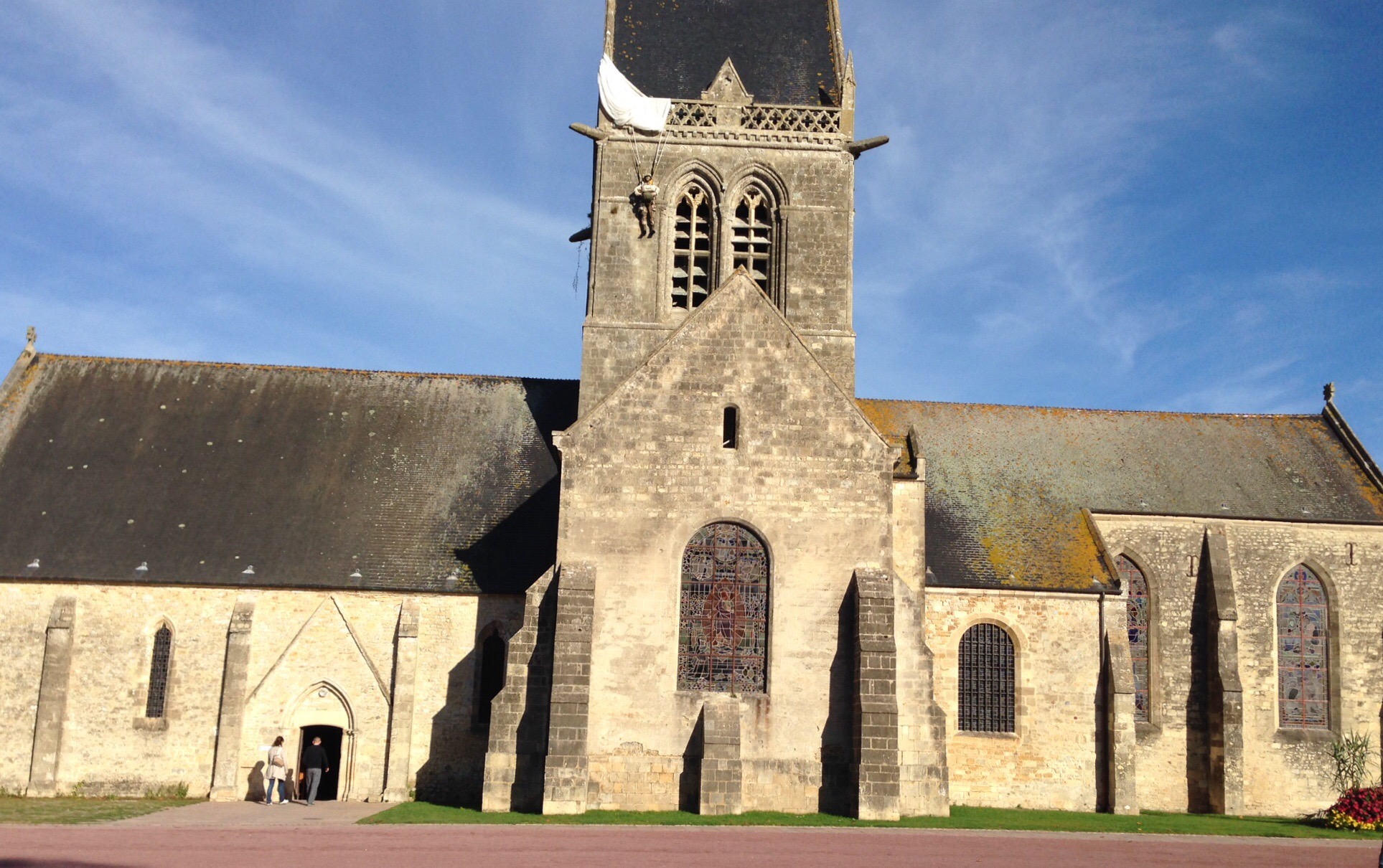
We visited Ste Marie Englise which was the first town liberated. There was a fire in a house on the town square that night and the mayor had permission from the German’s to ring the bell,and call people to help fight the fire. As the paratroopers dropped from the sky some landed in the square. One paratrooper’s chute was caught on the church spire and he was hanging there until the Germans stationed in the tower rescued him. He was released by the Germans at the end of the fighting.
In the town is the first marker on the Liberation Highway which stretches 505 Kim’s from Normandy to Belgium.
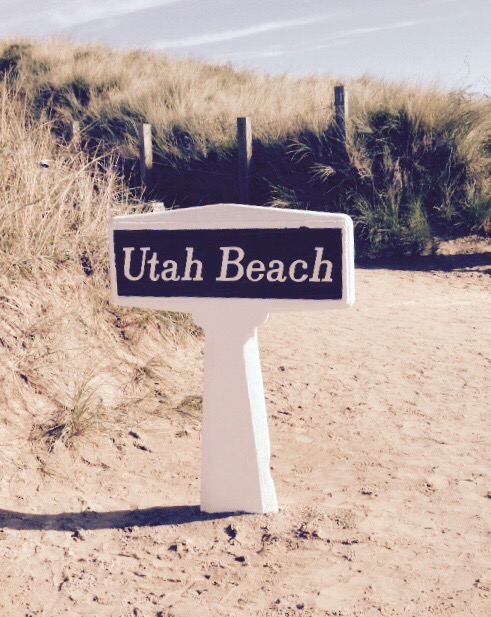
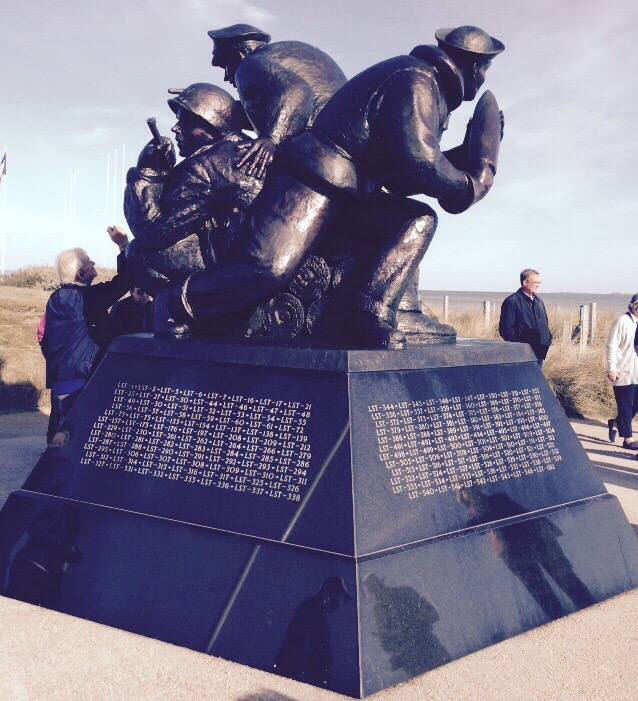
We visit Utah Beach which is where Theodore Roosevelt came ashore with hie command on D-Day. It had the least casualties. The B52 bombers were successful in doing a low altitude run, effectively clearing the beach. The troops landed about 2 miles south of their intended spot but this was beneficial as the German defence was lighter there. While the troops were being transported from their main ships the battle ships sat 11 – 25 miles off shore and bombarded the coast, stopping when the troop carriers were half hour from landing.
This beach was one of the areas where a temporary port was established. It was used to land hundreds of thousands of men, tons of equipment and vehicles that are used in the subsequent battles. It is a long shallow beach with very low tides. We can still see the 2 concrete ships that were sunk to form part of the breakwater. The other ships used were Steel and had since been removed.
Our guide has a series of letters from Roosevelt and others and reads us portions of the letters to give a flavour of their thoughts.

IMG_0306.JPG

IMG_0309.JPG

IMG_0305.JPG

IMG_0308.JPG

IMG_0303.JPG

IMG_0301.JPG

IMG_0300.JPG

IMG_0304.JPG

IMG_0291.JPG

IMG_0294.JPG

IMG_0297.JPG

IMG_0298.JPG

IMG_0275.JPG

IMG_0272.JPG

Posted in Uncategorized | Leave a comment

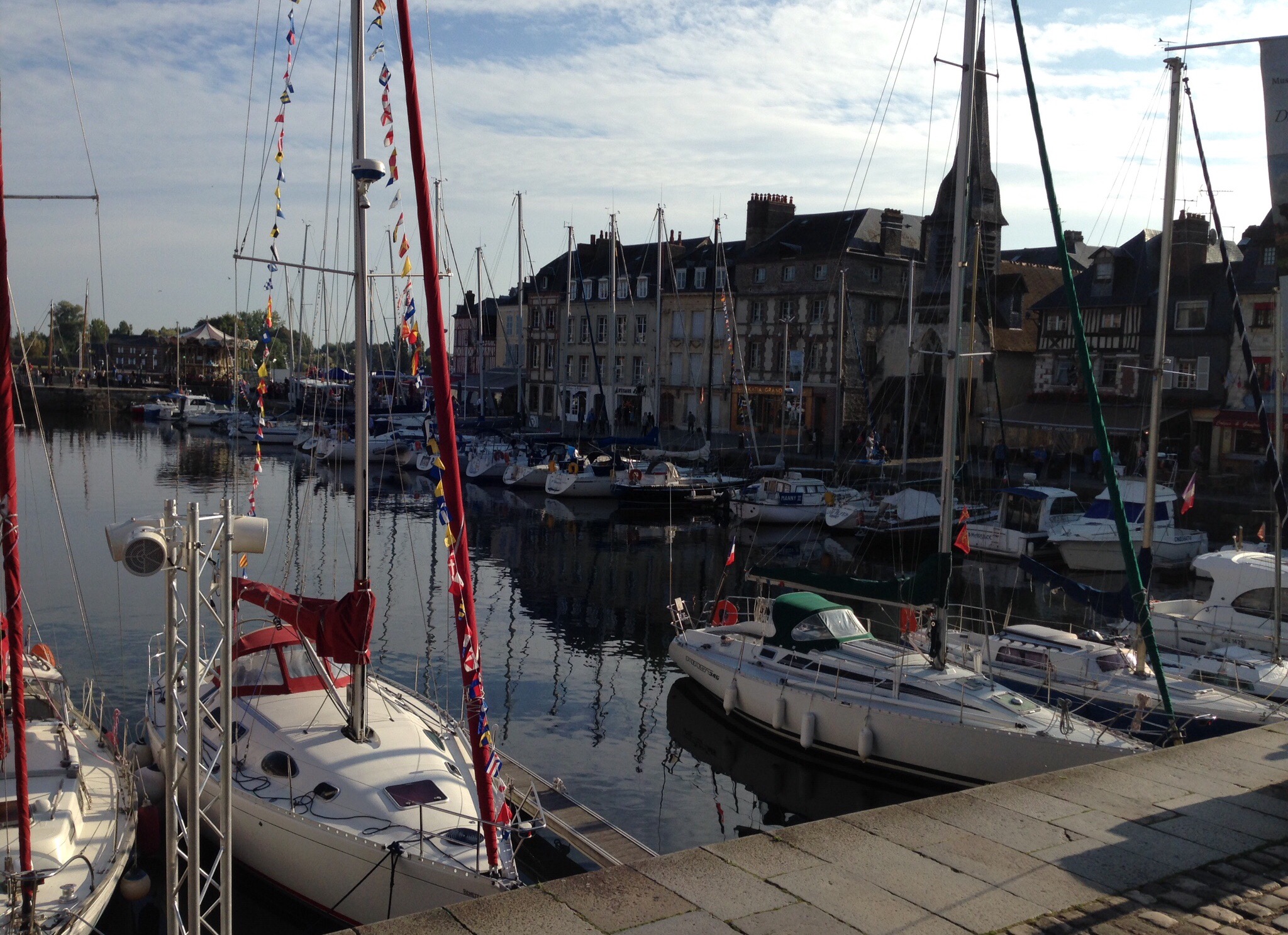
Honfleur harbour and market day

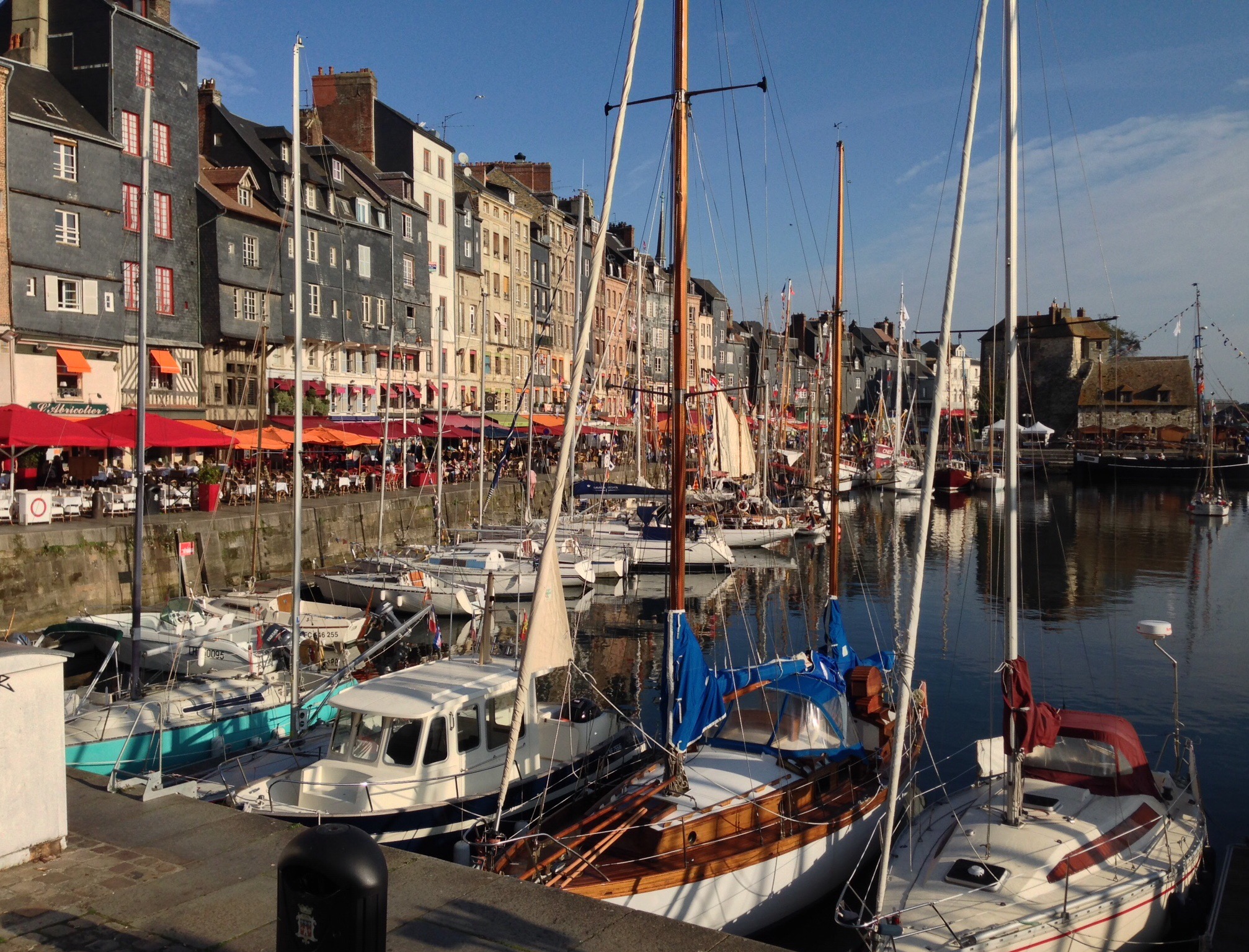
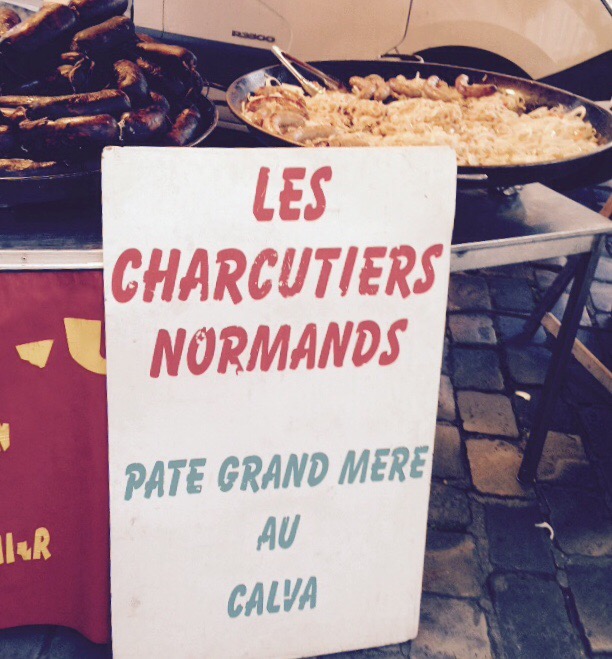
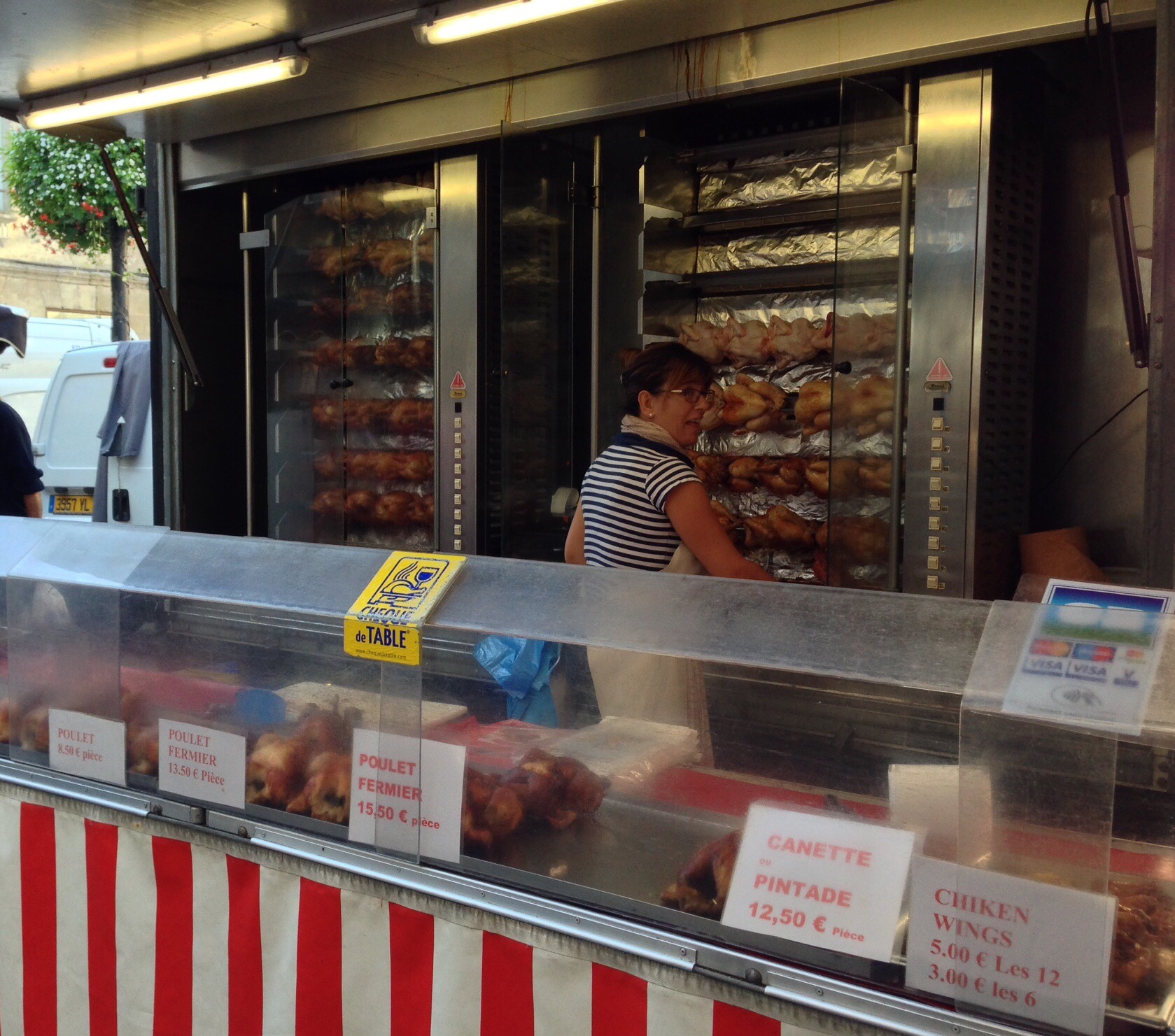
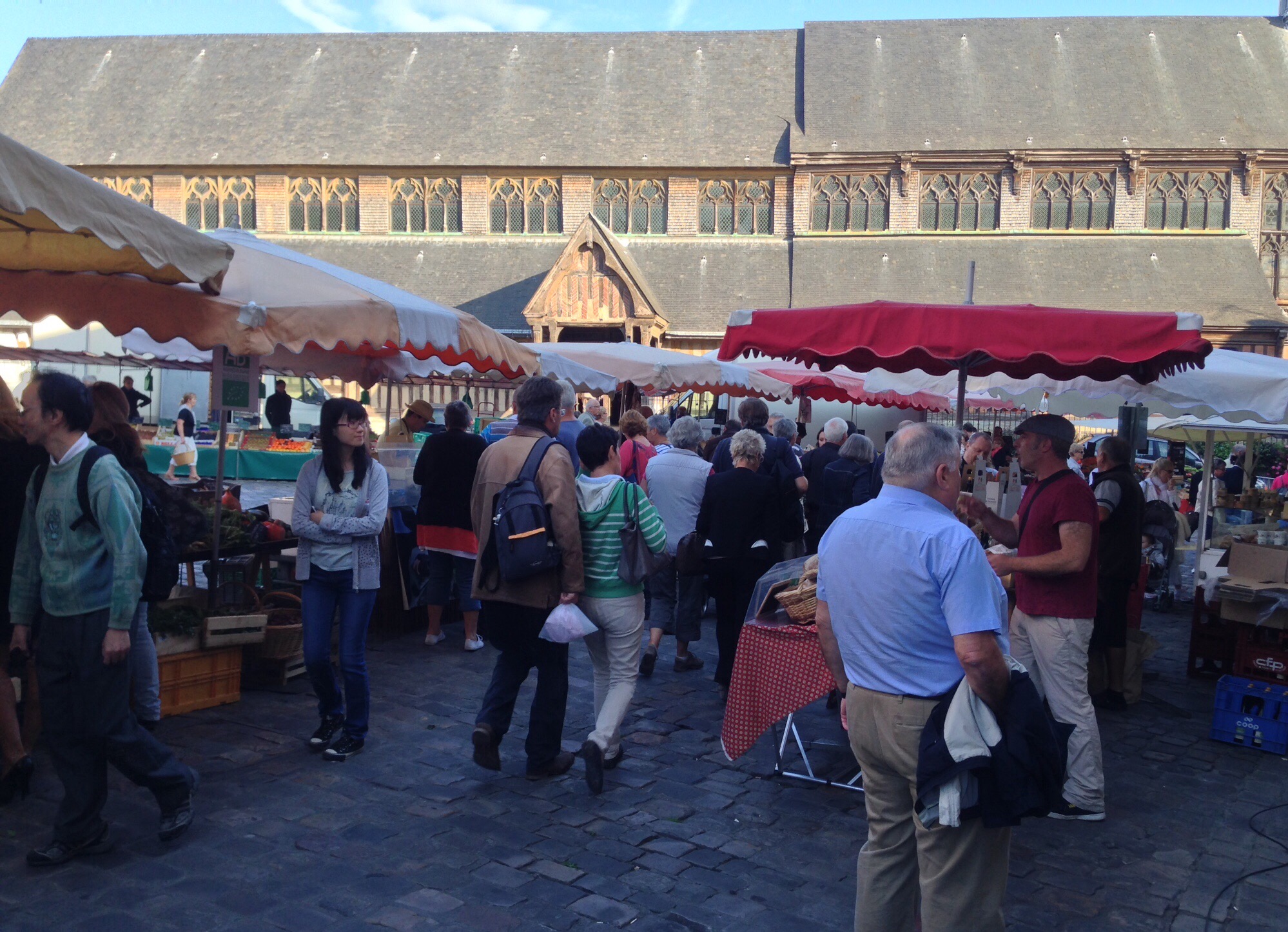
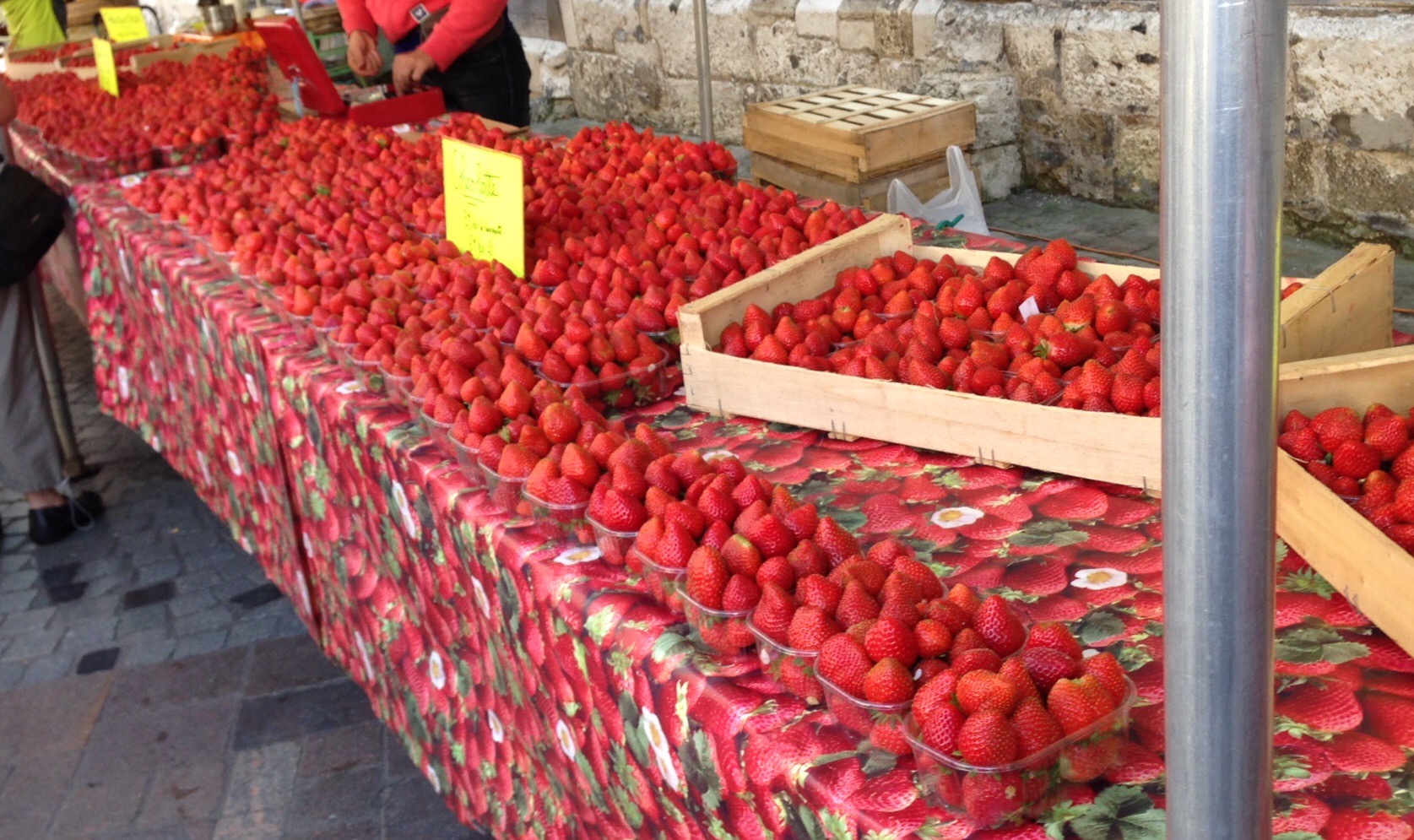
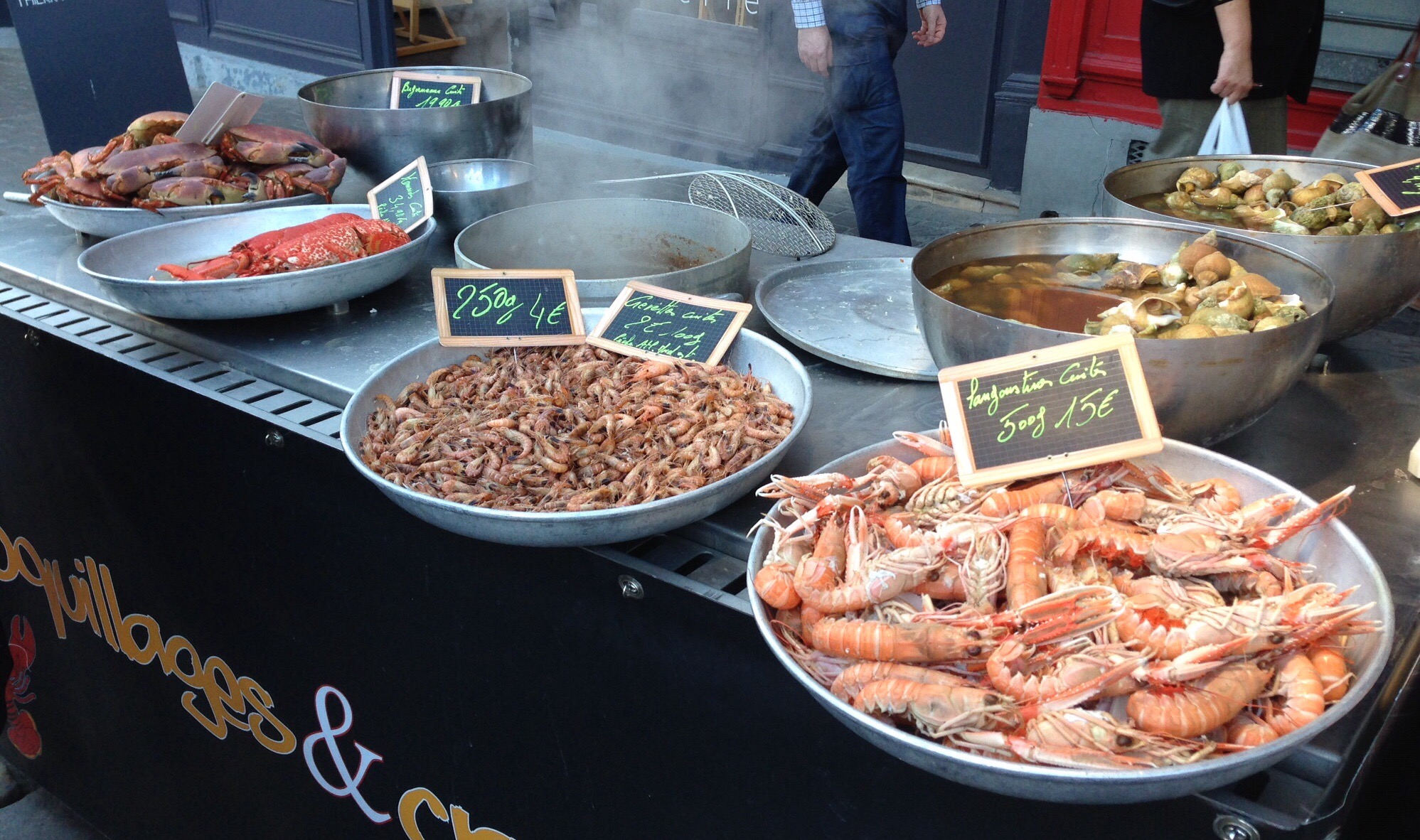
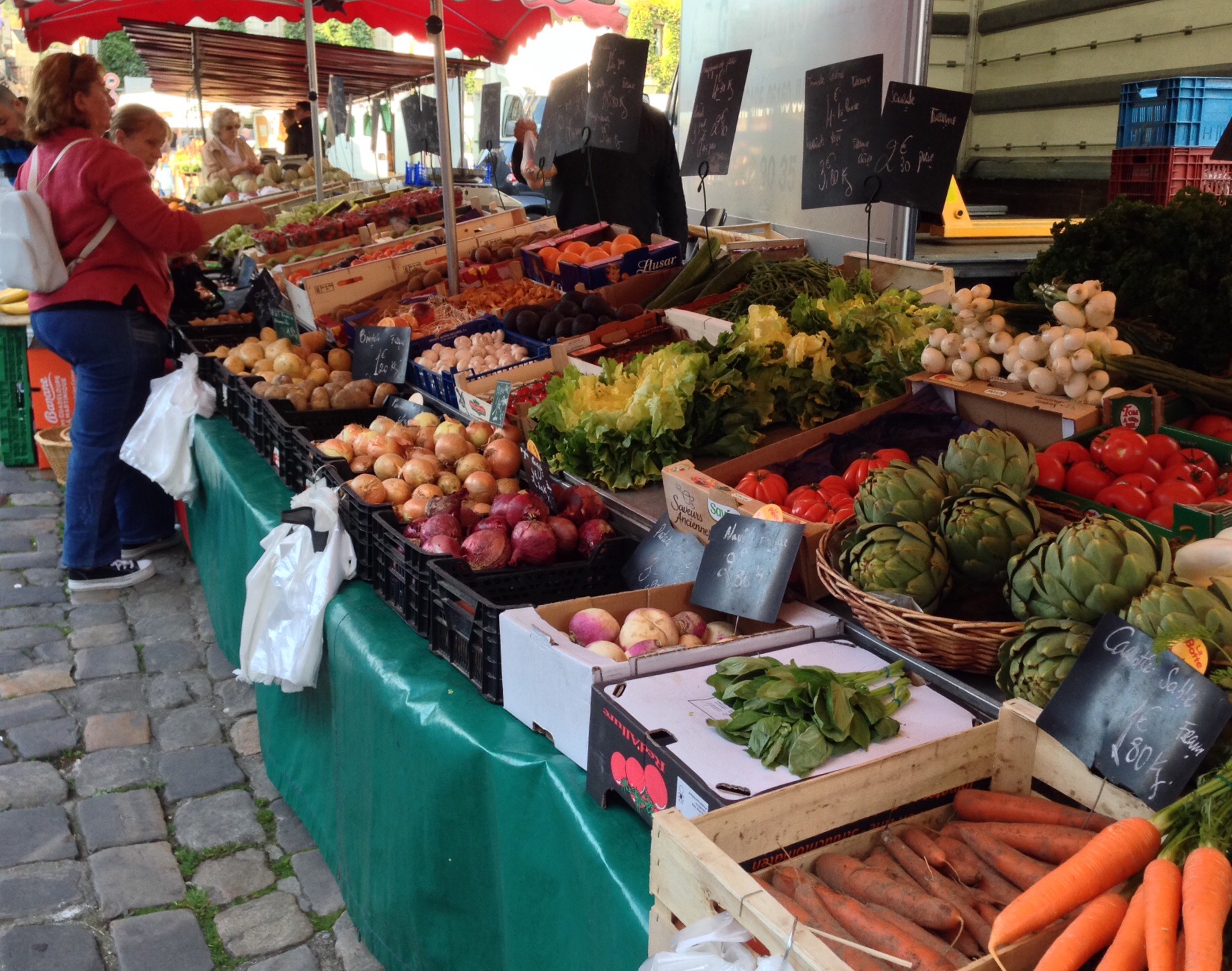
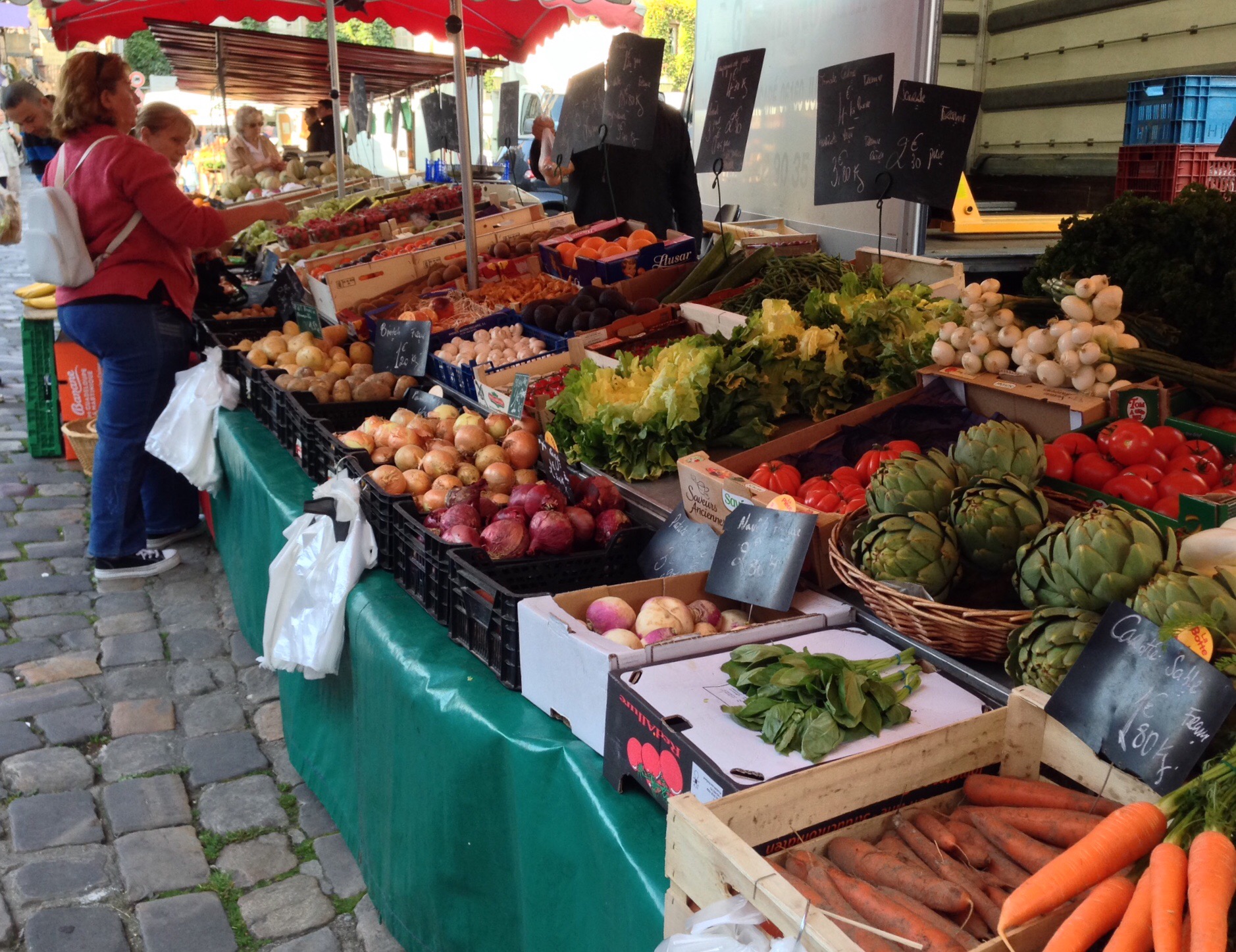
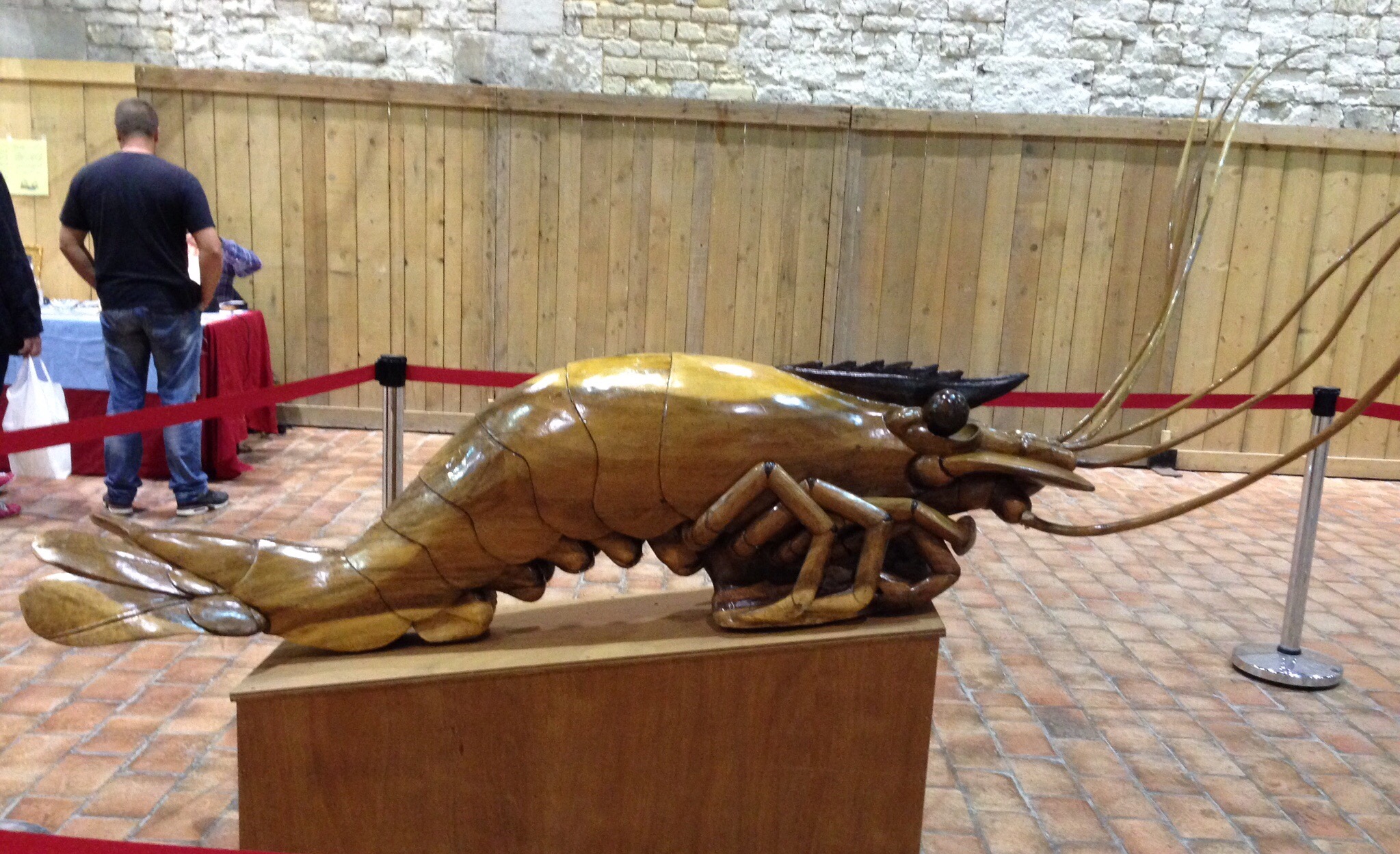
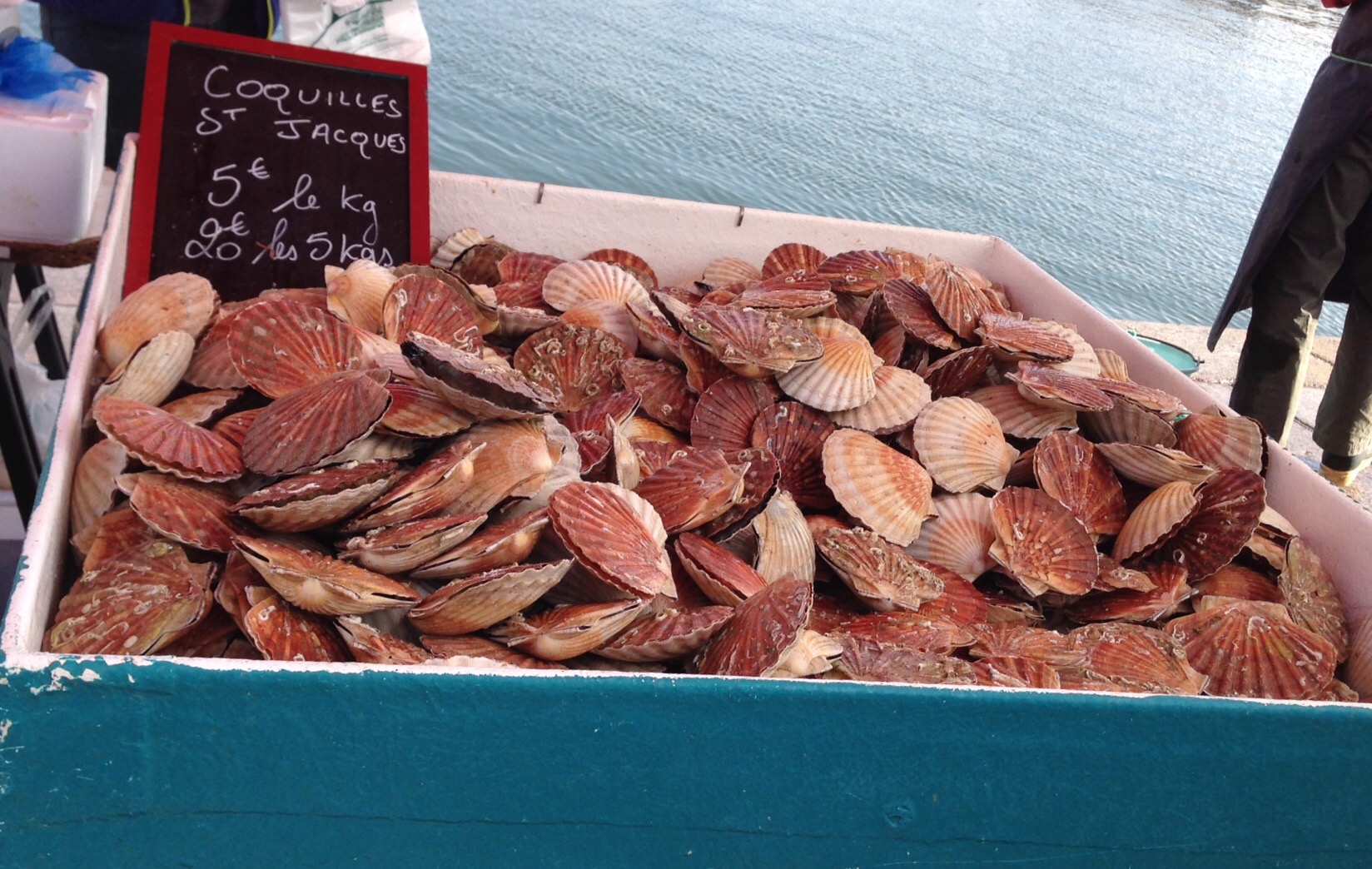
Saturday is market day in Honfleur and this Saturday was also the shrimp festival. The market is basically stalls set up through out the old town. Some areas of clothing and “stuff”, areas of fresh market garden produce, meats, fish, lots of cheeses and of course shrimp.
It starts as a beautiful sunny day and after lunch we decided to take a sight seeing boat trip out of the harbour. Because of the big tides there is a lock at the mouth of the harbour to ensure there is always sufficient water in the harbour for the fishing boats.
Our trip took us under the bridge spanning the Seine River. It was built in 1994, and at the time was the longest span in the world. It is built of a combination of concrete and steel blocks (for detailed information talk to Gary).
After going back and forth under the bridge a couple of times a storm came up – the usual wind, rain, high waves. But that doesn’t interfere with the tour! We carry on out to the mouth of the estuary with water pouring over the bow, rain pelting down and fog so that we don’t see Le Havre, Port 2000 or the beaches that we have come out to see!
After that experience we were back to the hotel in time to hear tonight’s lecture on the French Resistance. A bit muddled but basically the Allies needed to control, what the resistance was doing and did not supply them with weapons or information. So I am not clear how they really worked.
After dinner we were treated to a fabulous fireworks display which we could watch from our room overlooking the harbour

IMG_0257.JPG

IMG_0261.JPG

IMG_0259.JPG

IMG_0260.JPG

IMG_0258.JPG

IMG_0265.JPG

IMG_0262.JPG

IMG_0263.JPG

IMG_0264.JPG

IMG_0267.JPG

IMG_0268.JPG

IMG_0266.JPG

Posted in Uncategorized | 1 Comment

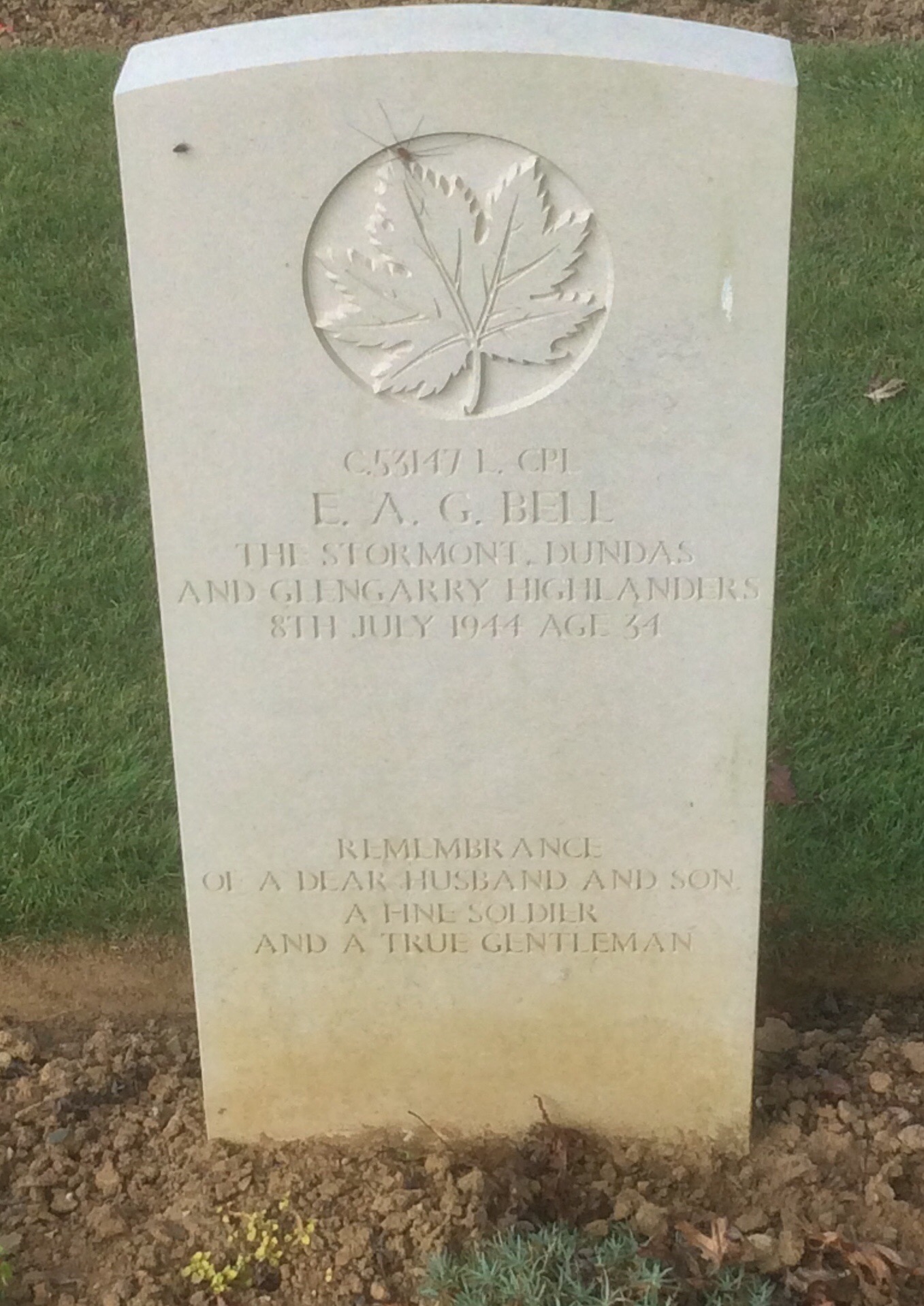
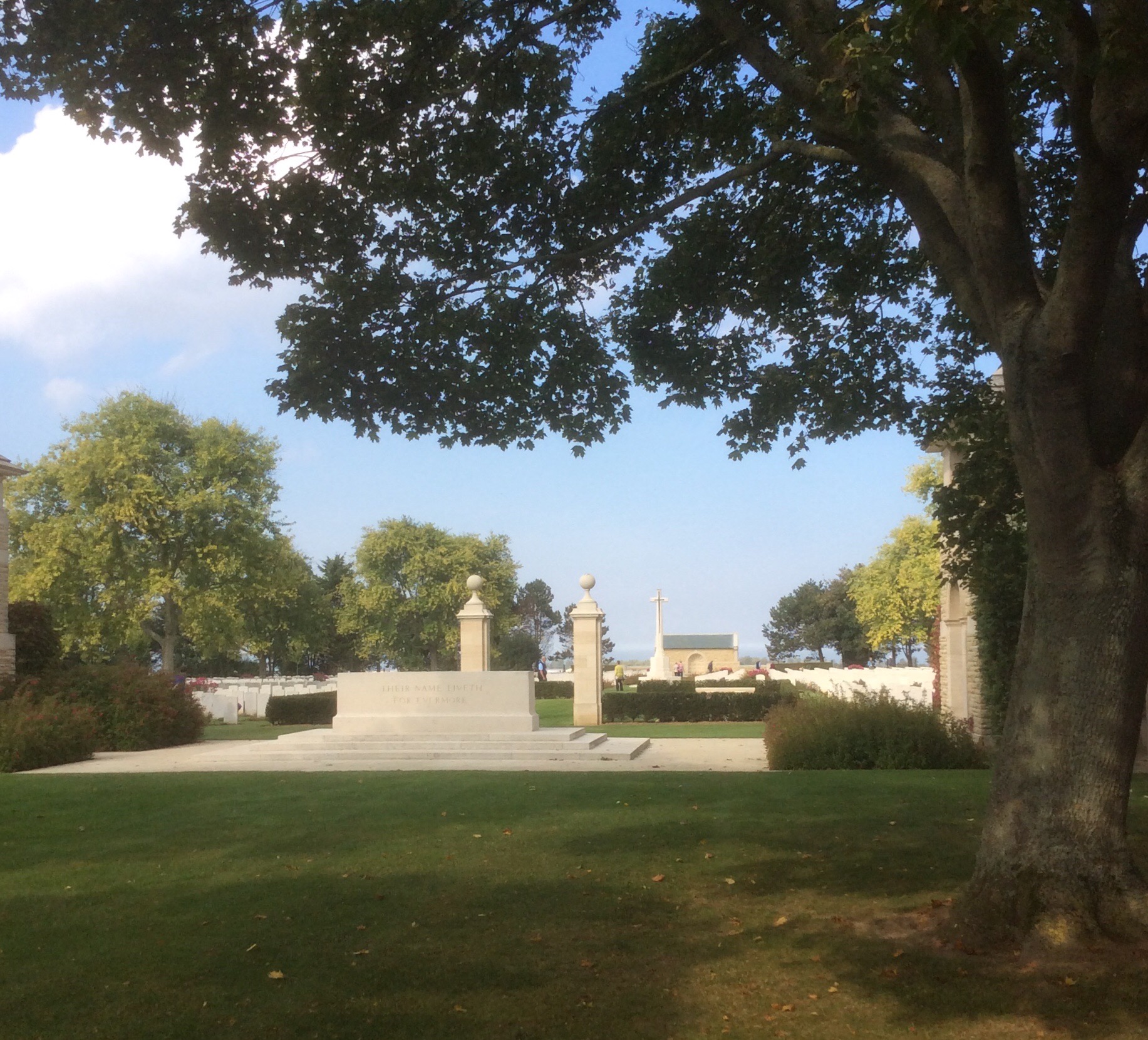
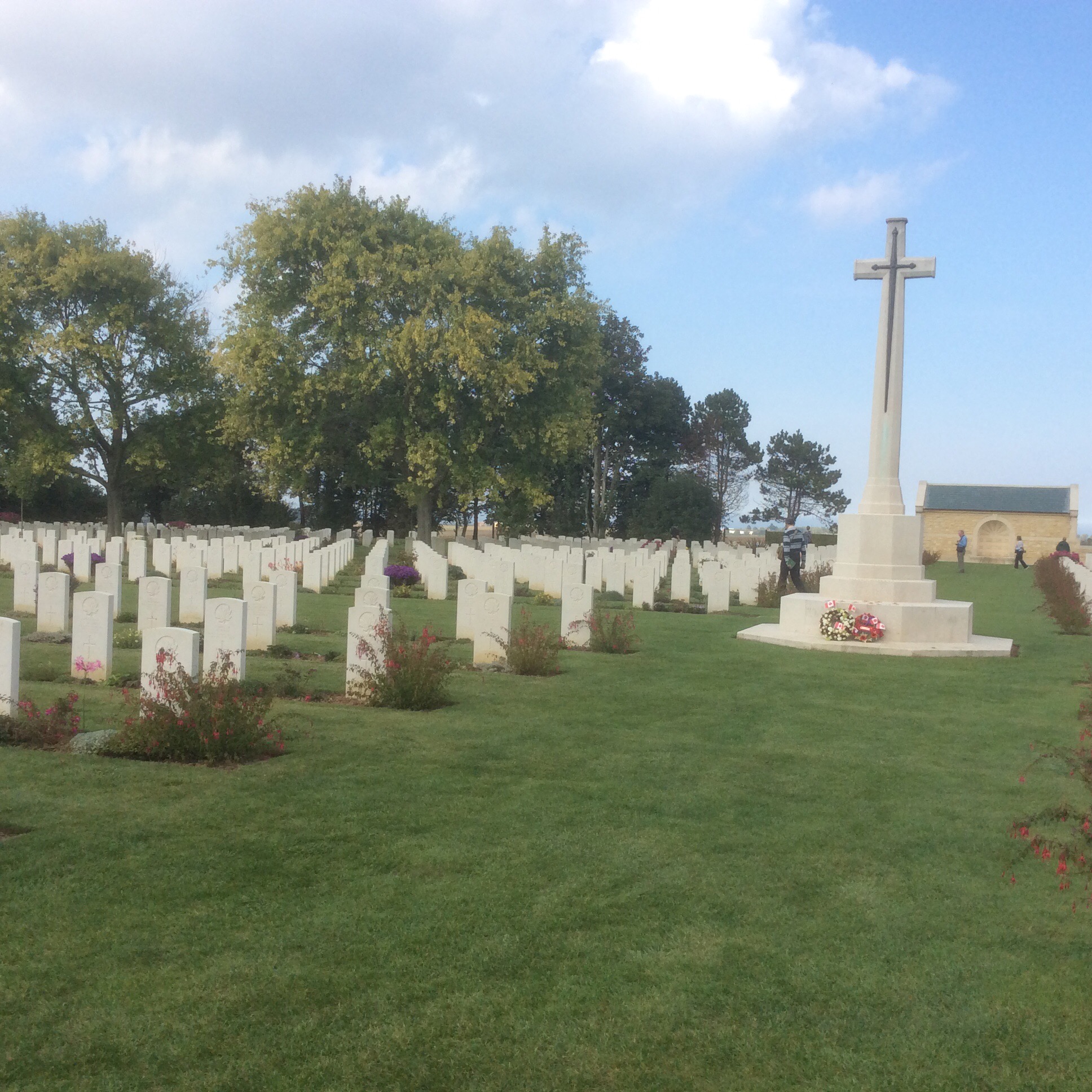
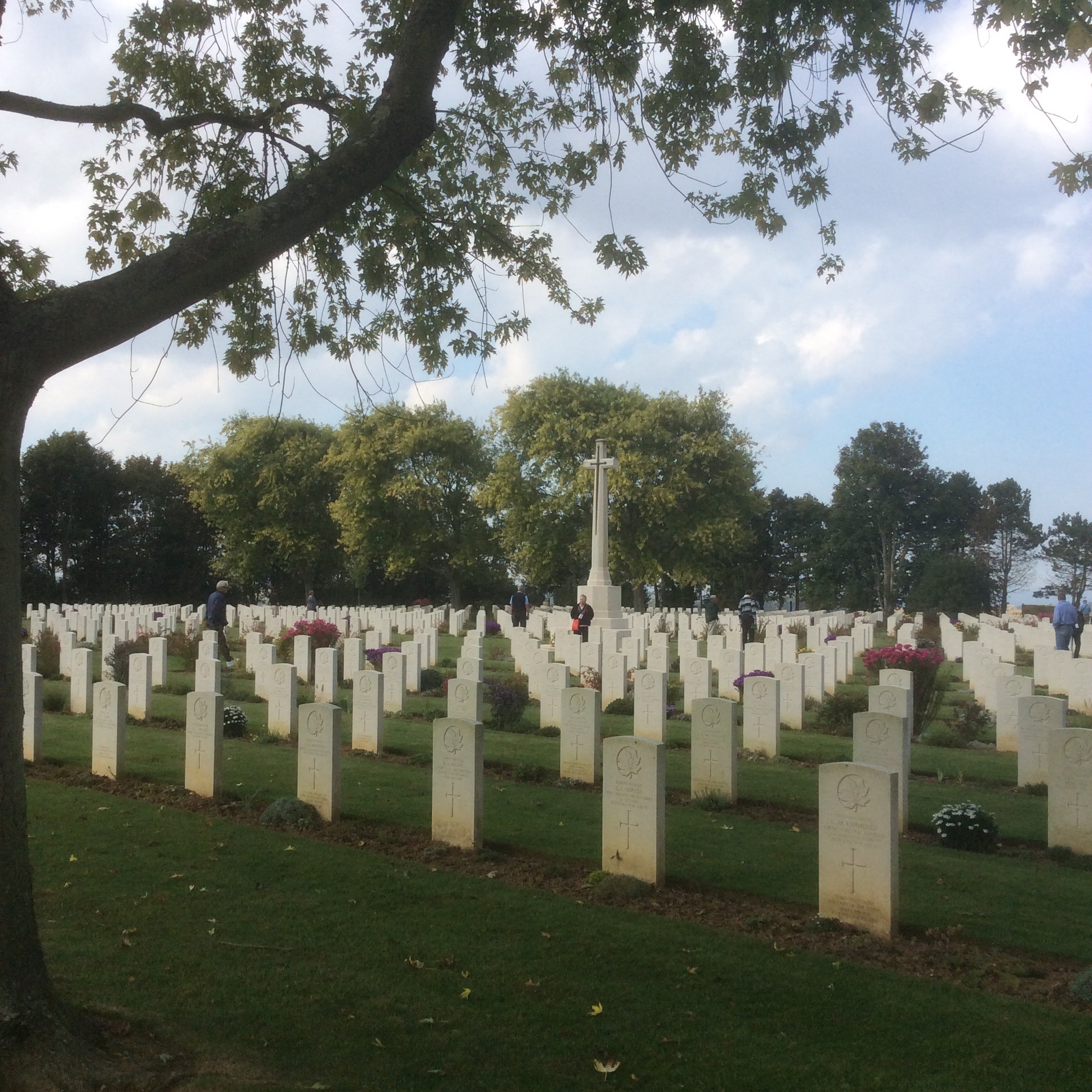
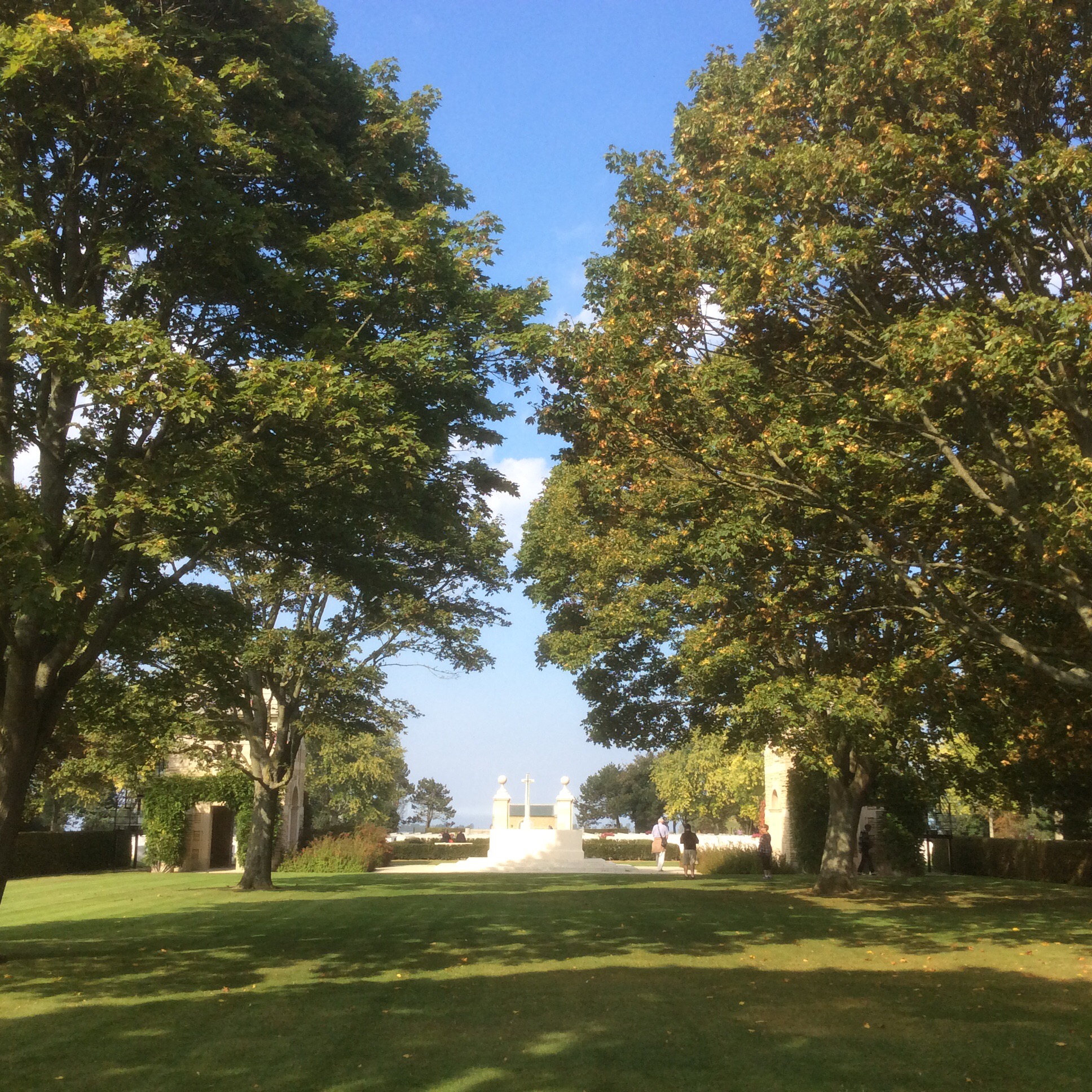
The Canadian cemetery, 2000 buried here

IMG_0207.JPG

IMG_0215.JPG

IMG_0209.JPG

IMG_0202.JPG

Posted in Uncategorized | Leave a comment

More photos from today

IMG_0193.JPG

IMG_0173.JPG

IMG_0165.JPG

IMG_0179.JPG

IMG_0245.JPG

IMG_0236.JPG

IMG_0234.JPG

IMG_0228.JPG

Posted in Uncategorized | 3 Comments